
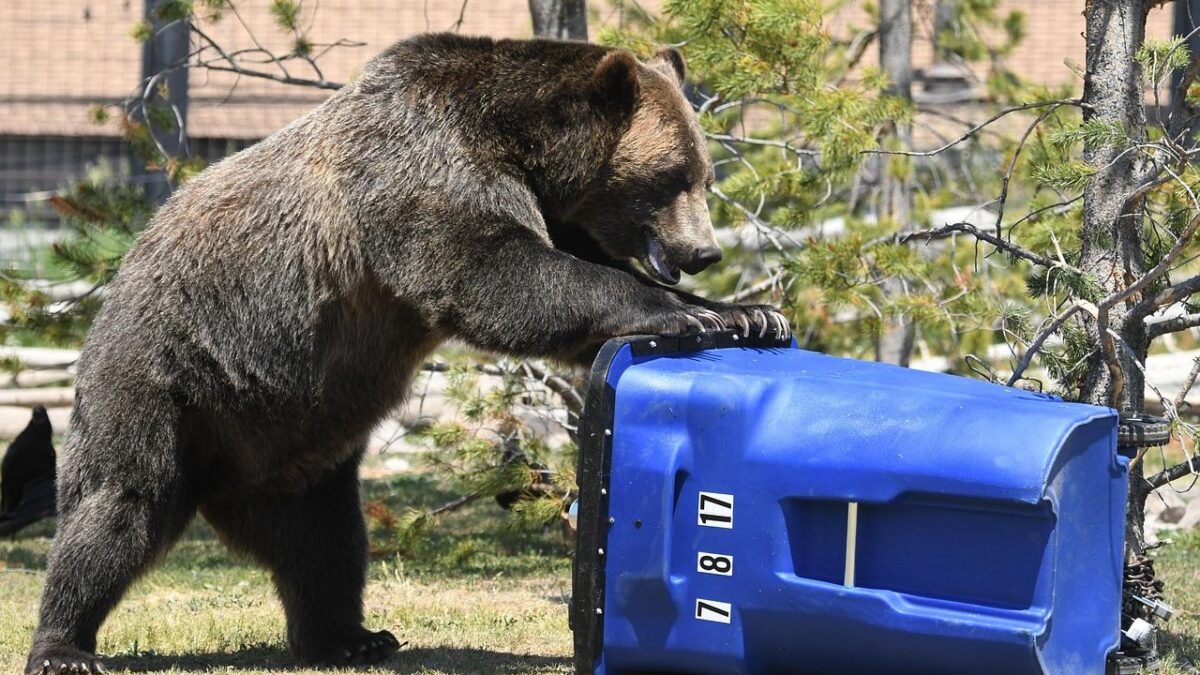
1. Raccoons: The Urban Opportunists That Never Sleep
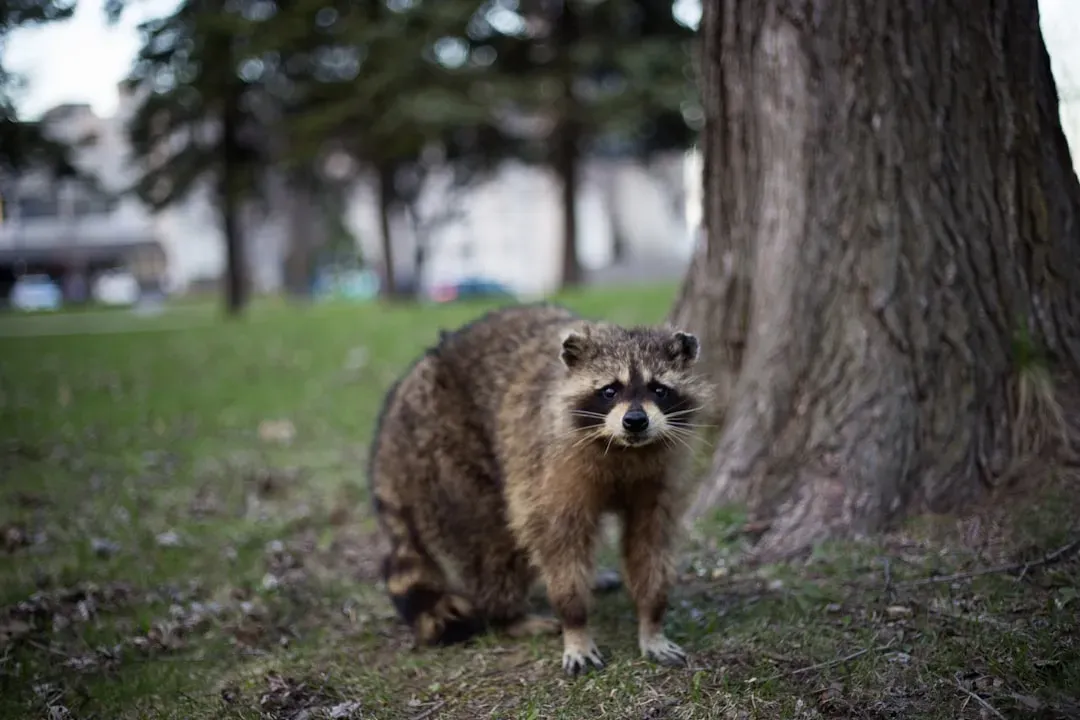
Raccoons might be the ultimate urban opportunists. They pry open trash cans, slip through pet doors, and nest in chimneys. Raccoons are one of the most common species of urban wildlife because they are generalists – they are not picky about what they eat and they can find adequate shelter almost anywhere.
Studies show that city raccoons solve complicated puzzles to reach food. They can unlatch containers or undo bungee cords meant to hold lids shut. They favor neighborhoods with plenty of cover, such as shrubs, storm drains, and old buildings. The raccoon isn’t just adapting to suburban life. It’s practically mastered it – and that’s why every attempt to keep them out tends to feel like a losing battle.
2. White-Tailed Deer: Beautiful Visitors With a Hidden Toll
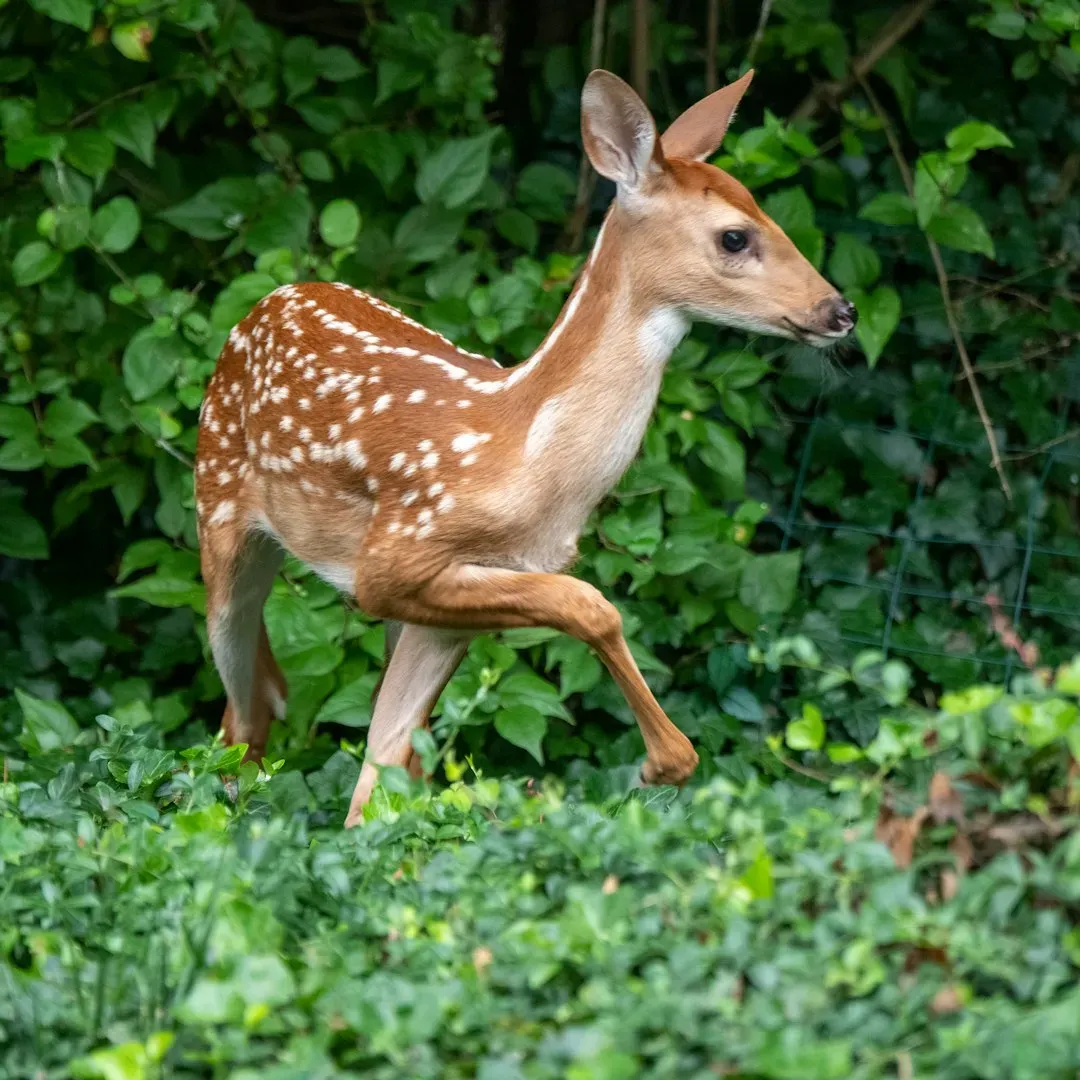
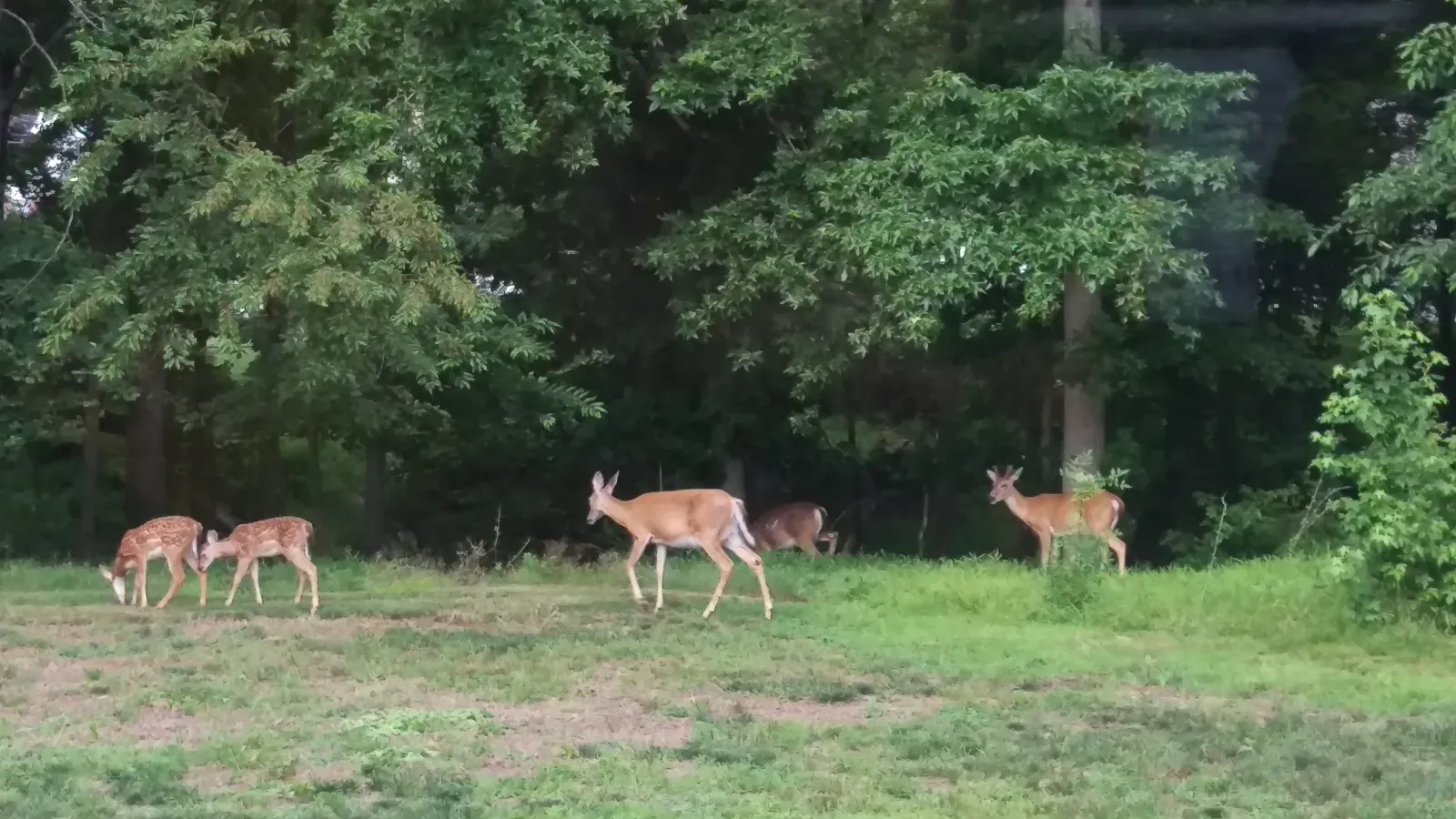
White-tailed deer have become a common sight in many suburban and even urban settings. As their natural habitats have diminished, these adaptable herbivores have learned to navigate roads, fences, and manicured lawns, often creating both picturesque scenes and challenges for residents. It sounds pleasant, right? A doe in the garden on a quiet morning. The reality is more complicated.
Deer flock to cities to munch on shrubs, lawns and gardens because wilderness lands have shrunk. They also come because it’s safer, with few mountain lions – their main predator – bold enough to enter cities. Deer kill and injure more Americans than any other animal – not with their antlers, but by dashing in front of cars and causing accidents. Swelling numbers of white-tailed deer also spread ticks that carry Lyme disease. The deer on your lawn is gorgeous. The consequences of their growing population are less so.
3. Black Bears: Garbage Raiders That Keep Coming Back
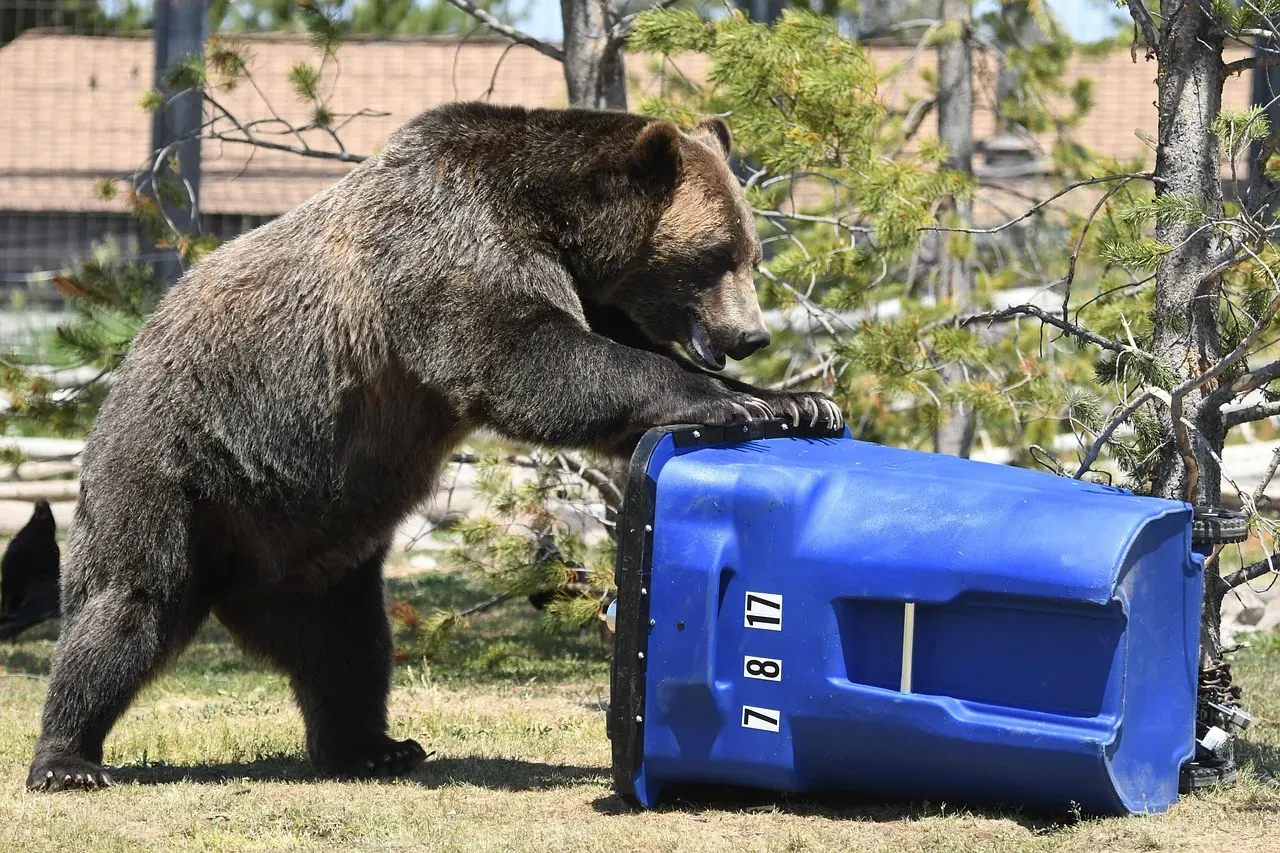
Black bears are attracted to neighborhoods by garbage, pet food, and bird feeders. In forested regions, black bears increasingly treat neighborhoods as extensions of their natural range. This pattern shows up especially in foothill towns and cabin communities. The problem is that a bear that finds food in a neighborhood once is almost certain to return.
Bears rely more on their noses than on fear of people. A single unlatched trash can or bird feeder can draw them back night after night. Biologists have documented urban bears that learn trash pickup schedules and make regular rounds like oversized garbage collectors. During 2025, a homeowner in Altadena discovered a black bear weighing roughly 500 to 550 pounds living beneath his house. The crawlspace provided insulation and protection similar to a natural den. California wildlife officers monitored the bear for several days while preparing a nonlethal response if the animal refused to leave. The incident drew attention because it occurred in a quiet residential area rather than a remote forest.
4. Red Foxes: The Charming Neighbors Nobody Invited
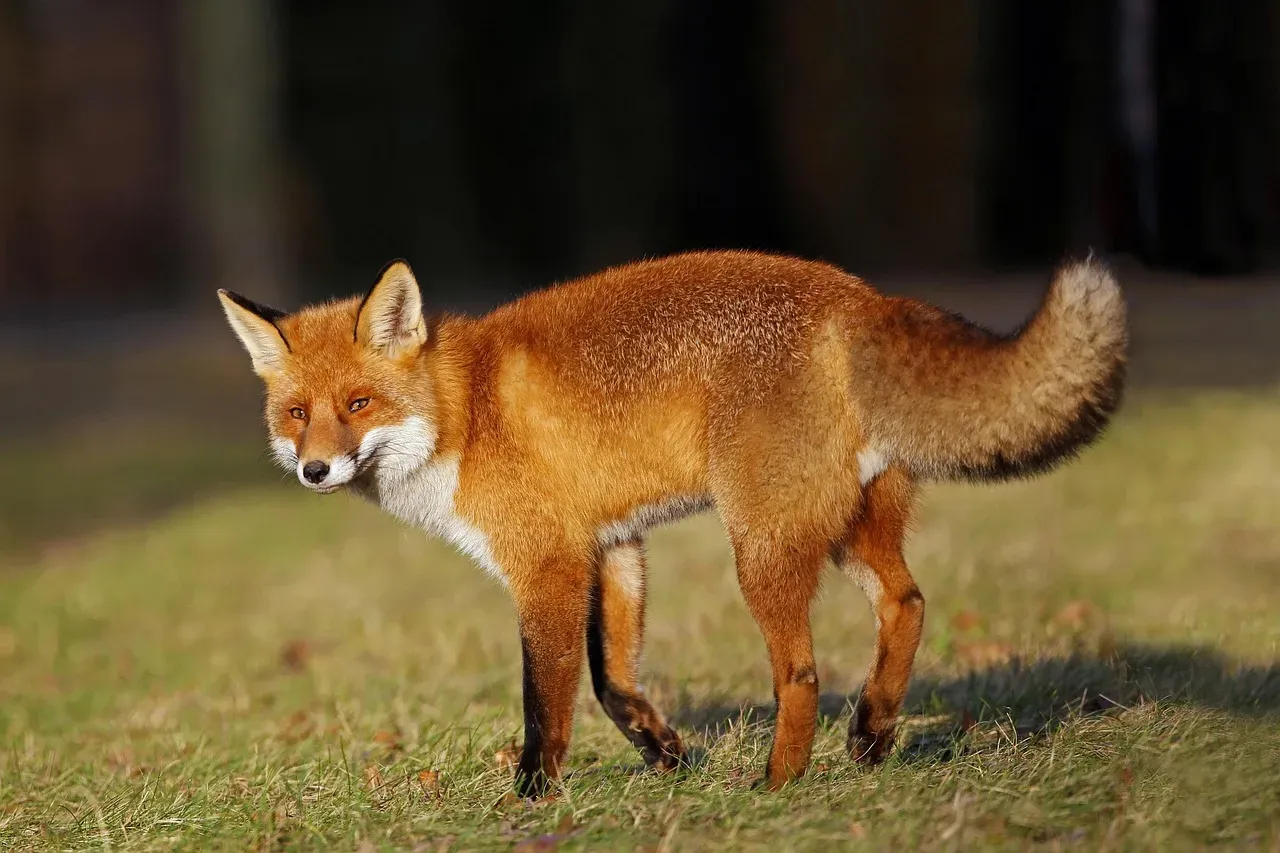
Red foxes have little fear and are now more concentrated in cities than in the wild. That’s a striking shift from what most people assume. Foxes are often viewed through a rural lens – creatures of fields and forests. The reality is that they’ve found suburban environments extremely comfortable, and they’re settling in permanently.
Foxes occasionally take backyard chickens or unsupervised small pets. However, biologists find that most of their diet in developed areas comes from wild prey and human leftovers, not dogs and cats. Their presence can actually help control rodent problems that come with dense human living. That benefit only holds if people resist the urge to treat foxes like outdoor pets, because handouts can make foxes bolder and more likely to cross paths with nervous neighbors. They’re not villains. They’re just exceedingly good at reading opportunity.
5. Wild Turkeys: The Surprisingly Aggressive Comeback Story
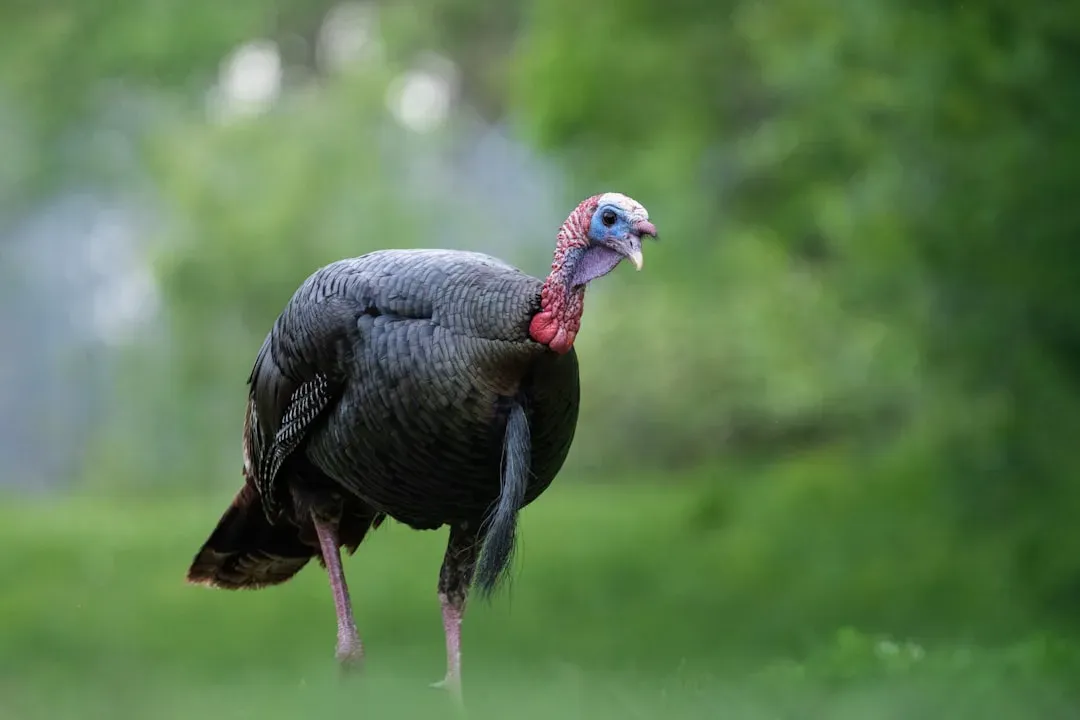
In the suburbs, turkeys can take advantage of edge habitat, like woods and open spaces, and dine on a never-ending buffet of food provided by people – particularly birdseed. It doesn’t hurt that native predators, such as wolves and cougars, have also largely disappeared from most parts of the turkey’s range. Their population rebound is one of wildlife management’s true success stories. The side effects, though, have surprised everyone.
A rafter of turkeys at NASA’s Ames Research Center in California sent astrophysicists scuttling. They have attacked postal workers. One wild turkey haunted a popular trail in Washington, DC, causing panic and even a little bloodshed. In 2019, a 35-year-old pregnant woman was attacked by turkeys on the streets of Cambridge, Massachusetts – twice. Nobody lists turkeys on their list of suburban wildlife concerns. That’s probably a mistake.
6. Bobcats: The Stealthy Predators in Plain Sight
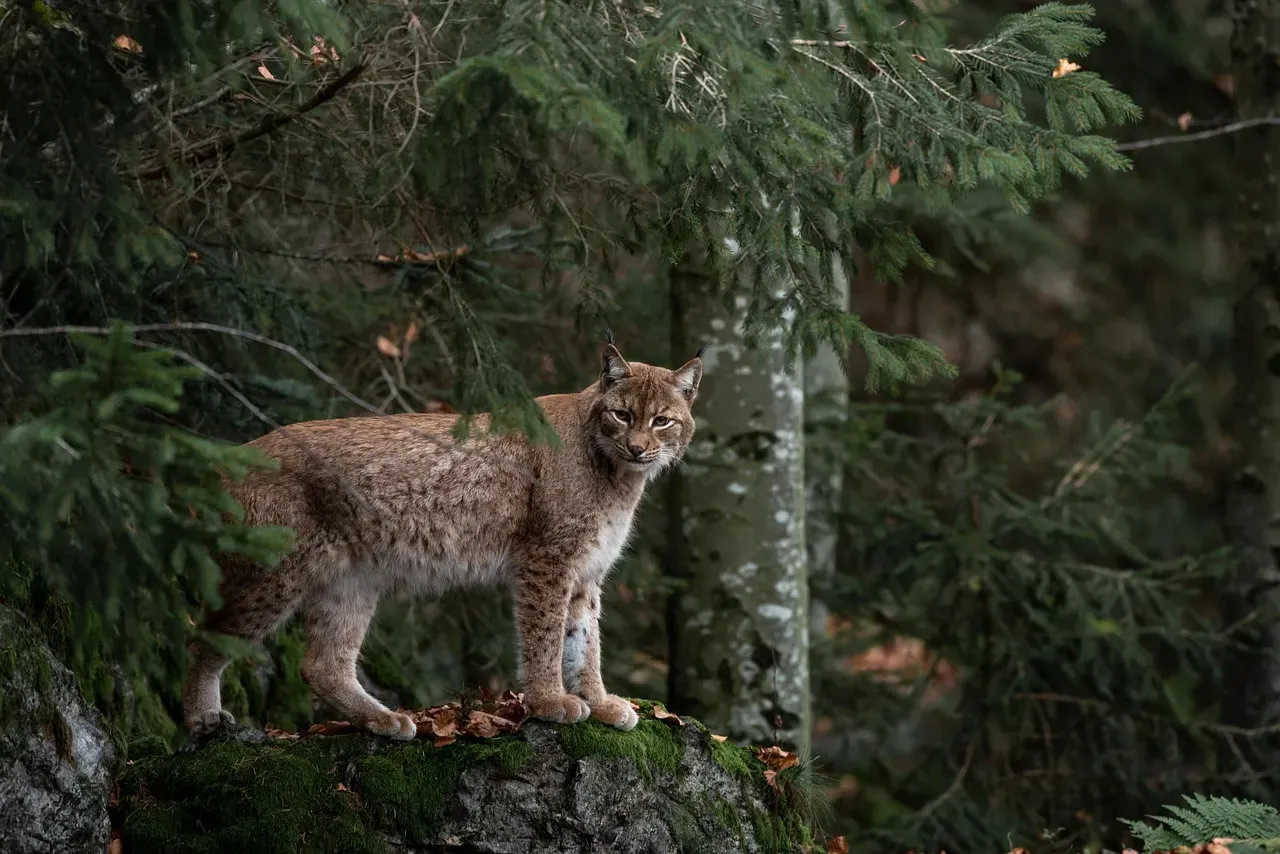
With tufted ears, a short bobbed tail, and sharp hunting skills, bobcats prey on rabbits, birds, and rodents. They are mostly nocturnal but can be spotted at dawn or dusk if you remain quiet. Their adaptability makes them a prime example of wild carnivores surviving alongside human development. Most suburbanites never know a bobcat lives nearby, which is probably exactly how the bobcat prefers it.
Foxes and bobcats are able to make their homes in cities, even though you may not often see them. Bobcats even occur in suburban areas as raccoons do. They are medium-sized cats of 13-30 pounds and 30-35 inches long. Bobcats are opportunistic and want to find the quickest and easiest meal they can. The size and ferocity of a raccoon can deter them, but if the raccoon is not yet full-grown, the bobcat will take it. Small pets left unattended outdoors at dusk are, from a bobcat’s point of view, simply available prey.
7. Coyotes: The Most Dangerous Animal Moving Into Your Neighborhood
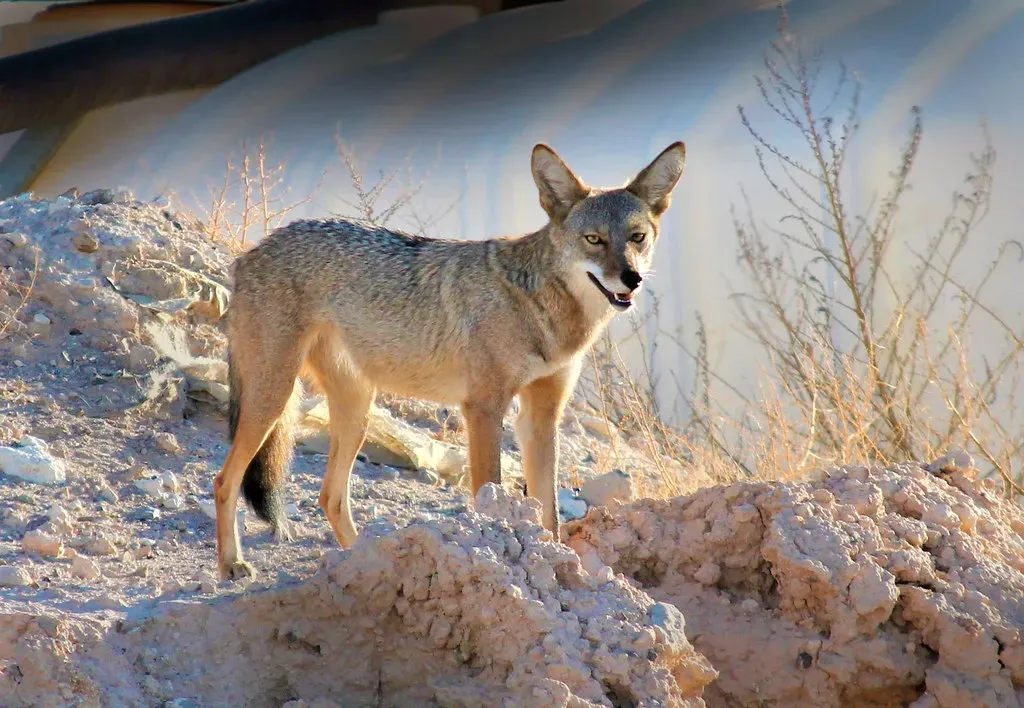
Coyotes have become the top carnivores in most metropolitan areas across North America. That sentence alone deserves a pause. Not foxes, not bears – coyotes. There was a time when coyotes could only be found in the Midwest and Southwest United States and portions of Mexico. Things changed as farmers and ranchers thoroughly decimated native wolf populations and left opportunities for coyotes to fill roles in the surrounding ecosystems. Today, there is essentially no major American city where coyotes haven’t established a presence.
In suburban areas, coyotes can lose their fear of humans as a result of coming to rely on ample food resources including increased numbers of rabbits and rodents, household refuse, pet food, available water from ponds and landscape irrigation run-off, and even intentional feeding of coyotes by residents. The safe environment provided by a wildlife-loving general public, who rarely display aggression toward coyotes, is also thought to be a major contributing factor. That habituation is where the real danger begins. In October 2025, a coyote attacked a 31-year-old woman in her employer’s backyard in Woodcliff Lake, New Jersey, as she was walking the family dog. The coyote bit her shoulder, arm, leg, and back before briefly going after the dog. It fled when the homeowner intervened, and the victim received treatment as a precaution for possible rabies exposure. While most coyotes avoid interacting with people, some coyotes in suburbia become emboldened and appear to have lost their fear of people. This can result in a dangerous situation with pets and young children at the greatest risk. The coyote earns the #7 spot not because it’s necessarily the most powerful animal on this list, but because it is the one most consistently and actively encroaching on human space, in the greatest numbers, across the widest geography – and because its behavior is shifting in ways that make it increasingly unpredictable.
8. Mountain Lions: The Apex Predator That Follows the Deer
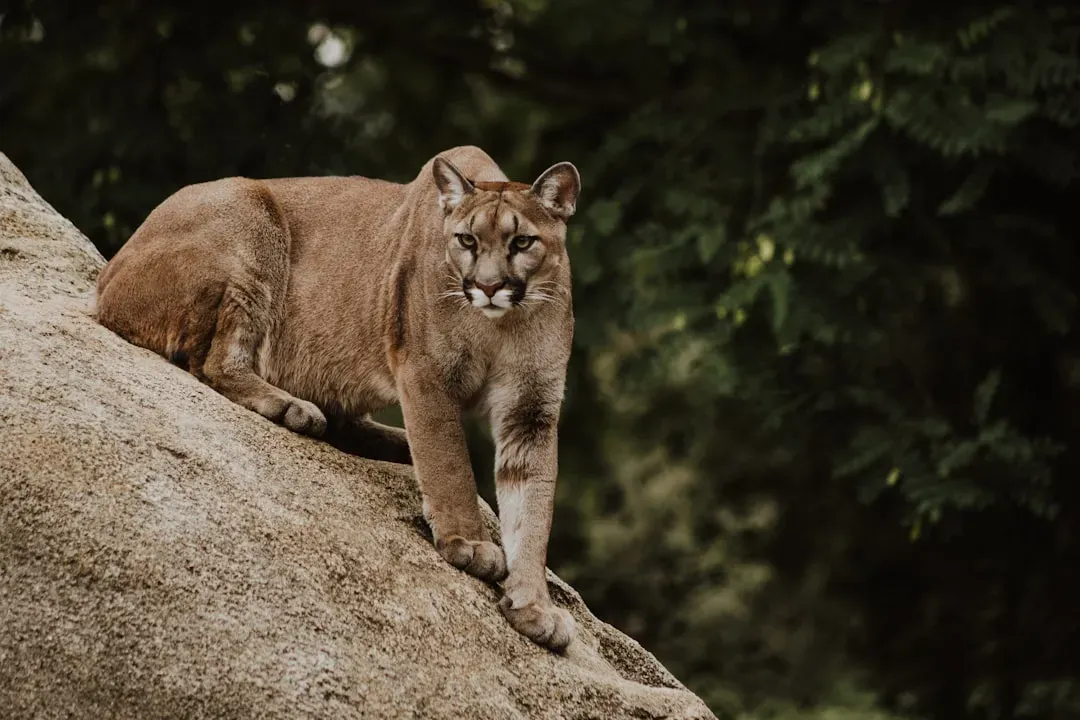
Mountain lions, also known as cougars or pumas, like deer the way you like ice cream. They fear people, so they follow deer into cities only when they’re really hungry. That qualifier – “only when they’re really hungry” – is the part worth sitting with. A mountain lion once tried to enter a hotel in Reno, Nevada, and another has lived in Griffith Park in Los Angeles, California, for nearly five years.
The North American cougar is a top predator found in remote parts of the U.S., mostly in western states. Cougars help regulate herbivore populations like deer and maintain ecosystem balance. These elusive cats are primarily active at night and rarely seen, but tracks or markings can excite any wildlife enthusiast. Occasionally larger predators such as bears or mountain lions may venture into urban spaces in search of food, but they are rarely seen and do not stay in cities. Rarely seen is very different from absent, and the distinction matters considerably when you’re walking a trail at dusk.
9. American Alligators: A Southern Suburban Reality
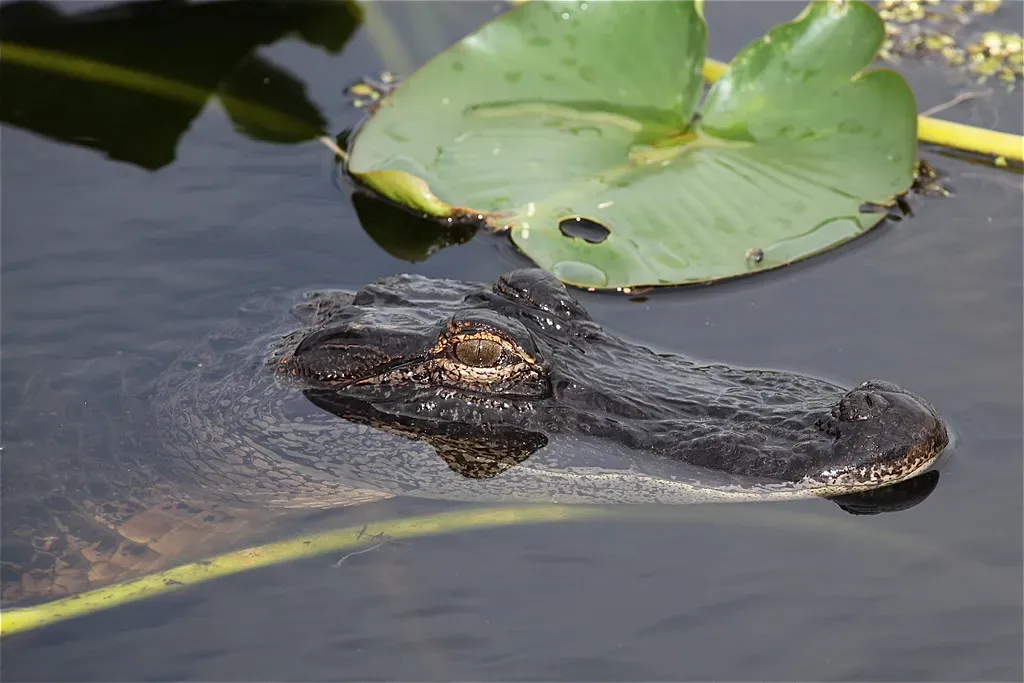
In the Southeast, American alligators now turn up in golf course ponds, stormwater basins, and backyard canals, especially where housing developments have filled wetlands. They can climb fences to get to these places. Because they are cold-blooded reptiles, they spend long hours basking at the water’s edge or cruising slowly just below the surface. This behavior makes them highly visible to walkers and golfers.
Wildlife agencies point out that most alligators prefer to avoid people and will slip away if people leave them alone. Feeding them – even tossing a few scraps – teaches them to associate humans with food. That habit leads to trouble. Nuisance alligators can lose their natural fear and approach yards, docks, or swimming areas, sometimes leading to dangerous encounters and removal. In Florida, alligators are common near urban ponds and golf courses. For millions of Floridians and Gulf Coast residents, this is simply the backdrop of daily life.
10. Feral Hogs: The Invasive Force Nobody Saw Coming
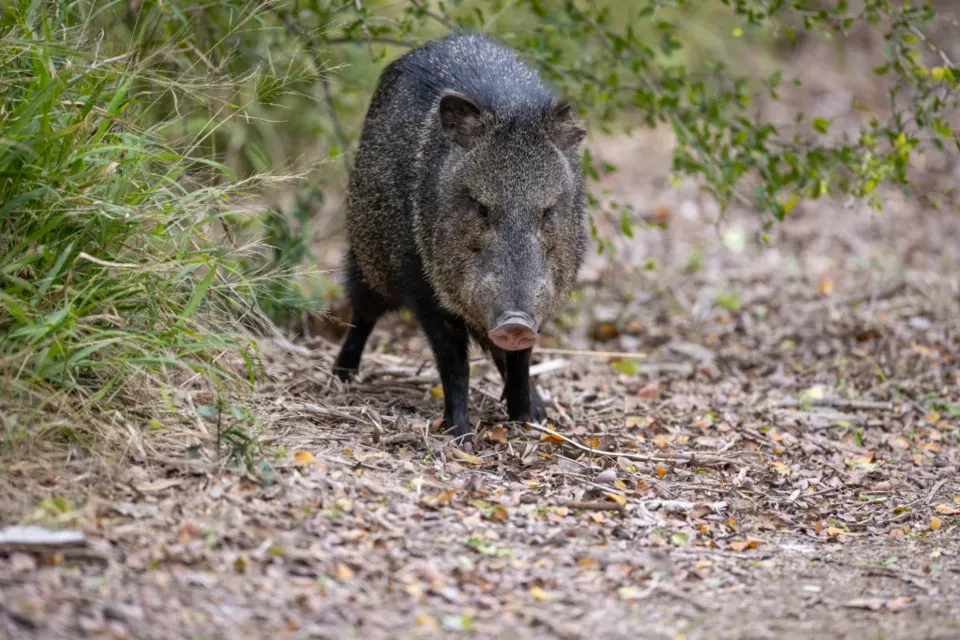
Feral hogs, also called wild hogs or wild pigs, rank among the fastest-spreading invasive species in the United States. They descend from escaped domestic pigs and imported wild boar. Their reproductive capacity allows populations to grow quickly when food is abundant. Hogs damage crops, destroy lawns, and degrade ecosystems through rooting and wallowing. Their arrival in suburban neighborhoods is less a wildlife story and more an ecological emergency in slow motion.
In late 2025, police in Eagle Pass warned residents after wild hog sightings increased inside city neighborhoods near the Rio Grande. Their strong snouts turn over soil like plows. In a single night they may rip up turf, gardens, and irrigation lines, causing far more damage than a raccoon raid on the trash. They also compete with native wildlife for food and can spread diseases to livestock and, in rare cases, humans. Feral hogs are not moving into suburbs the way a fox does – tentatively, cautiously, watching for threats. They move in like they own the place.
What This All Actually Means for American Suburbs
The honest takeaway here isn’t that your neighborhood is under siege. It’s that the boundaries between human and wild space were always more permeable than we wanted to believe. Climate change adds pressure by altering vegetation, water availability, and seasonal cues. Some species shift their ranges toward cooler regions or higher elevations. Others move closer to towns where irrigation, shade, and shelter remain available during drought and heat.
Many people move to suburbs or beyond to feel closer to the land, to get easy selfies with spring wildflowers, to grow or hunt their own food, or just to feel the quiet thrill of finding a fawn curled up in the forest. But when deer munch on our gardens, beavers dam up streams and flood our yards, turkeys attack, and coyotes dine on unleashed chihuahuas, suddenly nature is not so charming. The wildlife isn’t new. Our proximity to it is.
What’s genuinely needed now is less panic and more practical knowledge. Secure your trash. Know which animals are active in your county. Don’t feed anything wild, no matter how cute it seems in the moment. The animals moving into American suburbs aren’t invaders with malicious intent – they’re simply responding to opportunity. The question is whether we’re thoughtful enough neighbors to respond wisely in return. That choice, more than any fence or wildlife management program, will define how this plays out.

- 6 Exotic Bird Species You Can Spot in U.S. National Parks - July 19, 2026
- 11 Iconic American Birds Facing New Challenges and How You Can Help - July 19, 2026
- 10 Friendliest Animals in the World - July 19, 2026