
Astrology has long used animals as mirrors for human personality. The zodiac assigns us symbols, drives, and tendencies that often feel uncomfortably accurate. So what happens when you map those same traits onto the creatures of the marsh? The result is surprisingly resonant. Whether you’re a patient hunter or a restless wanderer, a quiet schemer or a communal nest-builder, there’s a marsh animal out there that genuinely matches your energy.
Aries (March 21 – April 19): The American Alligator
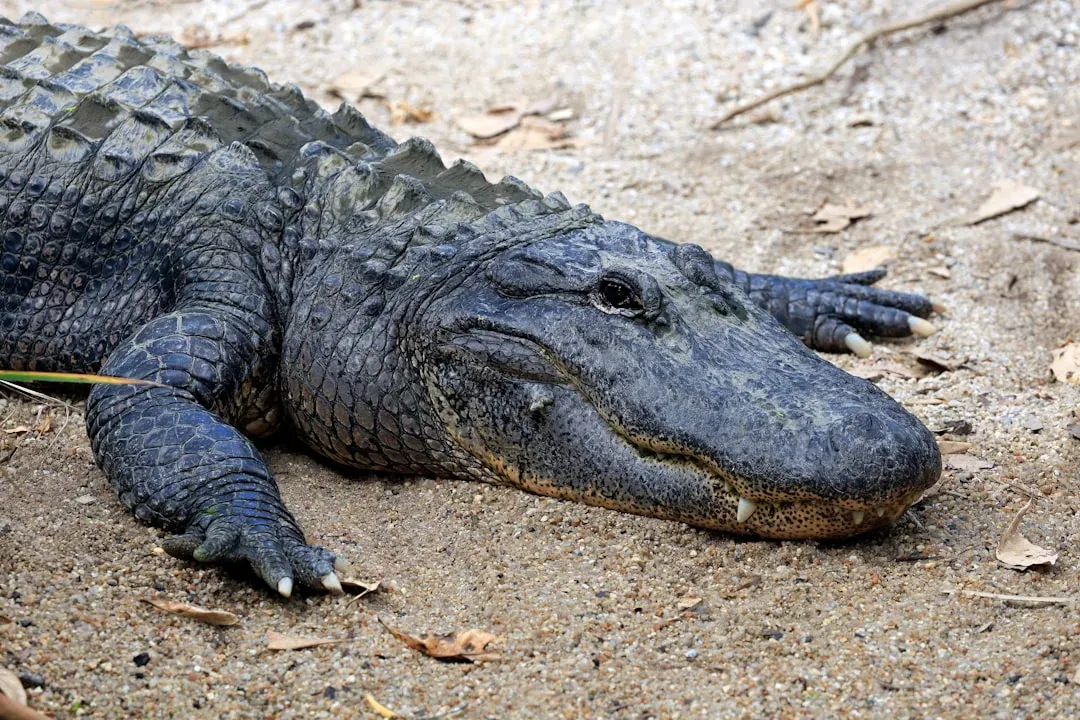
Aries is ruled by Mars, the planet of action and drive, and few marsh animals embody that raw, forward-moving power quite like the American alligator. The American alligator is a large crocodilian reptile native to the Southeastern United States, and it moves through its world with an authority that’s hard to ignore. It doesn’t hesitate. When it acts, it commits fully – which is very much Aries energy.
A top predator, the alligator shapes marsh ecosystems by creating gator holes that hold water during dry spells, meaning it doesn’t just dominate its environment – it literally constructs it. Aries, too, tends to leave a mark wherever they go. They don’t follow trails. They clear them.
Taurus (April 20 – May 20): The Muskrat
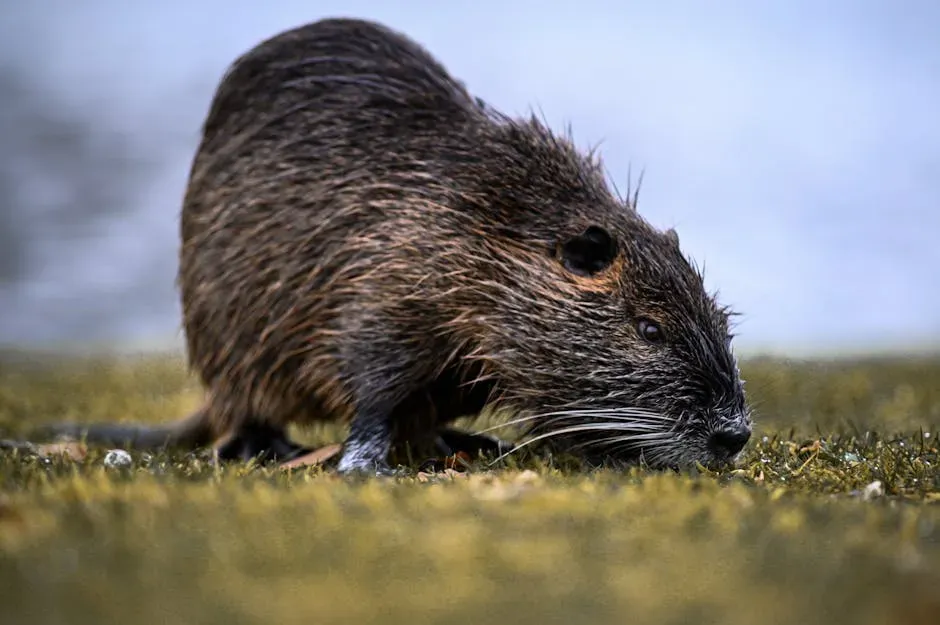
Taurus is the sign most associated with home, comfort, and a deeply rooted sense of security. The muskrat fits this portrait remarkably well. Muskrats can be found in estuarine and freshwater marshes, where they make their home by building domed lodges out of cordgrass and eating the tender shoots. There’s something so Taurus about that: building a cozy, self-sufficient home and filling your days with simple, satisfying routines.
Often confused with beavers, muskrats are typically smaller and have a scaly, hairless tail, and they eat roughly one third of their body weight each day, feeding on the roots of marsh plants, fish, frogs, insects and shellfish. Taurus is nothing if not someone who enjoys their meals. Grounded, industrious, and unashamedly comfortable in their own space – the muskrat is their marsh twin.
Gemini (May 21 – June 20): The River Otter
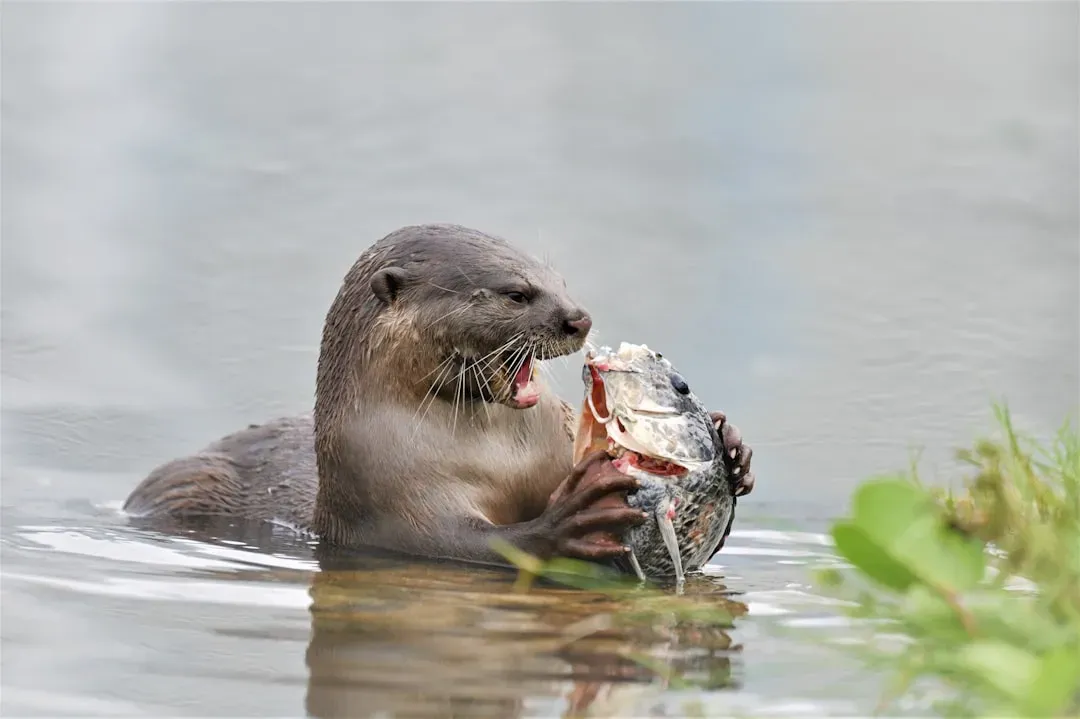
Gemini is the sign of dual natures, quick intelligence, and playful social energy. The river otter ticks every one of those boxes. River otters are medium-sized mammals with streamlined bodies, dense fur, and webbed feet, and they are playful and skilled swimmers, using their agility to catch fish and other aquatic creatures. That combination of intelligence and physical playfulness is so Gemini it almost hurts.
River otters are smart, agile, and strong predators, and while they eat a lot of amphibians and fish, they’ll also take on sizeable beavers, raccoons, snapping turtles, snakes, and small gators. The sign of Gemini is thought to be very flexible and closely associated with the free-flowing exchange of ideas, communication, and interaction. The otter has that same flexible brilliance – equally at home in water or on land, serious when it matters, playful when it doesn’t.
Cancer (June 21 – July 22): The Marsh Rabbit
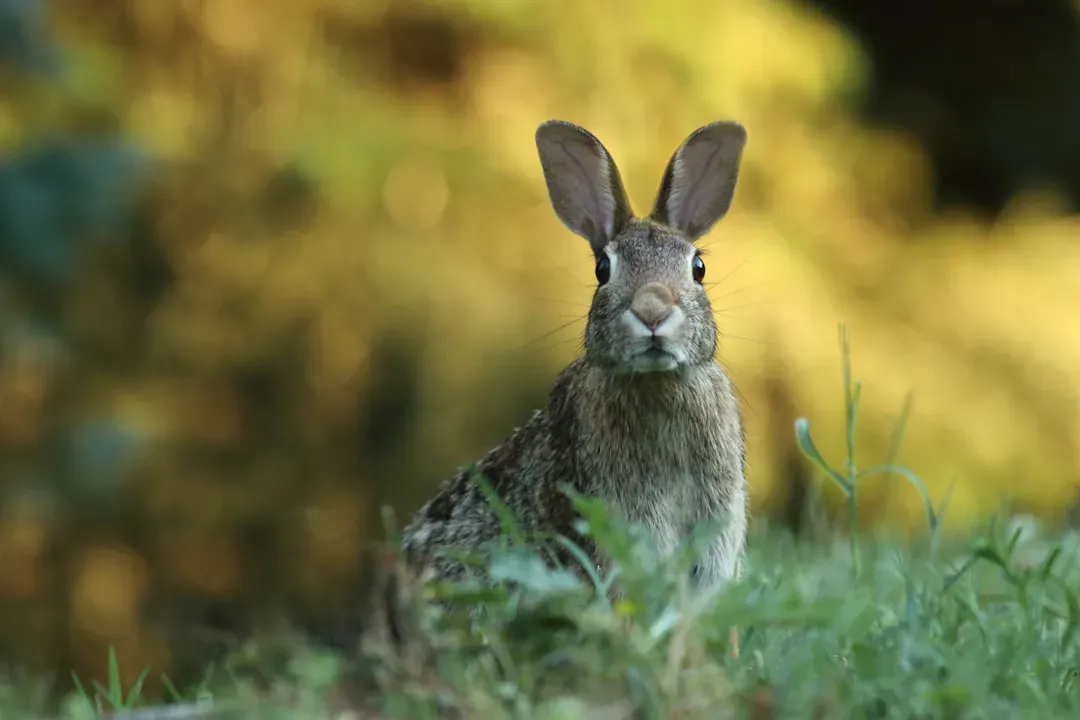
Cancer is the nurturer of the zodiac, deeply tied to home, family, and emotional memory. The marsh rabbit, a creature that is entirely defined by the wetland world it inhabits, feels like a natural match. Marsh rabbits are medium-sized rabbits with smaller heads, feet, and ears than their relative the eastern cottontail, and they are the only mammal in the Bay region restricted entirely to marshes and swamps. Like Cancer, the marsh rabbit doesn’t stray far from where it feels safe.
Very suited to their habitat, marsh rabbits are excellent swimmers and feed on aquatic plants such as cattails, water hyacinth and marsh grasses. This is a creature that has quietly mastered its own corner of the world, adapted to thrive precisely where it belongs. Cancer shares that same quality – appearing gentle on the outside while being quietly, stubbornly capable within their domain.
Leo (July 23 – August 22): The Great Blue Heron
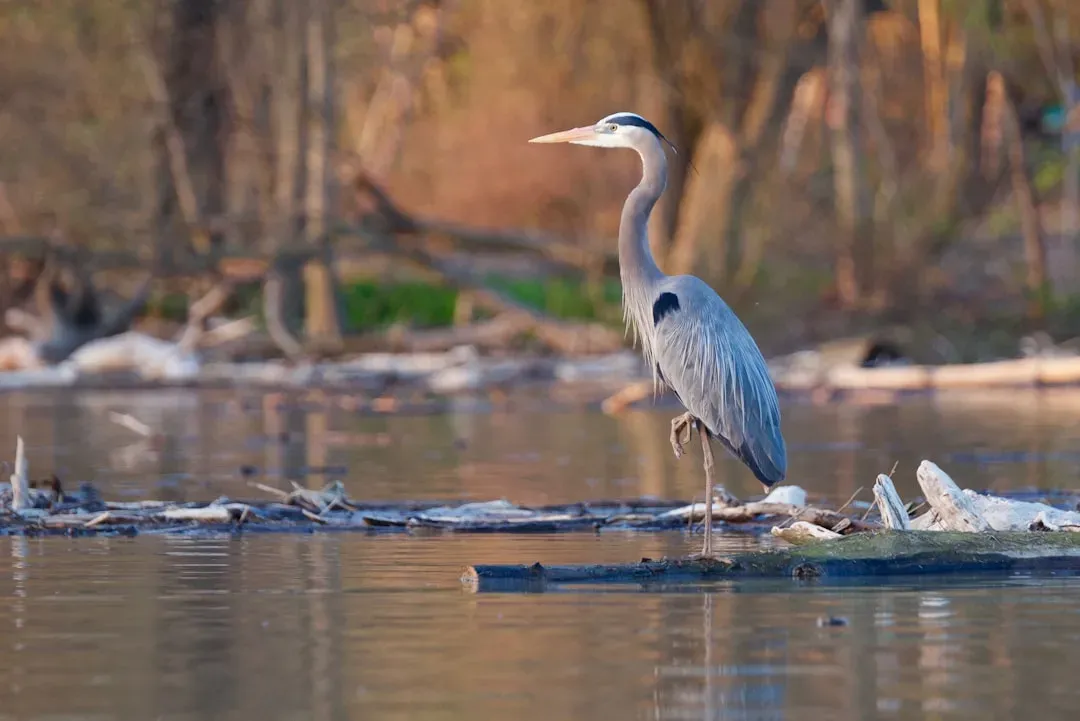
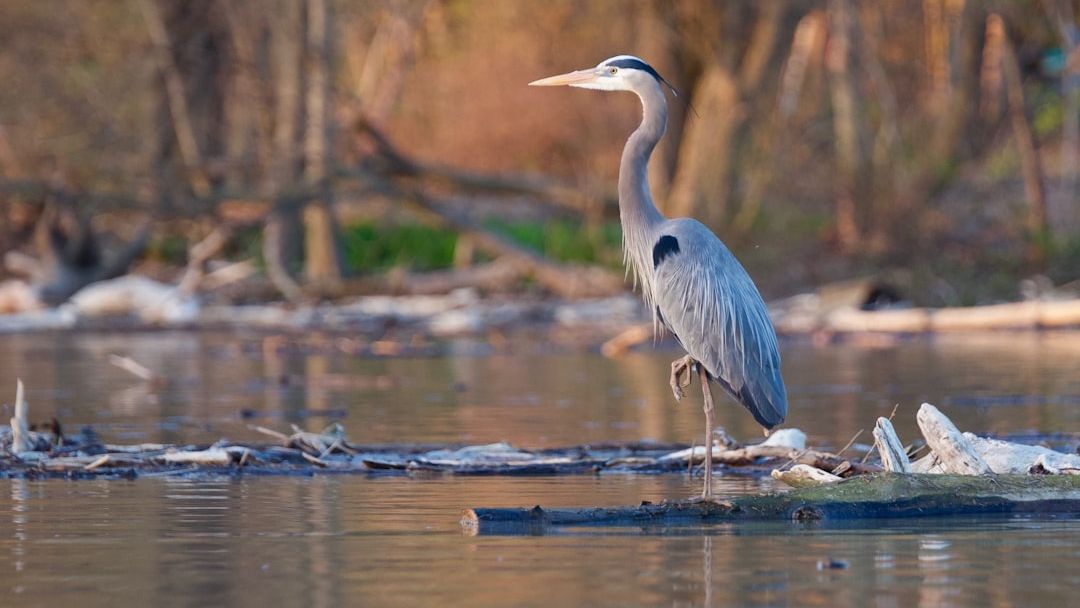
There’s no more regal a figure in the marsh than the great blue heron, and there is no more regal a zodiac sign than Leo. Whether poised at a river bend or cruising the coastline with slow, deep wingbeats, the Great Blue Heron is a majestic sight – a stately bird with subtle blue-gray plumage that often stands motionless as it scans for prey or wades belly deep with long, deliberate steps. The heron doesn’t try to look impressive. It simply is.
Great blue herons are the largest herons in North America, and they can grow to be four feet tall with a six- to seven-foot wingspan, though despite their size they have hollow bones and weigh only up to six pounds. That contrast between imposing presence and surprising lightness is very Leo – commanding attention in any room while moving through the world with more grace than people expect.
Virgo (August 23 – September 22): The Snapping Turtle
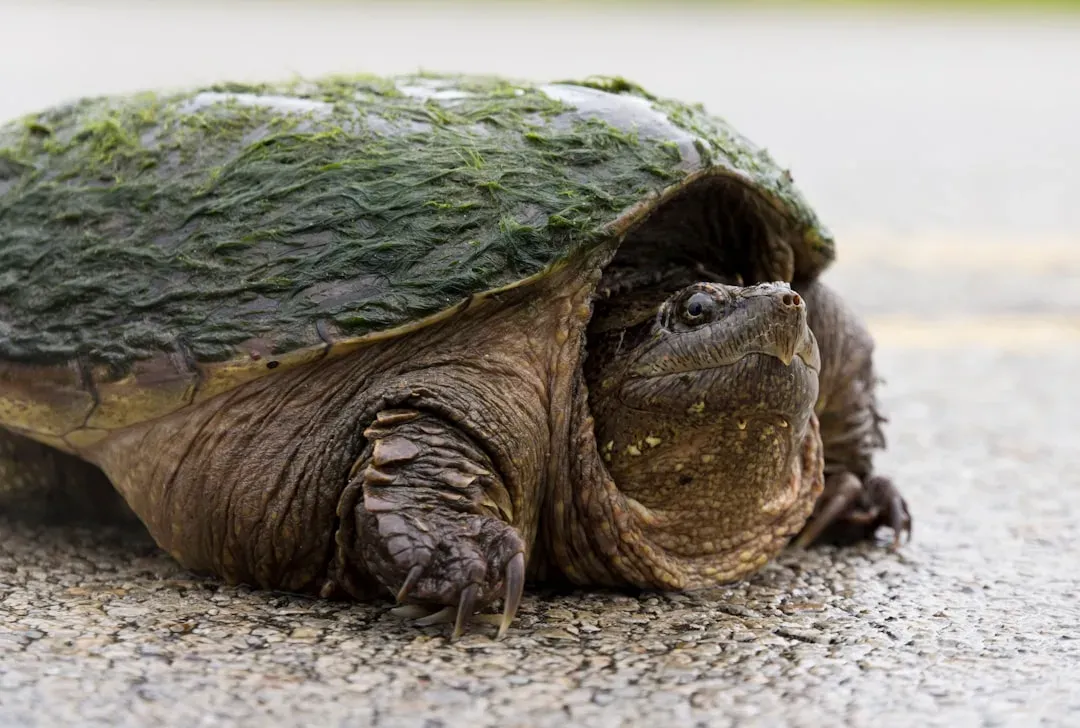
Virgo is methodical, precise, and operates on its own timetable regardless of what anyone else thinks. The alligator snapping turtle is exactly that energy, distilled into ancient armor and patient strategy. Alligator snapping turtles are hunters and scavengers, and during the day they often lie motionless in murky waters with their mouths open, using a red wormlike projection on their tongues as a lure to attract unsuspecting fish or frogs. That’s not laziness – that’s the most efficient hunting strategy in the marsh.
Alligator snapping turtles are the largest freshwater turtles in North America, and their heavy heads, strong jaws, hooked beaks, and spiked shells give them a prehistoric appearance. Virgo doesn’t need to advertise itself. It has quietly perfected its method over time, and when the moment comes, it delivers with absolute precision. The snapping turtle is the marsh’s most competent creature, which makes it unmistakably Virgo.
Libra (September 23 – October 22): The Mallard Duck
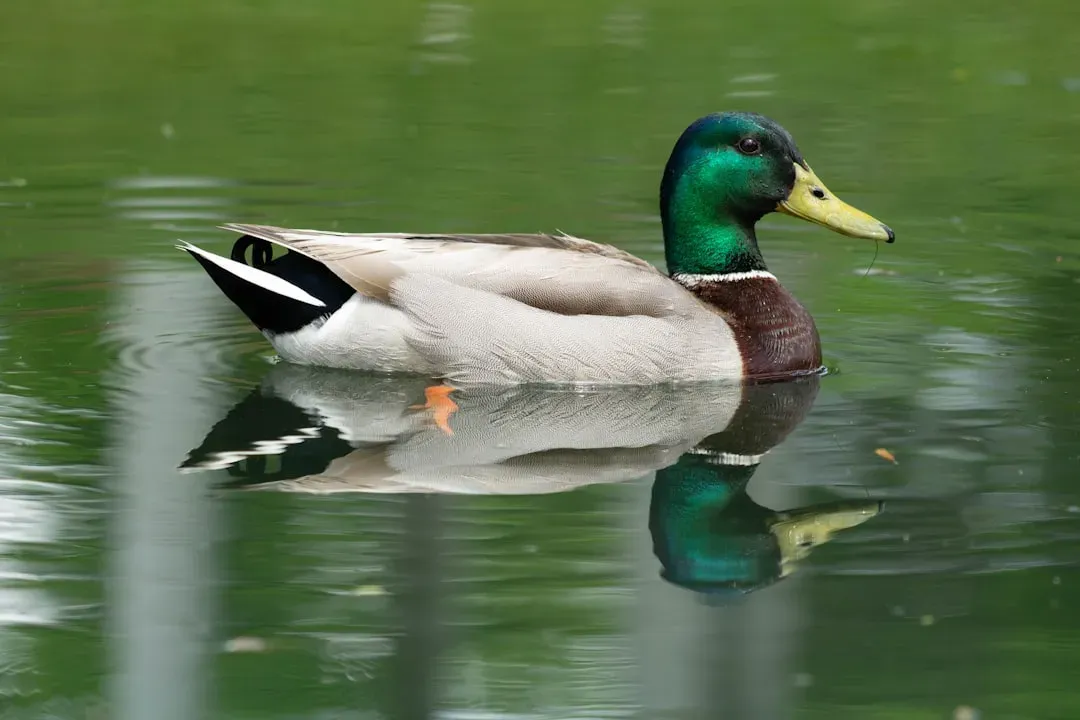
Libra is the sign of beauty, balance, and social ease, and the mallard glides through both worlds – air and water – with the kind of effortless composure that Libra aspires to. The mallard is a dabbling duck that breeds throughout the temperate and subtropical Americas, Eurasia, and North Africa, living in wetlands and eating water plants and small animals, preferring to congregate in flocks. Community, aesthetics, and adaptability – Libra to the core.
Many marsh birds have webbed feet for swimming, like ducks, or long legs and toes for wading through shallow waters, as seen in herons. The mallard takes the elegant route. It’s adaptable enough to thrive across the globe, sociable enough to prefer company, and visually striking enough to make an impression. Libra, famously drawn to harmony in all things, would feel right at home riding that gentle current.
Scorpio (October 23 – November 21): The Northern Water Snake
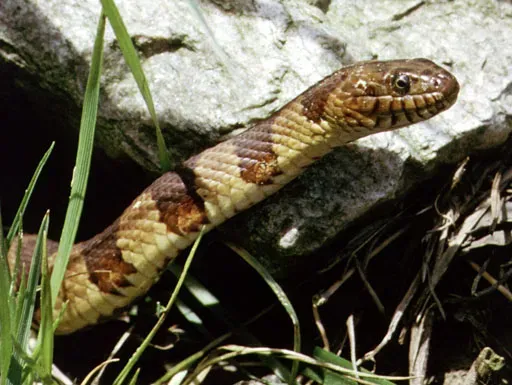
Scorpio is misunderstood, intense, and far more capable than its reputation often suggests. The northern water snake is in exactly the same position. Northern water snakes live along tidal creek and river marshes, and even though they are non-venomous, they will bite if threatened. That’s a remarkably Scorpio sentence. Not dangerous by nature, but absolutely unwilling to be pushed around.
Water snakes are skilled, patient hunters in the marsh ecosystem, spending long periods concealed in reeds and along muddy banks before striking with speed and accuracy. Scorpio operates the same way – quiet and observant in most settings, but harboring a depth that few people actually get to see. Both the snake and the Scorpio tend to be misread at first glance, and both have a way of making that work in their favor.
Sagittarius (November 22 – December 21): The Canada Goose
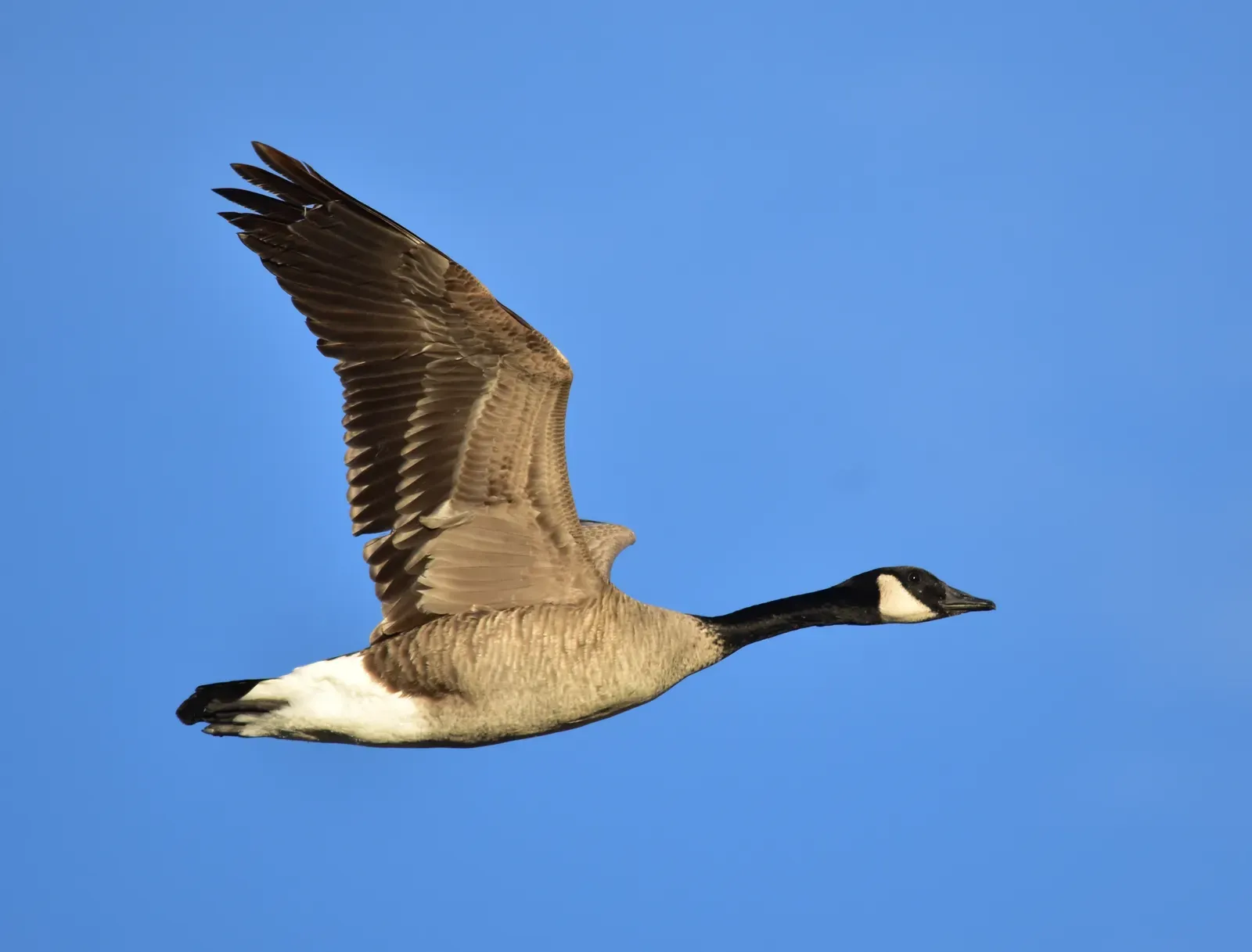
Sagittarius is the traveler of the zodiac, always restless, always chasing a broader horizon. The Canada goose is one of nature’s most famous wanderers. The Canada goose is a large wild goose native to the arctic and temperate regions of North America, known for its legendary long-distance migrations that take it across entire continents. Sagittarius couldn’t ask for a better spirit animal in the marsh world.
Evolutionarily, these marsh and wetland species have thrived in rich, albeit challenging, habitats, evolving to exploit the aquatic resources and dense vegetation. The Canada goose is vocal, social, fiercely protective of its own, and deeply committed to movement. Sagittarius, forever optimistic and freedom-loving, shares that same irrepressible urge to go further – and the honesty to honk loudly when something’s not right.
Capricorn (October 22 – January 19): The Beaver
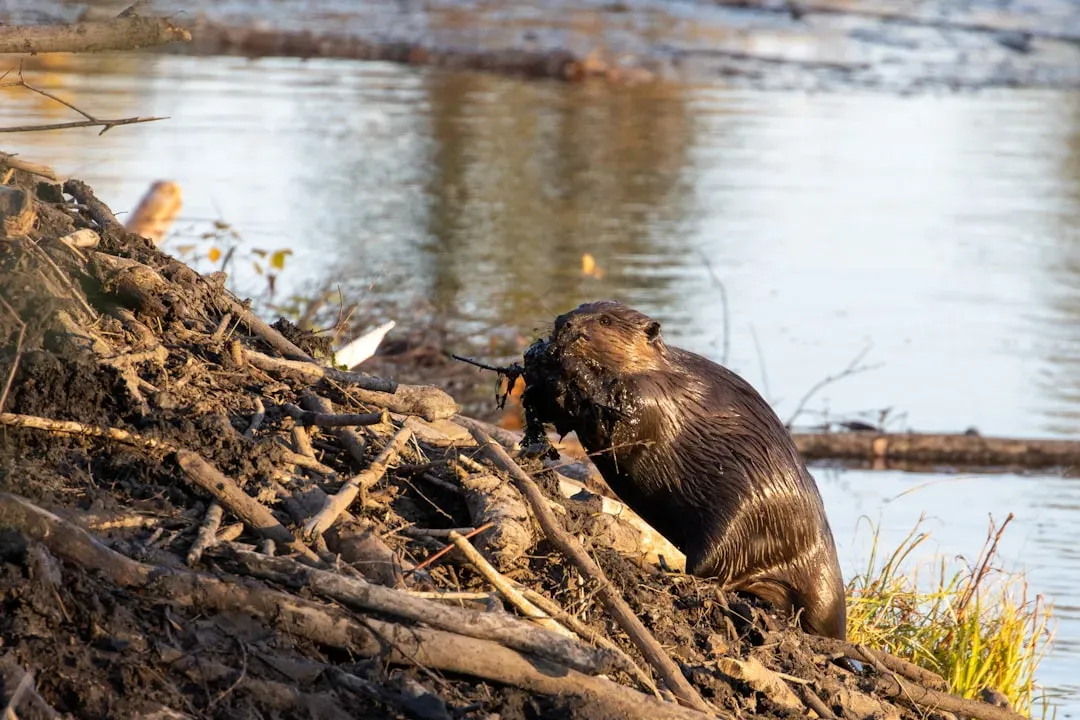
Capricorn is the builder of the zodiac, the sign of discipline, long-term thinking, and ambitious construction. The beaver belongs to the wetland world and is the supreme engineer of freshwater ecosystems. Smaller mammals like rabbits, otters, beavers, raccoons, and muskrats make their home in freshwater, non-tidal marshes. Of that whole list, only the beaver fundamentally reshapes the landscape to suit its ambitions – flooding meadows, felling trees, and creating entire new wetland habitats from scratch.
Great Blue Herons in the northeastern U.S. and southern Canada have actually benefited from the recovery of beaver populations, which have created a patchwork of swamps and meadows well-suited to foraging and nesting. Even other species benefit from what Capricorn builds. There’s something deeply satisfying about that – the quiet legacy of consistent, disciplined work rippling outward far beyond what anyone originally imagined.
Aquarius (January 20 – February 18): The Dragonfly
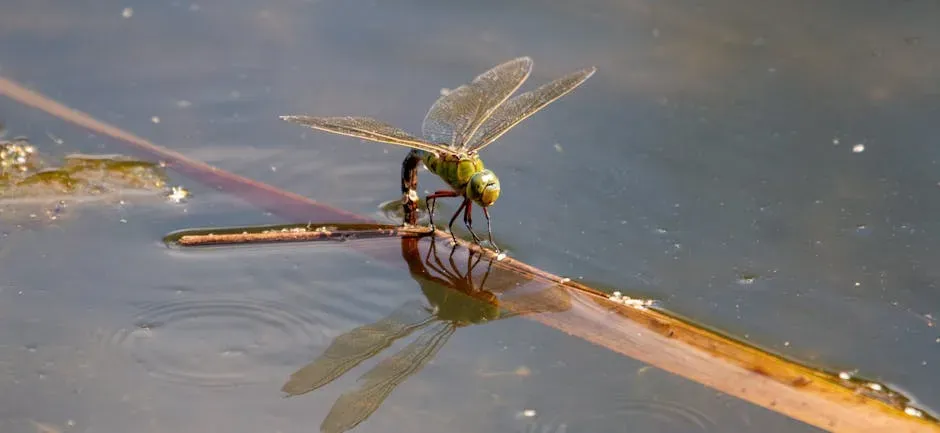
Aquarius is the innovator of the zodiac – unpredictable, fast-thinking, and perpetually ahead of the curve. The dragonfly is the marsh’s most extraordinary aerial creature, a living relic of ancient evolution that has barely changed in hundreds of millions of years because, frankly, it never needed to. Dragonflies are versatile and highly effective aerial predators often seen near wetlands, ponds, and marshes. Versatile and effective is a pretty solid Aquarius summary.
The marsh contains millions of invertebrates, and insects like mosquitoes, earthworms, dragonflies, grasshoppers, and diving beetles dominate marshland. Among all of them, the dragonfly is the one that seems genuinely unbothered by the rules of the ecosystem around it – hunting from the air, navigating with impossible precision, and moving between worlds with ease. Aquarius has always been that person in the room who operates on a different frequency from everyone else, and the dragonfly absolutely does the same.
Pisces (February 19 – March 20): The Great Egret
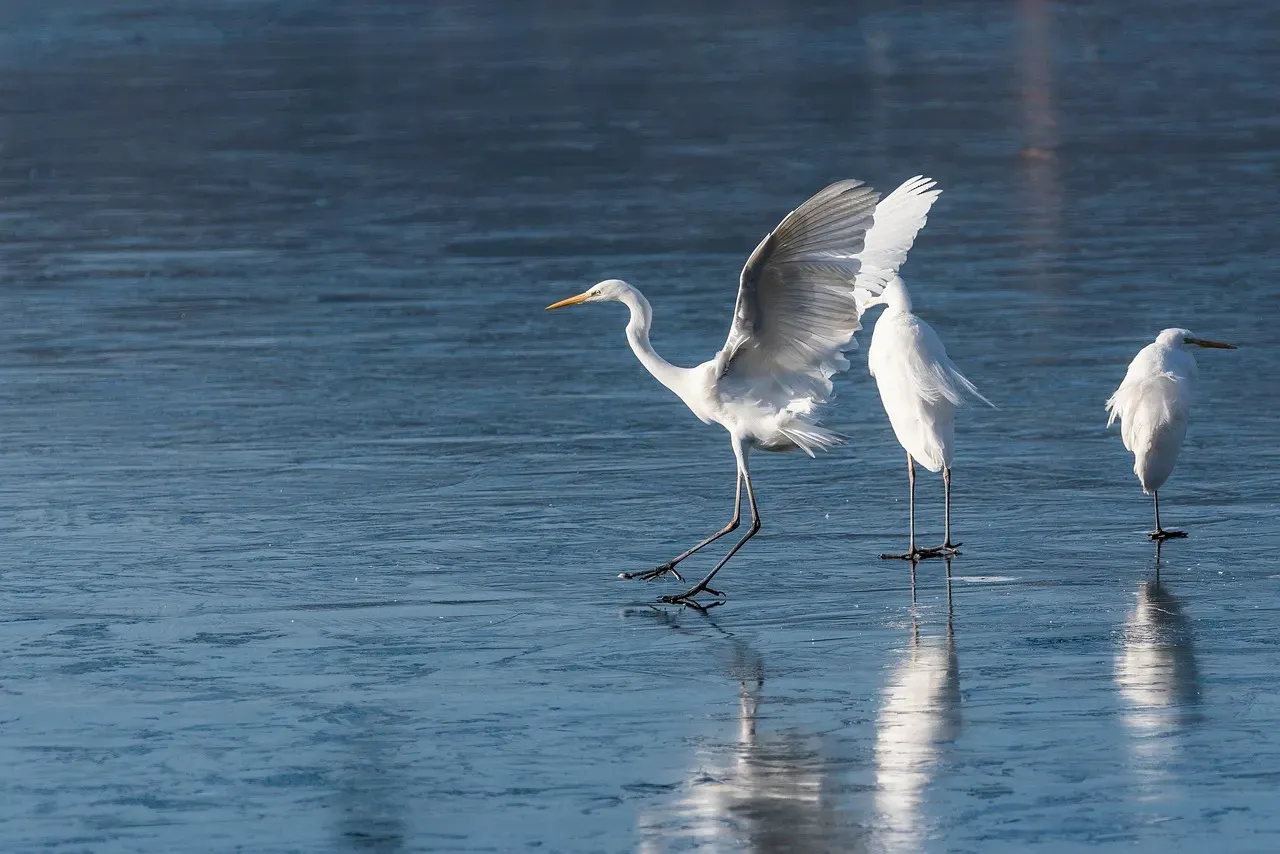
Pisces is dreamy, ethereal, and deeply in touch with the emotional and spiritual undercurrents of the world around them. The great egret, gleaming white against a backdrop of dark water and tangled reeds, is arguably the most otherworldly creature the marsh produces. Birds permeate the marsh environment, and both freshwater and saltwater tidal marshes create the perfect environment for migratory water birds like geese, ducks, and egrets. Among those birds, the egret carries itself with a particular kind of quiet, reflective grace.
Swamp and wetland animals exhibit diverse anatomical adaptations suited to their water-logged habitats, with many having webbed feet for swimming or long legs and toes for wading through shallow waters, as seen in herons. The egret belongs to that same wading family, pausing mid-step, scanning the surface with an almost meditative attention. Pisces lives most fully in those suspended moments between action and stillness, between what is felt and what is known – and the egret, standing ankle-deep in the marsh at golden hour, seems to inhabit that exact in-between.
The Marsh Knows What You Are
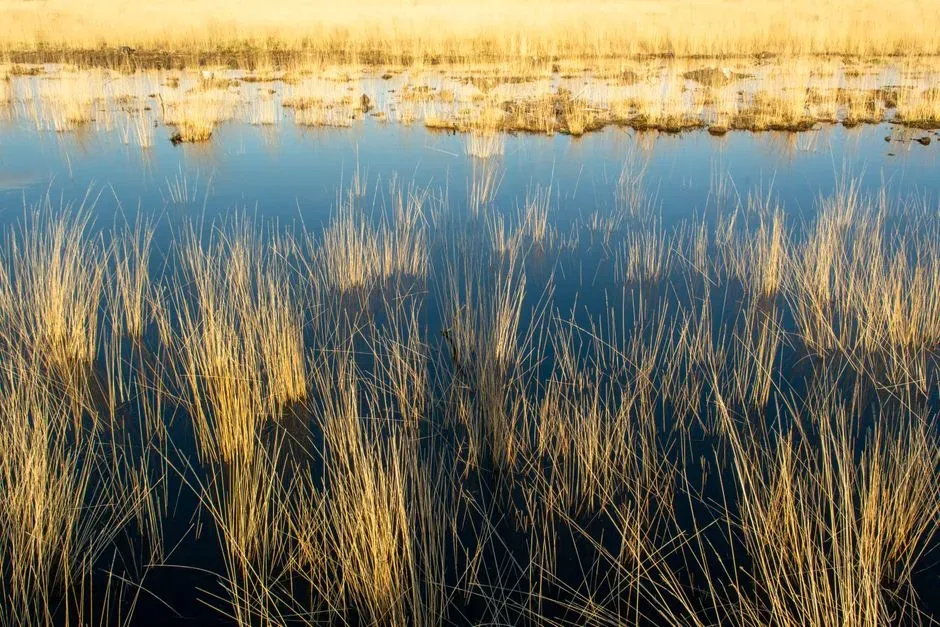
There’s a reason the marsh has captured human imagination for so long. A marsh is a wetland dominated by herbaceous rather than woody plant species, and marshes can often be found at the edges of lakes and streams, where they form a transition between the aquatic and terrestrial ecosystems. That liminal quality – edge-dwelling, in-between, neither one thing nor another – is what makes it such fertile ground for self-reflection.
Swamp and wetland animals inhabit ecosystems where water is the primary factor controlling the environment and associated plant and animal life, and these areas, including marshes, bogs, and fens, are often rich in biodiversity. Every creature in that ecosystem has found a way to thrive under conditions that look, from the outside, deeply inconvenient. Maybe that’s the deeper zodiac message here: your marsh animal isn’t just a mirror of your traits – it’s a reminder that the messy, murky, complicated environment you’re navigating is exactly where you’re designed to flourish.
The marsh doesn’t reward the loudest creature or the fastest one. It rewards the one that knows itself well enough to stay, adapt, and do what it was made to do. By that measure, every sign gets exactly the animal it deserves.
