

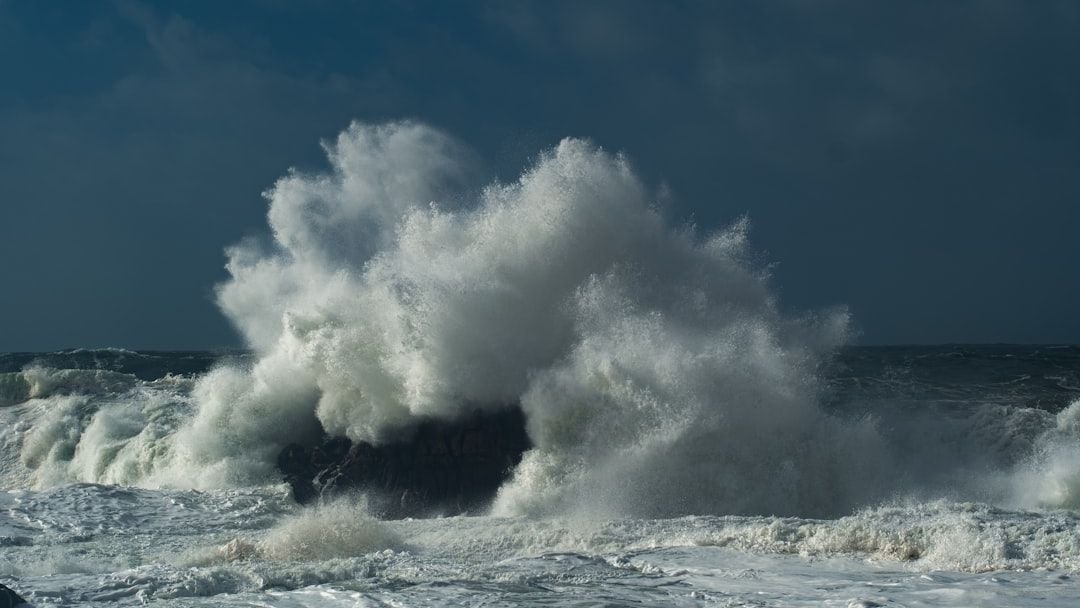
Hurricane season 2026: Here’s what to know about this year’s storms – Image for illustrative purposes only (Image credits: Unsplash)
The Atlantic hurricane season begins Monday, June 1, with official forecasts pointing to below-average storm activity for 2026. A developing Super El Niño in the Pacific stands as the primary factor behind the reduced expectations. The timing places renewed focus on preparedness along the U.S. coastline and in the Caribbean as the six-month period gets underway.
Official Start and Seasonal Window
The National Hurricane Center marks the beginning of the Atlantic season each year on June 1, with the period running through November 30. This schedule aligns with the historical peak of tropical cyclone formation in the basin. Forecasters issue outlooks weeks in advance to help emergency managers and residents plan accordingly. Communities from Texas to Maine use the date as a prompt to review evacuation routes and supply kits. Insurance providers and local governments often step up public messaging around this time. The consistent calendar allows for standardized tracking of storm counts and intensity across decades of records.
Super El Niño as the Dominant Influence
A Super El Niño develops when sea-surface temperatures in the eastern Pacific rise well above normal for an extended period. This pattern tends to increase wind shear across the Atlantic, which disrupts the organization of tropical storms and hurricanes. The current event has already prompted several agencies to lower their seasonal projections. El Niño conditions also shift rainfall patterns, often bringing drier weather to parts of the Caribbean and wetter conditions to the southern United States. These atmospheric changes do not eliminate the possibility of major storms but reduce the overall number expected. Monitoring of Pacific temperatures continues through the summer months to refine the outlook.
Practical Steps for Residents and Officials
Emergency management offices recommend updating family communication plans and securing property well before any system forms. Supplies such as water, nonperishable food, batteries, and medications should be stocked early in the season. Local officials review shelter locations and debris removal procedures during this window. Businesses along the coast frequently test backup power systems and review insurance coverage. The below-average forecast offers no guarantee against individual strong storms, so vigilance remains essential throughout the period. Regular updates from the National Hurricane Center provide the most reliable guidance as conditions evolve.

As a little kid, I fell in love with nature, wildlife, and animals. Living in the USA, South Africa, Italy, China and Germany gave me the opportunity to discover the world's Wildlife. My favorite animals are Mountain Gorillas, Siberian Tigers, and Great White Sharks.
I'm a certified PADI Open Water Diver, went to Everest Base Camp and Trekked Gorillas in Uganda. I hold a Master of Science in Economics and Finance.
Please send any feedback to feedback@animalsaroundtheglobe.com
- 20 Most Charming and Beautiful Towns in the United States - July 22, 2026
- 10 Times Wildlife Took Over a Human City - July 22, 2026
- 11 Fiercest Storms That Changed U.S. History - July 22, 2026