

Every year, the same thing happens. The tree comes down, the wrapping paper gets stuffed into recycling bags, and somewhere across the country, shelter intake phones start ringing. January is not just a slow month after the holiday rush. For rescue workers and shelter staff, it’s one of the most exhausting and heartbreaking stretches of the entire year.
As winter sets in, animal shelters across the country brace for an unfortunate trend: a surge in surrendered pets. According to most reports, animal shelters fill up more during the winter months, most often after Christmas. The pattern isn’t random. Three area shelters agree that “buyer’s remorse” often stems from a lack of research into a pet’s needs before adoption. Certain breeds show up again and again, and the workers who receive them have begun to see it clearly. Here are the 14 breeds rescue workers say flood shelters every January, and the real reasons why.
#1. Siberian Husky
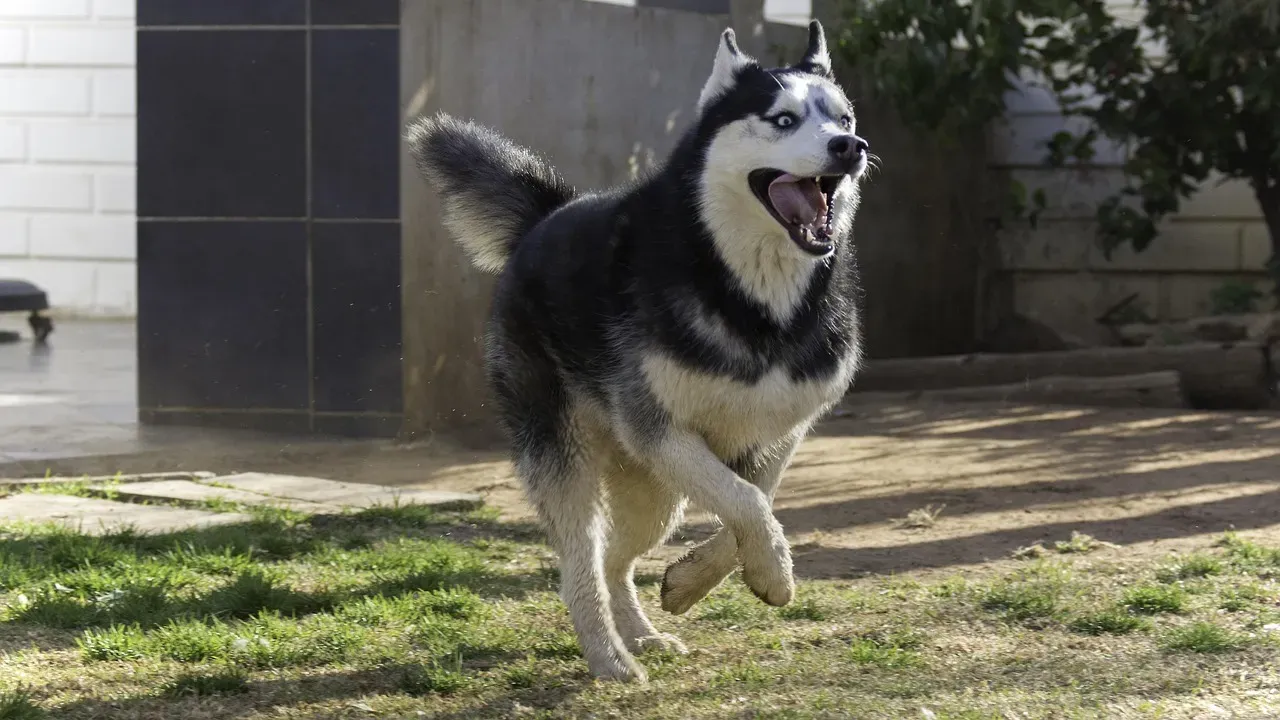
The Husky is one of the most visually stunning dogs on earth. Those ice-blue eyes and wolf-like looks make them a constant target for impulse adoption. They become wildly popular as holiday gifts, especially after appearing in films and social media content that makes them look almost mythically beautiful and easy to manage.
When they don’t get their exercise outlet, they destroy furniture, escape yards with almost frightening ease, and howl for hours. They shed aggressively twice a year and moderately the rest of the time. They’re also notoriously independent and can be difficult to train. According to rescue advocate Rocky Kanaka, the number of Siberian Huskies in shelters roughly doubled between 2020 and 2023. That’s a sobering figure for a breed so beloved in the abstract.
#2. American Pit Bull Terrier
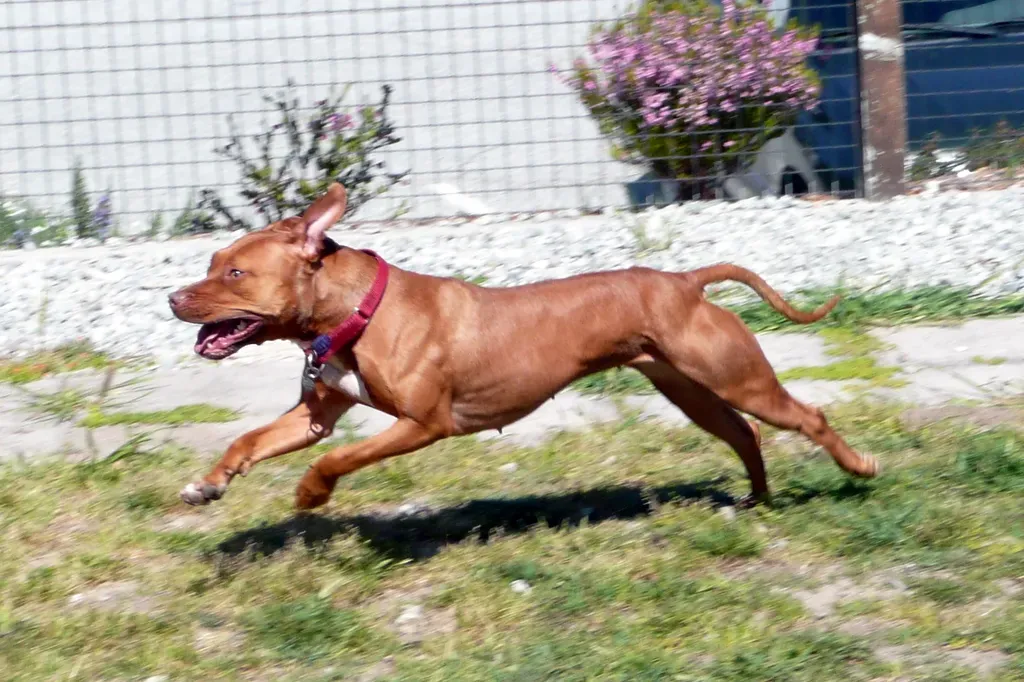
While surrender numbers vary by region, year, and local population, the breed most frequently found in shelters nationwide is the Pit Bull-type dog, which includes American Pit Bull Terriers, American Staffordshire Terriers, Staffordshire Bull Terriers, and mixed breeds with similar features. January amplifies an already strained situation, as post-holiday surrenders pile on top of existing shelter populations that never fully recovered between seasons.
Sadly, these dogs face high surrender rates due to misunderstanding, stereotypes, and housing restrictions, not because of behavior or temperament. Many housing communities have size or breed bans that force owners to give up their pets. In reality, Pit Bulls tend to be affectionate, gentle, and playful. The gap between the public perception and the actual dog is a constant source of frustration for shelter staff.
#3. Labrador Retriever
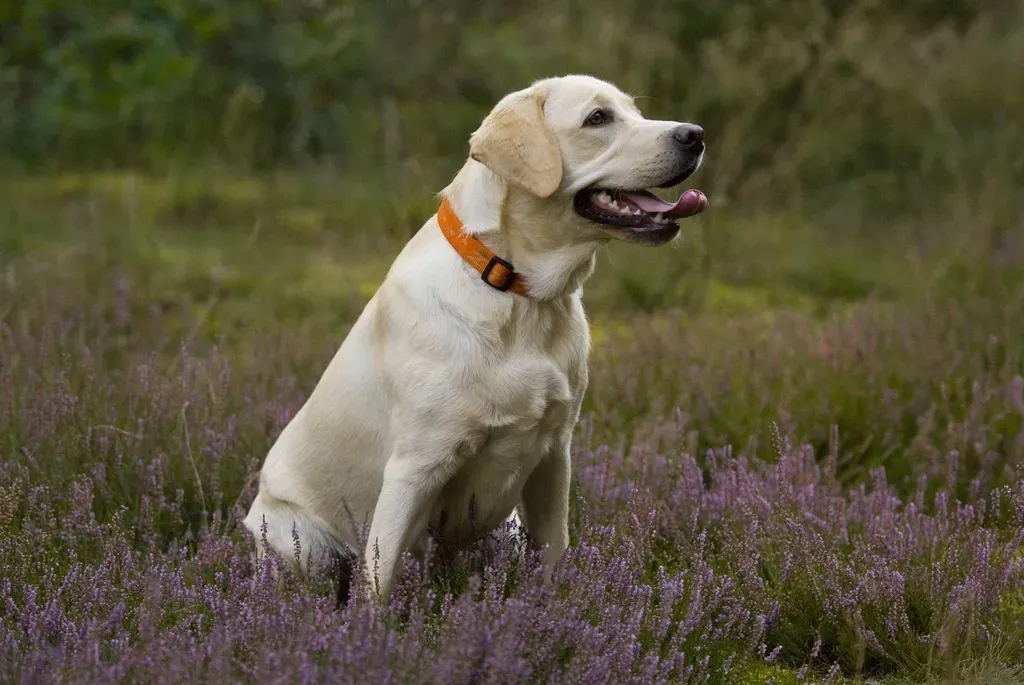
The Labrador Retriever, one of America’s most beloved dog breeds, is also one of the most common dog breeds in shelters all over the country. Their excellent reputation as loving and loyal pets could be their downfall, due to overbreeding to meet demand. Because so many families trust the Lab’s reputation as a calm, easy family dog, they often skip the homework that every responsible adoption requires.
Labradors are one of America’s most popular breeds, known for their friendly nature and suitability as family pets. Their popularity means more people adopt or buy them. With more Labs in homes, there is naturally a higher number being surrendered due to unpreparedness, particularly since they tend to be high-energy dogs, or due to life changes. A young Lab in a household that isn’t ready for its energy and chewing habits becomes a January shelter statistic more often than most people realize.
#4. German Shepherd
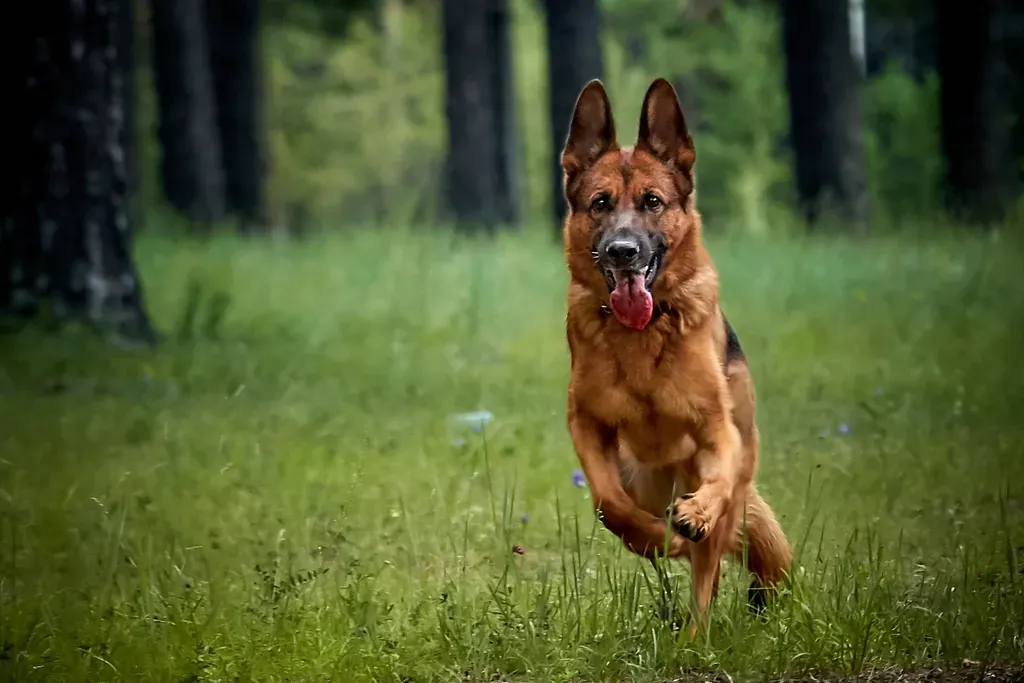
German Shepherds are working-breed dogs with endless energy. They need regular physical exercise and mental stimulation to thrive. Sadly, many families underestimate these needs. They’re frequently chosen as gifts because of their striking appearance and well-earned reputation as loyal protectors, but that very intelligence makes them demanding dogs to live with without proper commitment.
Shelter workers often take in German Shepherds with behavioral challenges such as separation anxiety, fear-based aggression, or poor leash manners. These issues are usually the result of neglect, inadequate training, or lack of early socialization. For some owners, the challenges seem too big to handle, so they give up their dogs. Improper breeding can lead to health and temperament problems, and these issues can land the breed in a shelter because owners aren’t willing to pay the high costs of vet care.
#5. Chihuahua
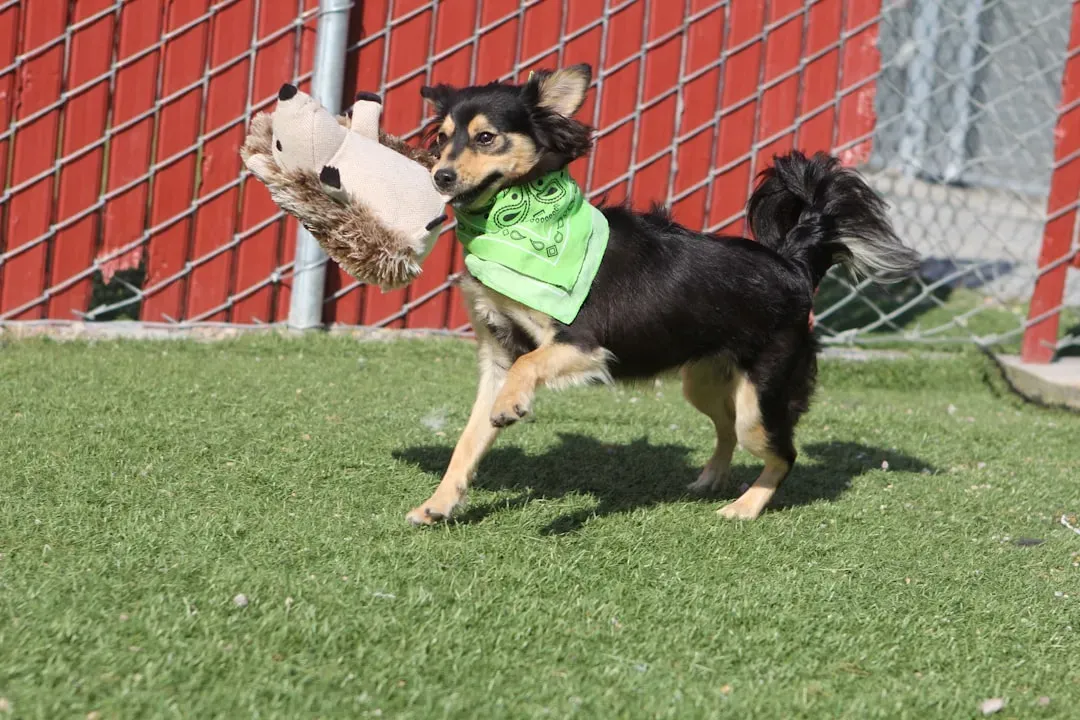
In California alone, Chihuahuas make up roughly thirty percent of the dog population in shelters. This breed is extremely popular, especially in urban areas. Many are seen as a “fashion statement” as opposed to an animal one has to care for. During the holidays, their small size makes them look like the perfect, low-maintenance gift. The reality proves rather different once the new year begins.
Chihuahuas and Chihuahua mixes make up a huge portion of dogs available in shelters and rescues around the country. These popular dogs are often raised without any training, making the cute puppies turn into obnoxious, uncontrollable adults that end up homeless when their owners give them up. Because they’re small and inexpensive to keep, people breed them casually, creating a surplus that shelters can’t keep up with.
#6. Beagle
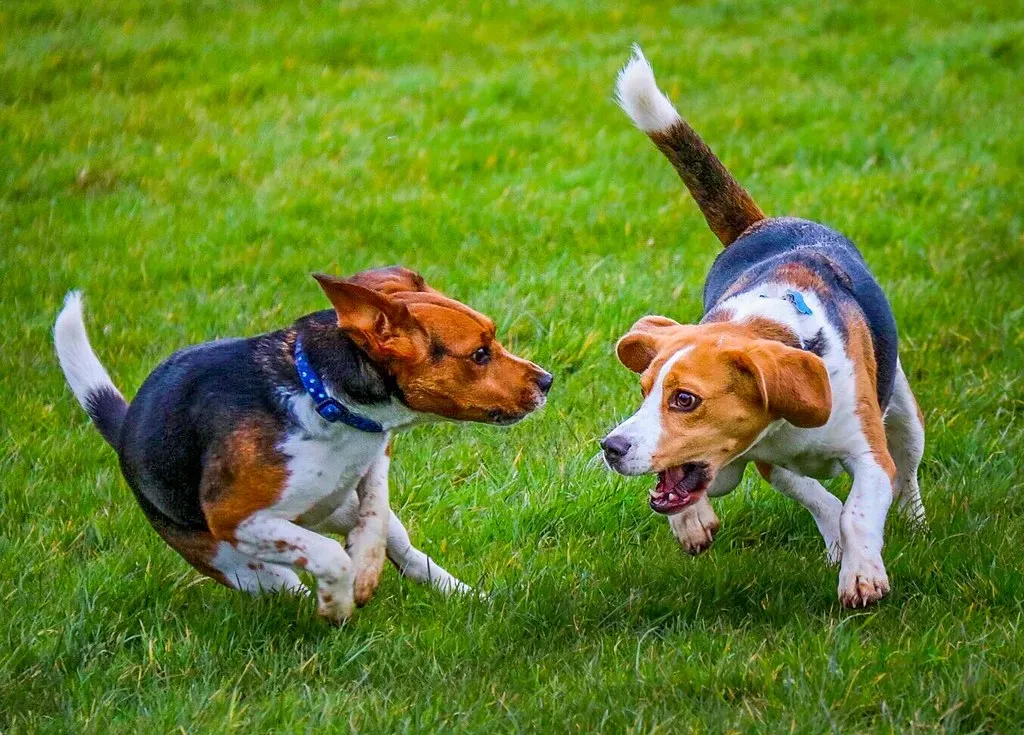
Beagles are popular little dogs that are brought home because of their adorable puppy looks. As these dogs age, owners often learn that they are prone to barking and howling and don’t want to manage the dog the way it needs to be managed. Beagles make excellent family companions for those prepared to work with their behavior. The surprise of that vocal nature lands many of them in shelters once the holiday excitement has worn off.
Beagles can develop intense separation anxiety, which leads to destructive behaviors if they’re kept home alone all day. Unethical or improper breeding lands innocent Beagles in shelters when holiday demand dies down and breeders still have extra puppies. Just like German Shepherds, Beagles end up in shelters due to overbreeding, backyard breeding, and unprepared owners.
#7. Boxer
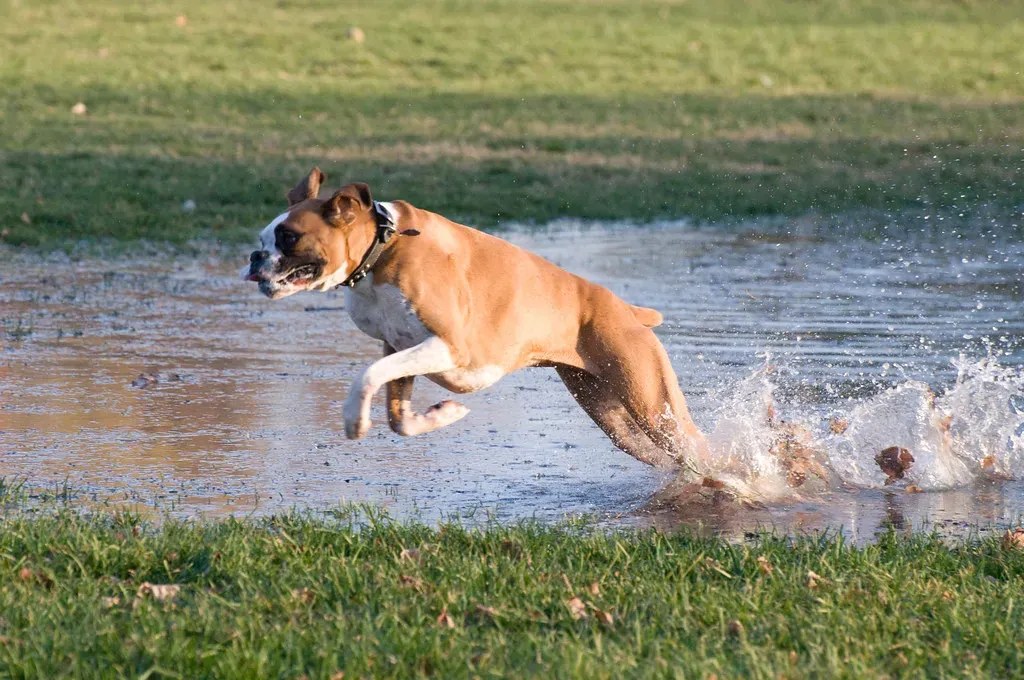
Boxers are energetic, affectionate dogs known for their playful nature and love of human interaction. Their high energy levels and strong desire for attention can be overwhelming for some people. As a result, they’re often surrendered when people realize they can’t meet the breed’s exercise, attention, and training needs. They’re frequently gifted during the holidays because of their goofy, lovable demeanor.
Owners who surrender their Boxers usually do so because they are fully unaware of the energy it takes to keep a Boxer healthy and happy. Boxers need hours of exercise every day. A cooped-up Boxer will most likely become destructive and soil their home in some way, especially if they’re left alone for hours at a time. January is when that cooped-up frustration – both the dog’s and the owner’s – reaches a breaking point.
#8. Rottweiler
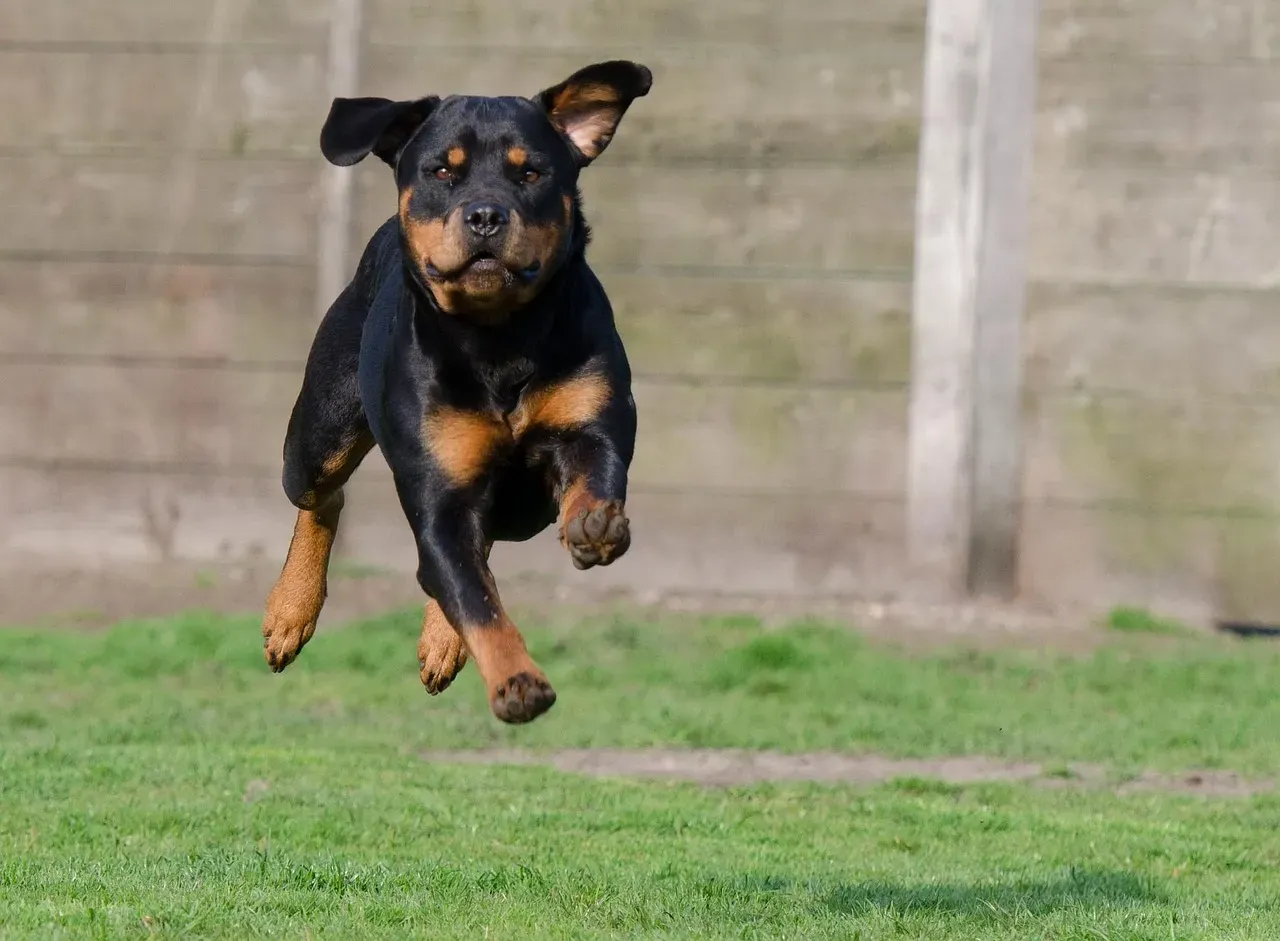
This robust breed is an ancient dog that is extremely loyal. They can be fiercely protective and require a lot of training and continuous socialization that some owners aren’t prepared for. There is some stigma around them, which has given the public an unfair opinion about Rottweilers. That stigma directly affects their chances once they arrive at a shelter, since potential adopters often pass them over.
Rottweilers are powerful and confident, often misconceived due to their imposing look. They are incredibly loyal and protective, needing proper training and socialization. With a strong leader, Rottweilers are gentle giants and wonderful family pets. They require mental stimulation and exercise to prevent boredom. Rottweilers also consistently show up on the list of breed restrictions for housing complexes alongside German Shepherds and other large breeds, making them vulnerable to surrender whenever their owners face a move.
#9. Border Collie
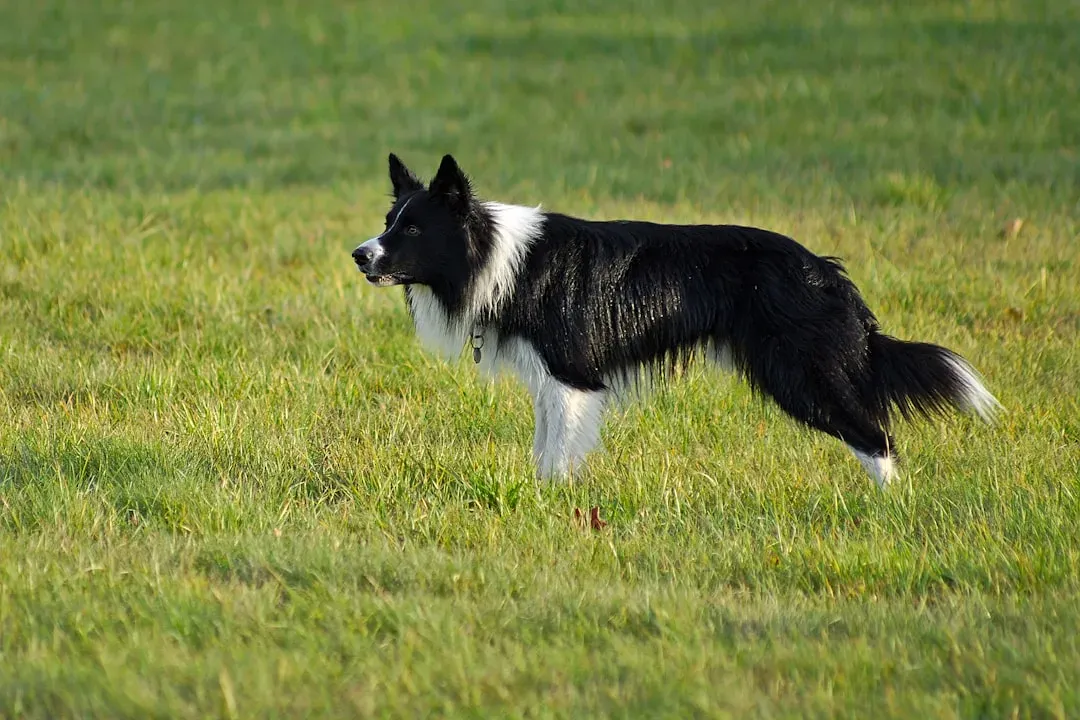
Seen as one of the most intelligent dog breeds, Border Collies are sheepdogs at heart who love nothing more than running. They need lots of exercise and mental stimulation, and in the right hands, they can be extremely easy to train. While this loveable breed may seem to be the perfect choice for a family pet, their need for high levels of activity can make them very demanding on owners who aren’t able to give them the right level of exercise.
Border Collies are renowned for their intelligence and energy, making them exceptional working dogs. However, their need for mental and physical exercise is often underestimated. Owners must engage them in activities like agility or herding to fulfill their instincts. Without adequate stimulation, they may develop behavioral issues. Too many dogs in general are surrendered by their owners simply because too little was known before people decided to get a puppy. This rings especially true for Border Collies.
#10. Dachshund

With a high level of personality packed into a small dog, Dachshunds can be irresistible but also challenging due to their stubborn and quirky nature. They’re known for their propensity to dig, an instinct from their badger and mole hunting days, which can lead to household and lawn damage if left unchecked. These issues often result in them being among the most surrendered breeds.
Dachshunds often end up in shelters due to their rash behavior. Because they were originally bred to hunt badgers, they have strong personalities. These dogs can be difficult to manage for people who are not familiar with the breed. Their long, comical bodies make them popular as holiday gifts, but that stubborn, prey-driven temperament catches many new owners completely off guard once the excitement of Christmas morning fades.
#11. Doberman Pinscher

While you’ll see fewer Doberman Pinschers in a shelter than a Pit Bull or Chihuahua, the breed does end up in shelters more than many other dogs. Some reasons include a bad reputation, lack of training, and owner relocation. A Doberman’s protective traits make great owner families feel safe and supported, but some adopters who don’t realize this hallmark of the breed get scared by the apparent “aggression” shown when the dog is defending their home.
Dobermans remain powerful, intelligent, and agile dogs with athleticism to spare. They need exercise and training to become well-socialized and well-behaved dogs. Owners who don’t understand the personality traits and training needs of their Doberman may surrender the dog to the shelter, or simply abandon it because they no longer want to provide care. When a Doberman arrives in a household that wasn’t prepared, both parties suffer the consequences.
#12. Belgian Malinois
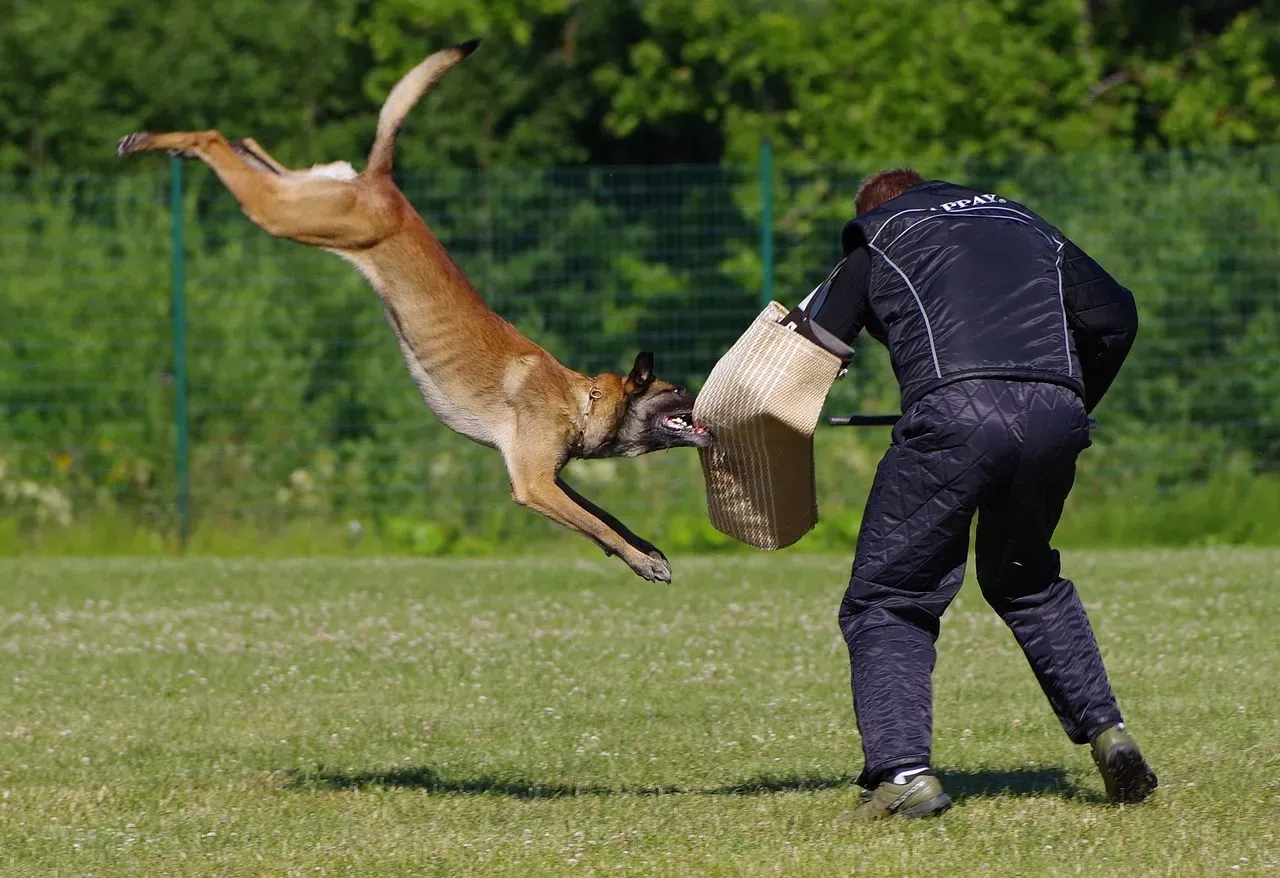
Belgian Malinois are highly intelligent and energetic dogs often used in police and military work. Their intense drive and work ethic make them excellent at what they do, but these traits can be overwhelming for the average pet owner. Malinois need a lot of physical and mental exercise to keep them from becoming bored and destructive. Movies and television shows featuring Malinois in action roles have spiked demand from owners who want the aesthetic without the athletic lifestyle the dog truly requires.
They are also highly protective and require consistent training and socialization. Without proper guidance, their energy and drive can lead to behavioral issues. Belgian Malinois are best suited for experienced handlers who can meet their high exercise and training needs. Shelter workers who receive Malinois in January describe it as one of the most emotionally difficult surrenders to process, knowing exactly what the dog needed and how little it was given.
#13. Alaskan Malamute
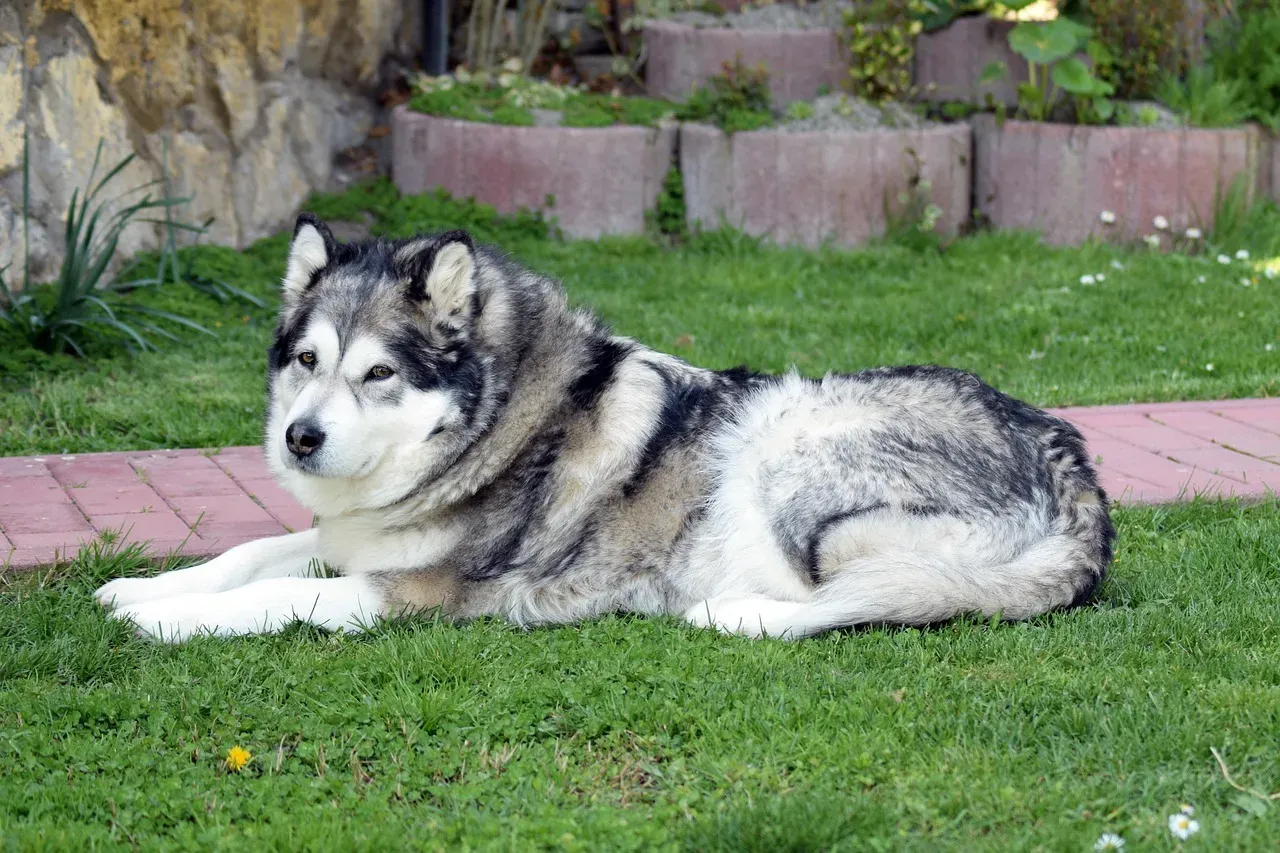
Bred to haul heavy loads in harsh conditions, they thrive on physical activity and mental challenges. However, their high energy levels and strong prey drive can be difficult to manage in a typical household setting. Malamutes are also known for their independent nature and stubbornness, which can challenge training. Their wolf-like appearance draws in holiday buyers who often confuse imposing beauty with ease of ownership.
Many Malamutes are surrendered to shelters because their owners cannot meet their exercise needs or handle their dominant personalities. They’re often purchased as Christmas puppies without any real understanding of just how much space, stimulation, and authority the breed demands. By January, what seemed like a majestic companion has become an unmanageable force of nature inside a small apartment, and rescue lines start ringing.
#14. Shih Tzu

Shih Tzus are prone to certain health issues, including respiratory problems and dental issues, which can add to the challenges of caring for them. Many Shih Tzus are surrendered to shelters because their owners underestimate the commitment and expense required to maintain their grooming and health needs. Their soft, fluffy appearance makes them one of the most gifted small breeds during the holiday season, often purchased on impulse from pet stores or casual breeders.
Similar to other popular small breeds, Shih Tzus are bred globally. They are small but have lively personalities. Owners buy them for the small size, completely ignoring their needs for proper grooming and training. When the grooming bills arrive and the dog’s spirited temperament turns out to be more than a gentle accessory, January becomes the month of reckoning. The shelter kennel is nobody’s idea of a happy ending for a dog that only ever wanted a committed home.
The Bigger Picture Behind the January Surge
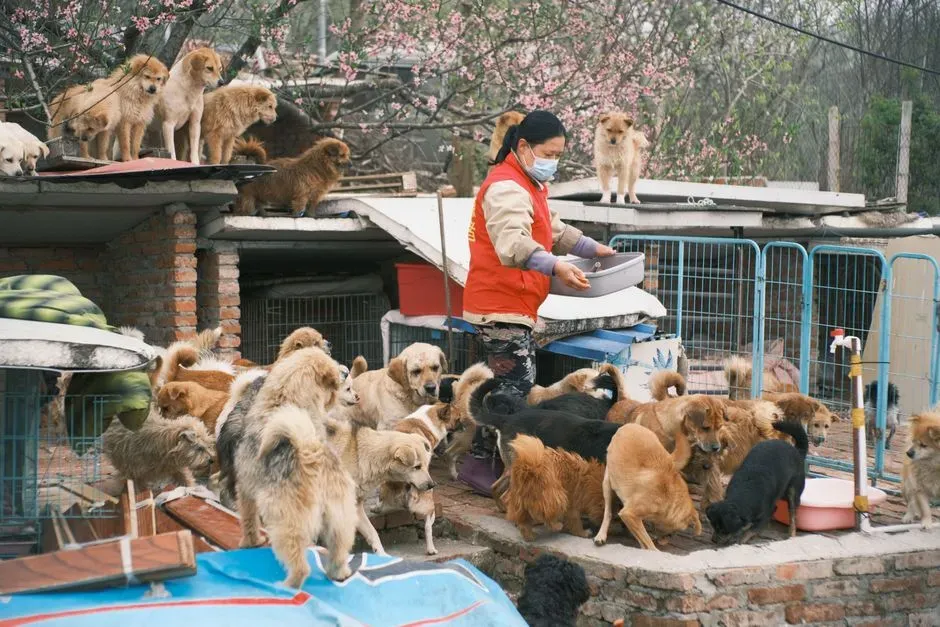
Every year, roughly 3.1 million dogs enter U.S. shelters, according to the ASPCA. The root causes behind shelter surrenders include unmet exercise needs, behavioral issues, life changes such as moving or job loss, and breed-specific legislation. Social media makes dogs look adorable and easygoing, but the breeds on this list are anything but low-maintenance. When reality doesn’t match the fantasy, surrender rates spike.
Recent surrenders are also largely a result of veterinary care being too expensive. The U.S. has suffered from a shortage of veterinarians in recent years, meaning all vet care is harder to access and more expensive, financially straining pet owners during an already increasingly challenging economic climate. Once the decorations come down, shelters across the country often see a spike in surrendered pets, as families realize the responsibility is more than they expected.
The January pattern isn’t a mystery to rescue workers. It’s a predictable outcome of impulse decisions made in the most sentimental time of year. Every dog on this list has the capacity to be a remarkable companion. The question was never whether the dog was worth the effort. The question was always whether the owner was genuinely prepared to provide it.

- The Most Resilient Animals Ever Discovered Thriving in Extreme Environments - July 21, 2026
- 7 Signs Your Dog Thinks You're Family - July 21, 2026
- 12 Surprising Facts About North American Mountain Lions You Never Knew - July 21, 2026