

#1: Unmatched Four-Season Visual Appeal
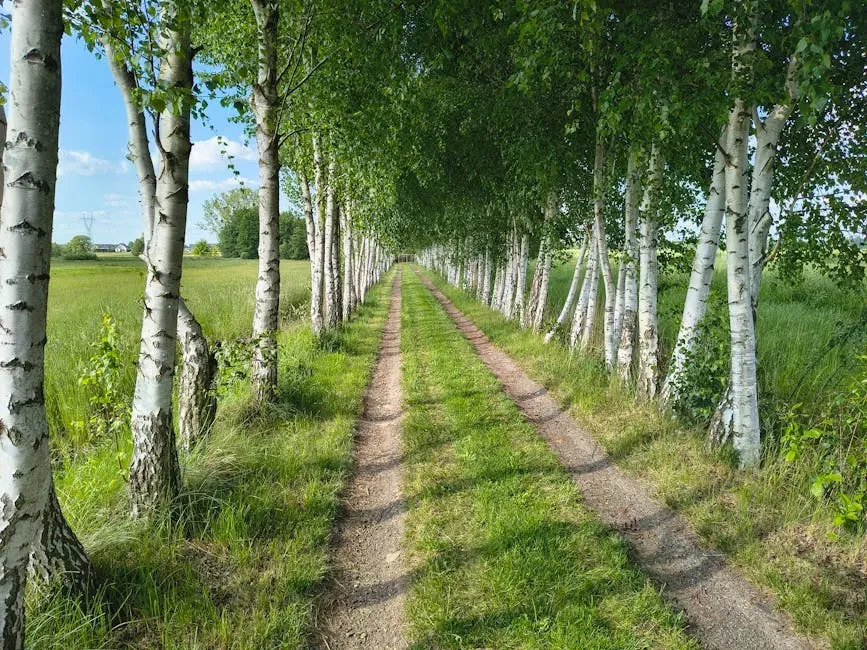
Most ornamental trees peak once a year. Birch trees don’t work that way. Spring brings fresh green leaves and discreet catkins, summer delivers airy shade that doesn’t feel heavy, fall turns the canopy golden, and winter shows off bark that can peel, curl, and glow against evergreens or snow. That’s a full twelve months of visual interest from a single tree.
It’s rare to find a deciduous tree that makes a big impact in the winter garden, but the birch is an exception. With papery scrolls of bark in colors ranging from snow white to cinnamon brown, the birch takes center stage after the leaves fall and other plants go dormant. On young trees, cinnamon-colored bark peels back to reveal a creamy inner layer, creating a beautiful contrast that draws the eye even in winter’s quiet months.
A single-stem birch reads elegant and architectural, while a clump, often three to five stems, adds movement and depth, perfect near patios, in front-yard islands, or at the edge of a woodland where you want a natural look that still feels designed. Whether you’re after sculpture-like minimalism or a soft, naturalistic grove, birch adapts to the vision. Few trees offer that kind of design range.
#2: A Thriving Habitat for Birds, Insects, and Wildlife
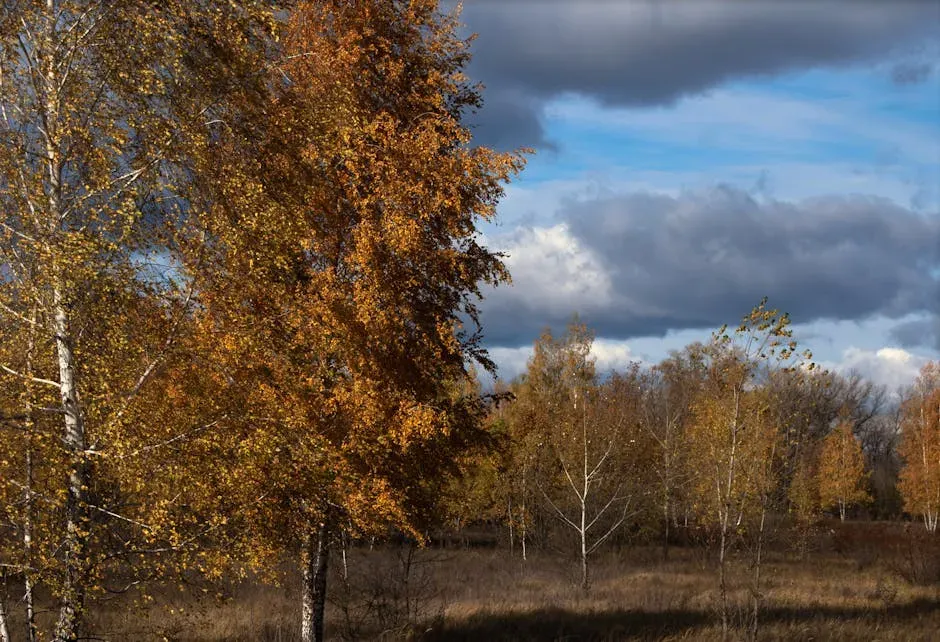
A birch tree planted in your garden isn’t just a tree. It’s a functioning ecosystem in miniature. Birch trees are actually one of the key tree species to attract butterflies, moths, and caterpillars, which in turn attract birds that feed on the caterpillars. That chain of life, connecting insects to birds in your own backyard, is one of the more underappreciated gifts a single tree can give.
These trees are particularly essential for the survival of various insect species, including the striking Mourning Cloak butterfly and the iconic Luna Moth. Additionally, birch trees provide a vital habitat for caterpillars such as the Eastern Tiger Swallowtail and the Viceroy butterfly. The ecological reach is genuinely remarkable.
The branching structure and bark of birch trees create nesting sites for birds such as chickadees and woodpeckers. Leaf-eating insects, like caterpillars, thrive on birch foliage, serving as food for birds. Small mammals, including squirrels and chipmunks, also utilize birch trees for foraging and nesting. If attracting wildlife to your garden is a goal, a birch tree is one of the most effective investments you can make.
#3: Natural Soil Improvement and Root System Benefits
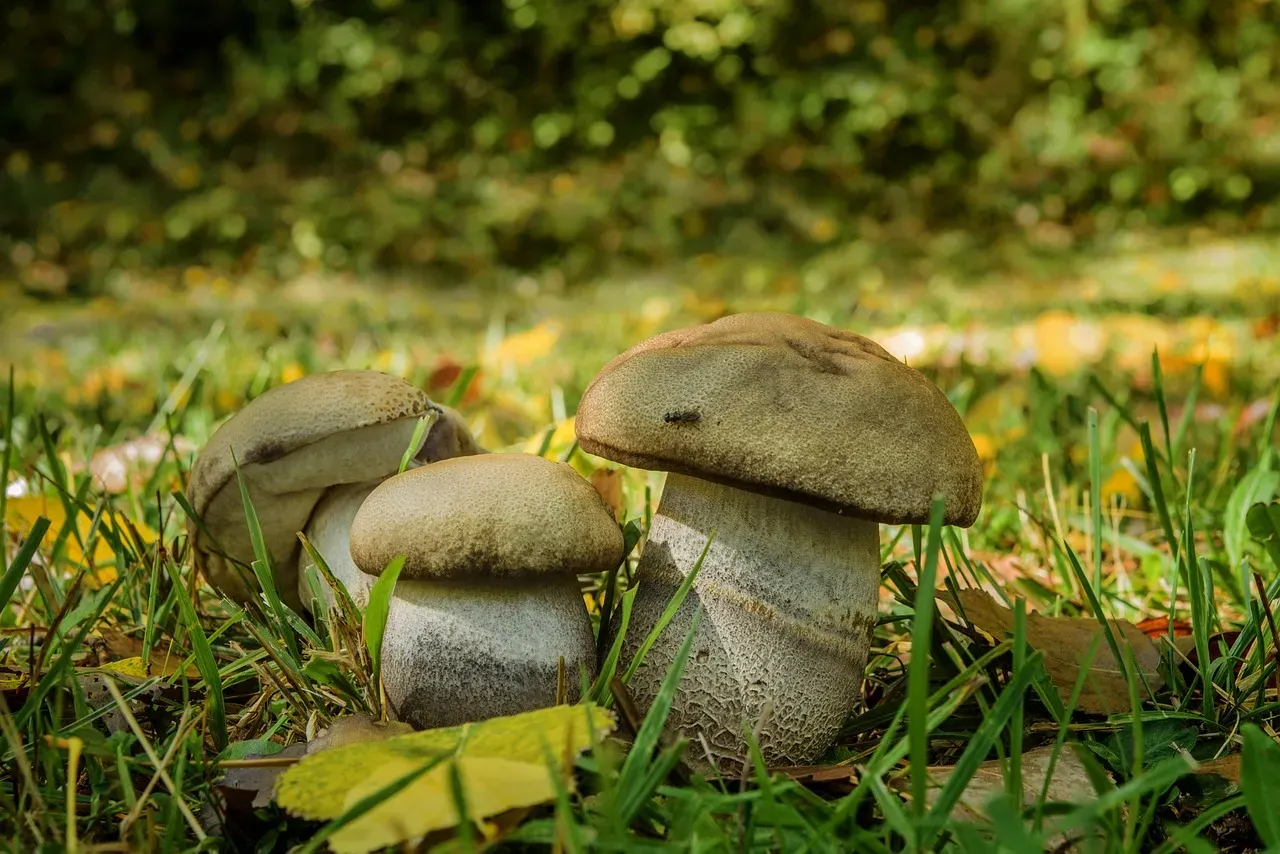
What goes on under the ground with a birch tree is just as interesting as what’s happening above it. Birch trees form symbiotic relationships with mycorrhizal fungi, which help break down organic matter and increase nutrient availability, gradually improving forest soil health. Over time, this underground partnership quietly enriches the ground for everything growing nearby.
Birch trees are excellent at improving soil quality. Their root systems help to aerate the soil, allowing for better water infiltration and nutrient absorption. Additionally, birch trees have a symbiotic relationship with mycorrhizal fungi, which enhances their ability to absorb nutrients from the soil. This, in turn, benefits other plants in the vicinity, promoting biodiversity.
The fibrous root systems of birch trees also help stabilize slopes and streambanks, reducing the risk of erosion in areas with loose or disturbed soils. Birch trees naturally filter water by taking up excess nutrients and some pollutants, helping to reduce runoff, sedimentation, and nutrient loading in nearby waterways. For gardens with uneven terrain or drainage challenges, this is a genuinely practical benefit that goes well beyond aesthetics.
#4: Surprisingly Fast Growth and Low Maintenance
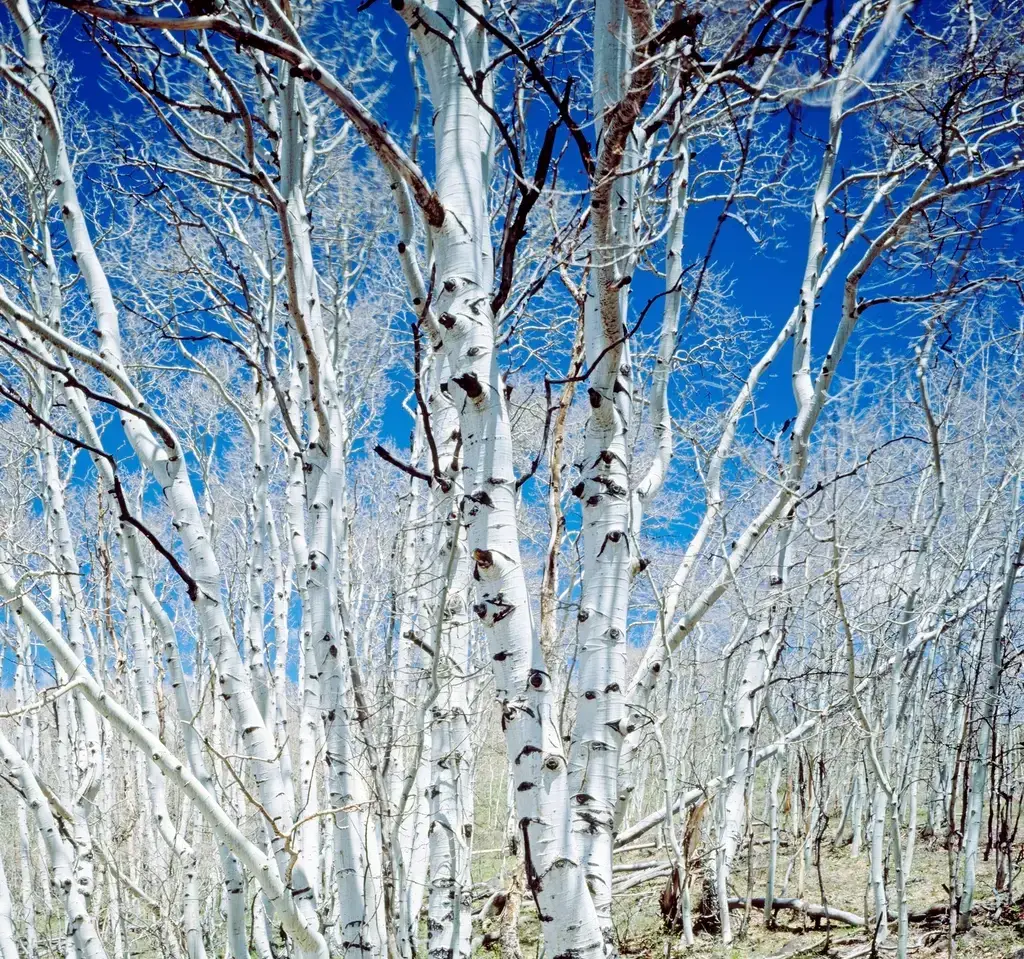
Patience is a virtue in gardening, but it’s a limited one. The appeal of birch is that you don’t have to wait a decade to see meaningful results. Birch trees are known for their rapid growth, making them an ideal choice for reforestation projects. In a home garden context, that same quality means a young sapling can establish visible presence within a couple of growing seasons.
Birch trees exhibit fast growth rates, often reaching heights of 40 to 70 feet. They flourish in a range of soil types, including sandy and loamy conditions. Birch trees thrive in full sunlight, making them ideal for open spaces or as shade providers when mature. That adaptability is a welcome trait for gardeners who don’t always have perfect conditions to offer.
Because of its natural pest and disease resistance, including tolerance to birch borer, River Birch is one of the lowest-maintenance ornamental trees you can grow. In general, these trees are fairly easy to grow. They prefer full sun and also like moist, cool soil. Mulching around the base of the tree can help retain moisture and regulate soil temperature, benefiting the tree’s growth. Once established, the care requirements are genuinely minimal.
#5: Versatile Garden Design and Practical Functionality
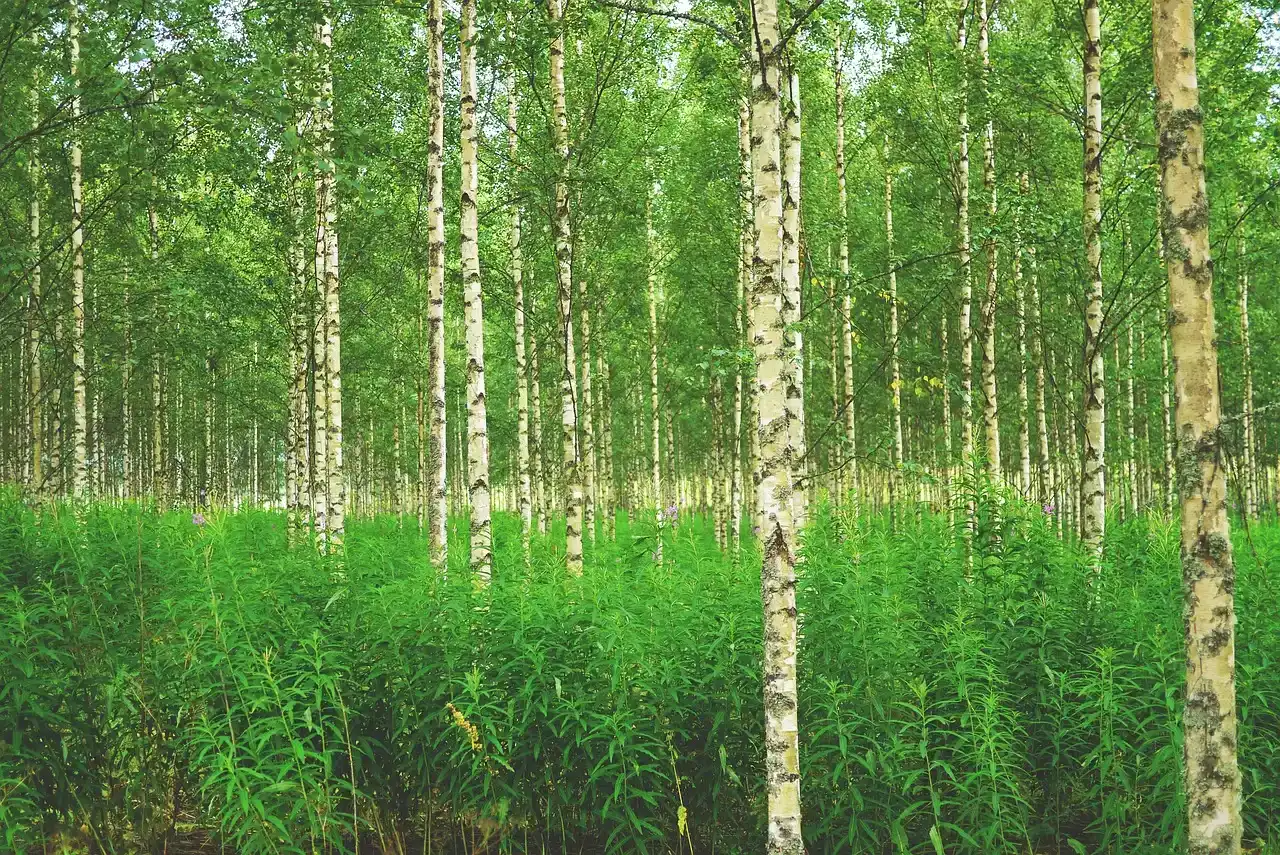
Birch trees earn their keep in the garden in more ways than one. Birch trees offer versatile uses in gardens, from serving as elegant focal points to providing shade. Their distinctive bark and delicate foliage make them excellent choices for woodland or contemporary settings. That range of application is hard to match with many other single species.
Birch trees double as privacy screens even in winter months, acting as a visual block. Tall and slender, birch trees can also be an effective windbreak when planted in a row, protecting your garden or home from strong winds. The fact that one tree can serve as a specimen, a screen, a shade canopy, and a windbreak simultaneously says a lot about why landscapers consistently reach for them.
Dwarf varieties fit well in small spaces, and they’re often used to create natural screens or hedges. Attractive underplantings for birch trees that grow well in slightly acidic soils and light shade include Vinca minor, blue wood sedge, dicentra, viola, hosta, rhododendron, lady fern, and ajuga. With the right companion planting beneath a birch canopy, an entire layered garden ecosystem can develop naturally, making the most of every inch of space below those elegant, arching branches.
A Tree Worth Making Room For
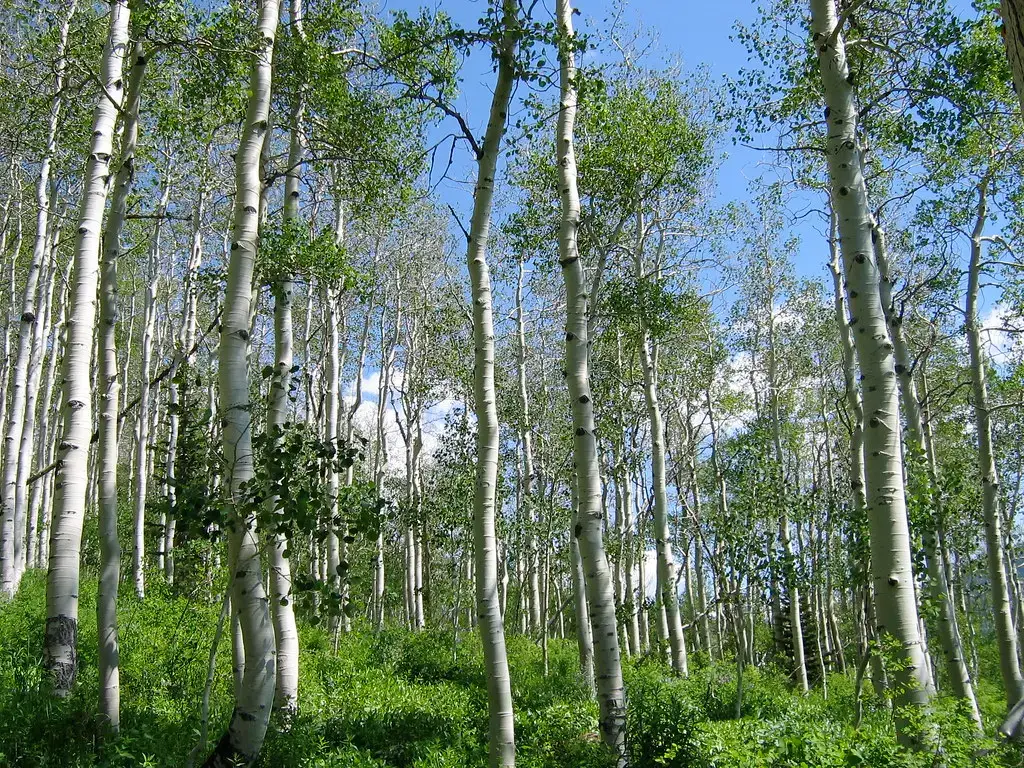
Birch trees don’t demand much. They ask for sunlight, reasonably moist soil, and a little mulch at the base. In return, they give your garden something that very few other trees can match: genuine presence in every season, a living infrastructure for wildlife, and a quiet elegance that other ornamentals simply don’t replicate.
Birches are important trees in our landscapes both for their beautiful white, peeling bark and their ability to attract wildlife, including birds. That dual value, aesthetic and ecological in equal measure, is exactly what modern gardeners are increasingly looking for. Planting more birch isn’t a trend. It’s just good gardening.

- 10 Spectacular Attractions in the US - July 18, 2026
- 10 US National Parks Where Wildlife Is Flourishing Like Never Before - July 18, 2026
- 13 Fascinating Facts About Birds You Never Knew Were True - July 18, 2026