

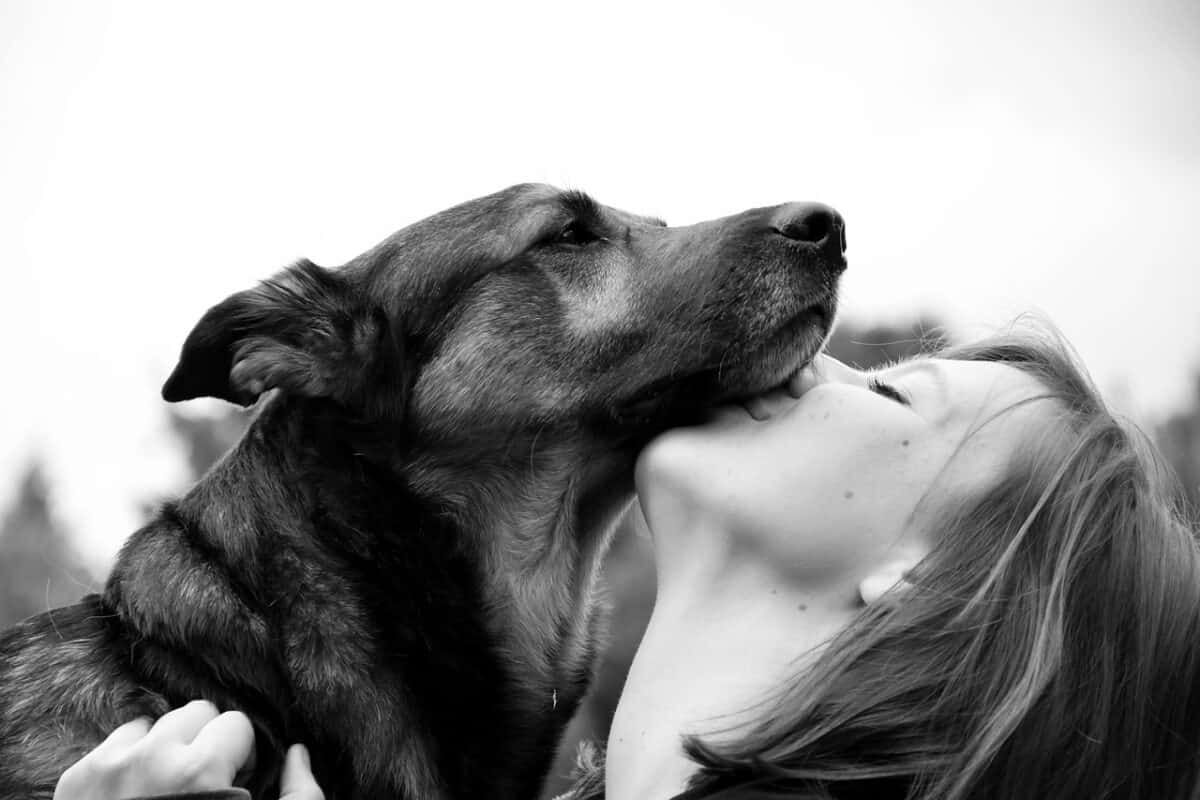
Most dog owners assume affection is a one-way script: belly rubs, treats, a hearty “good boy,” and maybe a squeaky toy for good measure. That’s not wrong, exactly, but it’s incomplete. Canine behaviorists and cognitive scientists have spent the last two decades digging into what dogs actually register as love, and some of the findings are genuinely surprising, even a little counterintuitive if you’ve spent years assuming your dog just wants snacks and belly scratches.
Turns out, some of the smallest, quietest gestures land harder with your dog than the big showy ones. Here are five things that tend to fly under the radar but mean a lot more to your dog than you’d think.
1. Slow blinking and soft eye contact
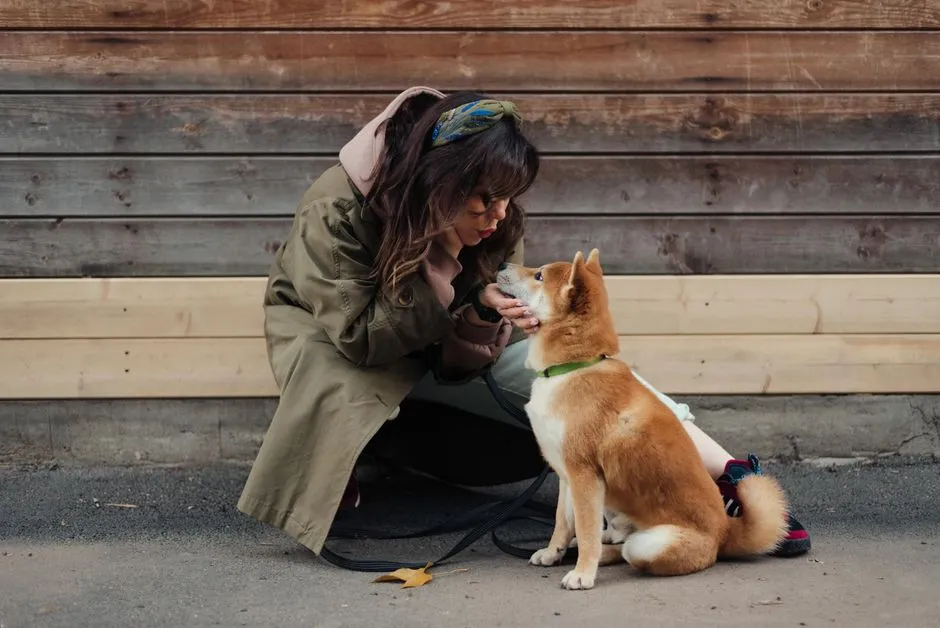
Humans default to eye contact as a sign of attention or dominance, but with dogs it works differently. Researchers studying oxytocin, the so called bonding hormone, found that mutual gazing between dogs and their owners triggers oxytocin release in both species, similar to what happens between human parents and infants. A relaxed, half-closed eye combined with a soft gaze signals safety rather than confrontation, which is the opposite of a hard, unblinking stare that many dogs interpret as a challenge.
Try softening your eyes and blinking slowly next time your dog looks at you, almost like a lazy, unhurried version of a wink. Many trainers call this a “kiss” in dog body language shorthand, because it mimics the same calm signal dogs give each other when they trust someone completely. It costs nothing, takes two seconds, and according to behaviorists who study human-canine bonding, it may do more for your relationship than an entire bag of treats.
2. Being allowed to sniff, uninterrupted

Walks are often treated as exercise for the human, with the dog just along for the ride, tugged past every interesting patch of grass. But a dog’s nose is arguably its primary way of understanding and enjoying the world, with scent receptors vastly outnumbering our own. When you let a dog stop and sniff for as long as it wants, you’re not indulging a distraction, you’re letting it do the canine equivalent of reading the news, catching up with the neighborhood, and processing its environment.
Some trainers now advocate for what they call “sniffaris,” walks with no destination or pace requirement, built entirely around the dog’s nose leading the way. Dogs allowed this kind of unstructured sniffing often show lower stress indicators and calmer behavior once home, according to canine enrichment specialists. It’s a small shift in mindset, from walking your dog to letting your dog walk you occasionally, but it communicates a kind of respect dogs seem to notice.
3. Consistent routines, not grand gestures
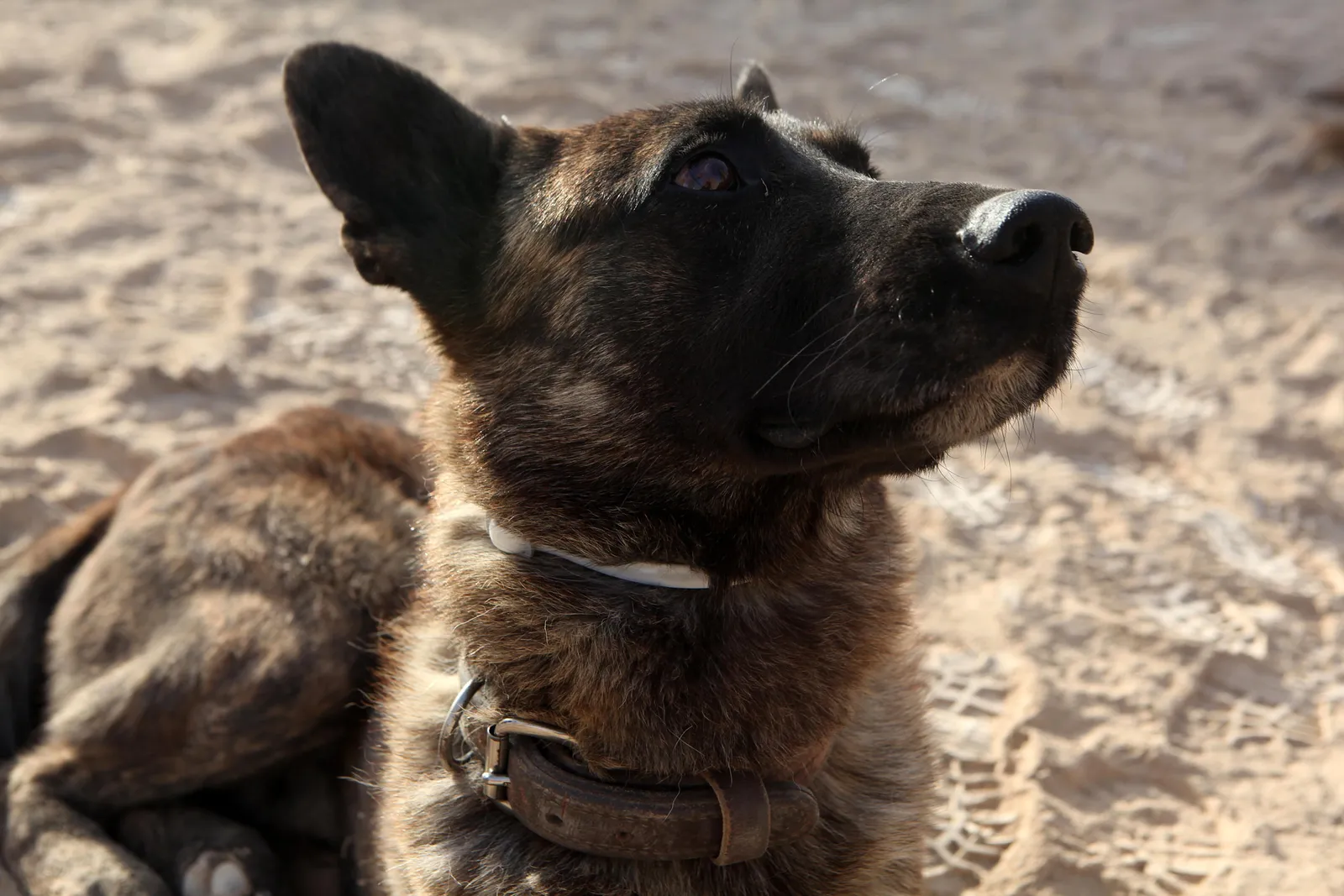
It’s tempting to think dogs crave excitement, new toys, new places, constant novelty. In reality, predictability is one of the most reassuring things you can offer an animal that has no real concept of tomorrow or next week. A dog that knows roughly when meals happen, when walks occur, and when you’ll be home tends to show fewer signs of anxiety than one living with an unpredictable schedule, even if that schedule includes plenty of affection.
This doesn’t mean life has to be rigid or boring for either of you. It means that the emotional safety net of routine, the same morning greeting, the same wind down before bed, functions as a quiet, ongoing reassurance that nothing dramatic is about to happen. Dogs are exceptional at reading patterns, and a stable rhythm tells them, more effectively than words ever could, that their world is secure.
4. Being spoken to directly, in a real conversational tone
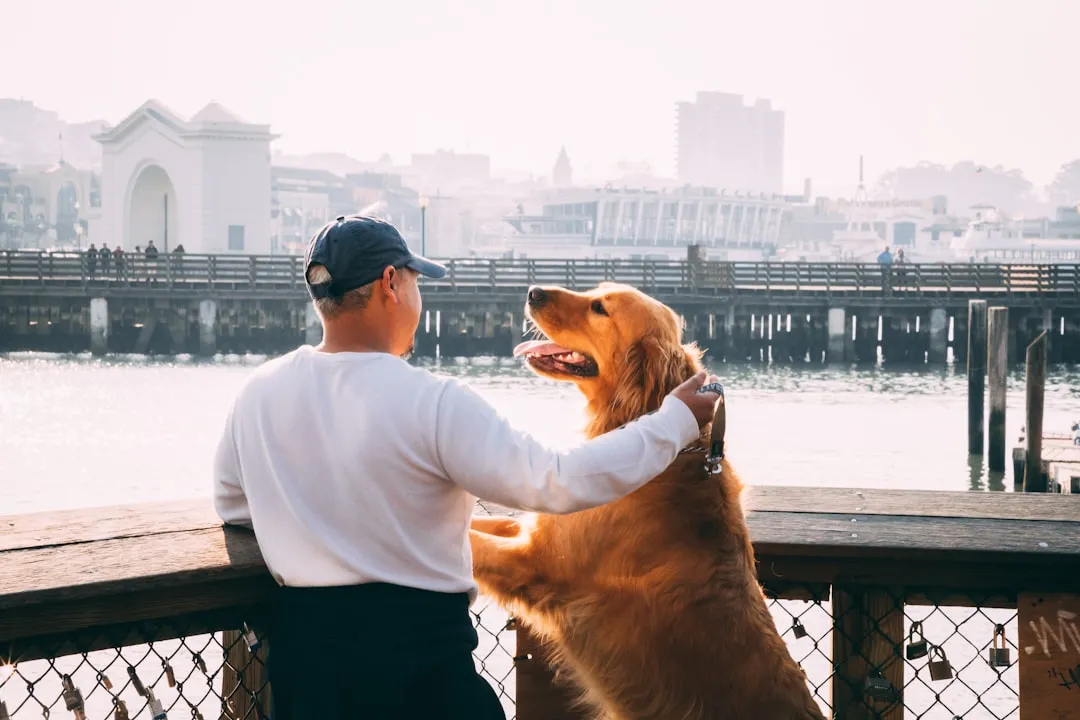
Dogs can’t understand full sentences the way people do, but research into canine cognition suggests they pick up far more than most owners assume, including tone, rhythm, and certain word associations built through repetition. Studies using MRI scans on awake, unrestrained dogs have shown that canine brains process both the meaning of familiar words and the emotional tone of speech, and that these are handled somewhat separately, much like in humans. A warm, conversational tone activates reward related brain regions differently than a flat or harsh one, even when the actual words are identical.
This is part of why talking to your dog like an actual companion, narrating your day, explaining why you’re leaving the room, chatting during a car ride, isn’t as silly as it might feel. Dogs seem to register being included in the verbal flow of the household as a form of social bonding, even without full comprehension. It’s less about the vocabulary and more about the tone carrying warmth, consistency, and inclusion, all of which dogs are remarkably tuned into.
5. Physical closeness on their terms, not yours
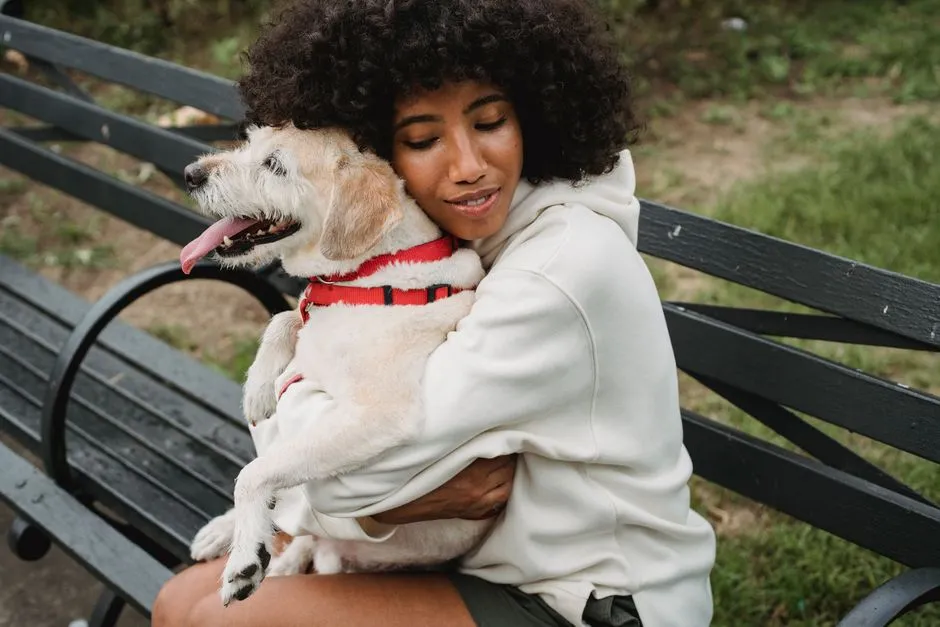
Owners often show affection through hugs, but dogs are not naturally built for being embraced the way humans are, and many tolerate hugging rather than enjoy it, according to canine body language researchers who’ve studied thousands of images of dogs being hugged. A restrained posture, showing whites of the eyes, or a tucked head are common signs of mild stress rather than comfort during a hug, even when the dog doesn’t pull away. What tends to land better is proximity on the dog’s own initiative, leaning against a leg, curling up nearby, or resting a head on a lap.
Letting a dog choose the moment and degree of physical contact respects its comfort threshold, which varies quite a bit by breed, temperament, and individual history. Some dogs are naturally more tactile and will seek out full body contact constantly, while others prefer just being in the same room without direct touch. Either way, allowing the dog to set the pace of physical affection, rather than imposing it on our schedule, tends to build a more secure, trusting bond over time.
The Real Takeaway
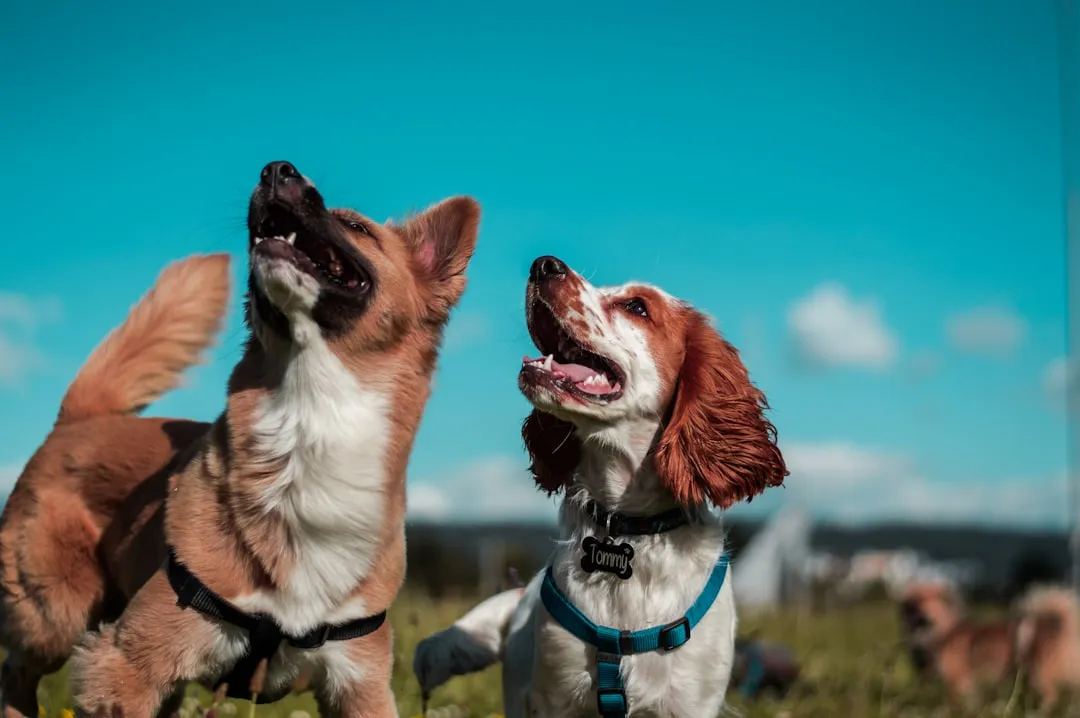
Here’s an honest opinion worth sitting with: most of what we think dogs want is actually what we want to give them, filtered through a human lens of what affection looks like. Dogs are telling us, through decades of behavioral research and their own quiet body language, that love in their world often looks smaller, slower, and less performative than we assume. A soft blink beats a tight hug. A long, aimless sniff beats a rushed walk with five extra treats stuffed in at the end. If there’s one thing worth taking from all this, it’s that paying closer attention to your dog’s actual signals, rather than assuming they want a human version of affection, is probably the single most loving thing you can do.

As a little kid, I fell in love with nature, wildlife, and animals. Living in the USA, South Africa, Italy, China and Germany gave me the opportunity to discover the world's Wildlife. My favorite animals are Mountain Gorillas, Siberian Tigers, and Great White Sharks.
I'm a certified PADI Open Water Diver, went to Everest Base Camp and Trekked Gorillas in Uganda. I hold a Master of Science in Economics and Finance.
Please send any feedback to feedback@animalsaroundtheglobe.com
- 5 Unexpected Things That Make Your Dog Feel Loved - July 18, 2026
- 10 Emotional Things Dogs Remember About Their Humans Forever - July 18, 2026
- 18 Places to See Wild Animals Without Leaving the U.S. - July 18, 2026