
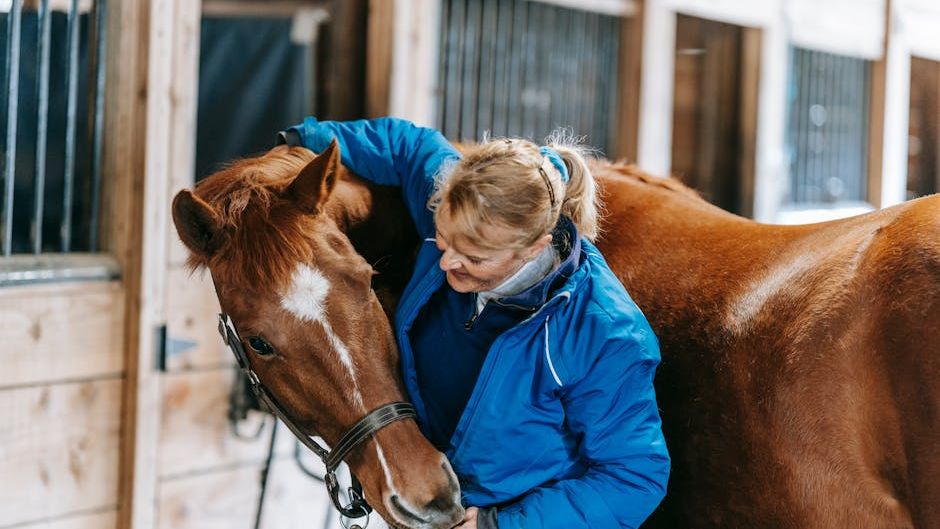
Walk into any equine clinic and ask a vet what they wish horse owners knew, and watch their expression shift. There’s a pause. A careful breath. Then the flood gates open. Despite genuinely loving their animals, most horse owners repeat the same handful of mistakes so consistently that vets can predict the diagnosis before they even reach the stall. The care looks like devotion from the outside. From the exam room, it looks like a slow-motion emergency.
Some of these habits are rooted in old barn wisdom passed down like gospel. Others come straight from social media, supplement catalogs, and well-meaning neighbors. A few will make you feel called out. All of them are fixable. Here are the 17 things that make your vet silently wince every single time – starting with one that surprises almost every owner who hears it.
#17 – Overfeeding Grain While Skimping on Hay
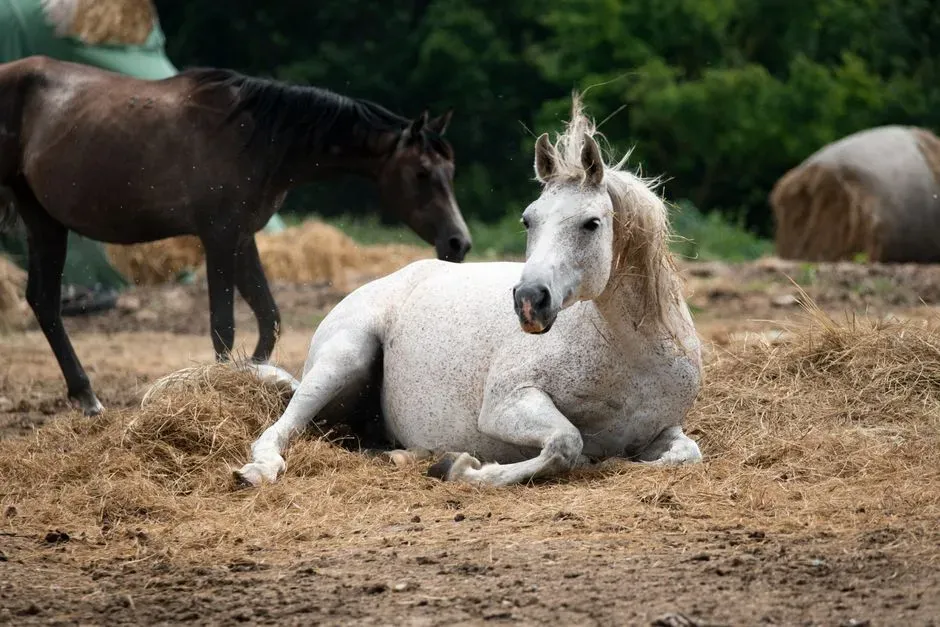
Vets watch owners pour grain like it’s a gesture of love, then stand there baffled when the horse founders. The equine digestive system spent millions of years evolving for near-constant grazing on fibrous forage – not concentrated carbohydrate loads dumped in twice a day. Excess starch from grain spikes insulin, disrupts the hindgut microbiome, and creates conditions hay simply never does, no matter how much of it you feed.
What makes this worse is the scale of the mistake. Many performance horses receive grain rations that exceed their actual energy needs by 50% or more, quietly setting up a perfect storm for laminitis, colic, and metabolic syndrome. Meanwhile the hay net hangs half-empty because the owner figured the grain was “covering it.” More forage, less grain, and a conversation with your vet about actual caloric needs would prevent more hospitalizations than almost any other single change.
Fast Facts
- Most horses should eat 1.5–2% of their body weight in forage daily – a 1,100 lb horse needs roughly 17–22 lbs of hay per day.
- Overfeeding nonstructural carbohydrates (NSC) from grain is one of the most common triggers of laminitis.
- Breeds including Welsh ponies, Morgans, Arabians, and Warmbloods carry a genetic predisposition to Equine Metabolic Syndrome – making grain overload especially dangerous.
- Endocrinopathic laminitis – diet and obesity-driven – represents approximately 90% of all laminitis cases in horses and ponies.
- Laminitis can be life-threatening and may result in euthanasia; prevention through diet is far easier than management after the fact.
#16 – Skipping Regular Dental Floating
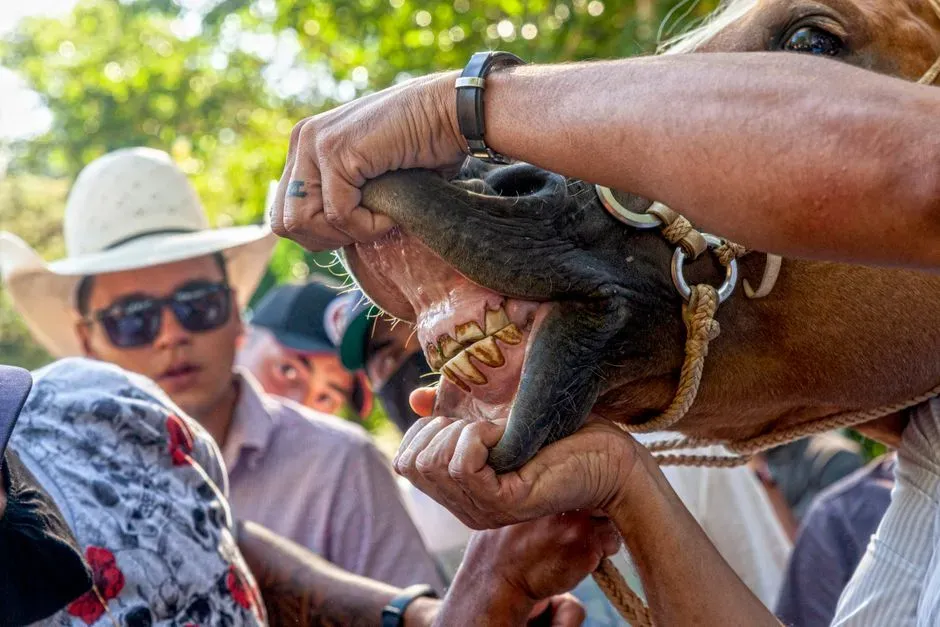
Most owners assume teeth only become a problem when a horse stops eating. By that point, the damage has usually been building for a year or more. Sharp enamel points develop every six to twelve months with the kind of quiet consistency that makes them easy to overlook – until the horse starts tossing its head, eating slowly, dropping feed, or losing weight for reasons that seem mysterious. None of it is mysterious to the vet who opens that mouth.
Hooks, ramps, and wave mouth are found routinely in horses whose owners describe them as “totally fine.” The horse compensates. Horses are extraordinarily good at compensating, right up until they aren’t. Undiagnosed dental problems are one of the most common hidden causes of poor performance and gradual weight loss in otherwise healthy-looking animals. A float every twelve months – sometimes every six for older horses – costs a fraction of what the downstream problems do.
At a Glance: Dental Float Schedule by Age
- Under 5 years: Dental exam twice a year – the mouth is changing rapidly as adult teeth erupt.
- 5–15 years: Annual oral exam and float, more frequently if problems are found.
- 15+ years: More frequent exams due to increased risk of loose teeth, gaps (diastemas), and worn surfaces.
- Signs of dental trouble: head tossing, dropping feed (quidding), weight loss, bit resistance, difficulty collecting.
- Without regular floating, horses risk chronic weight loss, behavioral changes, mouth infections, and costly extractions.
#15 – Inconsistent or DIY Deworming Programs
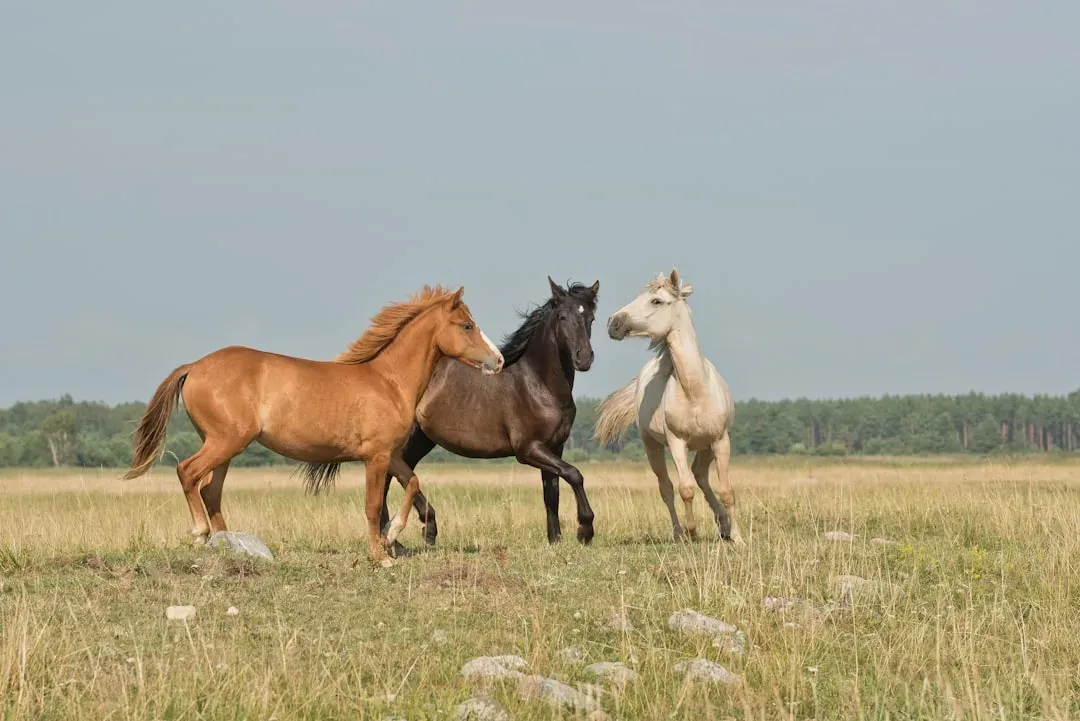
The old calendar approach – deworm every eight weeks, rotate the product, job done – made sense decades ago. It no longer does, and continuing it is one of the fastest ways to make the situation worse for every horse on the property. Blanket deworming on a schedule, regardless of actual parasite burden, selects hard for resistant worms. The drugs stop working. The herd loses protection. And the owner has no idea, because the horse looks fine right up until it doesn’t.
Fecal egg counts are inexpensive, straightforward, and tell you exactly which horses need treatment, with what drug, and whether it’s actually working. Most barns never run them. Targeted treatment based on real data preserves drug efficacy, protects horses that genuinely need intervention, and saves money over time. Vets aren’t asking for perfection here – just a baseline of information before reaching for a dewormer.
#14 – Neglecting a Strict Farrier Schedule
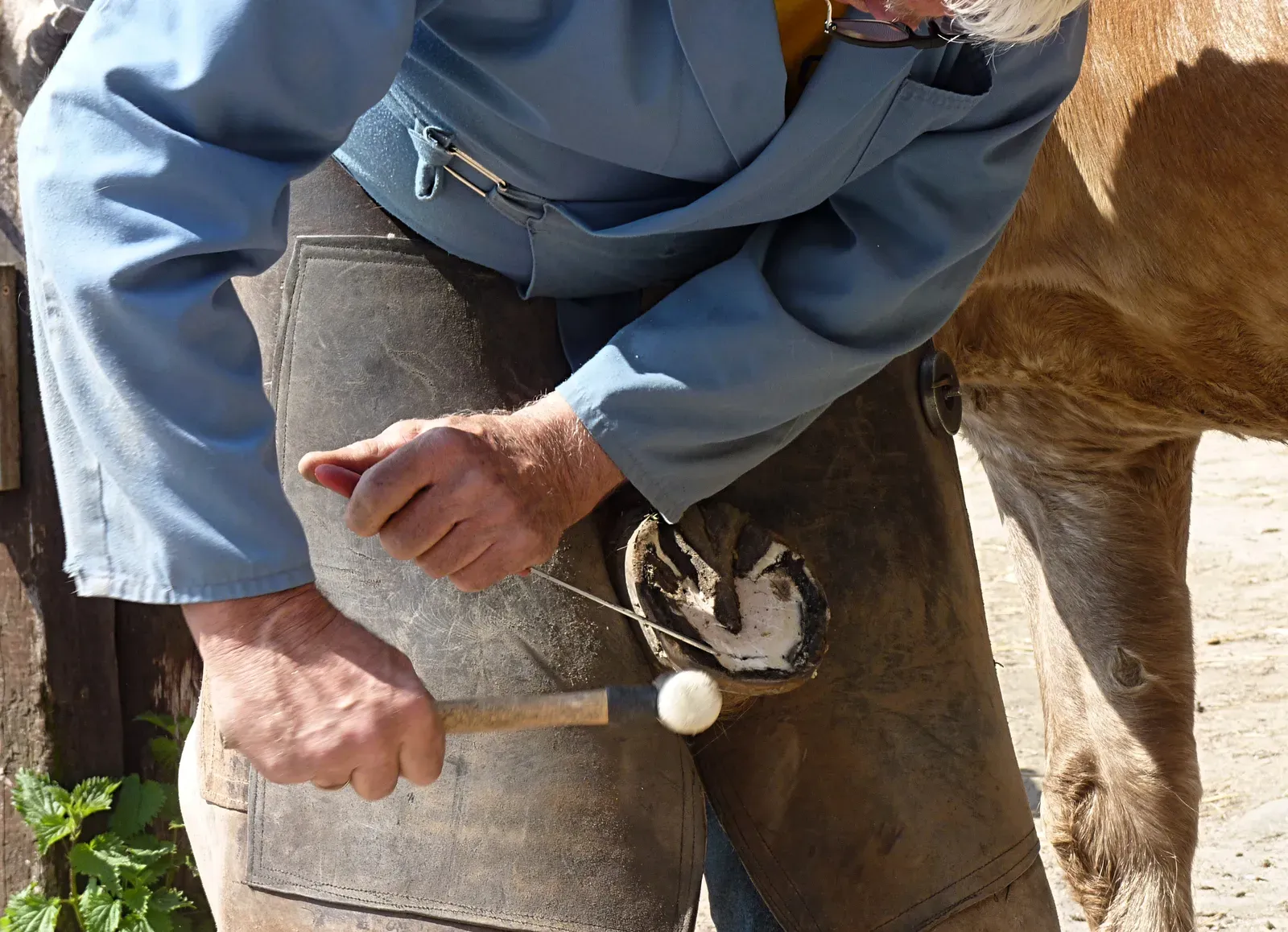
Six to eight weeks. That’s the window. Push it to ten, twelve, or “whenever he needs it” and the hoof capsule distorts in ways that send stress rippling straight up the leg. Toes grow long, heels collapse or contract, and the breakover point shifts in ways that torque tendons and overload joints that were never designed to absorb that kind of asymmetry. The horse doesn’t limp immediately. It just slowly, quietly degrades.
Vets see the results of overdue farrier visits every week, often in horses whose owners swear they’ve been keeping up with care. Many chronic lameness cases – ones that get attributed to arena footing or age or “just how he goes” – trace directly back to hoof imbalance that compounded over months of stretched appointments. The farrier bill feels expensive until you price out six weeks of box rest and joint injections.
#13 – Failing to Train Horses for Vet Visits
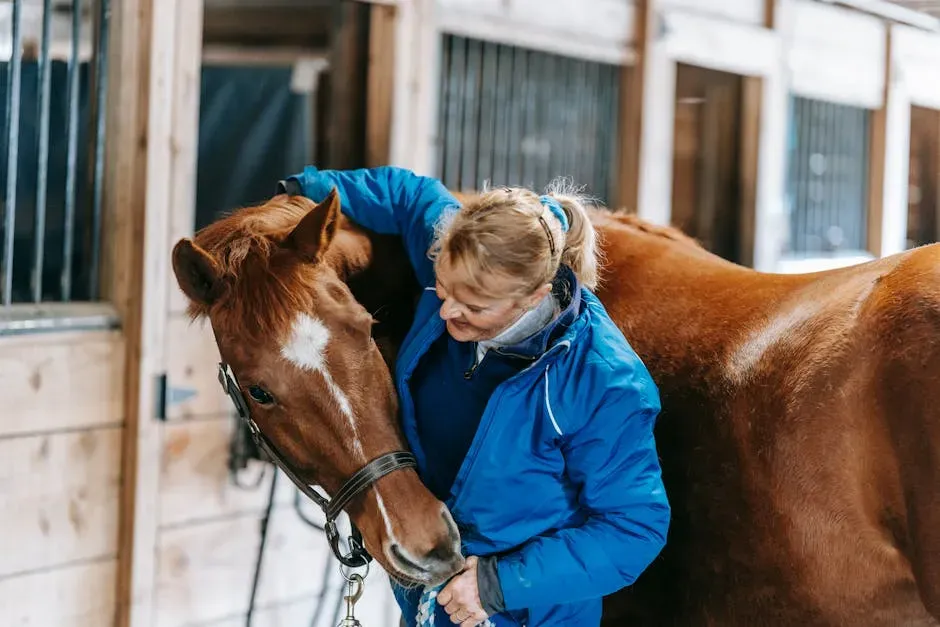
A horse that hasn’t been handled for injections, oral exams, or blood draws doesn’t just make the appointment unpleasant – it makes it dangerous. Vets and technicians absorb real physical risk when a horse panics over a needle because no one ever made needles a neutral experience. The appointment takes twice as long, requires sedation that adds cost and recovery time, and leaves the horse more sensitized for next time, not less.
This one is almost entirely preventable with basic desensitization work done at home between visits. Horses trained with calm, consistent handling for procedures – having their legs picked up, their mouths opened, their necks touched firmly – need significantly less intervention when the vet arrives. It’s not about having a “bombproof” horse. It’s about building the specific associations that make medical care routine instead of traumatic. Ten minutes a week changes everything.
[article_quiz]#12 – Ignoring Subtle Early Colic Signs
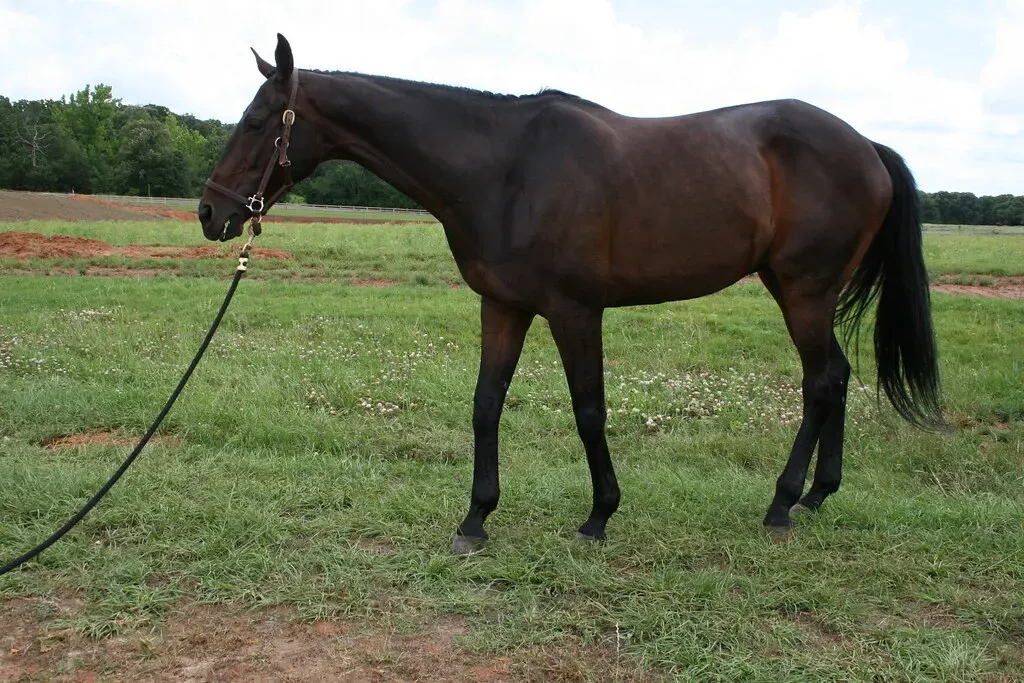
The call vets dread most is the one that comes hours too late. By the time a horse is throwing itself on the ground and soaking in sweat, the window for simple medical treatment has often already closed. But the signs that something was wrong were there earlier – less manure than usual in the stall, pawing at the ground, glancing back at a flank, refusing to finish feed, standing oddly still. Owners see these things and wait to see if it passes.
Sometimes it does. Sometimes waiting turns a medical colic into a surgical one. Vets are not bothered by “unnecessary” calls about a horse that turned out to be fine. They would genuinely rather drive out and find nothing wrong than arrive to a horse that needed intervention four hours ago. Early assessment is almost always cheaper, faster, and safer. When something seems off in the gut department, the phone call costs nothing. The hesitation can cost everything.
Worth Knowing: Early Colic Warning Signs
- Reduced or absent manure in the stall – one of the first and most reliable red flags.
- Pawing the ground, flank watching, or an unusual standing posture.
- Refusing to finish grain or hay, or a sudden drop in water consumption.
- Separation from herd mates, bloated belly, or excessive sweating without exertion.
- Up to 28% of equine deaths are attributed to colic – making early recognition a genuine life-or-death skill.
- Research shows horses turned out around the clock have significantly lower colic risk than those confined for more than 12 hours a day.
#11 – Overloading on Unnecessary Supplements
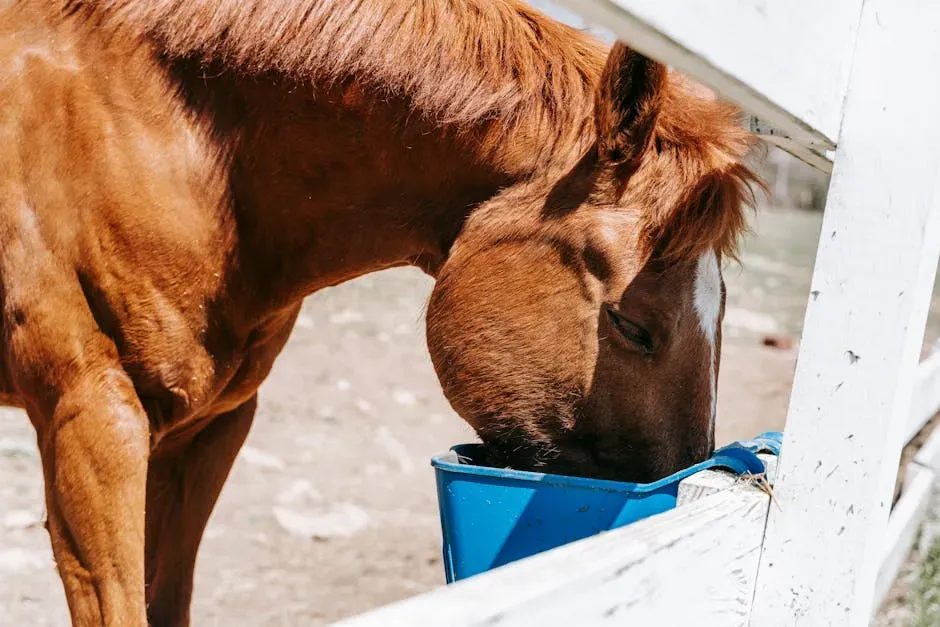
Walk down any barn aisle and you’ll find a shelf that looks like a vitamin store exploded. Joint support, gut support, hoof support, calming blends, coat enhancers, immune boosters – all of it being fed simultaneously to a horse whose actual nutritional status has never been tested. Vets watch owners spend two hundred dollars a month on supplements while the hay quality goes unanalyzed and the water trough gets cleaned twice a year.
The hard truth is that many of the most popular equine supplements – particularly joint products – show no measurable benefit in controlled research, yet they persist because horses are expensive and owners feel better doing something. Some supplements interact. Some throw mineral ratios out of balance when layered on already-fortified feed. A forage analysis and a blood panel give you actual data. Then you supplement what’s actually missing. That approach costs less and works better than the shelf full of tubs.
#10 – Poor Pasture and Weed Management
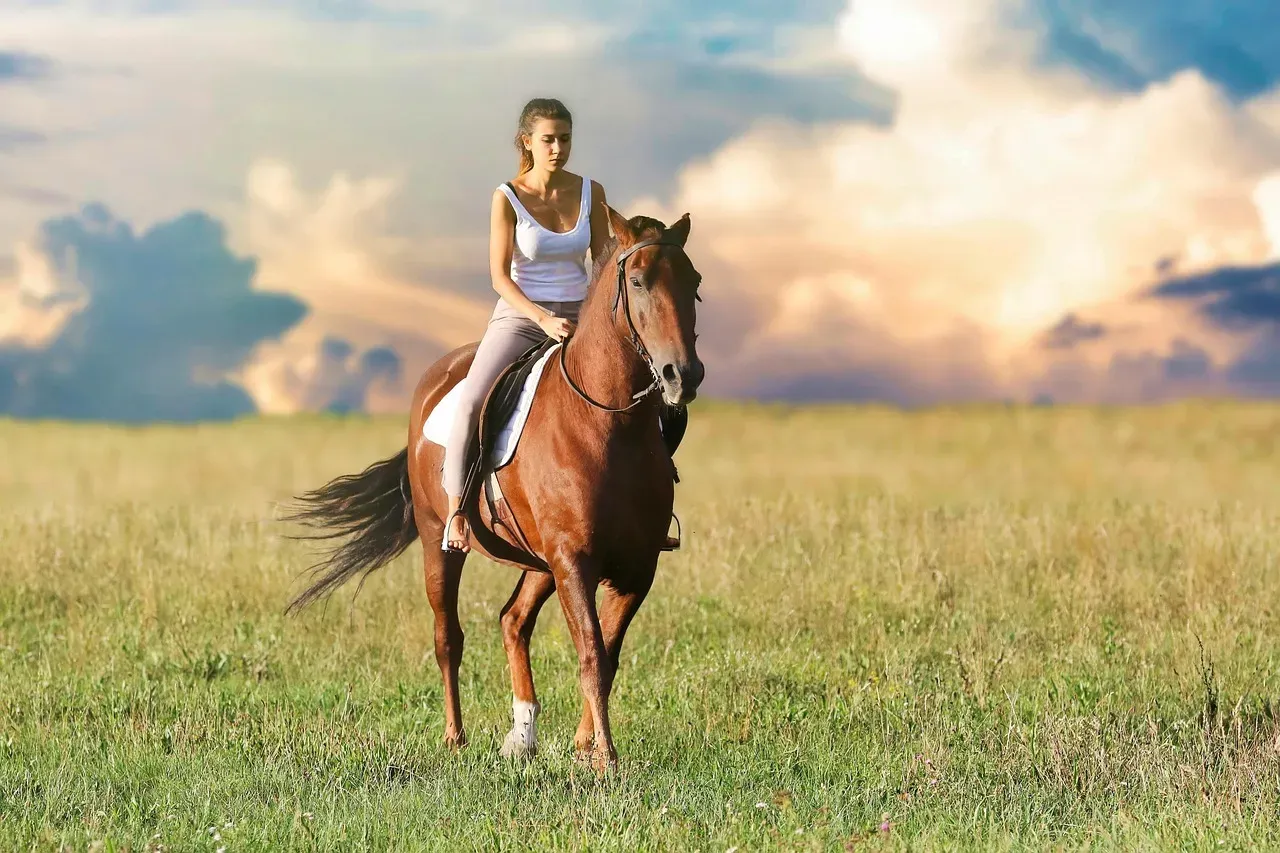
Most owners think they know their pasture. They’ve walked it, they’ve ridden through it, the grass looks green. But toxic plants don’t announce themselves, and they colonize the edges, the wet patches, and the bare spots where horses overgraze first. Ragwort is the classic example – horses will avoid it when pasture is plentiful, then eat it when forage is scarce, and the liver damage accumulates silently over weeks before any symptom appears.
Vets treat pasture-related poisonings on properties that owners describe as well-maintained, because maintenance means different things to different people. Walking your pasture on foot, at least once a month, looking specifically for plants you can identify – that’s the standard. Mowing, reseeding bare patches, and knowing which toxic species are common in your region aren’t optional extras. They’re the baseline that separates a safe paddock from a slow hazard.
#9 – Incorrect or Excessive Blanketing
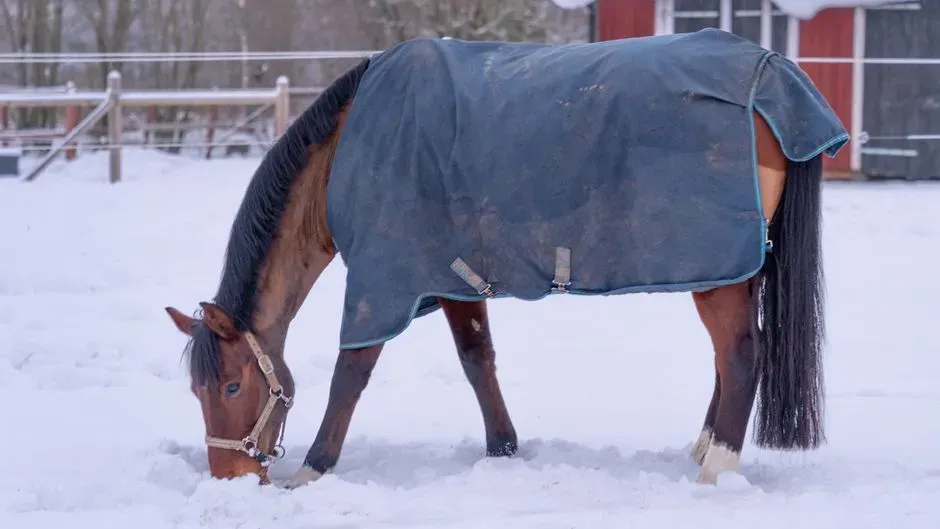
Horses have a thermoregulation system that outperforms most of what we drape over them. A horse in good body condition, with access to shelter and forage, can handle temperatures that would send their owner scrambling for layers. Over-blanketing in mild conditions – especially wet blankets left on after weather clears – raises core temperature, traps moisture against the skin, and creates the perfect environment for rain rot and fungal infection. The horse can’t take it off.
The rule of thumb vets keep repeating is simple: if you’re comfortable in a light jacket, your horse probably doesn’t need a blanket. The exceptions are clipped horses, horses in poor condition, elderly animals with compromised thermoregulation, or extreme cold combined with wet and wind. Blanketing because it makes the owner feel better is not a medical reason. Check the horse’s ears and the base of the neck – if they’re warm, the horse is warm. Trust that before reaching for the heavy turnout rug.
Quick Compare: When to Blanket vs. When to Skip It
- Blanket: Clipped horses, horses in poor body condition, seniors, or genuine cold + wet + wind combinations.
- Skip it: Healthy unclipped horses with shelter access in mild or merely cool weather.
- Always remove: Wet or soaked blankets – moisture trapped against skin breeds rain rot and fungal infections fast.
- Quick check: Feel the base of the neck and ears – warm there means the horse is warm overall.
#8 – Feeding Excessive Treats and Human Food
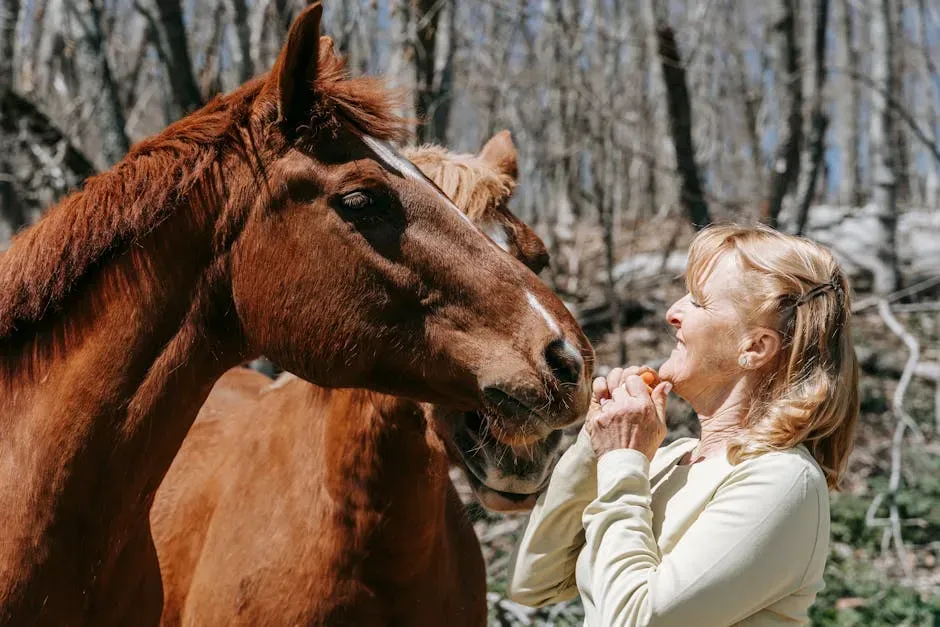
Carrots, apples, the occasional sugar cube – nobody is clutching pearls over that. The problem is the escalation. Horses that get handfuls of cookies, chunks of bread, or miscellaneous human snacks multiple times a day are receiving a sugar and starch load their digestive systems weren’t built for. Choke is a real and serious risk with large dry treats fed too quickly. So is colic from sudden dietary additions that disrupt gut flora. So is obesity that owners don’t connect to what’s “just a little treat.”
There’s also a behavioral dimension that vets watch cascade into handling problems. Horses who are constantly offered treats from pockets and hands become pushy, nippy, and difficult to manage in ways that create safety issues far beyond the feeding itself. Treats are a legitimate training tool when used with structure and restraint. They’re a liability when they become a free-for-all every time the owner walks into the paddock. Save them for work. Reserve them. They mean more that way anyway.
#7 – Not Monitoring Body Condition Regularly
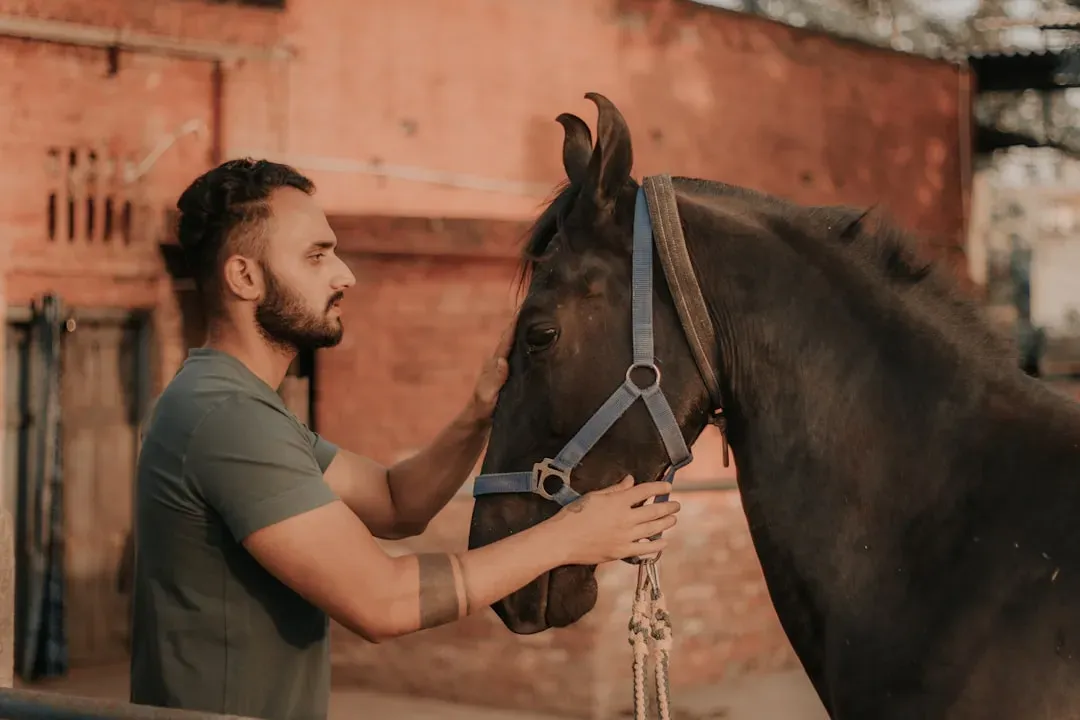
Owners look at their horses every day, which should make it easy to spot changes. Instead, it creates the opposite problem. Daily proximity normalizes gradual shifts, and the horse that was a five on the body condition scale in spring quietly becomes a seven or a three by fall without anyone registering the change. By the time the weight problem is undeniable, it’s been building for months. Vets use a standardized one-to-nine scoring system precisely because feeling the ribs and fat deposits objectively catches what eyes alone miss.
Monthly photos taken from the same angle, combined with hands-on condition scoring, give you a baseline to compare against. It takes five minutes. The metabolic cases that vets find most heartbreaking are the ones where the “easy keeper” who never seemed to need much feed was actually developing insulin dysregulation over two or three years while everyone admired how round and healthy she looked. Objective measurement is not a criticism of your horse. It’s the only way to catch silent problems before they become permanent ones.
#6 – Self-Medicating or Delaying Professional Help
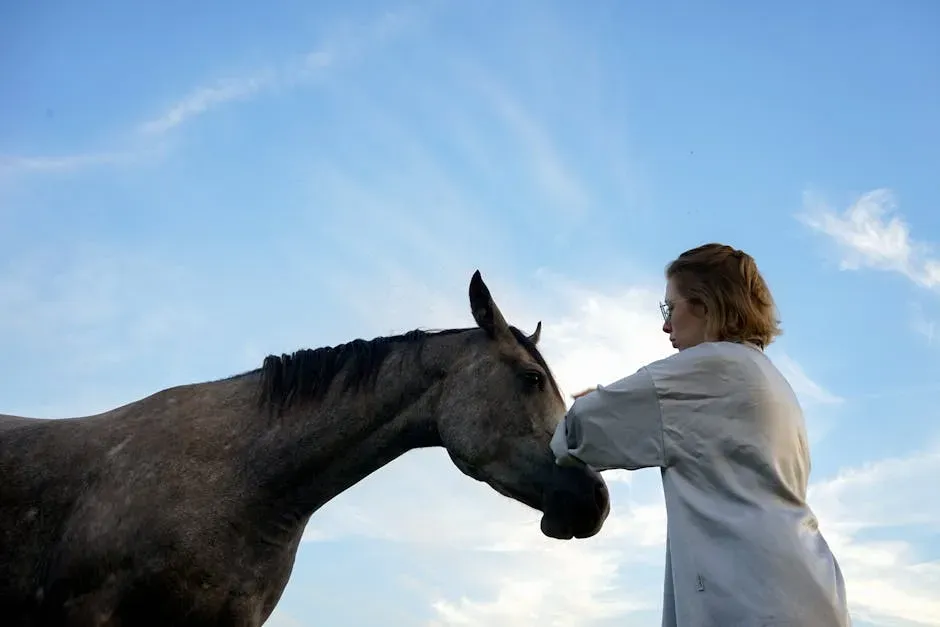
The barn group chat has a lot to answer for. When a horse shows a worrying symptom, the instinct for many owners is to post a photo, collect opinions, try the antibiotic left over from last year, or give an extra dose of bute and “see how he looks in the morning.” Vets arrive to cases where multiple interventions have already been applied, the symptom timeline has been scrambled, and the actual problem is now harder to identify and more expensive to treat than it would have been twenty-four hours earlier.
Inappropriate antibiotic use creates resistance and can mask serious infections that need proper diagnosis. NSAIDs like phenylbutazone relieve pain effectively – which is exactly why using them without a diagnosis is dangerous. Pain is information. Masking it before a vet assesses the horse means that information is gone. Early professional assessment almost always costs less than a delayed one, not more. The call you put off is usually the one that turns a straightforward case into a complicated one.
The best thing you can do for a sick horse is call your vet before you do anything else. Every intervention you try first makes my job harder and your horse’s outcome worse.
Common sentiment among equine veterinarians
#5 – Overworking Young or Unfit Horses
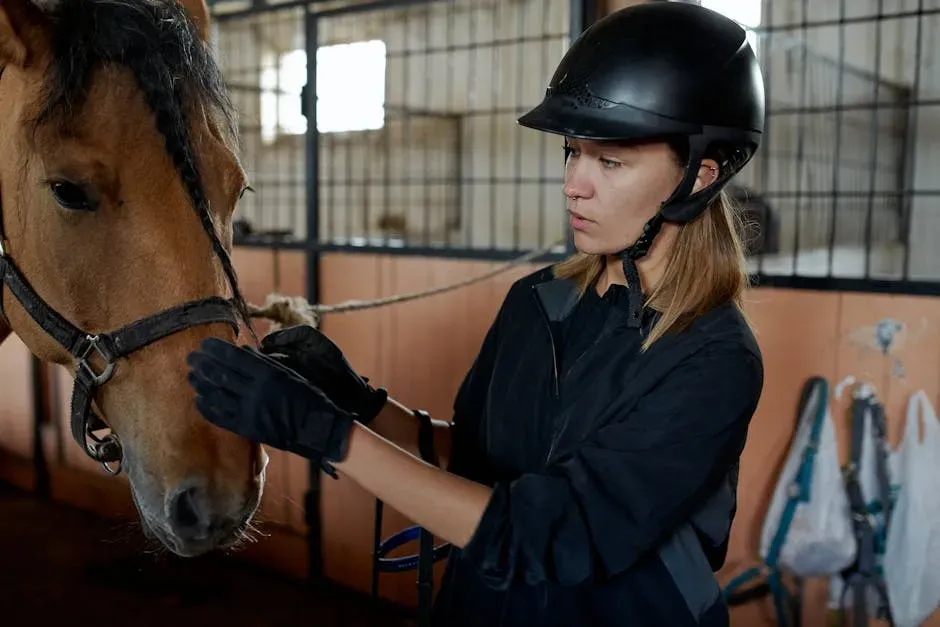
The pressure to produce results – from competitions, from trainers, from the cost of keeping a horse – pushes owners to move faster than developing bodies can safely go. Growth plates in equine limbs don’t fully close until age four or five in most horses, and the ones in the spine close even later. Working a two-year-old hard, or pushing a horse back into heavy work after a break without a proper reconditioning period, loads structures that aren’t ready. The damage is often cumulative and invisible until it suddenly isn’t.
What makes vets particularly frustrated is that many of the career-ending injuries they see in eight and nine-year-olds trace directly back to how those horses were started at two and three – years before the current owner even bought them. The skeleton keeps a record even when the horse seems fine. Progressive conditioning, adequate rest between training phases, and genuine patience in early development aren’t signs of a soft approach. They’re the reason some horses are still sound and competing at eighteen while their contemporaries retired at ten.
#4 – Insufficient Daily Turnout
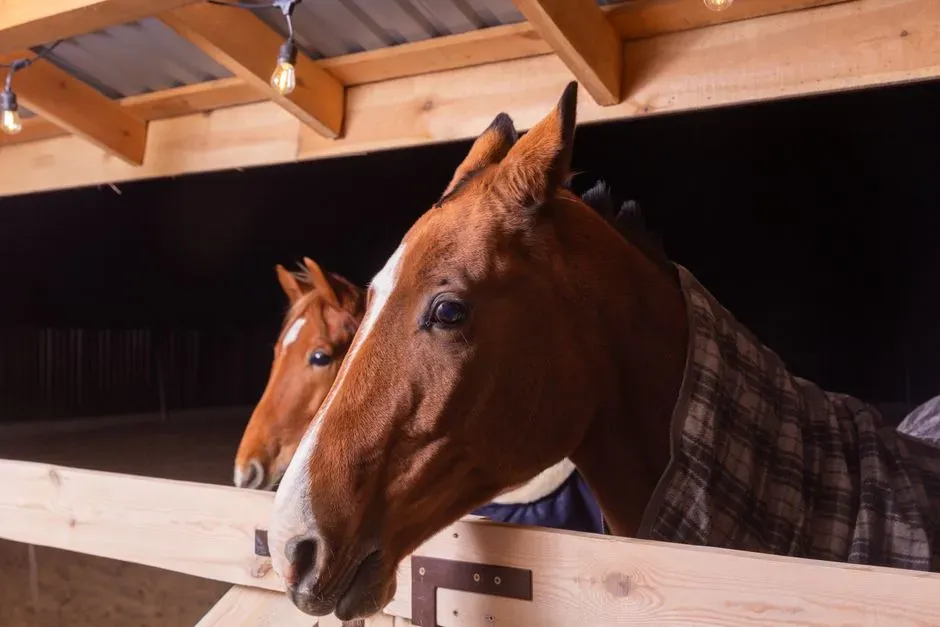
Horses are built to move. Not to stand in a twelve-by-twelve box for twenty-three hours a day with two thirty-minute rides for stimulation. The equine gut relies on movement to keep contents flowing correctly – limited motion is a direct contributor to impaction colic. The respiratory system suffers in poorly ventilated stalls. Legs stock up. Minds unravel. The stereotypies that develop in chronically stalled horses – weaving, cribbing, wood chewing – are not personality quirks. They are behavioral symptoms of an animal in psychological distress.
Owners sometimes restrict turnout from genuine concern: the horse is too fresh, the footing is bad, the field is too lush. These are real considerations. But vets consistently find that horses described as “well-kept” are spending the majority of their lives confined, and that many of the health and behavior problems those owners are medicating or training around would resolve with more movement and social contact. More turnout solves problems. It doesn’t create them. The default should always be outside, not in.
Why It Stands Out: The Real Cost of Too Much Stall Time
- Research shows keeping a horse stalled most of the day without free-choice forage can increase colic risk by over 50%.
- Gut motility slows significantly within the first five days of transitioning from pasture to stall – the most critical monitoring window.
- Horses confined for more than 12 hours daily colic at higher rates than those turned out around the clock.
- Stereotypies like cribbing and weaving are behavioral distress signals – not quirks – that often emerge from chronic confinement.
- More turnout + more forage access = lower colic risk, better mental health, and fewer vet bills.
#3 – Using Ill-Fitting Tack
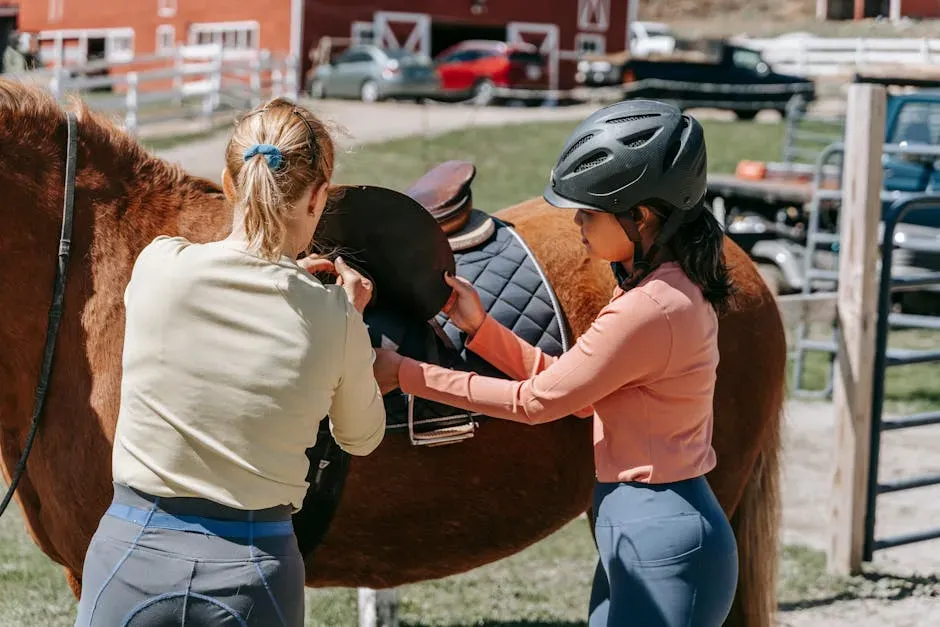
A saddle that pinches behind the shoulder or bridges across the back doesn’t produce a dramatic reaction most of the time. It produces subtle ones – a horse that’s reluctant to go forward, pins its ears at tacking up, swishes its tail under saddle, or gets labeled “mareish” or “difficult” or “lazy.” The behavior is real. The interpretation is wrong. That horse is in pain and communicating it in the only language available. Owners correct the behavior. The pain continues. The muscle atrophy underneath the ill-fitting tree deepens quietly over months.
Vets and equine physiotherapists see this pattern constantly, and what’s striking is how dramatically horses change when the tack problem is identified and corrected. Animals that were resistant to being ridden become willing partners within weeks of a proper saddle fit. Bridle fit, bit choice, noseband tightness – all of it matters in the same way. Tack fitting is not a luxury service. It’s a welfare baseline. If your horse behaves differently under saddle than in hand, start there before you blame the horse.
Worth Knowing: Signs Your Saddle Doesn’t Fit
- Trying to walk away or evade during tacking up – avoidance is communication, not disobedience.
- Ears pinned, tail swishing, or girth sensitivity when there is no insect reason for it.
- Resistance to going forward, cold-backed behavior, or a sudden drop in performance.
- Long-term poor fit leaves physical evidence: white hairs, muscle atrophy, and sores at the withers or along the topline.
- No therapeutic treatment – massage, bodywork, injections – can produce lasting results while the ill-fitting tack stays on the horse.
#2 – Inconsistent Vaccination Schedules
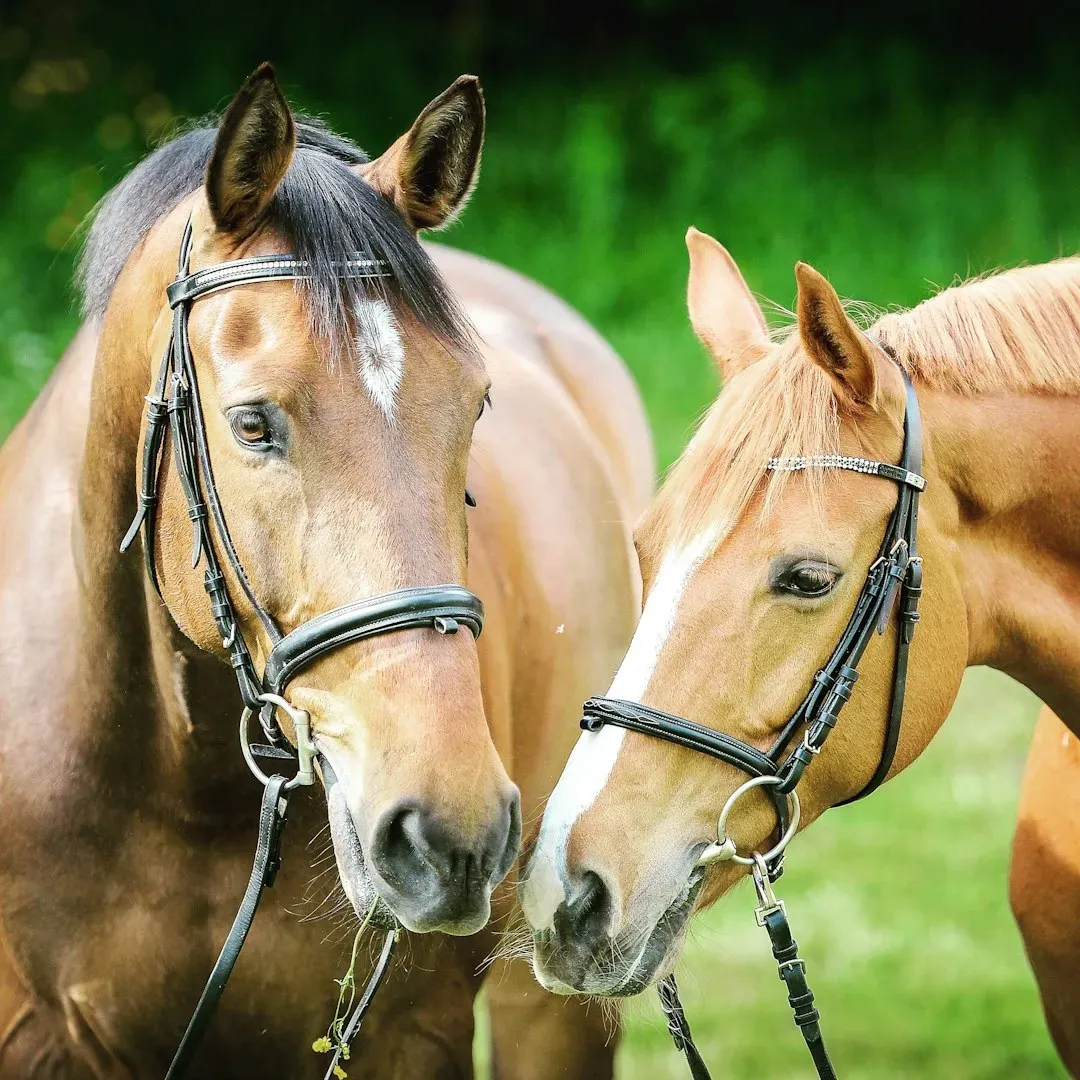
Core vaccines exist for a reason: the diseases they prevent are serious, often fatal, and in some cases – like tetanus and rabies – essentially guaranteed to be catastrophic without intervention. Owners who delay boosters, skip years because the horse “seems healthy,” or decide vaccines aren’t necessary because their horse doesn’t travel or show, are making a risk calculation with incomplete information. Herd immunity matters. One unvaccinated animal in a barn creates exposure risk for every animal around it.
What vets find most disheartening is how quickly attitudes change after an outbreak. The equine influenza or strangles case that sweeps through a barn in the weeks after a lapse in vaccination suddenly makes every owner a believer – but by then, horses are sick, quarantine is in effect, and the financial and emotional cost is enormous. Annual risk-based conversations with your vet take fifteen minutes and keep the program current for your specific region and exposure level. Consistency isn’t excessive caution. It’s just arithmetic.
[article_quiz]#1 – Calling Everyone Except the Vet First
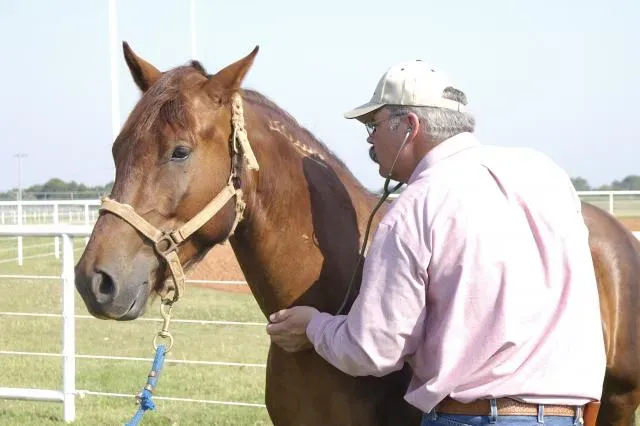
This is the one that costs horses their lives more than any other item on this list. When something seems off, the modern owner’s instinct is to text the trainer, call the barn manager, post in the Facebook group, message the farrier, or scroll through forum threads from 2014 – anything except picking up the phone and calling the vet. The delay feels reasonable in the moment. By the time the vet is actually contacted, hours have passed. In colic, in choke, in a wound that needed immediate attention, hours are not neutral. Hours are outcomes.
Vets are not judging you for calling about something that turns out to be nothing. They would take fifty “probably fine” calls over one call that comes after the window has closed. The vet is not the last resort when all other options have been exhausted. The vet is the first call when your horse isn’t right and you don’t know why. Every other person you might contact is working from observation and experience. The vet is working from training, diagnostics, and the ability to actually fix it. Use that resource first. Your horse is counting on it.
The painful irony of every mistake on this list is that most of them come from a place of genuine love. Owners blanket because they worry about the cold. They give treats because the horse seems to enjoy it. They wait before calling because they don’t want to overreact. Vets don’t cringe because they think horse owners are careless – they cringe because they know how close most of these horses came to being fine, and how small the adjustments needed to be. The gap between devoted ownership and evidence-based care is narrower than most people think. It mostly just requires asking the right person before the problem compounds. And that person, almost every single time, is the vet standing in front of you.
