
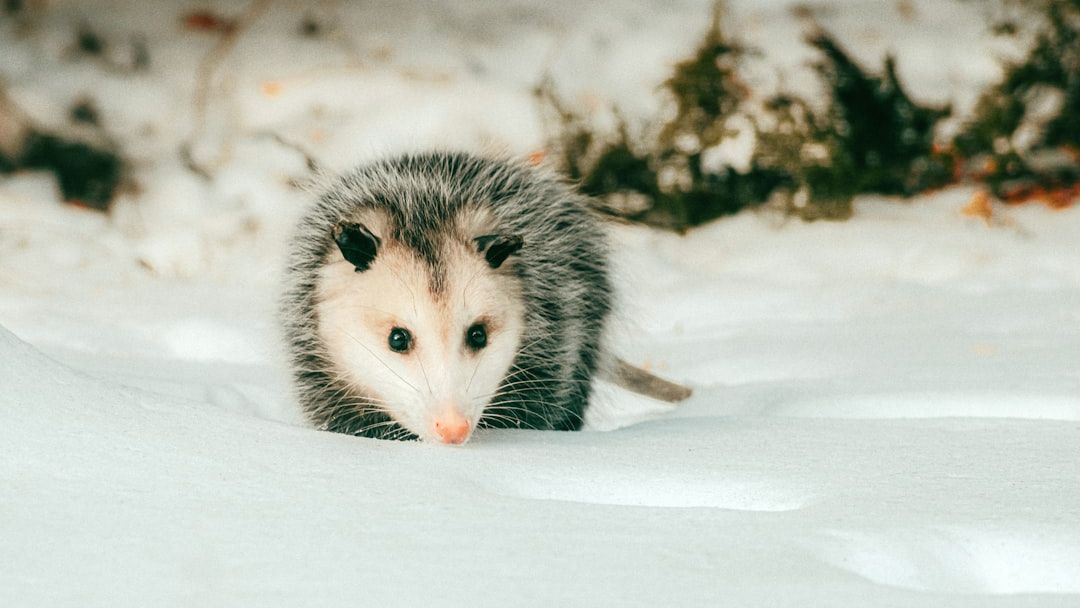
They Are Marsupials, Not Oversized Rodents
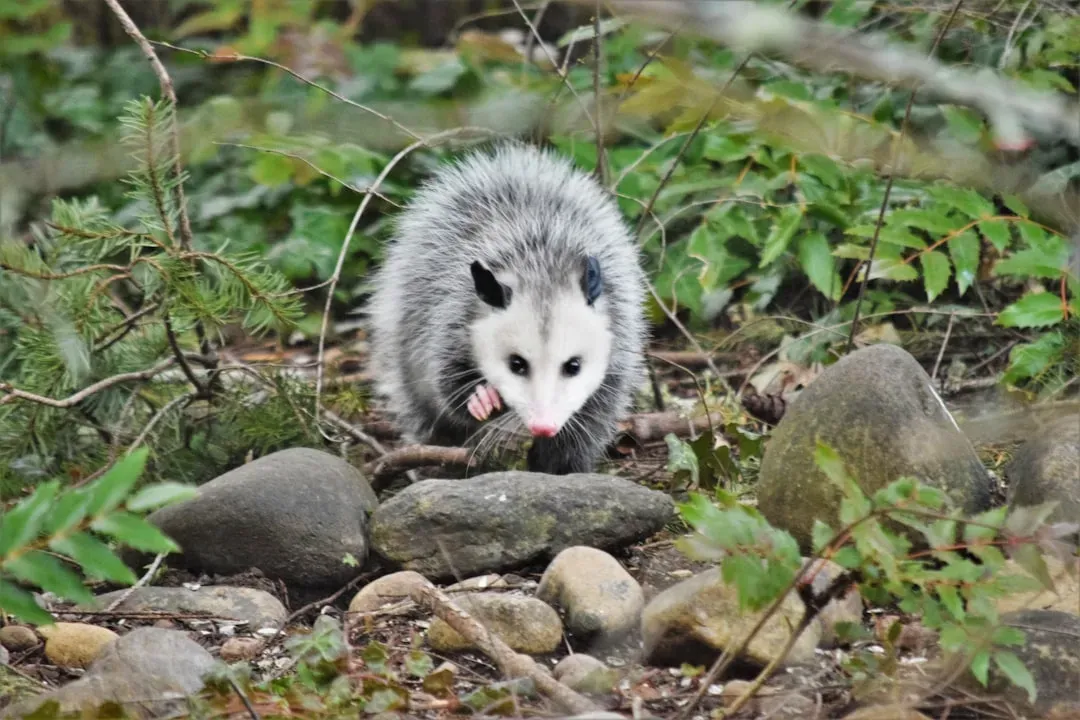
Opossums belong to a completely separate group of mammals from rats or mice. They carry their young in a pouch, much like kangaroos, which sets them apart from every other North American mammal.
This distinction matters because it explains their unique biology and behavior. Their pouch allows tiny newborns to finish developing in safety after a very short pregnancy. The comparison to rodents misses the entire evolutionary story.
Their Tails Do Not Work Like a Built In Hammock
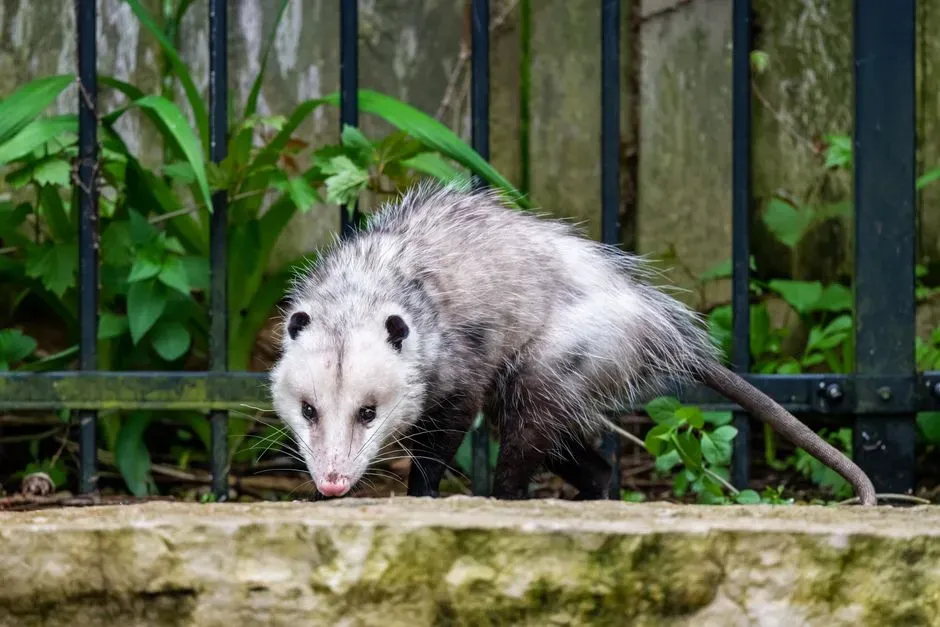
A common image shows opossums dangling upside down from branches while they sleep. Their tails are actually prehensile and can grip branches for short periods, yet they lack the strength for long hangs or full body suspension.
Instead, opossums use their tails mainly to carry nesting material or steady themselves while climbing. The hanging myth likely comes from cartoons rather than observation in the wild.
Playing Dead Happens Without Any Conscious Choice
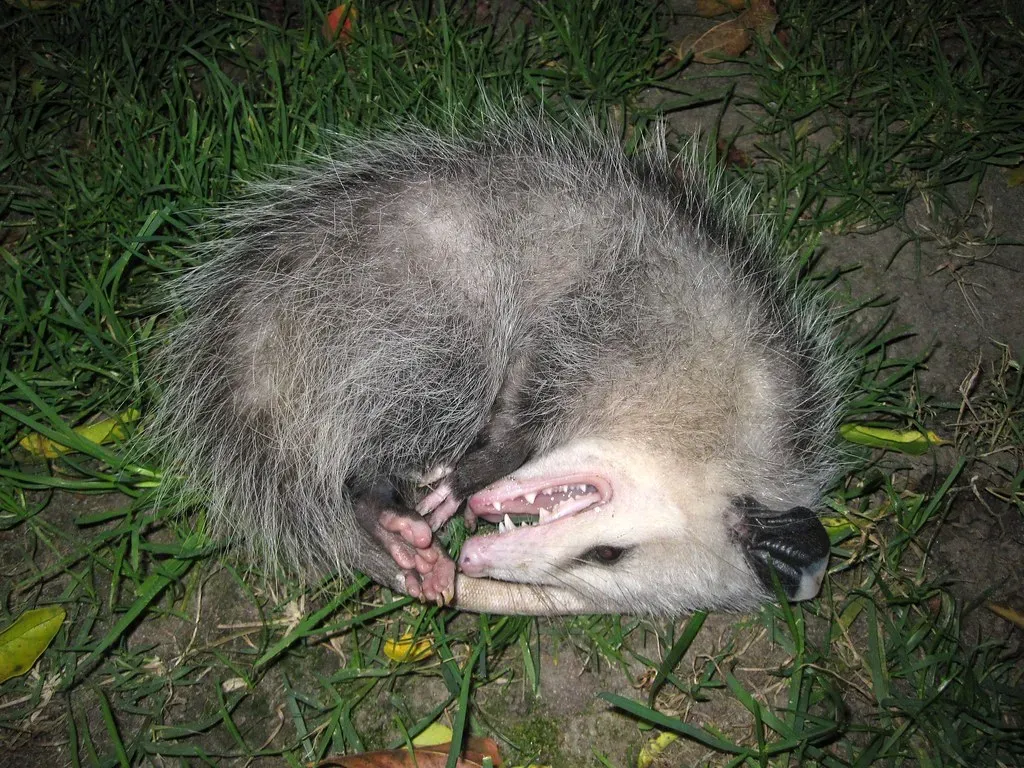
When an opossum feels extreme fear, its body shuts down into a catatonic state that can last for hours. Heart rate drops, breathing slows, and the animal goes limp with drool and a foul smell from its glands.
This reaction is automatic, triggered by stress chemicals rather than a deliberate act. Predators often lose interest in what appears to be a sick or already dead meal, giving the opossum a chance to survive.
Rabies Almost Never Affects Them
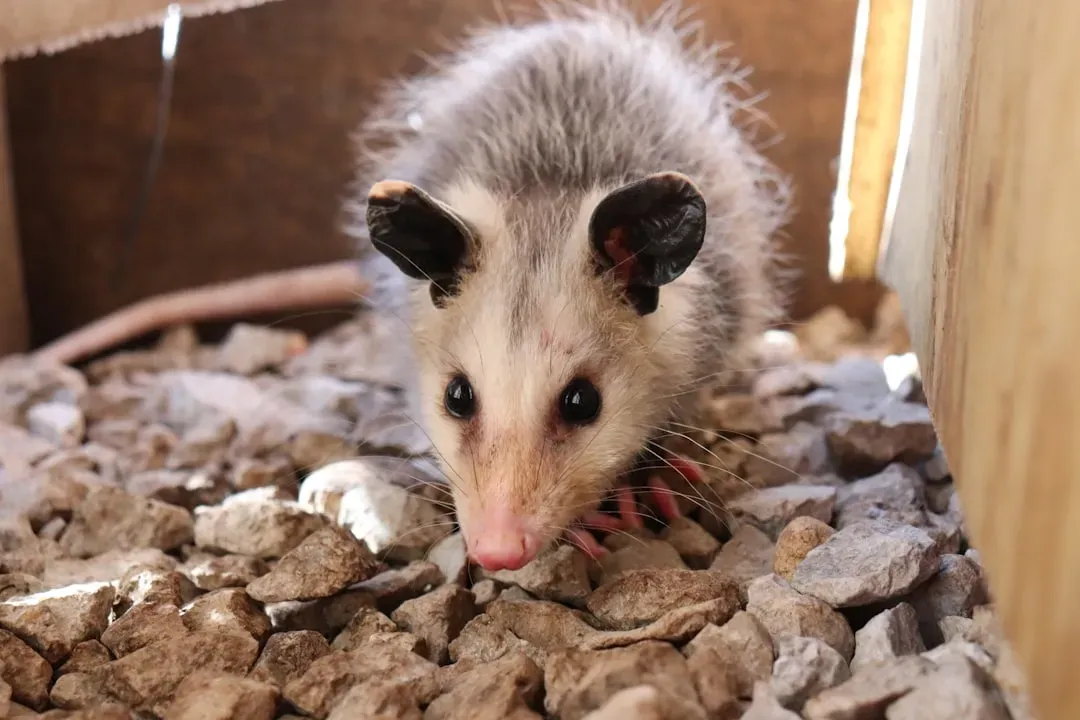
Their body temperature runs several degrees lower than most other mammals, which makes it difficult for the rabies virus to thrive. Documented cases remain extremely rare compared with raccoons, skunks, or bats.
People sometimes mistake their defensive hissing and drooling for signs of disease. Those behaviors form part of a bluff routine meant to scare off threats before the animal resorts to playing dead.
They Show Natural Resistance to Certain Snake Venoms
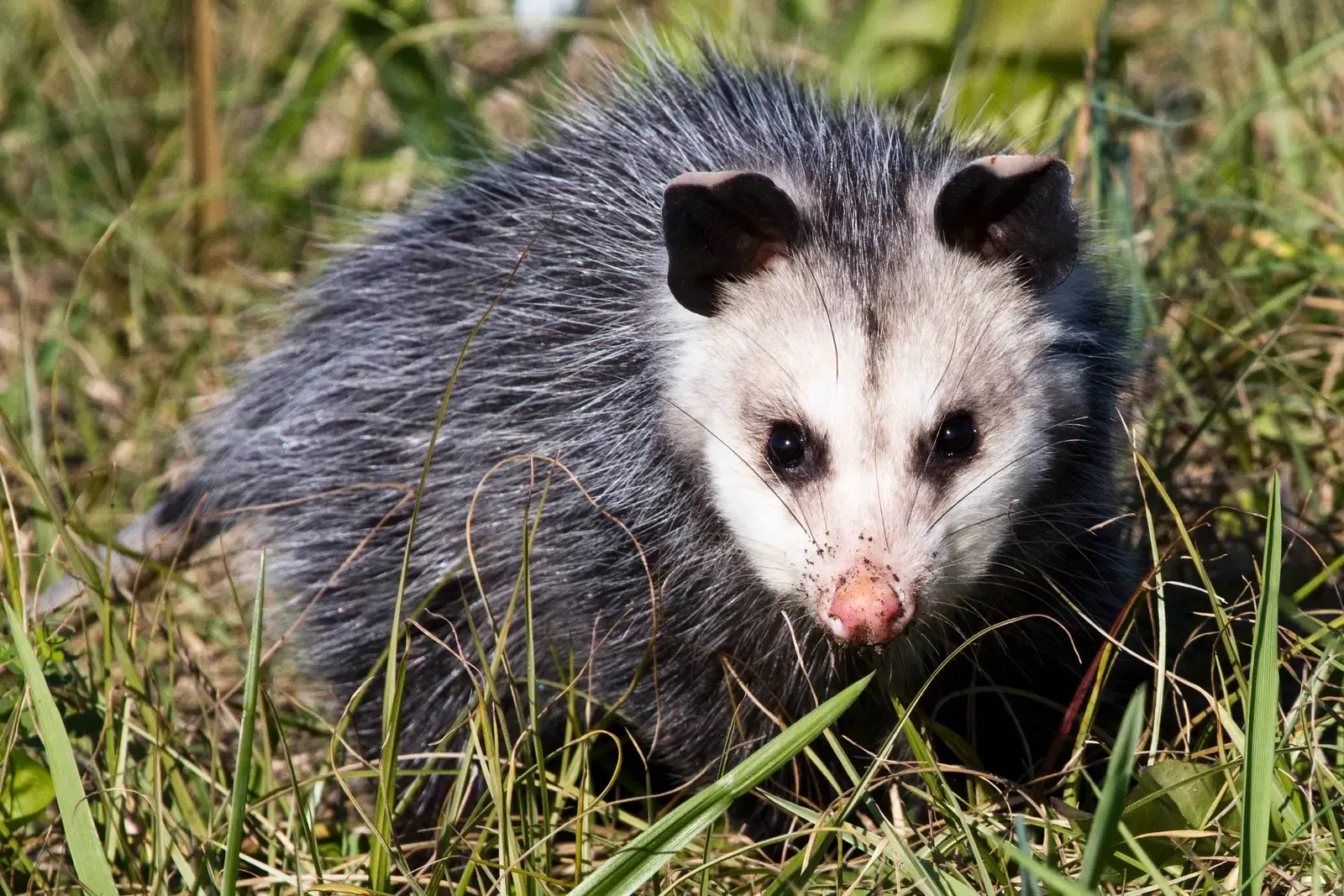
Virginia opossums carry proteins that neutralize the effects of some rattlesnake and other pit viper venoms. This trait gives them an edge when they encounter snakes while foraging at night.
The resistance is not absolute against every venom, yet it stands out as an unusual adaptation among North American mammals. Researchers continue to study the mechanism for possible medical insights.
Newborns Are Smaller Than a Honeybee
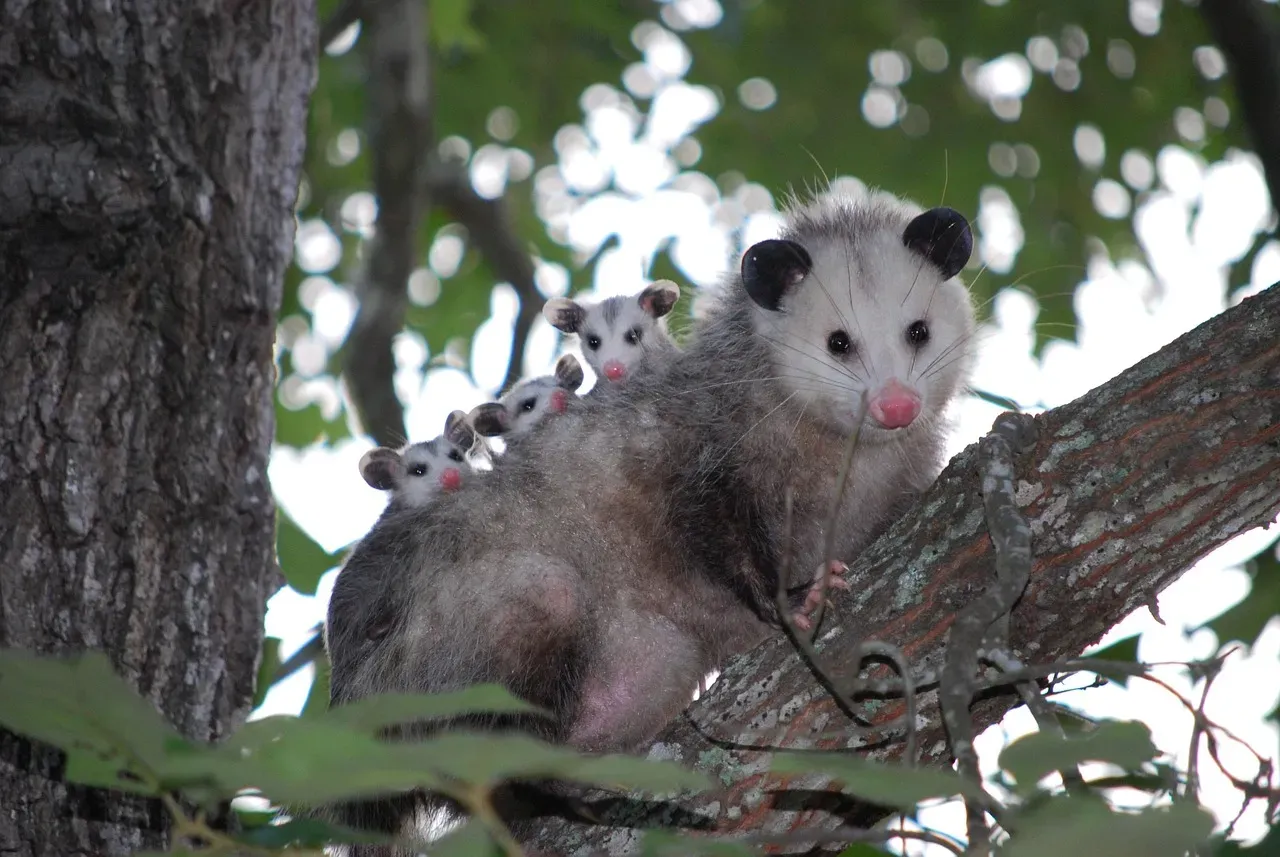
After a brief gestation of about two weeks, opossum babies emerge tiny, blind, and hairless. Each one must crawl from the birth canal into the mother’s pouch on its own, a journey that covers only a short distance yet requires surprising effort.
Once inside the pouch, they attach to a nipple and continue developing for several months. Litters can number more than a dozen, though not all survive the trip or the early weeks.
They Carry More Teeth Than Almost Any Other Land Mammal
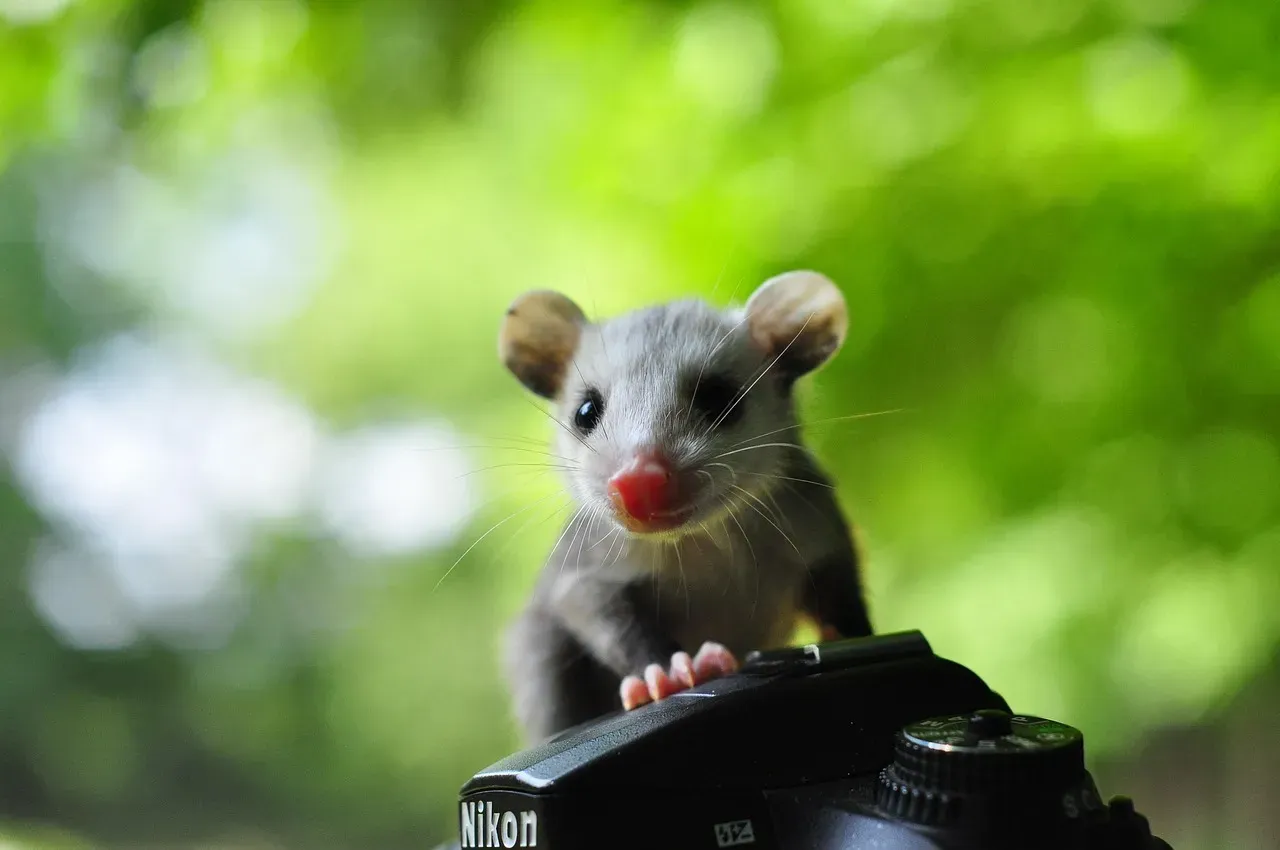
An adult opossum has fifty teeth, a number that exceeds what most mammals possess. The extra teeth support their broad omnivorous diet that includes insects, fruit, carrion, and whatever else they find.
Those teeth also contribute to their intimidating appearance when they bare them in a defensive display. The show rarely leads to an actual bite because opossums prefer to avoid confrontation.
They Stay Active Through Winter Instead of Hibernating
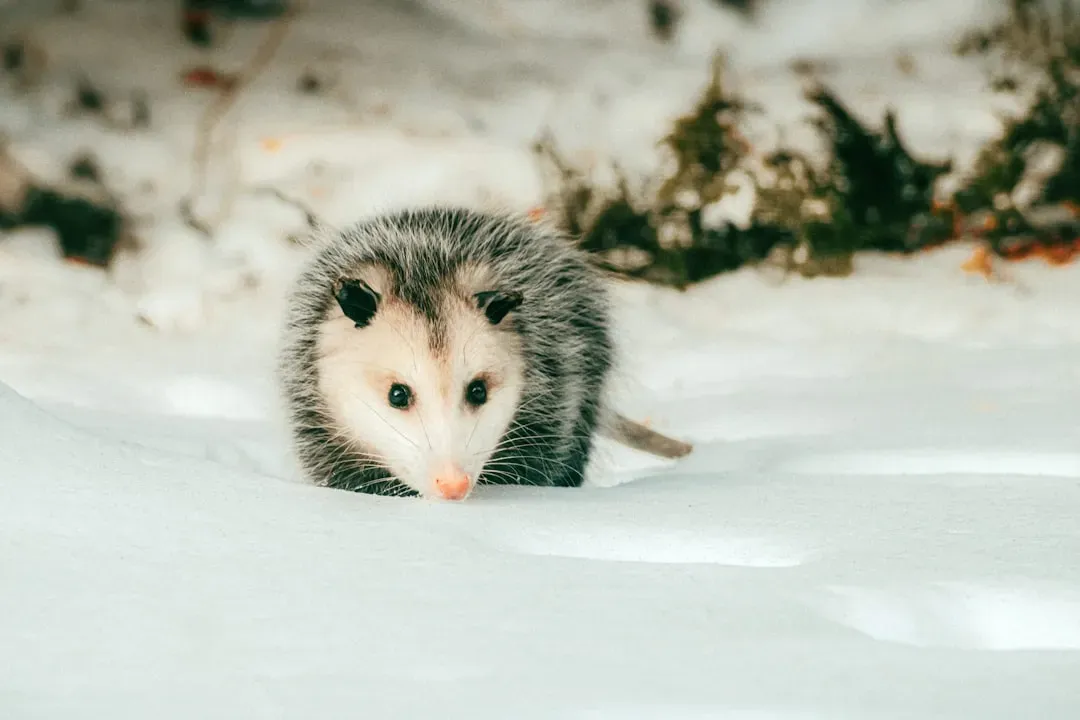
Opossums do not enter true hibernation. They remain awake and continue foraging even when temperatures drop, though they may den up during the coldest spells.
Their fur provides limited insulation, so they rely on fat reserves built up in milder months. This year round activity helps explain why they appear in neighborhoods even during snowy periods.
They Groom Themselves Thoroughly and Eat Many Ticks
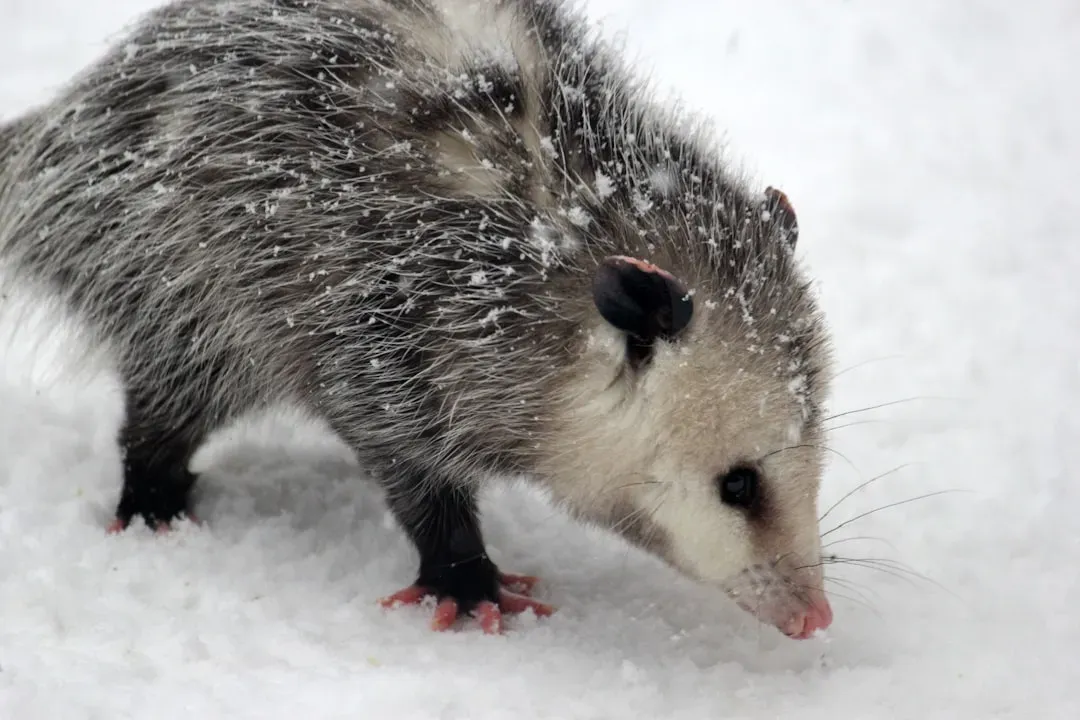
Opossums spend considerable time cleaning their fur, which removes ticks and other parasites. Studies show they consume a high percentage of the ticks that attach to them during grooming sessions.
Claims that a single opossum eats thousands of ticks per season have circulated widely, yet the exact numbers vary and depend on local tick populations. Their grooming habit still provides a measurable benefit in reducing tick numbers in their immediate area.
They Bluff Aggression but Rarely Follow Through
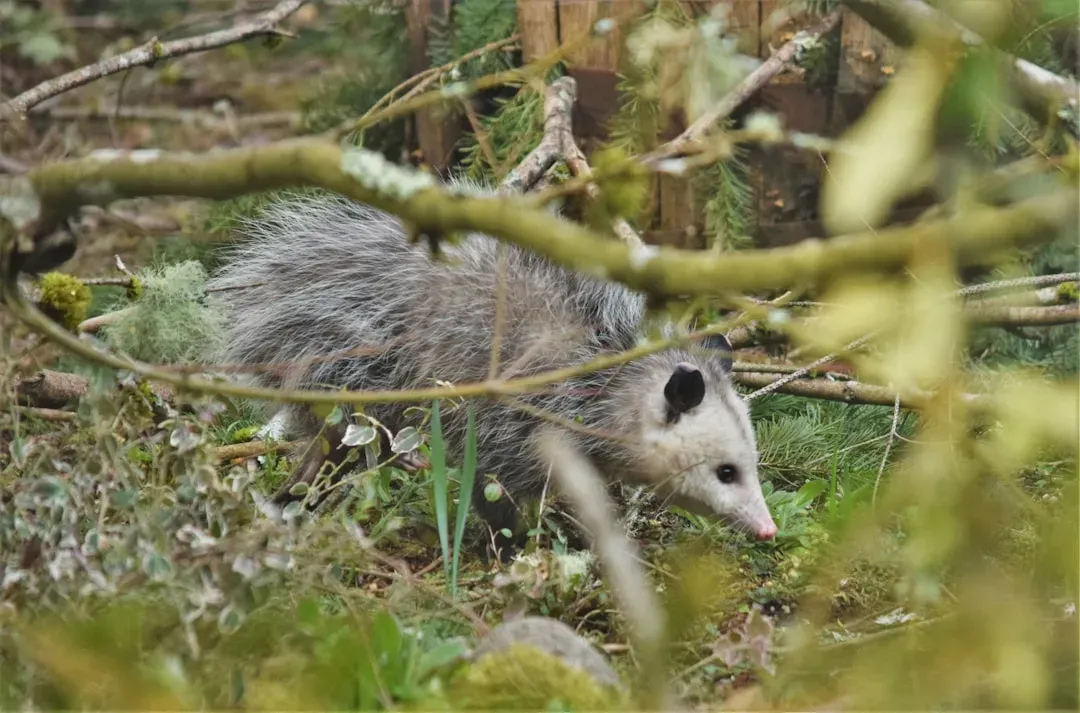
When cornered, an opossum may hiss, bare its teeth, and sway to appear larger and more threatening. This display serves as a first line of defense rather than a genuine intent to attack.
Actual bites remain uncommon because the animals would rather escape or play dead. Their reputation for meanness stems mostly from these misunderstood warning signals. Opossums quietly fill a useful niche in backyards and woodlands by cleaning up scraps and insects that other animals overlook. Their odd appearance and habits have earned them an unfair reputation that fades once the facts replace the folklore.
