

Picture a dog that trails one family member from room to room, ignores everyone else at the door, and settles only when that specific person is nearby. It happens more often than most expect, and the pull feels almost magnetic. What draws a dog so tightly to a single human while keeping others at a polite distance?
The answer sits in how dogs build security and trust, much like people do. A few key patterns in behavior and early life set the stage for these intense, lasting preferences. Understanding them sheds light on why some bonds run deeper than others.
Attachment Theory Applied to Dogs
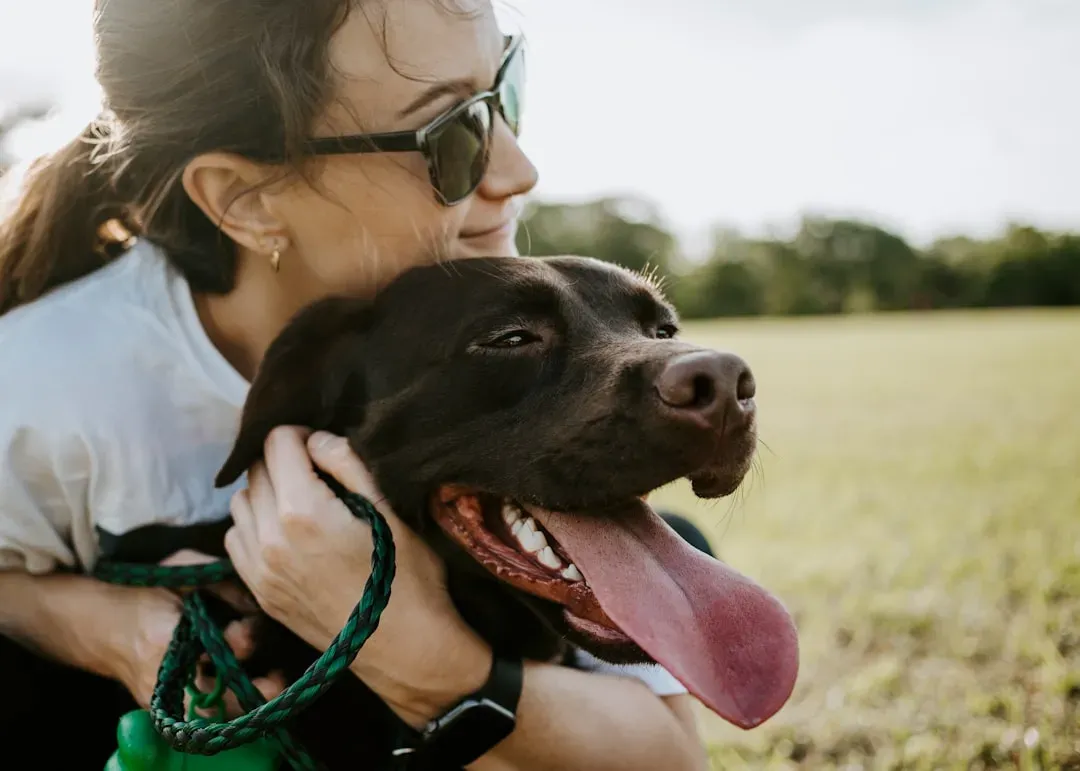
Researchers have long studied how young dogs form secure bases with their caregivers. A dog that sees one person as the reliable source of comfort tends to stick close and check in often. This mirrors the way human infants bond with primary caregivers for safety and exploration.
When that foundation feels especially strong, the dog may treat that individual as the emotional anchor. Other people become secondary figures who do not trigger the same level of reassurance seeking. The result is a focused loyalty that shows up in daily routines and moments of stress.
Early Experiences Set the Course
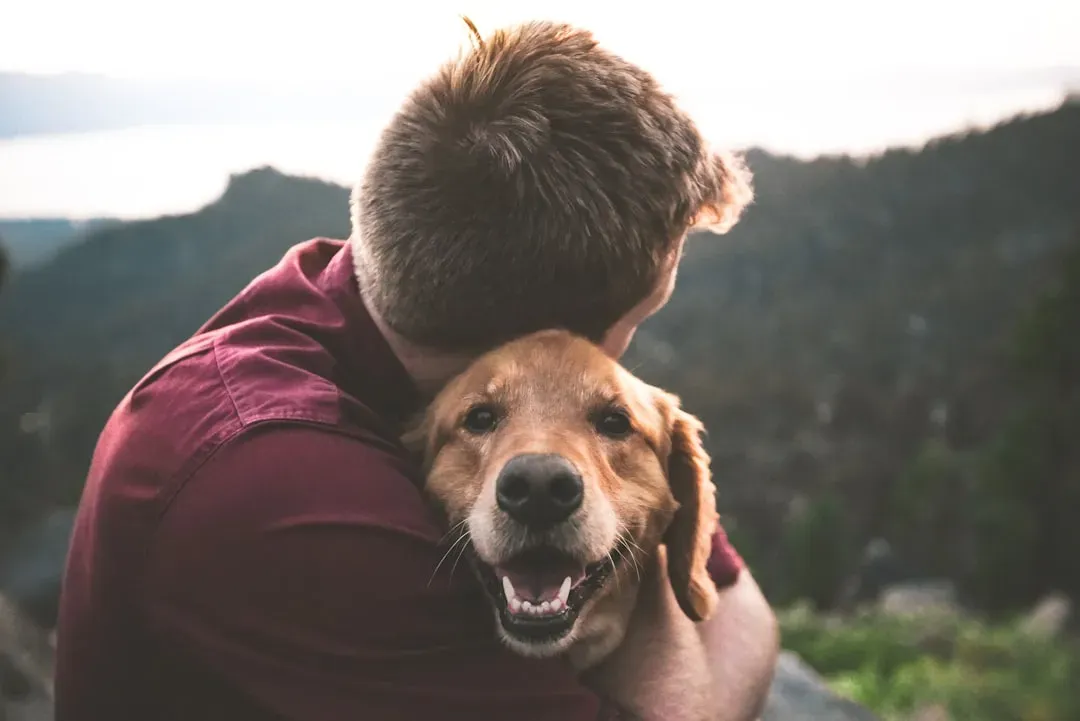
Puppies that receive consistent care from one main person during their first weeks often carry that preference forward. Gentle handling, feeding, and play from a single source create a template for trust. Later changes in household roles rarely overwrite this early imprint.
Dogs rescued or adopted after difficult starts may also fixate on the first adult who offers steady kindness. The relief of finding safety can lock in a preference that lasts years. Routine and predictability matter more than dramatic gestures in these cases.
Matching Temperaments and Energy
Some dogs gravitate toward the household member whose pace and mood align with their own. A calm dog might shadow the quiet reader in the family while a high energy pup follows the jogger. These natural fits reduce friction and build comfort quickly.
Over time the dog learns that this person understands subtle signals without extra effort. The relationship feels effortless on both sides. Mismatched energies with others keep those connections lighter and less central.
The Role of Consistent Daily Care
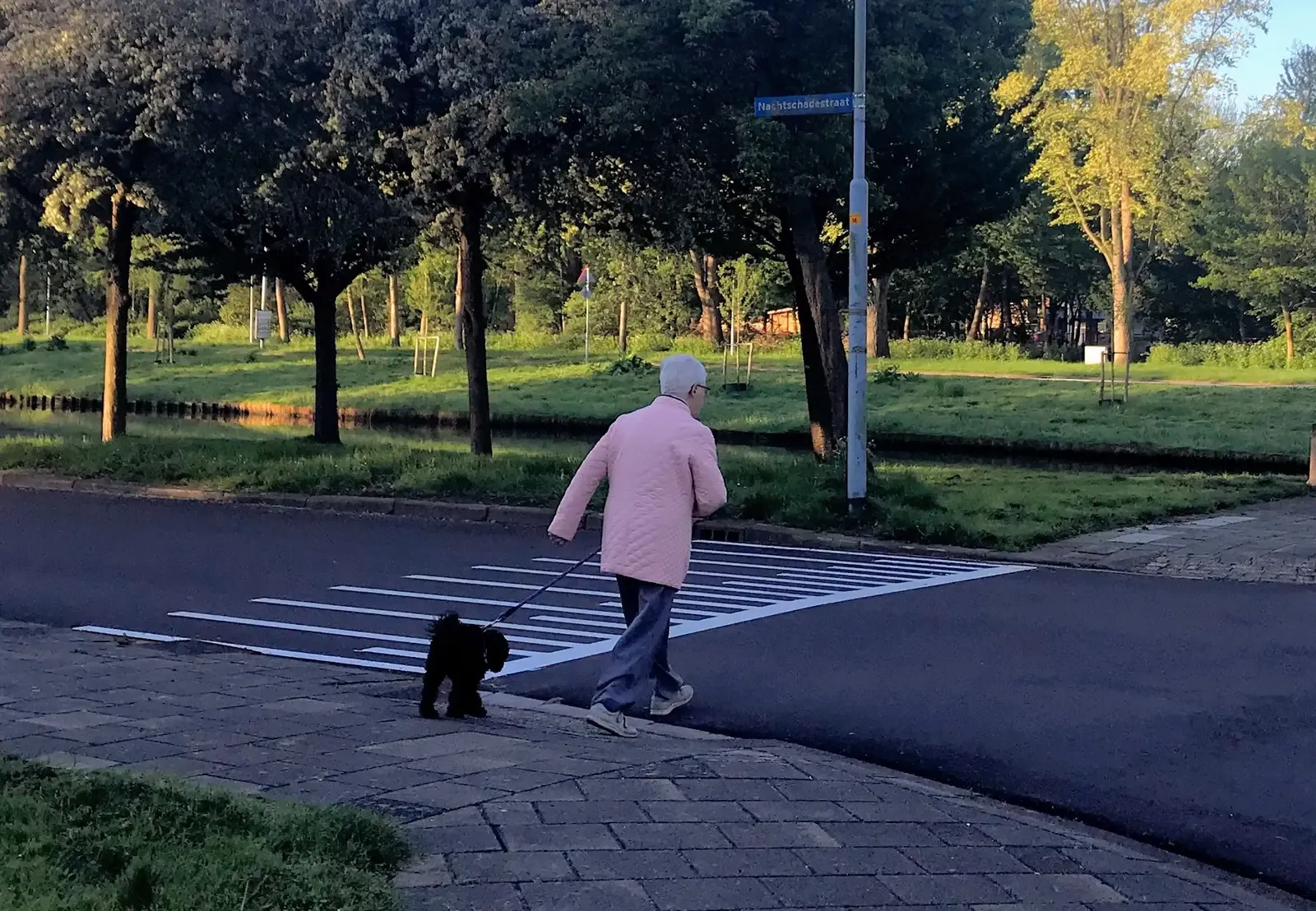
Feeding, walking, and grooming done by the same person create repeated positive associations. The dog begins to link that individual with every basic need being met. Small acts of reliability add up faster than occasional treats or play sessions.
When one person handles most of these tasks, the dog develops a clear hierarchy in its mind. Others may be liked but do not carry the same weight of responsibility. This practical foundation often explains why the bond feels unbreakable.
How Dogs Sense Human Emotions

Dogs pick up on tone, posture, and even scent changes that signal stress or calm. The person who stays steady during household ups and downs becomes the go to source of regulation. A dog may seek out that individual when tension rises elsewhere in the home.
This emotional attunement strengthens over months and years. The dog learns exactly how to read and respond to that one person’s cues. Other family members may receive affection but rarely the same level of protective attention.
Individual Personality Traits at Work
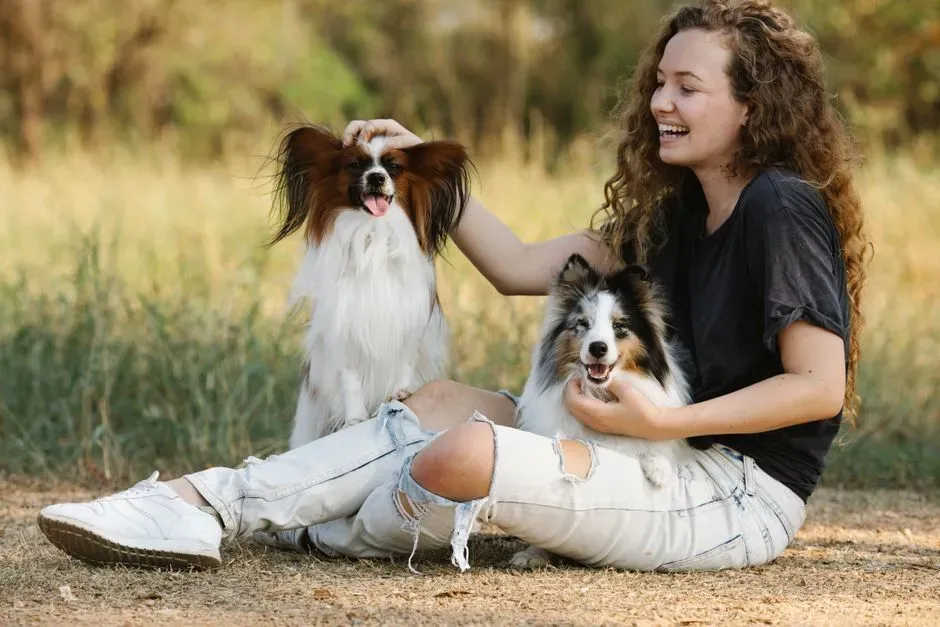
Just as people vary in how they connect, dogs bring their own temperaments to relationships. A naturally cautious dog might choose the most patient household member for security. An outgoing dog could still single out the one who offers the most engaging interaction.
These preferences emerge early and tend to stay consistent even as the dog ages. Breed tendencies play a part but individual history often overrides them. The result is a selective attachment that feels personal rather than random.
Signs the Bond Has Deepened
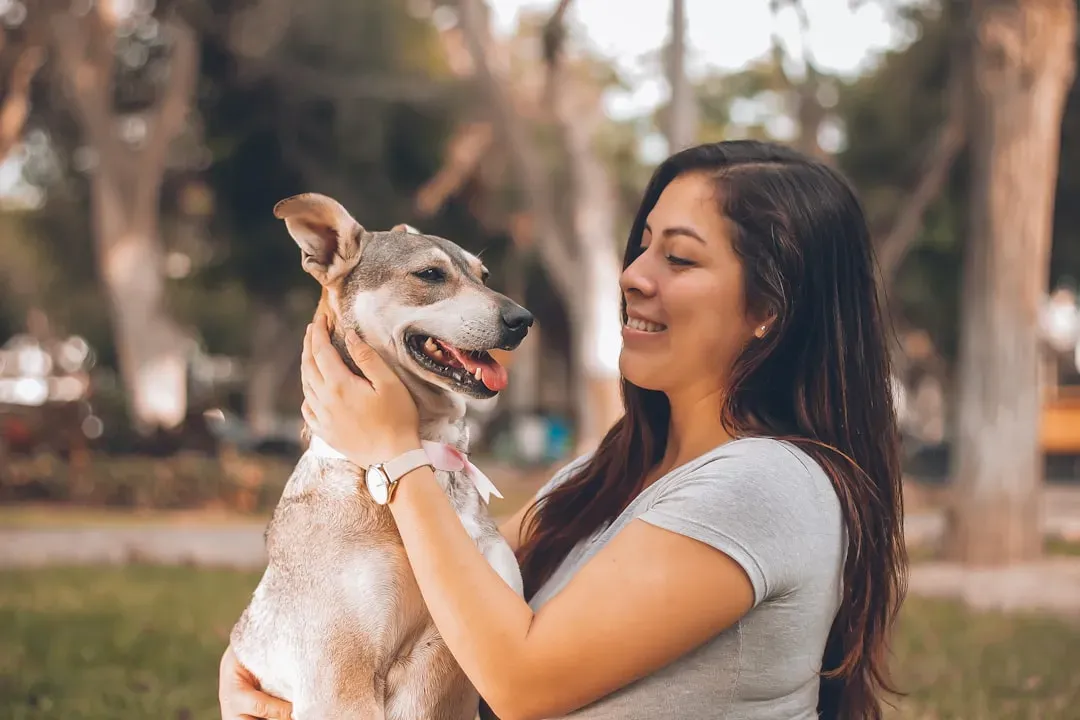
Watch for behaviors like following the chosen person between rooms or showing visible relief upon their return. Some dogs will position themselves to keep that individual in sight during group activities. These quiet habits reveal where the dog feels safest.
Distress when separated from that person, even briefly, points to a strong attachment. Other family members may come and go without the same reaction. The pattern becomes obvious once you notice how the dog allocates its attention.
Why These Focused Bonds Still Matter
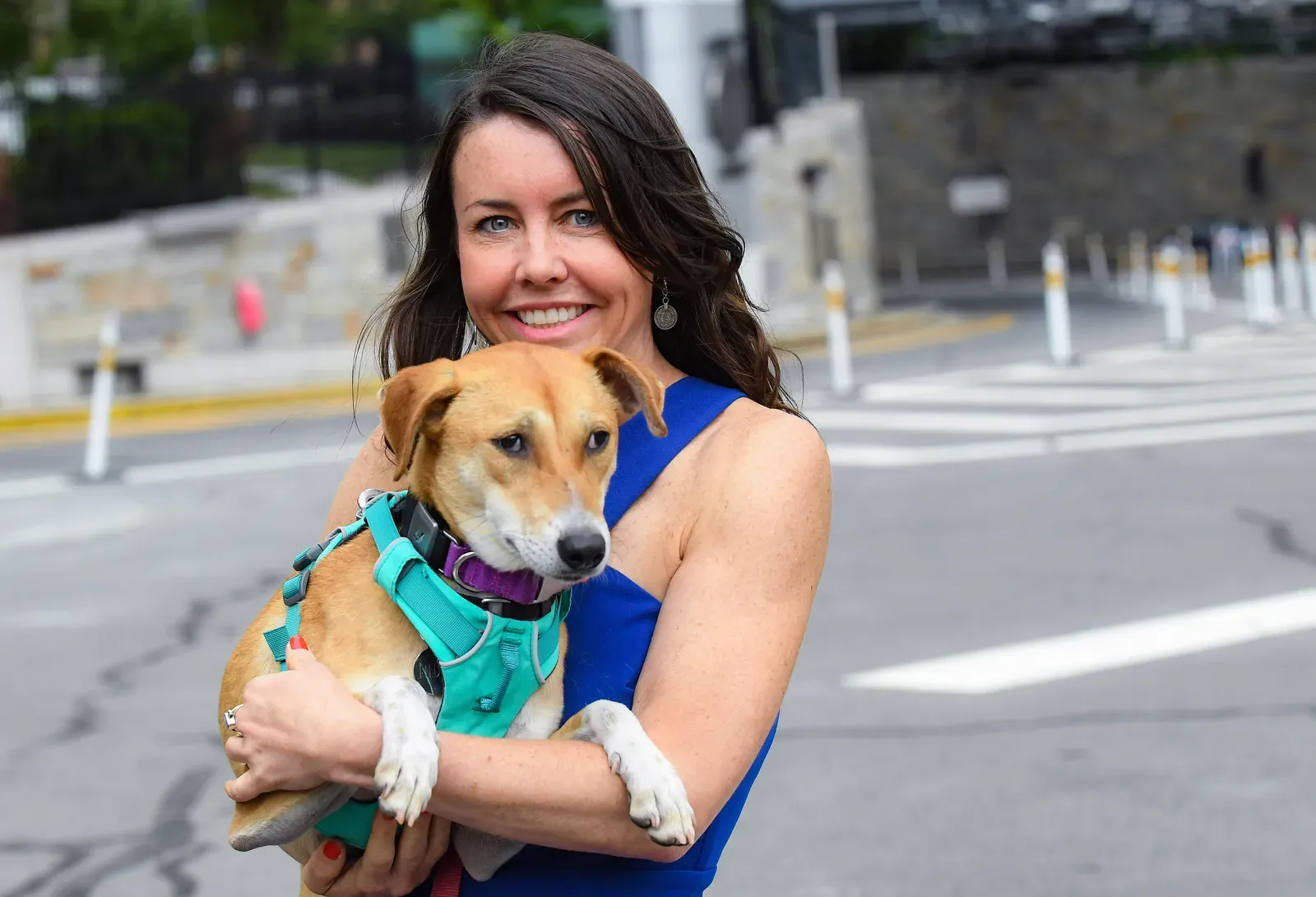
A dog that chooses one person brings a quiet steadiness to that relationship. The connection offers mutual comfort without needing constant explanation. It reminds us that loyalty in animals often grows from simple, repeated acts of presence rather than grand gestures.
Owners who recognize this dynamic can appreciate the trust they have earned. The bond does not diminish love for the rest of the family. It simply highlights how dogs, like people, sometimes find their one true anchor in a crowded room.
