

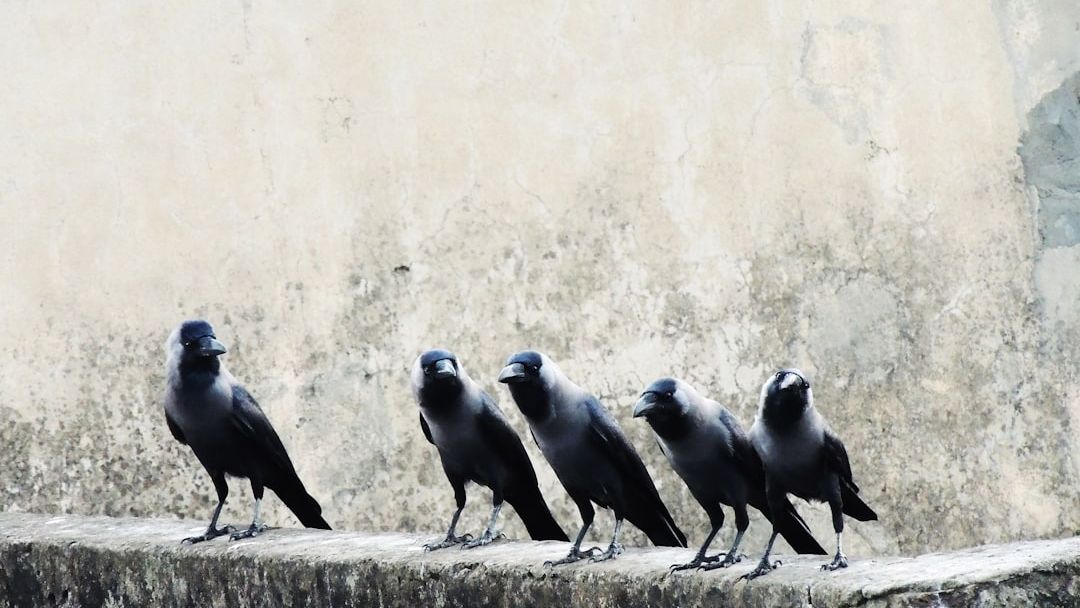
The Unexpected Scene at a Crow Gathering
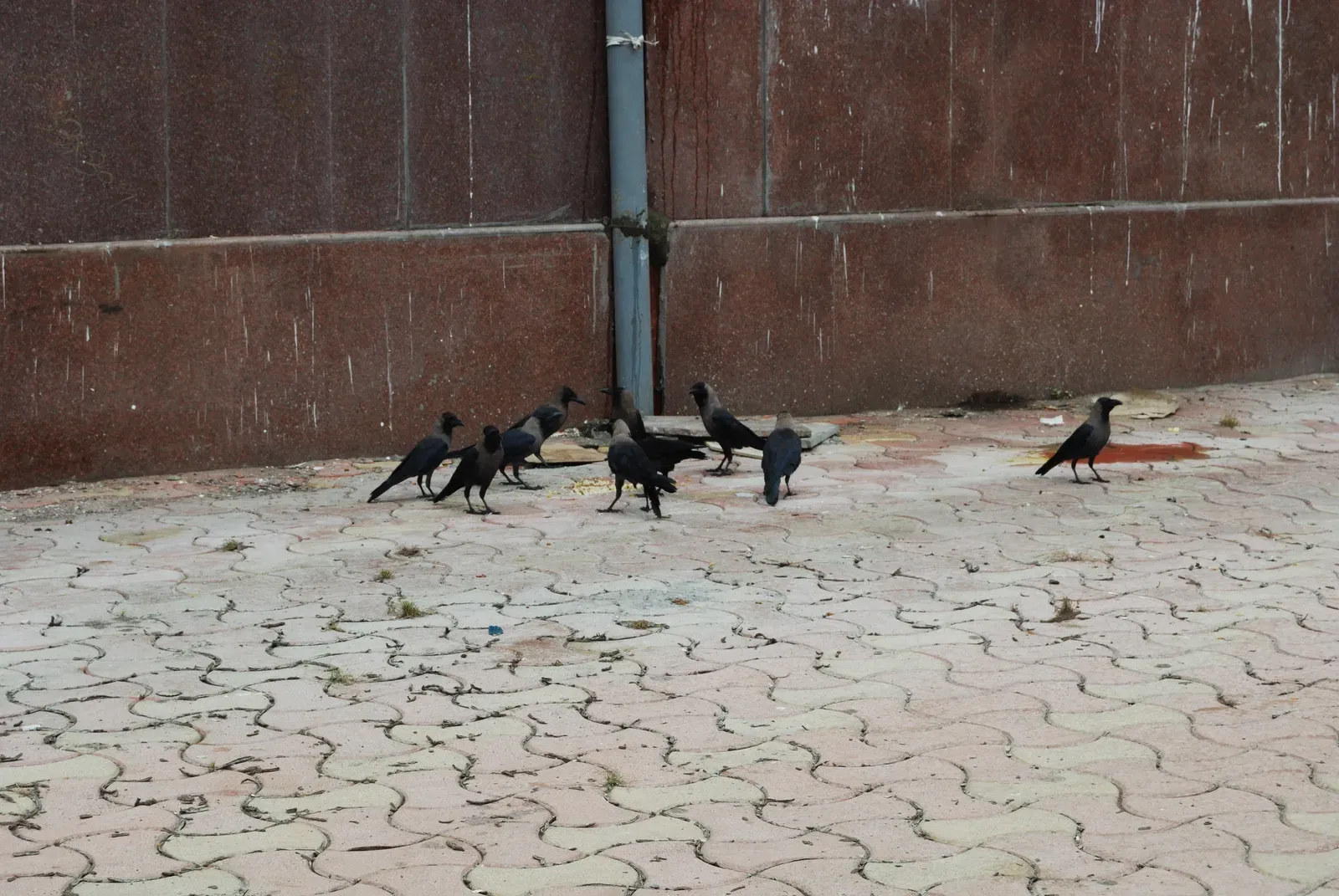
People who watch crows often notice a sudden hush followed by loud calls as more birds arrive. The group lingers near the body, sometimes for minutes, sometimes longer. This pattern repeats across cities and forests wherever American crows live.
Observers once assumed the birds were mourning. Field studies show the activity serves a clearer purpose tied to survival. The crows examine the area and the circumstances around the death instead of showing signs of grief.
Brain Activity Points to Decision Making
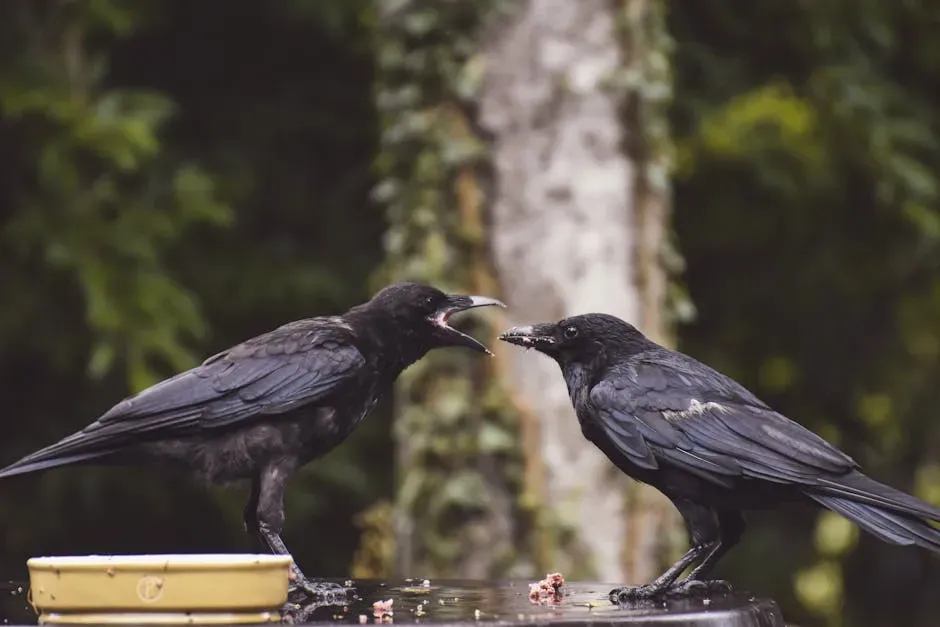
Neuroimaging work reveals what happens inside a crow’s head when it sees a dead member of its species. The nidopallium caudolaterale lights up most strongly. That region handles complex choices, much like the prefrontal cortex in mammals.
Emotional centers such as the amygdala show less involvement than expected. The pattern differs from responses to simple fear or social bonding. Crows appear to treat the dead bird as information worth processing carefully rather than an emotional trigger alone.
Linking Death to Specific Dangers
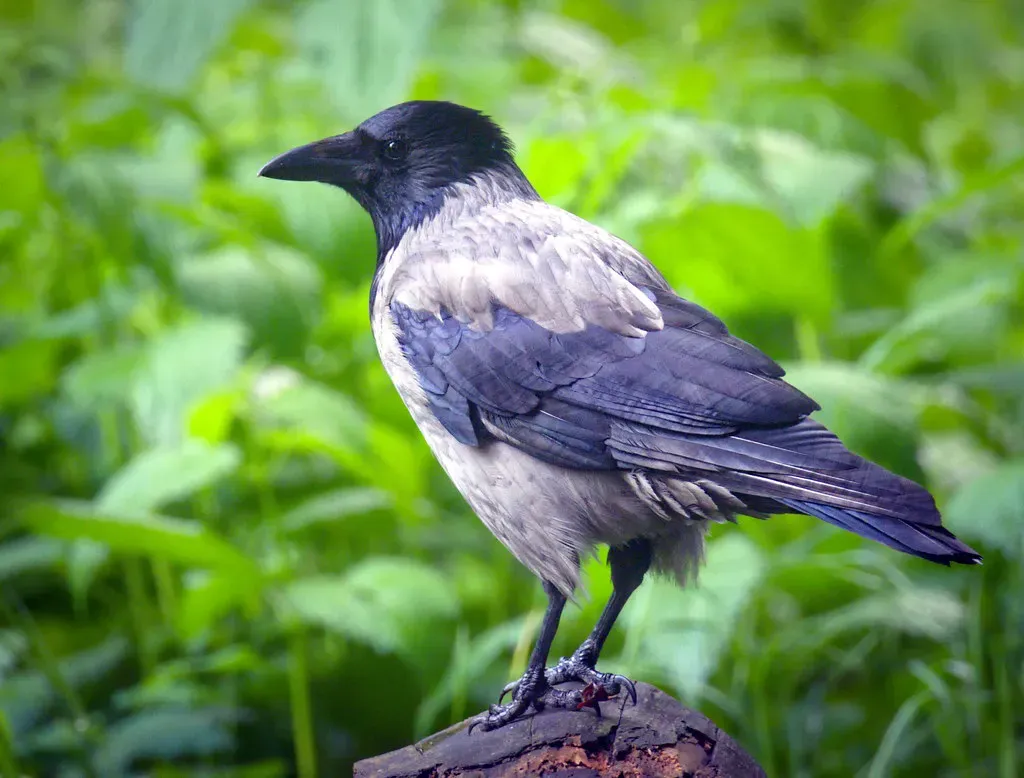
Experiments place a dead crow near a masked person and then track how the birds react later. Crows that witnessed the pairing scold the same masked individual weeks afterward. They avoid food placed near the original site for days.
The same birds show milder reactions to a dead pigeon or an empty location. This selective response suggests they connect the death of their own kind with real risk. The behavior helps them update their mental map of safe and unsafe spots.
Remembering Faces and Locations Over Time
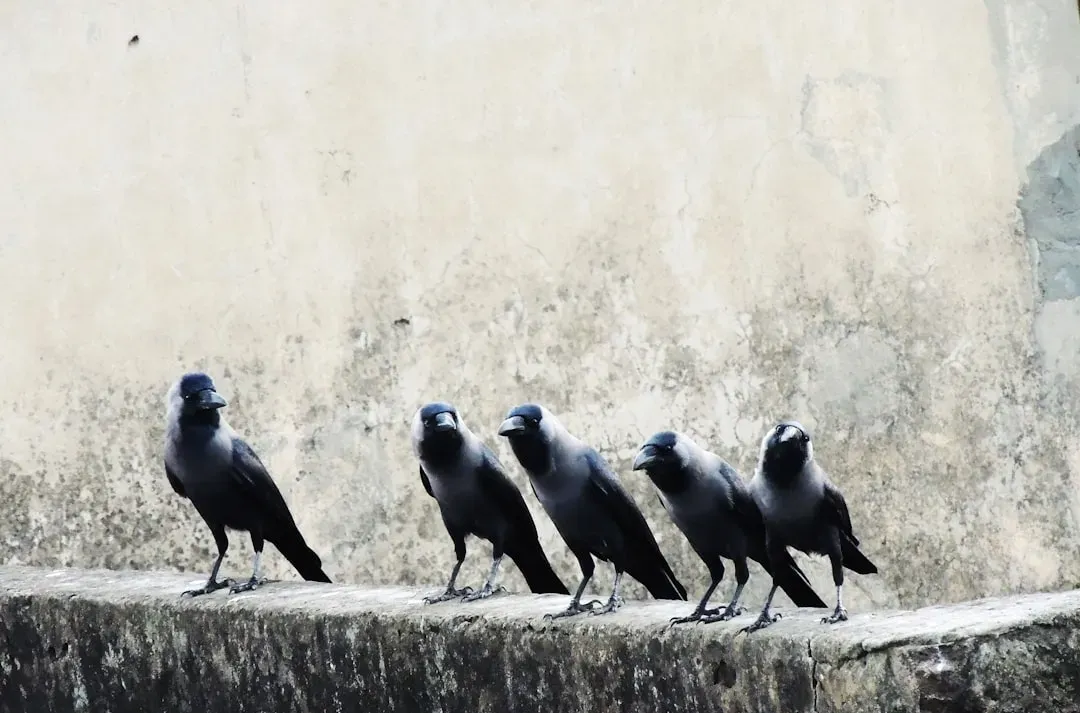
Crows can recognize individual human faces and hold that knowledge for years. When a person appears with a dead crow, the association sticks. Later sightings of that person trigger alarm calls even without the body present.
They also steer clear of particular streets or parks where a death occurred. This spatial memory lasts at least several days and sometimes longer. The skill turns each gathering into a practical lesson passed among flock members.
Why the Behavior Looks Like a Ritual
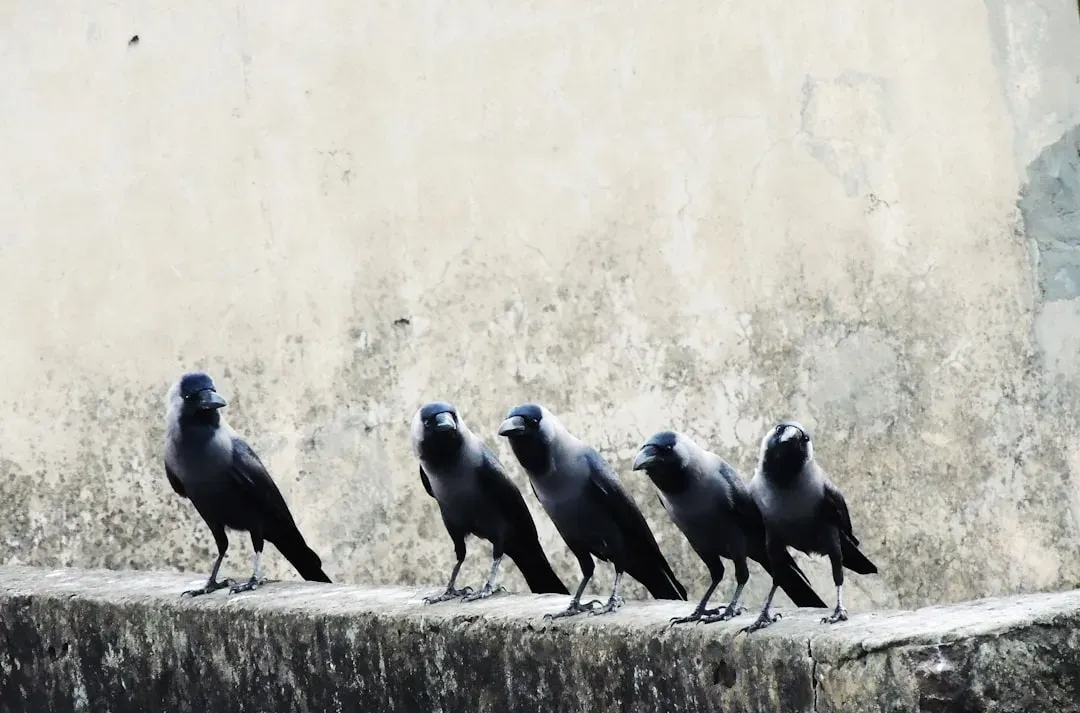
The noisy assembly and repeated visits create an impression of ceremony. In reality the calls recruit others to the scene so more birds can gather the same information. Once the threat assessment finishes, the group disperses.
Rare physical contact with the body happens in only a small fraction of cases. Most interactions stay at a distance and focus on observation. The outward drama serves information gathering rather than any symbolic farewell.
Evidence of a Concept of Death
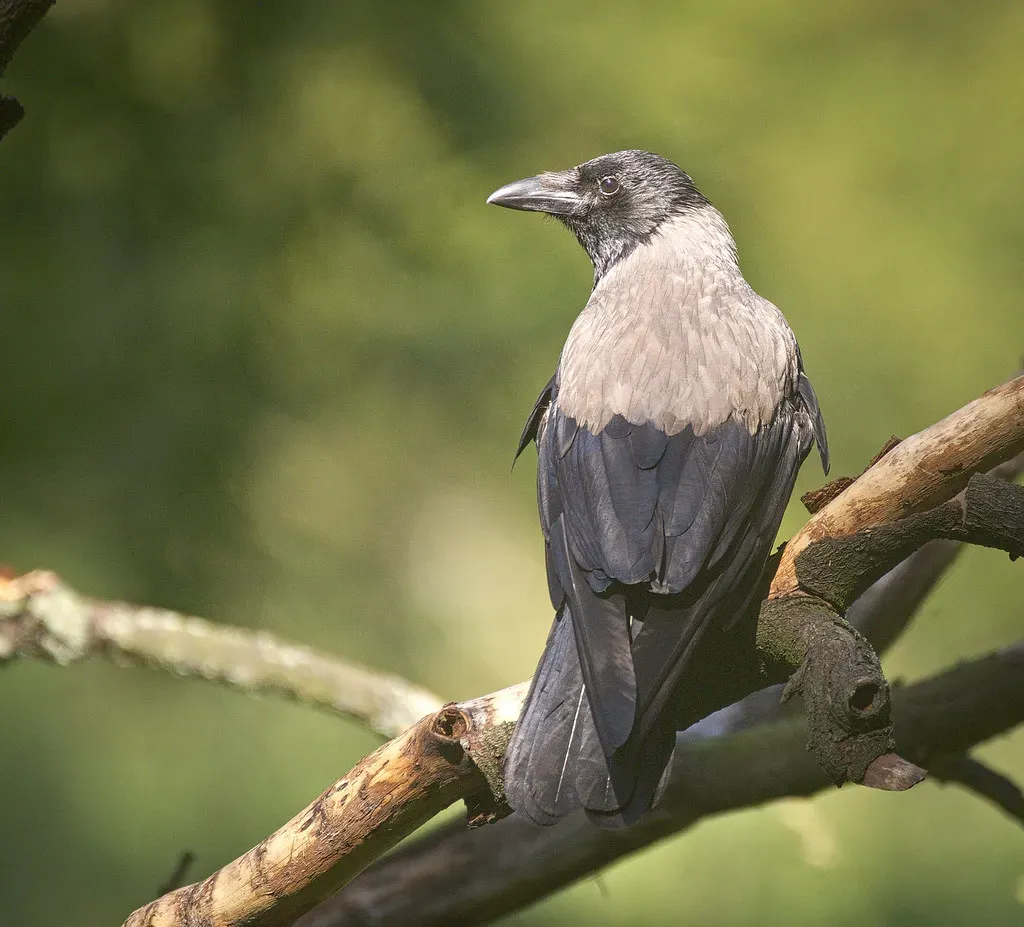
Dead crows trigger stronger and more lasting responses than dead birds of other species. This distinction implies crows register the significance of their own kind’s death. They treat it as a cue that something dangerous happened nearby.
The brain’s emphasis on executive function supports the idea that crows form an abstract link between the lifeless body and future risk. They do not need to experience the event themselves to learn from it. Social observation supplies the lesson.
How This Fits With Broader Crow Intelligence
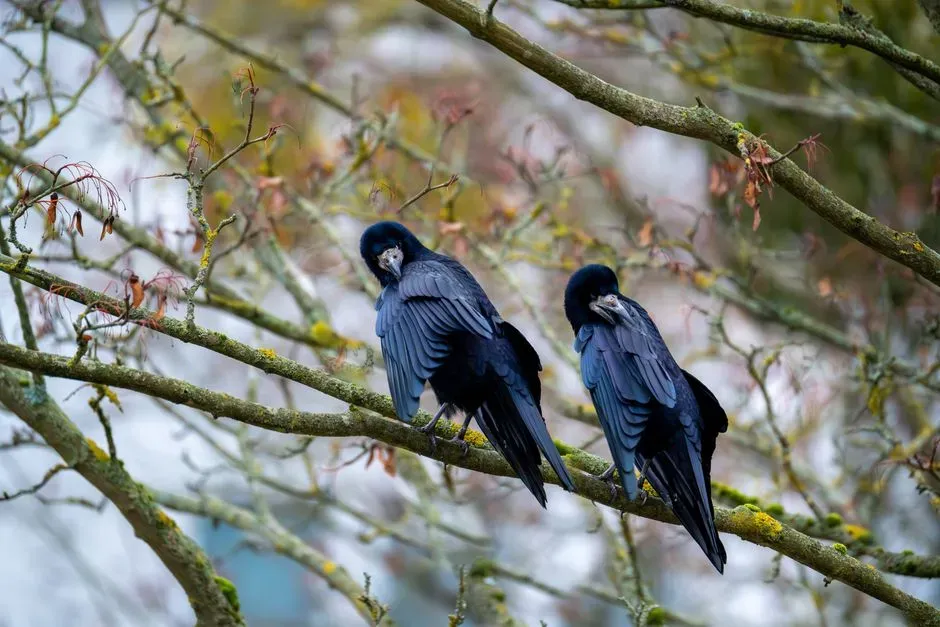
Crows already solve puzzles, use tools, and remember human grudges. Adding death to the list of things they evaluate fits their overall cognitive profile. The same memory systems that track food caches now track hazards.
Other corvids show similar patterns, though American crows provide the clearest data so far. The behavior appears shaped by natural selection for living in complex, risky environments. Intelligence here serves immediate survival needs.
A Shift in How We View Animal Minds
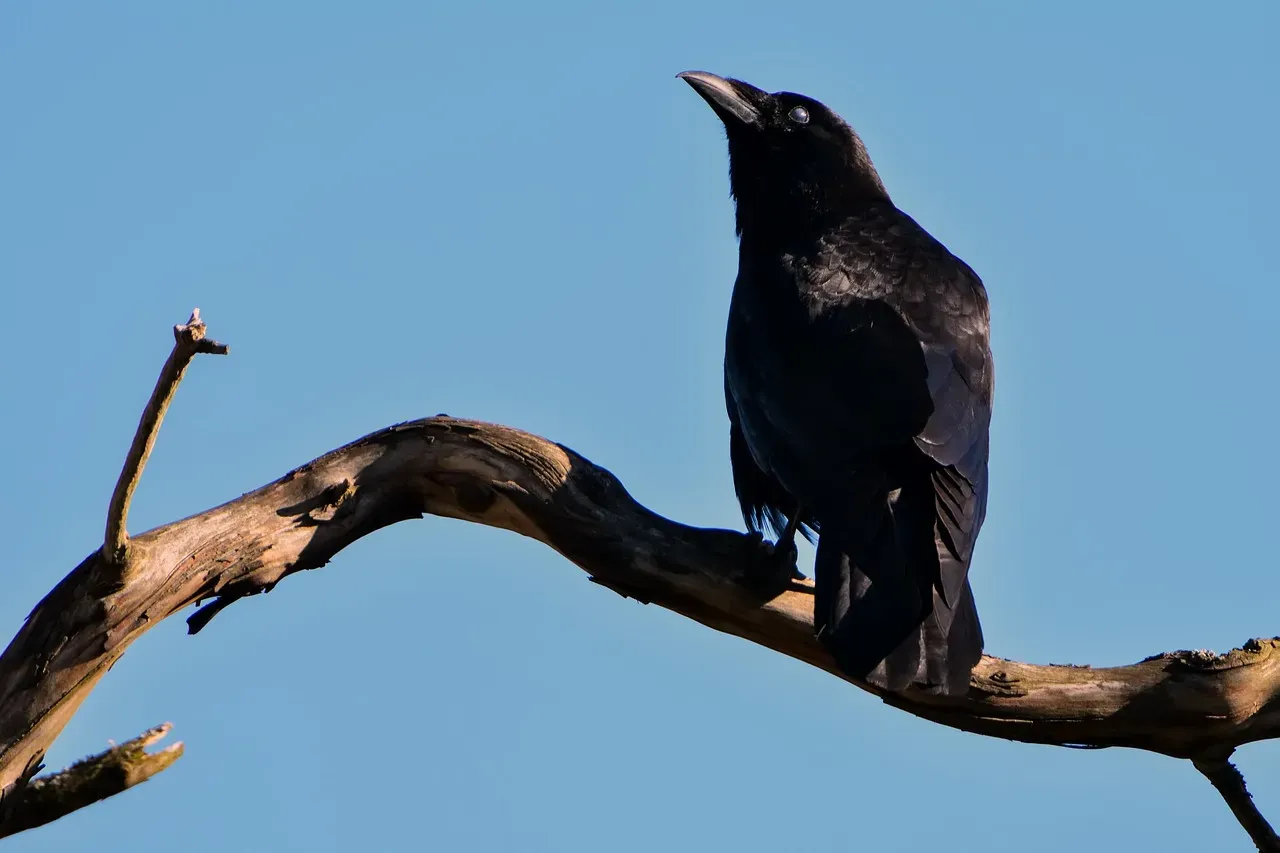
These findings challenge the quick assumption that animal gatherings around the dead must equal human-style mourning. At the same time they reveal a sophisticated awareness of mortality as a signal worth heeding. Crows demonstrate that understanding death can exist without ritual or emotion in the ways we expect.
The practical payoff is clear. Birds that learn faster from such events stay safer and raise more offspring. In that light the so-called funerals become quiet evidence of minds that notice patterns and act on them. That capacity alone deserves attention.

As a little kid, I fell in love with nature, wildlife, and animals. Living in the USA, South Africa, Italy, China and Germany gave me the opportunity to discover the world's Wildlife. My favorite animals are Mountain Gorillas, Siberian Tigers, and Great White Sharks.
I'm a certified PADI Open Water Diver, went to Everest Base Camp and Trekked Gorillas in Uganda. I hold a Master of Science in Economics and Finance.
Please send any feedback to feedback@animalsaroundtheglobe.com
- 10 Most Unique Reptiles You will See in the US - July 21, 2026
- 3 Dangerous Invasive Species the USA Must Eradicate - July 21, 2026
- 10 Things That Calm Cats And 4 That Make Them Nervous - July 21, 2026