
Akita
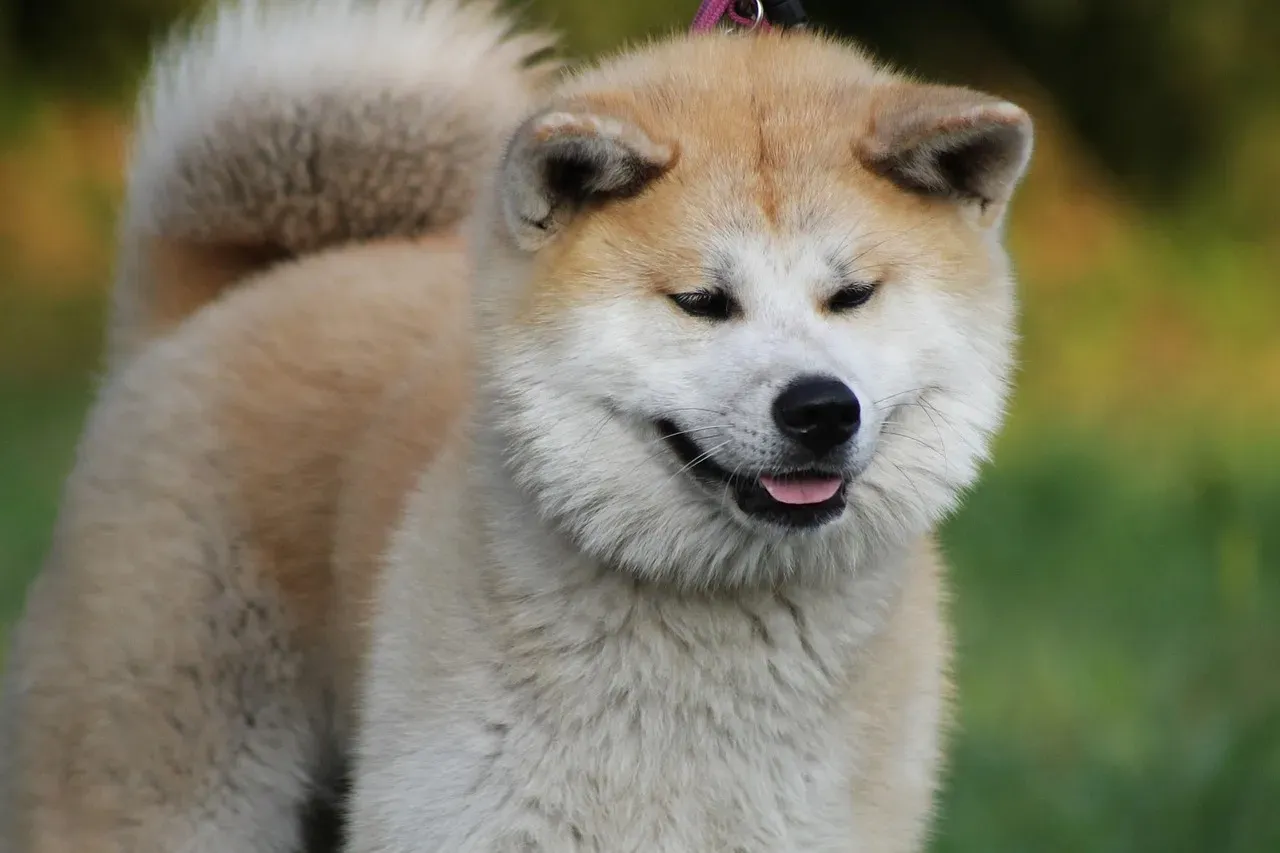
Akitas often develop a single person focus that shapes their daily life. This loyalty shows up in how they shadow their owner through ordinary moments and settle only when that person is near. When that presence disappears, the adjustment can feel especially stark for them.
Owners sometimes notice the dog lingering by familiar spots or showing less interest in meals during the first weeks. The breed’s independent streak does not erase the depth of the connection they form. Time and steady new habits usually help them find their footing again.
Labrador Retriever
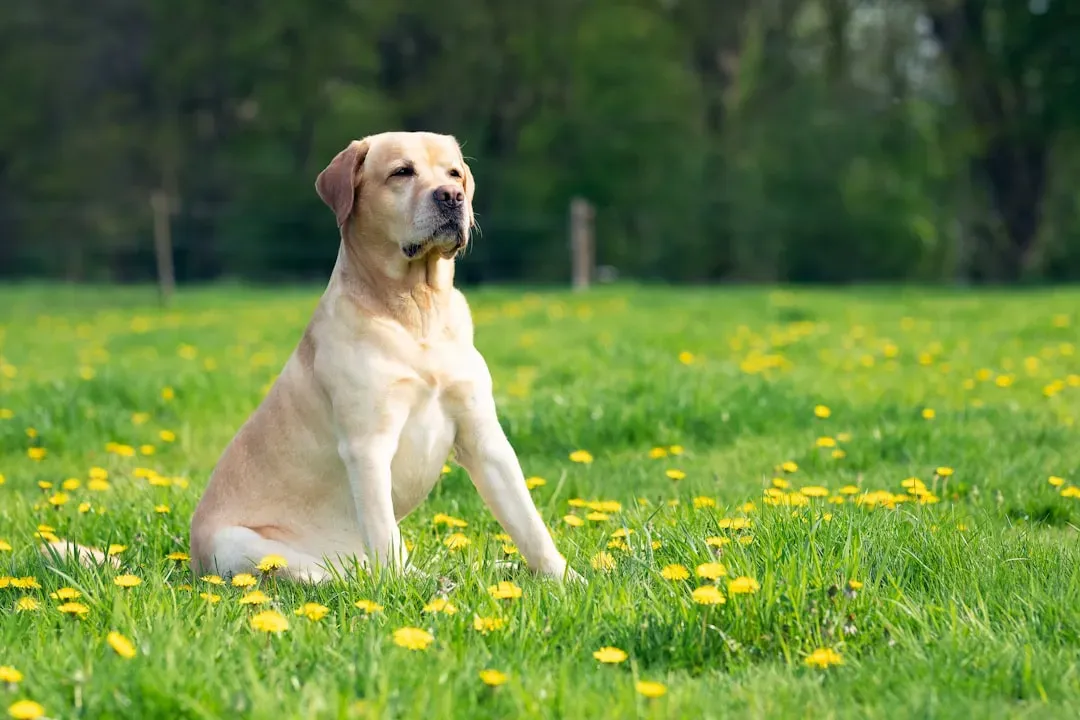
Labradors thrive on being part of the family rhythm, whether that means sharing walks or simply being in the same room. Their eager nature makes the absence of a key person stand out more clearly than in some other breeds. Appetite changes can appear as one sign among others like quieter behavior.
These dogs often respond well to extra attention from remaining family members or familiar routines that keep them engaged. The strong people orientation that makes them popular companions also means the loss registers deeply at first. Gradual reintroduction to normal activities supports their recovery.
Golden Retriever
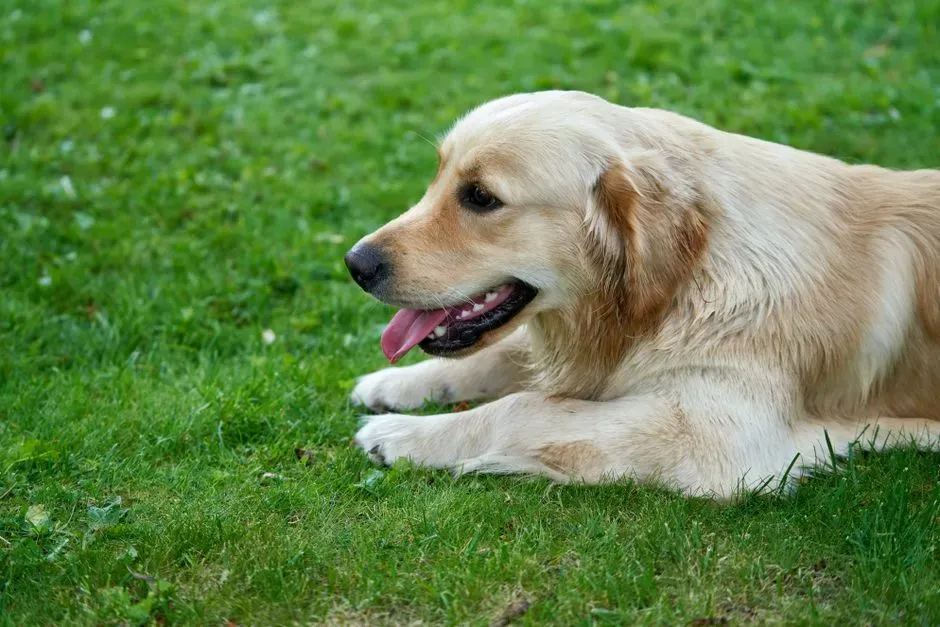
Goldens carry a gentle persistence in their relationships that extends across years of shared life. They notice small shifts in household energy and can mirror that with their own subdued mood. Food refusal sometimes surfaces alongside other quiet changes in energy.
Their affectionate baseline makes the contrast after a loss particularly visible to those around them. Consistent gentle encouragement and maintained schedules tend to ease the transition. Many owners find that the breed’s natural sociability helps them reconnect over time.
German Shepherd
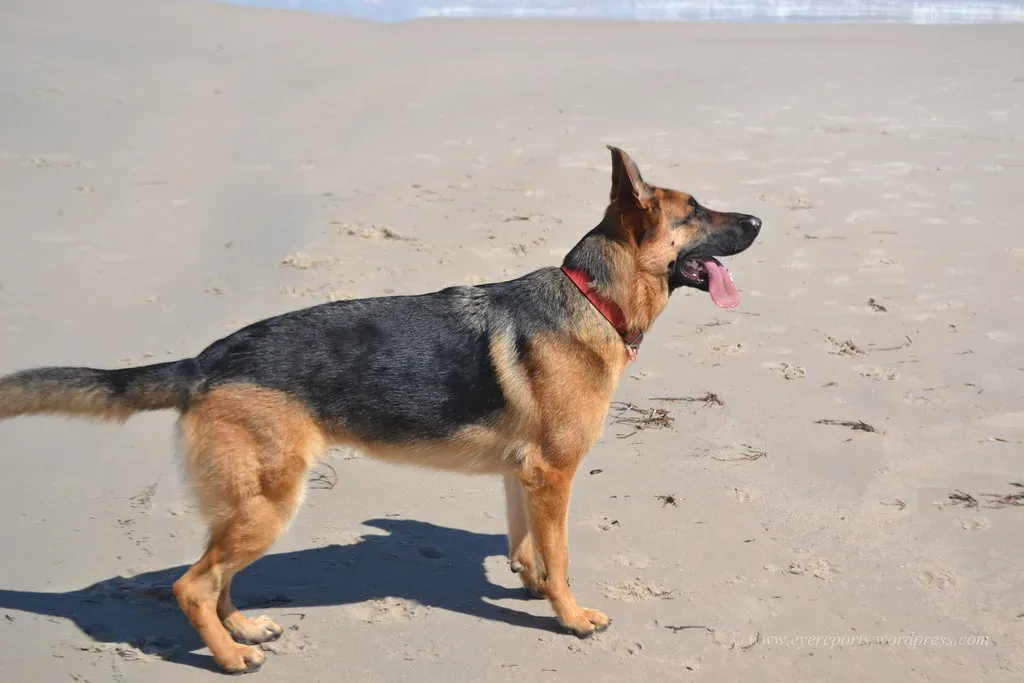
German Shepherds build protective and attentive bonds that feel almost like a working partnership. The structure they provide for themselves often revolves around the people they guard and accompany. Loss can disrupt that internal order in visible ways.
Some show reduced drive for meals or play during the initial period of adjustment. Their intelligence means they pick up on household changes quickly, which can intensify the early response. Steady leadership from others in the home usually helps restore balance.
Collie
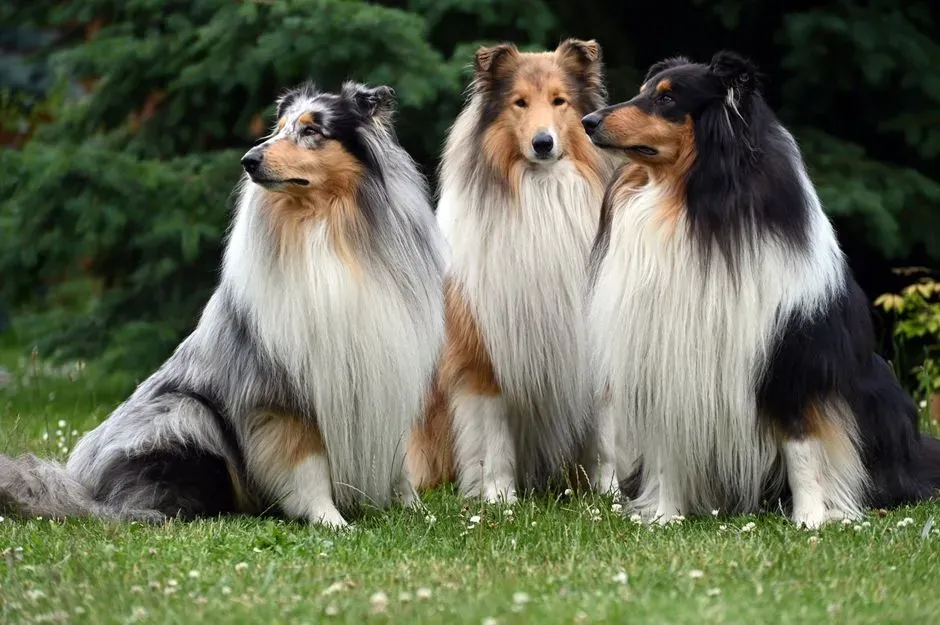
Collies carry a heritage of close watching and responsiveness to their people. That attentiveness translates into strong daily attachments that shape how they move through the day. When the central figure is missing, the dog may pull back from usual interests including eating.
The breed’s sensitivity to family dynamics can make the absence feel more immediate. Owners often see improvement once new patterns emerge and the dog feels secure again. Their herding background gives them a natural inclination toward order that new routines can satisfy.
Boxer

Boxers bring playful energy that often centers on their favorite person. The contrast when that person is no longer there can lead to a noticeable dip in enthusiasm for food and activity. Their expressive faces make the shift easy for owners to read.
These dogs tend to benefit from extra play sessions or familiar toys that keep them mentally occupied. The loyalty that makes them devoted companions also means the early days after loss require patience. Most return to their lively selves with consistent support.
Rottweiler
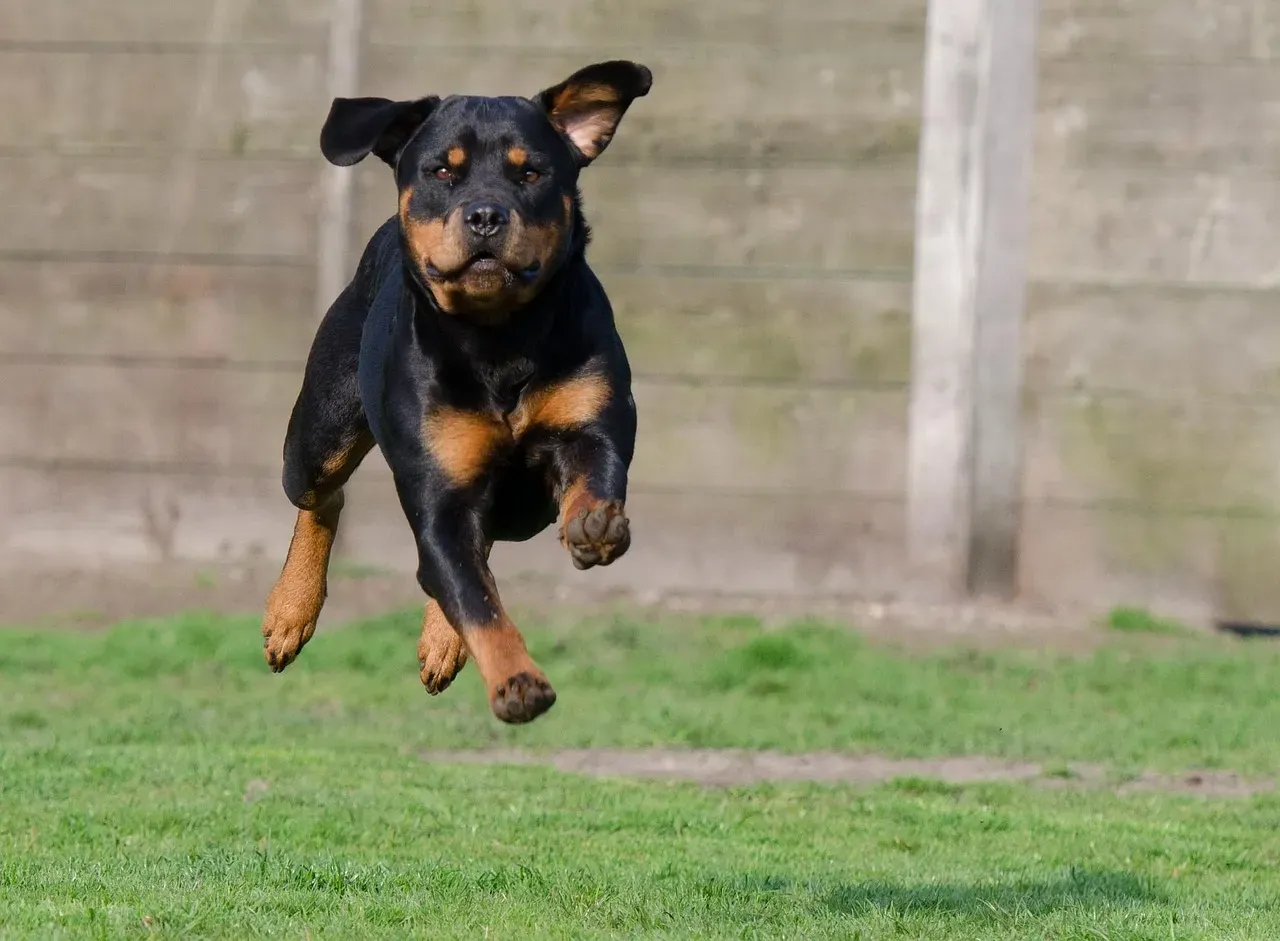
Rottweilers form deep, steady attachments that reflect their working roots. They often position themselves as quiet guardians within the household. The removal of a primary person can leave them less motivated toward regular meals at first.
Their calm demeanor sometimes masks the internal adjustment happening. Gentle consistency from remaining family members helps them reestablish a sense of security. The breed’s natural resilience supports a return to normal patterns over weeks rather than days.
Cavalier King Charles Spaniel

Cavaliers seek close physical contact and thrive on being near their people throughout the day. That preference for companionship can make separation feel especially heavy. Appetite changes may appear alongside a general withdrawal from usual spots or activities.
Their small size and affectionate nature mean owners often notice the difference right away. Extra lap time or quiet presence from others in the home tends to ease the process. The breed’s people focus ultimately aids their ability to form new comforting routines.
Grief in dogs remains an individual experience shaped more by the strength of the bond than by breed alone. These eight simply illustrate how certain temperaments can make the signs more pronounced at times. Paying attention to a dog’s needs during such periods honors the relationship they offered while they were here.
- 14 Signs a Dog Near the Rainbow Bridge Is at Peace With Its Person - July 21, 2026
- 15 Ways a Shelter Animal Tells You It Was Always Meant to Be Yours - July 21, 2026
- 14 Ways a Dog Shows You Are the Center of Its Whole World - July 21, 2026