
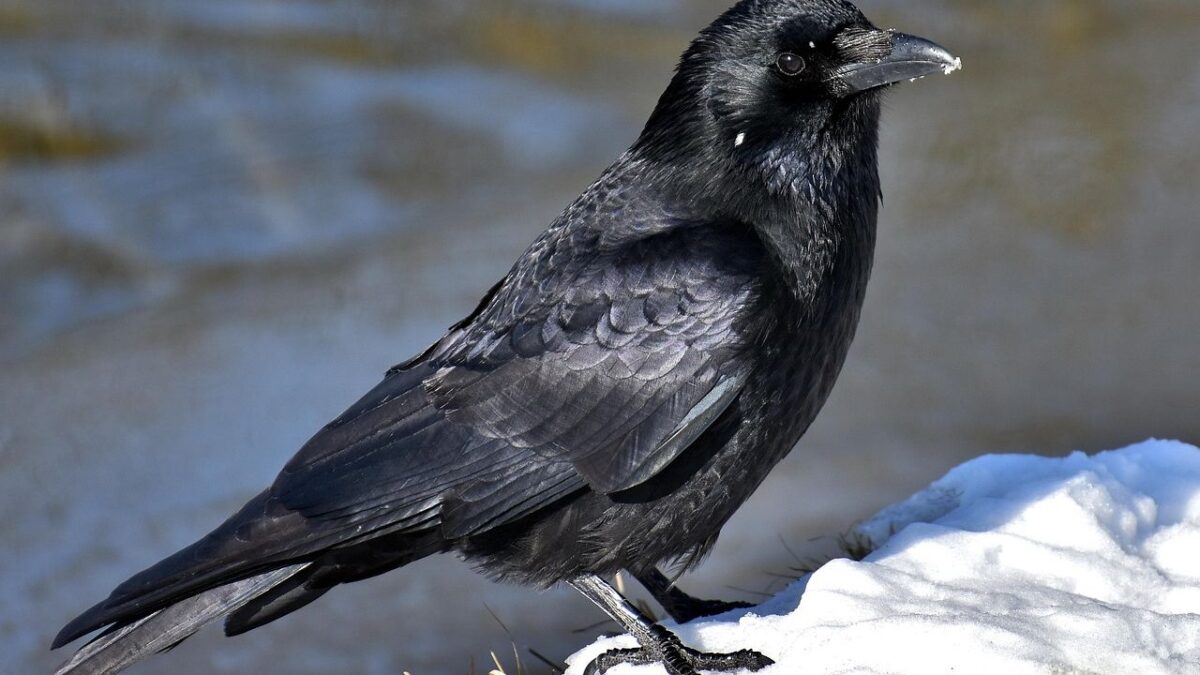
Using and Modifying Tools
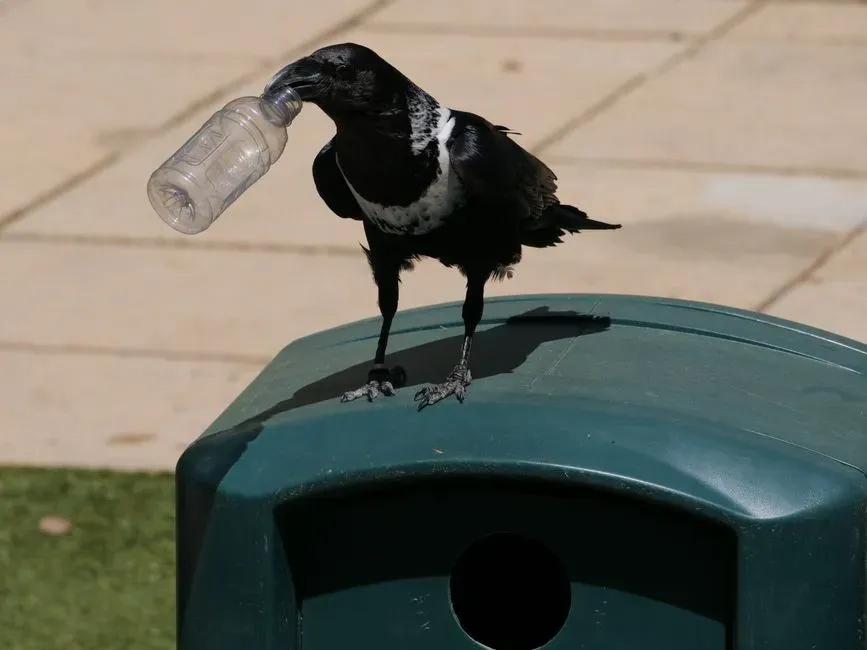
Ravens pick up sticks or other objects and shape them to reach food tucked away in tight spots. They adjust their approach based on what works, much like primates that fashion simple implements from their surroundings.
This behavior shows up in experiments where the birds must select the right length or bend a piece of material. Their persistence and flexibility mirror the inventive side of great ape tool use.
Planning Ahead for Future Needs
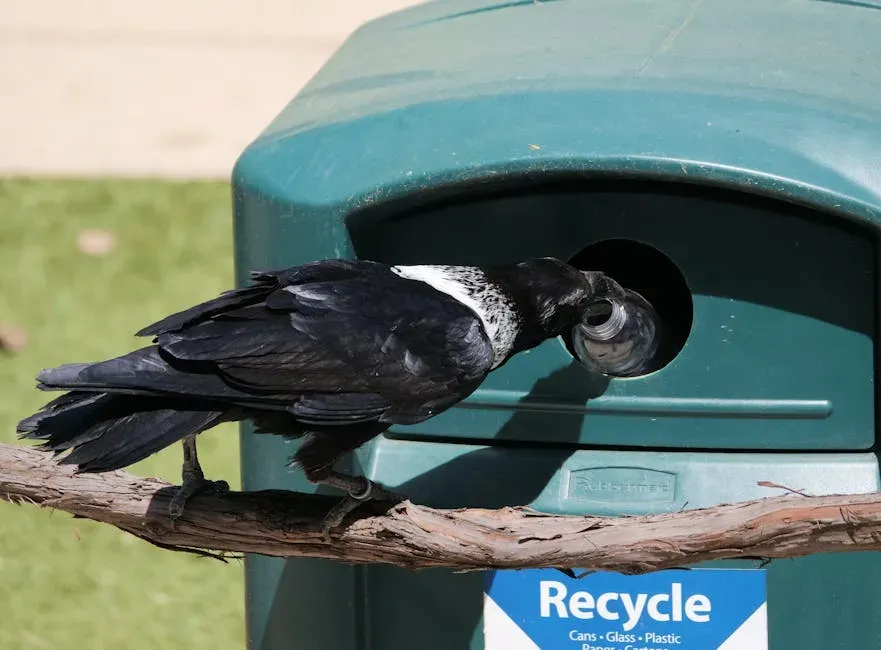
These birds cache food in multiple spots and later return to the right ones, even when distractions or time delays come into play. They seem to anticipate what they will want later rather than acting only on immediate hunger.
Researchers have watched ravens prepare tools or trade items in ways that suggest they think several steps ahead. Such forward thinking aligns closely with abilities documented in chimpanzees during bartering or preparation tasks.
Inferring What Others Can See or Know

Ravens adjust their hiding spots when they sense another bird might be watching, even if they cannot see the observer directly. They appear to grasp that different viewpoints exist and act to protect their resources accordingly.
This perspective-taking skill emerges in controlled tests where the birds conceal items behind barriers or wait for the right moment. It echoes the theory-of-mind elements studied in primate groups.
Solving Novel Problems with Insight

When faced with a new setup involving strings, boxes, or barriers, ravens often figure out the solution without endless trial and error. They combine actions in fresh sequences that get the job done efficiently.
Observations show them pausing to assess a situation before acting, then executing a precise series of moves. This kind of insightful problem solving matches patterns seen in great apes facing unfamiliar tasks.
Understanding Quantities and Numbers

Ravens distinguish between different amounts of food or objects and choose the larger pile more often than chance would predict. They handle comparisons involving several items at once with consistent accuracy.
In battery tests designed for primates, the birds performed at similar levels on quantity judgments. Their grasp of relative amounts supports the idea of shared cognitive strengths across distant species.
Reasoning About Cause and Effect
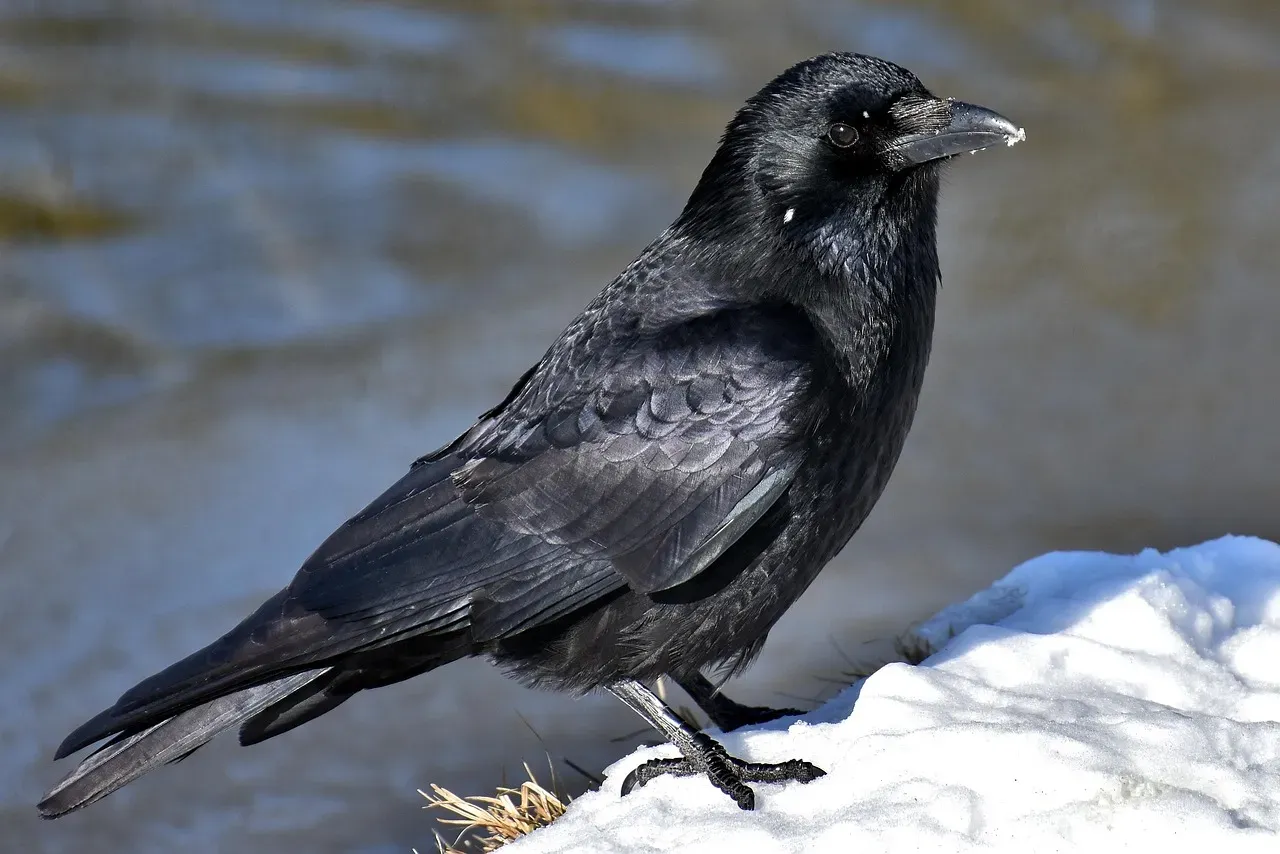
These birds connect actions to outcomes, such as realizing that pulling one string releases food while another does nothing. They avoid repeating ineffective moves once they identify the link.
Experiments reveal quick adaptation when causal relationships change. The pattern resembles how primates navigate physical cause-and-effect scenarios in laboratory settings.
Learning by Watching Others
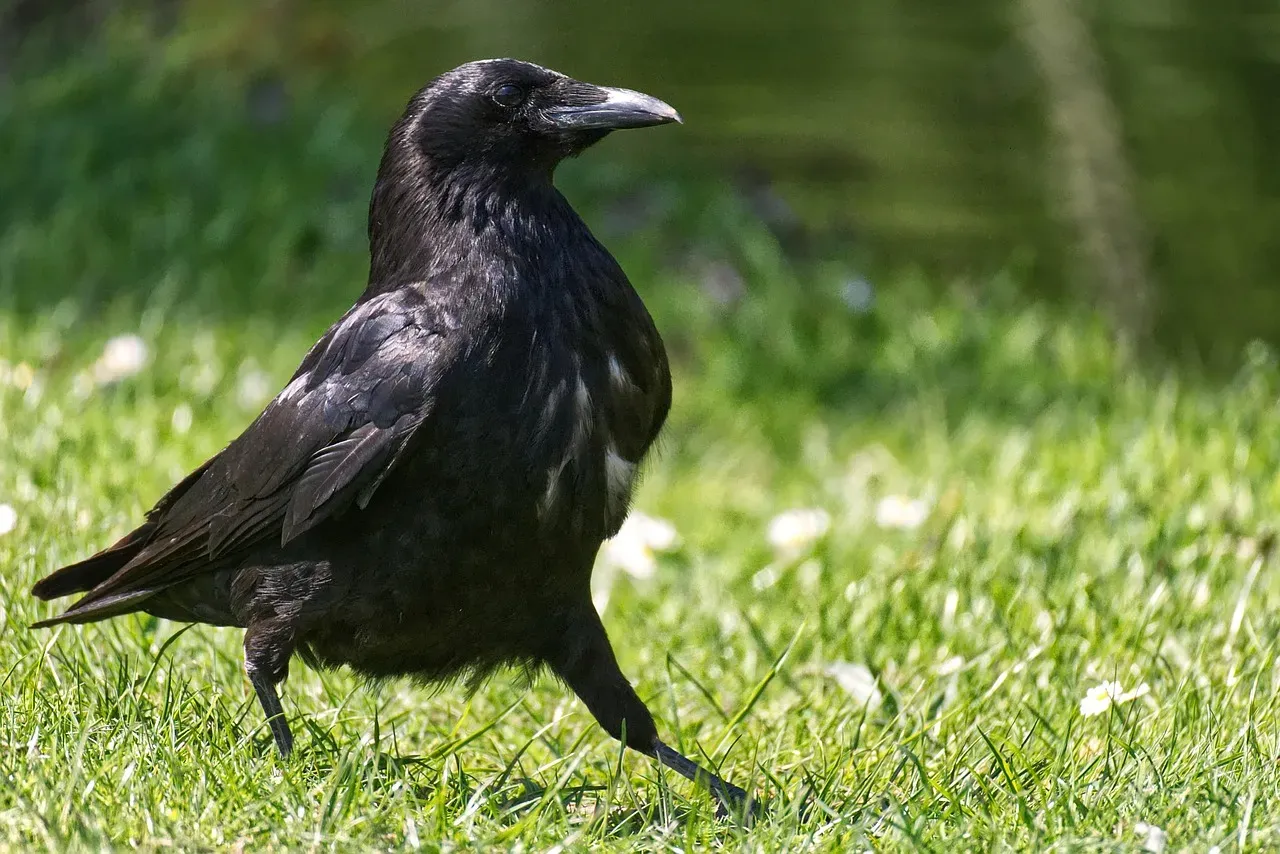
Ravens observe a companion solve a puzzle and then apply the same technique themselves without direct practice. They pick up useful behaviors through social exposure rather than solo discovery alone.
This observational learning speeds up their skill acquisition in group settings. It parallels the social transmission of knowledge documented among primate communities.
Employing Deception in Social Settings
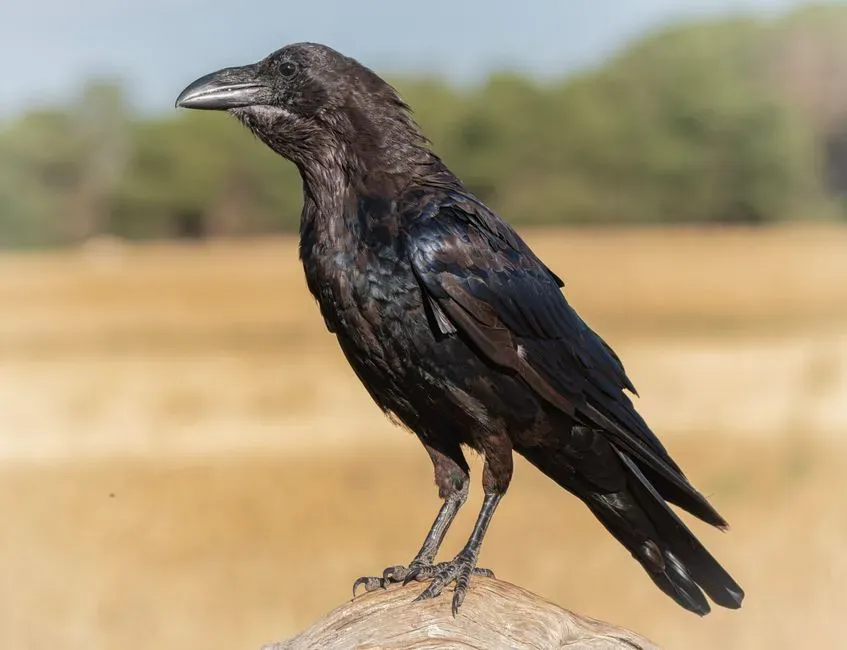
When caching food, ravens sometimes pretend to hide it in one place while actually stashing it elsewhere if they detect an audience. They monitor who is paying attention and adjust their tactics accordingly.
Such tactical misdirection helps them safeguard resources from competitors. The strategic element fits with deceptive maneuvers observed in primate social interactions.
Recalling Specific Past Events
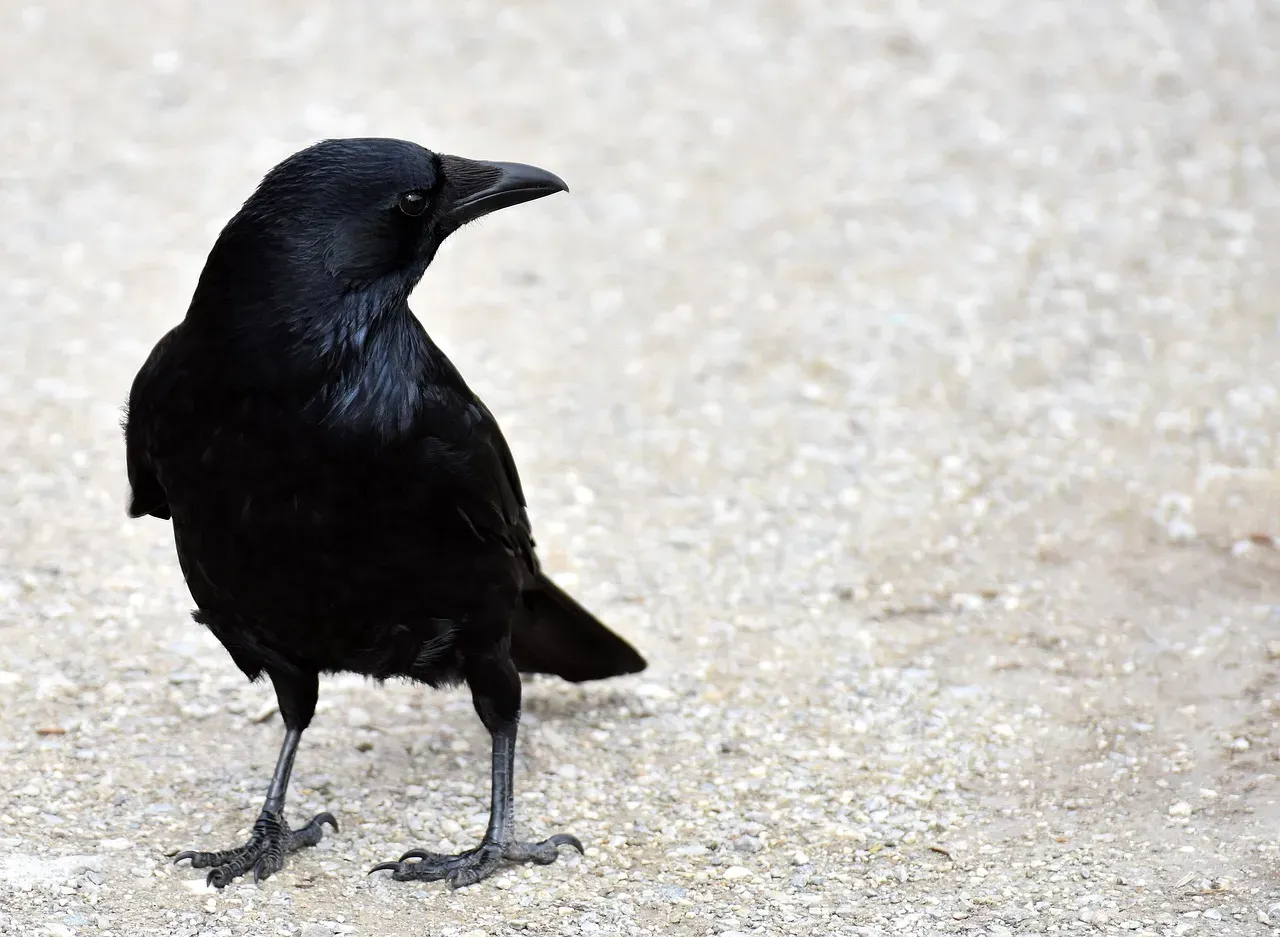
Ravens remember where they hid particular items and who might have seen them do it. They update their behavior based on those detailed memories rather than relying on general habits.
This episodic-like recall allows them to revisit caches at the right times and avoid risky spots. It aligns with memory capabilities studied in great apes during foraging and social contexts.
Directing Attention Through Communication
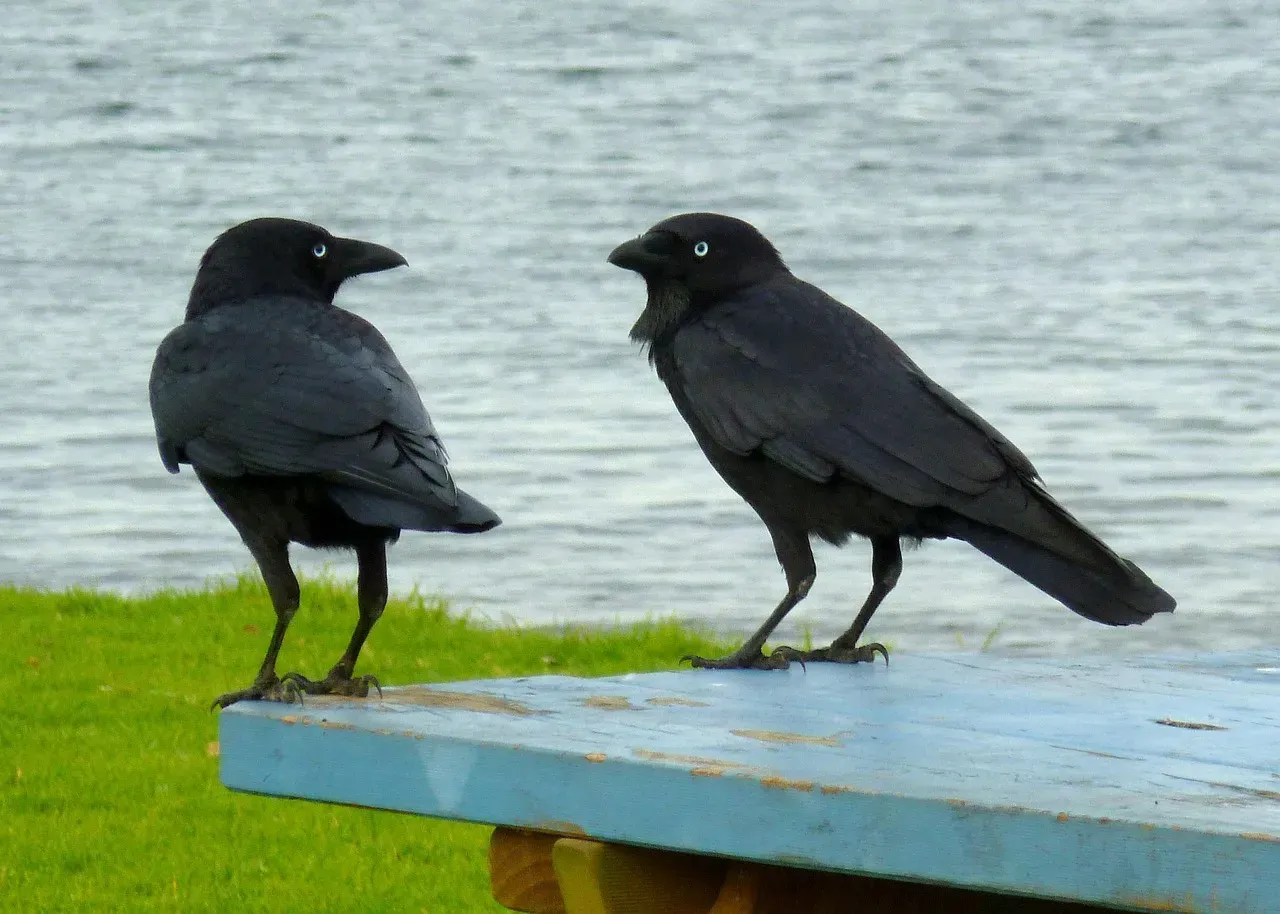
Ravens use calls or gestures to point others toward food or threats, coordinating group responses effectively. They respond to similar signals from companions in turn.
These communicative acts help maintain alliances and share information quickly. The referential nature of their signals compares to attention-directing behaviors in primate troops.
Forming Strategic Alliances
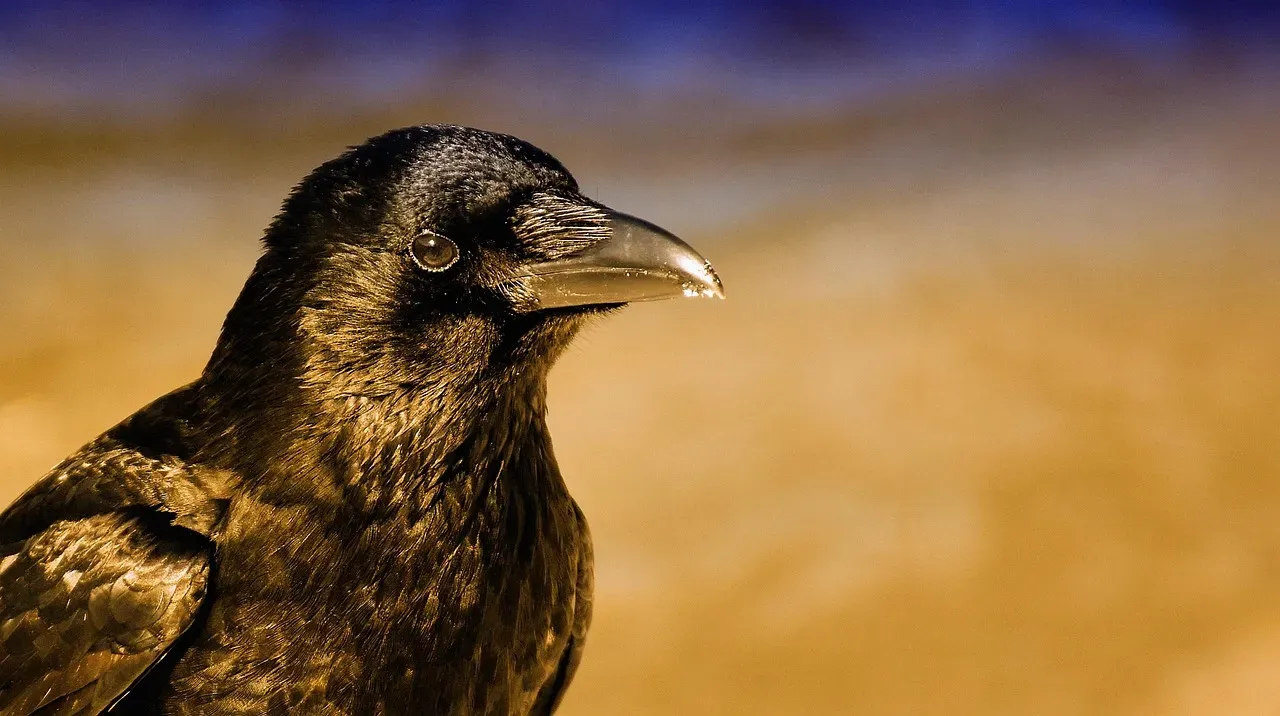
Young ravens build partnerships with specific individuals that last across seasons, offering mutual support during conflicts or foraging. They track relationships and favor reliable partners.
Coalition building appears in both cooperative and competitive situations. The complexity of these bonds echoes the social maneuvering seen in chimpanzee communities.
Reaching Advanced Cognitive Levels Early
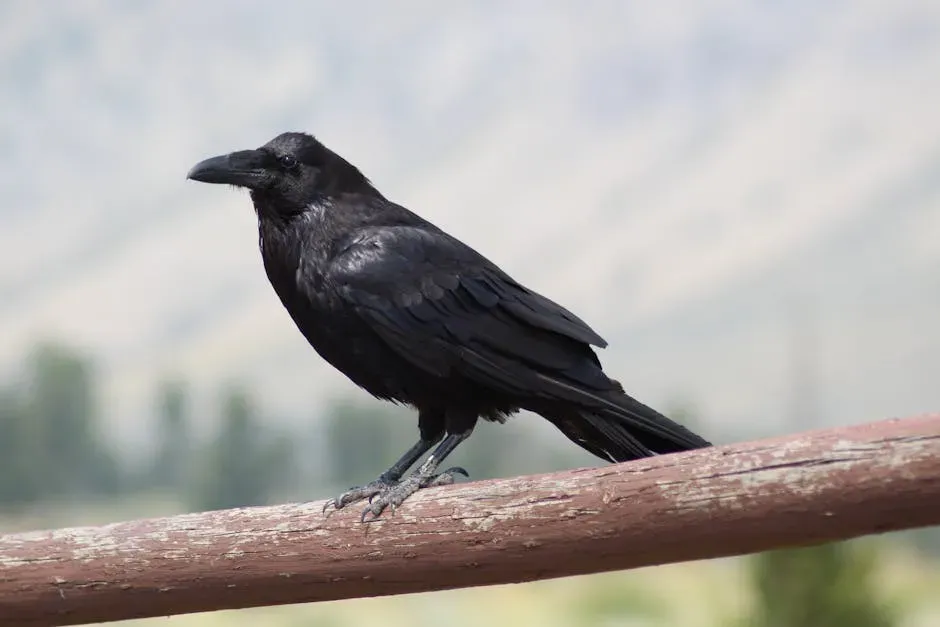
By four months of age, ravens already perform at levels comparable to adult great apes across many physical and social tests. Their skills stabilize quickly rather than developing over years.
This rapid maturation lets them navigate complex environments sooner than expected. The timeline stands out when set against the slower developmental pace typical in primate species.
Ravens remind us that sophisticated minds can evolve along very different paths. Their achievements invite a broader view of intelligence that values performance over brain shape or lineage.