
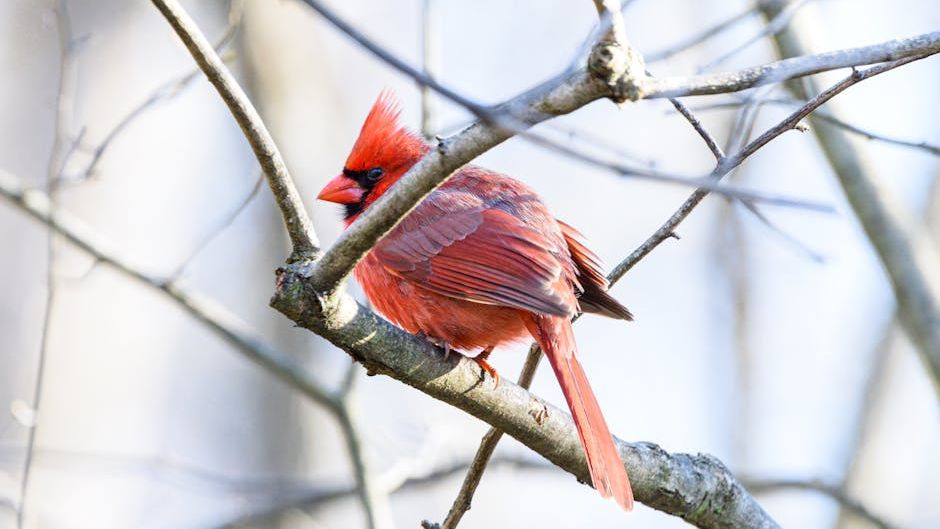
Cardinals have long caught the eye with their vivid red feathers against winter backdrops. Many families passed down stories of how these birds seemed to sense shifts in the season long before forecasts arrived. Watching them closely often revealed patterns that lined up with tougher months ahead.
They Form Larger Flocks Earlier Than Usual
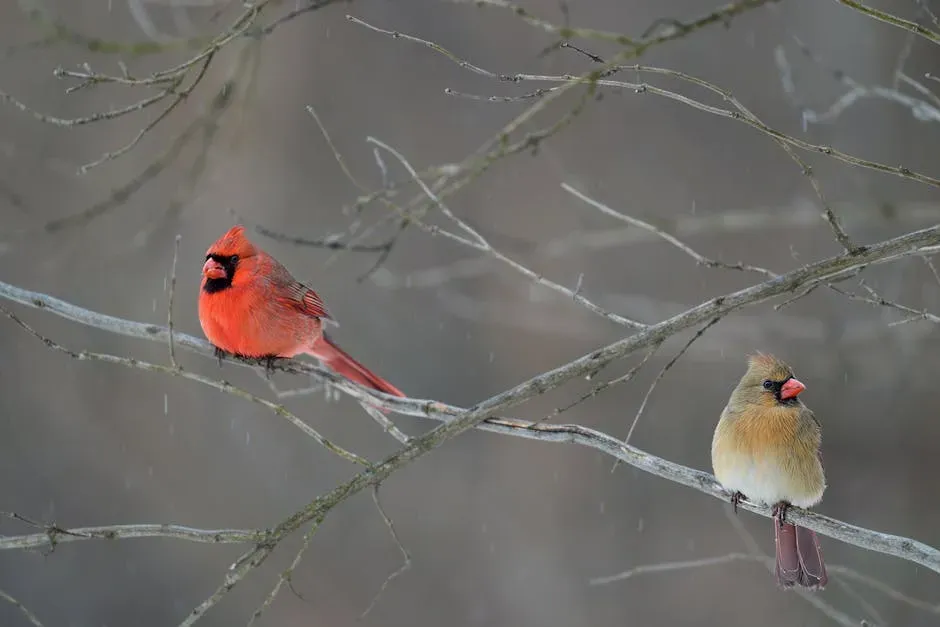
Cardinals typically move in pairs or small family groups through much of the year. When they begin clustering into bigger gatherings well before the calendar suggests, it often signals preparation for scarce resources. Observers note these expanded groups sticking together around reliable food sources as days shorten.
This behavior appears tied to an instinct for shared vigilance against cold snaps. The birds seem to draw comfort and safety from numbers when conditions threaten to worsen. Such shifts stand out against their usual independent routines.
They Add Extra Material to Their Nests
Nests built by cardinals in milder years tend toward simple structures of twigs and grass. In seasons heading toward severity, the birds incorporate thicker layers of leaves, moss, and even bits of fur or string. These additions create better insulation against dropping temperatures.
The extra effort shows up in locations that receive more direct attention during nest building. People who track backyard activity often spot the denser construction weeks ahead of typical timelines. It reflects a practical response to anticipated hardship.
They Increase Visits to Bird Feeders
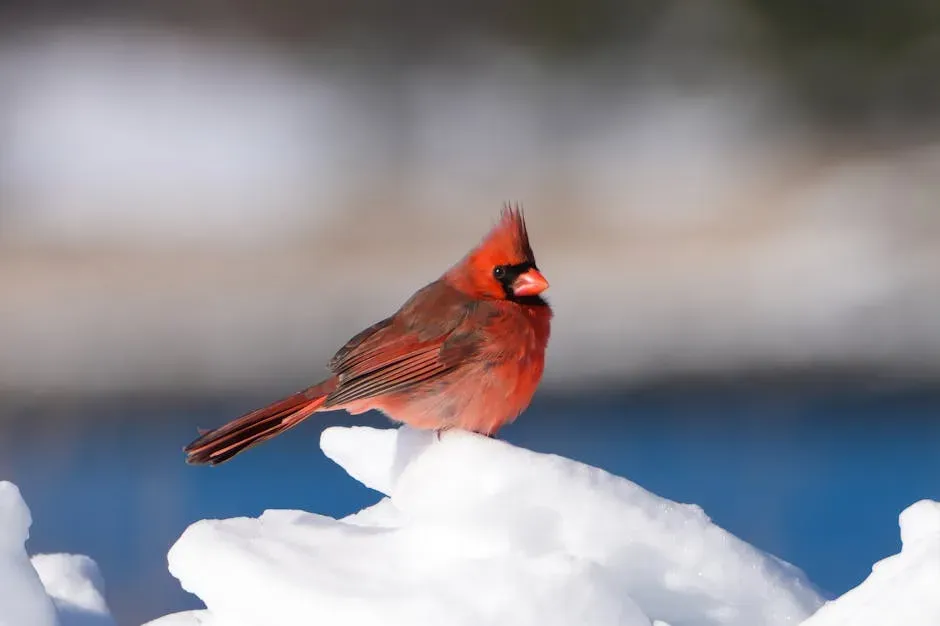
Cardinals maintain steady but moderate feeder traffic in average conditions. A noticeable uptick in daily stops, especially with larger quantities taken each time, points to stockpiling instincts. This pattern emerges as natural seed sources begin to dwindle.
The birds linger longer at each visit rather than darting away quickly. Such persistence suggests they sense the need to build reserves for leaner periods. Regular watchers recognize this change as a reliable marker passed through generations.
Their Calls Become More Frequent at Dusk
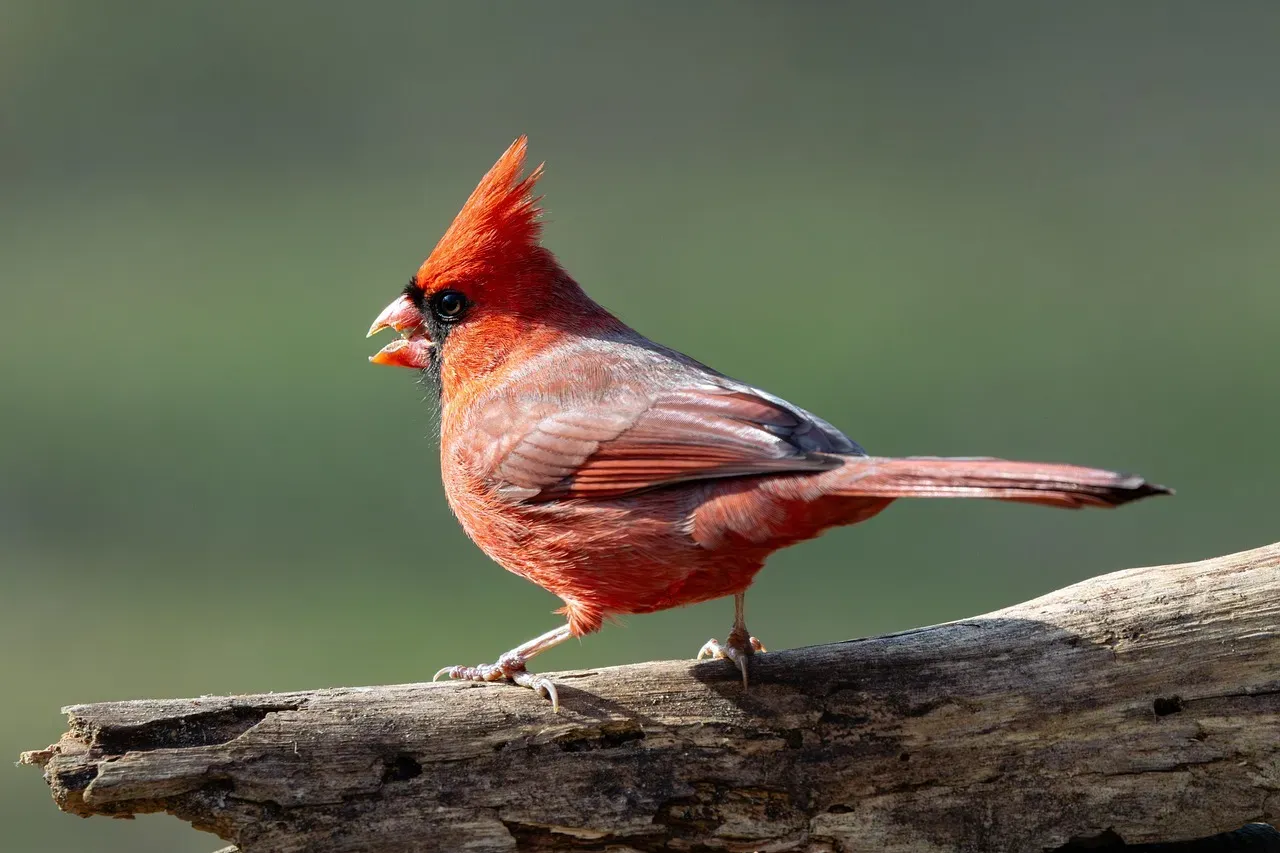
Evening songs from cardinals usually wind down as light fades. When the vocalizations extend later into the evening or repeat with greater intensity, it can indicate heightened alertness. The shift often coincides with cooling trends that persist.
These extended calls serve as communication within the group about safe roosting spots. Listeners describe the sound carrying a sharper edge compared with summer evenings. The change feels subtle yet consistent across reported observations.
They Seek Denser Cover During Daylight Hours
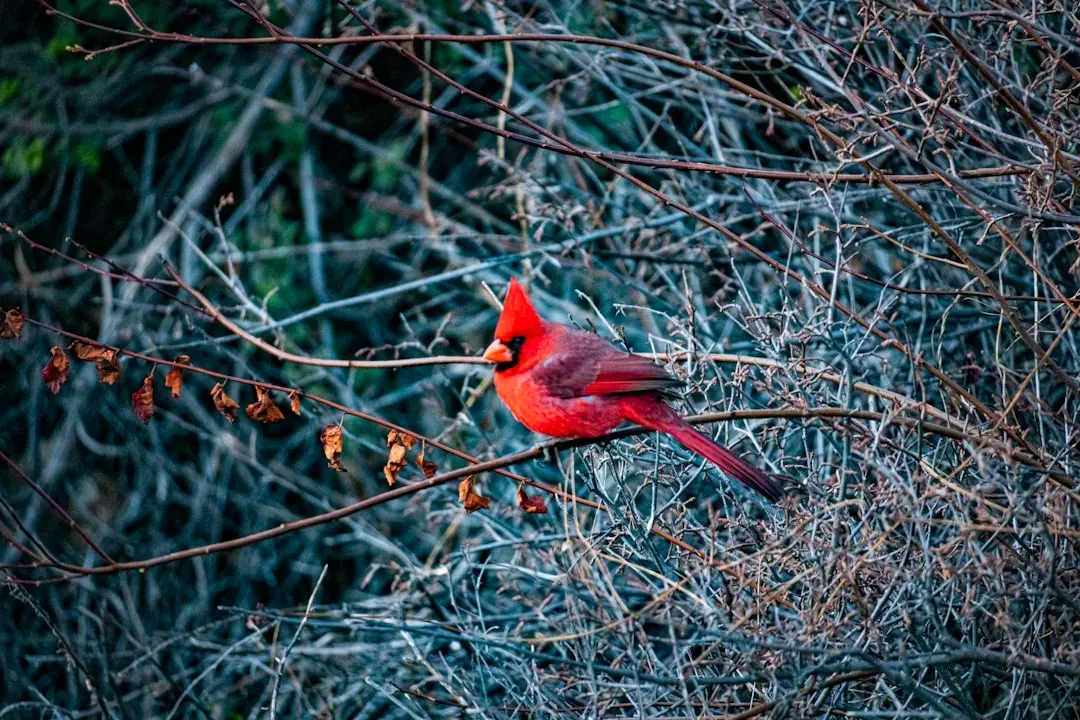
Cardinals normally perch in open branches where they can survey surroundings. As harsher weather approaches, they spend more time tucked into thick shrubs or evergreen clusters even in midday. This preference for concealment reduces exposure to wind and chill.
The movement happens gradually, with birds testing different sheltered spots before settling on favorites. It contrasts with their bolder habits in gentler seasons. Such adjustments highlight an awareness of changing environmental pressures.
They Cache Seeds in Multiple Hidden Spots
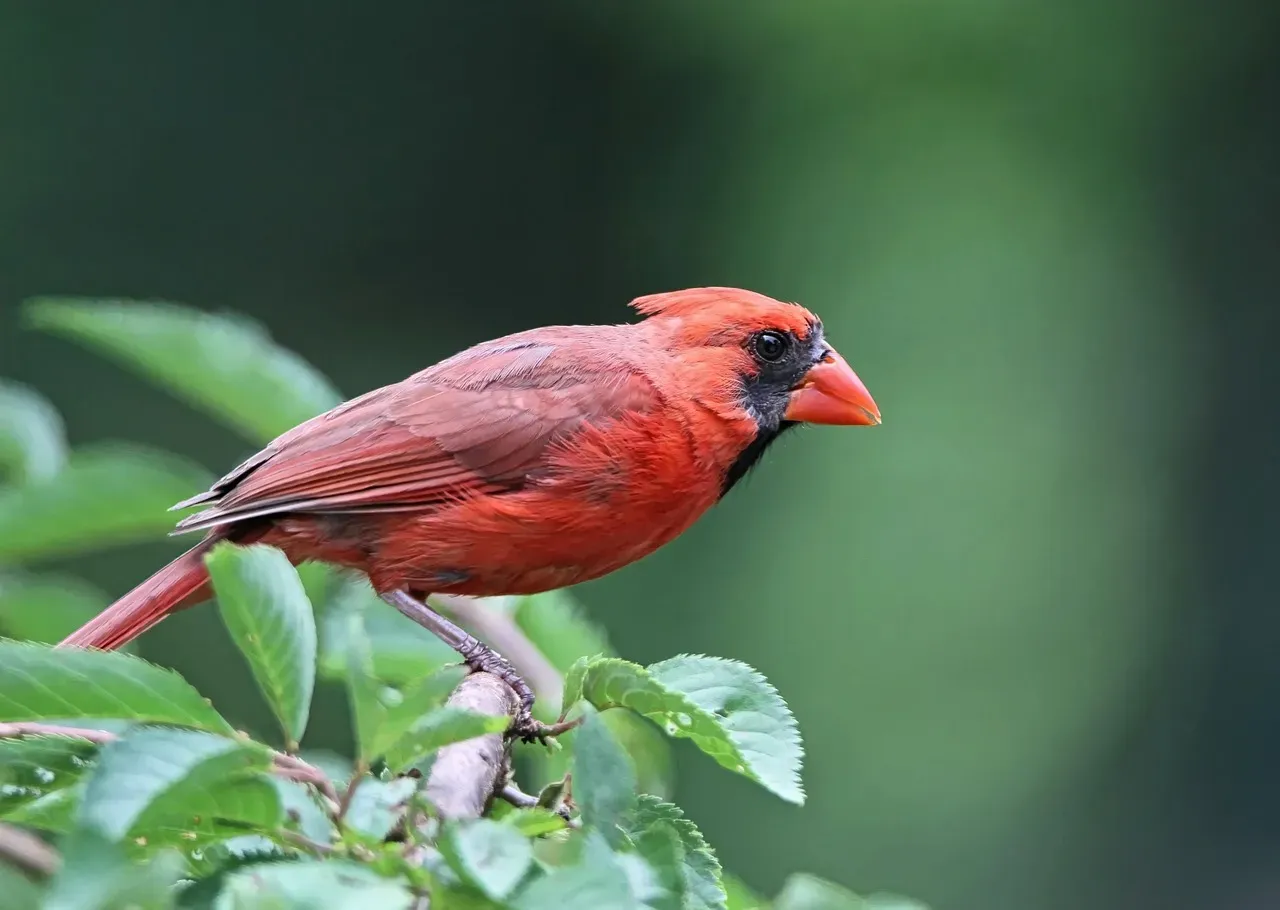
Storing food comes naturally to many songbirds, yet cardinals ramp up the practice noticeably before difficult winters. They tuck seeds into bark crevices, under leaves, and along fence lines in greater numbers. The caches spread across a wider territory than usual.
Retrieval happens more methodically, with birds returning to the same locations repeatedly. This organized effort suggests preparation for periods when fresh supplies grow unreliable. The activity draws attention from those familiar with local bird routines.
Their Plumage Appears Fluffier on Mild Days
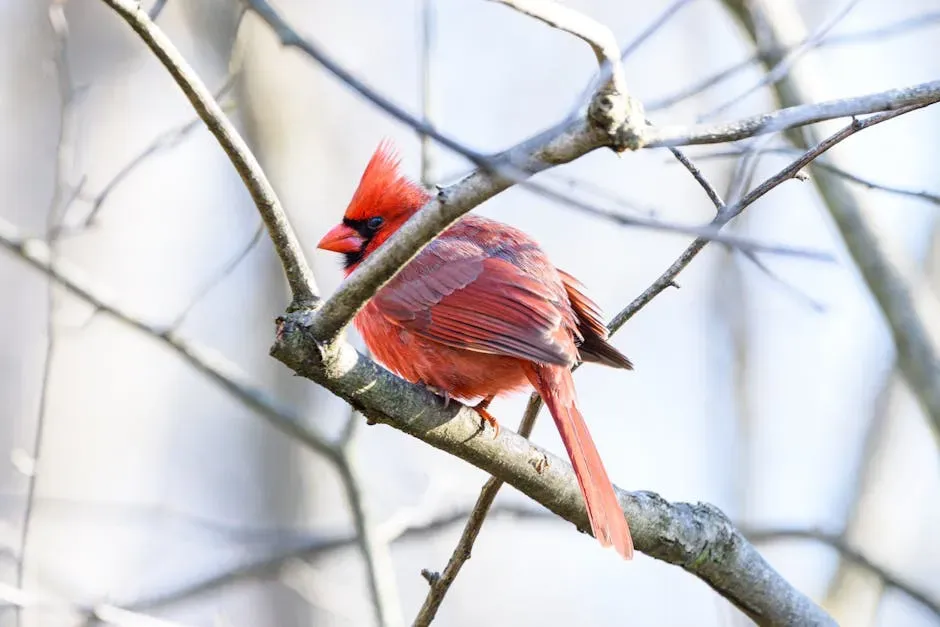
Cardinals puff their feathers for warmth on genuinely cold mornings. When this fuller appearance shows even during milder afternoons, it hints at an underlying need for extra insulation. The visual cue stands out against their sleeker summer look.
The change reflects adjustments in feather positioning that trap more air close to the body. Observers link it to an early response to sustained cold forecasts. It serves as one of the more visible signs in everyday settings.
They Reduce Time Spent in Open Fields
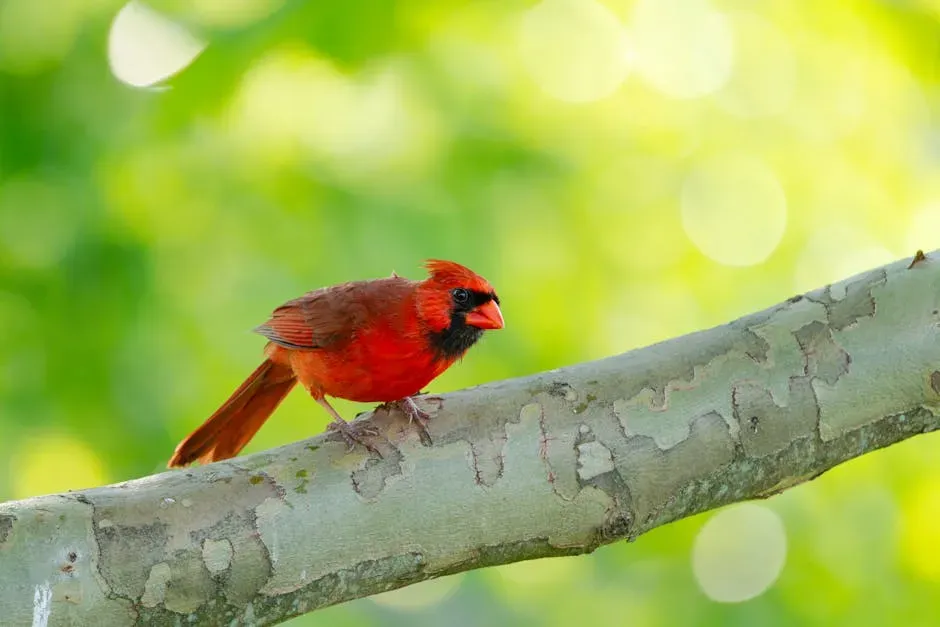
Open spaces normally attract cardinals for foraging and display. A pullback toward wooded edges or backyard boundaries often precedes tougher winters. The birds favor areas with immediate access to protection and stored food.
This relocation happens without obvious threats, pointing instead to seasonal anticipation. It aligns with broader patterns of resource conservation. The preference becomes clear through consistent daily sightings in sheltered zones.
These Old Observations Still Hold Value
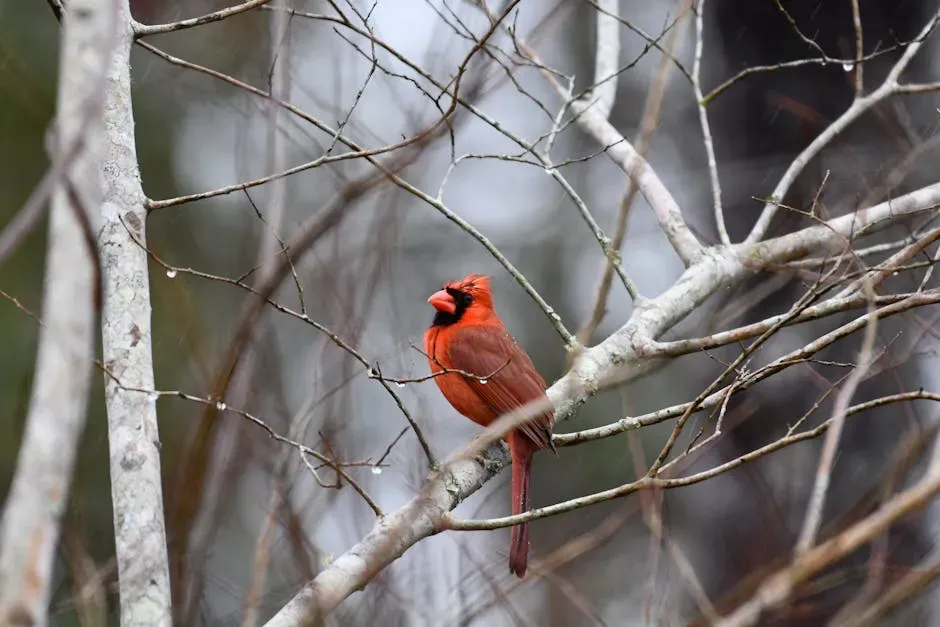
Modern weather tools deliver precise data, yet the cardinals continue to offer a living connection to seasonal rhythms. Paying attention to their habits encourages a slower, more attentive approach to the outdoors. Many find the practice grounding amid fast-changing forecasts.
Grandmother wisdom like this reminds us that nature often signals shifts in ways that complement scientific predictions. The birds do not replace technology, but they add layers of awareness that feel personal and immediate. Watching them fosters respect for patterns that have guided people for generations.
