
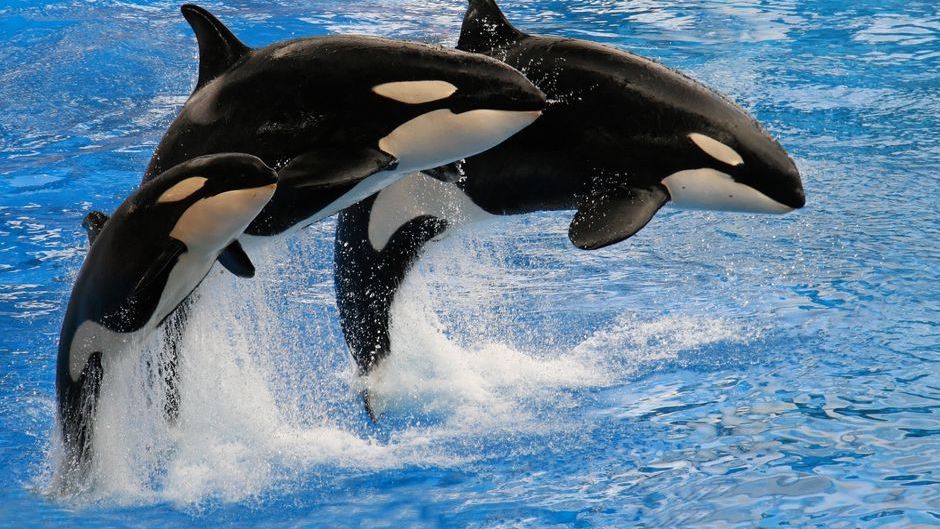
Orcas live in tight knit family groups that span generations, and the oldest females often hold a quiet but powerful position at the center of it all. Their presence shapes daily decisions about where to hunt and how to navigate changing waters. What makes this arrangement especially striking is the way their accumulated experience seems to translate into real advantages for everyone around them.
The Biology Behind Extended Lifespans
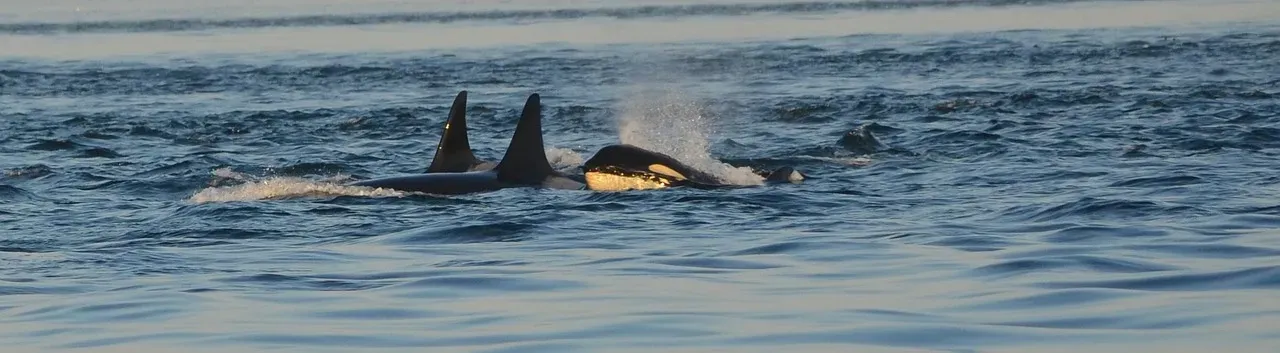
Orcas stand out among most mammals because females routinely live well beyond their reproductive years. This extended post reproductive phase can last decades, giving them time to gather and refine knowledge about seasonal food sources and migration routes. Researchers have documented cases where these older females continue to thrive long after they stop having calves of their own.
The pattern mirrors what happens in a handful of other species, including humans and a few toothed whales. It suggests that longevity itself may carry evolutionary value when older individuals contribute to group success rather than simply reproducing. In orca pods this contribution shows up in practical ways every day.
How Knowledge Gets Shared Across Generations
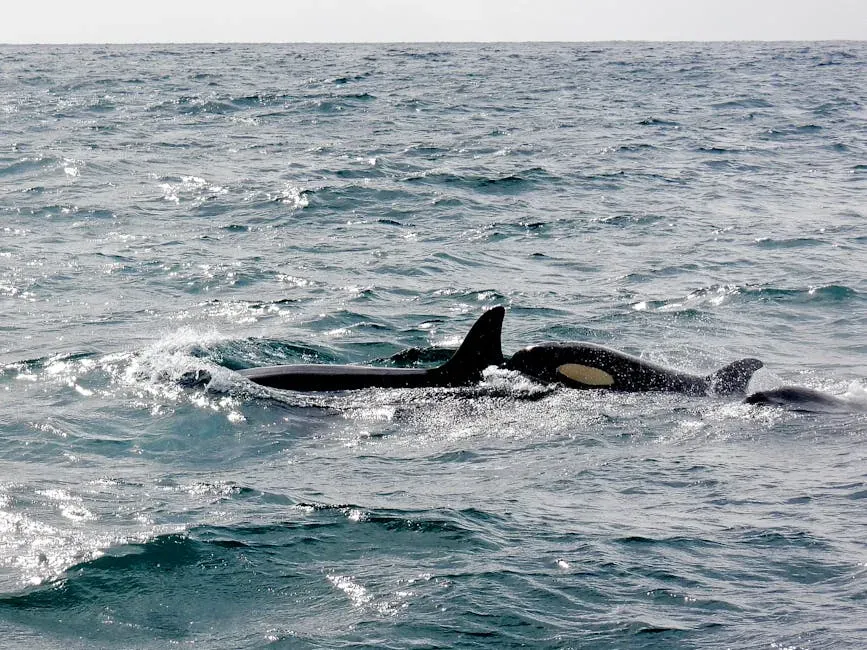
Grandmothers often lead the pod during lean seasons, steering younger members toward reliable salmon runs or other prey that might otherwise be missed. Younger orcas watch and follow, picking up subtle cues about timing and location that no single individual could discover alone. Over time these lessons become part of the pod’s shared culture.
Observations show that calves and juveniles spend extra time near these experienced females, listening to their calls and copying their movements. The transfer happens gradually through repeated exposure rather than any formal teaching. This steady flow of information helps the whole group adapt when ocean conditions shift.
Neuroscience Clues in Orca Brains
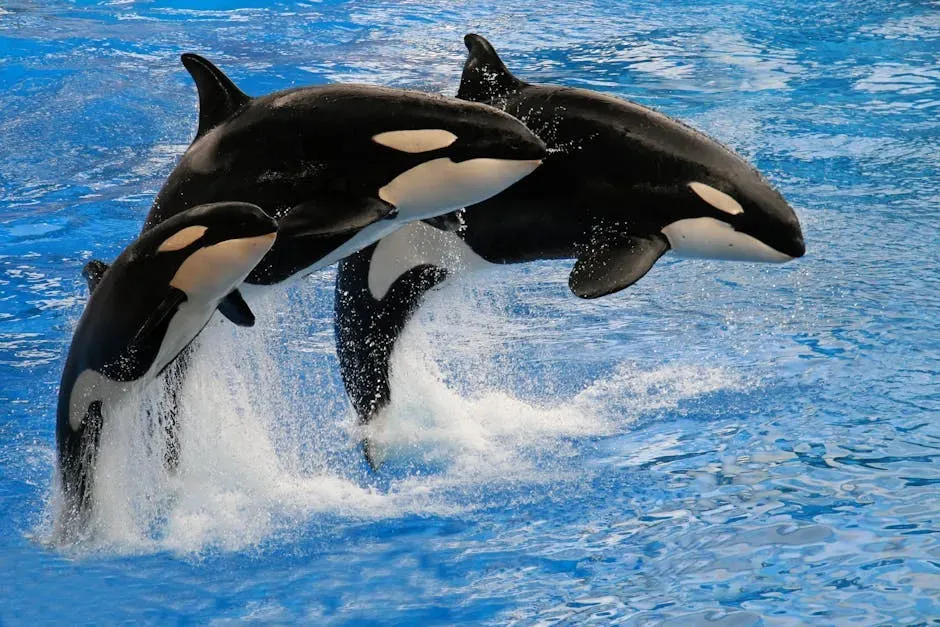
Studies of orca brain structure reveal large regions dedicated to social memory and complex communication. These areas appear well suited for storing detailed maps of the environment and recognizing individual pod members over many years. The sheer size and connectivity of these regions support the idea that older females retain rich stores of practical knowledge.
Neuroimaging work on related species hints that long lived social mammals keep certain memory circuits active well into later life. In orcas this capacity likely helps them recall past successes and failures with specific hunting grounds. The result is a living library that younger animals can draw from without having to repeat every costly mistake.
Real World Benefits During Tough Times
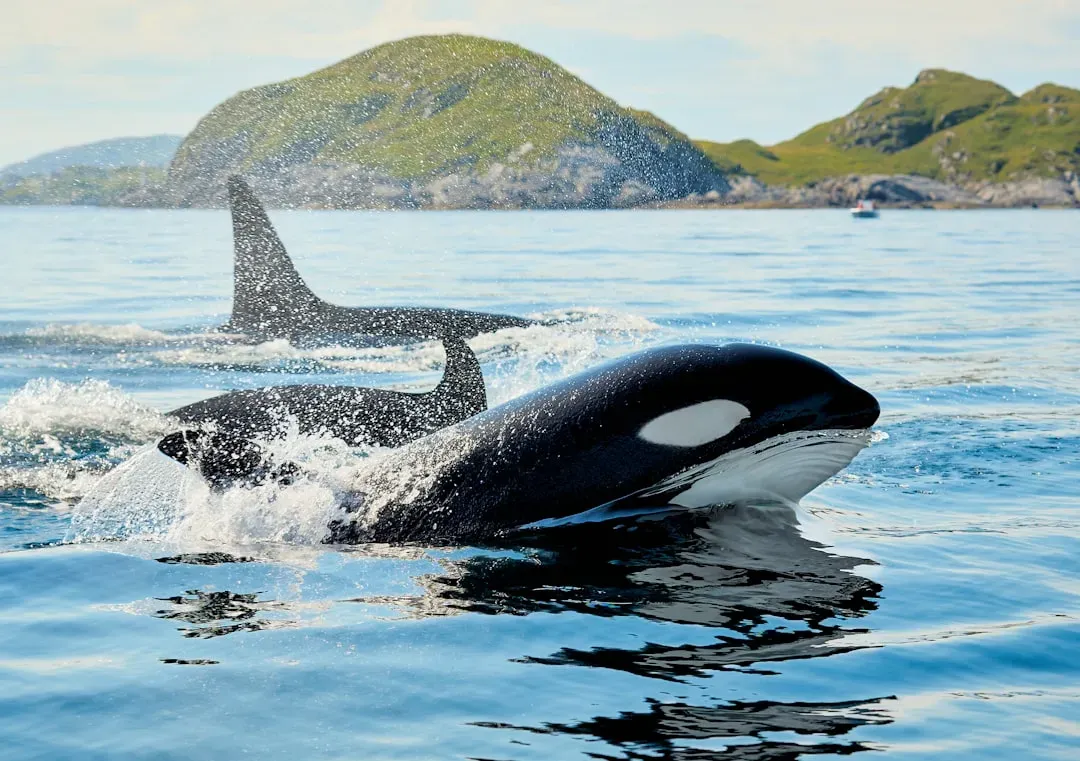
When prey becomes scarce, pods with living grandmothers show higher survival rates among calves and young adults. The older females remember alternative feeding spots from earlier decades and guide the group there before hunger sets in. This guidance can mean the difference between a difficult season and a disastrous one.
Records from long term field projects illustrate how these experienced leaders adjust routes in response to changing fish populations. Their decisions reduce the energy wasted on fruitless searches. The entire family benefits from this accumulated wisdom without any single member needing to reinvent the wheel.
Similar Patterns in Other Long Lived Species
Humans and a few other primates also rely on post reproductive females for knowledge that improves group outcomes. The parallel suggests that menopause and extended lifespan may have evolved in social animals where cooperation matters more than constant reproduction. Orcas fit neatly into this small group of species.
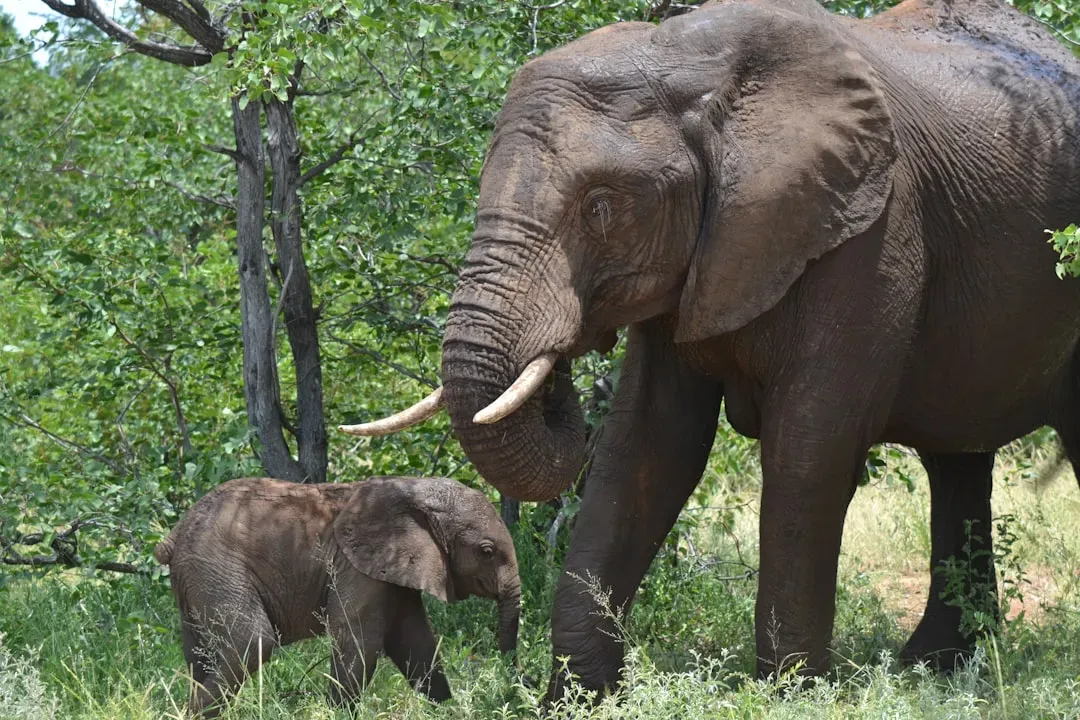
Elephants provide another clear example, with matriarchs remembering distant water sources during droughts. In each case the older female’s memory serves as a buffer against environmental uncertainty. The pattern points to a broader principle rather than an orca specific quirk.
Challenges to Studying These Dynamics
![Challenges to Studying These Dynamics (NOAA (http://www.afsc.noaa.gov/Quarterly/amj2005/divrptsNMML3.htm]), Public domain)](https://nvmwebsites-budwg5g9avh3epea.z03.azurefd.net/aatg/b7b843f09229012e829449fd13a5d9c5.webp)
Tracking orca pods over multiple decades requires patient, non invasive methods that respect the animals’ natural behavior. Researchers combine boat based observations with acoustic recordings to piece together who leads and when. The work moves slowly because each new insight builds on years of prior data.
Ethical considerations limit experiments that might stress the animals, so much of the evidence remains observational. Still, consistent patterns across different populations strengthen the case that grandmothers play a central role. Continued monitoring will likely reveal even more about how this knowledge system operates.
Why Protecting These Elders Matters for the Future
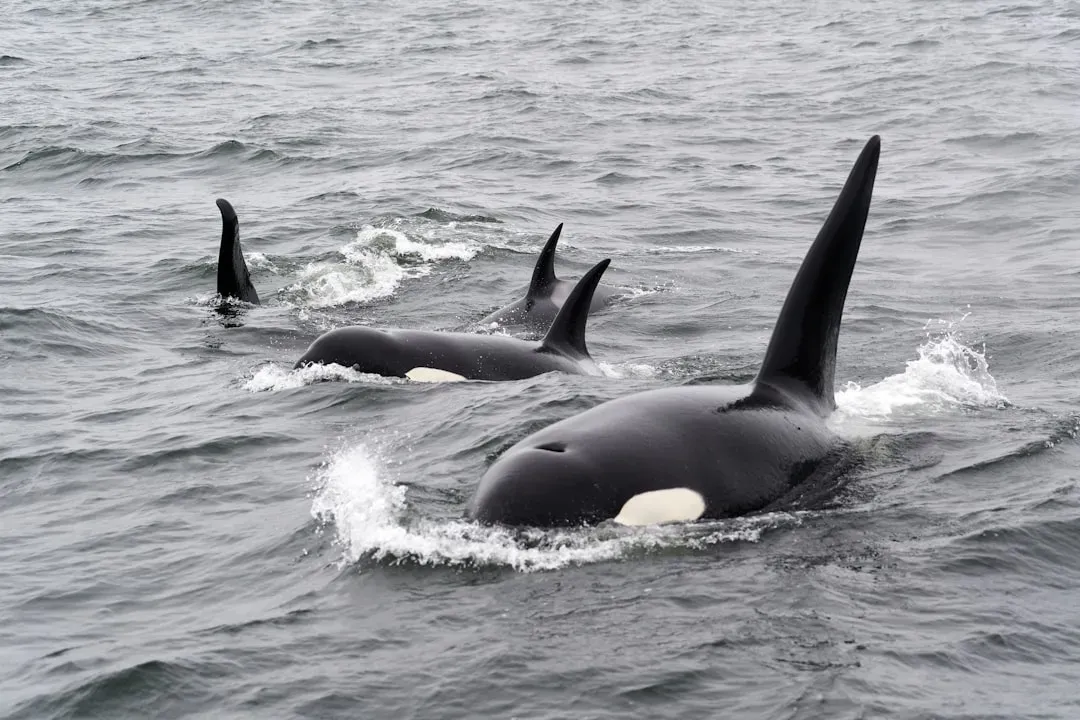
Conservation efforts that focus only on population numbers can miss the deeper value older orcas bring to their families. Losing experienced grandmothers through pollution, vessel traffic, or prey depletion removes a living archive that younger animals depend on. The ripple effects can last for generations even if birth rates eventually recover.
Recognizing this role encourages policies that safeguard entire family units rather than isolated individuals. It also highlights how interconnected ocean health and social knowledge truly are. In the end, preserving space for these grandmothers to keep teaching may prove as important as any other protection measure.

- 10 Fascinating Facts About the Amazing Osprey - July 23, 2026
- The Impact of Heatwaves on Animal Behavior and Survival - July 23, 2026
- The Enduring Loyalty of Elephants Shows Us the True Meaning of Family Bonds - July 23, 2026