
Deserts stretch out in vast, sun baked silence for most of the year. Their surfaces look empty, almost lifeless, until something shifts in the weather and the ground suddenly answers with color.
Those shifts do not happen often. They demand a precise mix of rainfall, temperature, and timing that lines up only once in several years, sometimes longer. The flowers that appear then feel like secrets the landscape has been keeping.
The Ghost Flower
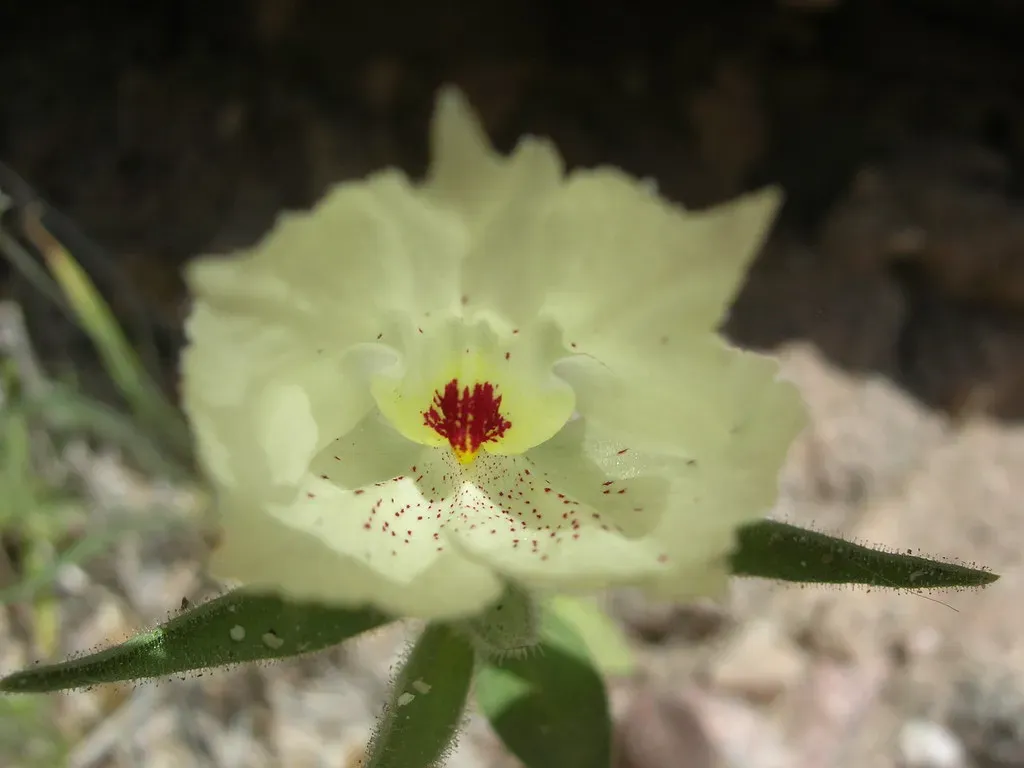
The ghost flower stays hidden most seasons in the sandy stretches of the Mojave and Sonoran deserts. Its pale, almost see through petals carry faint purple markings that catch the light in a quiet way. Seeds wait in the soil for years until winter rains arrive in just the right amount and cool nights follow without sudden heat.
Even then the plant grows low to the ground and opens only briefly. Spotting one feels like finding a pale shadow among the rocks. The bloom lasts days at most before the desert reclaims the moment.
The Desert Five Spot
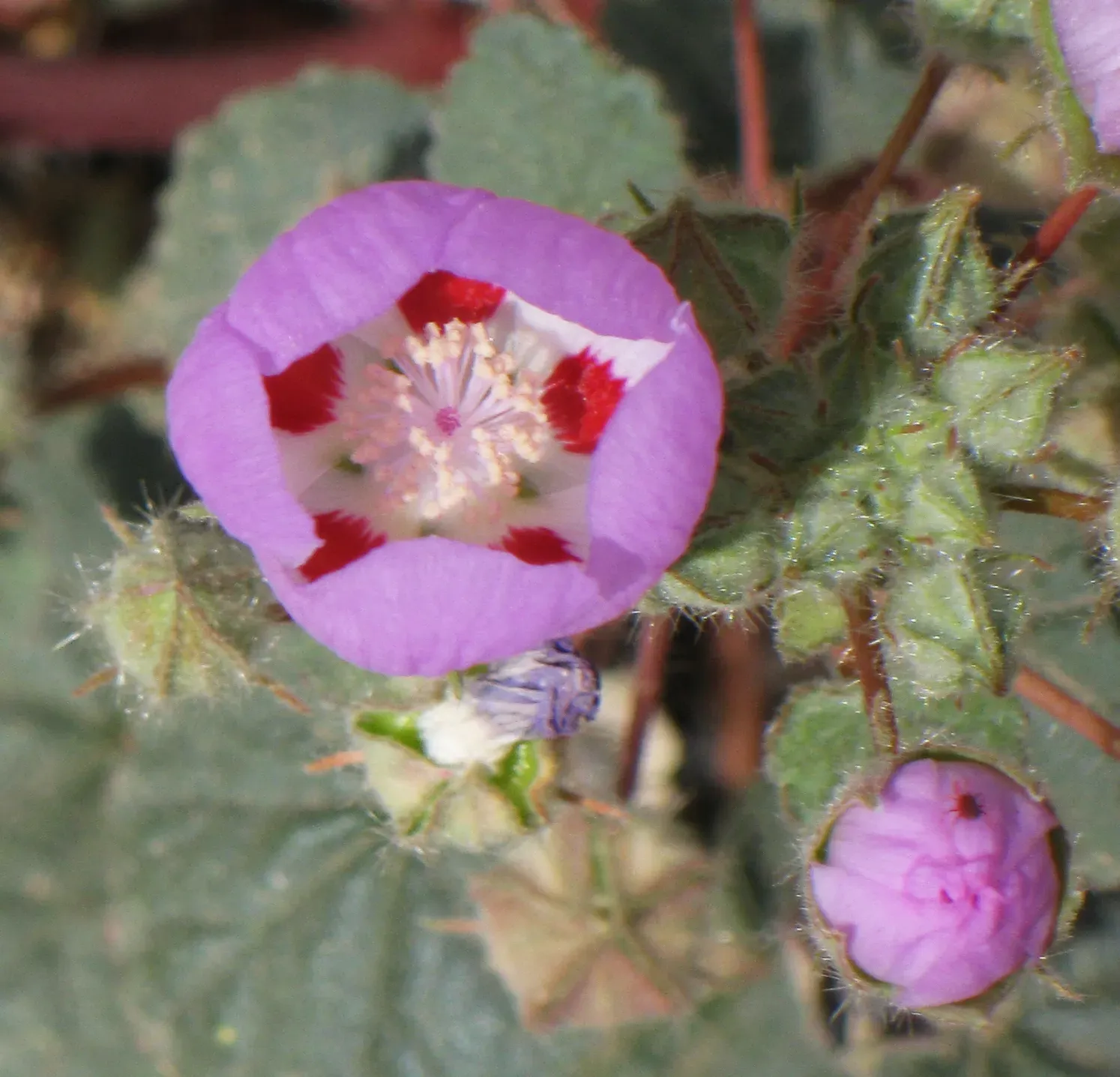
Small and cup shaped, the desert five spot carries a soft pink hue with five dark red spots at its center. It rises in scattered patches across gravelly flats after heavy winter rains soak the ground and temperatures stay mild. The spots act almost like a signal to pollinators that the flower is ready.
Without that exact sequence of moisture and steady cool weather the seeds remain dormant. Years can pass between sightings. When conditions finally match, the five spots stand out against the dry earth like tiny signals.
The Desert Lily
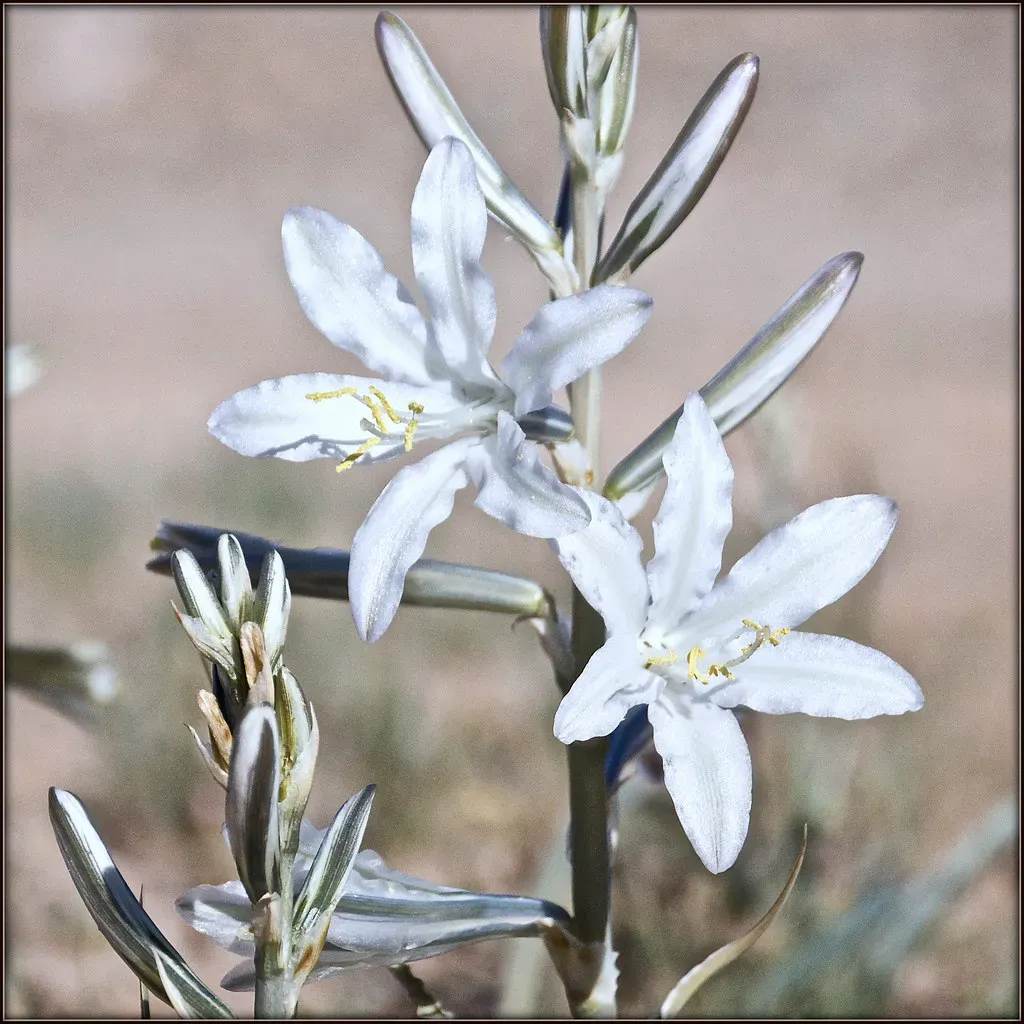
Tall white trumpets mark the desert lily when it decides to appear. It pushes up from deep bulbs in sandy washes after sustained autumn and winter rains followed by gentle spring warmth. The flowers open in clusters and release a light fragrance that draws night flying insects.
Most years the bulbs stay underground, conserving what little moisture they hold. Only the rare alignment of multiple rain events and stable temperatures brings them above ground. The display fades quickly once heat returns.
Sand Verbena
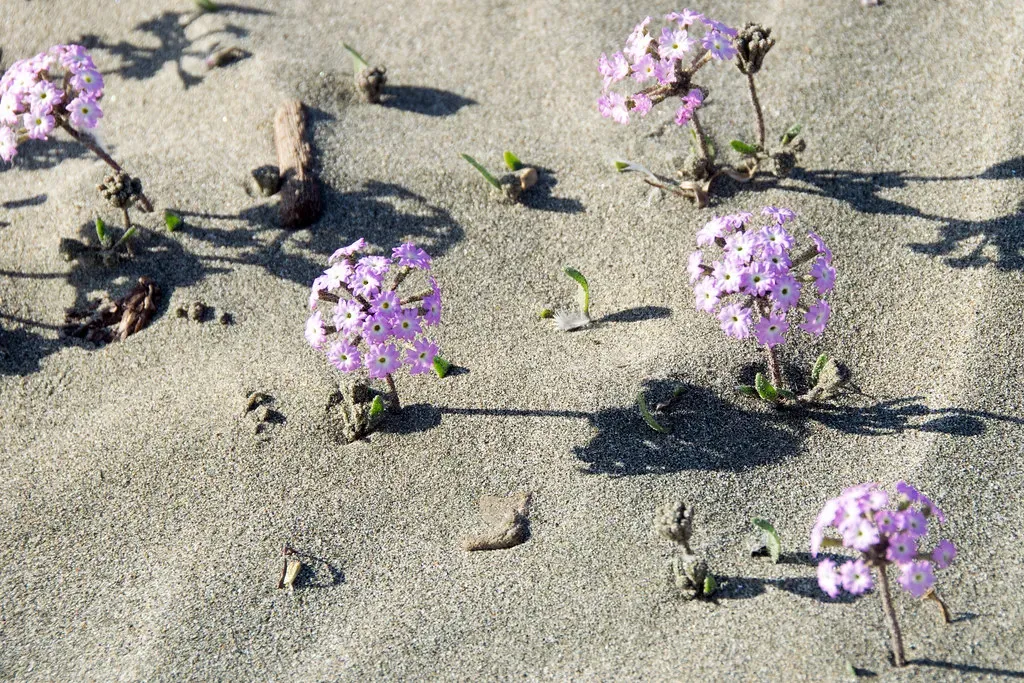
Clusters of pinkish purple blooms carpet low dunes when sand verbena wakes. The plant spreads across loose sand after fall rains exceed average amounts and winter stays cool enough for seedlings to establish. Its sweet scent travels on the breeze during the short window it flowers.
Too little rain or an early heat wave keeps the seeds from sprouting at all. The result is a delicate mat of color that lasts only while moisture lingers near the surface. Then the plants retreat again into the sand.
The Mexican Gold Poppy
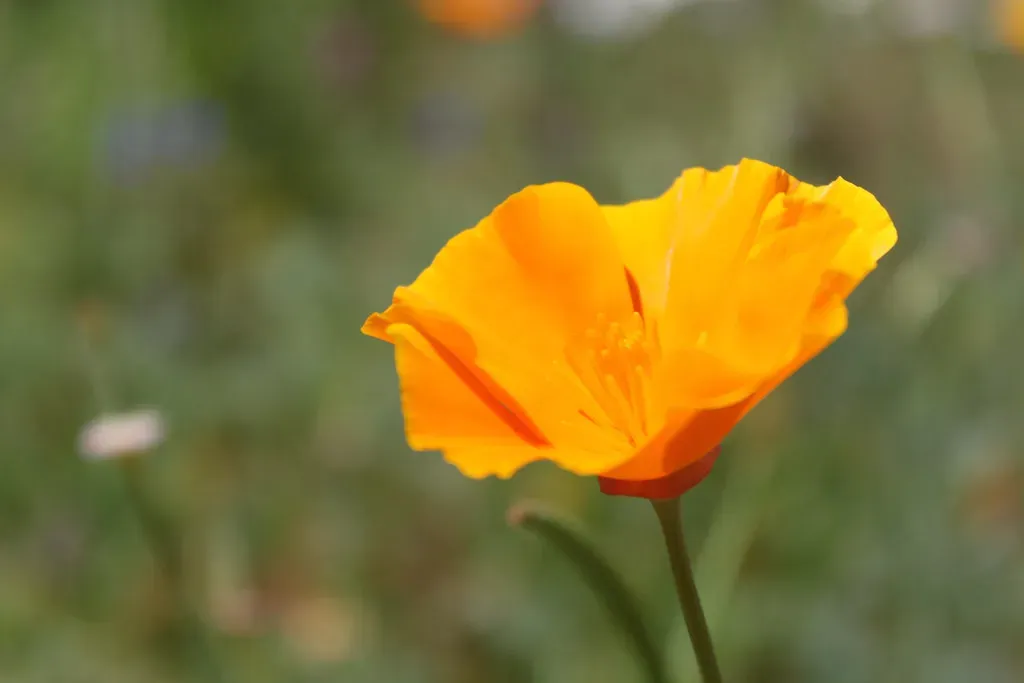
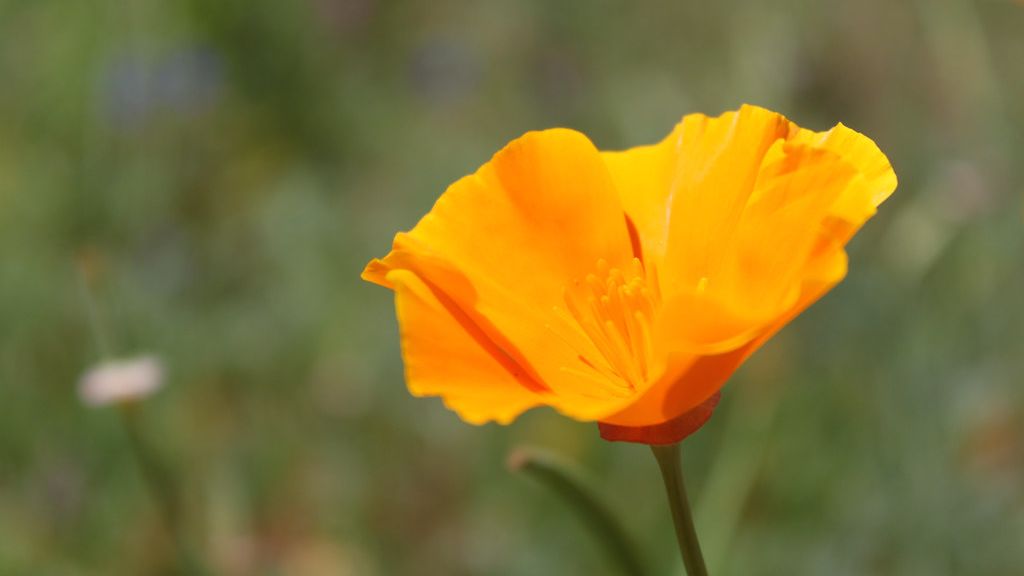
Bright orange cups of the Mexican gold poppy light up rocky slopes under the right winter conditions. Seeds need steady rain through the cooler months and then a stretch of mild days without frost or sudden warmth. The petals open wide in sunlight and close at night or when clouds gather.
Many seasons pass with only a few scattered plants. A true carpet forms only when rainfall totals and temperature patterns line up perfectly. The color lasts a few weeks before the heat dries everything back to dust.
Desert Gold
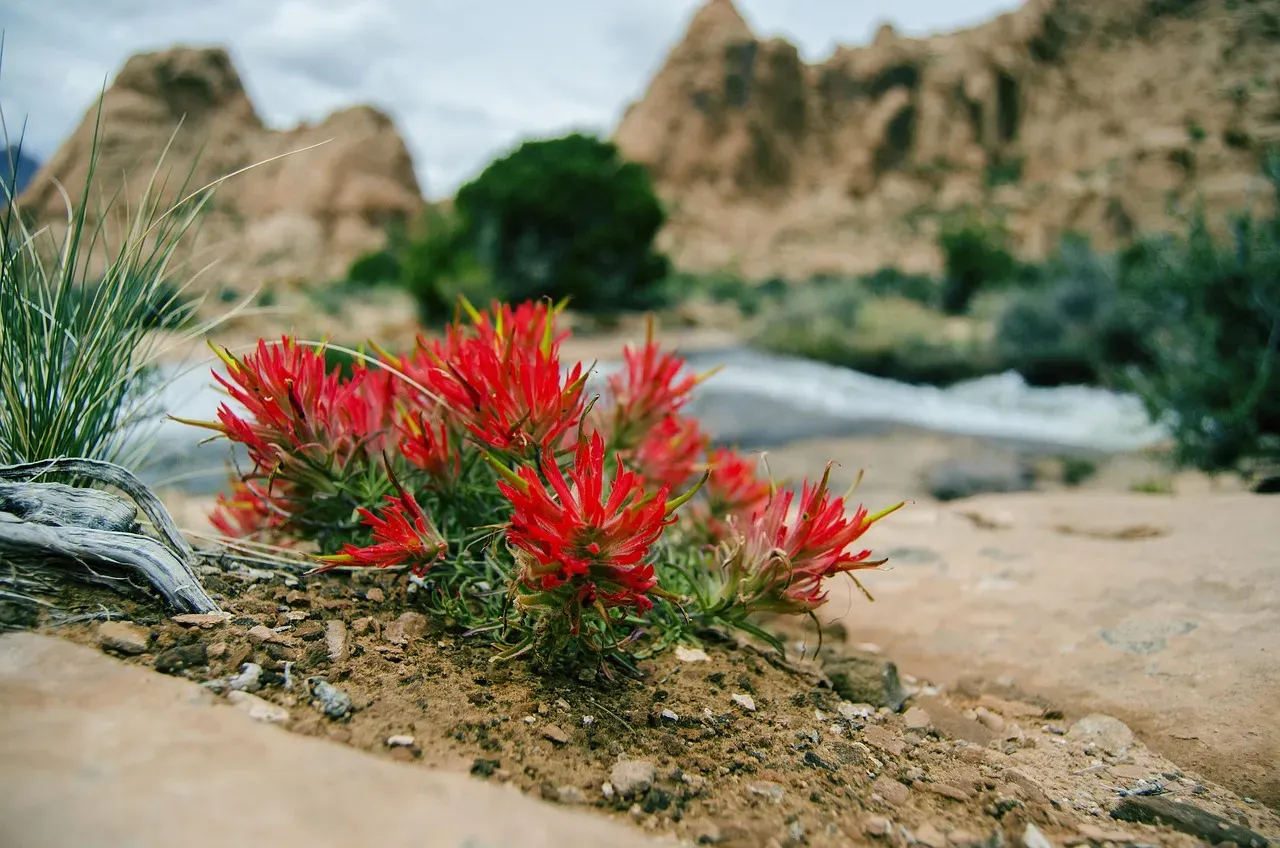
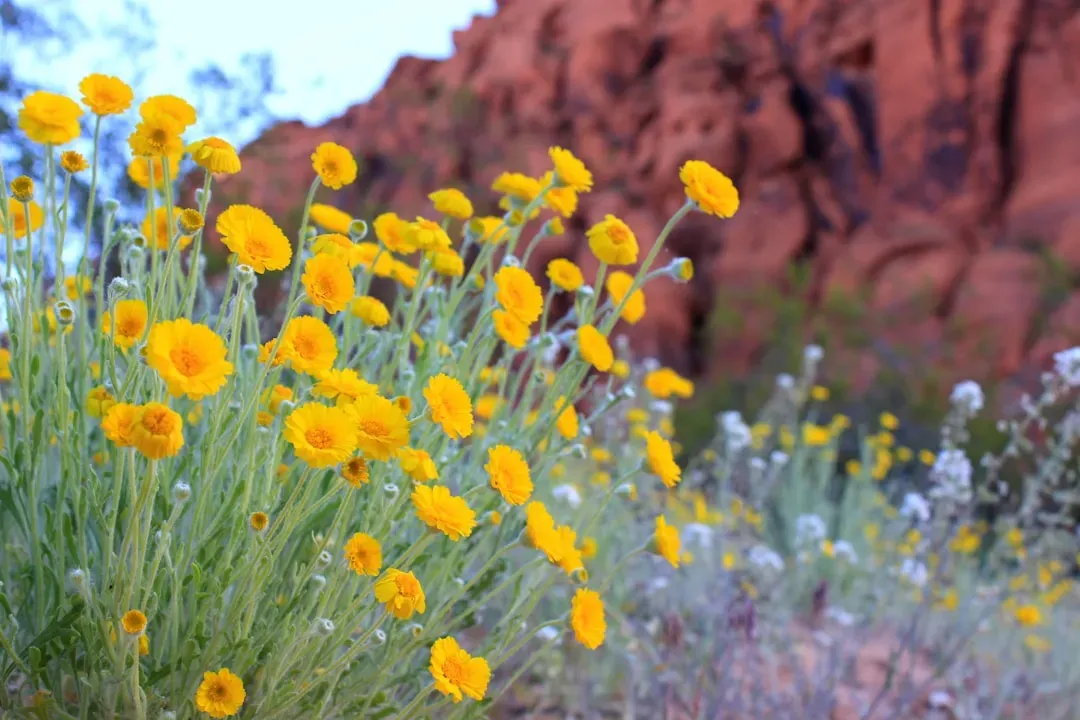
Desert gold spreads sheets of yellow across valley floors after exceptional rains. The daisy like flowers rise on sturdy stems once autumn moisture has soaked deep and spring temperatures remain moderate. They often appear alongside other wildflowers in the biggest bloom years.
Without that extra rain the seeds stay buried and the landscape stays brown. The yellow show can stretch for miles when everything aligns, yet it vanishes almost as fast as it arrives. The contrast with the usual desert tones makes the moment stand out sharply.
Notch Leaf Phacelia
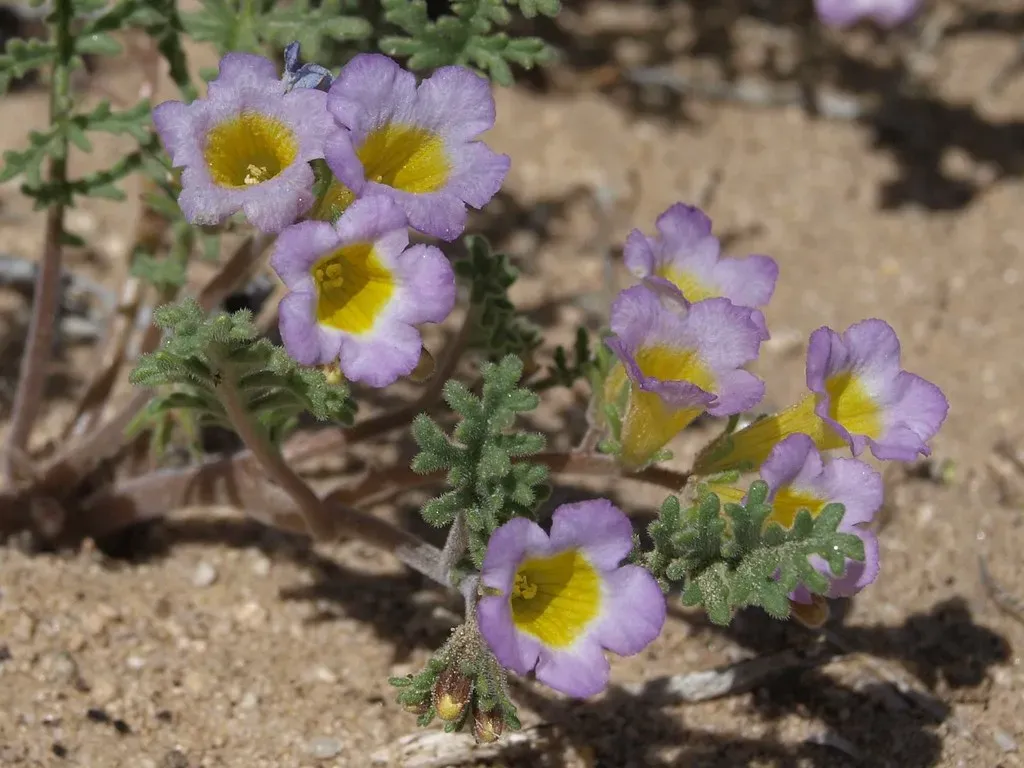
Purple spikes of notch leaf phacelia rise in dense stands after winter rains arrive in sequence. The plant prefers disturbed soils along roadsides and washes where water collects briefly. Its coiled flower heads unfurl gradually as conditions stay favorable.
One dry winter or an early warm spell can prevent germination entirely. The purple color draws bees during the narrow blooming period. Afterward the plants set seed and disappear until the next rare cycle.
Brown Eyed Primrose
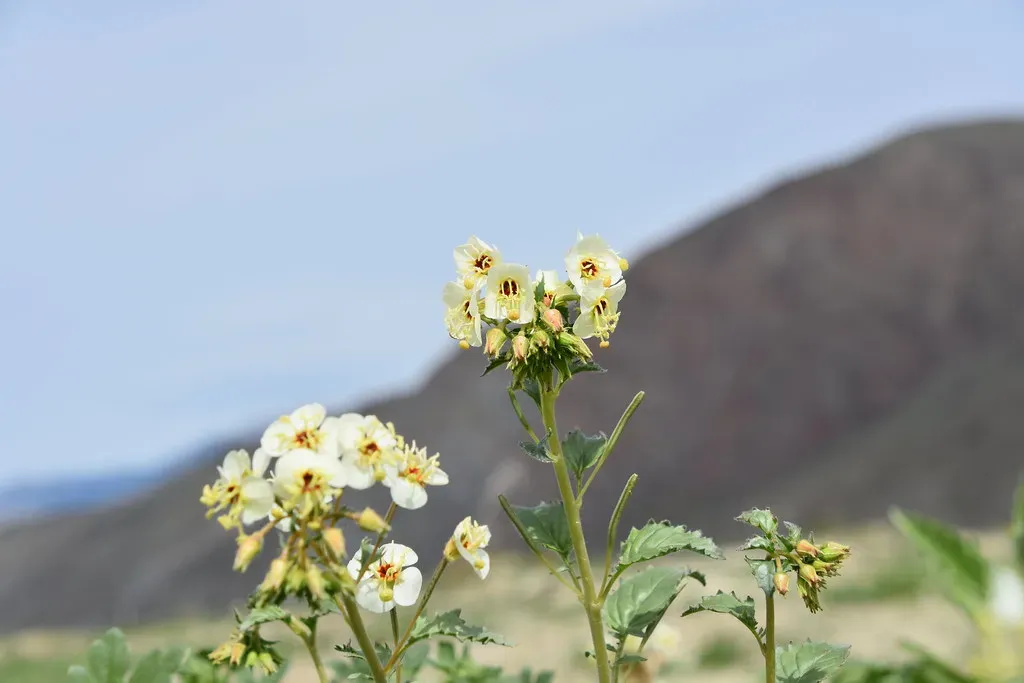
Delicate white petals with a brown center define the brown eyed primrose. It appears in open flats once sufficient rain has fallen and nights remain cool through early spring. The flowers open in the evening and stay open into the next day.
Seeds require the full sequence of moisture and temperature stability to break dormancy. Many years bring only scattered individuals. When the conditions match, the primroses add a soft layer of white across the gravel.
Desert Lupine
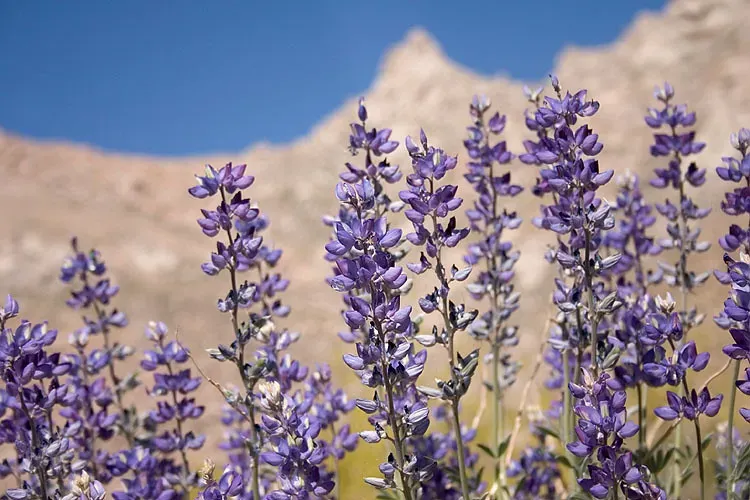
Blue and purple spikes of desert lupine stand out against the pale ground after heavy winter rains. The plant grows quickly once moisture reaches the roots and temperatures stay moderate. Its pea like flowers attract a range of pollinators during the brief season.
Without the right rainfall totals the seeds remain in the soil for years. The lupine often mixes with other wildflowers in superbloom events. The color fades as soon as the soil dries and heat builds again.
Globe Mallow
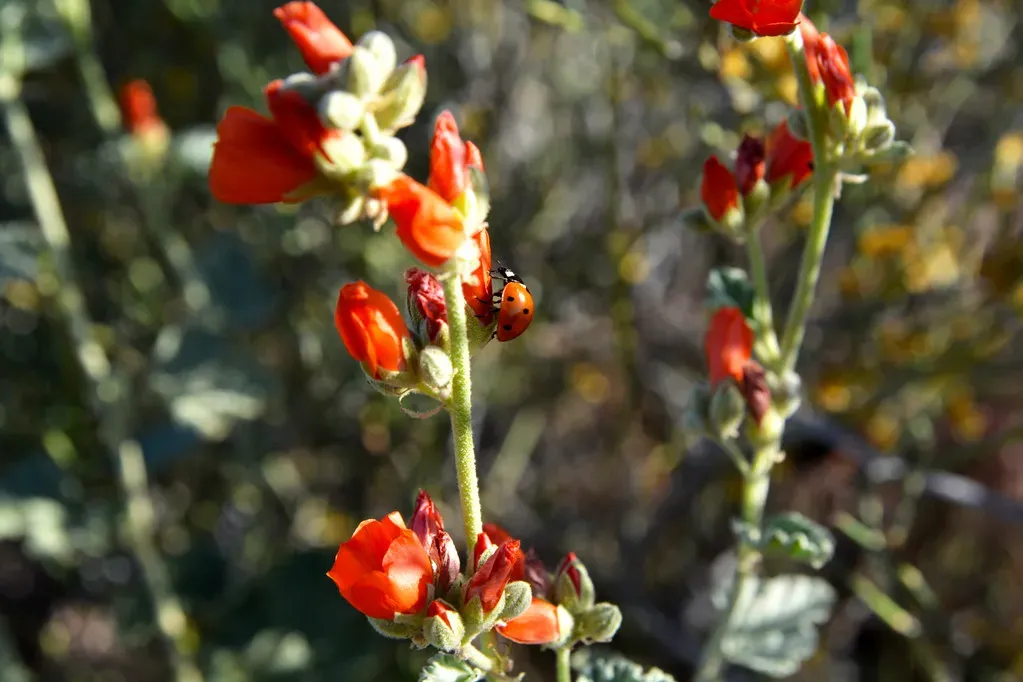
Orange cup shaped blooms cover the globe mallow when rains trigger its growth. The plant tolerates dry years but produces its best display after consistent winter moisture and mild spring weather. Its fuzzy leaves help it hold what little water it finds.
Scattered plants appear most seasons, yet full carpets form only under perfect conditions. The orange stands bright against the surrounding brown. Once the heat returns the flowers drop and the plant returns to its quiet state.
A Quiet Reminder of Fragile Timing
These flowers show how tightly life in the desert ties itself to rare weather patterns. Each one waits through long dry stretches for the exact combination that lets it complete its cycle. The result is beauty that feels earned rather than guaranteed.
Watching them appear reminds us that some of the most striking natural events depend on patience and precise balance. Protecting the places where they grow keeps those moments possible for years ahead. The desert keeps its own calendar, and these blooms mark the pages worth noticing.

- 10 Guardian Dog Breeds That Deter Mountain Lions in Colorado - July 23, 2026
- 10 Incredible Animal Migrations That Defy Explanation - July 23, 2026
- 10 Surprising Reasons Why Your Dog Suddenly Barks At Nothing - July 23, 2026