
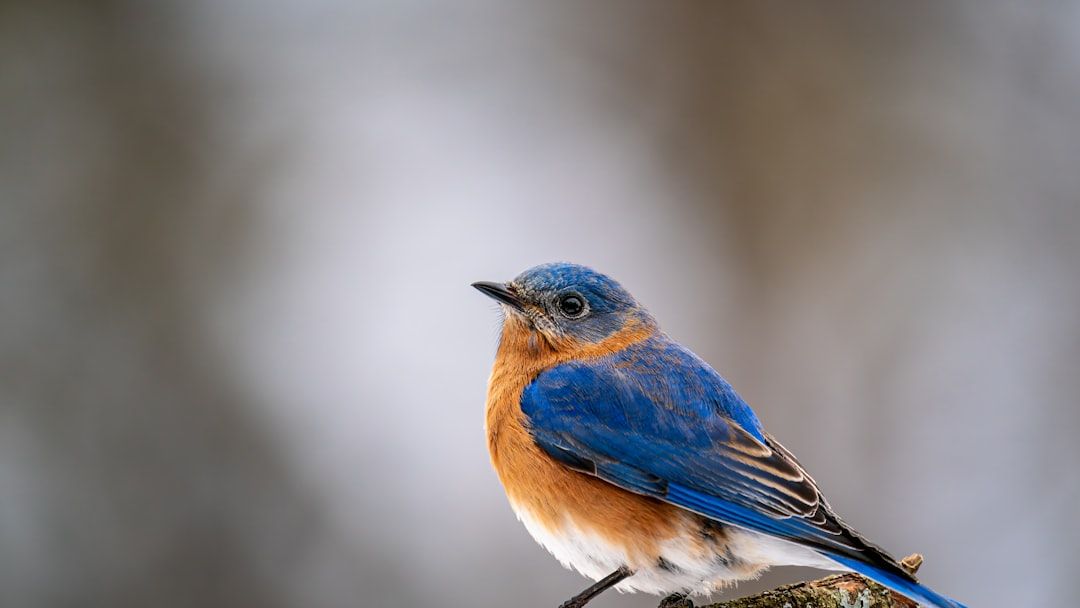
Bluebirds as Messengers of Joy
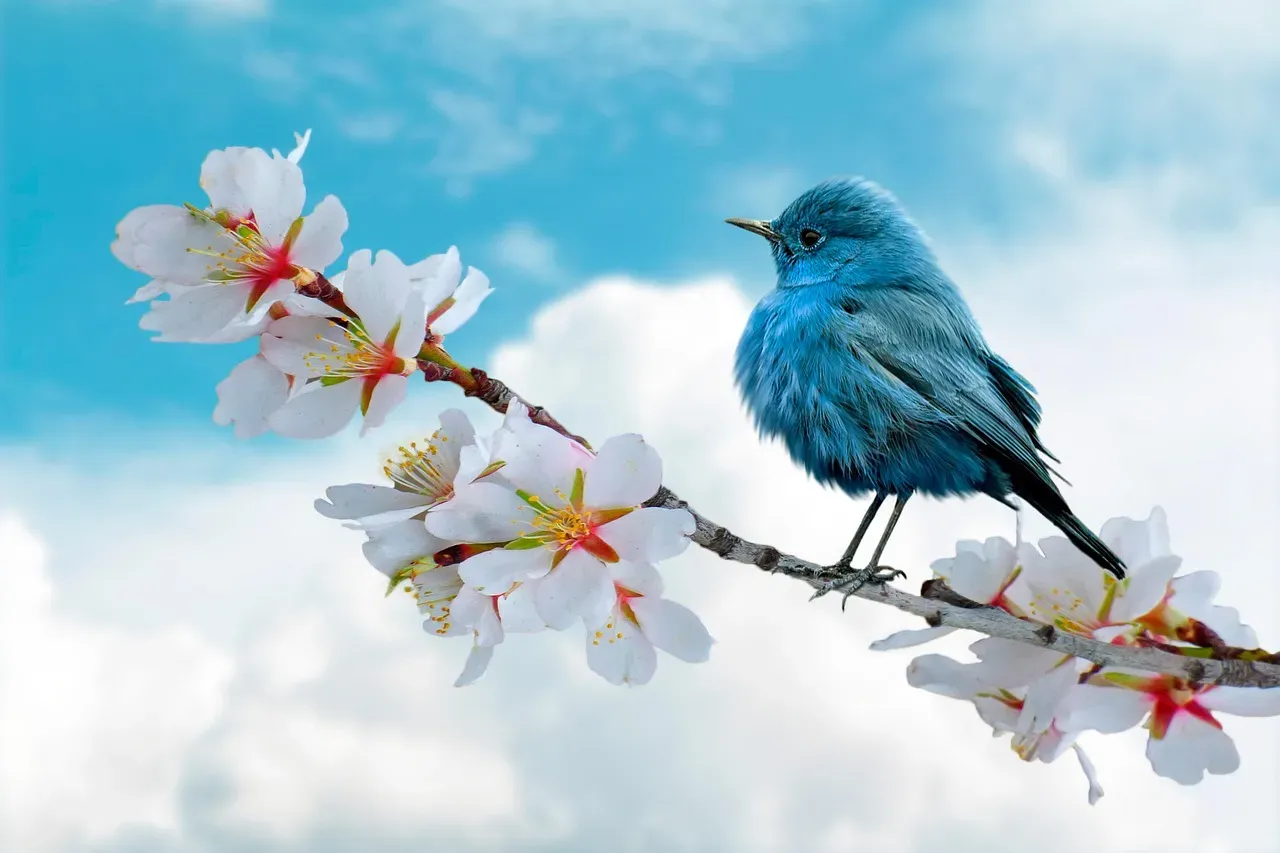
Bluebirds have long carried associations with happiness and renewal in many traditions. Their vivid color stands out against ordinary backdrops, which may explain why repeated sightings catch attention so readily. People often link them to lighter moods or fresh starts after difficult periods.
Spotting one consistently can feel like a gentle nudge toward optimism. The bird does not change its behavior based on human schedules, yet its presence aligns with moments when encouragement feels timely. This pattern invites a pause to consider what small sources of brightness already exist nearby.
Cultural Meanings Across the Globe
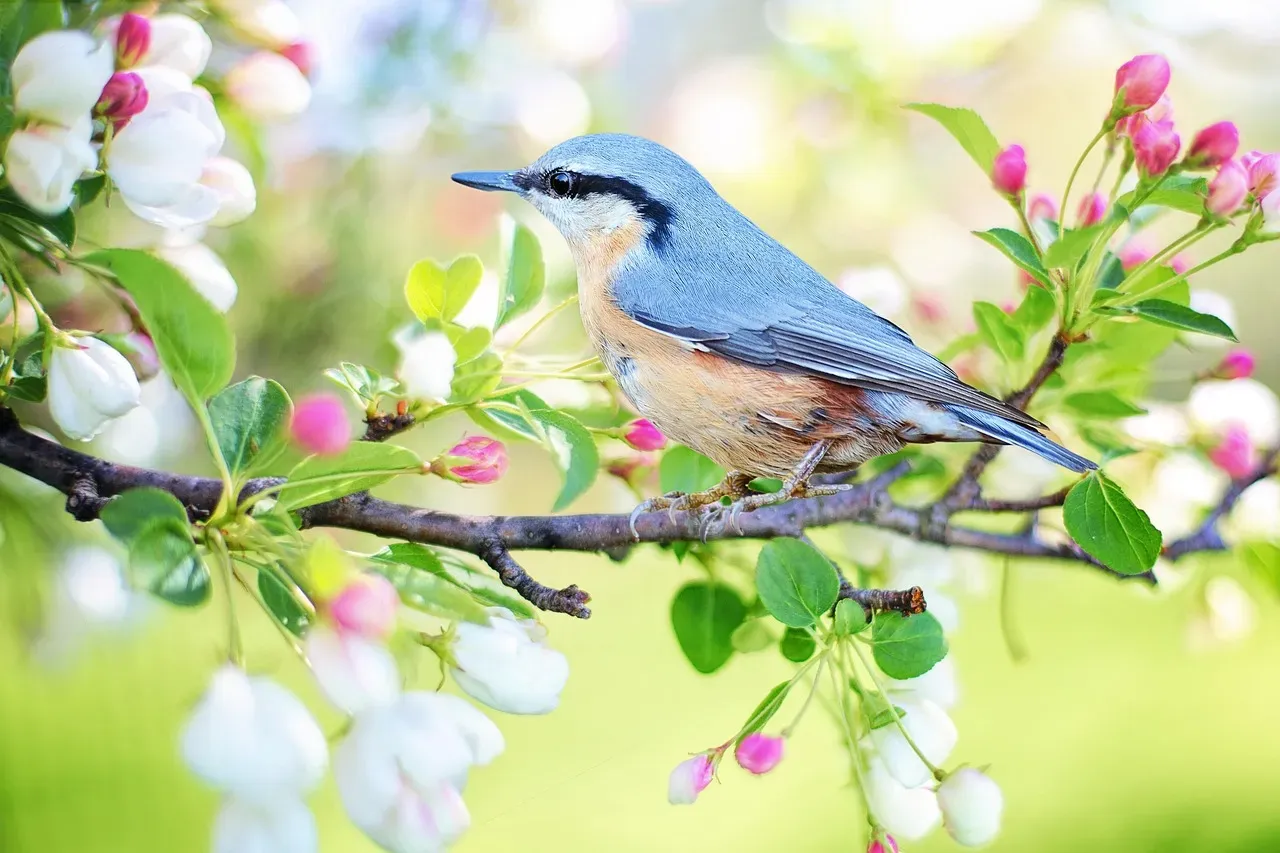
In Native American stories, bluebirds sometimes represent the arrival of spring and the promise of better days ahead. European folklore occasionally ties them to good fortune or protection during travel. These threads appear in different forms depending on the region and era.
Modern interpretations blend these older ideas with personal context. Someone raised near forests might connect the bird to childhood memories, while a city dweller could see it as a rare touch of nature. The shared element remains the sense of uplift that blue plumage tends to evoke.
The Role of Synchronicity in Daily Life
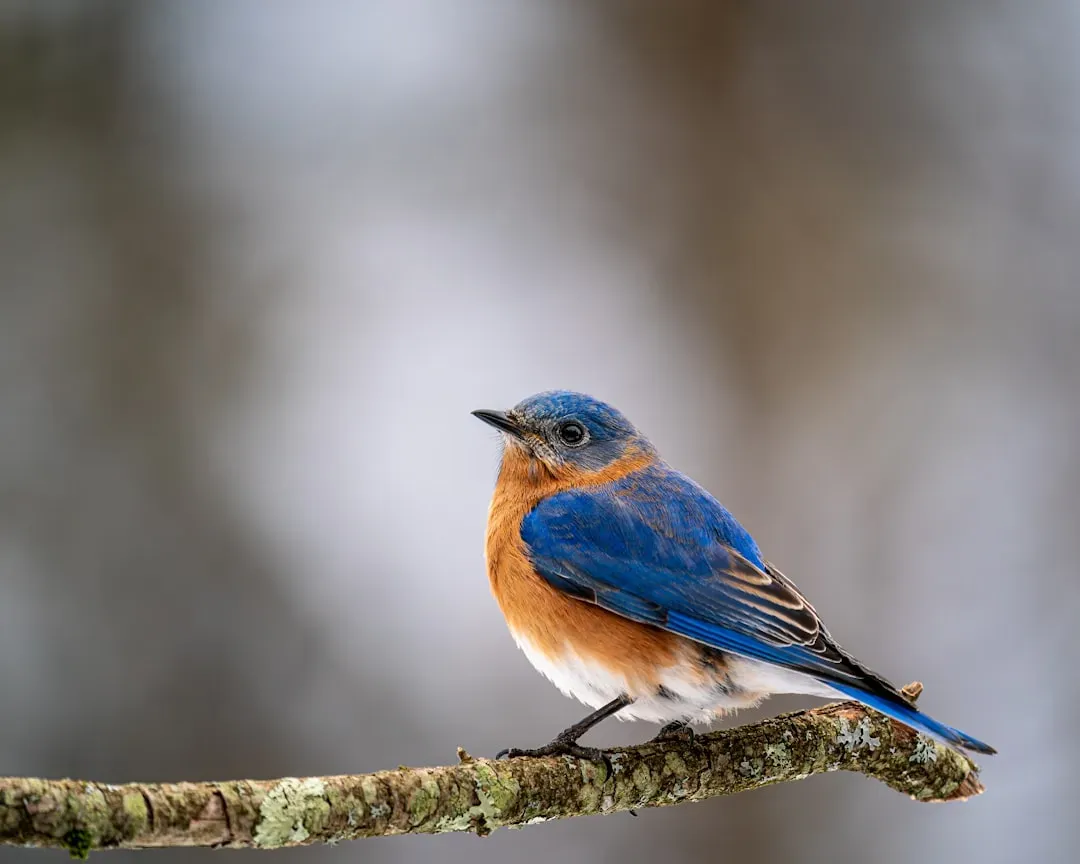
Repeated encounters with the same animal often get described as synchronicity, a term for meaningful coincidences. The bluebird shows up at intervals that feel too regular to ignore, prompting reflection on current circumstances. This awareness can sharpen focus on subtle shifts in mood or opportunity.
Psychologists note that once a pattern registers, the brain becomes more attuned to similar sightings. The bluebird was likely present before, yet only gains notice after the first clear observation. Either way, the experience encourages a slower pace and closer attention to surroundings.
How Color Influences Symbolism
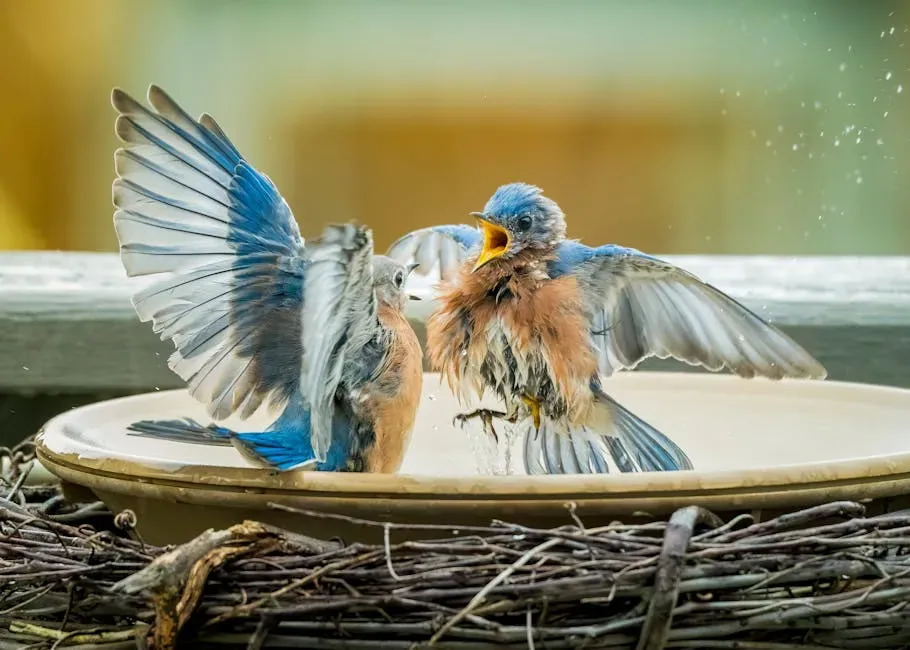
Blue carries connotations of calm, communication, and the open sky in many color traditions. When paired with a bird known for cheerful song, the combination amplifies ideas of hope and clear expression. The specific shade of the bluebird adds vibrancy that feels distinct from duller tones.
Repeated exposure to this color in living form can serve as a quiet reminder to seek balance. It contrasts with the gray routines of screens and concrete, offering a visual reset during ordinary moments. Over time, the association strengthens through simple familiarity.
Scientific Views on Animal Encounters
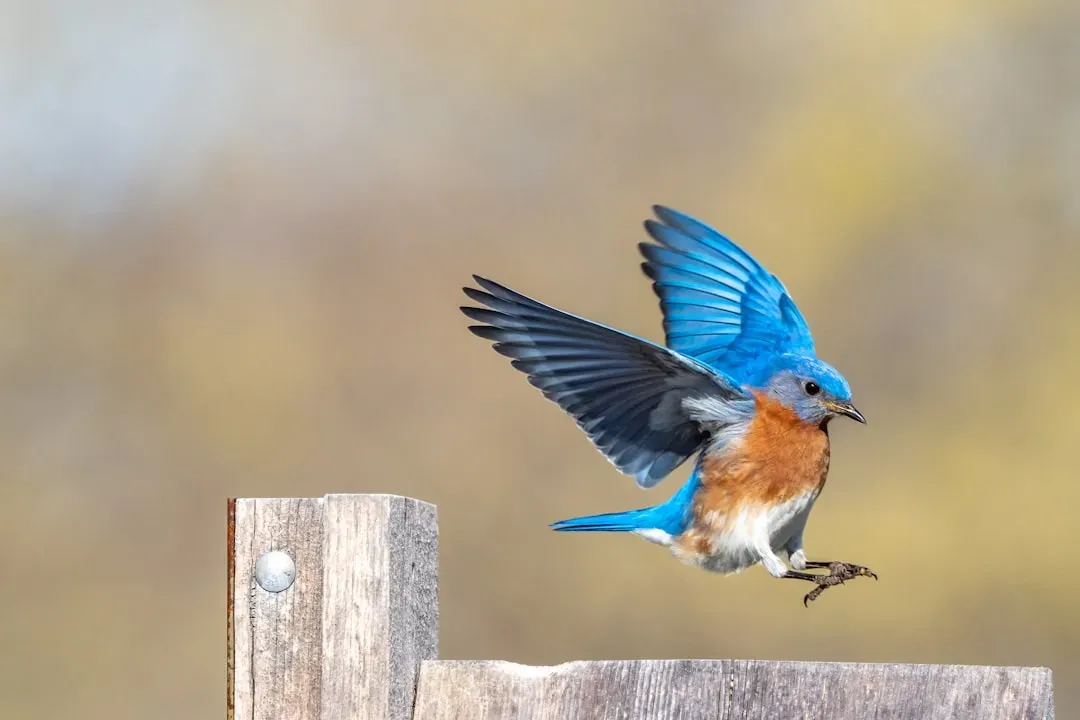
From a biological standpoint, bluebirds favor certain habitats and feeding patterns that may overlap with human activity. Their visibility increases in spring and summer when nesting occurs near yards and parks. Consistent sightings often trace back to these predictable behaviors rather than any directed message.
Still, the emotional response remains real even when explained by ecology. Noticing the bird can reduce stress through brief connection with the natural world. Research on attention restoration supports the idea that such moments provide measurable mental refreshment.
Personal Experiences and Interpretations
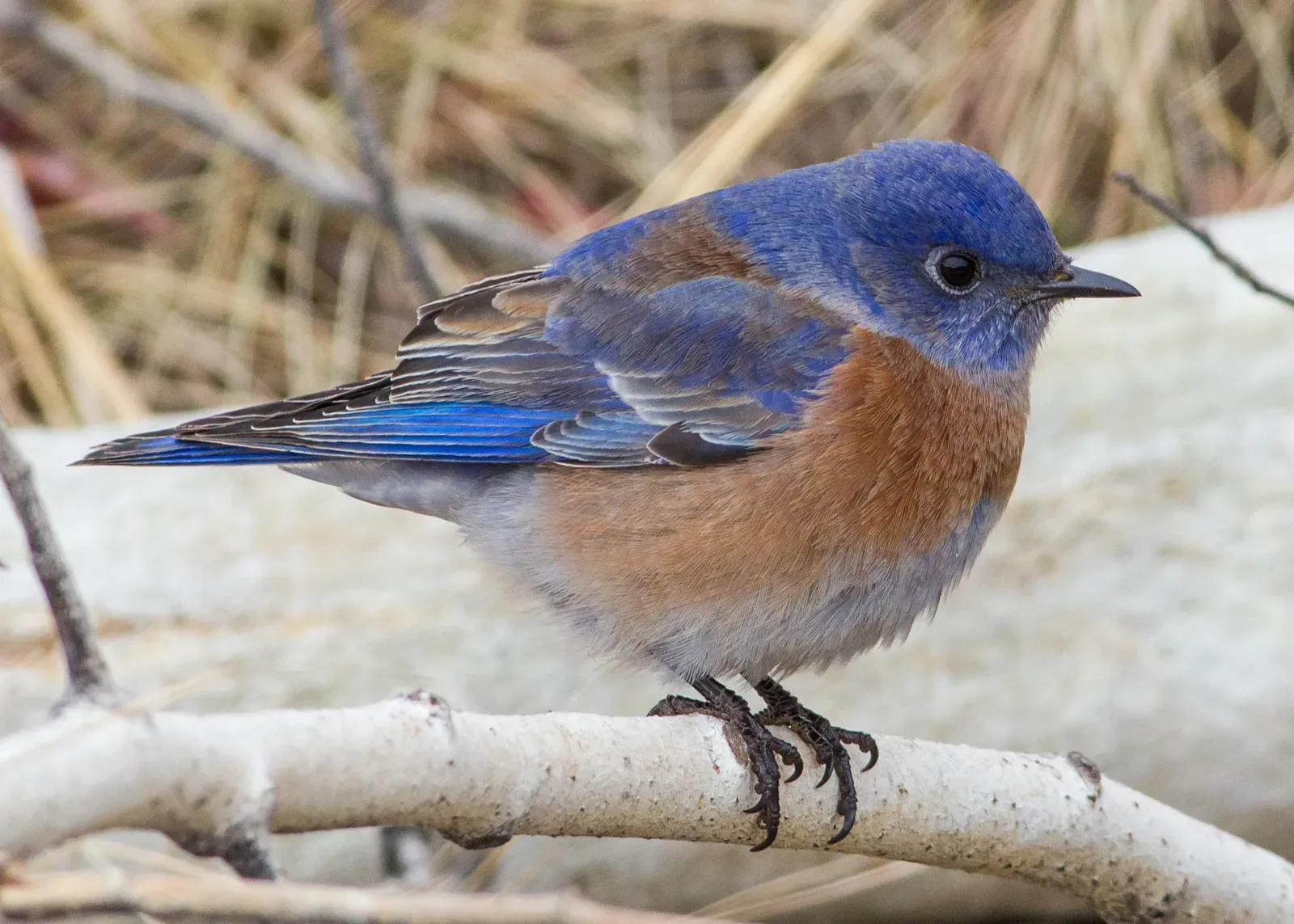
Individuals report different reactions depending on their current life stage. One person might view the bluebird as a sign to pursue a creative project, while another links it to healing after loss. These meanings arise from internal associations rather than universal rules.
Journaling the times and feelings surrounding each sighting can reveal personal patterns. The exercise turns passive observation into active reflection without requiring external validation. Over weeks, the notes often highlight themes that were already present but unexamined.
Finding Your Own Meaning
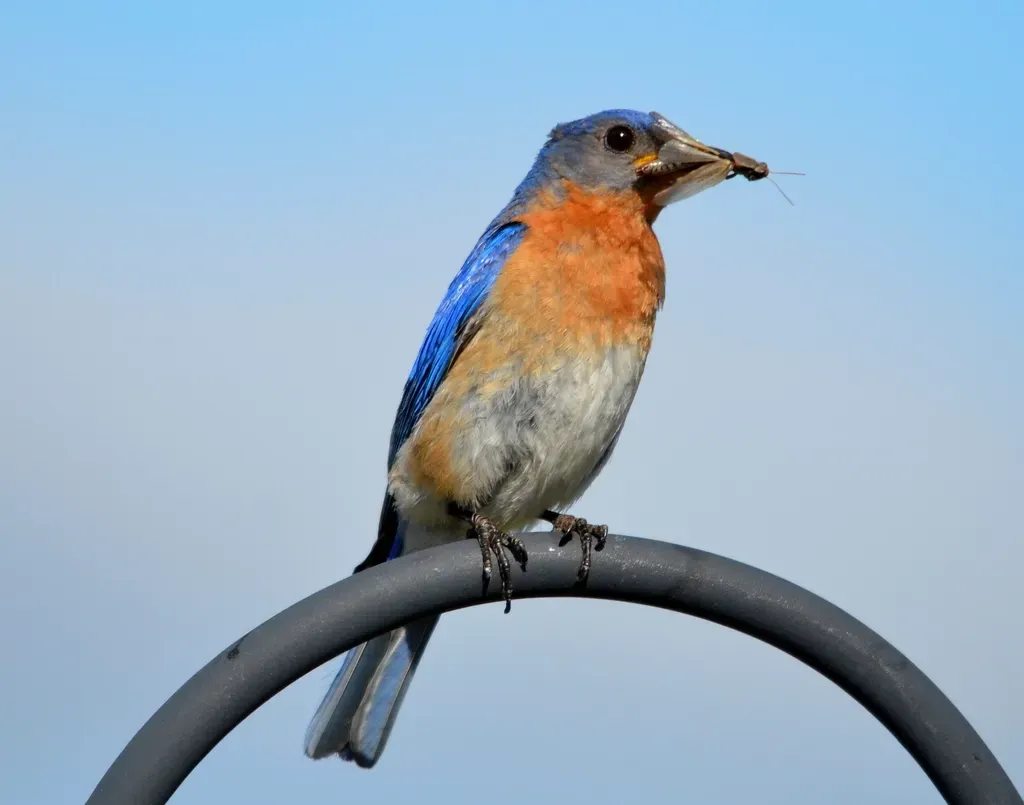
Ultimately the bluebird carries whatever significance feels authentic in the moment. Treating the sightings as invitations rather than commands keeps the experience light and useful. The bird continues its routine regardless of human interpretation.
Paying attention this way builds a habit of noticing small wonders amid daily demands. Whether the encounters fade or continue, the practice of pausing to observe can linger as a steady source of perspective. In that sense, the bluebird offers companionship through simple presence.

- This Unseen Force Guides Millions of Birds During Migration - July 25, 2026
- 5 Ways Urban Green Spaces Are Becoming Sanctuaries for Diverse Wildlife - July 25, 2026
- 9 Surprising Facts About Ladybugs - July 25, 2026