
Bright Red and Orange Blooms
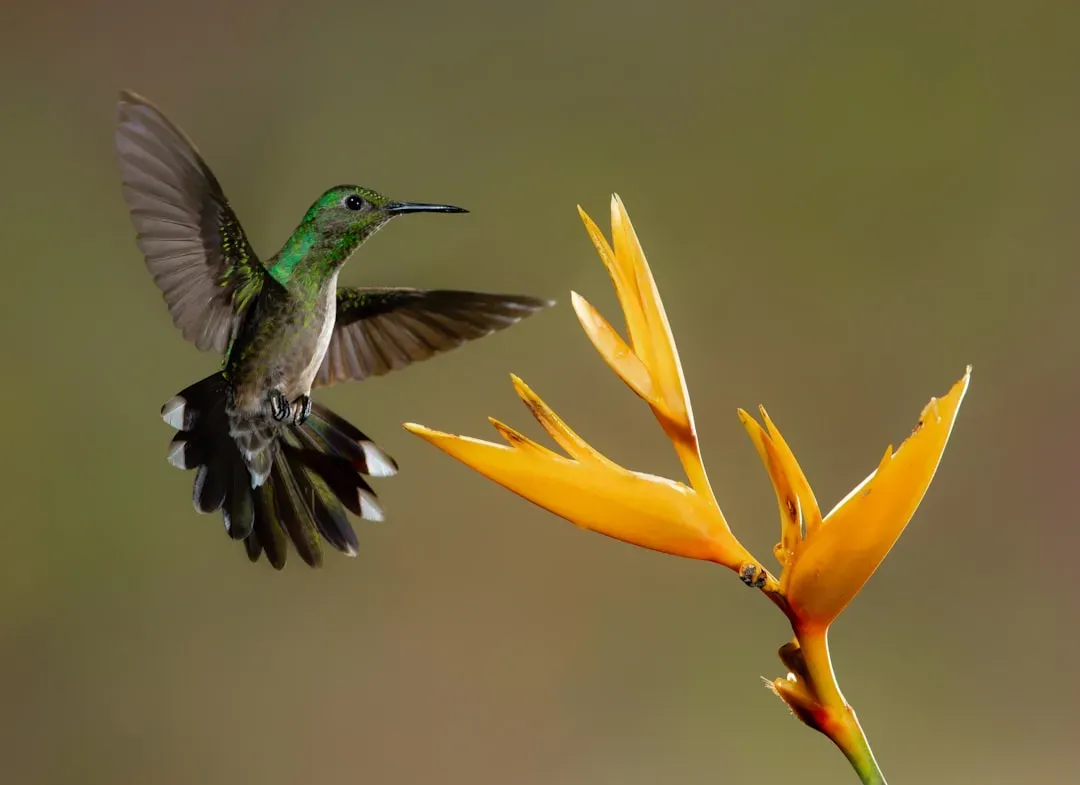
Hummingbirds rely heavily on sight when hunting for food. Red and orange flowers stand out against green foliage and signal a potential nectar source from a distance. Yards with these colors scattered throughout tend to draw more attention than those relying on subtler shades.
Even a single well-placed cluster can make a difference during migration. The birds learn quickly which patches deliver consistent rewards and adjust their routes accordingly. Over time this preference shapes which gardens become regular destinations.
Tubular Flower Shapes
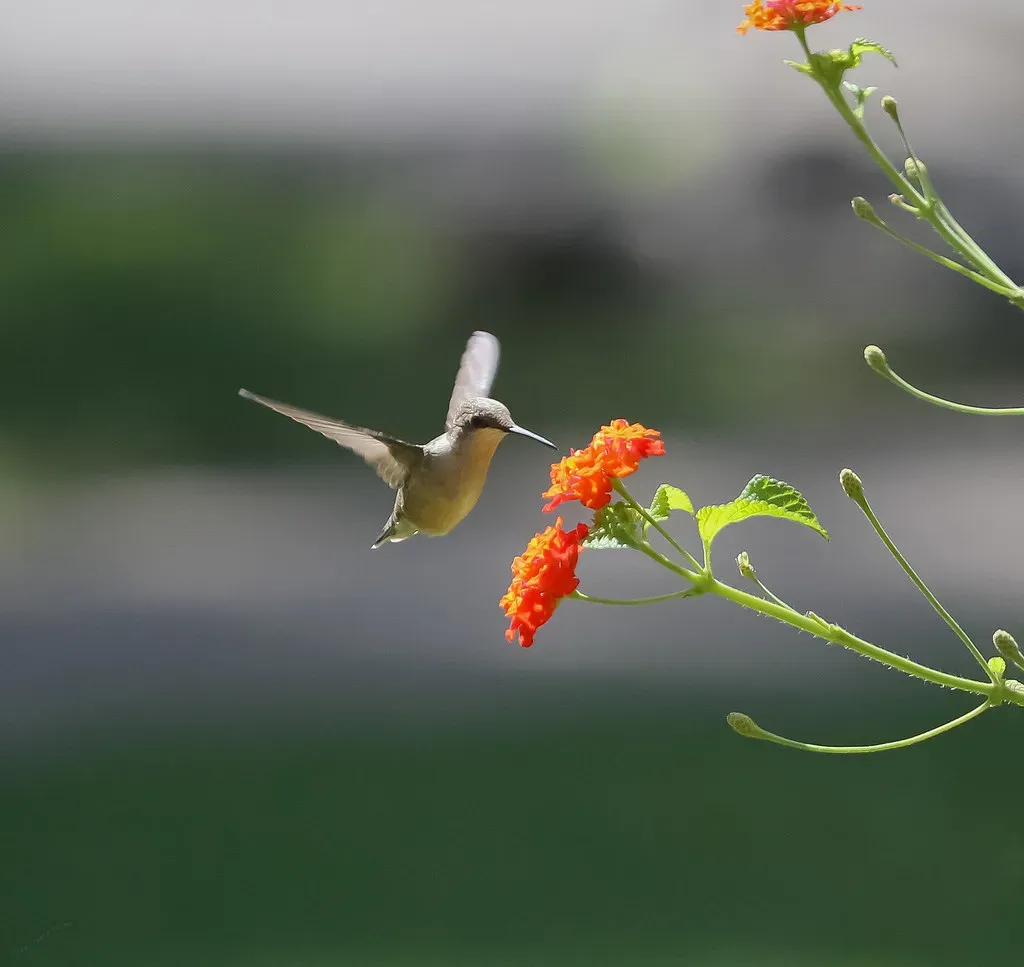
Long, narrow blooms match the shape of a hummingbird bill perfectly. These flowers hold nectar deep inside where other pollinators struggle to reach it. The birds can hover and extract the sweet liquid with minimal wasted energy.
Shorter or open-faced blossoms offer less payoff for the effort. Gardens filled with tubular varieties keep the visitors coming back because each stop feels worthwhile. This structural match turns casual flybys into repeated visits.
Native Plant Varieties
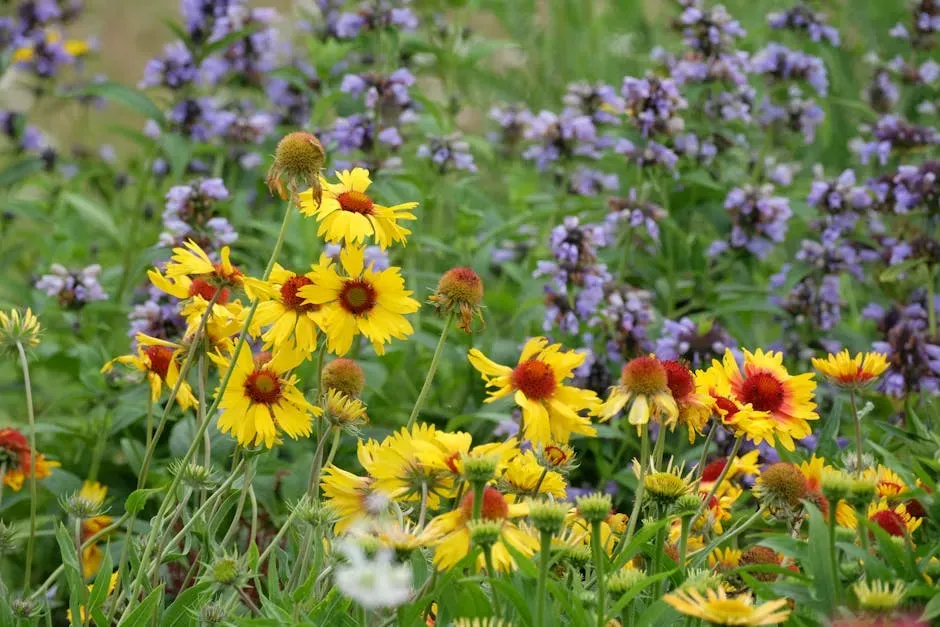
Plants that evolved locally often produce more nectar and bloom at the right times for local hummingbird populations. They also support the insects these birds need for protein. Non-native hybrids sometimes look appealing but deliver thinner rewards.
Native species tend to thrive with less fuss once established. That reliability matters when a bird is mapping out dependable stops along its route. Yards that lean on natives create a more stable food web overall.
Clustered Flower Displays
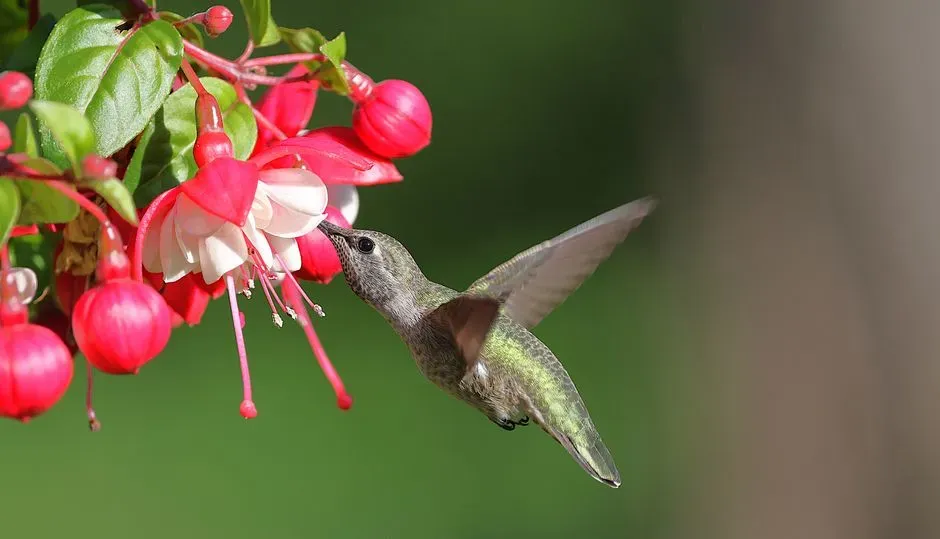
Grouping similar blooms together makes the nectar source easier to spot from the air. A single isolated flower can get overlooked amid other garden features. Dense patches act like neon signs for passing birds.
This arrangement also lets a hummingbird feed efficiently without flying far between sips. The time saved adds up during busy feeding periods. Clustered plantings reward the birds with quicker meals and encourage longer stays in the yard.
Year-Round Nectar Sources
Succession planting ensures something is blooming from spring through fall. Early arrivals and late migrants both benefit from this steady supply. Gaps in bloom times send birds searching elsewhere.
Thoughtful gardeners mix early, mid, and late season varieties to bridge those gaps. The result feels like a reliable buffet rather than a hit-or-miss situation. Consistent availability builds trust with the birds over multiple seasons.
Well-Maintained Feeders
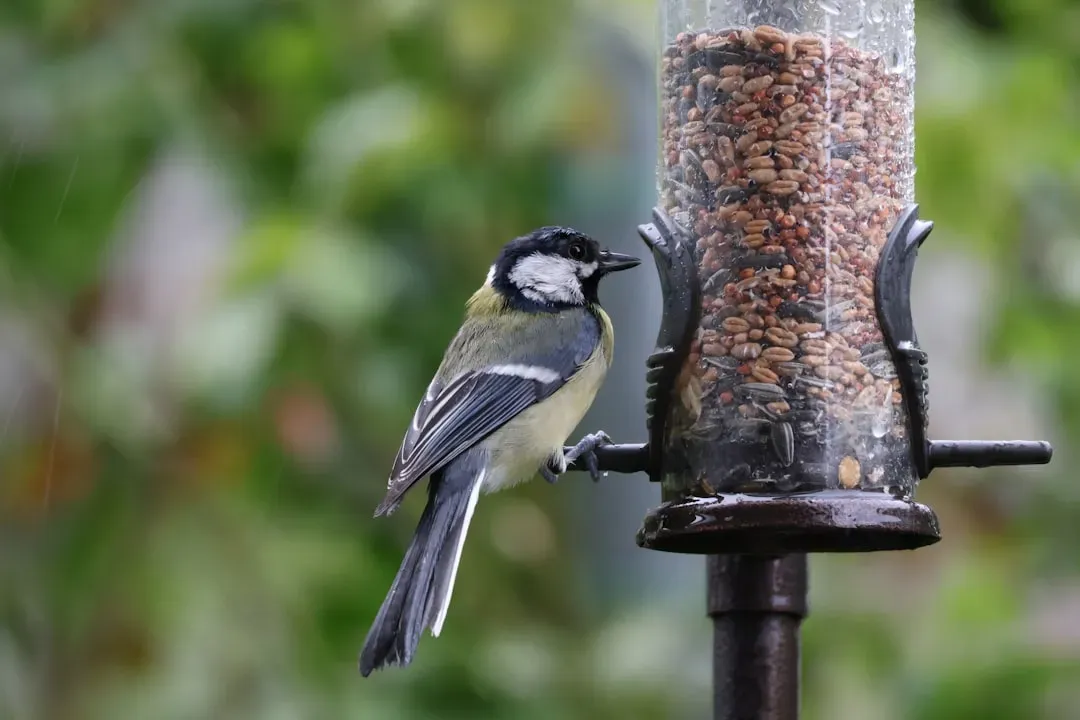
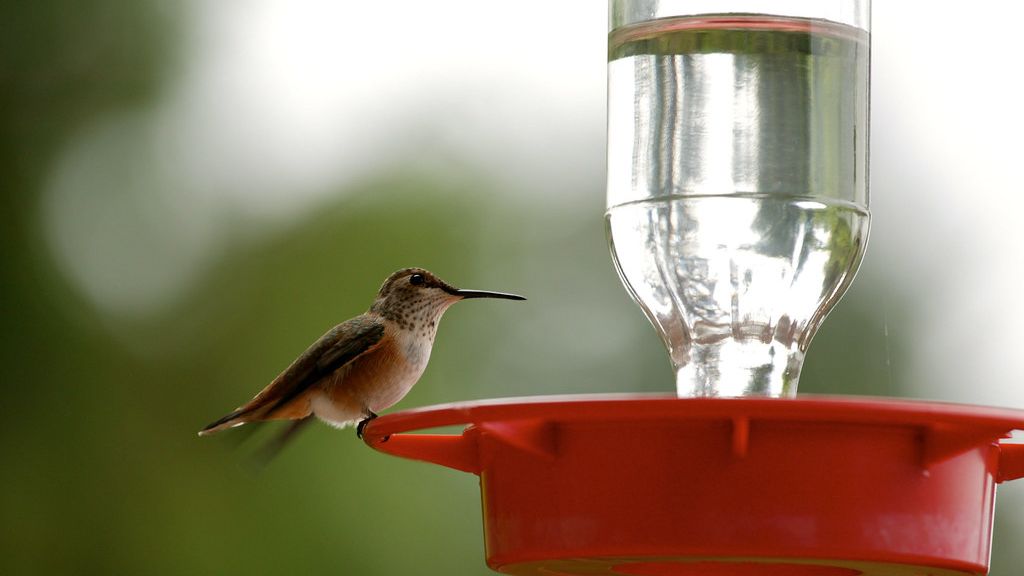
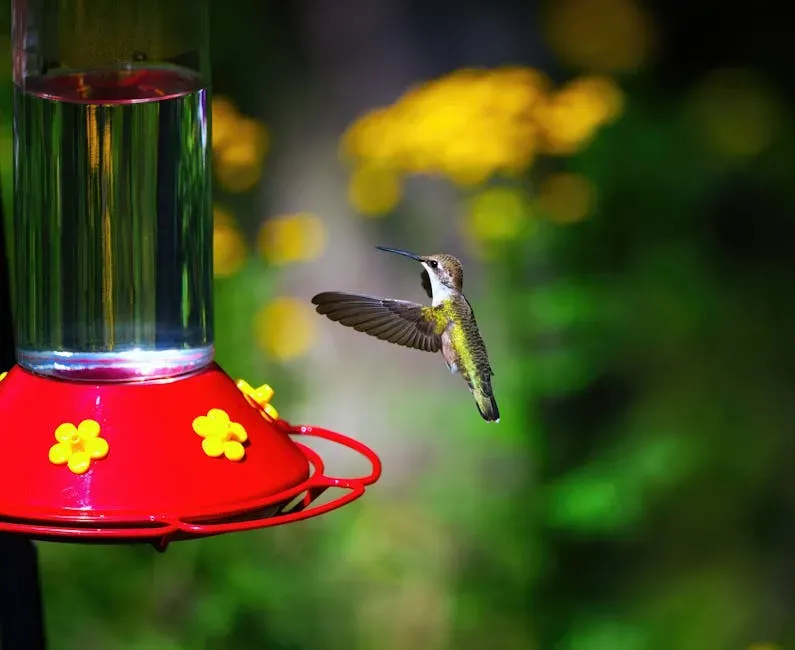
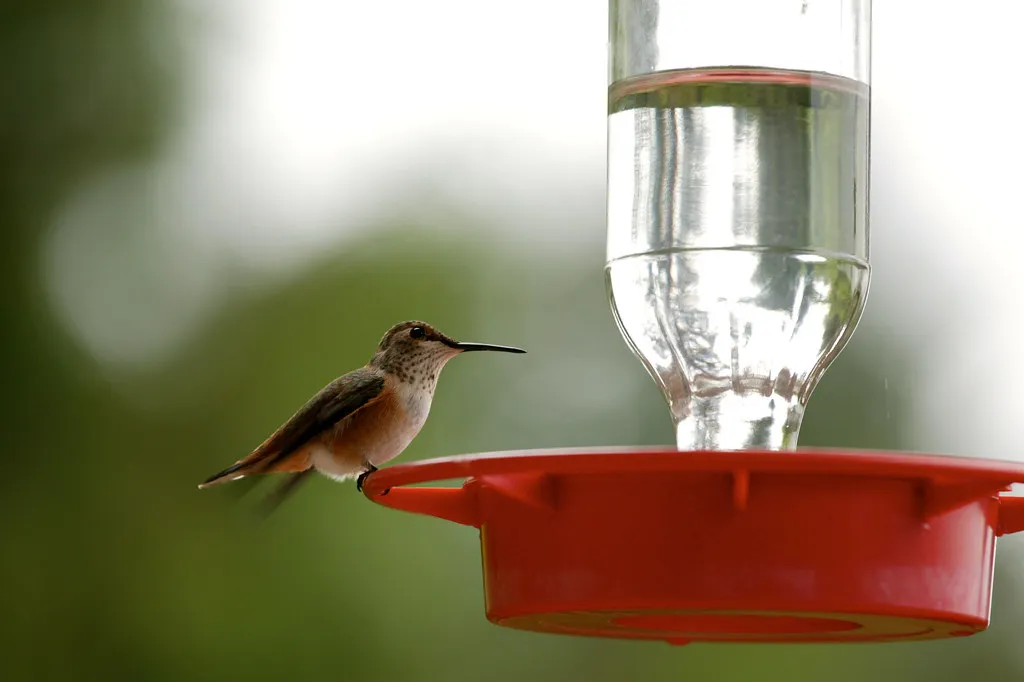
Feeders filled with fresh sugar water and cleaned regularly become trusted supplements. Stale nectar or moldy parts quickly lose their appeal. Birds notice the difference and skip feeders that seem risky.
Placement matters too. Feeders hung near flowers and away from heavy foot traffic feel safer. Clean, accessible options extend the yard appeal beyond what plants alone can provide.
Nearby Perching Spots
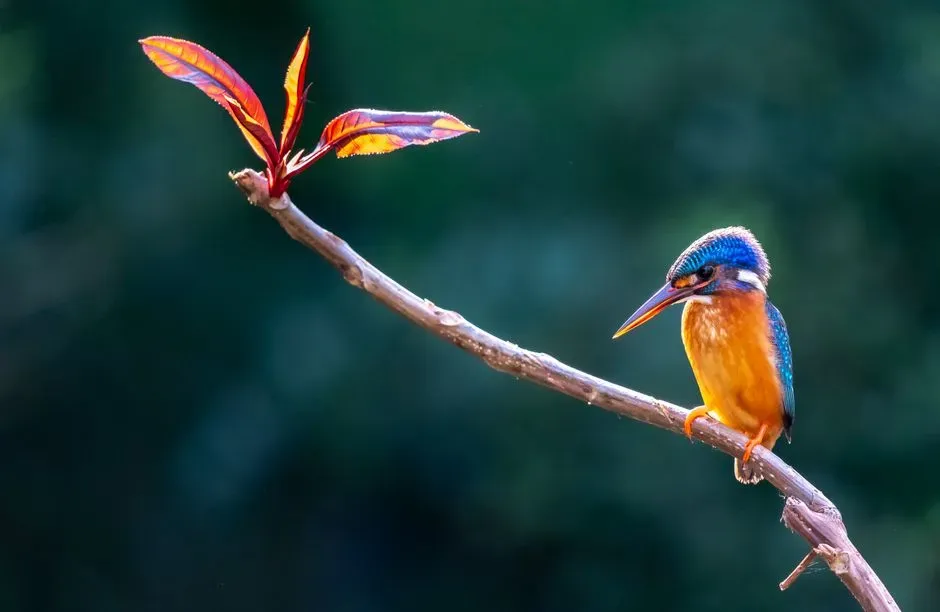
Small branches or twigs close to feeding areas let the birds rest between bouts of hovering. Constant flight burns enormous energy. Convenient perches turn a quick drink into a longer visit.
Dead twigs or carefully placed stakes work just as well as living branches. The key is proximity. When perches sit within a few feet of nectar sources, the yard becomes more efficient for the birds.
Gentle Water Features
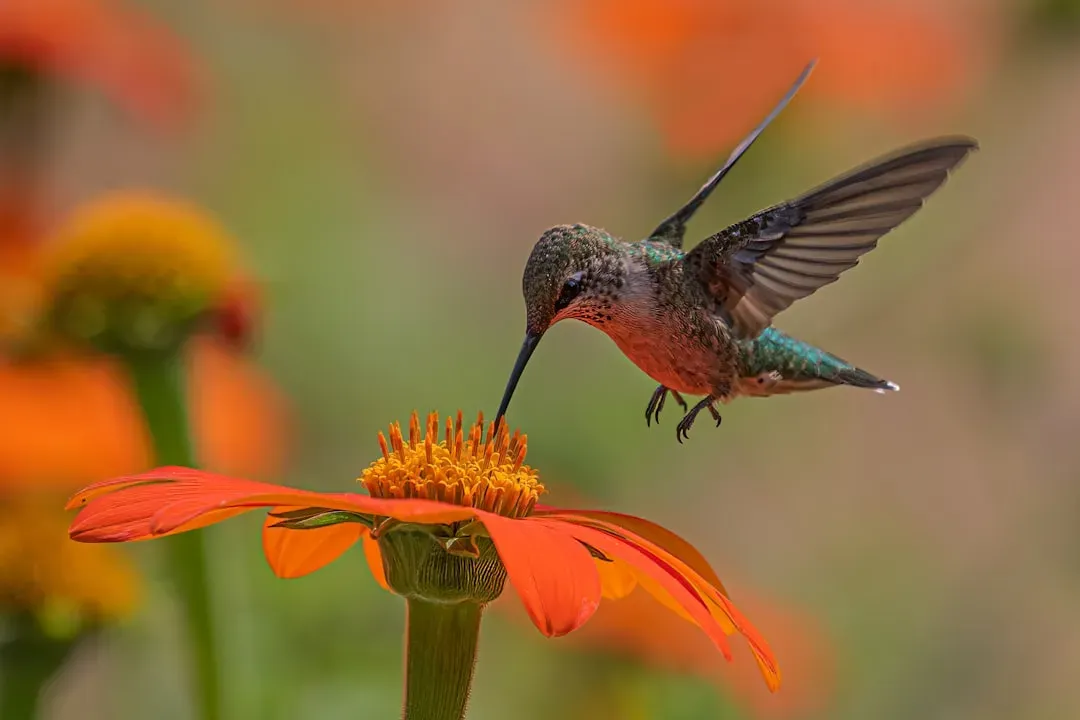
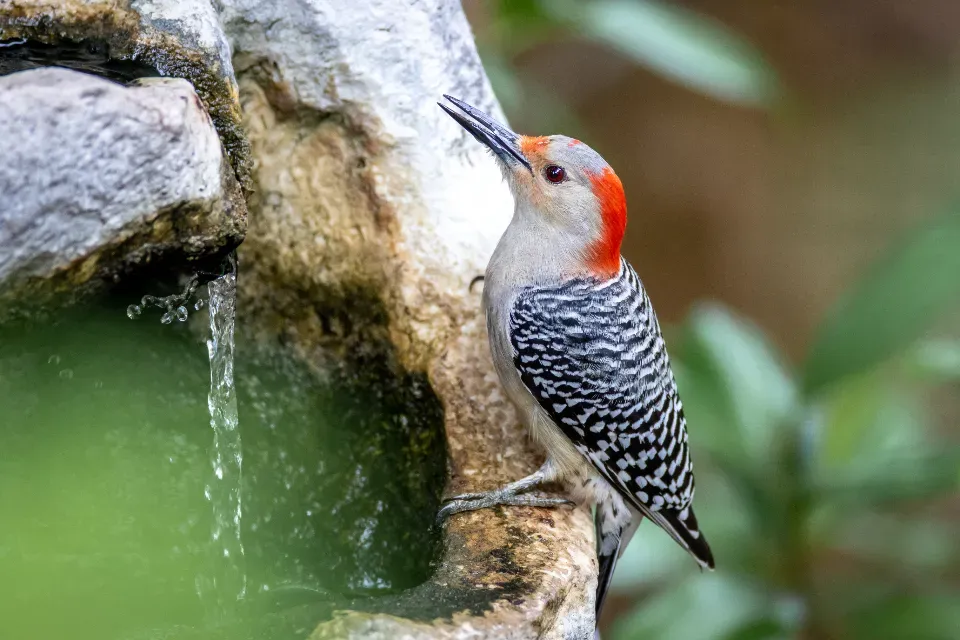
A fine mist or slow drip provides drinking and bathing opportunities without overwhelming the tiny birds. Traditional birdbaths often prove too deep or still. Moving water catches their eye and meets their needs better.
Even a simple mister attached to a hose can create the right conditions. The sound and sparkle draw attention during hot afternoons. Yards offering easy water access see more frequent returns.
Abundant Small Insects
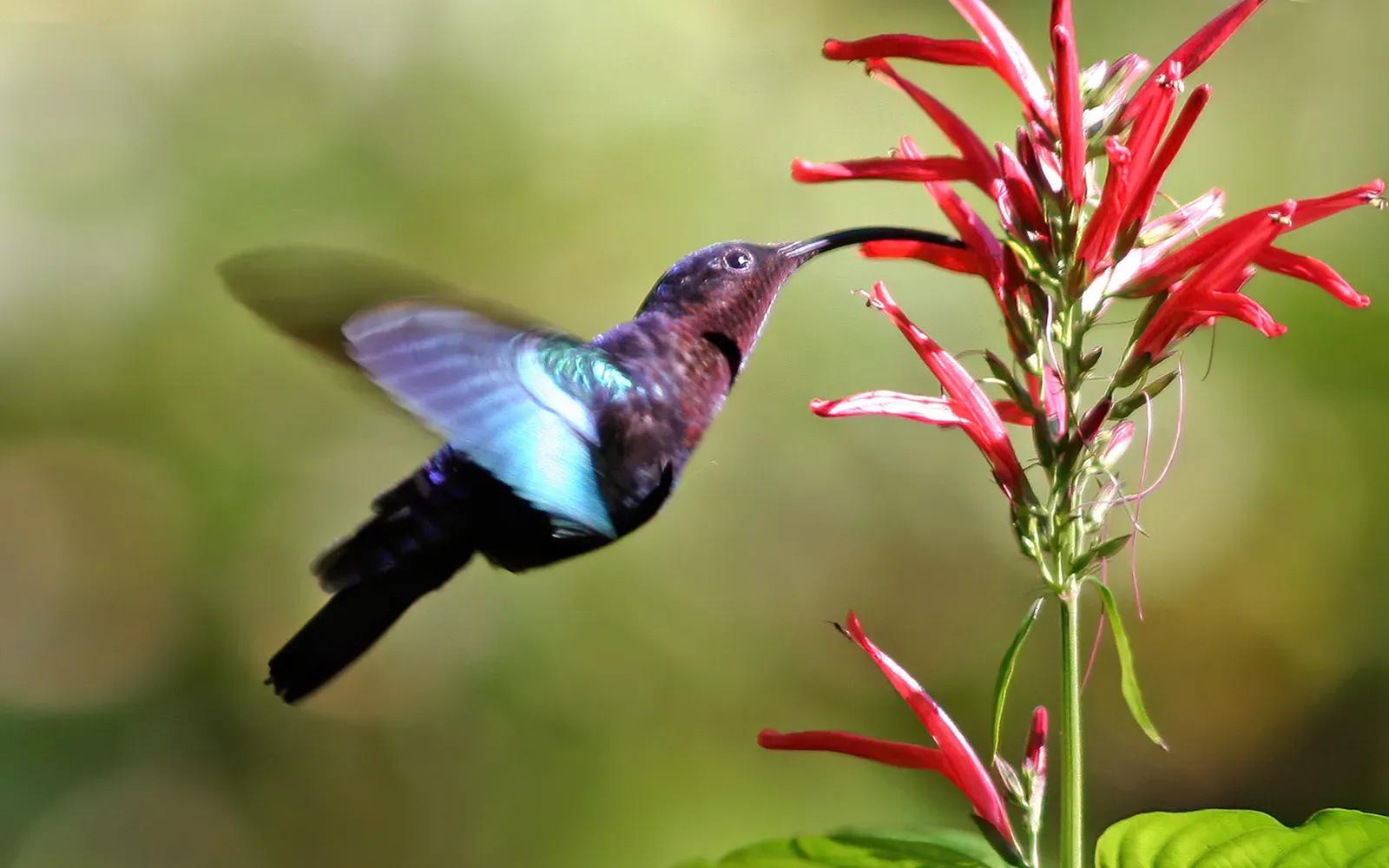
Hummingbirds need protein alongside nectar. Yards with healthy insect populations supply that balance naturally. Pesticide use reduces this food source and makes the space less attractive overall.
Native plants tend to host more of the right insects without extra effort. The presence of gnats, aphids, and other tiny prey signals a complete habitat. Birds factor this into their scouting decisions.
Dense Shrubbery for Cover
Thick shrubs and layered greenery offer protection from wind, rain, and predators. Open lawns leave the birds exposed during vulnerable moments. Cover nearby feeding zones creates a sense of security.
Evergreen options provide year-round shelter in many regions. The birds learn which yards feel safe enough for repeated stops. Dense planting turns an otherwise exposed space into a more inviting refuge.
Pesticide-Free Environment
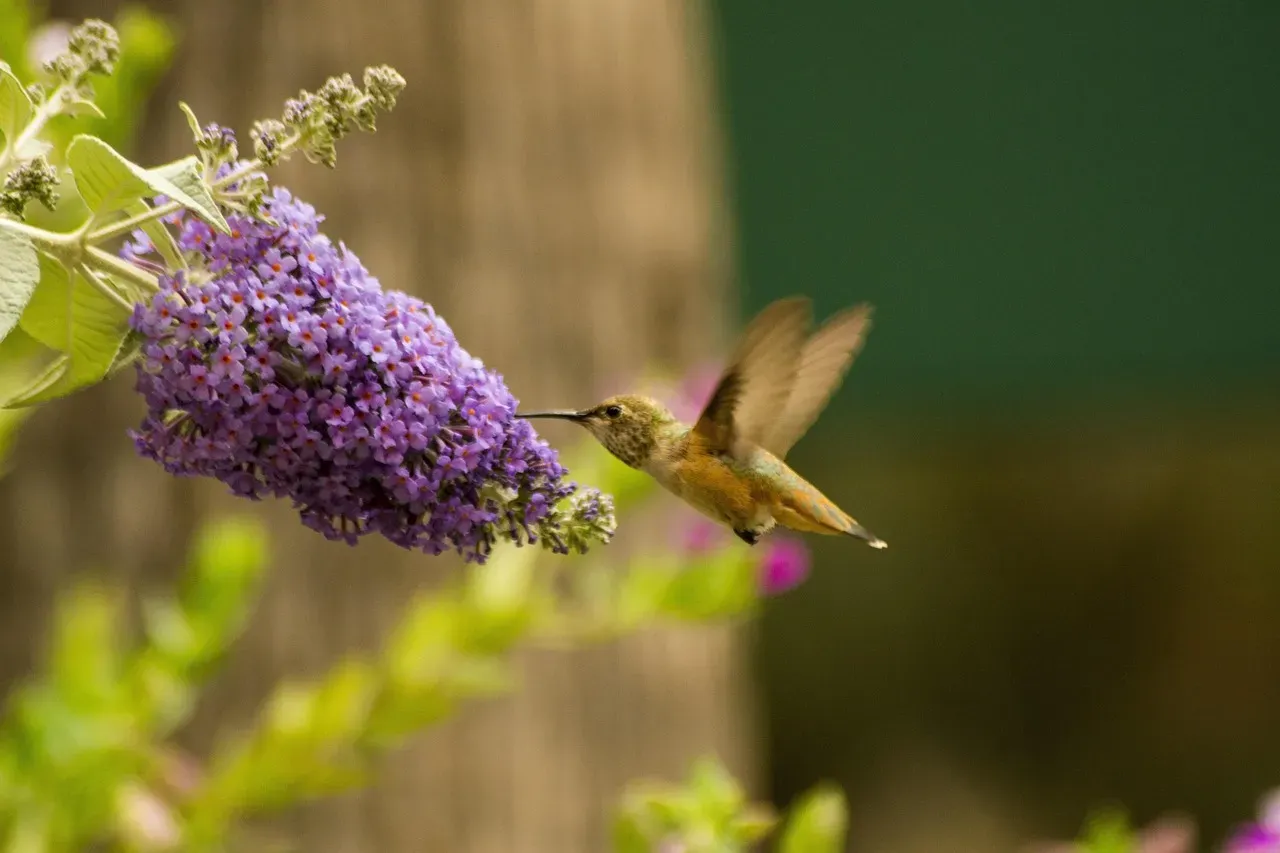
Chemical treatments can harm both the birds and their insect prey. Yards kept free of unnecessary sprays support a healthier ecosystem overall. The absence of toxins becomes noticeable through sustained bird activity.
Many gardeners find that natural pest control methods work well enough once the habitat balances out. This approach keeps the yard appealing without hidden costs to wildlife. Clean environments build long-term loyalty from the birds.
Layered Garden Heights
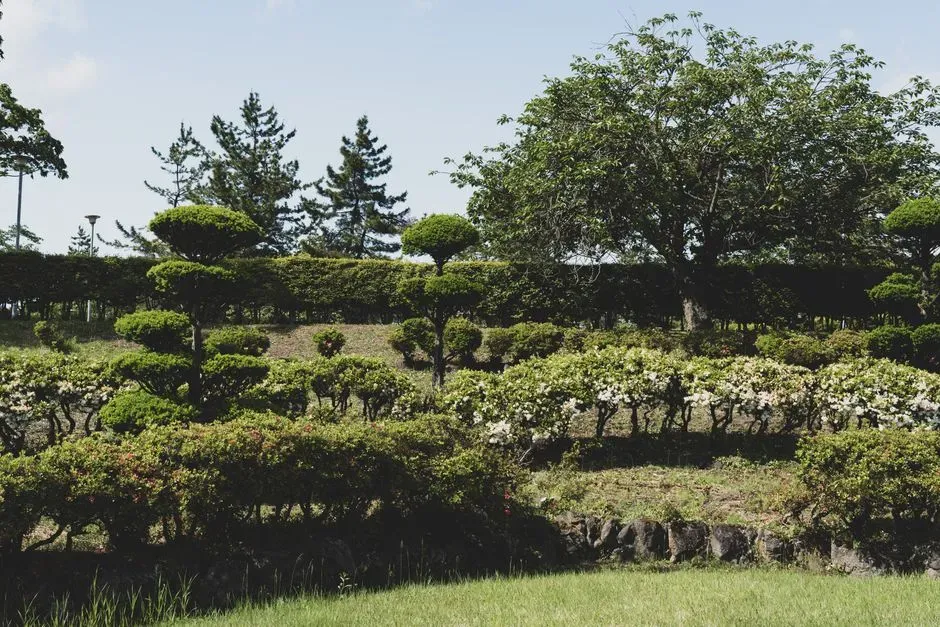
Combining ground covers, mid-height shrubs, and taller trees creates varied perching and nesting options. Flat, single-layer landscapes offer fewer advantages. Vertical diversity matches the birds natural use of space.
Different heights also support a wider range of blooming plants. The resulting complexity makes the yard feel richer and more useful. Birds respond by incorporating it into their daily patterns.
Conclusion
Putting these elements together does more than attract a few quick visits. It creates a small pocket of habitat that supports these remarkable migrants through challenging journeys. The payoff shows up in regular sightings and the quiet satisfaction of watching the yard come alive.
Small consistent choices often matter more than grand gestures. Over time the birds reward that attention with their presence. A yard that meets their standards becomes part of something larger than any single season.

- 10 Incredible Bull Breeds in The USA - July 25, 2026
- Prairie Dogs Have a Complex Language That Rivals Human Communication - July 25, 2026
- Top 5 Most Astonishing Places To Visit in Our Solar System - July 25, 2026