
Your backyard probably feels like your own little corner of the world. Yet plenty of creatures spend their days noting every move you make, from the way you water the garden to the times you step outside with a cup of coffee. These animals do not announce themselves. They simply observe, and their attention often goes unnoticed.
Some rely on sharp senses honed over generations. Others have learned through experience that humans bring both opportunity and risk. The result is a quiet surveillance that shapes how they live right alongside us.
Eastern Gray Squirrels
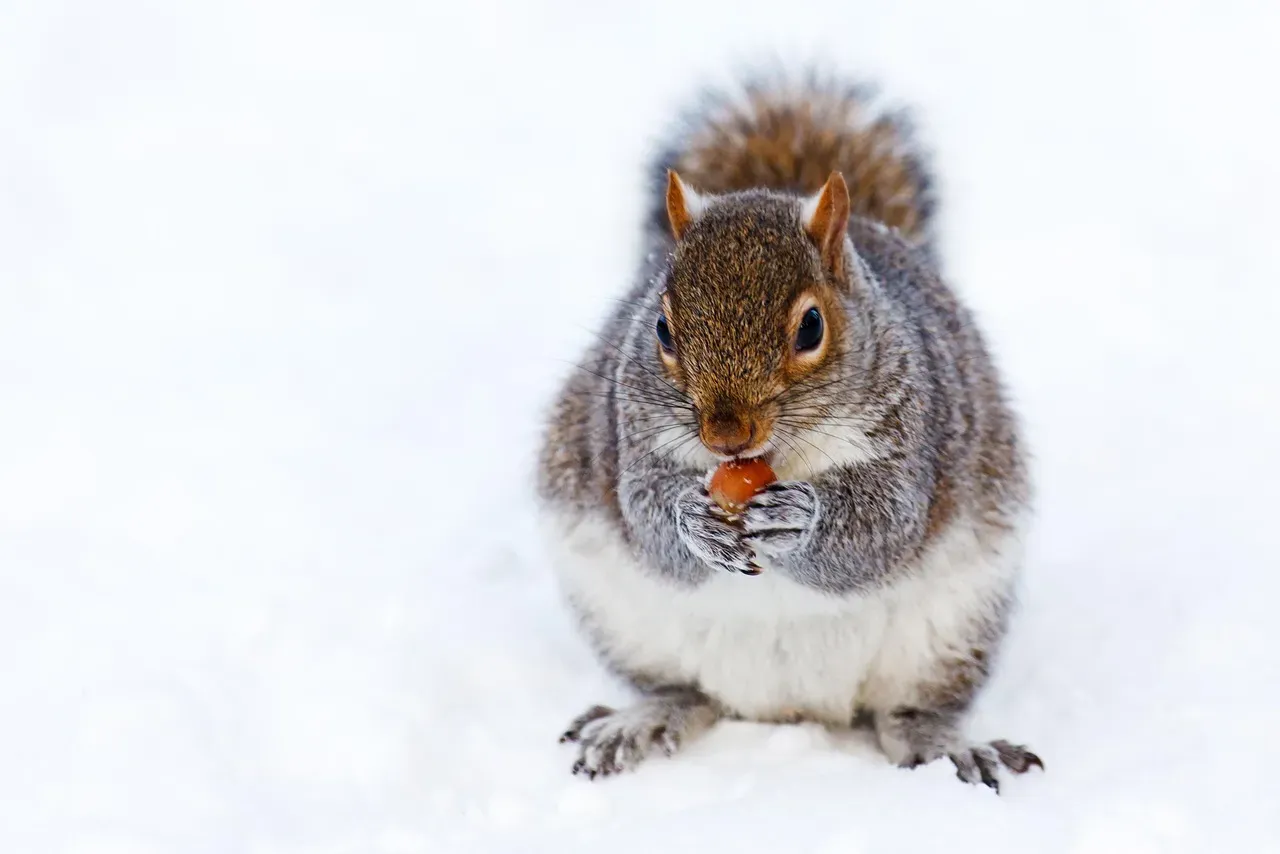
Eastern gray squirrels spend a surprising amount of time perched on branches or fence posts, tracking human routines. They notice when people leave food scraps or refill bird feeders, and they adjust their foraging schedules accordingly. Their eyesight allows them to spot small movements from a distance, helping them decide whether to approach or stay hidden.
Over time these squirrels build mental maps of safe zones around homes. They remember which yards have dogs that bark and which ones offer quiet afternoons. This constant monitoring keeps them one step ahead of potential threats while they gather nuts and seeds.
American Crows
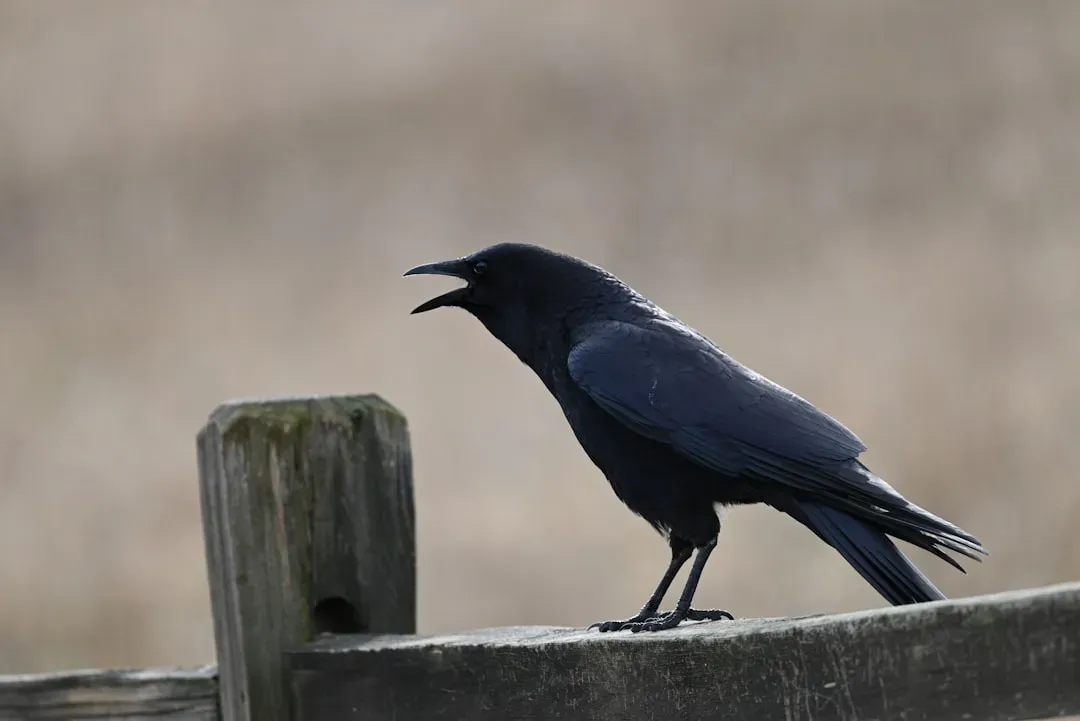
American crows are famous for their intelligence, and part of that comes from watching people closely. They observe daily patterns such as when trash bins are put out or when children play in yards. Crows even recognize individual faces and pass that information along to others in their group.
Their vantage points on rooftops and power lines give them a clear view of human activity below. This habit of quiet observation helps them locate food sources and avoid areas that suddenly become busy or noisy. It also explains why some neighborhoods see the same crow families year after year.
Northern Raccoons
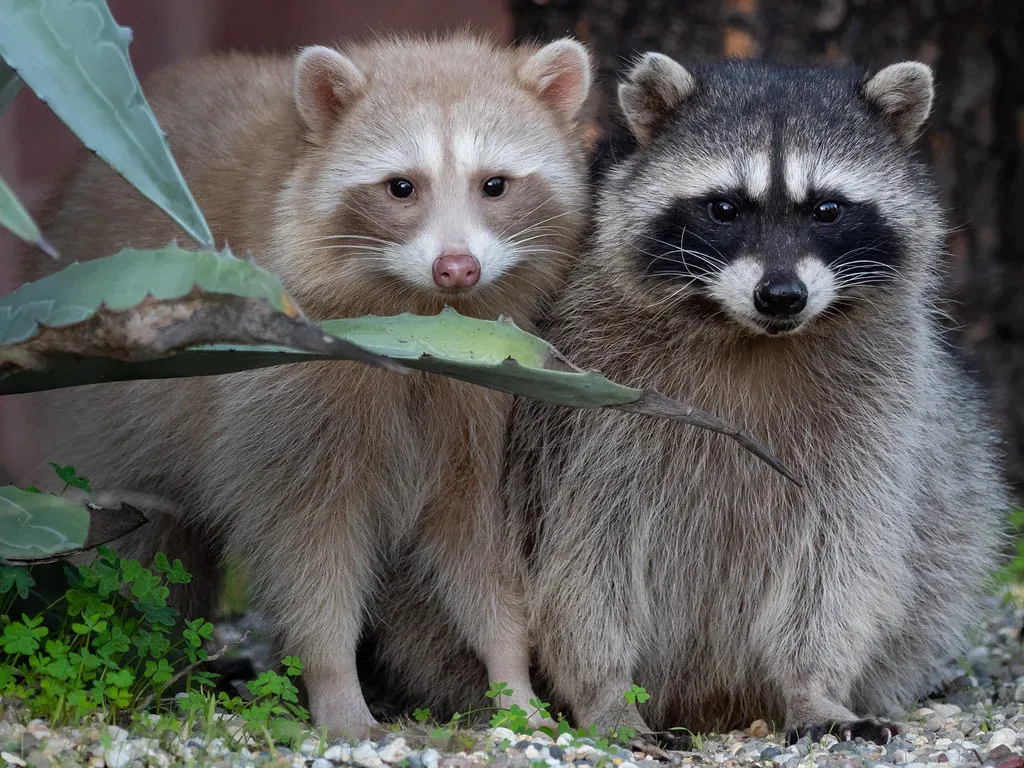
Northern raccoons often linger at the edges of yards at dusk, studying the layout of decks, trash cans, and pet doors. Their dexterous paws and keen night vision let them gather details about human habits without drawing attention. They quickly learn which homes leave unsecured food and which ones stay locked down.
Raccoons treat backyards like puzzle boards. They note the timing of porch lights turning on and off, and they remember paths that lead to easy meals. This careful watching reduces their risk while they explore new neighborhoods.
Eastern Cottontail Rabbits
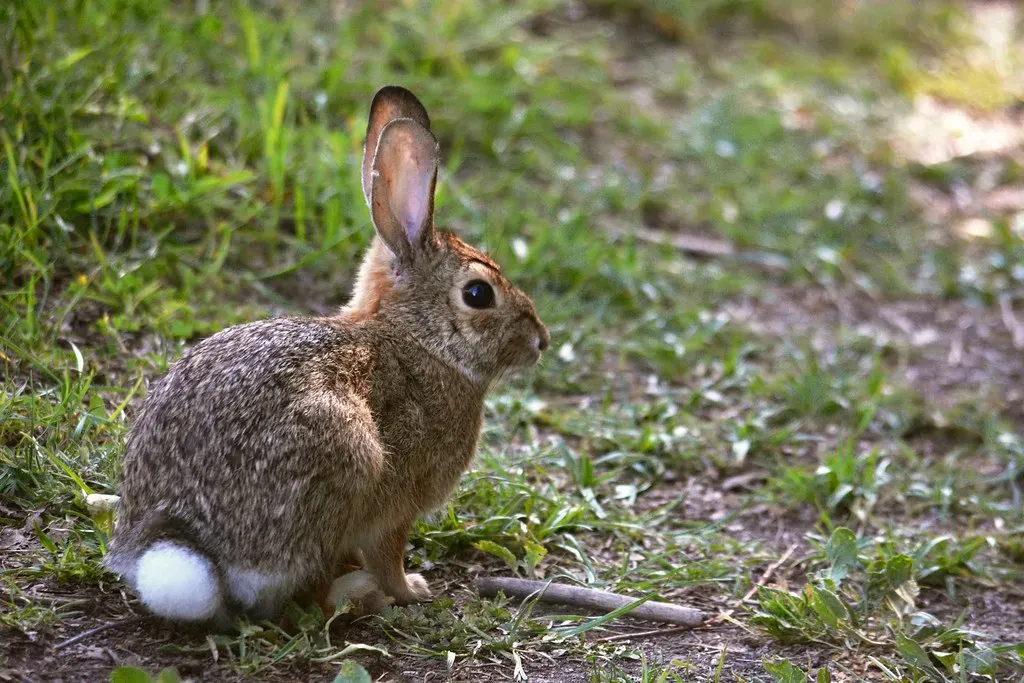
Eastern cottontail rabbits freeze in place when they sense movement, giving them time to assess whether a human is a real danger. They watch from the cover of shrubs or tall grass, tracking the rhythm of lawn mowers and garden hoses. Their large eyes provide wide fields of view that catch even subtle changes in the environment.
These rabbits map out escape routes based on where people usually walk or sit. They become more active during quieter hours once they understand the household schedule. The result is a low-profile existence that depends on constant, silent observation.
Eastern Chipmunks
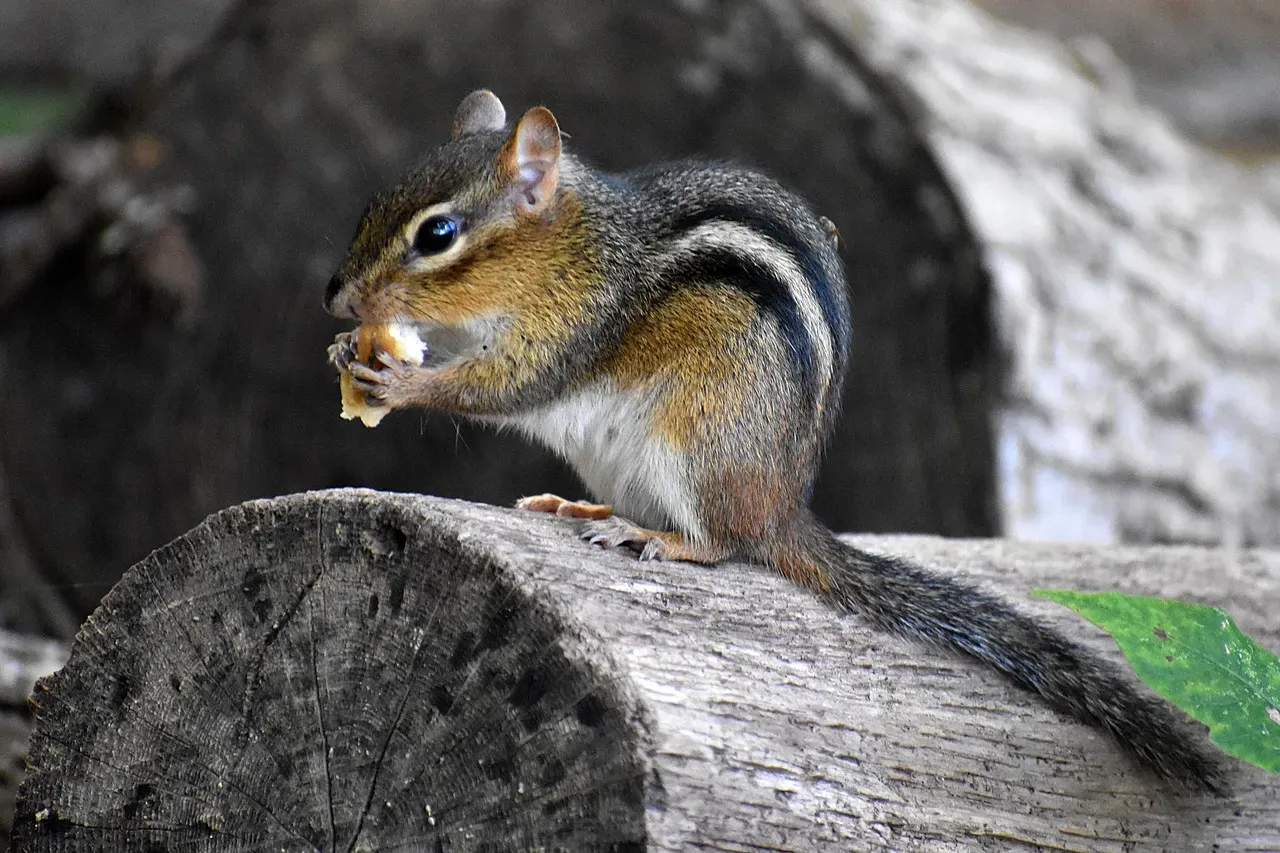
Eastern chipmunks dart between rocks and logs while keeping a close eye on nearby humans. They listen for footsteps and voices, using those sounds to decide when it is safe to gather seeds or nuts. Their cheek pouches stay ready for quick retreats if activity increases.
Chipmunks learn which garden beds are left alone and which ones see frequent visits. They adjust their burrow entrances and food caches based on these observations. This steady vigilance helps them thrive in spaces shared with people.
White-tailed Deer
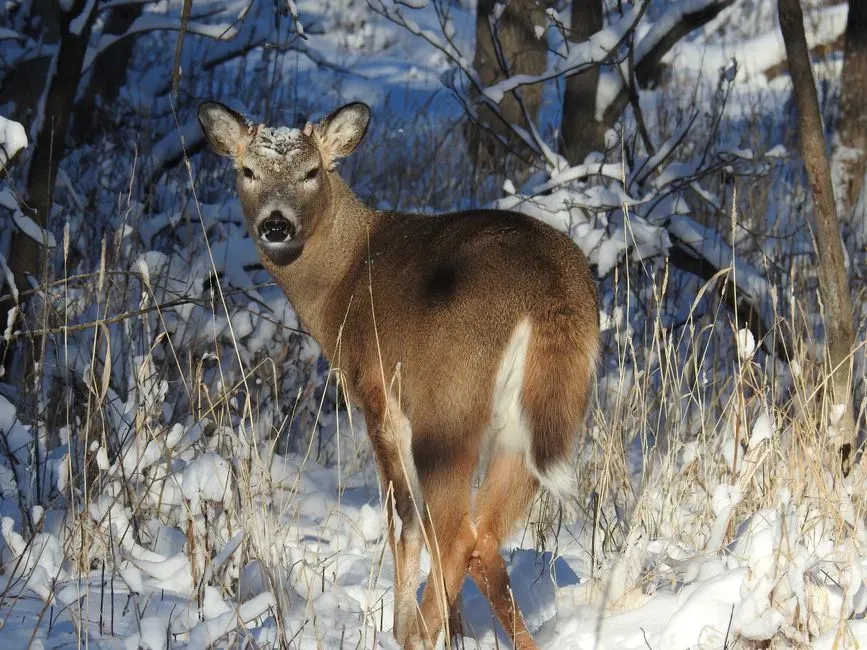
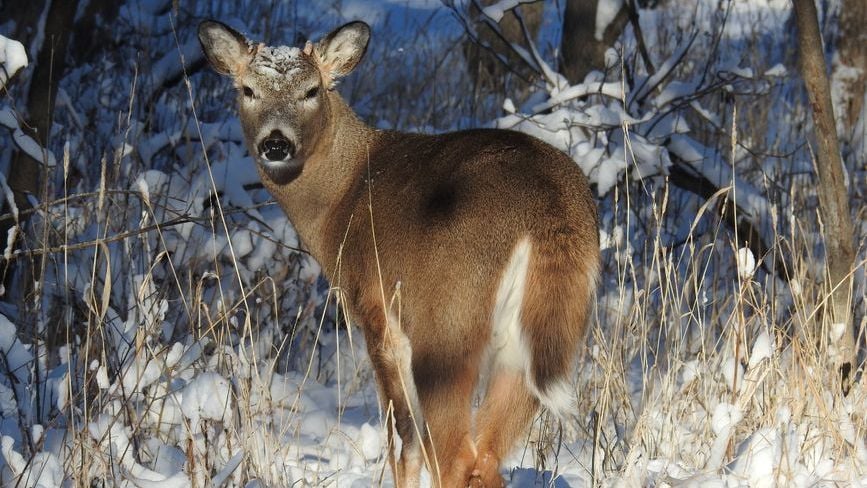
White-tailed deer often appear at dawn or dusk, pausing at the tree line to watch backyard activity. Their excellent hearing and sense of smell pick up human presence long before they are seen. Deer remember which yards have motion lights or barking dogs and steer clear of those spots.
They also note seasonal changes, such as when gardens are planted or when children return to school and yards grow quieter. This ongoing awareness lets them browse safely while staying close to reliable food sources near homes.
Barred Owls
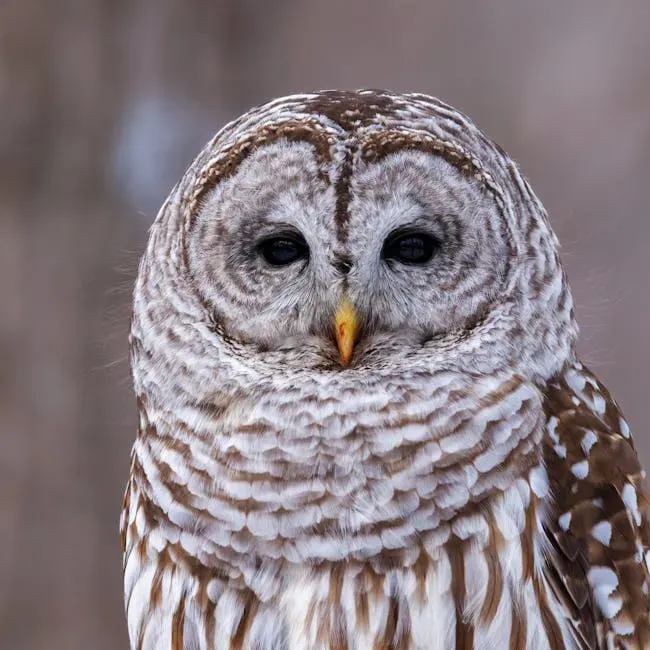
Barred owls perch silently in backyard trees after dark, scanning the ground for movement. They listen to human sounds drifting from open windows and note when lights go out for the night. Their ability to rotate their heads gives them a wide view without shifting position.
Owls learn which yards attract rodents drawn to bird feeders or garden waste. This quiet surveillance supports their hunting success while they remain hidden from view. Many homeowners never realize how closely these birds track the nightly rhythm of the neighborhood.
Common Garter Snakes
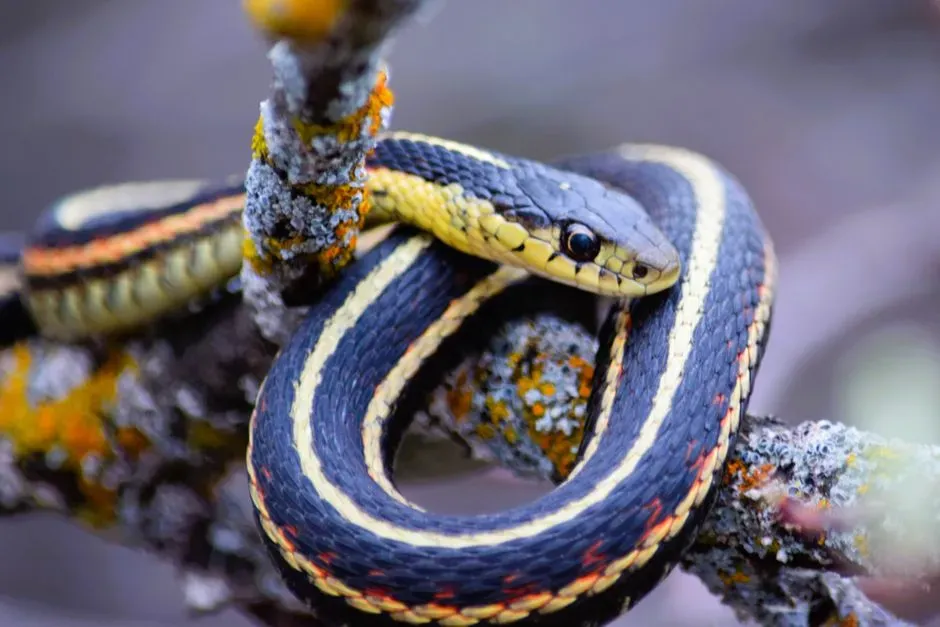
Common garter snakes bask on warm rocks or under boards, staying still as people move through the yard. They sense vibrations through the ground and watch for shadows that signal approaching feet. Their camouflage keeps them nearly invisible while they gather information about daily routines.
Snakes remember safe basking spots that avoid heavy foot traffic. They become more active during times when humans are indoors or away. This low-key observation helps them hunt insects and small prey without interruption.
American Toads
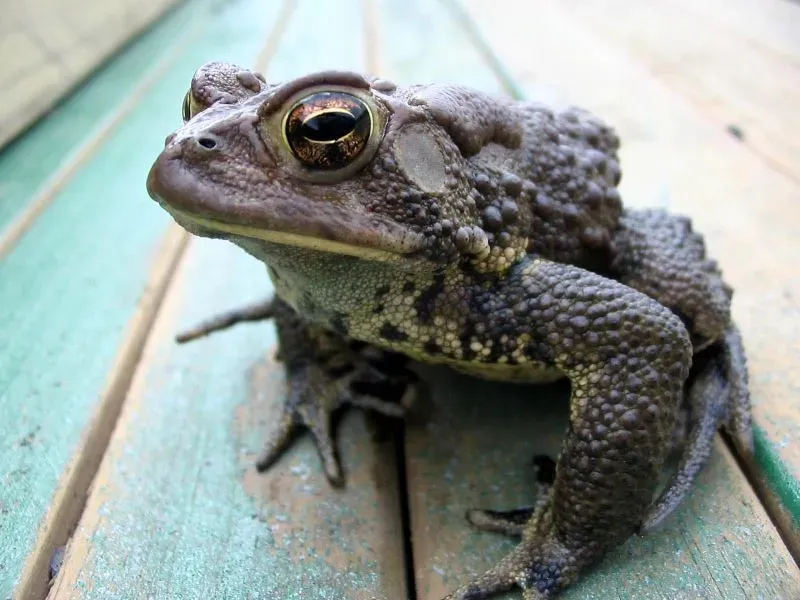
American toads sit motionless near garden edges or under leaves, watching the world go by. They notice when sprinklers turn on or when people walk dogs along the same paths each evening. Their eyes are positioned to detect motion from almost any direction.
Toads adjust their activity to quieter periods once they learn the household patterns. They return to the same moist spots night after night because those locations have proven reliable. Their steady presence depends on this understated form of monitoring.
House Mice
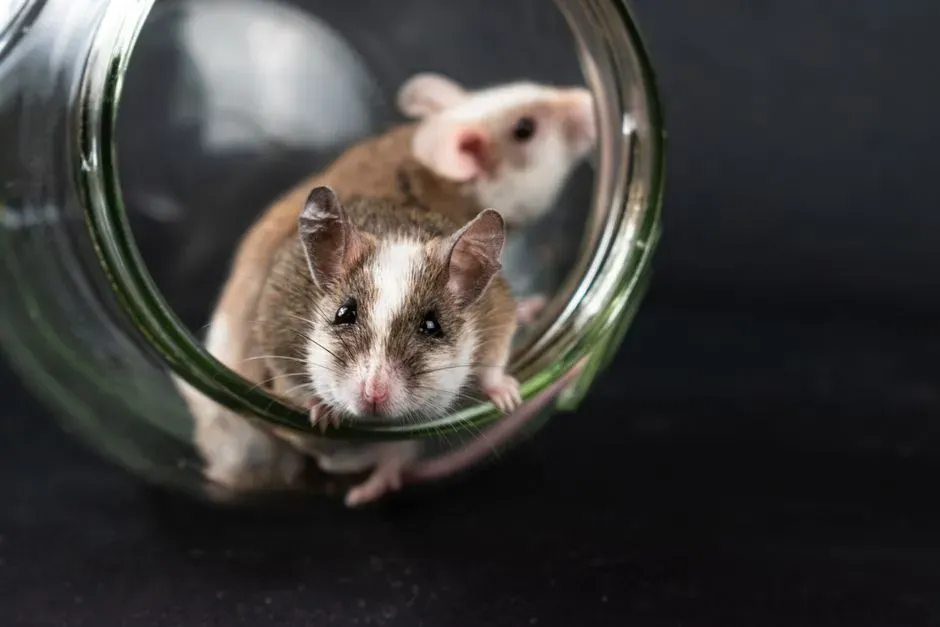
House mice scurry along baseboards and behind appliances, pausing to listen for human footsteps. They map out safe routes based on when rooms are occupied and when they fall silent. Their whiskers and hearing pick up tiny details that help them avoid detection.
Mice learn which cupboards stay closed and which ones offer occasional crumbs. They time their foraging to match quieter moments in the home. This constant awareness keeps their populations steady even in busy households.
Striped Skunks
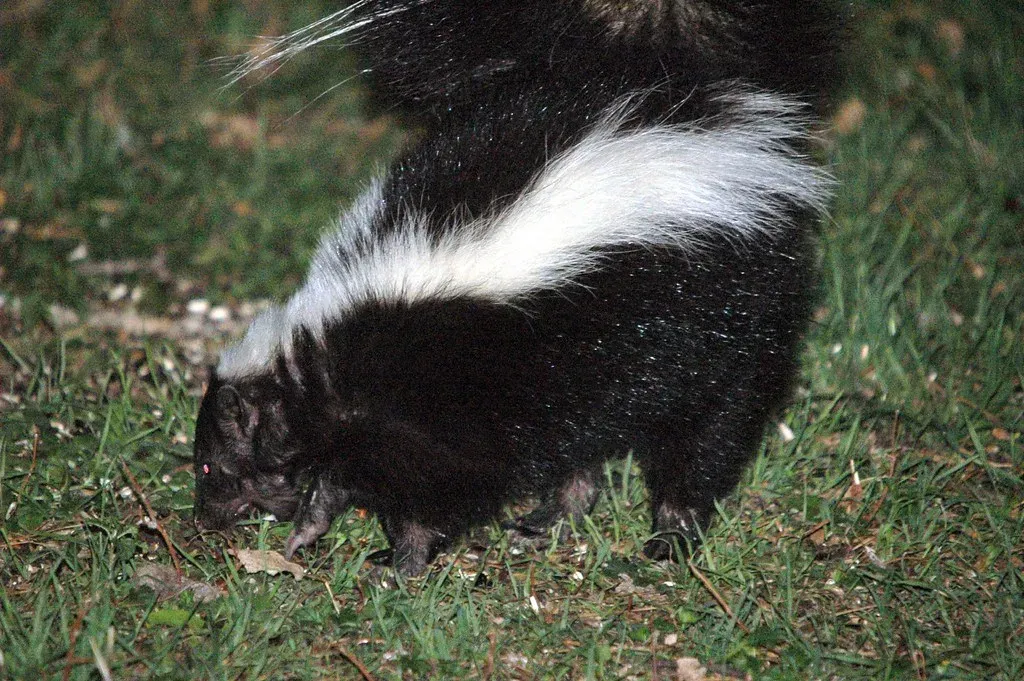
Striped skunks wander through yards at night, pausing to watch for signs of human activity. They note the glow of porch lights and the sound of doors opening and closing. Their strong sense of smell helps them detect food sources left out after dark.
Skunks remember which properties offer easy access to pet food or fallen fruit. They move with deliberate caution, retreating at the first hint of disturbance. This careful observation supports their survival in suburban spaces.
Reflecting on Shared Spaces
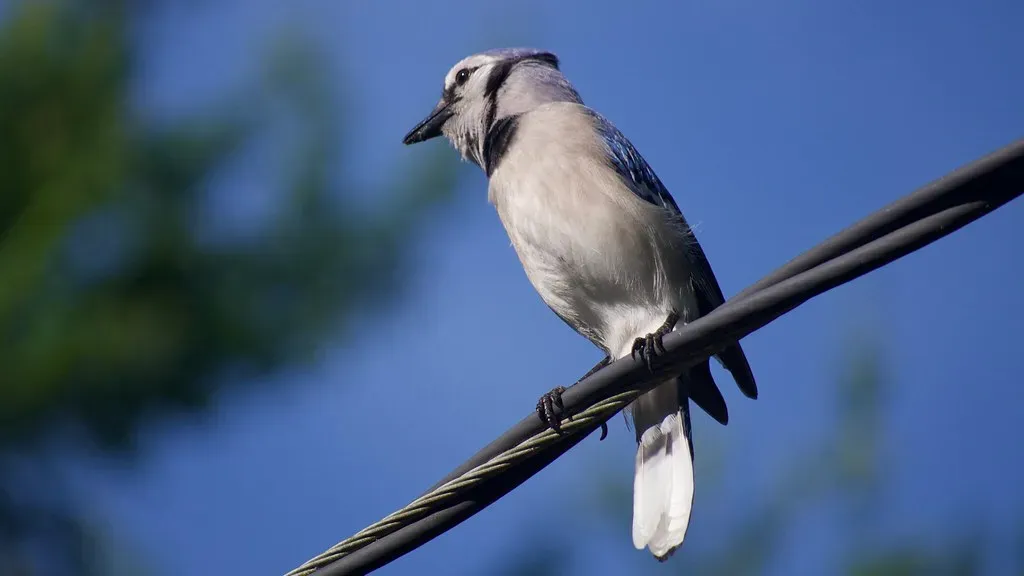
These animals remind us that backyards are shared territory rather than private domains. Their quiet watching shapes how they move, eat, and raise young right under our noses. Paying attention to their presence can make daily routines feel more connected to the living world around us.
In the end, noticing these observers changes how we see our own outdoor spaces. It encourages small adjustments that respect the rhythms already unfolding beyond the windows. The result is a backyard that feels less like a stage and more like a neighborhood where everyone keeps an eye on everyone else.

- The 10 Watery Wonders of the Western United States - July 25, 2026
- 15 Dog Breeds That Pick One Person And Never Look Back - July 25, 2026
- 10 Native Florida Plants That Thrive in the Heat and Humidity - July 25, 2026