
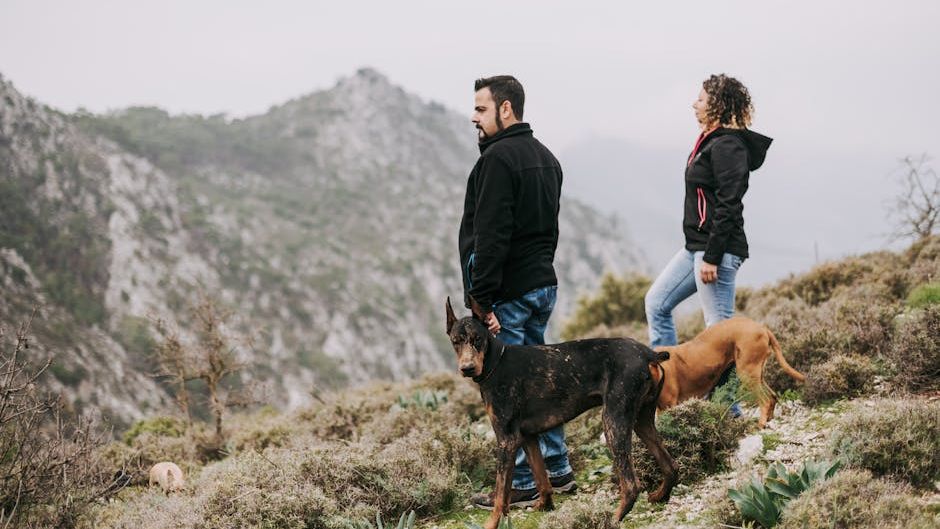
Most people spend years trying to earn their dog’s loyalty – buying better treats, learning new commands, putting in the hours. What nobody tells you is that the decision may already be made. According to vets and animal behaviorists who study canine attachment, many dogs lock onto their person within the first few weeks of meeting them, and that choice is remarkably resistant to change. It’s not about who feeds them most. It’s not about who trained them hardest. It’s something quieter, faster, and far more permanent than most owners ever realize.
The signs are specific, they’re behavioral, and once you know what to look for, you’ll either feel a rush of recognition – or a pang of something you can’t quite name. Some of these behaviors show up in the first ten days. Others take three weeks. But vets say once the pattern is set, it rarely reverses. Here are the 14 signs that your dog didn’t just bond with you. They chose you.
#1 – They Show Signs of Distress Only When Separated From You

Here’s the one that surprises people most, so it earns the top spot: your dog is completely calm when you’re gone and another family member is home – but the moment you leave, everything falls apart. The pacing starts. The whining. The untouched food bowl. This isn’t generalized separation anxiety. This is separation distress that is targeted, specific, and tied entirely to one person: you.
Vets see this pattern regularly and are careful to distinguish it from a behavioral problem. The dog isn’t broken – they’re bonded. Their emotional regulation has become anchored to your presence, often within the first three weeks of living together. Behaviorists argue this is the clearest possible signal that the dog made their lifelong choice early. Most owners try to fix it. The ones who understand what it actually means tend to feel differently about it entirely.
Fast Facts
- Research identifies four hallmarks of true attachment: proximity maintenance, separation distress, secure base, and safe haven – dogs display all four toward their chosen person.
- Studies confirm that a stranger’s presence does not substitute for the owner’s – only the primary person triggers the full secure base effect.
- Puppies as young as 8 weeks old can form a strong primary attachment to one caregiver.
- Attachment style established in the first year of a dog’s life is largely stable going forward.
- Adult rescue dogs are fully capable of forming new, deep primary bonds – often within just a few weeks of consistent positive contact.
#2 – They Become Protective or Alert Specifically on Your Behalf

It doesn’t look like aggression at first. It looks like your dog quietly positioning themselves between you and a stranger at the door. Or barking at a sound outside – but only when you’re the one home. Or pressing close on a walk the moment someone approaches. These are subtle guarding behaviors, and they tell a clear story: you have become worth protecting. The dog decided that early, and they’ve been acting on it ever since.
This kind of vigilance tends to appear once the primary bond solidifies, usually in the first few weeks of consistent closeness. It’s tied to your safety specifically, not the household generally – which is why other family members sometimes notice it and feel the sting of being ranked second. That’s not cruelty on the dog’s part. It’s just loyalty with an address, and yours was the one they chose.
#3 – They Show Relaxed Body Language Only Around You
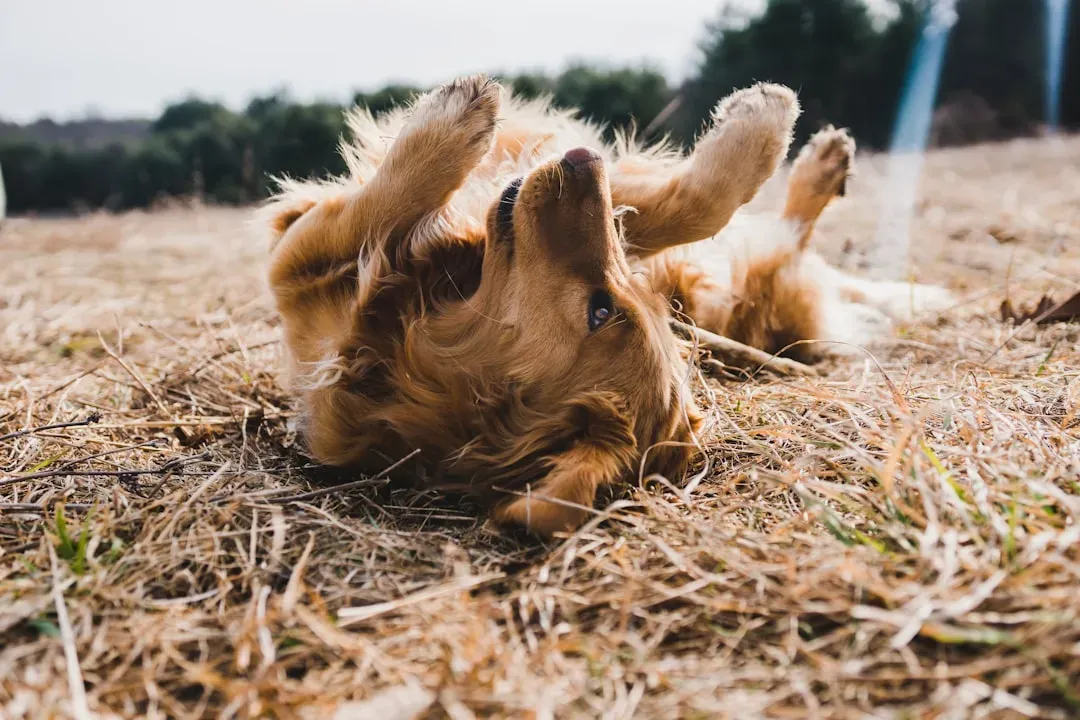
A dog flopped on its back, belly fully exposed, legs loose and open, deep-breathing in a patch of sunlight – that’s not just a comfortable dog. That’s a dog who has decided, at a cellular level, that they are completely safe. Full belly exposure is an act of profound vulnerability. Dogs don’t offer it to people they’re uncertain about. They reserve it for the one person who has earned their total trust, usually without even trying to.
What makes this sign so telling is the contrast. With visitors, with other household members, with strangers – the dog may be friendly, may be polite, may even seem affectionate. But the complete physical surrender, the total unwinding, only happens with their person. Behaviorists note this can develop even in dogs with histories of trauma or neglect, once they find the human they’ve decided is safe. The shift, when it happens, is unmistakable.
#4 – They Respond to Your Voice and Tone Above All Others
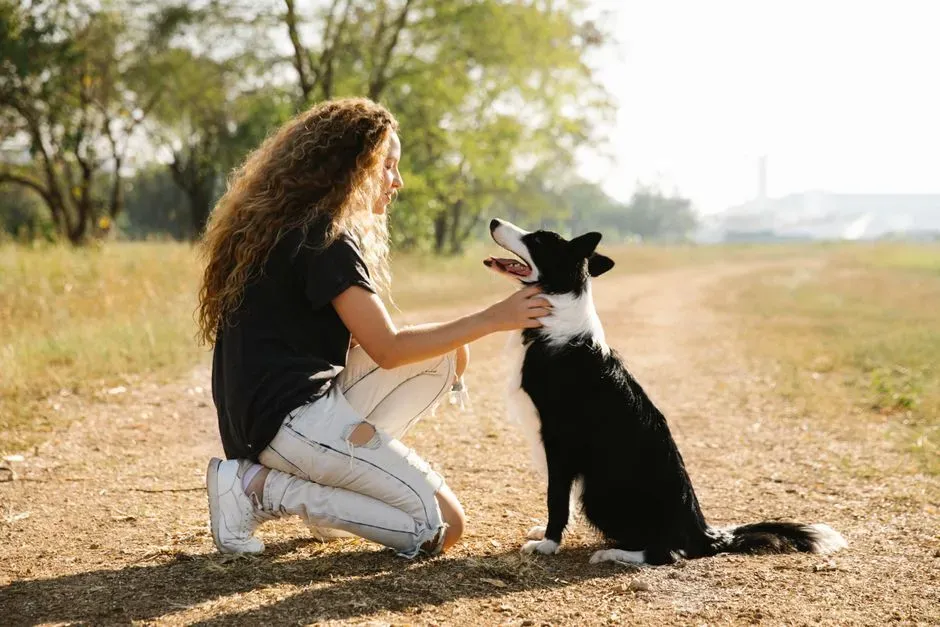
Try this experiment in a room full of people: say your dog’s name in a completely normal voice, no treats, no gestures. Watch who they look at. If you’re their person, they’re already looking at you before you finish the word. Your voice carries emotional weight that nobody else’s does. This selective responsiveness shows up early – often before the dog has learned a single formal command – and it never really levels off.
Other people in the household may get compliance. You get attention. There’s a difference. Compliance is trained. Attention is given freely, and it goes to the person the dog has prioritized at the level of instinct. Trainers use this responsiveness as a quick diagnostic for attachment strength, because it’s hard to fake and nearly impossible to manufacture on command. Either you’re the one they’re tuned into, or you’re not.
#5 – They Follow You From Room to Room
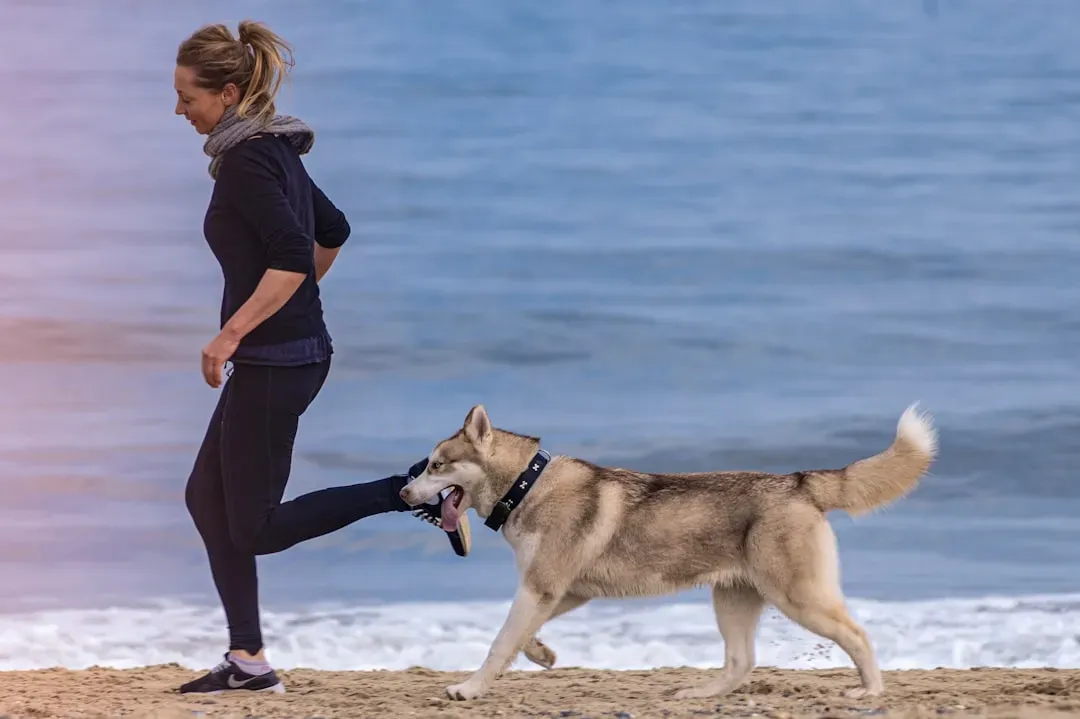
You get up to make coffee. The dog gets up. You move to the couch. The dog moves. You go to the bathroom and close the door, and four seconds later there’s a warm weight pressed against the other side of it. People often dismiss this as clinginess or joke about losing their privacy. But what’s actually happening is that your dog has decided there is no interesting version of any room that doesn’t include you in it.
This shadowing behavior typically begins within the first two weeks and is one of the most consistent early markers of primary attachment. Critically, it’s different from separation anxiety – the dog isn’t distressed, they’re just choosing your location over all others available to them. Trainers point out this happens even in dogs previously described as aloof or independent. Once they’ve made their choice, solitude becomes a lot less appealing than wherever you are.
Quick Compare
- Shadowing (healthy bond): Dog follows calmly, settles near you, relaxed body language throughout.
- Separation anxiety (needs support): Dog becomes visibly distressed, destructive, or vocalizes excessively when you leave.
- The key difference: Shadowing is about choosing your company. Separation anxiety is about an inability to cope without it.
- Breeds most prone to strong shadowing: Vizslas, Border Collies, Australian Shepherds, Chihuahuas, German Shepherds.
#6 – They Maintain Soft, Prolonged Eye Contact

Not the hard stare of a dog waiting for food. Not the wide-eyed alertness of a dog tracking movement. This is something softer – a long, relaxed gaze that lands on you and lingers, like you’re the most interesting and reassuring thing in the room. Research has confirmed what dog owners have always felt: this kind of mutual eye contact triggers an oxytocin release in both species simultaneously. It is, biologically speaking, a bonding loop that reinforces itself every time it happens.
What’s remarkable is how quickly this gaze can appear after a dog selects their person – often within the first ten days. It can override a dog’s prior wariness of humans entirely. Dogs that entered a home shut down, avoidant, or fearful will sometimes begin offering this soft eye contact to their chosen person before they’re comfortable with anyone else. Once you’ve been on the receiving end of it, you understand immediately why people describe it as feeling seen by their dog. Because that’s exactly what it is.
“Gazing behavior from dogs increased urinary oxytocin concentrations in owners, which consequently facilitated owners’ affiliation and increased oxytocin concentration in dogs.”
Nagasawa et al., Science (2015)
#7 – They Seek You Out When Stressed or Scared
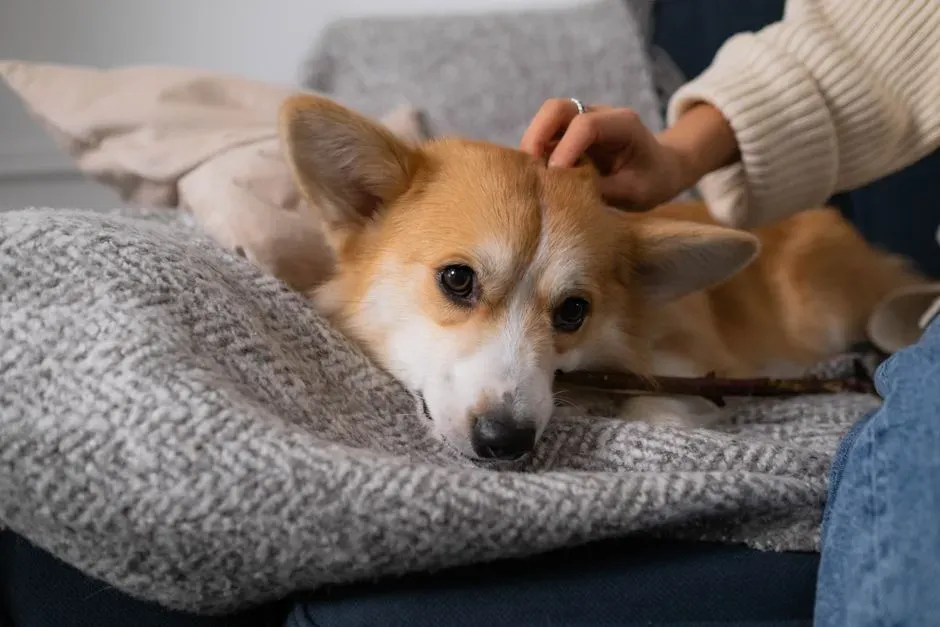
Thunder. A car backfiring. Strangers crowding into the house for a holiday gathering. When the world turns loud and threatening, where does your dog go? If the answer is straight to you – not to hide under the bed, not to pace the hallway, but directly and deliberately to your side – that’s the “safe haven” response that behaviorists consider a hallmark of secure attachment. The dog has decided that your proximity is the fastest path to feeling okay again.
What makes this particularly meaningful is the timing. Vets and behaviorists consistently note that this preference for the primary person during stress solidifies in the initial weeks and often appears before the dog has fully learned the household routine. In other words, the dog chose their emotional anchor before they even knew where the treats were kept. The fact that they run to you in their worst moments isn’t a coincidence. It’s the point.
#8 – They Allow Stress-Free Grooming and Handling
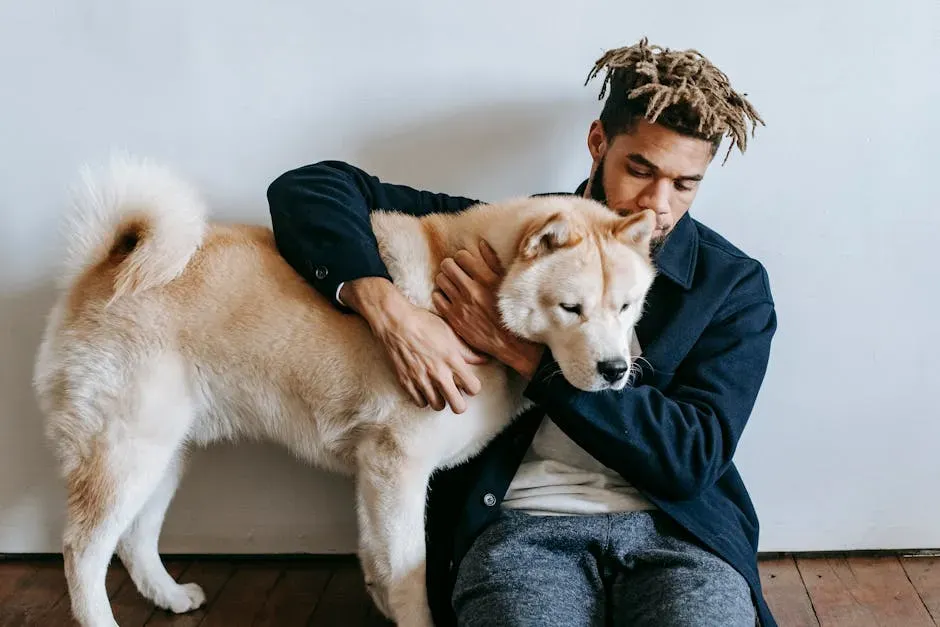
Nail trims. Ear cleaning. Tooth brushing. For most dogs, these are tolerated at best and dreaded at worst – unless the person doing them is their chosen human. Vets notice this consistently: a dog that squirms and whines through routine handling with everyone else will often go soft and still the moment their person takes over. It’s not about technique. It’s about trust established early and held firmly ever since.
This tolerance during vulnerable moments is one of the stronger predictors of long-term attachment stability, according to those who work with dogs clinically. The dog has made a decision – that your hands aren’t a threat, even when you’re doing something uncomfortable – and that decision tends to hold. The contrast with how the same dog behaves with a groomer or a vet tech makes the preference obvious. Other people get compliance. You get cooperation. There’s a real difference between the two.
Worth Knowing
- Dogs that tolerate grooming calmly with their person but resist with others are demonstrating trust, not stubbornness.
- The “soft and still” response during handling is one of the clearest clinical indicators of secure primary attachment.
- Brief but frequent moments of calm handling – even just gentle ear touches – reinforce the bond more effectively than long, forced sessions.
- Dogs rescued from neglect or abuse often show this selective tolerance first with their chosen person, before any other trust-building behavior emerges.
#9 – They Bring You Toys or “Gifts”

A soggy tennis ball dropped at your feet. A favorite rope toy nudged onto your lap. Occasionally, a single sock delivered with great ceremony. Dogs that bring you objects aren’t just bored or demanding attention – they’re inviting you into their world and sharing their resources with you. In canine social terms, this is a significant gesture. It means you’ve been included in their inner circle at the level of instinct, not just routine.
This gift-giving behavior typically emerges within the first three weeks of bonding and is distinct from demanding play or attention-seeking barking. The dog is making a choice to involve you specifically, and that choice stays consistent even when there are other people available who might be equally enthusiastic about a game of fetch. What surprises owners most is how persistent this habit becomes – and how clearly it targets one person over everyone else in the room.
#10 – They Lean or Press Against You for Comfort
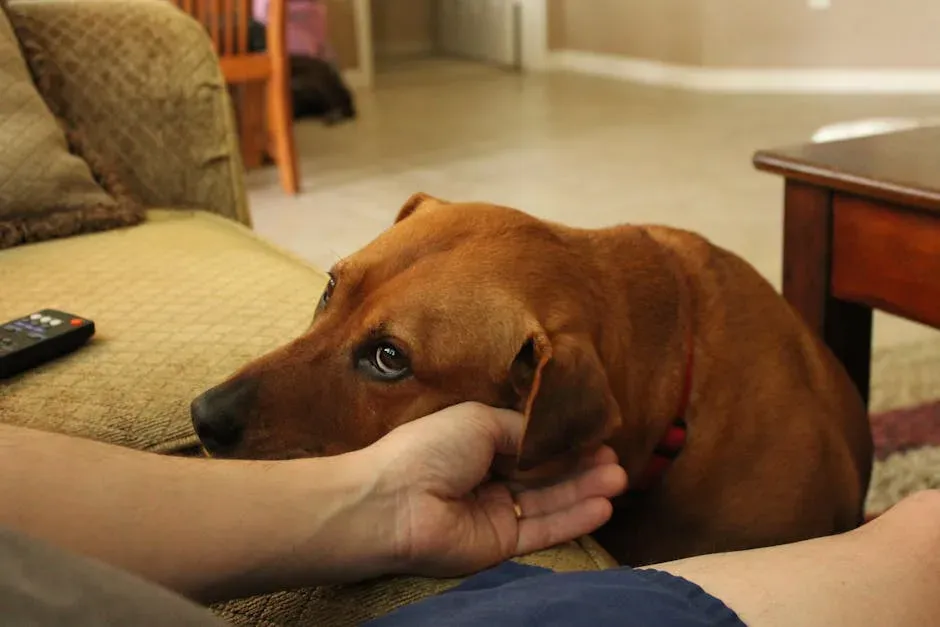
When a new person walks through the door, or the noise level rises, or the environment turns unpredictable, some dogs don’t flee and don’t bark – they simply lean. They press their full weight into your legs and stay there. It looks casual. It is anything but. Physical leaning is a deliberate act of seeking security, and the dog has chosen your body as the specific anchor they trust to hold them steady when things feel uncertain.
This contact-seeking behavior typically solidifies in the first two weeks of consistent, calm handling, and vets note it’s one of the clearest indicators that a dog views you as a safe haven rather than simply a provider. The overlooked detail is that dogs rarely lean on multiple people with the same intention or intensity. They’ll accept affection from others. But the lean – the full-weight, I-need-you-specifically lean – that one belongs to their person, and most owners know exactly what it feels like the first time it happens.
#11 – They Greet You With Full-Body Enthusiasm Every Time
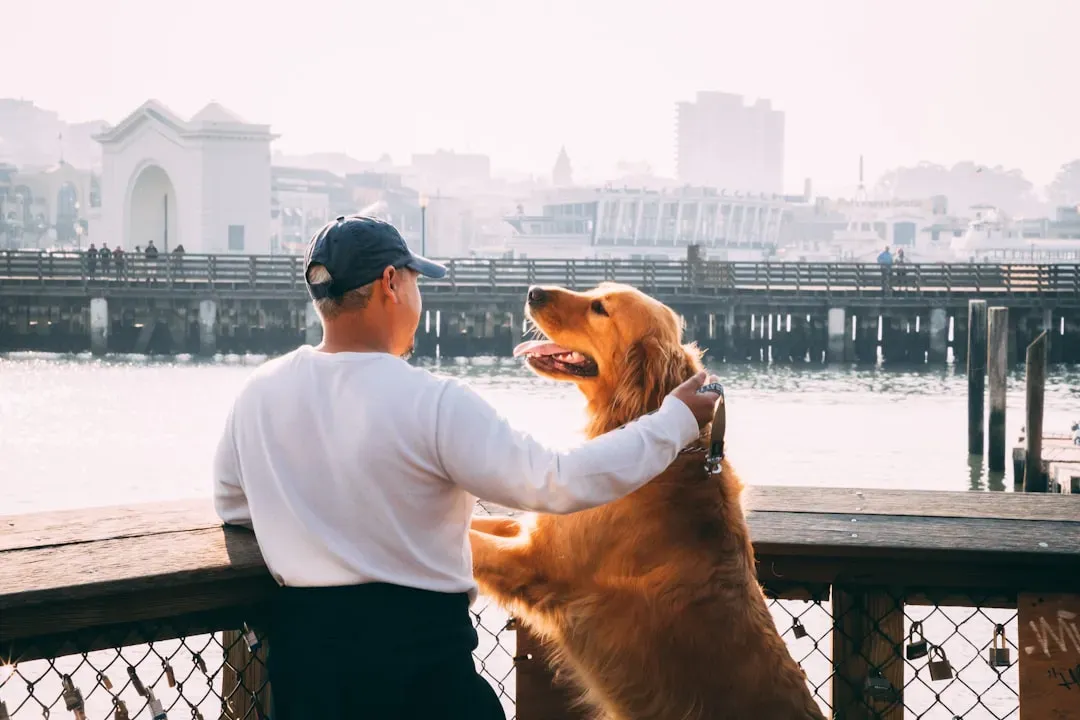
You’ve been gone four hours. You’ve been gone four minutes. It doesn’t matter. The tail starts helicoptering before you’re fully through the door. The whole back half of the dog becomes a separate, independent entity. There may be sounds involved – a high, soft whine of pure relief, or a series of sneezes that seem to express emotions too large for a dog-shaped body to contain. Other people get a tail wag. You get a reunion.
This greeting pattern typically emerges within the first seven to ten days for dogs that have selected their person, and trainers note the intensity stays remarkably stable – months later, years later, the enthusiasm doesn’t level off. Crucially, it isn’t triggered by food or treats. It’s triggered by you. Many owners are caught off guard when this level of greeting appears in a senior dog adopted as an adult, as though age were supposed to have dampened something that turns out to be completely immune to it.
At a Glance: How a Dog Greets Their Person vs. Everyone Else
- Their person: Full-body wiggle, vocalizing, nose nudging, circling – starts before you’re through the door.
- Other household members: Friendly tail wag, brief sniff, then back to resting.
- Familiar visitors: Polite interest, possibly a quick play invitation, then independent.
- Strangers: Cautious, watchful, or indifferent – depending on the dog’s temperament.
- The tell: The greeting intensity gap between “their person” and everyone else is the real signal.
#12 – They Sleep in Your Bedroom or Right Beside You
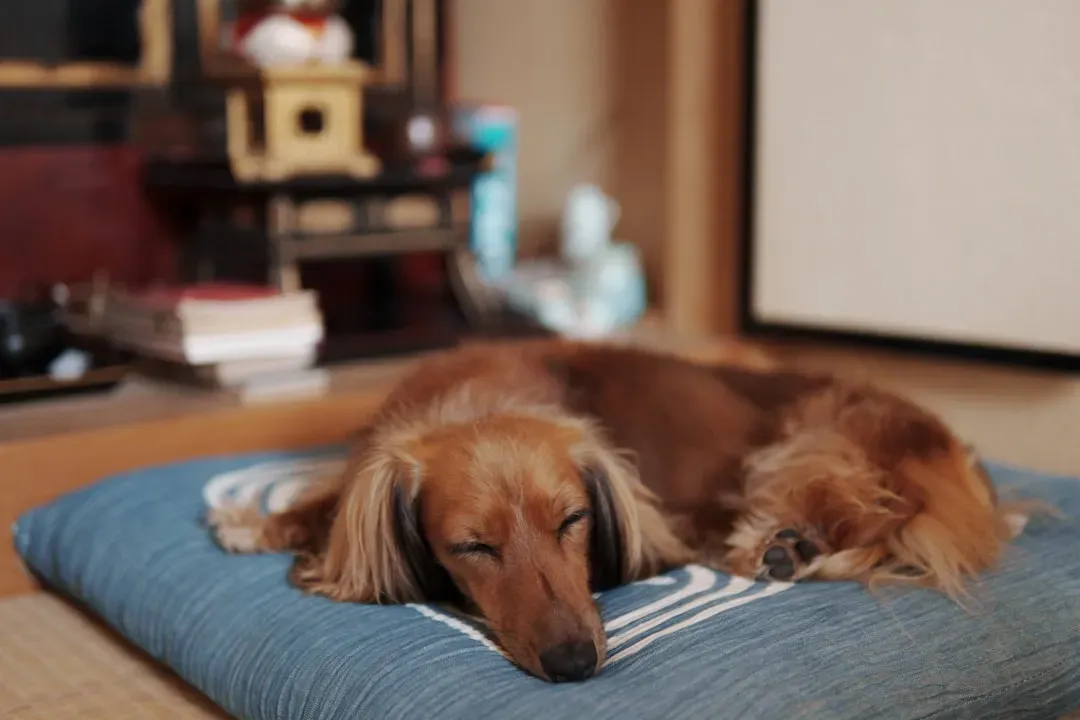
A newly adopted dog that quietly migrates toward your bedroom within the first week isn’t being presumptuous. They’re telling you something. Choosing to rest in your space – pressed against your legs, curled at the foot of your bed, or simply positioned so they can see your face – is one of the earliest signals of permanent attachment. It means the dog has already made the calculation that your presence equals safety, and safety is the prerequisite for sleep.
Vets point out that entering deep sleep cycles near a person requires a level of trust that doesn’t come easily to an animal wired for survival. A dog that can fully relax, breathe deeply, and dream beside you has already made their choice. What few people discuss is that this sleeping arrangement often locks in before the dog has learned a single household rule – before they know where the food bowl lives, before they’ve figured out the schedule. The trust comes first. Everything else follows.
#13 – They Mirror Your Emotions and Energy
You sink into the couch after a hard day and feel something warm settle against you before you’ve said a word. You laugh and the dog’s whole body brightens. You cry and suddenly there’s a nose pressed into your neck. Dogs that have chosen their person don’t just sense moods – they reflect them, often with a precision that feels almost uncanny. This emotional mirroring is tied to the oxytocin loop established through early eye contact and shared routines, and it appears reliably once the primary bond is formed, usually before the three-week mark.
Trainers and behaviorists use this synchronization as a diagnostic tool for attachment strength because it’s one of the harder signals to fake or manufacture. The dog isn’t performing – they’re regulating alongside you, the way people do with someone they’re deeply attuned to. What shocks many owners is learning that this synchronization can actually develop faster with an adult rescue than with a puppy raised from birth. The dog isn’t waiting to grow into the bond. They’re ready the moment they decide you’re the one.
#14 – They Check In With You Constantly on Walks
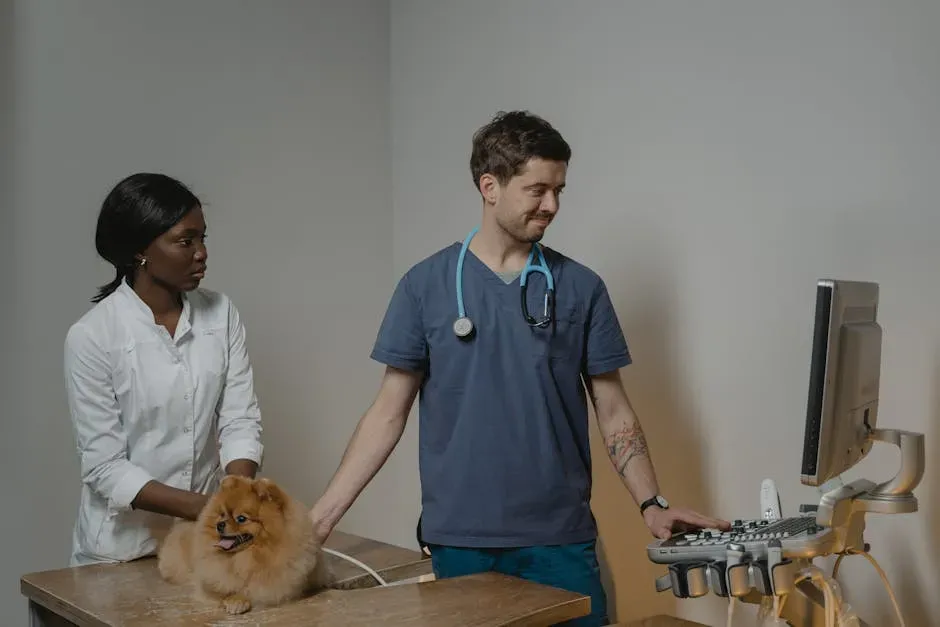
Your dog is ten feet ahead on the trail, nose going a mile a minute – and then they stop, turn, and look directly at you. Not for a treat. Not because you called. Just to confirm you’re still there. Then they go back to exploring. This glance-back happens every thirty seconds or so, a quiet, continuous thread of contact that most owners don’t even register until someone points it out. In attachment research, it has a name: the secure base effect. You are the reference point your dog uses to navigate the world.
Modified versions of the Strange Situation test – originally designed for human infants – confirm that securely attached dogs treat their chosen person the way toddlers treat a trusted parent: venturing out freely, then returning for reassurance, then venturing out again. This behavior often solidifies within the first ten to fourteen days of consistent positive outings together. The most surprising detail is that even breeds with strong independent reputations – Huskies, Akitas, Basenjis – will begin these check-ins once they’ve locked onto their person. Independence, it turns out, doesn’t preclude devotion. It just means the devotion runs quietly.
Why It Stands Out: Breeds That Bond Hard With One Person
- Akita: Dignified, deeply loyal – often described as “reserved with strangers, devoted to their person.”
- German Shepherd: Forms a near-unbreakable bond with one individual; protective and highly attuned.
- Border Collie: Relationship-driven to the core – wants to solve problems with you, not just for you.
- Chihuahua: Fiercely loyal in a small package; known to treat their person’s safety as a full-time occupation.
- Vizsla: Nicknamed “Velcro dogs” – craves consistent closeness and thrives with one primary person.
- Basenji: Independent reputation, but once bonded, will shadow their chosen person throughout the house.
The Honest Takeaway
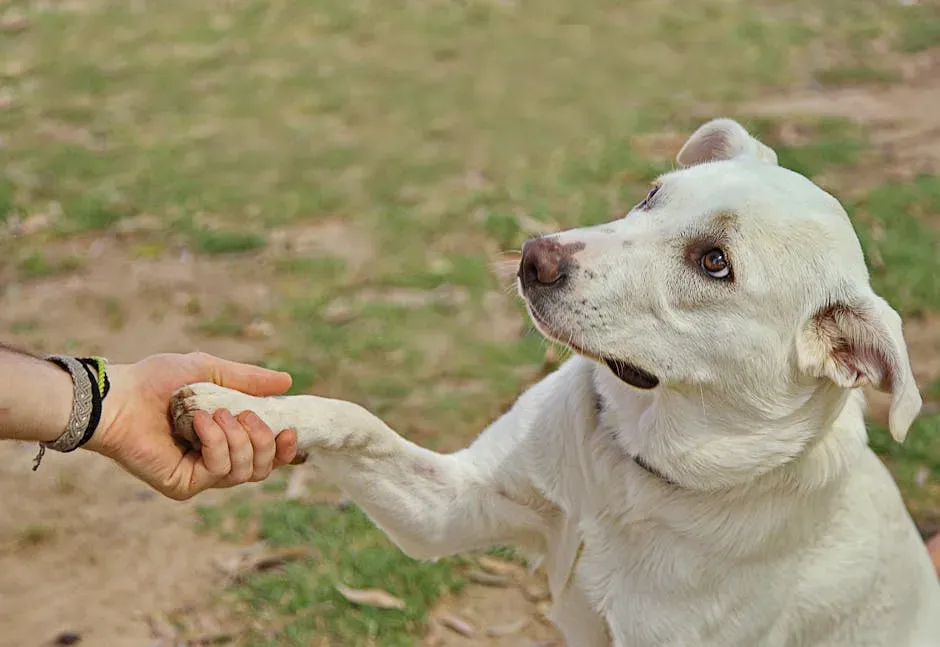
Here’s what I think is actually worth sitting with: dogs don’t make this choice because you earned it through years of perfect training or premium kibble. They make it fast, they make it quietly, and they make it based on something you probably couldn’t manufacture even if you tried – consistent presence, emotional steadiness, and the feeling of being safe. That’s it. That’s the whole criteria.
The behavioral science backs this up, but honestly, most dog owners already knew it. They felt it that first week when the dog wouldn’t stop looking at them, or pressed against their legs during a thunderstorm, or curled up in the doorway like they’d always belonged there. The research just gives language to something that was already real. If your dog is showing these signs, they didn’t drift into loving you over time. They decided. And if the vets are right, that decision is about as permanent as it gets.

- 14 Quiet Signs Your Dog Knows Its Time Is Near and Wants You Close - July 22, 2026
- 10 Falcon Facts That Will Blow Your Mind - July 22, 2026
- 5 Incredible Migratory Journeys Animals Make Every Year - July 22, 2026