
Evolutionary Pressure for Threat Detection
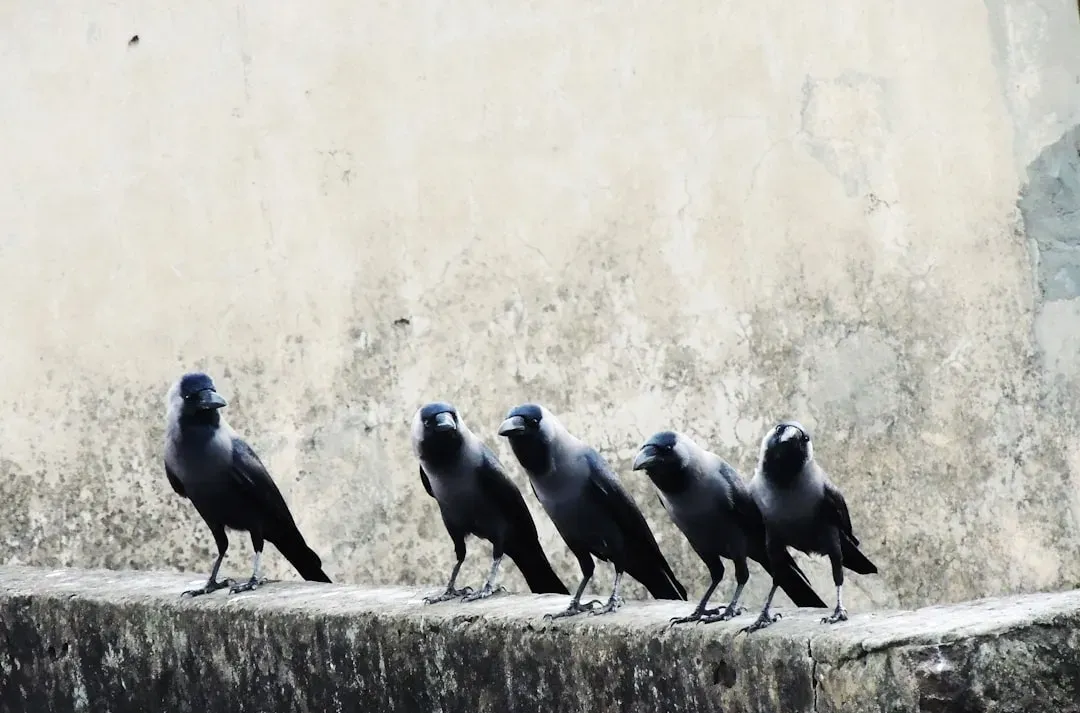
Crows face constant risks from predators and humans alike in both wild and urban settings. Remembering a face tied to danger lets them steer clear of repeat encounters that could end badly. This skill likely developed because birds that avoided known threats survived longer and raised more young.
Over generations the trait strengthened as those with sharper recall passed it along. The result is a population tuned to notice and store details about potential enemies. Such precision gives crows an edge in environments where humans come and go unpredictably.
Remarkable Longevity of Avian Memory
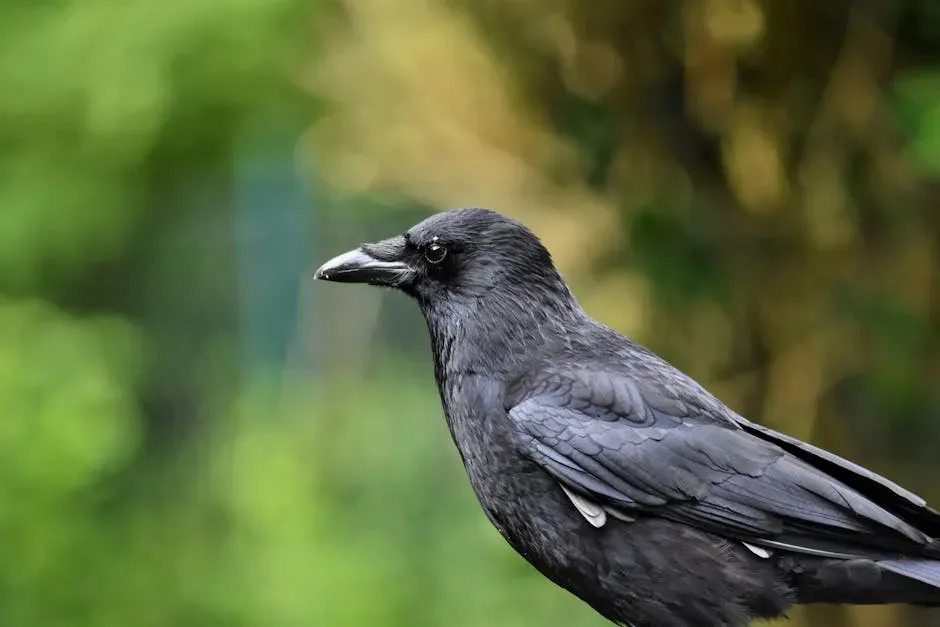
Studies show crows can retain specific face memories for well over a decade, sometimes stretching toward two full decades. A single negative interaction proves enough to etch the details into their minds. That staying power means a brief trapping event or close call can influence behavior years later.
The memory does not fade with time or distance. Crows continue to react strongly even when the person appears only occasionally. This endurance sets them apart from many other animals whose recollections dim more quickly.
Sophisticated Neural Architecture
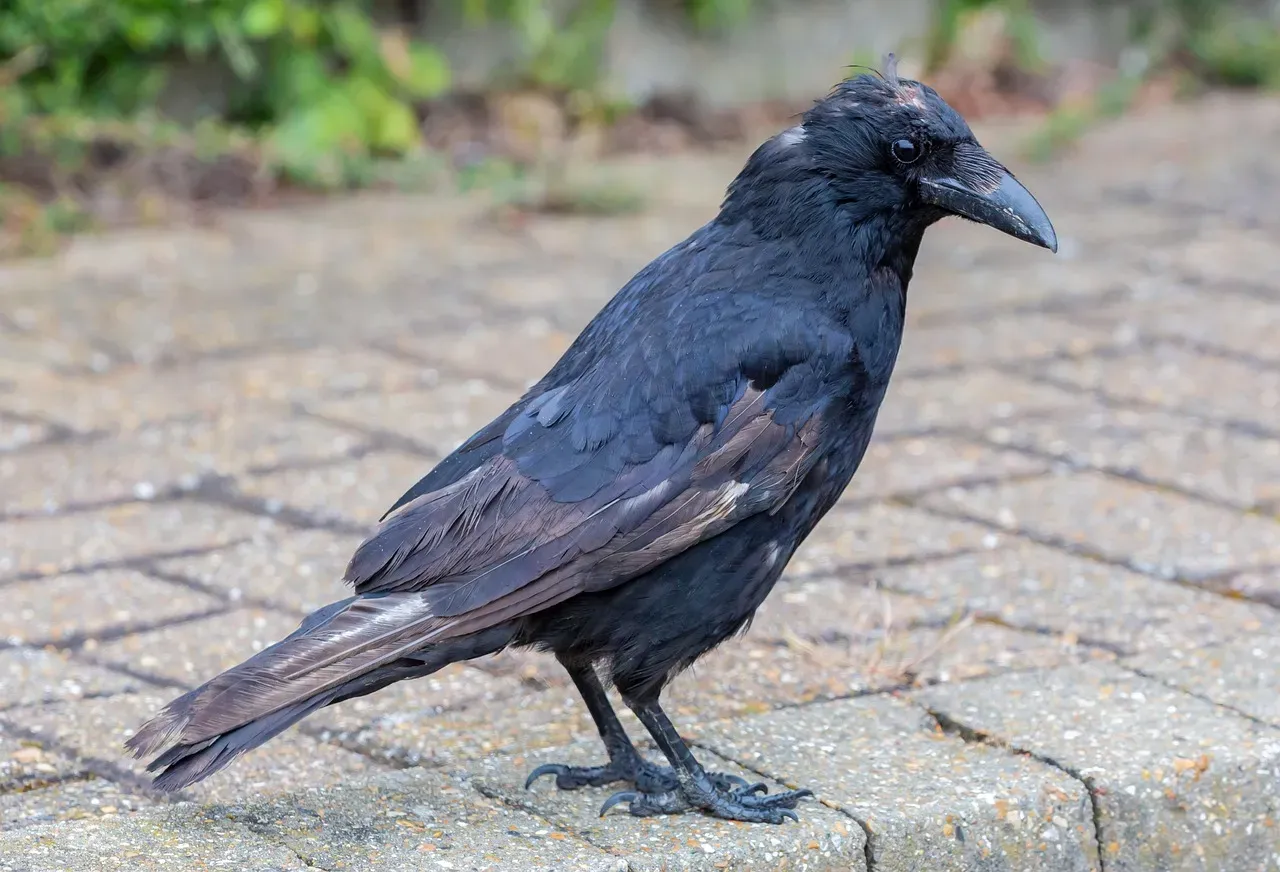
Crow brains contain regions that process faces in ways strikingly similar to the systems mammals use. Imaging reveals activation in areas linked to visual analysis and emotional response when familiar faces appear. These structures support rapid learning and durable storage of individual identities.
The high density of neurons in key zones allows for detailed discrimination between one person and another. Crows evaluate not just appearance but context, blending sight with past outcomes. Such integration keeps the memory vivid and actionable.
Emotional Tagging of Experiences
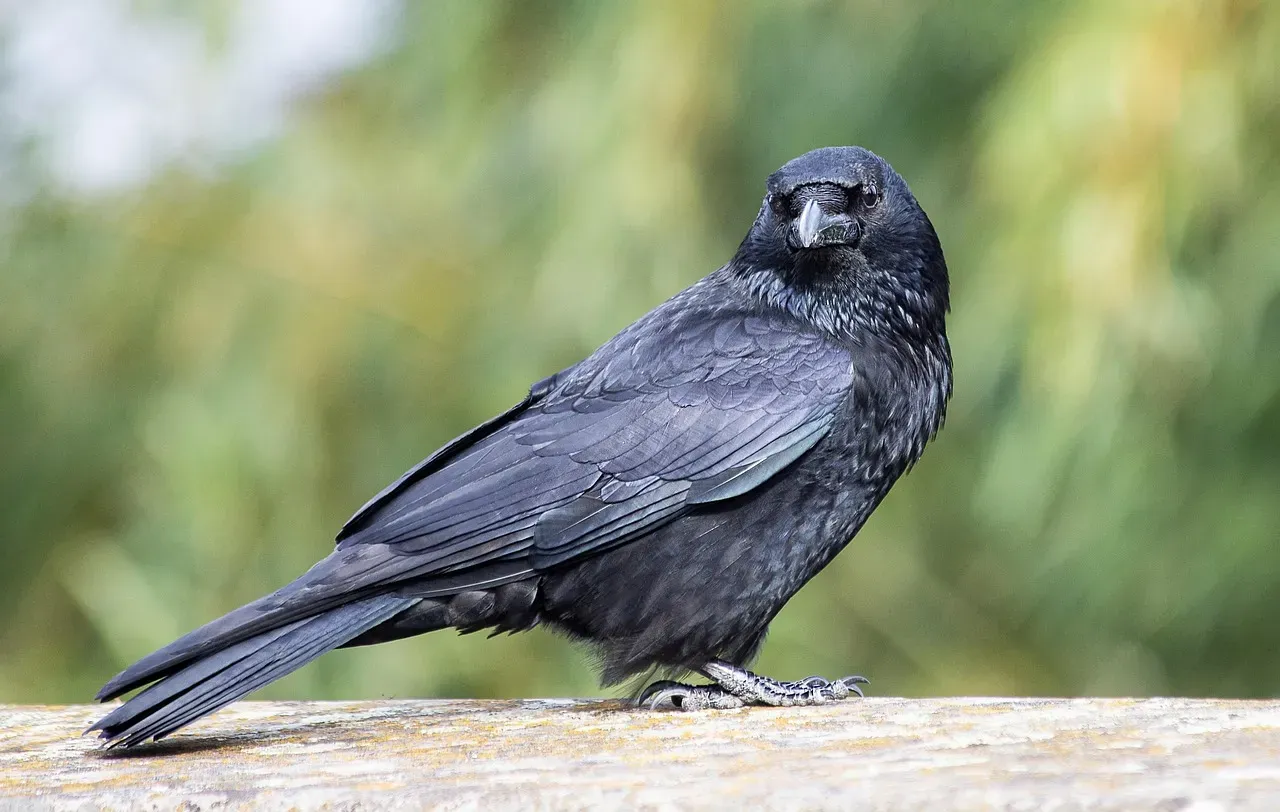
Faces become linked to strong feelings like fear or relief during key moments. A threatening encounter tags the face with alarm signals that the brain revisits later. Positive interactions, such as regular feeding, create a different but equally lasting association.
This emotional layer strengthens recall because the brain prioritizes events tied to survival or reward. Crows do not simply store neutral images. They remember how a particular face made them feel and adjust their actions accordingly.
Social Sharing of Critical Information
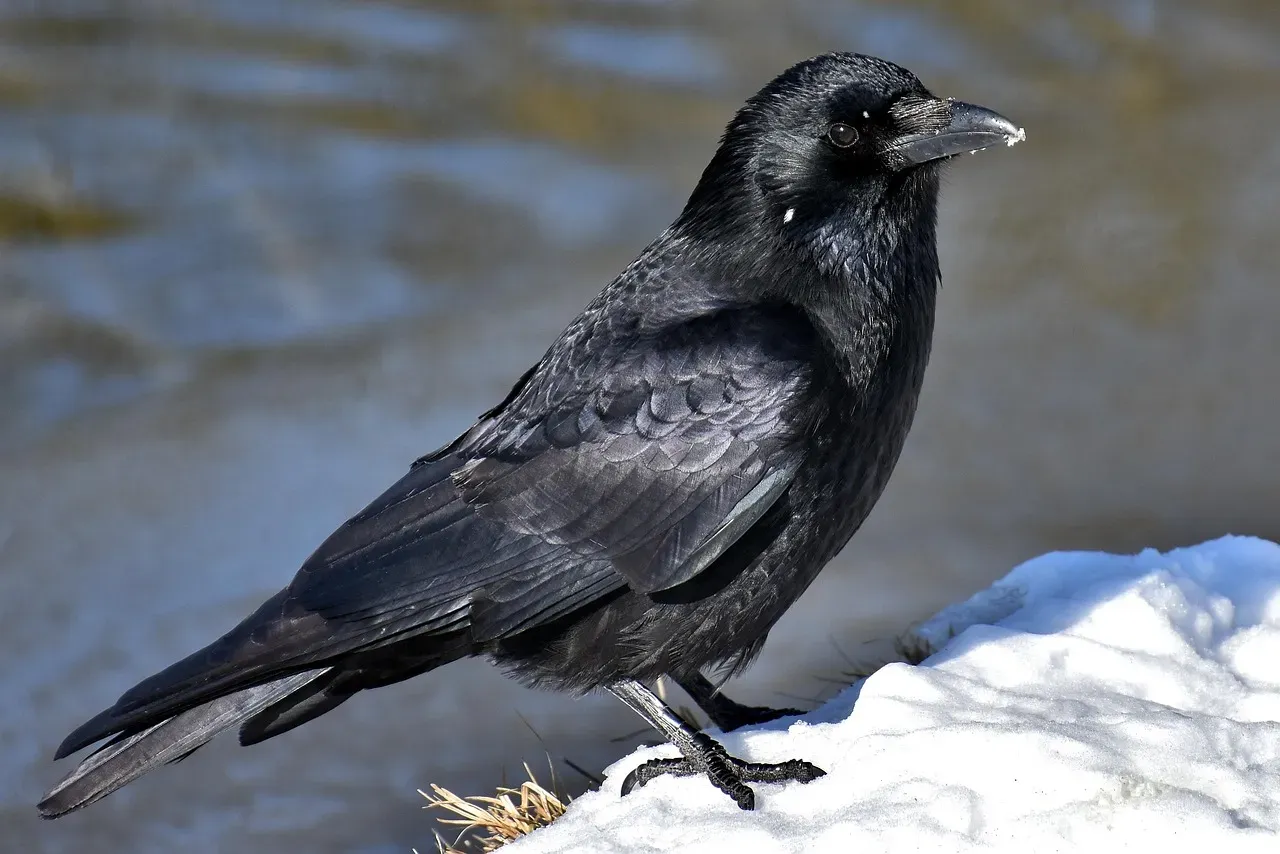
Crows do not keep face knowledge to themselves. They vocalize warnings that alert nearby flock members to a known threat. Observers pick up the cues and adopt the same wariness without ever meeting the person directly.
This sharing spreads useful information quickly across the group. It multiplies the protective value of any single memory. Young birds especially benefit when adults demonstrate which faces to avoid.
Fine Discrimination of Human Features
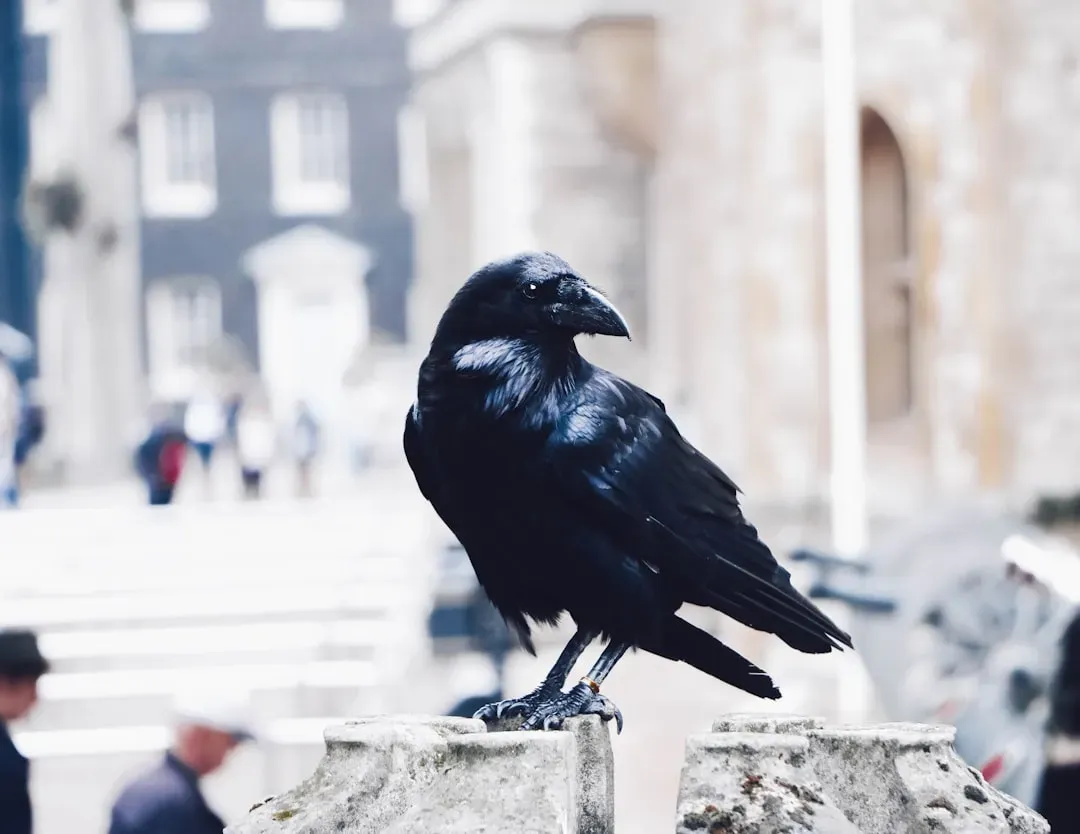
Crows notice subtle differences in facial structure, expression, and even accessories like hats or glasses. Experiments with varied masks confirm they distinguish one individual from another even in crowds. The birds ignore neutral faces while focusing on those previously linked to trouble.
Such detail-oriented perception allows precise targeting of responses. A crow might follow and scold only the person wearing the problematic mask while leaving others alone. This selectivity conserves energy and reduces unnecessary conflict.
Observational Learning from Peers
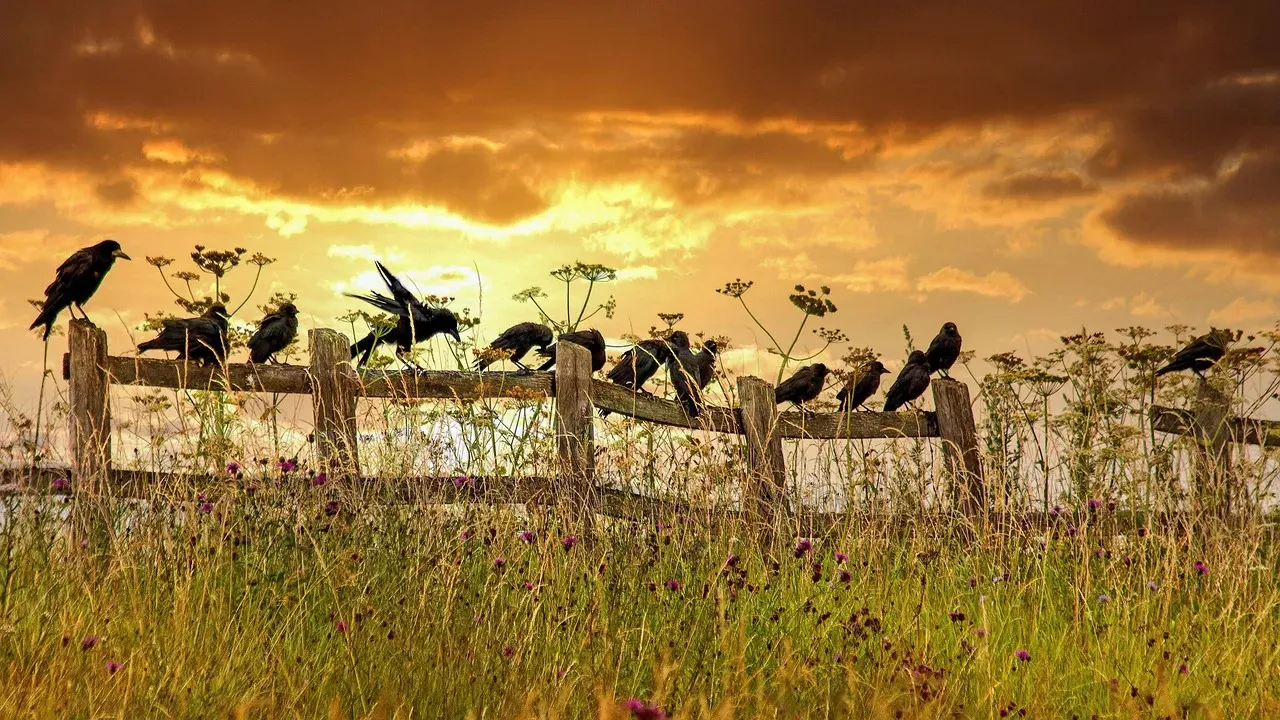
Young crows watch adults react to certain faces and absorb the lesson without personal experience. They learn to scold or avoid based on the behavior of experienced birds around them. This shortcut accelerates knowledge transfer within the flock.
Direct encounters reinforce what they see others doing. The combination of watching and participating builds robust, shared understanding. Over time the information becomes part of the local culture.
Generational Knowledge Transfer
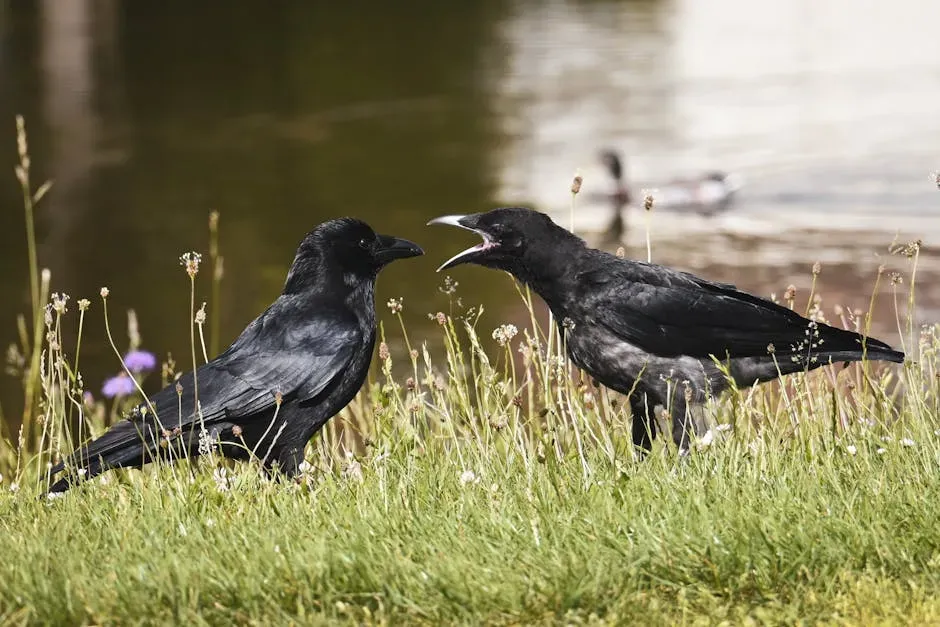
Memories persist across multiple generations as parents pass warnings to offspring. Birds that never witnessed an original event still react to the associated face. This continuity keeps the flock prepared long after the initial incident.
The pattern creates a living record of past dangers. Each new cohort inherits practical wisdom about which humans to treat with caution. Such inheritance strengthens community resilience in changing environments.
Adaptation to Human-Dominated Habitats
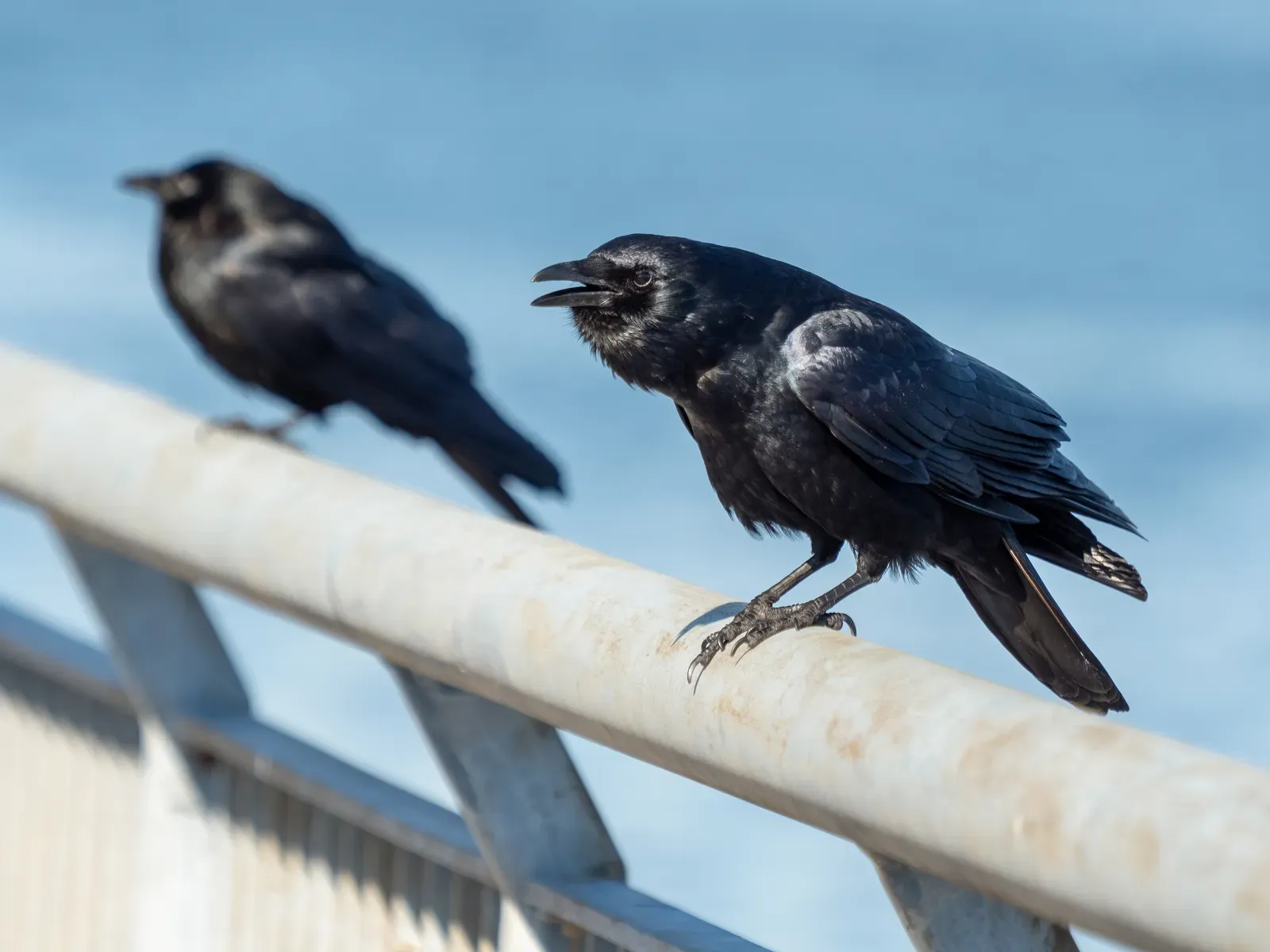
Urban crows encounter far more people than their rural counterparts. Remembering faces helps them navigate busy streets, parks, and campuses safely. They learn which individuals offer food and which pose risks amid constant human activity.
This adaptation supports thriving populations in cities worldwide. Crows that master facial recognition exploit resources while minimizing harm. The skill turns potential threats into manageable variables.
Reciprocal Recognition of Kindness
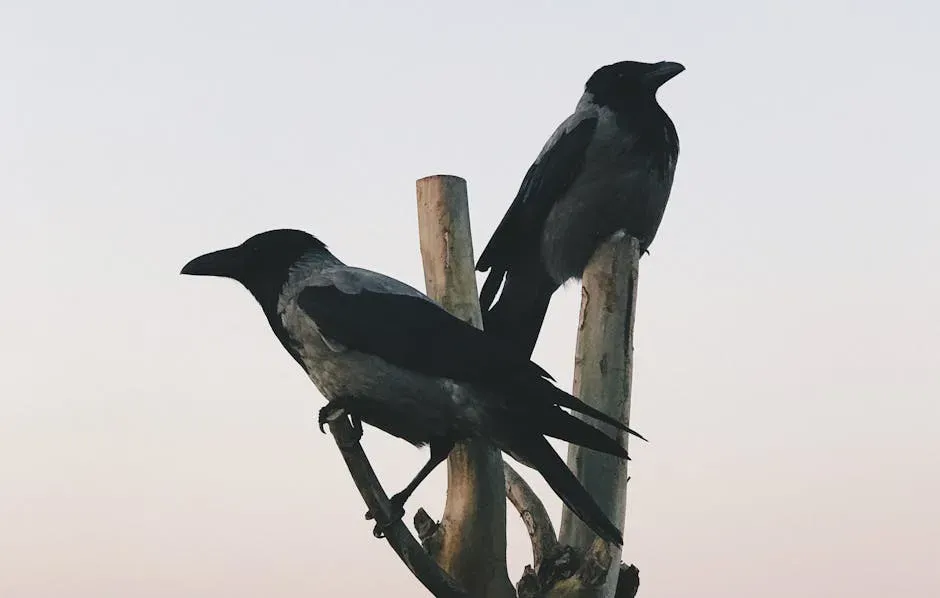
Crows also remember faces linked to positive experiences such as regular feeding or gentle presence. They may approach or tolerate those individuals more readily over time. The same memory system that holds grudges preserves goodwill.
This balance encourages mutually beneficial relationships. People who treat crows respectfully sometimes notice the birds growing calmer or even bringing small gifts. The recognition works both ways in the ongoing dance between species.
Conclusion
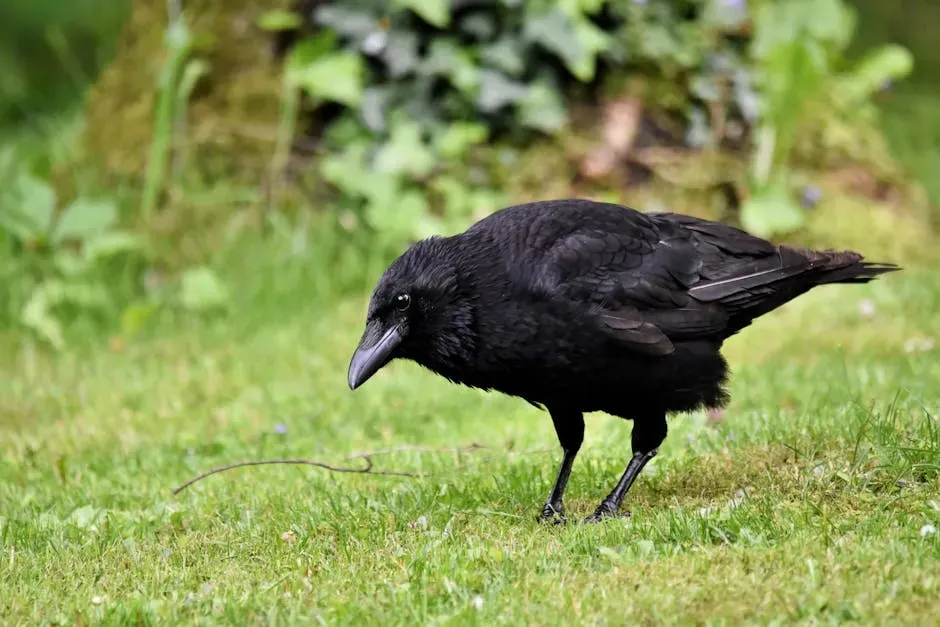
The reasons crows hold onto certain faces point to a deeper intelligence shaped by necessity and refined through social bonds. Their memories serve practical ends while revealing capacities once thought unique to larger-brained mammals. Living alongside these birds invites a quiet respect for the unseen calculations happening overhead.
In the end the lesson feels simple yet profound. Small actions toward crows can echo for years in ways we rarely notice. Paying attention to that possibility changes how we move through shared spaces.

- 10 Amazing Facts About Penguins - July 24, 2026
- 8 Ways to Create a Wildlife-Friendly Backyard Oasis for Local Critters - July 24, 2026
- How to Keep Your Pet Safe from Household Hazards - July 24, 2026