

Picture yourself on a serene forest trail, cameras ready, when suddenly you spot the towering silhouette of North America’s largest deer species. Your heart races, not just from excitement, but from a primal question that crosses every outdoor enthusiast’s mind: could you actually outrun this massive creature if things went sideways? The answer might shock you more than you expect.
Wildlife experts have been studying moose behavior for decades, and their findings reveal some startling truths about these seemingly gentle giants. While most encounters end peacefully, understanding a moose’s true capabilities could be the difference between a memorable nature experience and a dangerous encounter. So let’s dive in and discover what the science really tells us about outrunning one of nature’s most deceptively fast mammals.
The Shocking Truth About Moose Speed
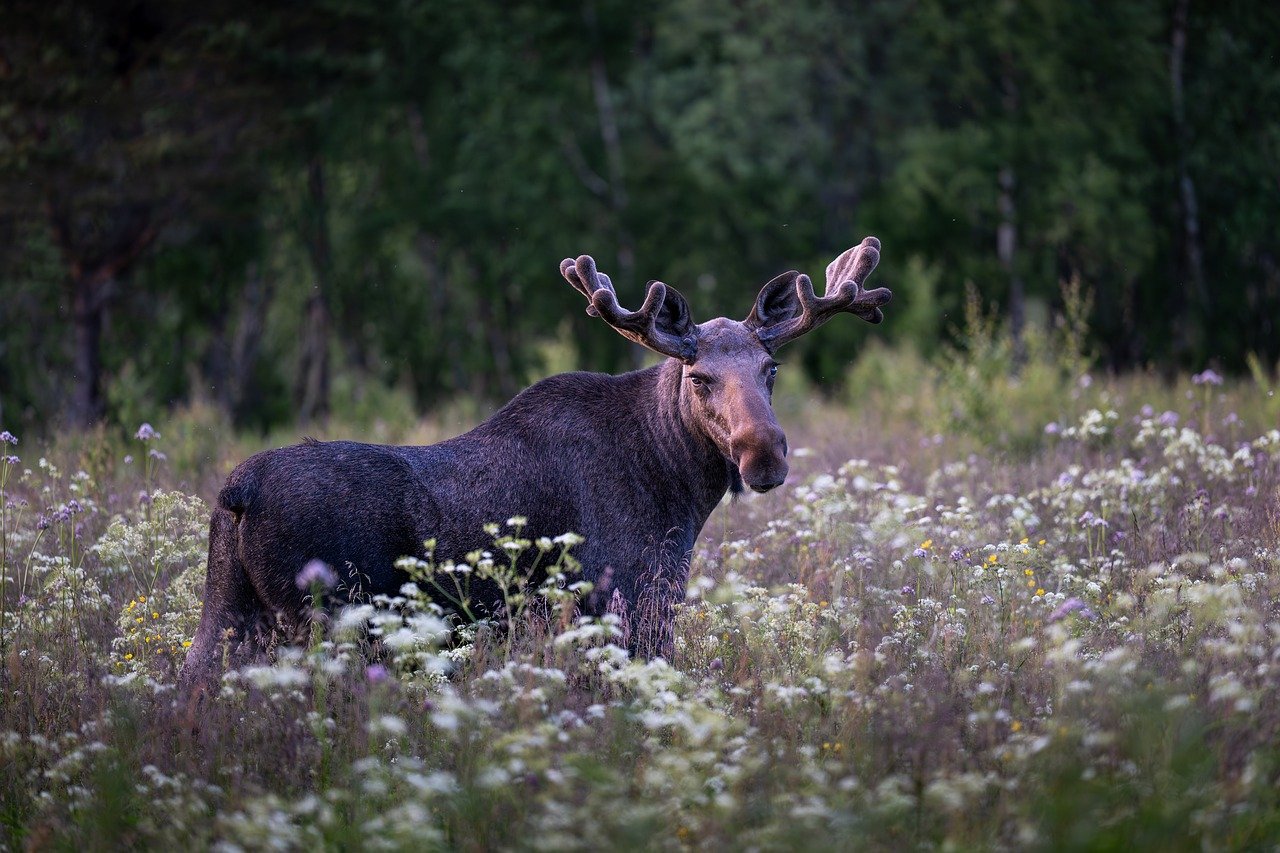
Here’s where things get interesting. A mature moose can run up to 35 miles per hour at full speed, which puts them in the same league as grizzly bears when it comes to raw speed. Think about that for a moment: an animal weighing up to 1,500 pounds can move faster than most cars in a residential neighborhood.
The average human, even those in decent shape, typically runs around 15 to 16 miles per hour at their absolute maximum. Even Usain Bolt, the fastest human ever recorded, only reached about 27 mph at his peak, while most normal people can run at speeds of 16 mph at best. This means even if you’re an Olympic-level sprinter, you’re still outmatched by a charging moose.
Why Moose Are Built for Speed
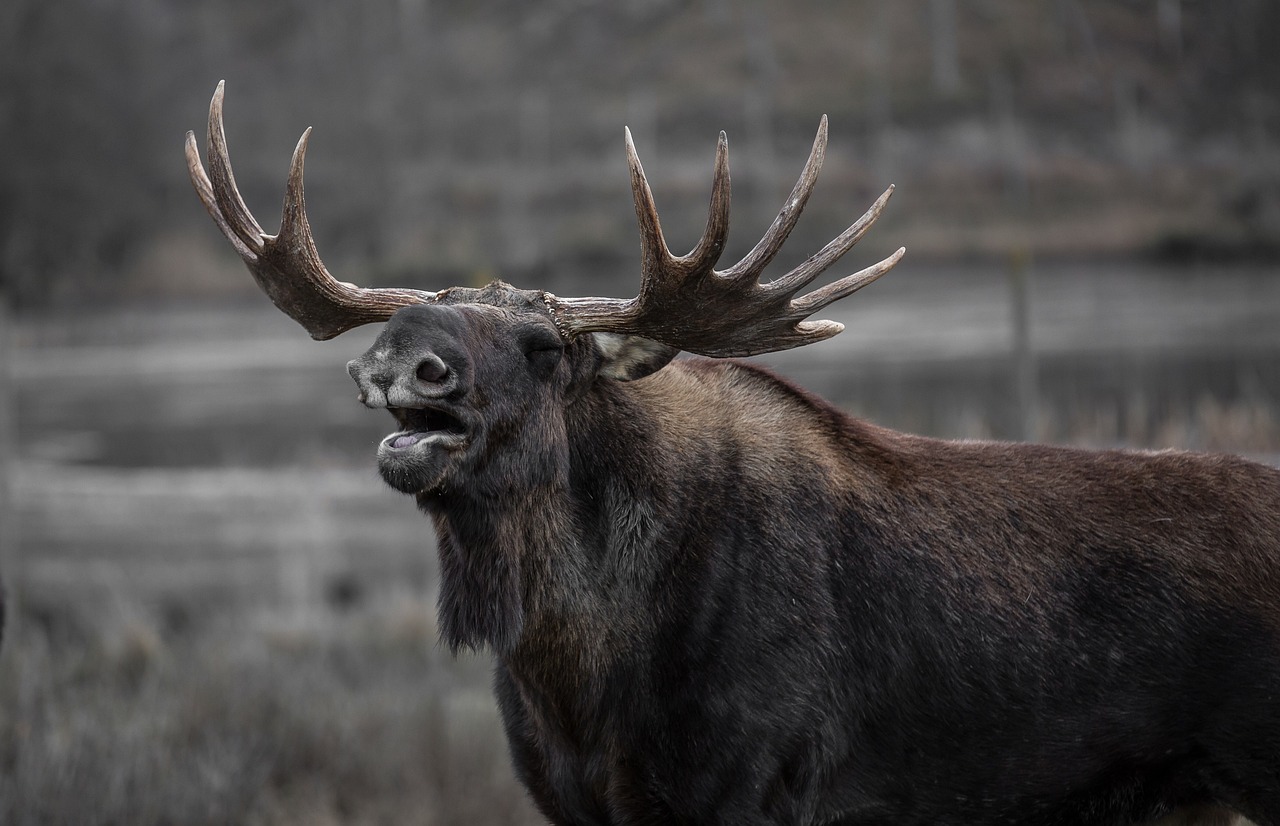
The size of the moose and length of their gait determine their ability to run fast. Moose have long legs, with their front legs shorter than their rear, which makes it possible for them to run fast on challenging terrain and allows for great jumping ability over obstacles. It’s like nature designed them as the ultimate all-terrain vehicle.
Despite their gangly appearance, these animals are surprisingly athletic. Apart from running, full-grown moose can also jump up to six feet high. Their powerful leg muscles don’t just provide speed; they deliver devastating kicks that can seriously injure predators or perceived threats.
The Endurance Factor That Changes Everything
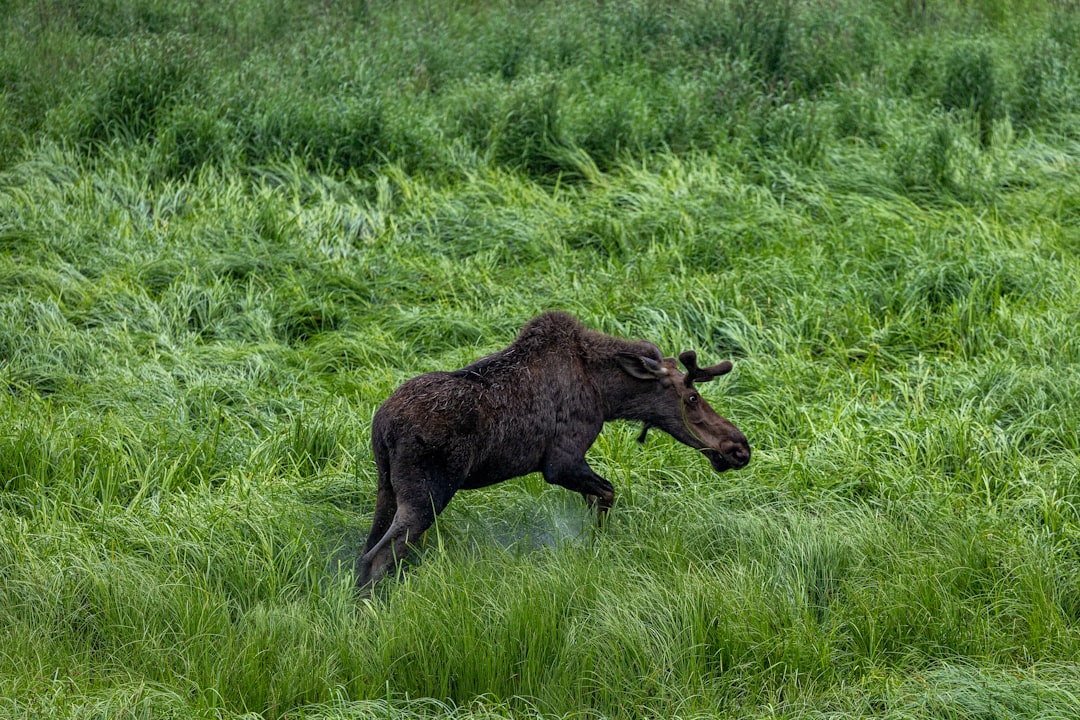
While moose can hit impressive top speeds, there’s a crucial detail that might give you hope. At full speed, the average moose can run up to 35 miles an hour, but they can only maintain those speeds for about a 300-yard sprint. However, don’t celebrate just yet.
Even at just a casual trot, a moose can easily maintain an average speed of 20 miles an hour for long periods of time. This means while they might slow down after their initial burst, they’re still moving faster than most humans can sustain, even over longer distances.
Even Baby Moose Outperform Humans
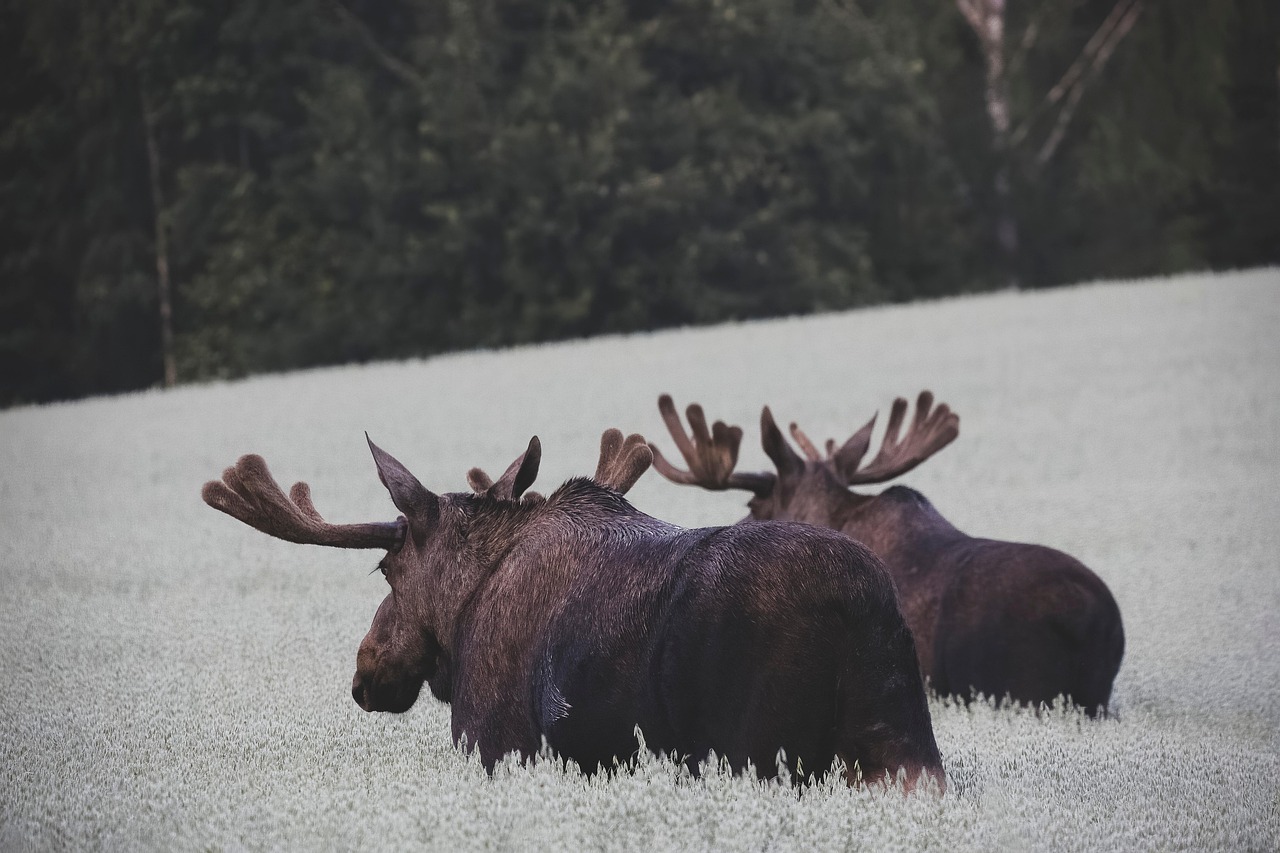
Perhaps the most humbling fact about moose speed involves their youngest members. Young moose calves develop running ability quickly and can outpace humans within their first weeks of life. Let that sink in: a week-old moose baby is already faster than you.
Young moose develop impressive speed quickly thanks to their leg structure, which allows them to gain speed quickly and outrun predators. Nature clearly prioritized survival speed from day one for these animals.
Warning Signs You’re About to Face an Unstoppable Force
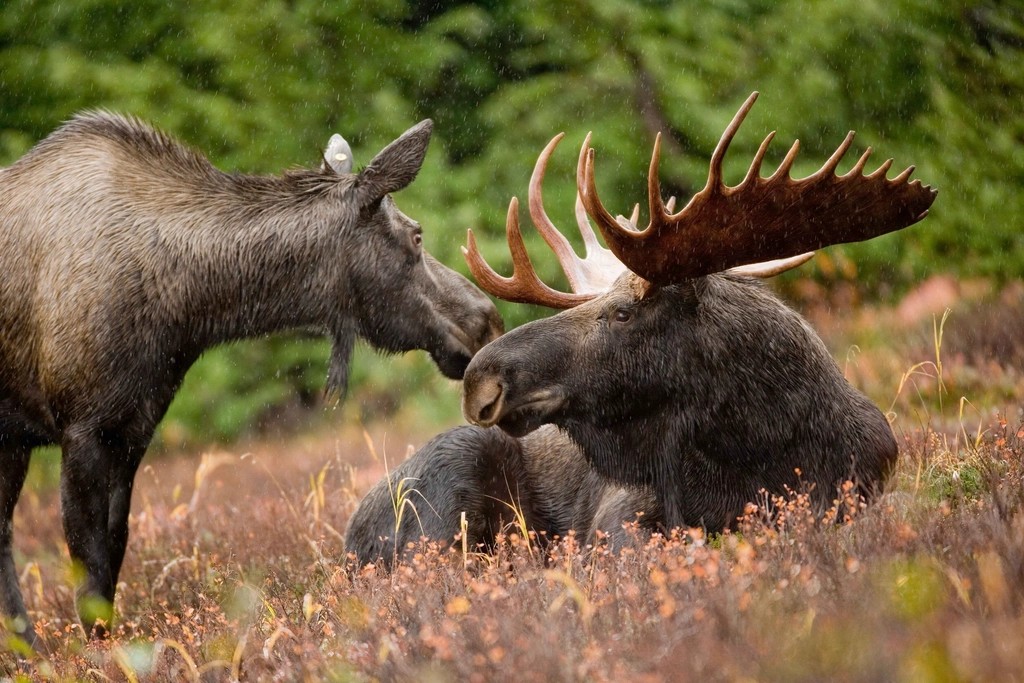
Wildlife experts have identified specific behaviors that indicate a moose is preparing to use its impressive speed against you. The hair on the back of the neck and above the hips might stand up, and they could smack their lips, show the whites of their eyes, toss their head upward like a horse, or even urinate on their back legs.
According to experts, the clearest indication of aggression is if the animal sticks its tongue out and starts licking its mouth. What people really need to understand is that these behavioral cues can happen very quickly, and they can whirl and be on you in a second if they feel you’re too close.
When Moose Use Their Speed Against Humans
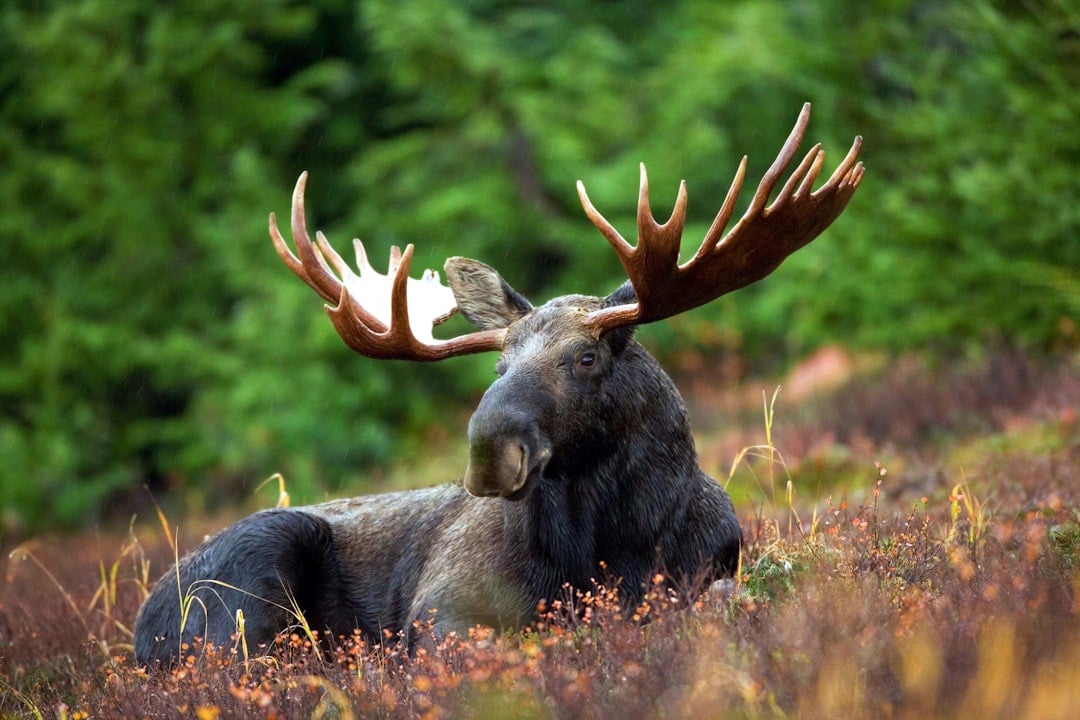
Understanding when moose become aggressive helps explain why their speed becomes such a dangerous factor. During the fall mating season in late September and October, bull moose may be aggressive toward humans, while in late spring and summer, cow moose with young calves are very protective and will attack humans who come too close.
As one wildlife expert noted, “In my years of working with wildlife, I have dealt with bears, rattlesnakes, cougars and moose, and the only species that I’ve had turn and come back at me was a moose. People often underestimate how aggressive they can be”. Their speed makes this aggression particularly dangerous.
What Experts Say You Should Do Instead
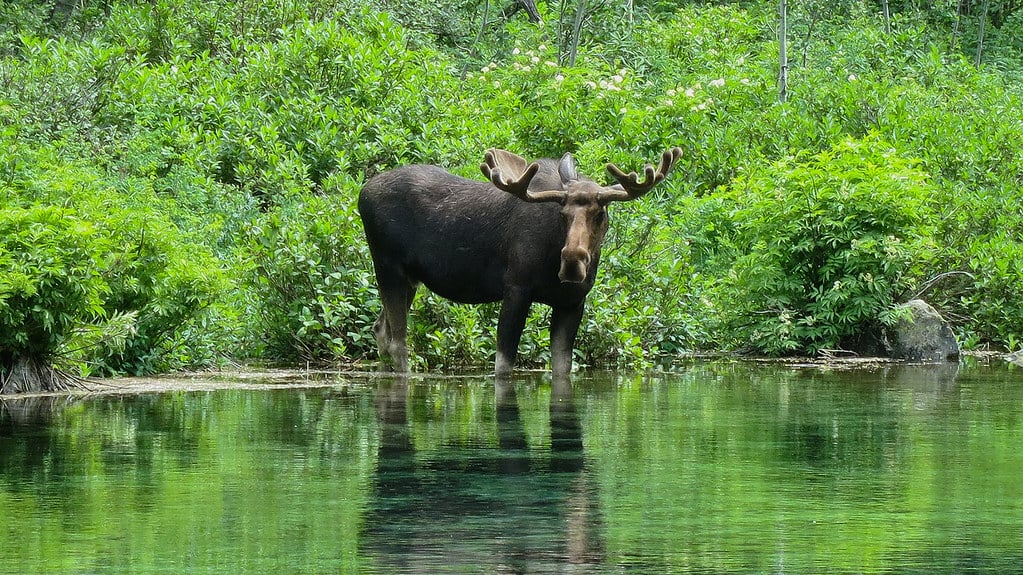
Since outrunning a moose is virtually impossible, wildlife professionals recommend a completely different approach. If a moose approaches you, back away. If it charges, RUN! Do not stand your ground, and if possible, place a tree or other nearby object between you and the moose as you retreat.
If a moose charges, it is crucial to get behind a large object like a tree, car, or rock. The goal isn’t to outrun the moose in a straight line, but to create obstacles and distance until the animal loses interest. Once the moose has driven you far enough away, it will leave you alone.
The Reality Check Every Outdoor Enthusiast Needs
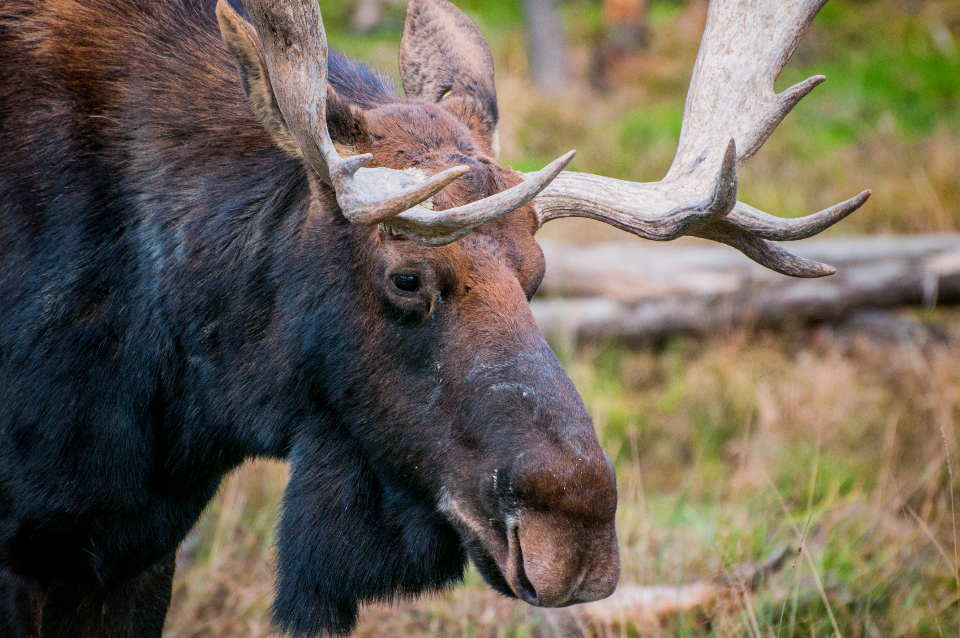
The evidence is overwhelming: No, a person cannot outrun a moose. With a top speed of 35 mph, a moose is at least twice as fast as the average human. You cannot outrun a moose. This isn’t just about peak speed either; it’s about their overall athletic ability and determination when they perceive a threat.
Wildlife experts consistently emphasize that you should be far enough away to get behind the nearest tree before a galloping horse could get there. This puts the moose’s speed in perspective: imagine trying to escape something moving as fast as a racehorse, but with the size and power of a small vehicle.
The next time you’re hiking in moose country, remember that these magnificent animals aren’t just impressive to look at; they’re athletic powerhouses capable of outrunning even the fastest humans. Your best defense isn’t your legs, but your awareness, respect for their space, and knowledge of proper safety protocols. The question isn’t whether you can outrun a moose, but whether you’re smart enough not to have to try. What do you think about it? Tell us in the comments.
