
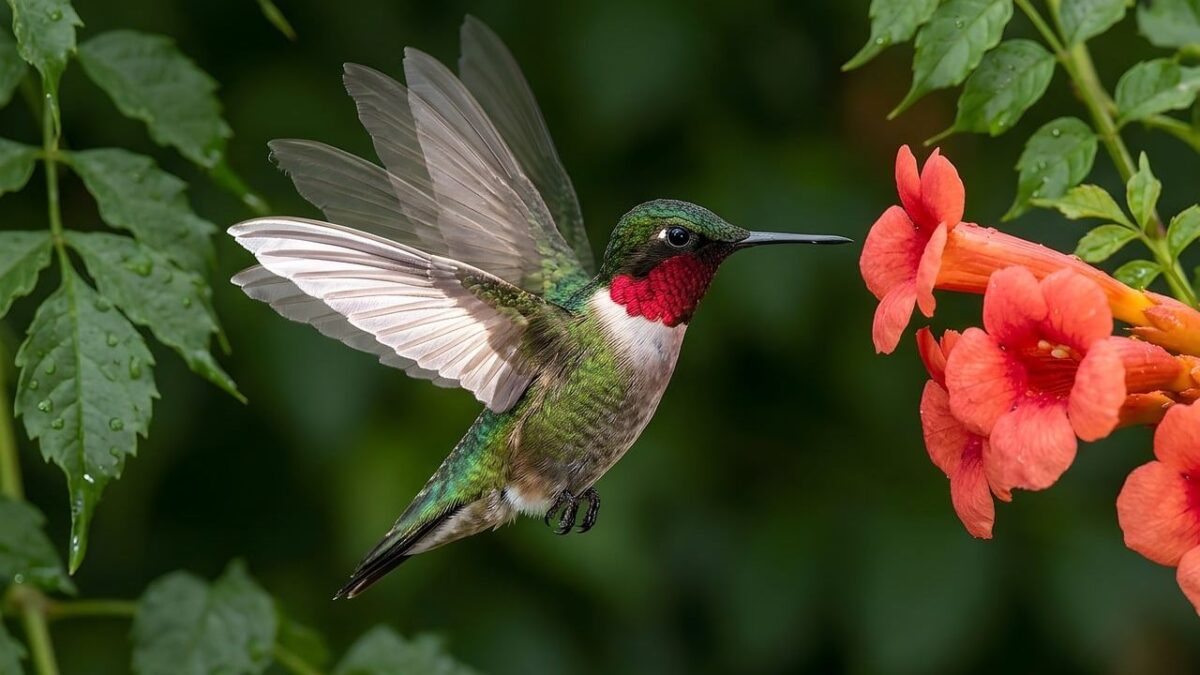
There’s a quiet heartbreak that happens every summer in backyards across America. Feeders are filled, flowers are blooming, and still – no hummingbirds. Just empty air where those iridescent little fliers should be hovering. Most gardeners assume the birds simply “moved on” or that something changed in the environment. But the truth is far more personal: something in that yard is pushing them away, and it’s almost always something fixable.
The brutal part? Hummingbirds run on razor-thin energy budgets and surprisingly sharp memories. Once a yard gets crossed off their mental map, winning them back is genuinely hard. But if you can spot the mistake before that happens – or catch it early – you can turn things around fast. These 14 missteps are the ones most gardeners never see coming until the season is already lost.
#1 – Failing to Maintain Consistent, Year-Round Resources
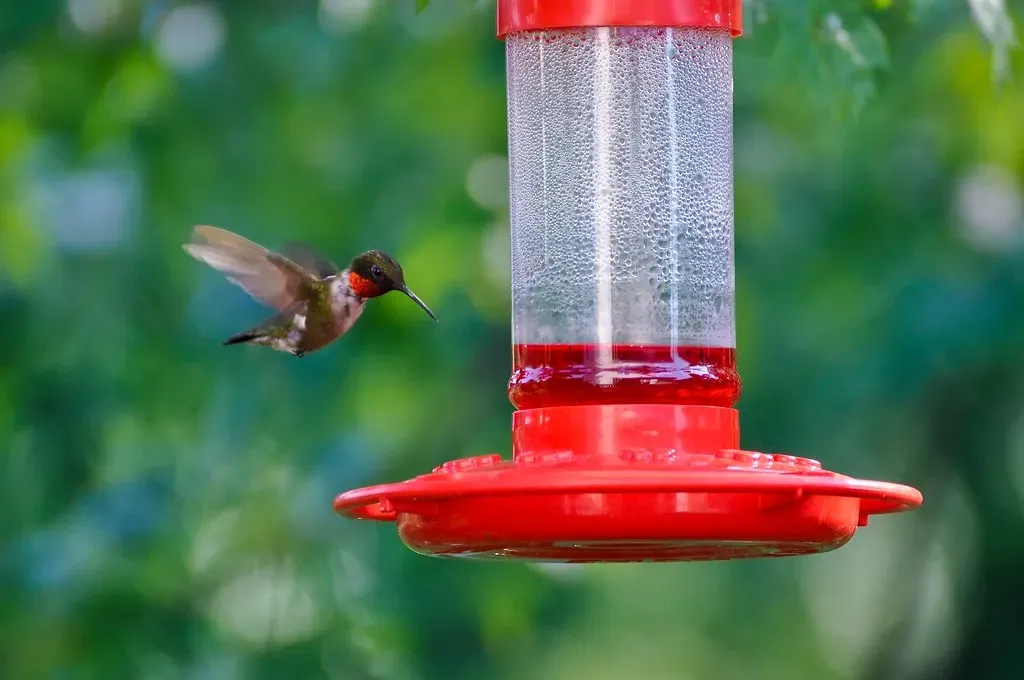
This is the one that stings the most, because it looks like dedication from the outside. A gardener fills the feeder every spring, plants beautiful flowers, and then slowly lets things slide by August – feeder runs dry for a week, the last blooms get pulled, and the yard goes quiet. To us, that’s just the end of summer. To a hummingbird, that’s a betrayal of a territory they were counting on.
These birds don’t just visit randomly. They memorize reliable sources and build feeding routes around them. When a yard goes inconsistent even once, they reroute – and they don’t check back. The most shocking reality is that once hummingbirds cross a location off their internal map, they rarely return even when conditions improve the following season. Consistent feeders, clean water, and overlapping blooms don’t just attract hummingbirds. They make a yard worth defending.
Fast Facts
- Hummingbirds fly alone and often follow the exact same migration path year after year.
- Ruby-throated hummingbirds typically arrive along the Gulf Coast from late January to mid-March, reaching northern states by late April or May.
- Fall migration begins as early as late July for males; most birds head south between August and September.
- A hummingbird can travel up to 500 miles nonstop – your yard is a critical pit stop on that journey.
- Birds that find a reliable yard one season are highly likely to return to the same feeder the following year.
#2 – Ignoring Seasonal Timing and Bloom Gaps
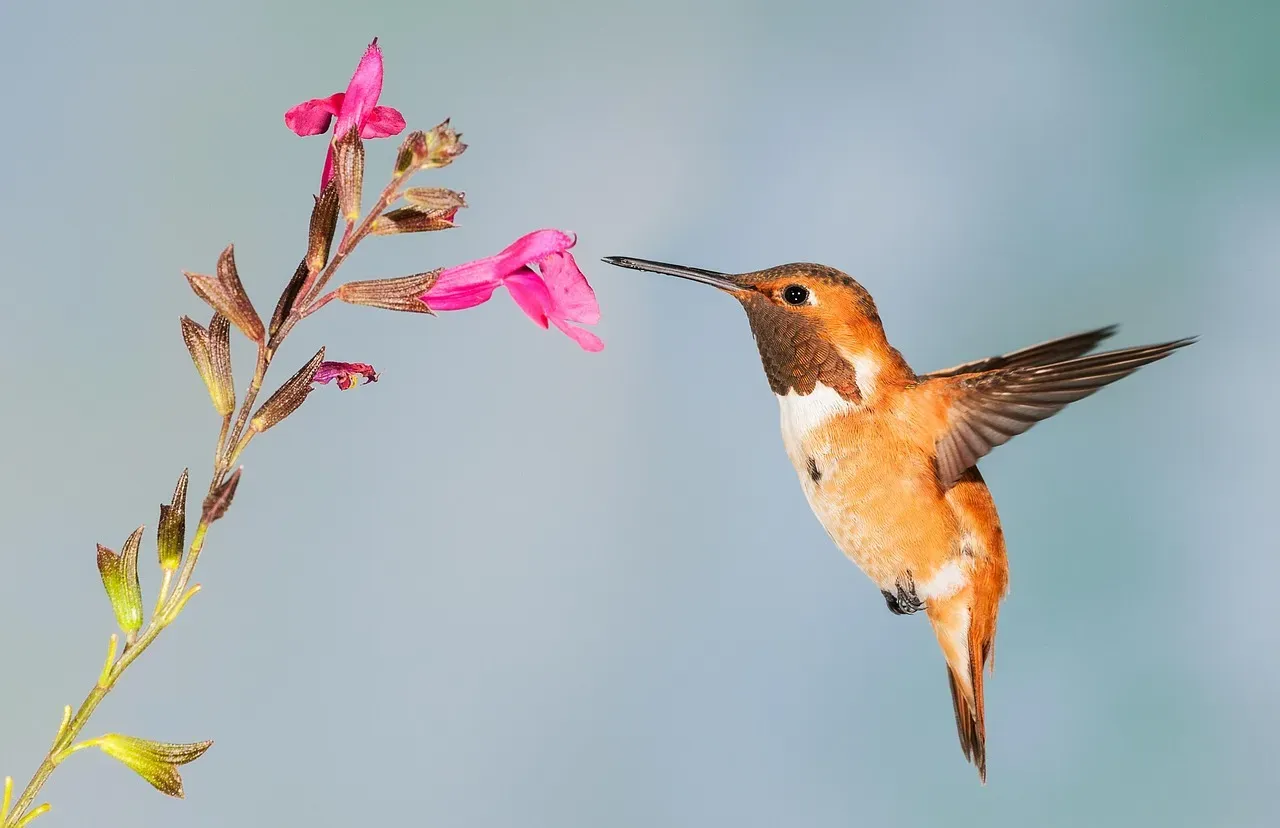
Most gardeners plant for the spring burst – tulips, early salvias, a riot of color in May – and then let summer fend for itself. It looks lush in photos, but by July, there’s almost nothing left for a hummingbird to drink. That gap isn’t just inconvenient. It’s a signal that says “nothing reliable here” in the only language these birds understand.
Migration timing also shifts from year to year, meaning a gap that seemed harmless one season can land exactly when a wave of birds is passing through. Staggering bloom periods – pairing early bloomers with mid-season salvias and late-season cardinal flower or Mexican sage – keeps the yard on the map from frost to frost. The calendar does more heavy lifting here than most gardeners ever realize.
#3 – Placing Feeders in Windy or Exposed Spots
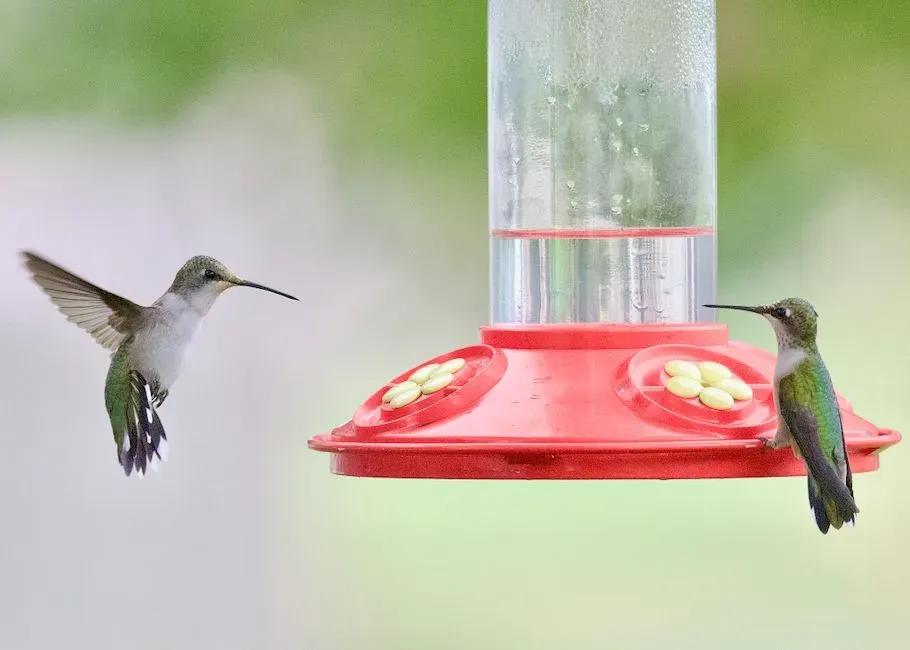
It feels intuitive to hang a feeder somewhere visible – out in the open, easy to spot from the porch or the kitchen window. But what looks open and welcoming to a human looks exhausting to a hummingbird. Hovering already burns enormous energy. Hovering into a steady breeze while trying to drink is a losing proposition, and these birds do the math instantly.
Wind also evaporates nectar faster and accelerates fermentation, so the solution degrades before it even gets used. Moving a feeder just a few feet – tucked near a shrub, sheltered by a fence corner, or positioned where a hedge breaks the prevailing wind – can double daily visits without changing anything else. It’s one of those fixes that costs nothing and pays off immediately.
At a Glance: Smarter Feeder Placement
- Best spot: Partial morning sun with afternoon shade – slows nectar spoilage and keeps birds comfortable.
- Ideal height: 5 to 6 feet off the ground for good airflow and visibility.
- Distance from cover: 10 to 15 feet from dense shrubs – close enough for perching, far enough to deter predators.
- Avoid: Full wind exposure, deep shade, or placement directly above ant trails.
- Pro move: Hang multiple feeders spaced at least 10 to 20 feet apart to reduce competition and territorial aggression.
#4 – Mowing Lawns Too Short and Removing Cover
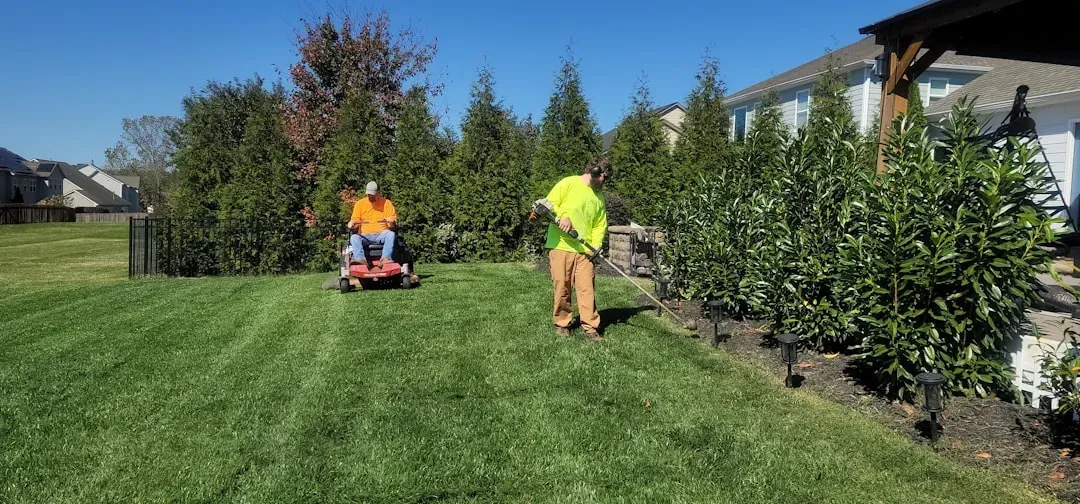
The perfectly manicured lawn is one of the great American status symbols, and it’s quietly terrible for hummingbirds. A crew-cut yard eliminates the low perches, tangled edges, and ground-level insect habitat these birds use constantly between feedings. They’re not just nectar machines – they need places to rest, watch for rivals, and hunt the tiny bugs that make up a critical part of their diet.
Letting a strip of native grass grow a little taller, leaving a rough edge around flower beds, or allowing some leaf litter near shrubs creates the kind of layered habitat that makes a yard feel like a real home rather than a fueling stop. The neat-and-tidy aesthetic that many homeowners prize is, in ecological terms, a food desert. A slightly wilder border changes that equation without making the yard look neglected.
#5 – Adding Artificial Scents or Dyes Near Feeders
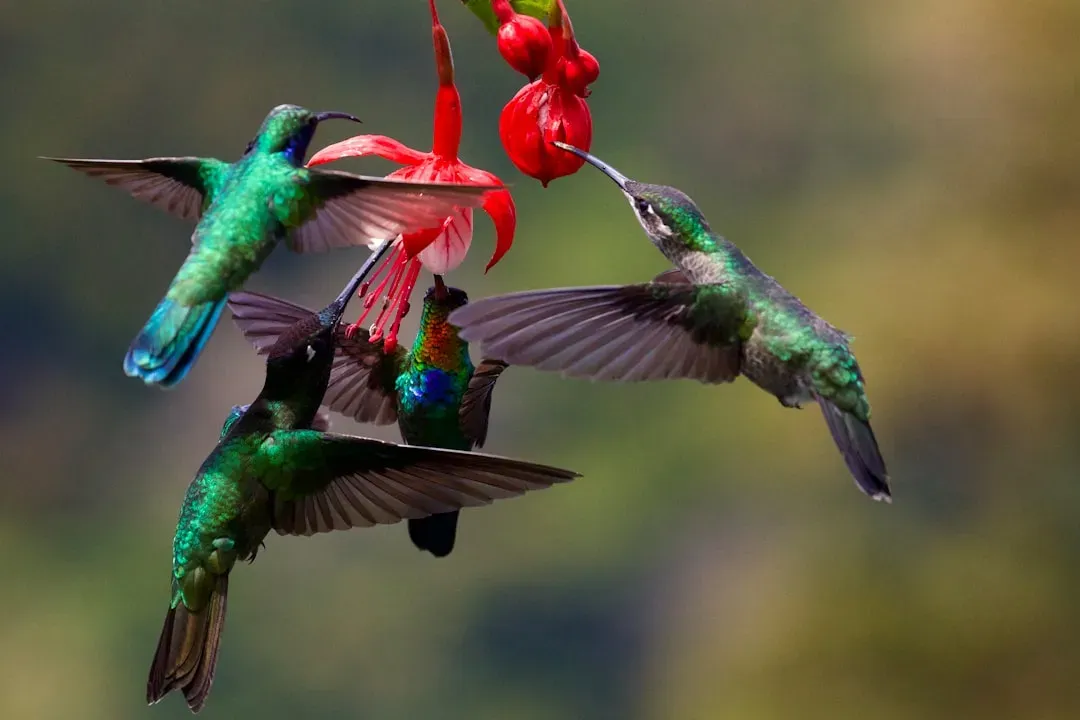
Nobody sets out to repel hummingbirds with a citronella candle or a plug-in air freshener near the patio. It seems unrelated. But hummingbirds navigate partly through subtle environmental cues, and strong artificial fragrances can mask the signals they rely on to locate real flowers and safe feeding sites. What smells pleasant to us registers as interference to them.
The same problem applies to scented garden sprays, heavily perfumed companion plants placed directly beside feeders, and even some flavored nectar additives marketed as attractants. Keeping the feeding zone neutral – no competing aromas, no dyed solutions – preserves the birds’ natural ability to find what they’re looking for. This is one of those invisible barriers that well-meaning gardeners erect without ever suspecting it.
#6 – Planting Flowers in Isolation Instead of Clusters
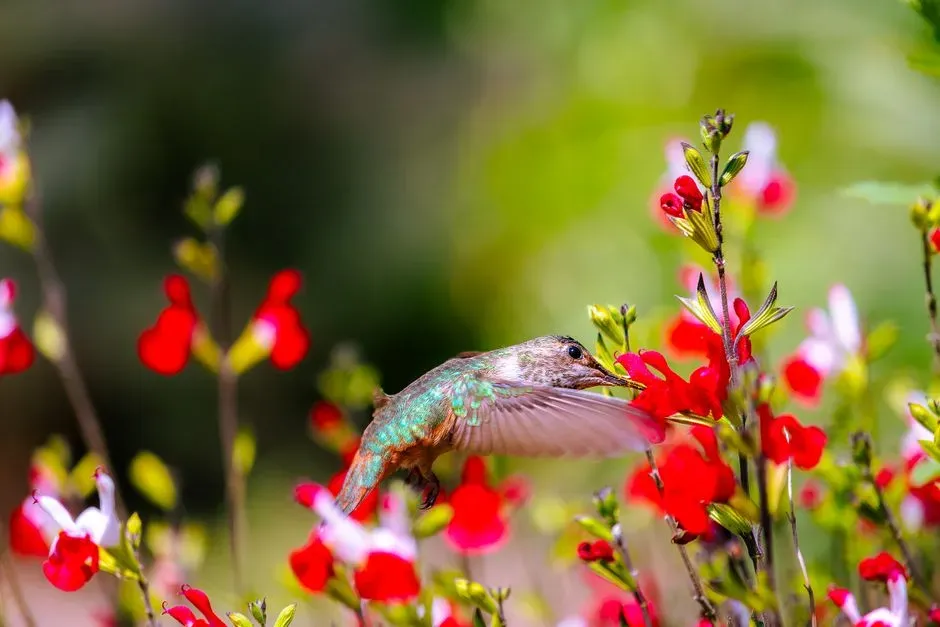
A single beautiful salvia tucked between two hostas might look intentional in a garden design, but to a hummingbird scanning from twenty feet up, it barely registers. These birds are looking for density – patches of the same species grouped together that signal a reliable, worthwhile energy source. One flower in a sea of green doesn’t meet that threshold.
Grouping the same species in drifts of five, seven, or more mimics the natural meadow patterns hummingbirds evolved to read. They remember productive patches and return to them daily, sometimes defending them aggressively against rivals. That loyalty only kicks in when the density earns it. This simple layout shift – pulling scattered singles into intentional clusters – can transform a yard from one birds fly over into one they claim as territory.
Quick Compare: Flowers Hummingbirds Actually Use
- Cardinal Flower – Native, deep-red tubular blooms, extremely high nectar output, blooms mid-to-late summer.
- Trumpet Honeysuckle – Native vine, long season, beloved by Ruby-throated hummingbirds across the East.
- Native Bee Balm – Tubular, long-blooming, doubles as insect habitat for their protein needs.
- Salvia (native species) – Heat-tolerant, multiple bloom flushes, excellent mid-season bridge plant.
- Hybrid Impatiens / Doubled Petunias – Visually appealing but often breed for looks over nectar; poor hummingbird value.
#7 – Allowing Cats or Other Predators Free Access
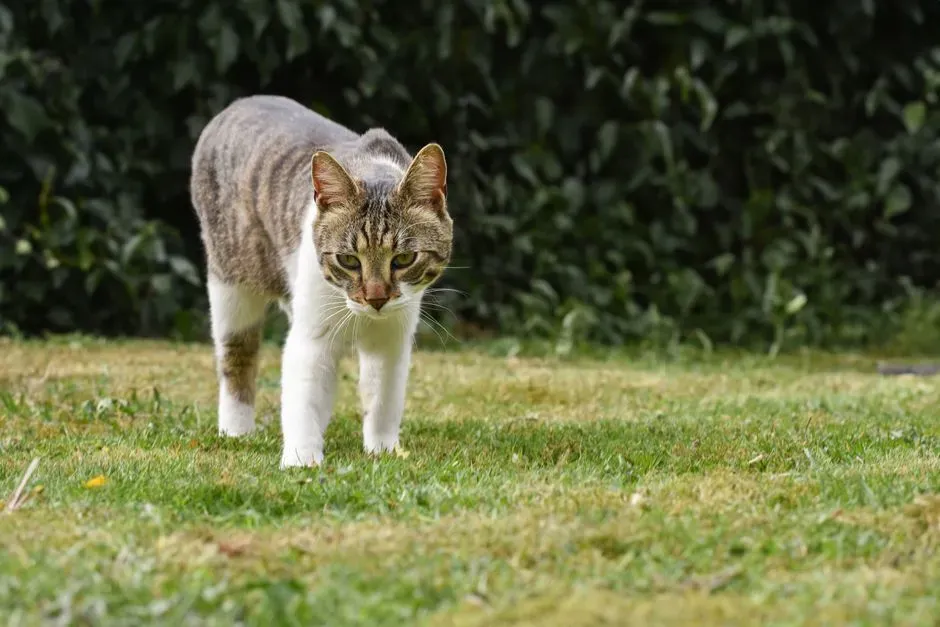
It’s an uncomfortable truth for a lot of animal lovers: the outdoor cat and the hummingbird garden are fundamentally incompatible. Cats are ambush predators with reflexes fast enough to catch animals that can fly 30 miles per hour and change direction in an instant. A single patient cat near a feeder doesn’t just occasionally catch a bird – it teaches every bird in the area that the spot is dangerous.
Hummingbirds are wired to abandon sites where they feel threatened, and they share that information behaviorally through avoidance patterns other birds observe. One persistent predator can empty a garden in days. Motion-activated deterrents, keeping cats indoors during peak feeding hours, or relocating feeders above easy jumping height are all effective interventions. The cost of ignoring this one compounds quietly until there’s nothing left to protect.
Cats are responsible for billions of bird deaths in the United States every year. Even well-fed, beloved pets hunt instinctively – it isn’t about hunger.
American Bird Conservancy
#8 – Creating Too Much Shade Around Feeding Areas
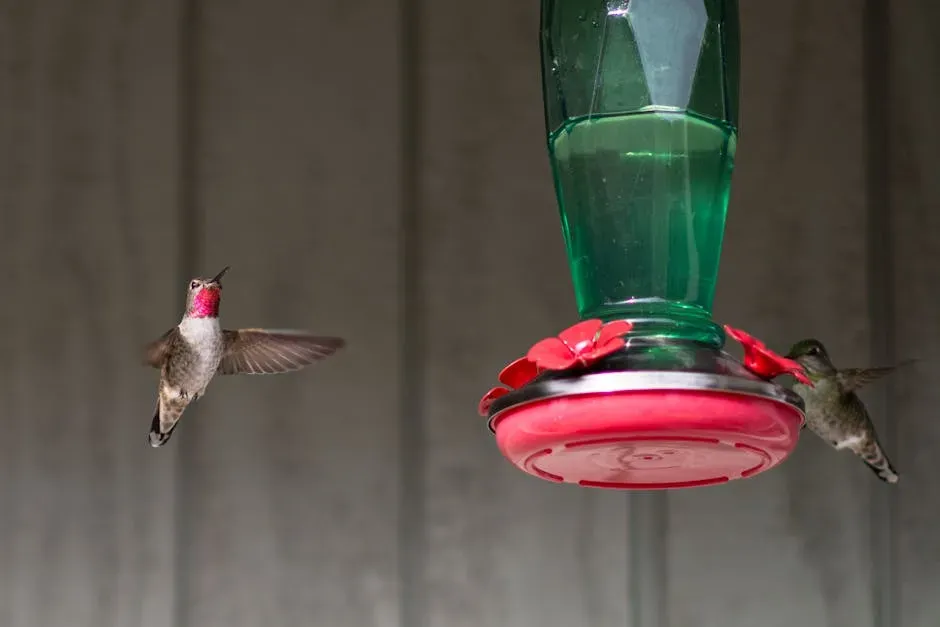
Shade gardens have their own beauty, and plenty of hummingbird-friendly plants tolerate partial shadow. But feeders and flowering clusters tucked deep under a canopy miss something essential: sunlight drives nectar production. Flowers in heavy shade produce measurably less nectar than their sun-exposed counterparts, which means a shaded bed can look identical to a productive one and deliver a fraction of the energy reward.
Hummingbirds also prefer spots where they have clear sightlines – open areas where they can watch for rivals and predators while feeding. Dense overhead cover makes them nervous. Strategic pruning to open a gap, or relocating feeders to the sunnier edge of a planting bed, often produces an immediate uptick in visits. The yard stays cool and private; the birds get the light exposure they actually need.
#9 – Relying Only on Non-Native or Hybrid Plants
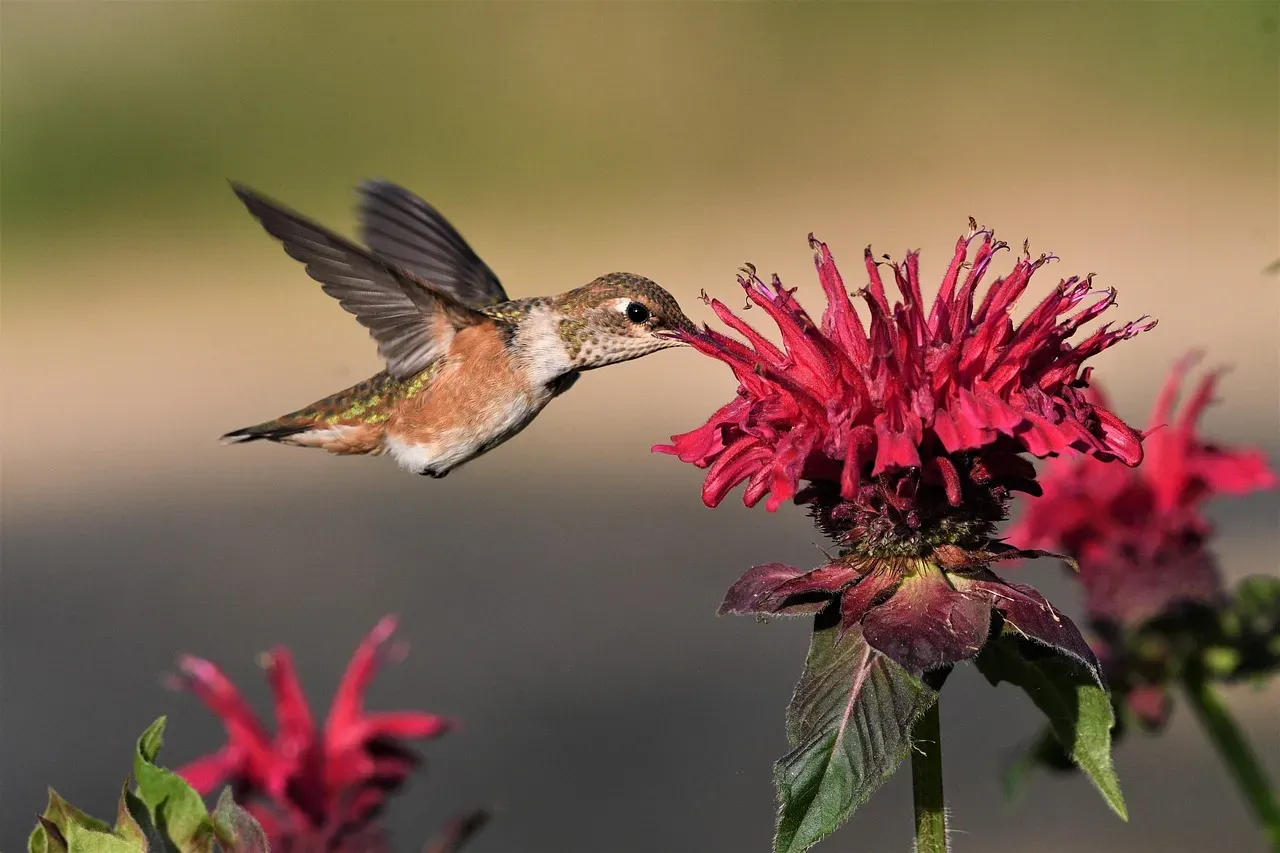
Garden centers are stacked with hybrid cultivars that look extraordinary – doubled petals, intense colors, impressive size. They photograph beautifully and they sell well. What they often don’t do is feed hummingbirds. Many popular hybrids have been bred for visual appeal at the expense of the very thing that makes them valuable to wildlife: nectar production. Some produce almost none at all.
Native plants evolved alongside the hummingbirds in a given region over thousands of years. Cardinal flower, trumpet vine, native bee balm, and wild columbine produce nectar at the volumes and concentrations these birds are built to use. Replacing even a few hybrid-heavy beds with proven natives can reverse a multi-season decline. Most gardeners don’t make the connection until the birds have already been gone long enough to feel permanent.
Worth Knowing
- Many nursery flowers are bred for color, longevity, and size – but often produce little to no usable nectar.
- Doubled or ruffled petals on hybrid blooms can physically block access to the nectar tube entirely.
- Native plants also support the micro-insects hummingbirds need for protein – non-natives rarely do both.
- Even a partial swap – replacing two or three hybrid beds with native species – can make a measurable difference within a single season.
#10 – Using the Wrong Nectar Recipe or Additives
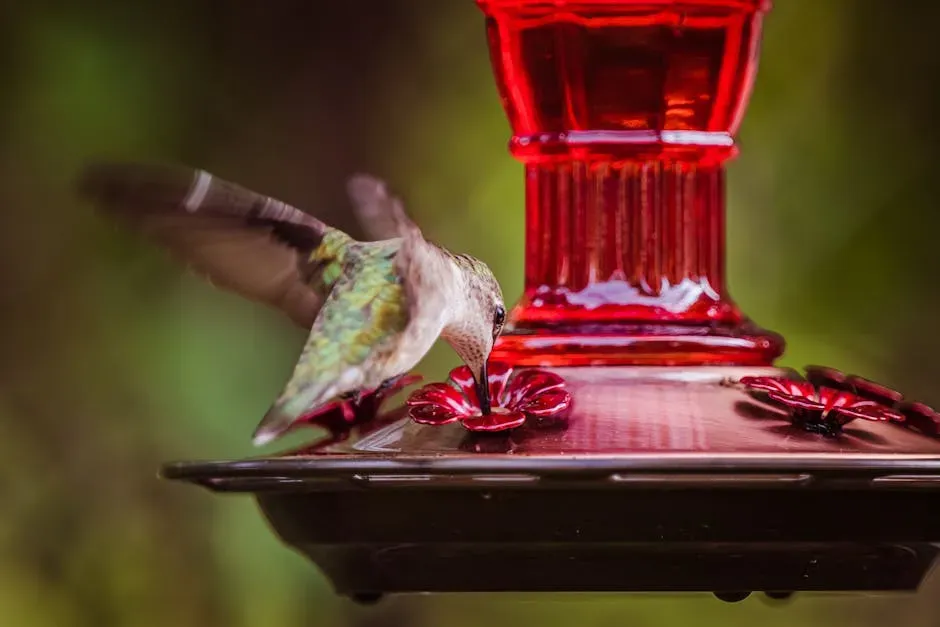
The red dye in commercial nectar mixes has been a subject of concern among ornithologists and wildlife rehabilitators for years. Beyond the dye issue, many pre-mixed products use incorrect sugar ratios, added preservatives, or sweeteners that don’t match the nutritional profile of natural flower nectar. Birds may drink it initially – they’re hungry and it’s sweet – but the long-term effects quietly accumulate.
The correct recipe is disarmingly simple: one part plain white granulated sugar dissolved in four parts water. No honey, which can ferment and cause fungal infections. No artificial sweeteners, which provide zero calories. No red dye, because the feeder itself or a red flower nearby does the attracting. This one small correction costs nothing extra and removes a source of ongoing harm that most gardeners are completely unaware they’re causing.
Fast Facts: The Right Nectar Recipe
- Correct ratio: 1 part white granulated sugar to 4 parts water – this closely mirrors the natural sugar concentration of hummingbird-pollinated wildflowers.
- Never use: Honey (causes fungal infections), brown sugar, raw sugar, artificial sweeteners, or powdered sugar with additives.
- Skip the dye: Red food coloring is unnecessary and potentially harmful – the feeder’s color does the job.
- Storage: Refrigerate extra nectar for up to one week; discard any batch that looks cloudy or smells off.
- Batch size tip: Make small batches to reduce waste and ensure birds always get the freshest solution.
#11 – Letting Feeders Get Dirty or Moldy
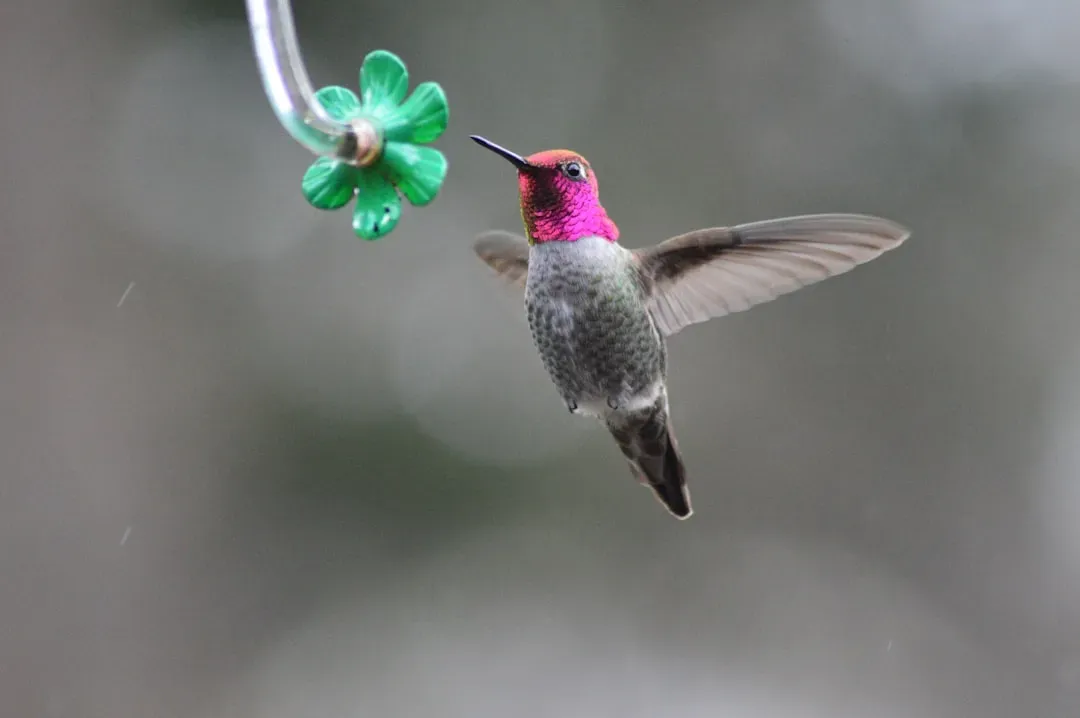
This is one of the most common and most damaging mistakes in the entire list, because it happens through neglect rather than intention. A feeder filled and forgotten for a week in summer heat becomes something genuinely dangerous. The sugar solution ferments, black mold colonizes the ports and reservoir, and what started as an act of generosity becomes a disease vector. Hummingbirds that drink from contaminated feeders can develop a fatal tongue condition – avian candidiasis – a fungal infection that causes the tongue and esophagus to swell, ultimately preventing the bird from feeding at all.
Cleaning frequency depends entirely on temperature. In hot weather above 85°F, nectar can turn toxic in under 24 hours and feeders should be cleaned daily. Between 70°F and 85°F, every two to three days is the standard. In cooler spring and fall weather, every three to five days is the minimum. Cleaning with a diluted vinegar solution – one part white vinegar to two parts water, soaked for 15 to 20 minutes – removes bacteria without leaving harmful residue. It takes five minutes. Skipping it, even once during a hot stretch, can sicken birds and trigger an abandonment of the site that spreads through the local population through learned avoidance. One dirty feeder doesn’t just hurt the birds that visit it. It poisons the reputation of the yard.
#12 – Skipping a Reliable Water Source
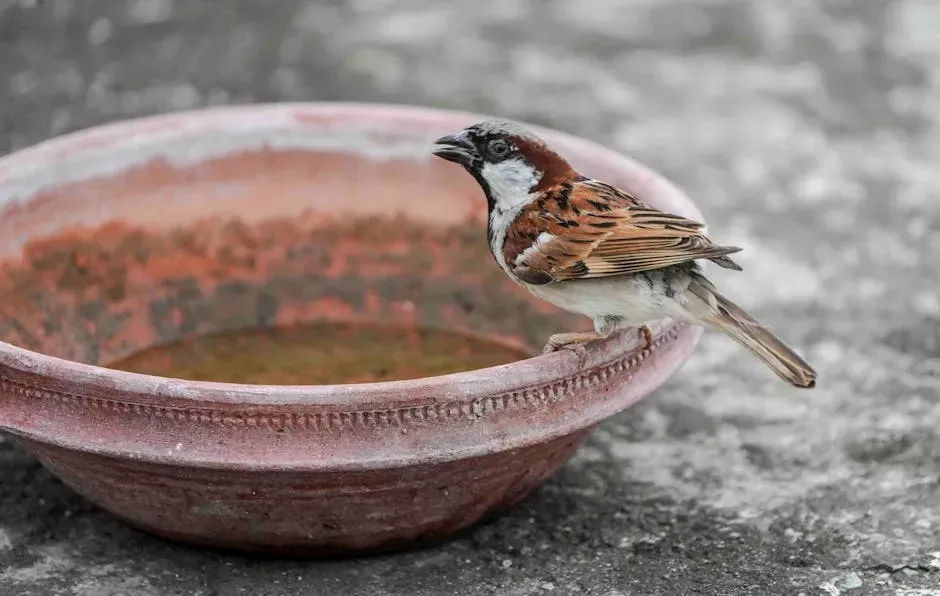
Feeders and flowers get all the attention, but water is the piece of the puzzle that most yards are completely missing. Hummingbirds bathe frequently – it’s essential for feather maintenance and thermoregulation – and they prefer specific conditions that most standard birdbaths don’t provide. Deep baths designed for larger birds are useless. What hummingbirds want is a very shallow dish, a leaf with collected rainwater, or ideally a gentle mist or drip.
Moving water is especially effective because it signals freshness and catches light in a way that attracts birds from a distance. A simple solar-powered dripper placed in a shallow dish costs almost nothing and can become the most-visited spot in the entire garden. Yards that look perfect on paper – feeders full, flowers blooming – can stay empty simply because this one basic need is unaddressed. Water turns a feeding station into a habitat.
#13 – Spraying Pesticides on Flowering Plants
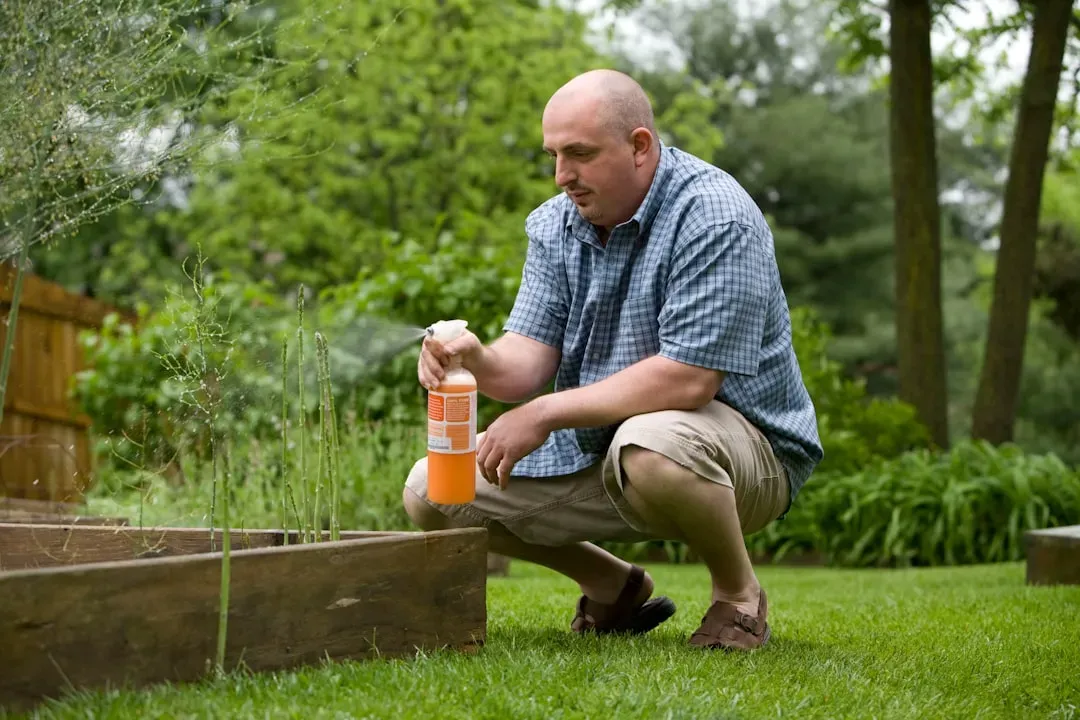
The instinct to reach for a spray bottle at the first sign of aphids or thrips is understandable, but it triggers a cascade of consequences most gardeners never trace back to the source. Hummingbirds are not purely nectar drinkers. They consume enormous quantities of tiny insects and spiders every day – small flies, gnats, aphids, and soft-bodied bugs that provide the protein and fat their metabolism demands. Pesticides don’t just kill target pests. They collapse the entire micro-insect community that makes a garden nutritionally complete.
Chemical residues also linger on petals and leaves far longer than most product labels imply, and hummingbirds encounter them directly through repeated contact during feeding. Even sprays marketed as organic or “bee-safe” can reduce insect availability dramatically in treated areas, forcing birds to burn extra energy foraging farther afield. Once a yard consistently fails to meet their caloric needs – even if nectar is plentiful – they stop including it on their route. The bugs matter as much as the flowers.
Why It Stands Out: What Hummingbirds Actually Eat
- Nectar provides fast-burning carbohydrate energy – but insects and spiders deliver the protein and fat that sustain them.
- A single hummingbird can consume hundreds of tiny insects per day during nesting and migration seasons.
- Pesticide-free yards naturally host gnats, small flies, aphids, and spiders – the hummingbird’s built-in protein buffet.
- Even “organic” or “bee-safe” sprays can collapse the micro-insect population that makes a yard nutritionally complete.
- Removing pesticides is one of the single highest-impact changes a gardener can make – and it costs nothing.
#14 – Planting the Wrong Flower Colors and Shapes
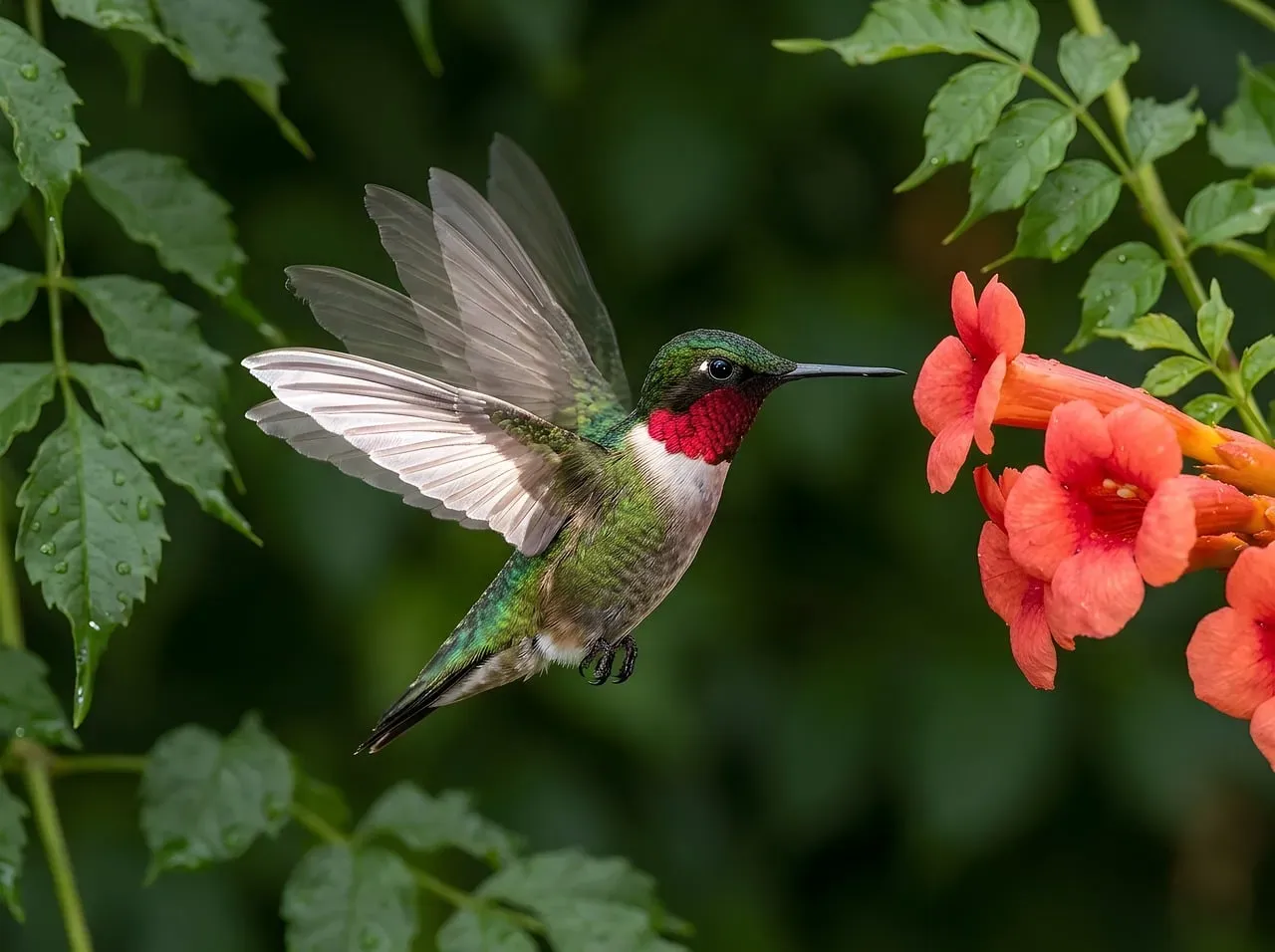
Red is the famous color, and it’s a real signal – hummingbirds do show a strong initial attraction to red, orange, and deep pink. But color alone isn’t the whole story. The shape of a flower matters just as much, because hummingbirds feed while hovering, and their long bills and extendable tongues are specifically built for tubular blooms. Flat, open flowers – even in vivid reds – often offer poor access and low nectar reward. The bird probes once, finds little, and moves on for good.
Beyond the visible spectrum, hummingbirds can also perceive ultraviolet patterns on petals that are completely invisible to human eyes. Hybrid flowers bred for human visual appeal sometimes lack those UV signals entirely, making them effectively invisible on the hummingbird’s sensory radar no matter how striking they look to us. Native tubular species – trumpet honeysuckle, salvia, bee balm, columbine – evolved to communicate directly with these birds. Replacing even a portion of a generic planting scheme with these species sends the right message in every frequency hummingbirds are listening to.
The Real Takeaway
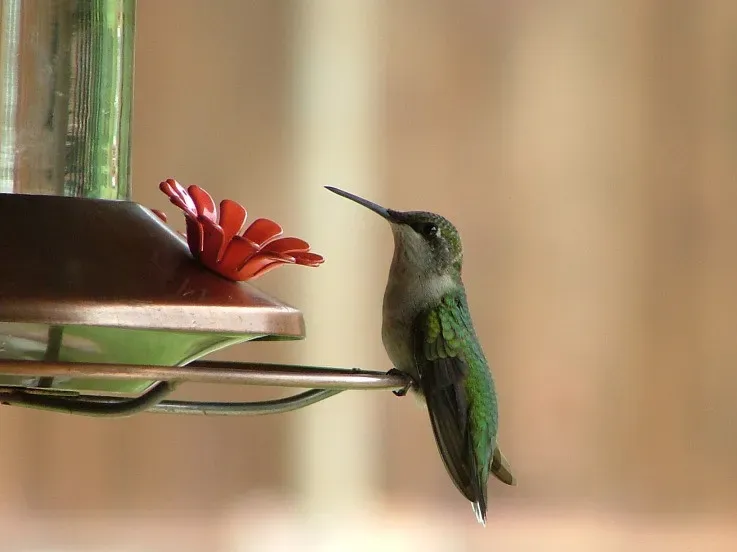
Here’s the opinion nobody in the gardening world says loudly enough: most hummingbird advice stops at “plant red flowers and fill a feeder,” and that shallow guidance is exactly why so many well-meaning yards stay empty. These birds are not decoration. They are wild animals operating on precise biological logic – energy in versus energy out, safety versus risk, memory versus hope. When a yard fails that logic even once, they don’t give it a second chance.
The good news is that the fixes are almost entirely low-cost and low-effort. Clean the feeder. Plant in clusters. Ditch the pesticides. Keep something blooming through October. Add a dripper. These aren’t major landscaping projects – they’re small daily choices that stack into a yard worth returning to. The gardeners who get hummingbirds year after year aren’t lucky. They’ve just quietly eliminated every reason the birds had to leave.

- 10 Remarkable Facts About the African Cheetah: The Lightning of the Grasslands - July 29, 2026
- 10 Most Heroic Horses in History - July 29, 2026
- Why You Should Never Play Dead When Attacked by a Black Bear - July 29, 2026