
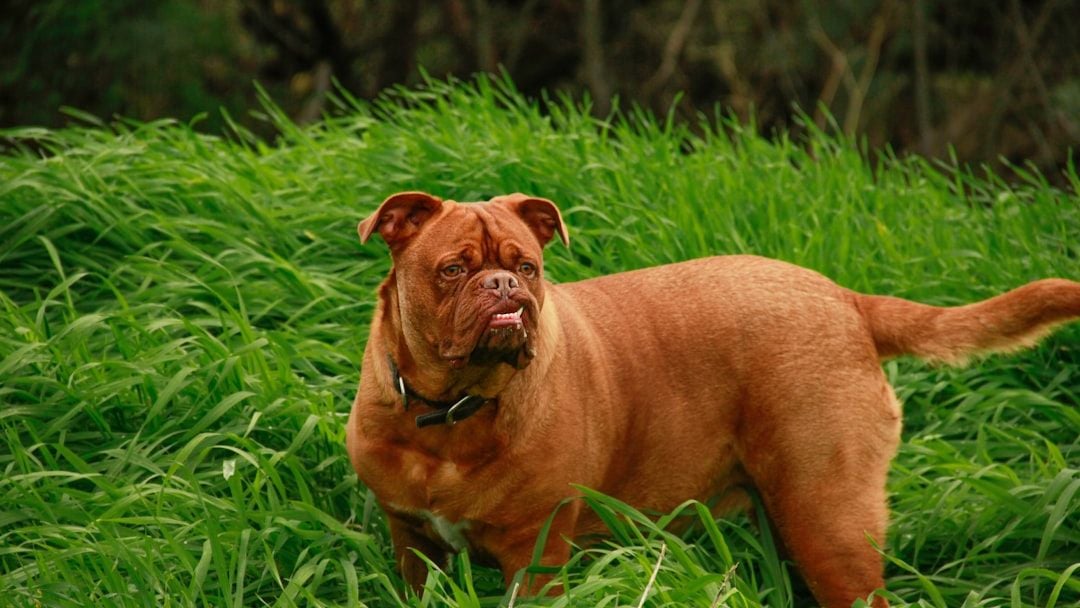
You’ve called ahead, offered to pay double, even brought a glowing reference from your vet. And the answer is still no. What most dog owners don’t realize is that boarding kennels across the country keep a quiet, unofficial list of breeds they won’t touch – not out of spite, not out of ignorance, but because their insurance carriers, incident logs, and legal teams have made the decision for them. The money simply doesn’t matter anymore.
These aren’t just the obvious suspects. Some of the breeds on this list will genuinely surprise you – dogs known for loyalty, gentleness, or intelligence that ended up blacklisted anyway because of what happens when those traits meet a strange environment, rotating staff, and 30 other anxious dogs. Keep reading, because a few of these will make you rethink everything you thought you knew about “good” boarding candidates.
#1 – Pit Bull-Type Dogs: The Breed That Broke the Insurance Model
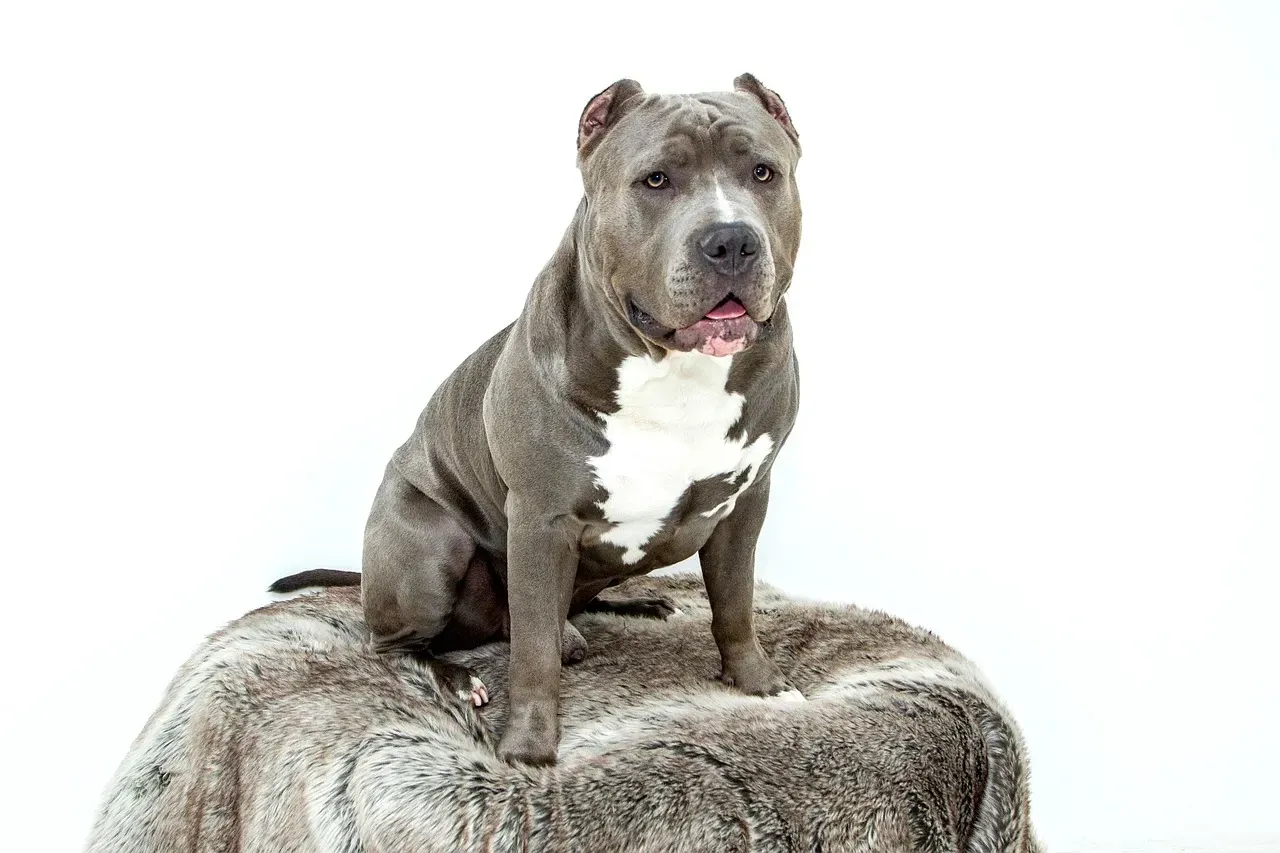
Pit bull-type dogs didn’t just end up on the no-fly list – they rewrote it. Actuarial data from insurance carriers consistently shows higher involvement in serious incidents involving these dogs in confined, high-stress environments, and the numbers were damaging enough that many underwriters began attaching specific exclusion clauses to kennel policies. The problem isn’t purely behavioral. It’s also identification: staff genuinely cannot reliably distinguish a pit bull mix from dozens of other stocky, short-coated breeds, which means the liability exposure is essentially open-ended.
Here’s the part most owners never hear: many facilities that openly advertise “no breed restrictions” quietly tell a different story once their liability conversation with the carrier happens. Insiders describe a consistent pattern – a facility takes in a pit bull mix, something goes sideways, the claim gets filed, and the premium spikes enough to force a policy change that never gets announced publicly. Owners who arrive with cash, vet records, and a behaviorist’s sign-off still hit the same wall. The decision left the kennel owner’s hands a long time ago.
Fast Facts
- “Pit bull” is not a recognized breed – it’s a general label for dogs sharing certain physical features, making consistent identification nearly impossible for kennel staff.
- Identification is the core liability problem: even experts, including veterinarians and shelter workers, struggle to accurately identify pit bull mixes without genetic testing.
- Insurance carriers, not kennel owners, typically drive the exclusion – many underwriters write specific pit bull clauses directly into facility liability policies.
- Over 900 U.S. cities currently have some form of breed-specific ordinance on the books, which can affect whether a kennel can legally accept certain dogs at all.
- Dog bite liability claims cost U.S. insurers $1.86 billion in 2025 alone – the financial pressure behind these exclusions is very real.
#2 – Rottweiler: Powerful Protectors With Zero Tolerance for Errors
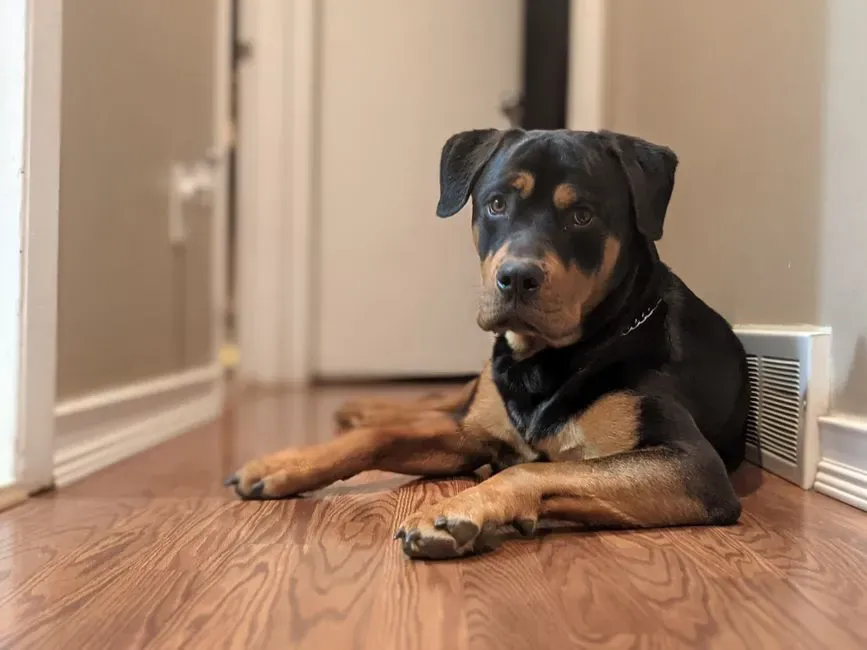
Rottweilers are magnificent, deeply loyal animals at home. In a boarding kennel, that same loyalty becomes the problem. Remove a Rottweiler from its family, place it in an unfamiliar run surrounded by strange smells and sounds, and even a well-socialized dog can shift in ways that catch experienced handlers off guard. The travel stress alone can flip behavioral baselines that took years to establish. Staff who have never met this particular dog are now responsible for feeding, cleaning, and moving an animal that can exert several hundred pounds of force if it decides not to cooperate.
The most damaging detail in this story isn’t a single incident – it’s the pattern of claims. Multiple kennel operators have said the same thing independently: Rottweiler-related incidents were disproportionately expensive when they happened, and even a handful of claims in a short window was enough to trigger premium increases that affected the entire facility’s coverage. Kennels didn’t want to say no to Rottweiler owners. They were essentially told to by the math. No payment offer changes a liability calculation that’s already been run.
#3 – German Shepherd: Working Drive That Doesn’t Switch Off
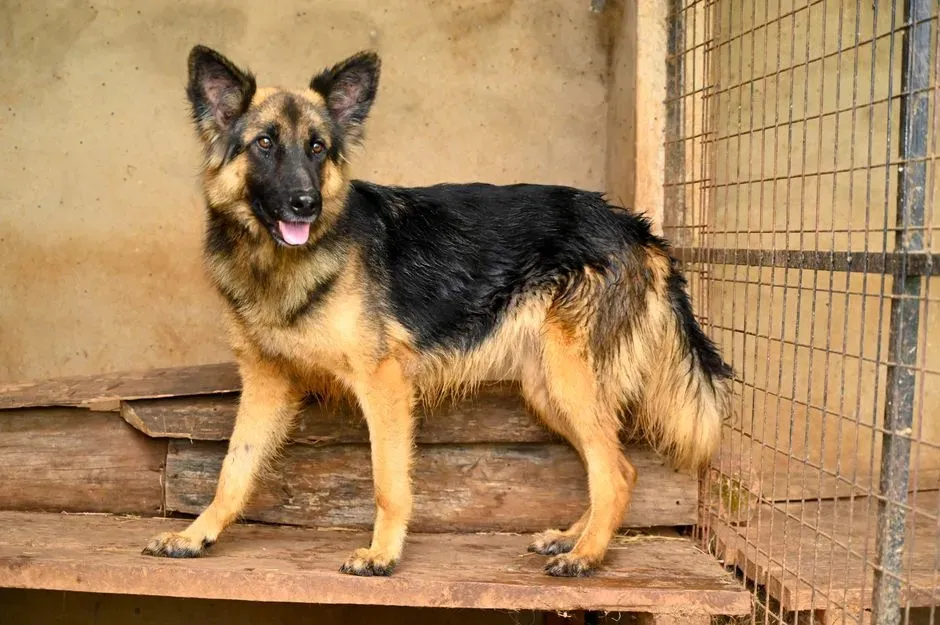
German Shepherds are brilliant dogs, and that’s exactly what makes boarding them so difficult. They notice everything – every change in staff, every shift in routine, every unfamiliar sound at 2 a.m. In a home environment with consistent handlers, that attentiveness is an asset. In a kennel with rotating employees and a dozen other stressed animals nearby, it becomes a source of escalating anxiety that can turn into reactivity faster than most staff are trained to handle. These dogs were built to work, and when there’s no job to do, the drive doesn’t just disappear – it redirects.
Industry data consistently shows German Shepherds accounting for a higher-than-expected share of kennel complaints and insurance filings related to reactive behavior. Part of that is sheer numbers – they’re one of the most popular breeds in the country, so more of them are being dropped off. But facilities that track by incident rate, not just total incidents, still see the pattern. Many kennels haven’t announced a formal ban, but they’ve quietly moved the breed into a “call us first” category that functionally works the same way. The breed’s needs genuinely outpace what a commercial boarding setup can deliver.
#4 – Doberman Pinscher: Alert Protectors Prone to Reactivity
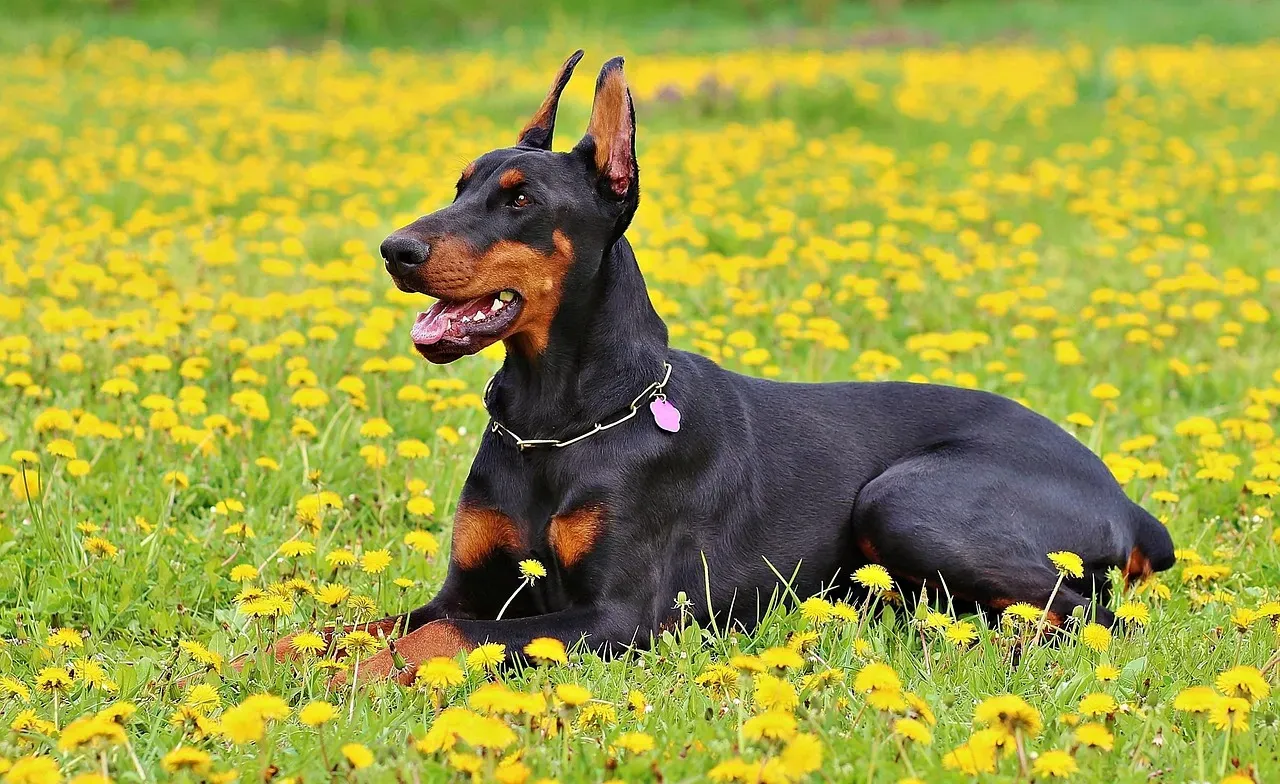
Dobermans have an almost eerie intelligence that makes them exceptional at reading human behavior – including the body language of a handler who isn’t confident, isn’t familiar, or is moving too fast. In a boarding context, that perceptiveness is a liability. A Doberman that has bonded tightly to one family will clock every inconsistency in a new environment and may respond with fixation, pacing, or reactivity that escalates if staff don’t know how to de-escalate it correctly. Their lean frame hides a genuinely explosive speed and strength that catches people off guard.
Kennel incident logs show elevated rates with this breed in group settings specifically – not necessarily in isolated runs, but when introductions happen or when dogs are moved between spaces. That’s the part of boarding that’s unavoidable: dogs get moved multiple times a day for feeding, exercise, and cleaning. Every one of those transitions is a potential trigger point for a dog that doesn’t trust the person holding the leash. Standard boarding doesn’t come with the consistent handler relationship Dobermans need, and no amount of extra payment creates one.
#5 – Mastiff: Massive Frames With Guardian-Level Caution
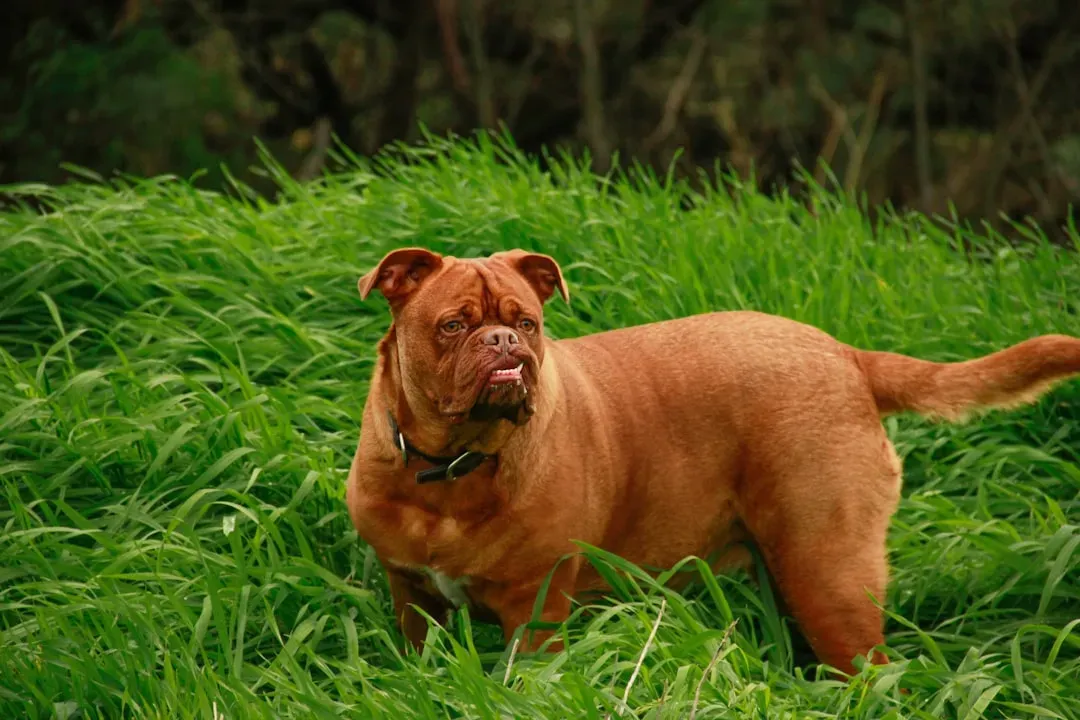
There’s a version of the Mastiff story that sounds like a simple logistics problem – the dog is enormous, the kennels are built for medium breeds, end of story. But the real issue runs deeper than square footage. Mastiffs are guardian dogs with ancient protective instincts, and new environments don’t read as “vacation” to them – they read as threat. Their slow maturation means even adults can have the emotional regulation of a much younger animal, and their need for careful, patient introductions often exceeds what a facility handling twenty other dogs simultaneously can realistically provide.
What surprises most owners is that insurance underwriters categorize Mastiffs similarly to breeds with more aggressive reputations. The size alone changes the severity calculation on any incident, regardless of how it started. A Mastiff that simply leans into a handler wrong during leash time can cause a genuine injury. Add in the drooling, the shedding, the specialized feeding requirements, and the space demands, and you have a dog that costs the facility more in labor and risk than any premium rate covers. Quiet refusals have become standard practice at facilities that learned this the hard way.
#6 – Great Dane: Size That Strains Every Facility Limit
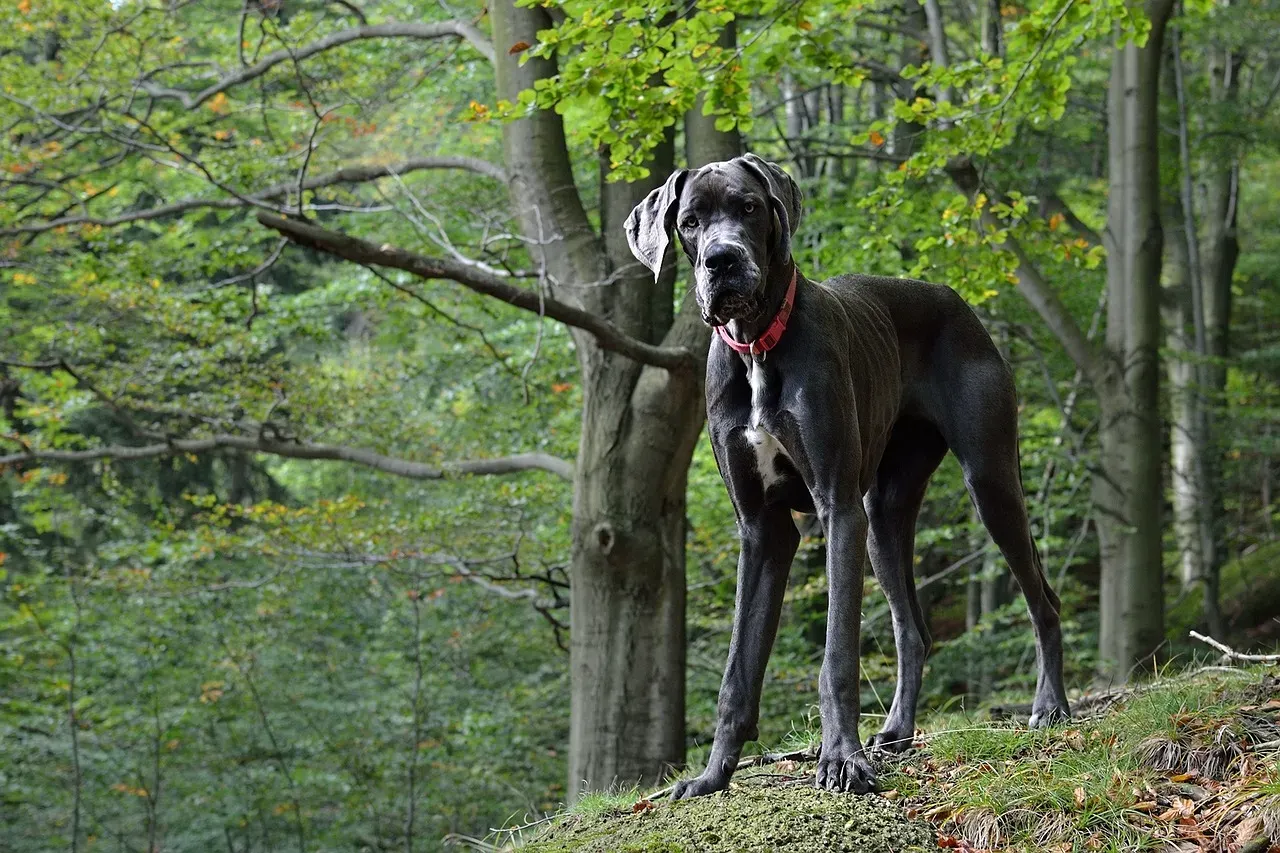
Great Danes are famously gentle, famously friendly, and famously the wrong size for almost every standard kennel run in existence. It’s not just the crate dimensions – it’s the food volume, the exercise yard space, the height of interior doors, the physical strength required to safely handle a dog that may weigh 160 pounds while stressed and reluctant to move. Staff injuries during routine handling of giant breeds are far more common than facilities publicly acknowledge, and most of those injuries aren’t dramatic – they’re cumulative wear on backs, shoulders, and wrists that eventually trigger workers’ comp claims.
Even luxury boarding facilities, the kind charging three figures a night for “suites” with TV and orthopedic bedding, frequently draw the line at Great Danes. The gentle reputation doesn’t solve the infrastructure gap. Health vulnerabilities common to the breed also mean kennels are taking on serious veterinary coordination exposure that goes well beyond normal boarding responsibilities. Owners offering significant premiums still encounter firm no’s, because the staff capacity and physical plant simply don’t exist to do the job safely.
Worth Knowing
- Great Danes carry a 37–42% lifetime risk of bloat (GDV) – the highest of any dog breed – and boarding stress is a documented trigger for the condition.
- GDV is a life-threatening emergency requiring surgery within hours; a kennel that misses the early signs faces both a dead dog and serious liability exposure.
- Adult males can reach 32 inches at the shoulder and up to 175 lbs – most standard kennel runs simply aren’t built for an animal that size.
- The breed is also at elevated risk for dilated cardiomyopathy (heart disease) and Wobbler Syndrome, adding layers of medical complexity no standard boarding contract accounts for.
- Stressful situations like boarding are specifically cited by veterinary researchers as environments that can elevate bloat risk in susceptible dogs.
#7 – Siberian Husky: Escape Artists With High Prey Drives
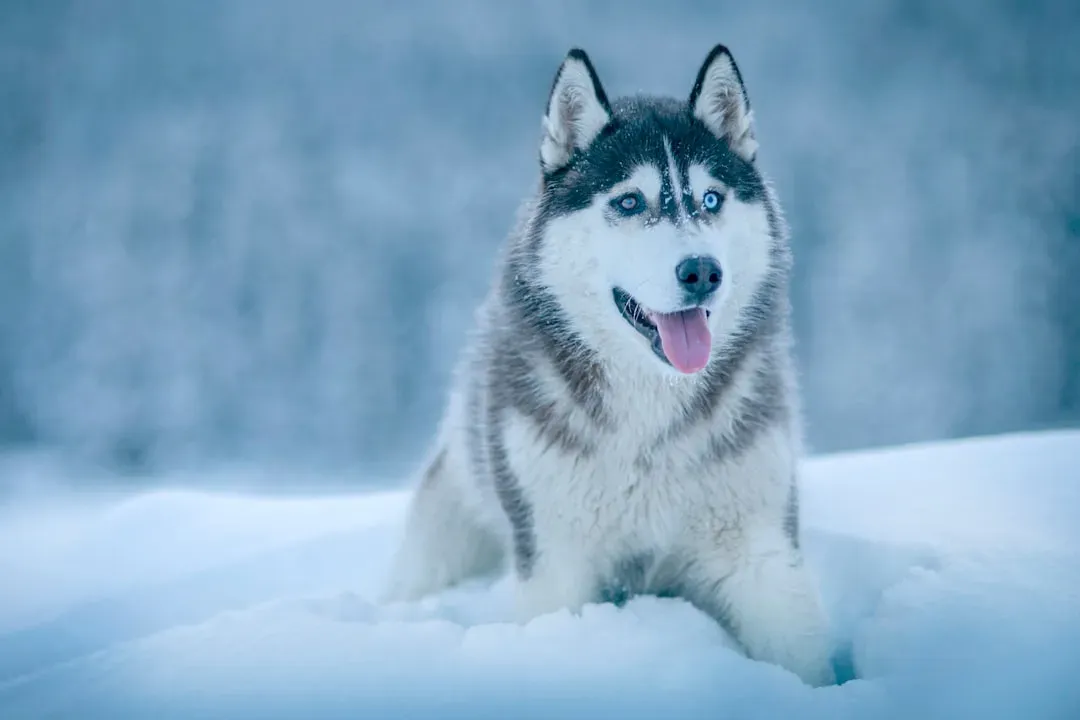
Huskies are genuinely joyful animals, and they will apply that joyful energy to dismantling your kennel’s security infrastructure with impressive creativity. They dig under fencing, they climb over it, they find the weak hinge on a gate and work it until something gives. This isn’t the rare exception – it’s documented pattern behavior that kennel operators across the country have encountered enough times to treat it as a near-certainty. A Husky escape isn’t just a nuisance; it’s a liability event the moment that dog reaches a road or another animal.
Multiple kennels have added explicit Husky exclusions to their intake policies specifically after escape attempts resulted in insurance claims – not bite claims, but property damage, pursuit incidents, and the occasional collision with traffic that followed a successful breakout. Their friendliness with people doesn’t reliably extend to other dogs, particularly in the high-tension, scent-saturated environment of a boarding facility. High energy plus high prey drive plus escape capability equals a risk profile that no extra payment resolves. Owners are often blindsided because nothing about a Husky’s personality suggests danger – but the actuaries aren’t evaluating personality.
#8 – Alaskan Malamute: Arctic Energy That Demands Too Much Space
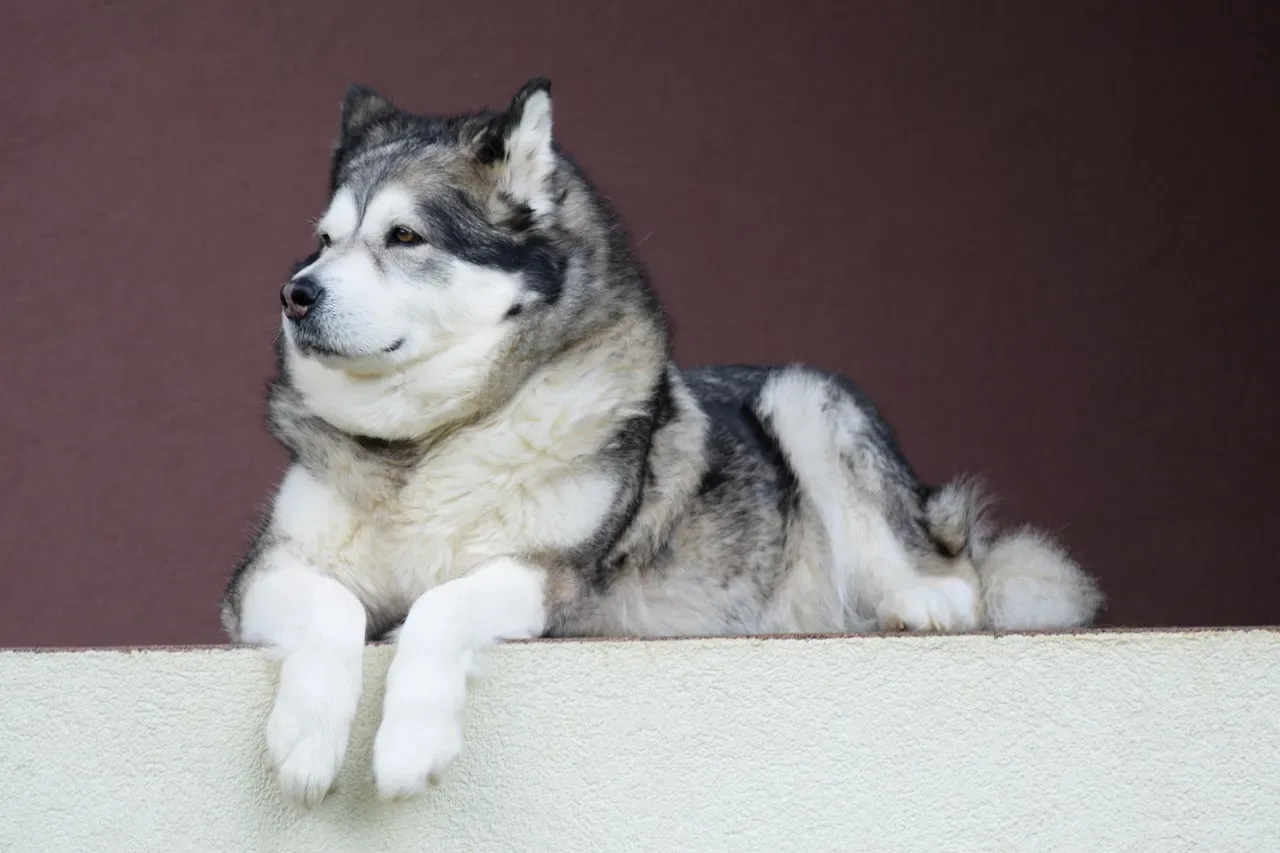
A Malamute was built to haul freight across frozen terrain for hours without stopping. Putting one in a standard boarding run and expecting calm is roughly equivalent to parking a freight train in a parking garage. The mismatch isn’t about temperament – Malamutes can be affectionate and social – it’s about the fundamental mismatch between the breed’s physical and psychological requirements and what a commercial kennel can deliver. Their pack-oriented nature means they constantly assess rank and dominance, and in a facility full of unfamiliar dogs, that assessment can escalate into genuine conflict.
On the operational side, Malamutes add costs that mount quickly. Their digging behavior damages runs and fencing. Their vocalizations – the distinctive howling that carries for significant distances – affect neighboring boarders and, in urban facilities, neighboring businesses. Their strength makes routine handling physically demanding in ways that create real injury risk for staff. Insurance concerns around these dogs compound the behavioral picture into a rejection calculus that extra fees simply don’t offset. Many owners discover that “no exceptions” actually means no exceptions only after they’ve already made the drive.
#9 – Chow Chow: Aloof Personalities With Serious Bite Records

Chow Chows are one-person dogs in the most literal sense of the phrase – and boarding, by definition, is a multi-person environment. The rotating staff, the unfamiliar handlers reaching into their space for feeding and cleanup, the proximity of other dogs and their owners: all of it runs directly counter to how Chows are wired. They don’t generalize trust. They extend it slowly, selectively, and often not at all to strangers who smell like thirty other animals. In a kennel setting, that wariness can harden into defensive aggression faster than staff anticipate.
The insurance data on Chow Chows is striking enough that it surprises even industry veterans: liability exclusions for this breed appear frequently, often ranking above some significantly larger and more physically powerful dogs in risk assessments. Their bite history in confined, stressful situations is well-documented, and their tendency to react without extended warning signs makes incidents harder to prevent. Facilities have quietly removed them from availability lists not because of dramatic incidents in every case, but because the pattern of near-misses and escalations accumulated to a point where the risk-reward calculation no longer worked.
Quick Compare: Why These Breeds Get Flagged Differently
- Bite force + unpredictability: Chow Chows, Akitas, and Cane Corsos are flagged primarily for reactive biting with little warning – incidents that are hard to prevent even with experienced staff.
- Size + containment failure: Huskies, Malamutes, and Wolf Hybrids are flagged primarily for escape risk and the liability chain that follows a successful breakout.
- Mass + handler injury: Mastiffs, Great Danes, Bullmastiffs, and Rottweilers are flagged heavily for staff injury risk during routine handling – even when no bite occurs.
- Instinct + environment conflict: German Shepherds, Dobermans, and Presa Canarios are flagged because their working and guarding instincts actively clash with the rotating-staff, multi-dog kennel setting.
#10 – Akita: Independent Spirits That Resist Group Dynamics
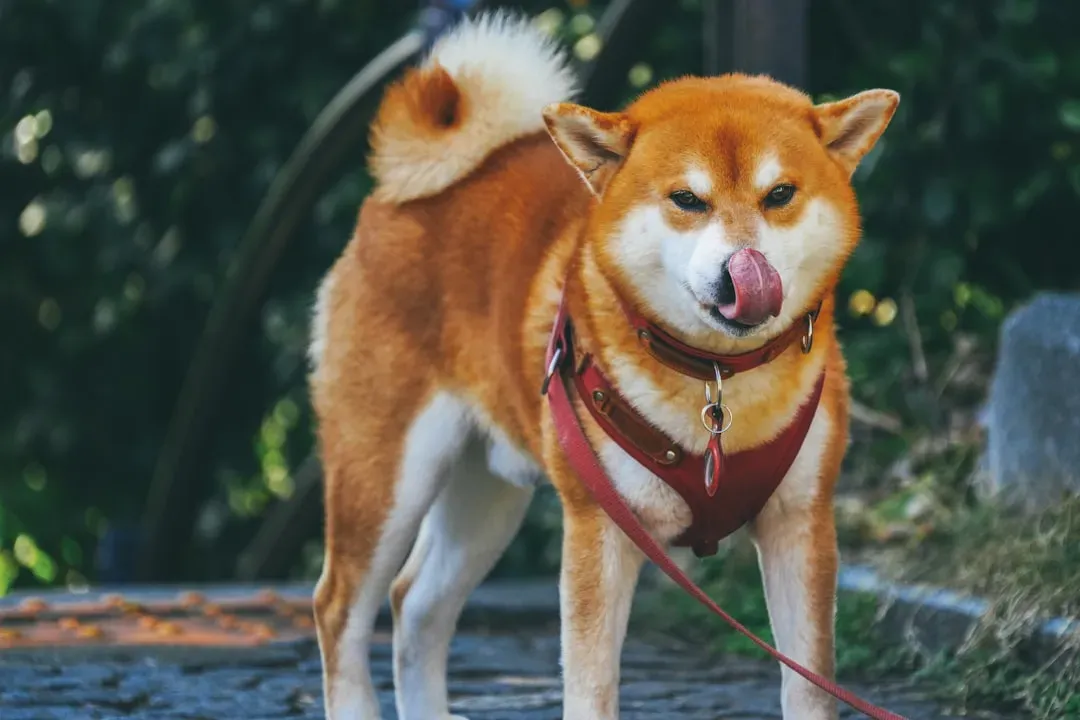
Akitas were bred in Japan as hunting and guard dogs, and they carry that history in their bones – the strong will, the territorial instinct, the preference for operating independently rather than deferring to whoever happens to be holding the leash today. Those qualities make them deeply impressive animals. They also make them extraordinarily difficult to manage in a boarding environment where strangers need to handle them multiple times daily, where other dogs are always within earshot, and where the established routines they depend on have been completely disrupted.
Many kennels have quietly dropped Akitas from their accepted breed list following insurance reviews that highlighted elevated bite statistics in confined settings – not necessarily bite statistics tied to aggression toward people, but incidents during routine handling and transitions. The breed’s thick double coat creates genuine cleaning and grooming labor burdens that add up across a multi-day stay. And owners who try to negotiate with larger payment offers tend to find that the facility’s position doesn’t flex. The kennel didn’t make this call alone; their carrier was involved in the conversation too.
#11 – Bullmastiff: Gentle Giants With Hidden Management Costs
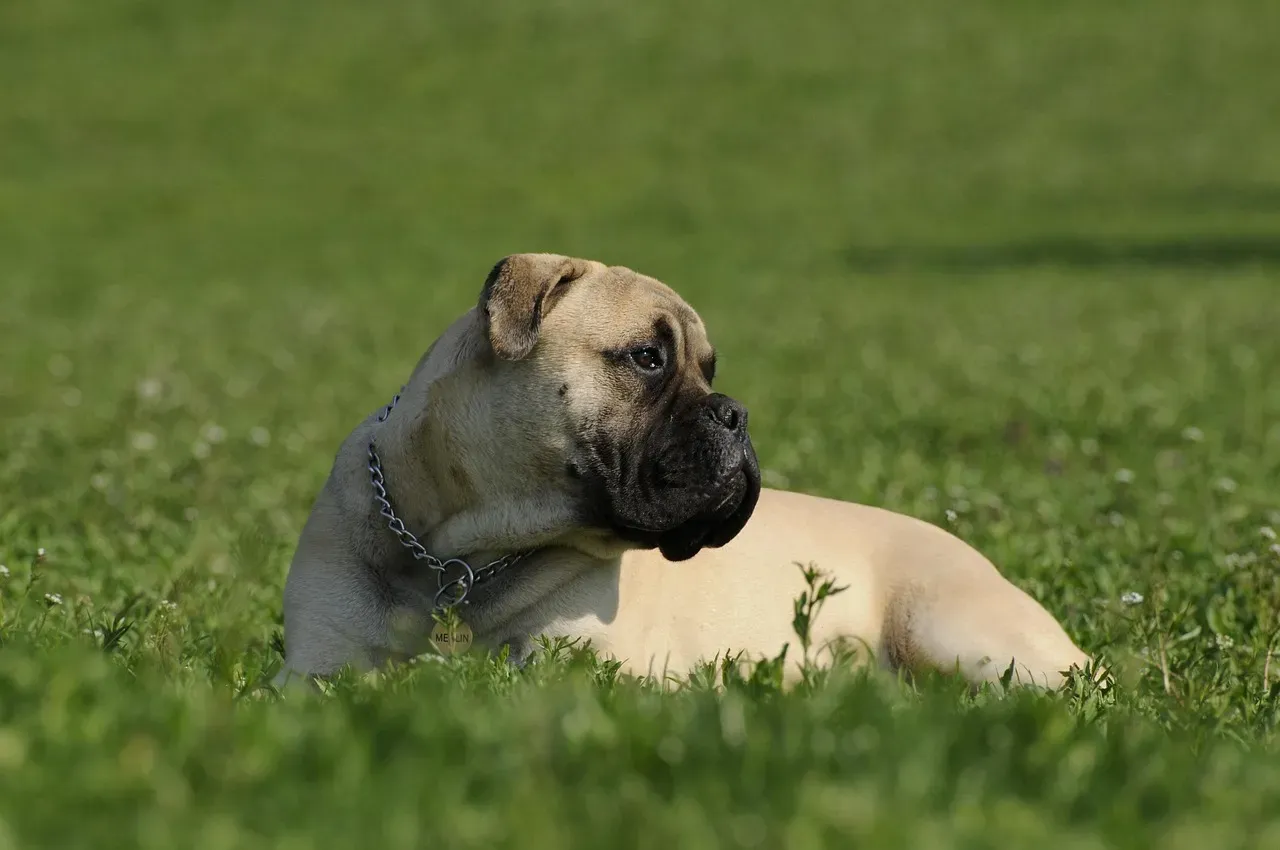
Bullmastiffs have a reputation for being calm, steady, and manageable – and at home, with their family, that reputation is often well-earned. The problem is that the boarding environment strips away every variable that produces that calm: the familiar space, the known humans, the established routine. What’s left is a very large, very strong dog with guardian instincts and a stubborn streak, in a strange place, being asked to comply with strangers it has no reason to trust. The composure that their owners count on doesn’t always make the trip with them.
Industry discussions among kennel operators consistently surface the same issue with Bullmastiffs: these dogs frequently require one-on-one supervision during stays at a level that standard pricing and standard staffing ratios don’t support. Separation anxiety in the breed tends to manifest as destructive chewing or prolonged vocalizing, which disrupts neighboring boarders and creates damage liability. A kennel that takes one in and then spends three days managing the fallout has learned an expensive lesson. Many have decided not to repeat it, regardless of what the owner offers to pay.
#12 – Cane Corso: Guardian Instincts That Clash With Boarding Realities
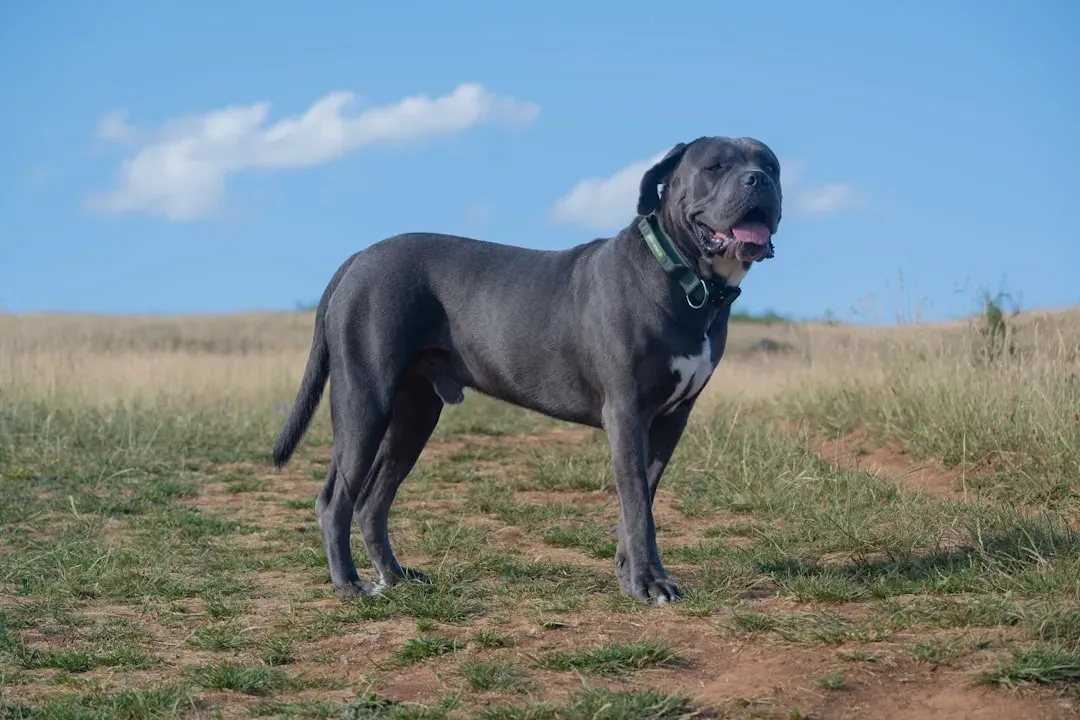
The Cane Corso was developed as a property guardian and catch dog – it was literally bred to assess threats, hold ground, and not back down. Drop that animal into a boarding facility full of unfamiliar scents, strange dogs, and rotating staff members reaching into its space, and you’ve created a situation that maps almost perfectly onto the threat scenarios the breed was built to respond to. The kennel environment doesn’t read as temporary inconvenience to a Cane Corso; it reads as contested territory.
Even handlers with significant large-breed experience report that routine check-ins with this breed can escalate rapidly when the dog’s tolerance for restraint or unfamiliar contact runs out – and that threshold is lower in a strange place than it ever is at home. Insurance carriers have flagged Cane Corsos in risk assessments with enough consistency that many facilities have moved to outright exclusions rather than evaluating case by case. Their intense handler-specific loyalty means they rarely settle during multi-day stays, which compounds every other management challenge. It’s not that kennel owners don’t respect the breed – it’s that their risk exposure doesn’t care about respect.
#13 – Presa Canario: Power Breeds That Overwhelm Standard Protocols
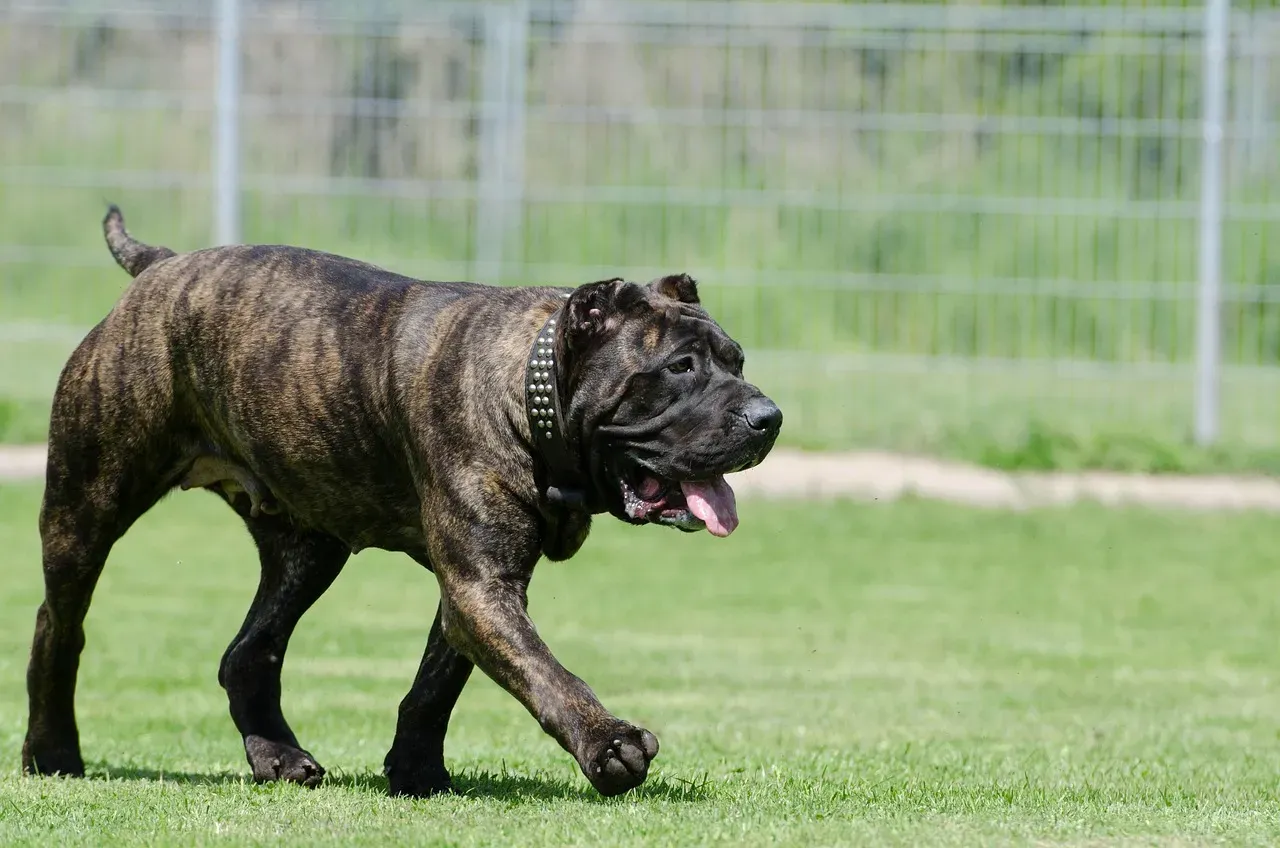
The Presa Canario is not a dog that many casual owners encounter, which is part of why the industry response to them catches people off guard. These are massive, powerfully built animals with a history in livestock work and guarding that produced strong territorial instincts and a low tolerance for perceived challenges. When a Presa arrives at a boarding facility, it typically brings all of that with it – the size, the presence, the assessment gaze that experienced handlers recognize immediately as a dog actively deciding whether it’s in charge of this situation.
Even experienced staff struggle with the breed’s resistance to restraint and separation in unfamiliar environments, and what begins as a routine morning check-in can become a significant incident with very little warning. Insurance carriers have flagged these dogs in formal risk assessments, and the documentation has pushed facilities toward blanket refusals rather than individual evaluations. Owners who contact kennels with detailed training records, temperament test results, and offers of premium rates encounter the same answer – because the kennel’s carrier already answered the question on their behalf.
#14 – Wolf Hybrids: The Ultimate Insurance Blacklist
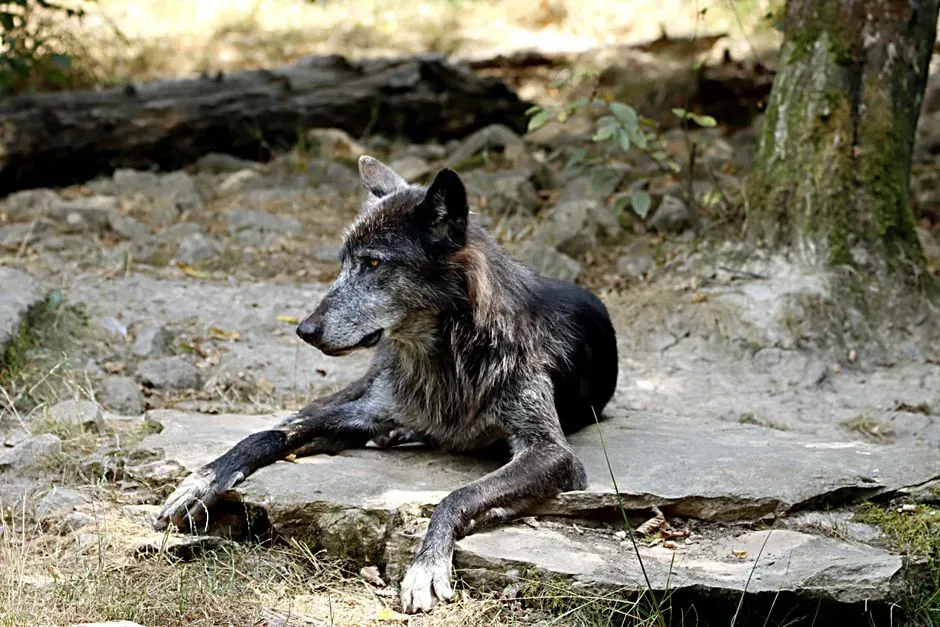
Wolf hybrids sit in a category of their own, and not just because of the behavioral complexity. Many states and municipalities have specific legal restrictions around wolf hybrid ownership and housing, which means a kennel accepting one is potentially taking on regulatory exposure in addition to the insurance and safety risks. The animals themselves combine domestic dog unpredictability with the instincts of a wild predator in ways that even experienced handlers and behaviorists acknowledge are not fully manageable through training. The wild component doesn’t get socialized out – it lives underneath the domesticated surface and emerges in high-stress situations.
Most liability insurance carriers flat-out refuse to extend coverage for any facility housing animals with documented wolf content, regardless of percentage. That’s not a negotiating position – it’s a policy exclusion that the kennel owner cannot override regardless of what an owner offers to pay. Standard kennel fencing frequently fails against wolf hybrids, whose digging, climbing, and problem-solving abilities significantly exceed those of domestic dogs. Owners often discover the full scope of this rejection only when they arrive for drop-off, having assumed that enough persistence or enough money would eventually find a yes. In this case, the industry has collectively decided it won’t.
At a Glance: Wolf Hybrid Legal & Boarding Reality
- 14 states and D.C. prohibit wolfdog ownership outright or allow it only under narrow exceptions – meaning the animal may be illegal in the kennel’s own jurisdiction.
- 11 more states require a state-issued permit with strict enclosure standards, inspections, and in some cases proof of liability coverage before a wolf hybrid can legally be kept anywhere.
- No USDA-approved rabies vaccine exists for wolf hybrids – a fact that creates a separate public health and legal exposure for any facility that houses one.
- Insurance exclusions are typically absolute – not a surcharge or a waiver, but a hard line that renders the kennel uninsured for any incident involving the animal.
- Containment failure is the norm, not the exception – wolf hybrids are documented escape artists whose digging and problem-solving far exceed what standard kennel infrastructure was designed to handle.
The Hard Truth Nobody Tells You at Drop-Off
The through-line connecting all 14 of these breeds isn’t cruelty, or ignorance, or even simple breed prejudice – it’s a financial and legal architecture that has quietly made certain dogs unboardable regardless of their individual temperament. Insurance carriers run actuarial models on incident data. Premiums rise. Exclusion clauses get written. And the kennel owner who genuinely loves dogs gets handed a list of breeds they can no longer accept without risking their entire operation. The owner’s check clears. The carrier’s exclusion clause doesn’t.
What makes this genuinely complicated is that plenty of individual dogs from every breed on this list are wonderful, well-adjusted animals who have never caused a moment of trouble. The system isn’t evaluating them – it’s evaluating the statistical pattern their breed represents across thousands of facilities and millions of boarding days. That’s a cold way to treat a dog you love. It’s also, increasingly, the only way the industry knows how to stay solvent. If your dog is on this list, the earlier you know, the better the alternatives you can arrange – because no amount of charm, documentation, or dollar bills is going to move the needle on a policy exclusion that was written long before you called.

- 14 Quiet Signs Your Dog Knows Its Time Is Near and Wants You Close - July 22, 2026
- 10 Falcon Facts That Will Blow Your Mind - July 22, 2026
- 5 Incredible Migratory Journeys Animals Make Every Year - July 22, 2026