

Every week, shelter workers watch the same thing happen. A foster carer spends months loving a dog back to life – teaching it to trust, sleep through the night, walk on a leash without panic – and then adoption day comes. Families walk in, look down the row of kennels, and keep walking. Some of these dogs have been passed over dozens of times. Some have been in the system longer than certain staff members. And the breeds on this list? They’re the ones nobody warned you about.
It’s not always the obvious suspects. Yes, pit bull-type dogs wait up to three times longer than other breeds. But shelter workers will tell you the heartbreak runs much deeper than that – through beagles and boxers, giant gentle souls and tiny misunderstood ones, dogs that fosters fall completely in love with only to hand back, unclaimed, again and again. The breed at #1 is no surprise. But several of the others might stop you cold.
#14 – The Beagle Nobody Warned You About

Beagles look like a sure thing. They’re small-ish, friendly-faced, and practically synonymous with the word “family dog.” So why do shelter workers quietly list them among the breeds that linger longest? Because the gap between what people expect and what a beagle actually needs is enormous – and that gap fills shelters.
These are scent hounds with a one-track mind and a howl that carries three blocks. Most arrive in shelters after apartment complaints or because an owner realized too late that “low maintenance” was never part of the deal. Fosters bond deeply with them – beagles are affectionate, funny, and soulful in a way that sneaks up on you. But adoption day after adoption day, families choose quieter dogs instead. Those eyes make it hit harder every single time.
Fast Facts
- Beagles rank among the most common breeds surrendered due to noise complaints and unmet exercise expectations.
- Their scent drive is so strong they can follow a trail for miles, often ignoring recall commands entirely.
- Without a securely fenced yard, a beagle’s nose will simply lead it away – and into a shelter.
- Fosters consistently describe them as the breed that made them cry hardest at drop-off.
#13 – The Chihuahua Everyone Underestimates
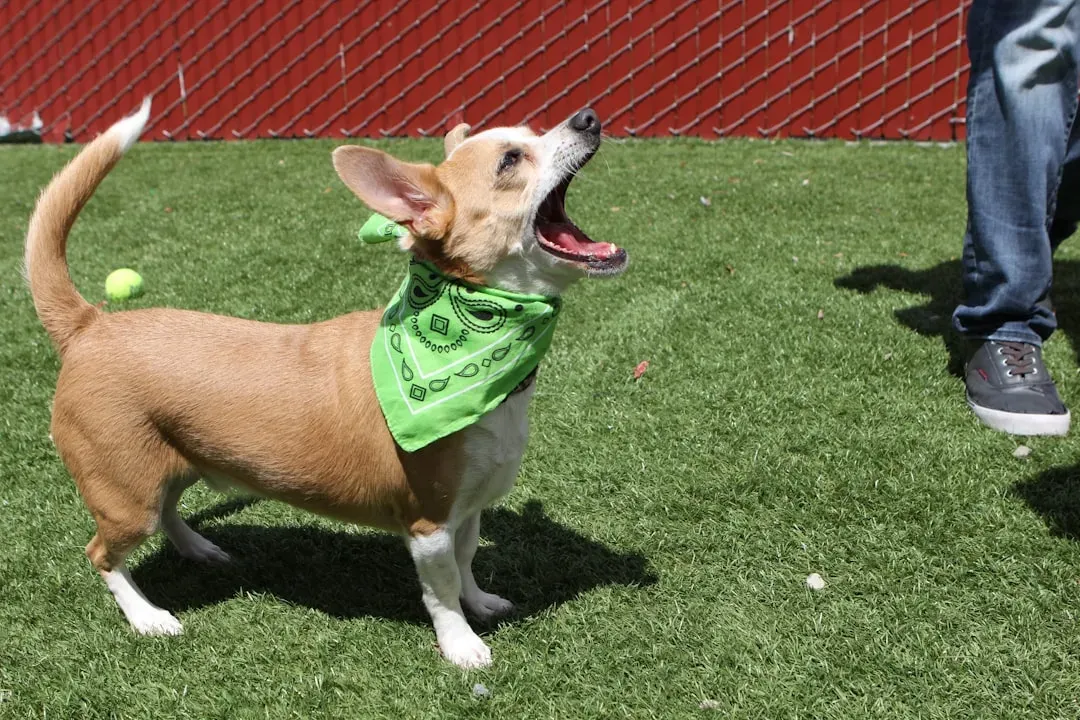
Chihuahuas flood shelters in numbers that would genuinely shock most people. They’re the most surrendered small breed in many U.S. regions, yet adoption rates lag because their reputation arrives before they do. Visitors hear “yappy” and “nippy” and keep moving, never giving the dog in front of them a fair read.
What shelter workers actually see is a dog with enormous loyalty packed into a body the size of a football. Many chihuahuas are calm, deeply bonded companions once they feel safe – but the overbreeding of “teacup” versions has created a wave of dogs with health vulnerabilities that make adopters nervous. Fosters fall hard for their huge personalities. Then they watch them get passed over for breeds that photograph better on Instagram.
#12 – The Boxer With the Goofy Grin Nobody Chose
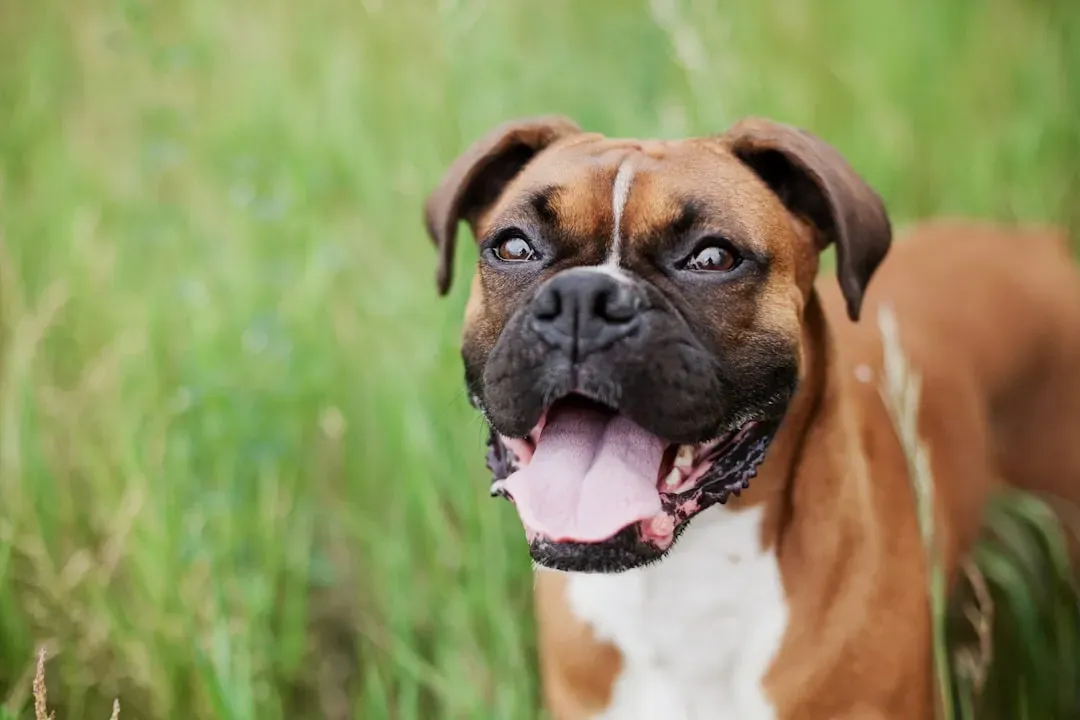
Walk into any mid-size shelter and there’s a decent chance a boxer is doing zoomies in a kennel while every visitor watches from a polite distance. Their energy reads as chaos to strangers. What fosters know – after about four days with one – is that it’s actually just joy, barely contained.
Boxers arrive in shelters most often because owners didn’t account for the exercise demands, and a bored boxer in a small house becomes a very convincing argument for surrender. Shelter workers describe watching these dogs wait, week after week, grinning through the kennel door at families who’ve already decided on a calmer option. The grin never stops. That’s the part that breaks people.
#11 – The Rottweiler Still Fighting a 30-Year-Old Image

The cultural image of the rottweiler as a junkyard threat has proven almost impossible to shake, despite being wildly out of step with what fosters actually experience. Well-raised rotties are calm, deeply affectionate, and almost comically devoted to the people they love. They want to be in the same room as you. They want to lean against your leg. They are not what movies made them.
But stigma doesn’t care about individual dogs. Shelter workers see rottweilers passed over because of landlord insurance clauses, neighbor fear, and assumptions made the second someone reads the breed tag. These are intelligent animals who read people remarkably well – which means they also feel the rejection. Fosters who’ve spent months with one describe the goodbye as one of the harder things they’ve done.
Worth Knowing
- Rottweilers and Dobermans are explicitly named in breed-specific legislation in dozens of U.S. cities – blocking adoption regardless of individual temperament.
- Many landlords and insurers deny or cancel coverage for households with “bully-adjacent” breeds, including Rottweilers, making rehoming nearly impossible for renters.
- Studies confirm that visual breed identification at shelters – not behavioral assessment – is the primary driver of extended wait times for stigmatized breeds.
- Rottweilers placed with experienced fosters regularly test as among the most emotionally attuned dogs in behavioral assessments.
#10 – The German Shepherd Too Smart for Its Own Good
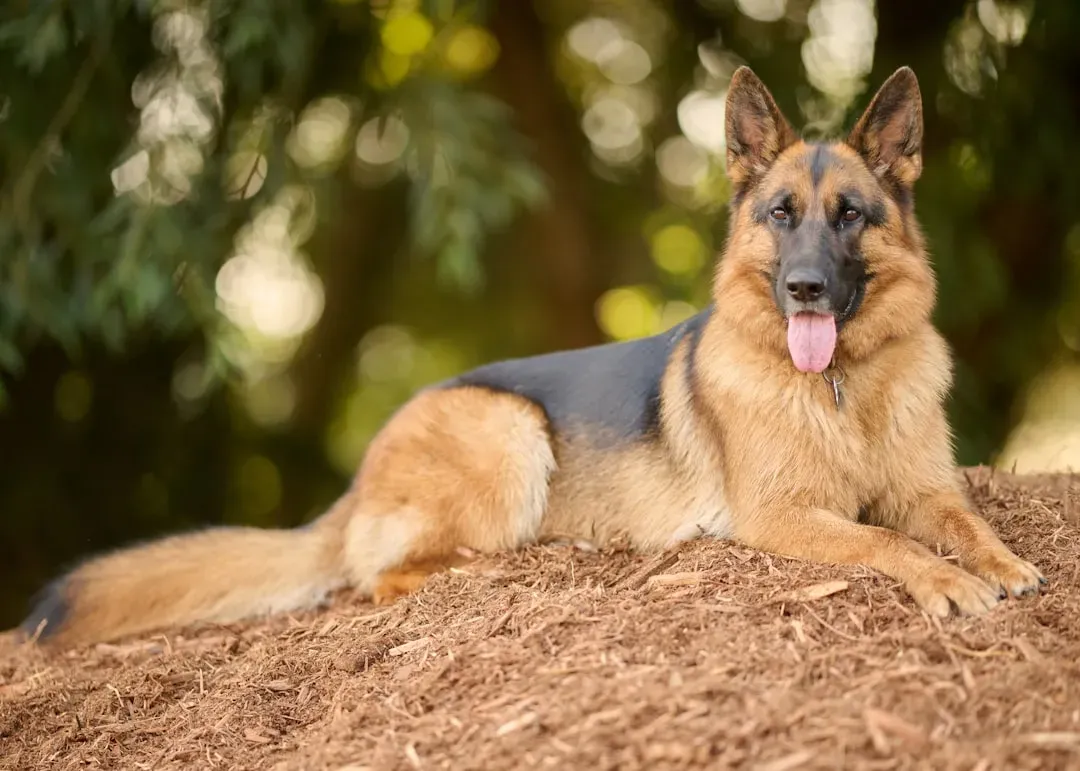
German shepherds get surrendered for a reason that most adopters never consider: intelligence. Not aggression, not dominance – pure, relentless, problem-solving intelligence that turns destructive the moment it goes unsatisfied. A bored German shepherd in a suburban yard will dismantle that yard. And then get returned to the shelter.
Shelter workers describe a painful cycle – the dog arrives wound tight from a chaotic home, gets labeled as “too intense,” and then waits while families choose dogs that require less mental engagement. Fosters who understand the breed watch these dogs transform: focused, responsive, loyal beyond measure. The heartbreak is knowing exactly what they’re capable of and watching potential families walk away from it.
#9 – The Husky That Looks Like a Dream and Lives Like a Challenge
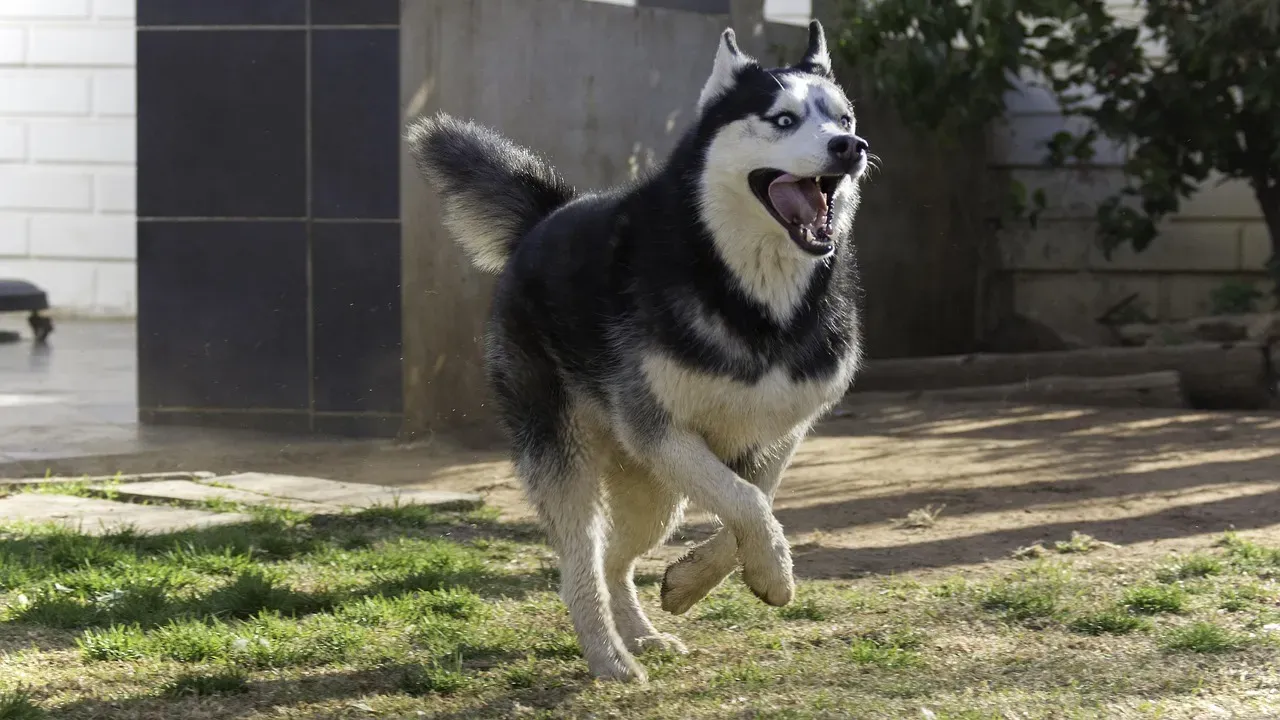
Huskies might be the most visually striking dogs in any shelter, which makes their wait times all the more jarring. People stop at their kennels. They take photos. They say “oh wow.” And then they look up the shedding volume, the exercise requirements, and the escape-artist reputation – and they move on.
Surrenders spike every spring, right after Christmas husky puppies hit their adolescent phase and the reality of the breed sets in. Shelter workers see these dogs cycle back repeatedly, each return making the next adoption harder. Fosters who stick with them long enough discover a pack-bonded, deeply expressive animal that communicates in a way no other breed quite does. But patience is the price of admission, and most people aren’t buying.
At a Glance: The Husky Shelter Crisis
- The average number of huskies in a large public shelter nearly doubled between 2020 and 2023, with some facilities housing 100 or more at a time.
- Surrender rates spike every spring when holiday-season husky puppies hit adolescence and overwhelm unprepared owners.
- Huskies are the 4th most common breed in U.S. shelters, making up roughly 6.5% of all shelter dog listings nationally.
- Their escape skills are legendary – one documented husky reportedly opened a window, burrowed under a fence, unlatched a gate, and crossed a road in a single outing.
- Breed-specific rescues report high difficulty finding “qualified” adopters who truly understand the breed’s needs before committing.
#8 – The Doberman Nobody Would Let Through the Door
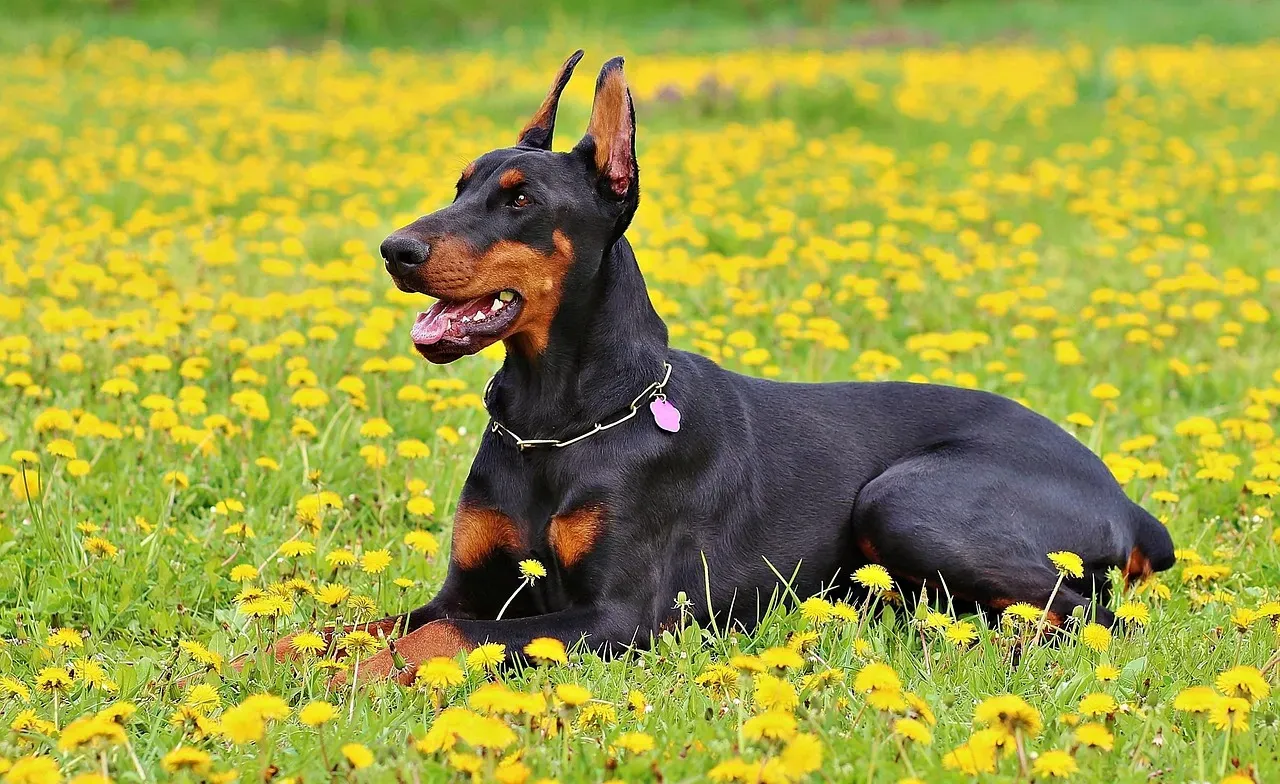
Dobermans make people nervous before they’ve done a single thing wrong. The silhouette alone – sleek, tall, ears cropped – triggers a fear response in visitors who’ve absorbed decades of movie villains and security company logos. Shelter workers describe potential adopters physically stepping back from the kennel door before the dog has even stood up.
What those same visitors never find out is that dobermans are among the most affectionate large breeds alive. They shadow their people obsessively. They are sensitive to tone of voice and mood in ways that feel almost uncanny. Fosters consistently describe being surprised – and then gutted – when weeks of obvious human connection still doesn’t translate into adoption interest. These dogs wait longer than almost any other large breed their size. The math doesn’t make sense until you understand how deep the image problem runs.
#7 – The Mastiff Too Large for the World to Make Room
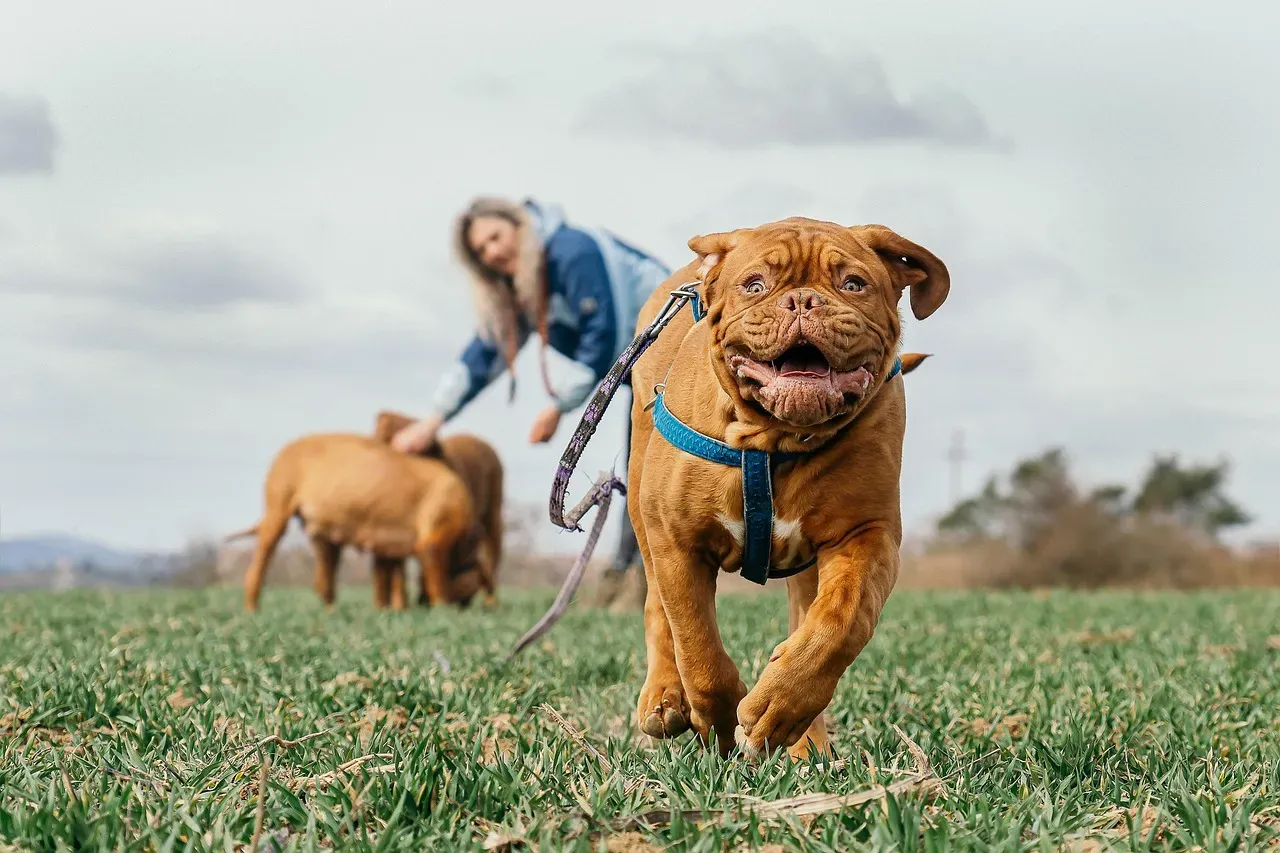
Mastiffs get eliminated before anyone meets them. Apartment? No. Small yard? No. Budget concerns about food and vet bills for a 150-pound dog? Absolutely not. The rejection is logistical rather than personal, which somehow makes it feel worse to the shelter staff watching it happen.
The great irony is that mastiffs are, by temperament, some of the most low-demand dogs in any shelter. They move slowly, sleep heavily, and ask for very little beyond proximity to their people. Fosters regularly describe being shocked at how easy and sweet the reality is compared to the intimidating size. But most families never get far enough to be shocked. They see the number on the kennel card – weight, expected lifespan, estimated food costs – and that’s where the story ends.
#6 – The Great Dane Running Out of Time
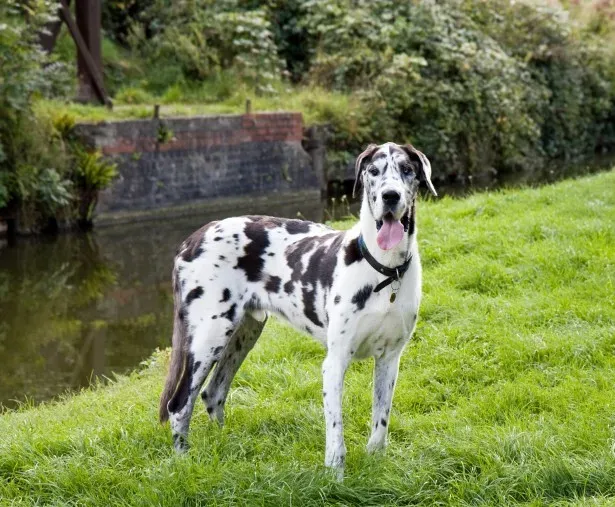
Great Danes carry an additional weight that no other breed on this list does: the clock. Their average lifespan runs just seven to ten years, and potential adopters who do their research often pull back specifically because of it. Shelter workers describe the particular grief of watching an affectionate, goofy, 120-pound dog get passed over because people can’t face the math of a shorter goodbye.
What makes it harder is that Danes are extraordinarily emotionally intelligent dogs – sensitive, gentle, and almost ridiculously unaware of their own size. They will attempt to be lap dogs. They will press their enormous heads into your chest and sigh. Fosters tend to fall the fastest and the hardest, which makes the waiting – and sometimes the losing – a specific kind of devastating that stays with people.
Quick Compare: Why Giant Breeds Get Left Behind
- Great Dane lifespan: 7–10 years on average – small dogs can live nearly twice as long, a gap that visibly affects adoption decisions.
- Weight: 110–175 lbs, with food costs and vet bills that scale accordingly, intimidating budget-conscious adopters immediately.
- Temperament reality: Low-energy indoors, gentle with children, deeply people-focused – none of which gets communicated before the size ends the conversation.
- Senior risk: Great Danes can show signs of aging as early as age 5 or 6, meaning a shelter Dane that’s already 3 years old may look like a short commitment on paper.
- The irony: The ASPCA confirms that large dogs are now staying in shelters significantly longer than five years ago – yet their temperaments often make them ideal companions for calmer households.
#5 – The English Bulldog Nobody Budgeted For

English bulldogs arrive in shelters trailing a reputation for vet bills, breathing problems, and skin conditions that honest rescuers won’t downplay. These are dogs built by generations of extreme breeding, and many carry real health challenges. That honesty, while necessary, costs them homes – because most families hear “medical needs” and move to the next kennel.
What gets lost in that transaction is the dog itself: loyal, low-energy, deeply attached, and genuinely well-suited to older adopters or quieter households. Shelter workers watch seniors walk past bulldogs who would thrive in exactly the kind of calm home those seniors offer. The stigma around health costs overrides what’s actually a very compatible match. Fosters who’ve cared for one tend to say the same thing – they’d do it again without hesitation. They just wish someone else felt the same way.
#4 – The American Bulldog Buried Under Someone Else’s Reputation
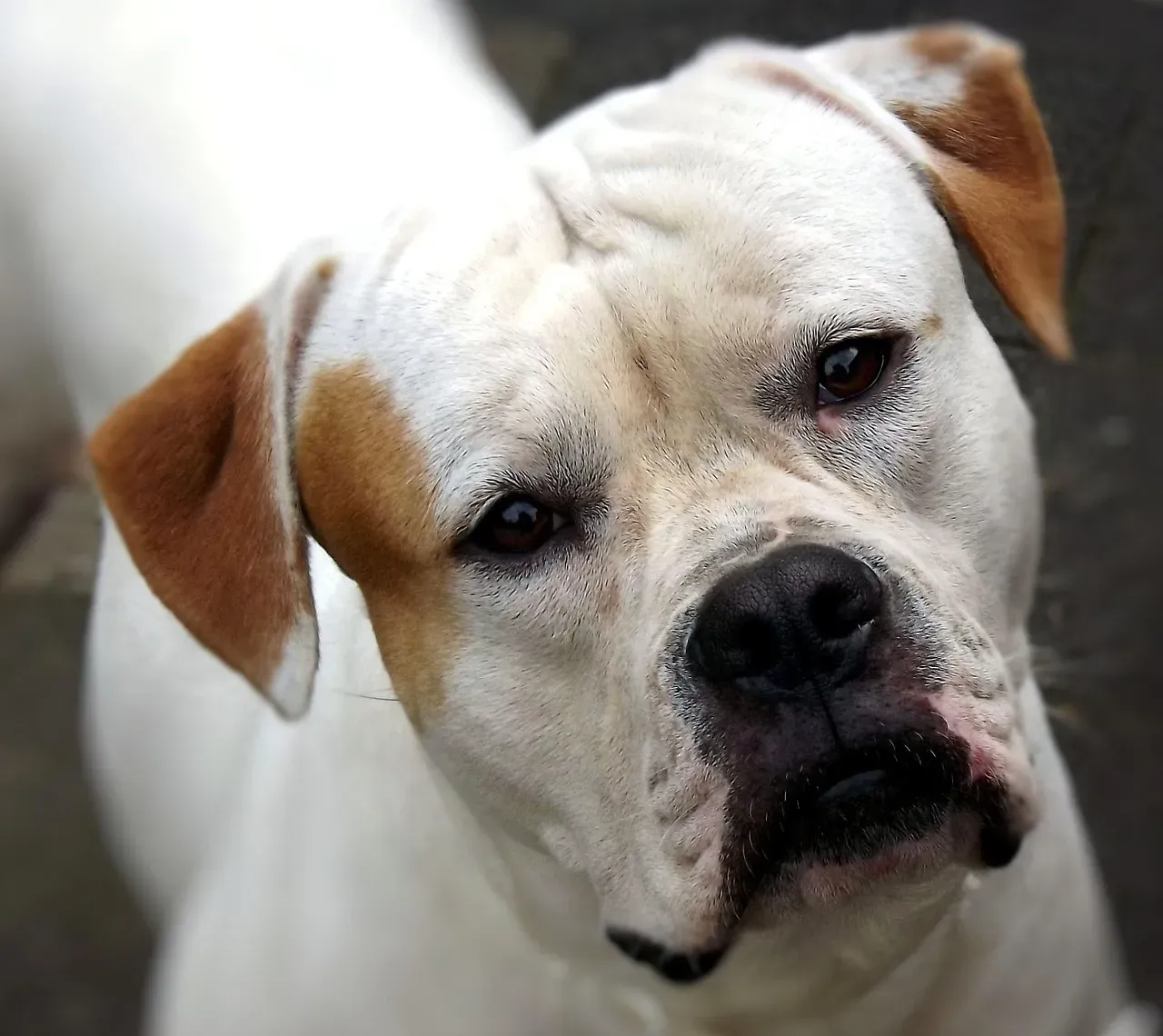
American bulldogs are not pit bulls. They are a distinct breed with a distinct history and a distinct temperament. But in the visual shorthand of shelter adoption, they get coded as bully-type and treated accordingly – longer waits, more passes, more fosters watching the calendar tick over into another month.
Shelter workers describe these dogs as some of the most patient, affectionate animals in their care. They tolerate the noise and chaos of shelter life with a kind of steady dignity. They work hard to please. They remember the people who were kind to them. And they wait, with that steadiness intact, while family after family chooses a lab mix or a golden and walks out the door. The fosters who’ve loved one carry it with them.
#3 – The Staffordshire Bull Terrier Clowning for a Home
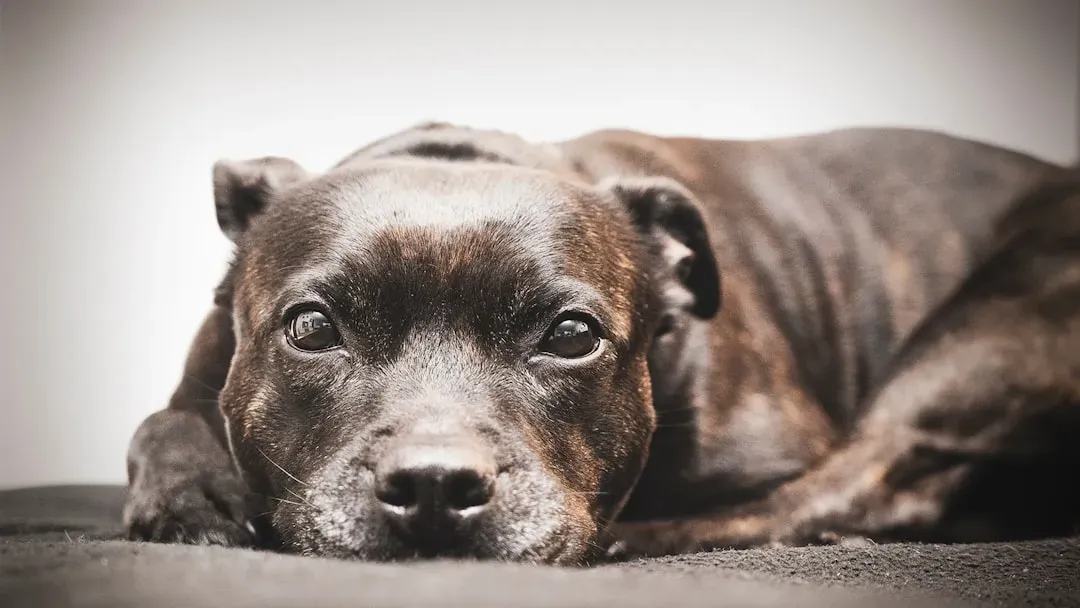
Staffies have a devoted following among people who know them – and almost no profile at all among people who don’t. In the U.K., they’ve historically been called “the nanny dog” for their particular gentleness with children. In U.S. shelters, they often get lumped visually with breeds that trigger BSL restrictions, and that association alone extends their stays significantly.
What fosters describe is a dog that performs for human attention with a joyful, almost theatrical desperation – spinning, grinning, doing everything short of a PowerPoint presentation to get someone to take them home. They are compact, sturdy, and so people-oriented that isolation genuinely distresses them. Shelter workers admit Staffies are among the breeds that affect them most, not because the dogs are sad, but because they try so hard. And still get left behind.
#2 – The American Staffordshire Terrier Labeled Before It’s Met
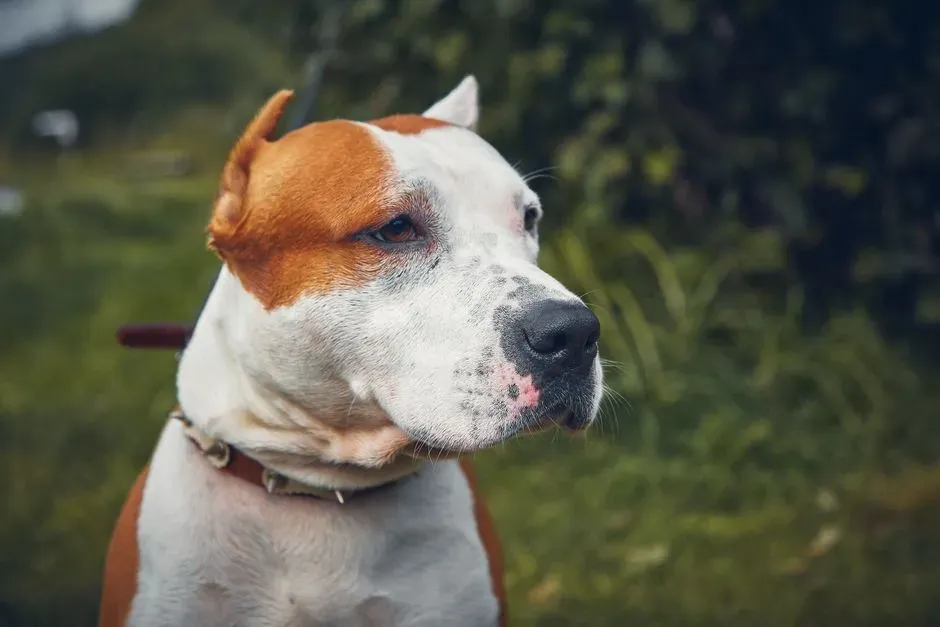
AmStaffs are intelligent, eager to please, and built for human companionship in a way that makes their shelter situation particularly cruel. They read people clearly. They respond to training with focus and enthusiasm. Foster carers consistently describe them as transformational dogs – animals that arrive shut down and leave as something completely different, given the right environment and time.
The problem is that “given the right environment and time” requires an adopter willing to see past a breed label that has been socially weaponized for decades. Studies on shelter adoption confirm that visual breed identification alone – regardless of individual behavior – dramatically extends wait times for dogs that look like AmStaffs. Fosters know this. They know what they have. They know what that dog deserves. And they make the call to the rescue coordinator, again, to say no one came this week either.
#1 – The American Pit Bull Terrier That Waits Longest of All
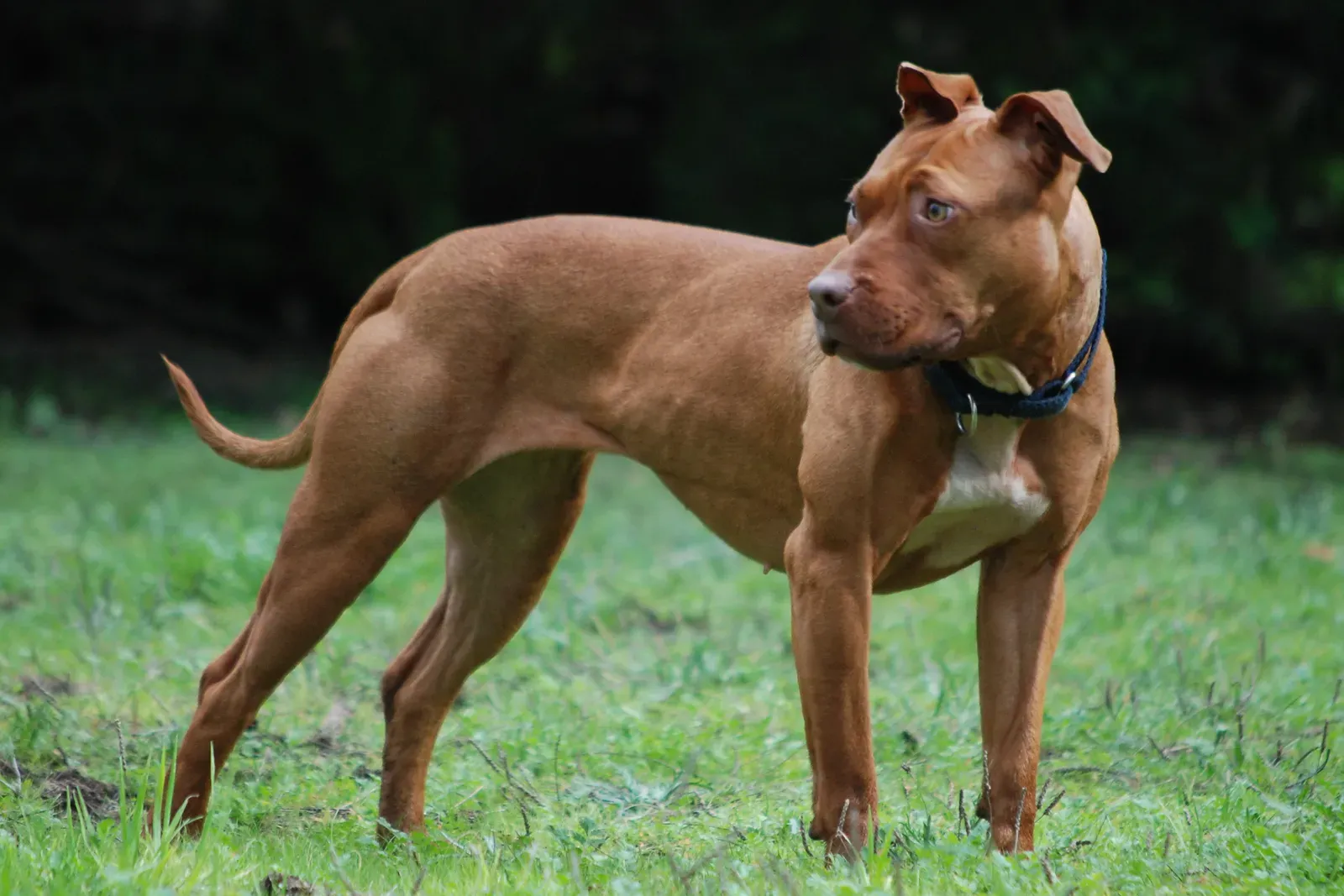
Pit bull-type dogs are the number one dog in American shelters by volume, and among the least adopted by rate. Shelter workers don’t dance around this. The stigma is legal in some states – breed-specific legislation bans ownership outright in dozens of cities – and cultural everywhere else. A loving, assessed, behaviorally sound dog can wait six months, a year, longer, while the kennel beside it cycles through three other breeds.
What makes this particular entry the heaviest on the list isn’t just the numbers. It’s what shelter workers and fosters describe happening to themselves over time. You pour into a dog. You teach it to sleep without flinching, to eat without guarding, to trust that a hand coming toward its face means kindness. You watch it become something extraordinary. And then you learn that even extraordinary isn’t always enough to overcome a name on a breed tag. The fosters who stay in this work carry every one of those dogs. They don’t forget a single name.
Why It Stands Out: The Pit Bull by the Numbers
- Pit Bull Terriers account for nearly 22% of all shelter dog listings across America’s 50 largest cities – the single most common breed in 29 of those cities.
- Dogs labeled “pit bull” wait three times longer to be adopted than visually similar dogs given a different breed label.
- When one Orlando shelter removed breed labels entirely, pit bull adoption rates jumped to 64%.
- Approximately 40% of dogs euthanized in U.S. shelters annually are pit bull-type dogs – a staggering proportion given they represent roughly 5% of the total U.S. dog population.
- Breed-specific legislation currently bans or restricts pit bull ownership in hundreds of U.S. municipalities, meaning even willing adopters are often legally blocked from saying yes.
These 14 breeds aren’t broken. They’re not dangerous mysteries or lost causes. They’re dogs that got sorted into the wrong category by a culture that judges animals the same way it judges everything else – by appearance, by assumption, by what someone heard once. Shelter workers and foster carers know the truth that statistics don’t fully capture: that the dog most people walked past last Saturday was probably the most loyal animal they would ever have met. That’s not a small thing to carry. And it shouldn’t be something only shelter workers have to know.

- Elephants Communicate With Each Other Using Sounds We Cannot Hear - July 26, 2026
- 10 Surprising Foods That Are Actually Good For Your Dog’s Health - July 26, 2026
- Which Dog Breed Fits Your Zodiac Sign’s Emotional Needs Best? - July 26, 2026