
They Remember Thousands of Hidden Food Caches
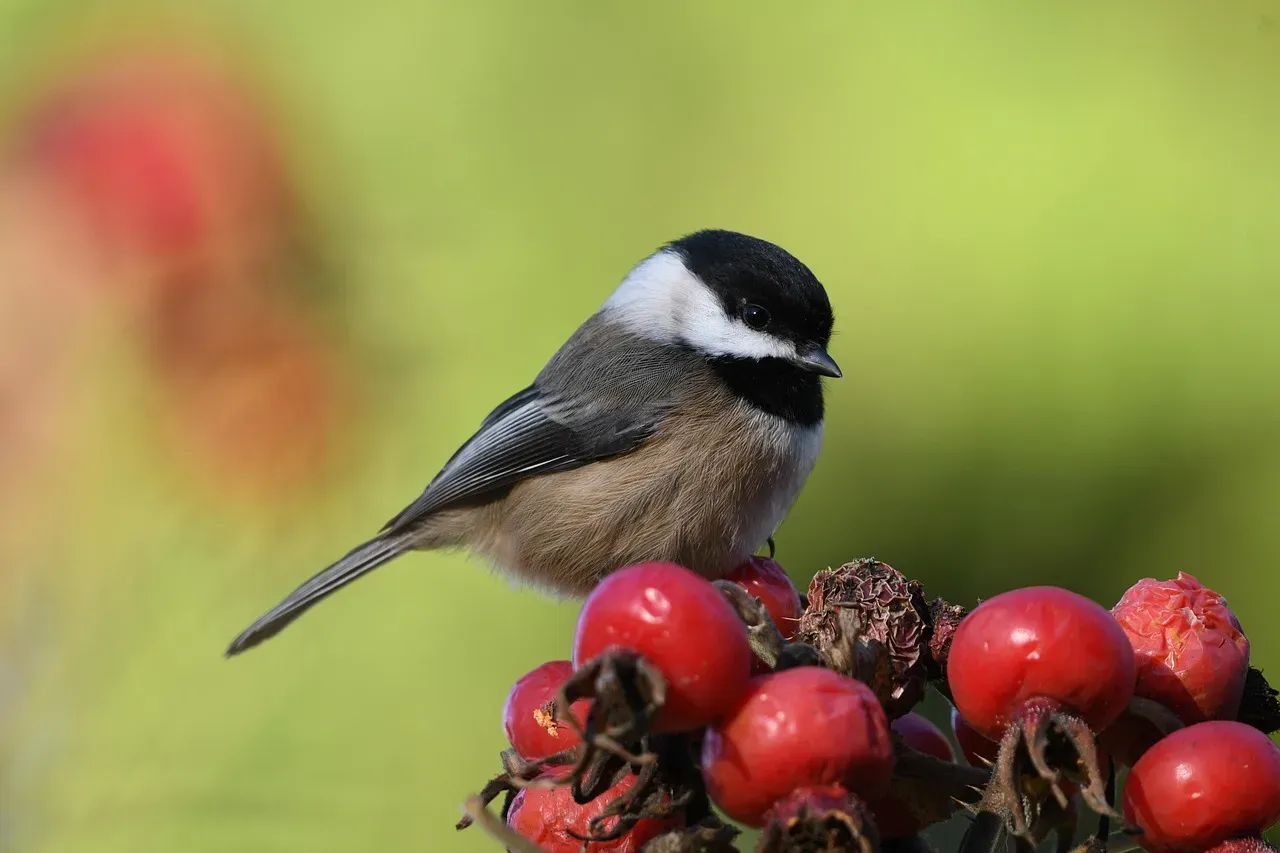
Black capped chickadees scatter seeds and insects across dozens of spots each day during the fall. They tuck items under bark, into crevices, and along branches, creating a scattered pantry that can number in the thousands over a season. Their spatial memory lets them return weeks later to the exact locations, even after snow has changed the landscape.
This ability relies on a specialized part of the brain that tracks what was hidden where. Studies show they can recall cache details for up to a month in many cases. The skill proves essential when winter food grows scarce and every stored morsel counts toward survival.
Their Brains Actually Grow Bigger in Winter

Each autumn the chickadee hippocampus expands by roughly thirty percent. New neurons form to handle the flood of location memories needed for caching. When spring arrives the extra cells are pruned away, shrinking the structure back to its smaller size.
This seasonal brain change is not random. It matches the demands of their environment, where stored food becomes the main lifeline through cold months. Birds in harsher climates show even larger expansions, linking cognitive flexibility directly to survival rates.
They Use Alarm Calls That Specify Predator Threats
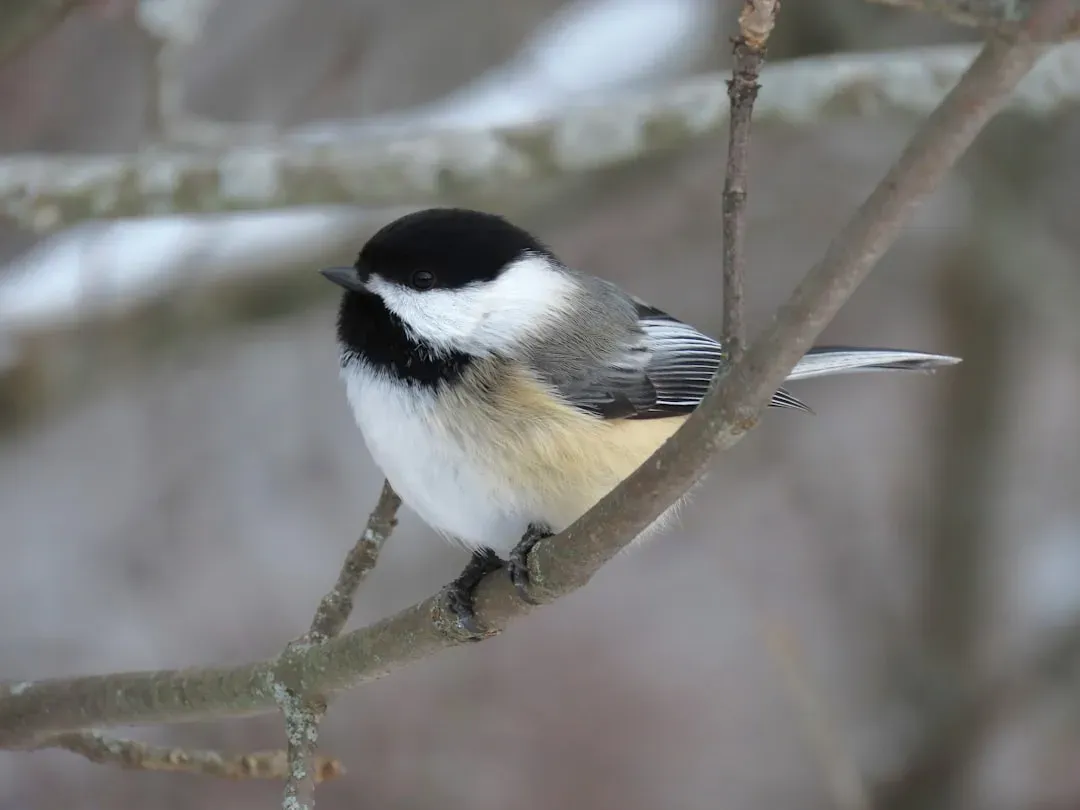
The familiar chick a dee dee call carries more information than its simple sound suggests. The number and arrangement of dee notes signal the type of predator nearby and how dangerous it is. A few extra notes can mean a perched owl versus a flying hawk, prompting different escape responses from the flock.
Other bird species in the area often listen in and react to these warnings as well. The system shows compositional rules, where small changes in the call alter its meaning. This level of vocal complexity helps the whole group stay one step ahead of danger.
They Recognize Individual People
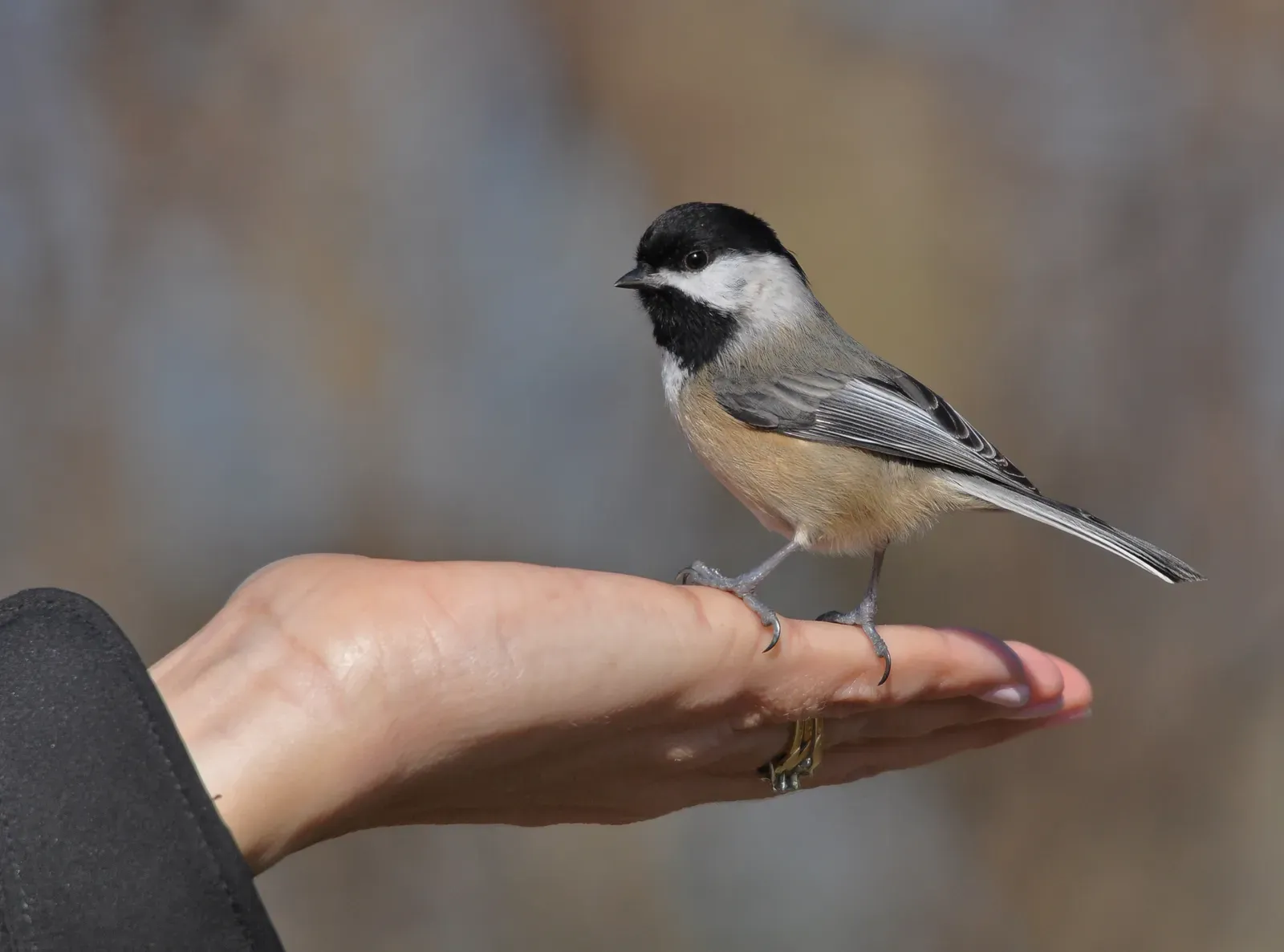
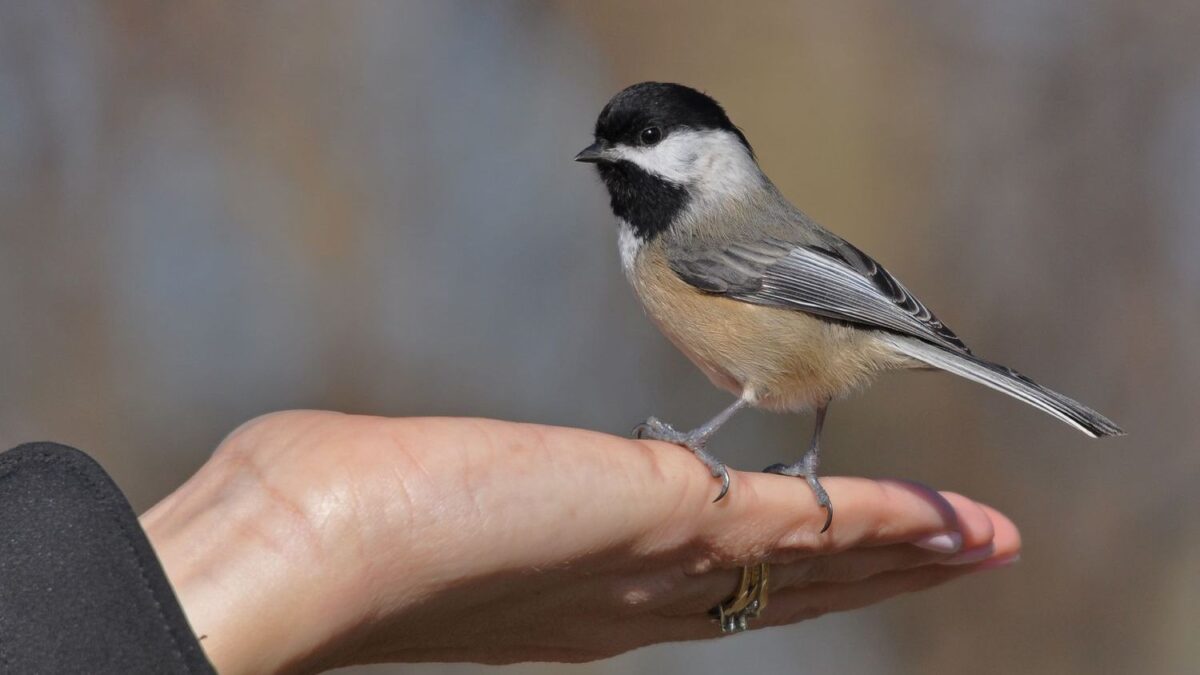
Chickadees that visit the same feeders regularly learn to tell one human from another. They approach familiar faces more readily and may even land on an outstretched hand once trust builds. Some observers report the birds reacting differently to specific clothing or hats worn by regular visitors.
This recognition extends beyond simple habit. Birds have been seen greeting returning people with excited calls after absences of days or weeks. The behavior points to an ability to form lasting associations with individuals who provide reliable food.
They Prepare Their Food Before Storing It
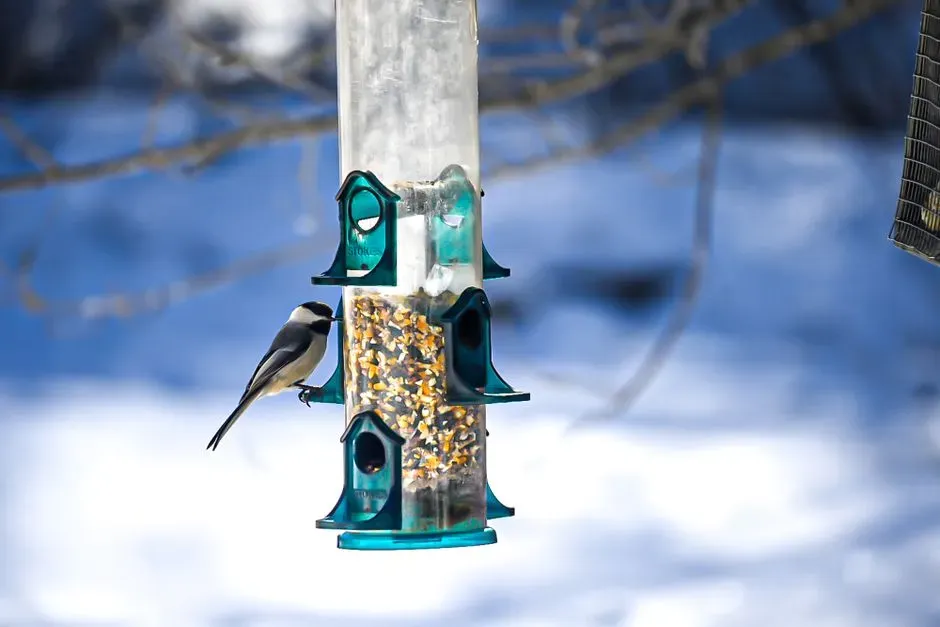
Before tucking away a seed or insect, a chickadee often removes the shell, wings, or head. These steps reduce weight and make the item easier to hide in tight spots. The extra effort shows planning rather than simple impulse.
Prepared caches last longer and take up less space. The birds appear to weigh the trade off between immediate eating and future needs. Such foresight helps stretch limited resources across the lean season.
They Learn New Tricks by Watching Others
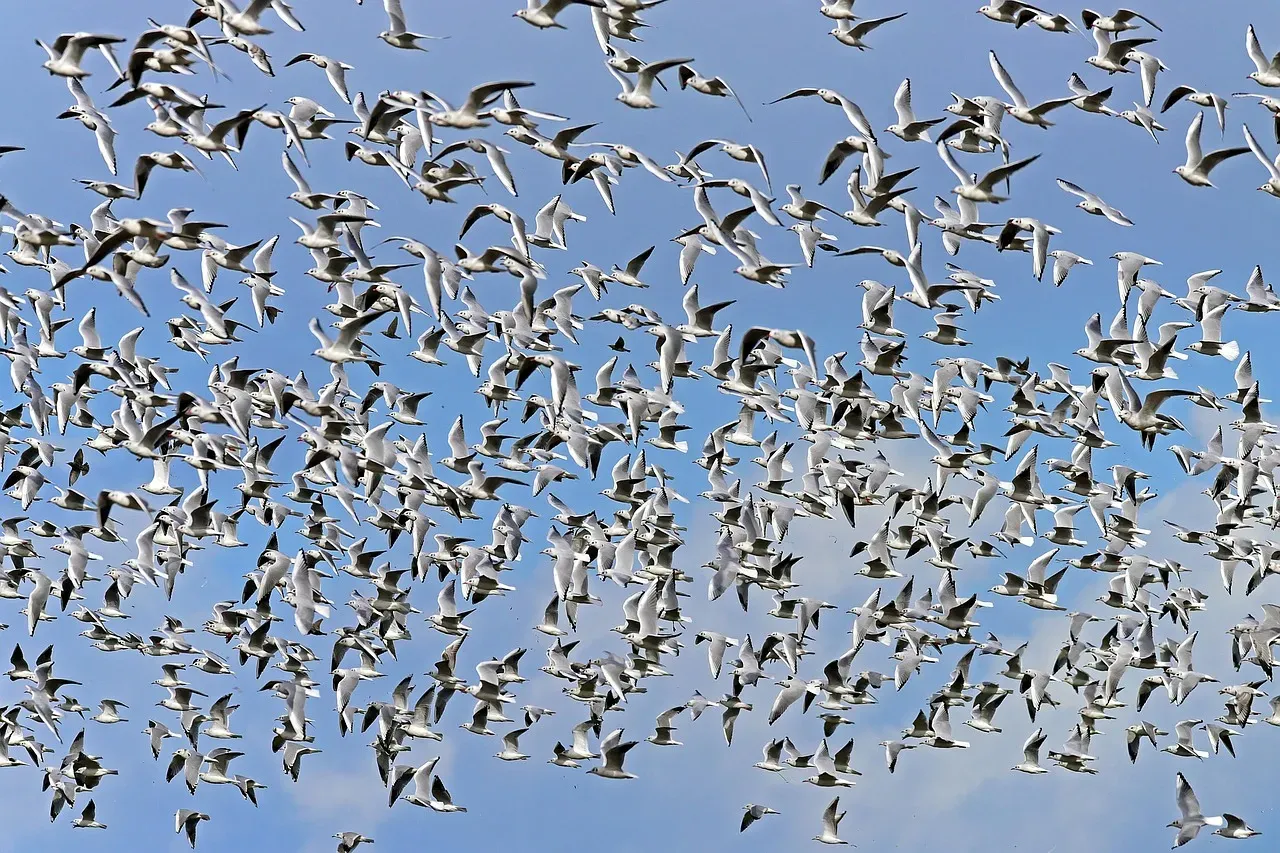
Chickadees observe flock mates solving simple puzzles or opening novel feeders. They then copy successful methods instead of starting from scratch each time. This social learning speeds up adaptation when new food sources appear.
Young birds especially benefit from watching experienced adults. The transfer of knowledge reduces risky trial and error in a dangerous world. Over time the group gains collective problem solving skills that no single bird could develop alone.
They Boast a Rich Vocabulary of Calls
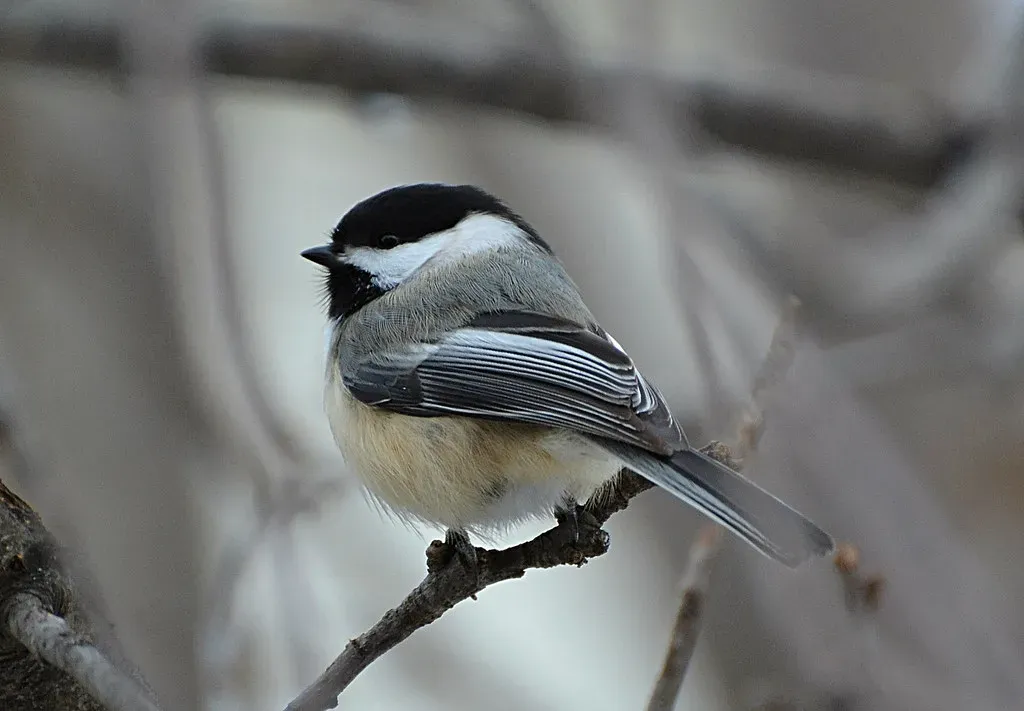
Researchers have identified at least thirteen distinct vocalizations in black capped chickadees. Each serves a different purpose, from contact notes during foraging to mobbing calls that rally the group. Subtle variations in tone and rhythm add further layers of meaning.
The range allows precise coordination within the flock. Birds can signal food finds, warn of threats, or maintain contact while moving through dense cover. This vocal toolkit supports the complex social life these small birds maintain year round.
They Navigate Complex Social Hierarchies
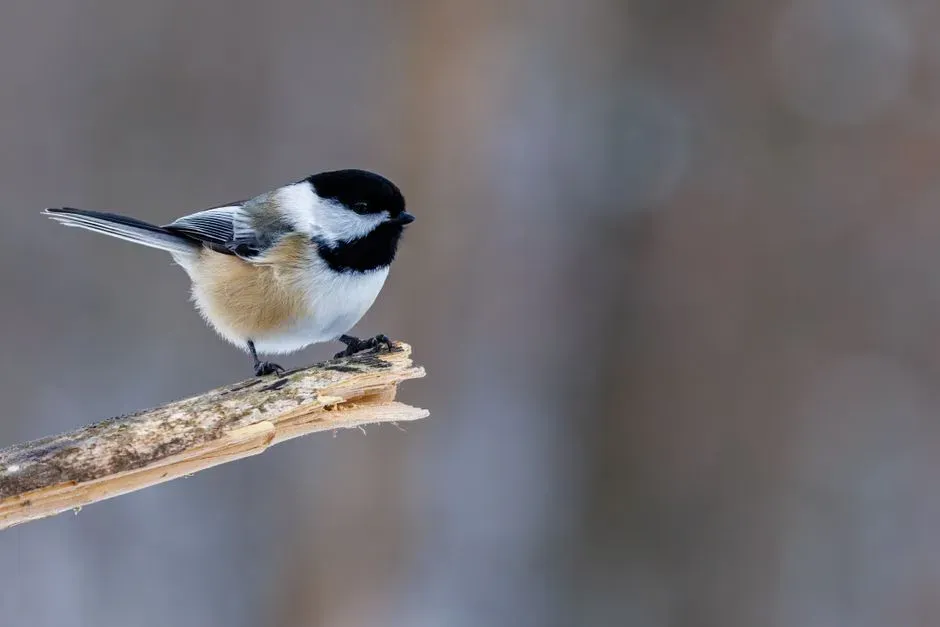
Within a winter flock, chickadees establish clear dominance orders through subtle displays like bill gaping. Higher ranking birds claim the best feeding spots and cache locations. Lower ranked individuals learn to wait or move aside without constant fights.
These hierarchies reduce energy wasted on aggression. They also influence who learns from whom, with dominant birds often setting the pace for group movements. The structure keeps daily life orderly even when resources are tight.
They Solve Problems to Access Food
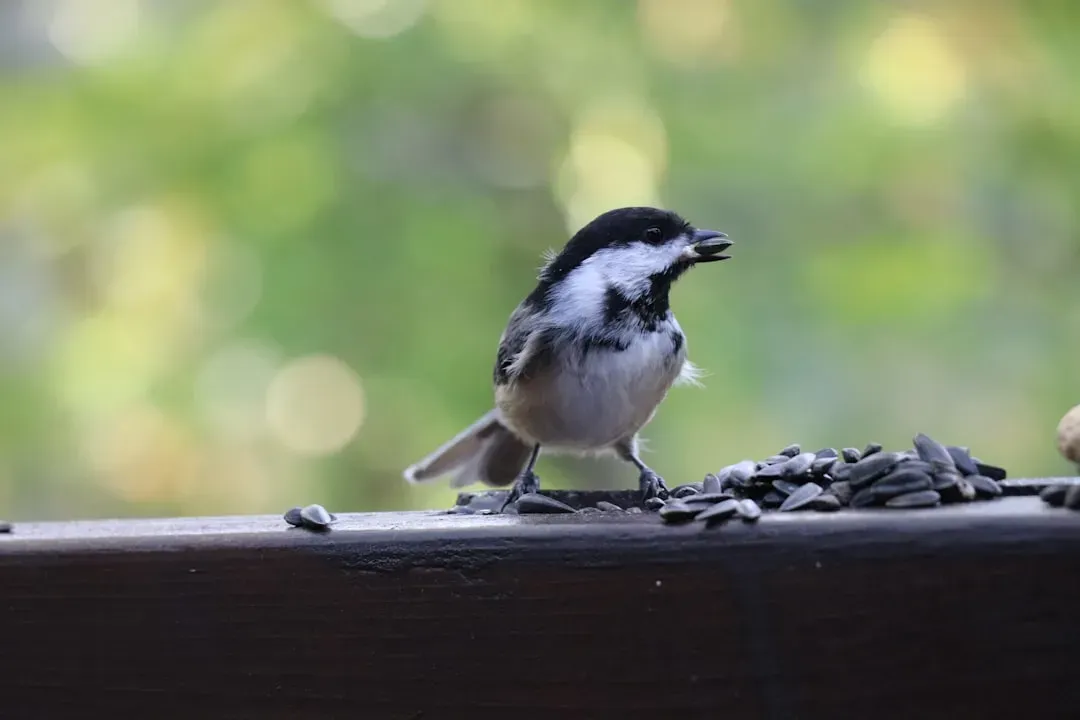
In both wild and captive settings, chickadees figure out how to reach seeds behind barriers or inside containers. They test different approaches until one works, then remember the solution for later use. Some individuals persist longer than others, revealing individual differences in persistence.
Success often comes faster after watching a neighbor succeed first. The combination of trial, memory, and observation lets them exploit changing conditions around feeders or natural food patches. Such flexibility helps them thrive near human activity.
They Recall Details of What They Cached and When
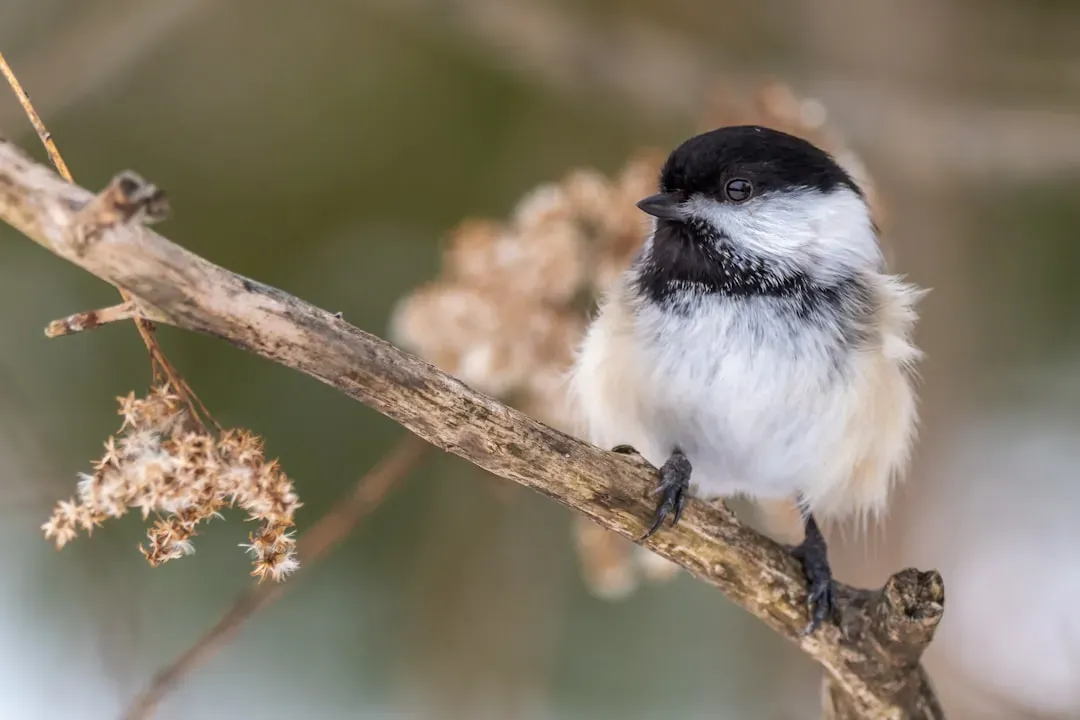
Beyond location, chickadees track the type and amount of food in each cache. They prioritize higher value items when retrieving stores and adjust behavior based on how long an item has been hidden. This episodic style memory captures the what, where, and roughly when of past actions.
The detail matters when some caches spoil or get stolen. Birds avoid wasting time on empty or low quality spots. Their recall system keeps the overall strategy efficient across hundreds of hidden items.
They Adapt Their Behavior to Harsh Environments
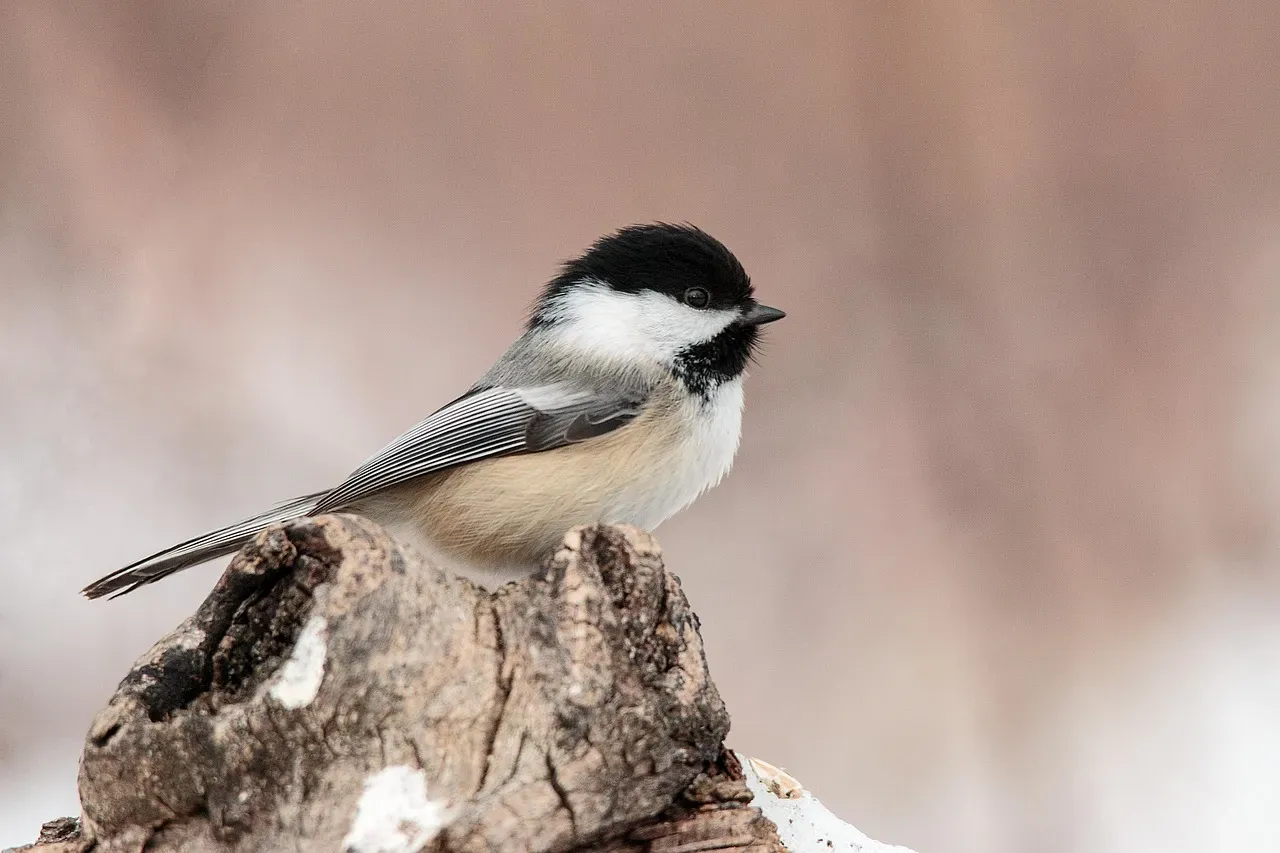
Chickadees living at higher elevations or in colder regions show stronger spatial memory than those in milder areas. The difference appears tied to greater reliance on cached food during long winters. Populations evolve or learn cognitive traits that match local pressures.
Even within one season, individuals adjust caching rates and retrieval efforts based on weather cues. They sense drops in temperature or barometric pressure and ramp up food storage accordingly. These responses keep the birds ahead of changing conditions rather than reacting after the fact.
Chickadees pack an outsized set of mental tools into a tiny frame, turning everyday survival into a quiet demonstration of cleverness. Their example suggests that sharp minds can appear in unexpected places, shaped by the simple need to make it through another winter.
- 10 Remarkable Facts About the African Cheetah: The Lightning of the Grasslands - July 29, 2026
- 10 Most Heroic Horses in History - July 29, 2026
- Why You Should Never Play Dead When Attacked by a Black Bear - July 29, 2026