
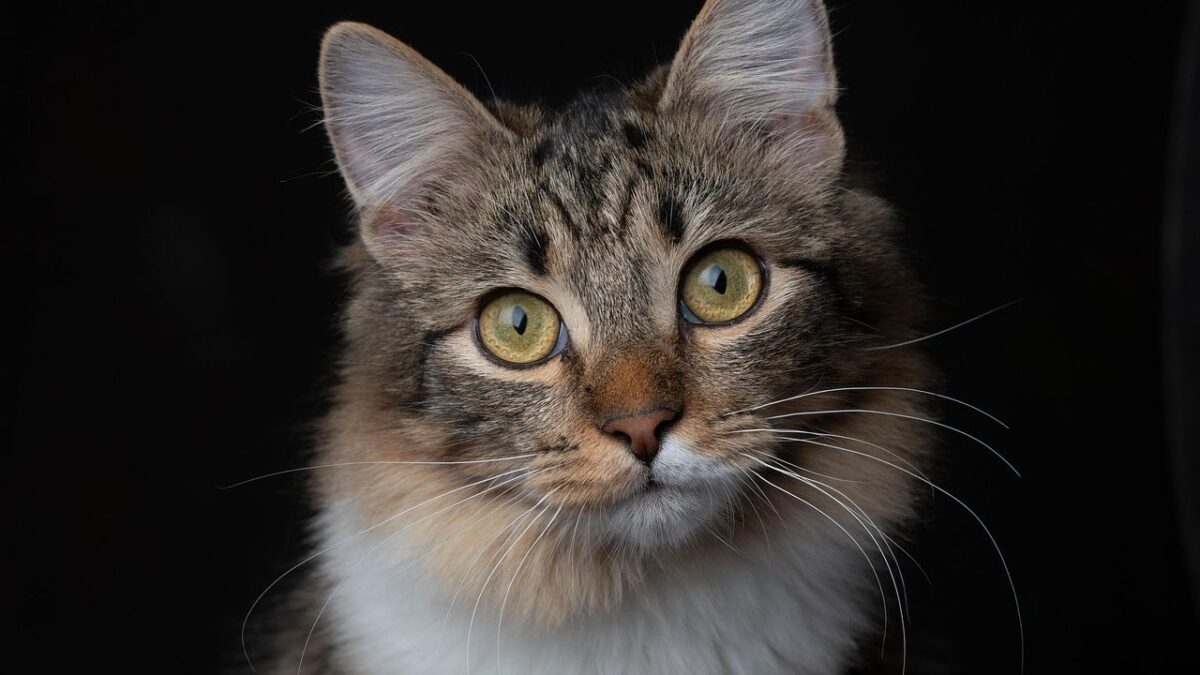
Picture this. Your cat sits perfectly still in the living room, eyes fixed on an empty patch of shadow near the baseboard. The room feels ordinary to you, yet something holds their gaze with an intensity that makes the hair on your arms rise just a little.
That stare often sparks questions about what hidden world cats might perceive. Their senses work on a different scale from ours, turning ordinary spaces into places full of unseen activity.
The Power of Feline Night Vision
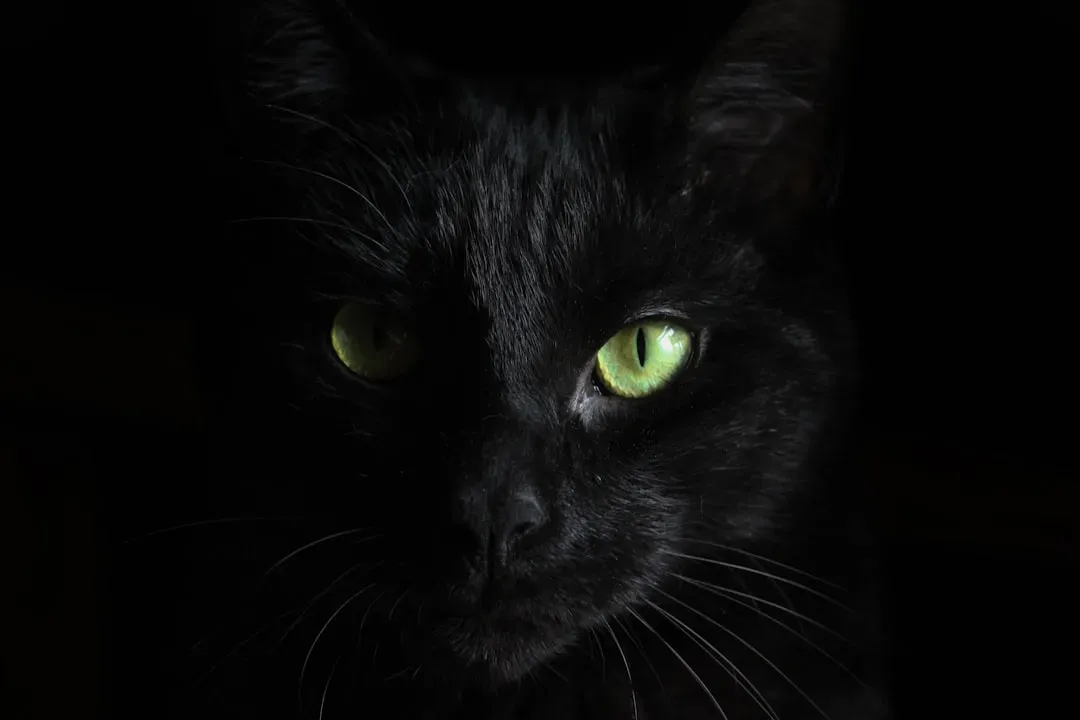
Cats possess a reflective layer behind their retinas called the tapetum lucidum. This structure bounces light back through the eye, giving them a second chance to capture photons in dim conditions. As a result they can navigate and focus on details when light levels drop far below what humans need.
Their eyes also contain a higher proportion of rod cells, which excel at detecting motion and shape in low light. These adaptations turn a dark corner into a scene rich with contrast and subtle movement. Owners often notice the effect most clearly at dusk or in rooms lit only by a single lamp.
Unheard Frequencies That Draw Their Attention
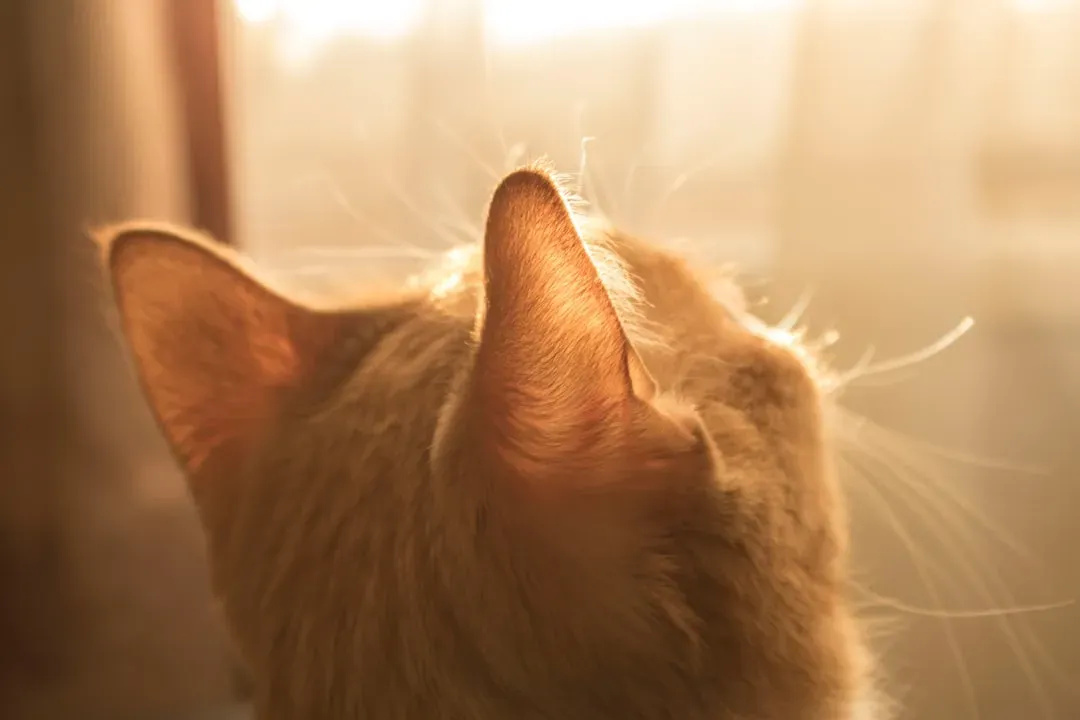
A cat’s hearing range extends well beyond human limits, reaching frequencies up to around 64 kilohertz. Small creatures such as mice or insects produce ultrasonic sounds that remain silent to us yet stand out sharply to feline ears. A faint rustle or high pitched vibration in the wall can therefore command full attention.
This sensitivity helps explain why a cat might lock onto a spot that appears empty. The sound may travel through floorboards or insulation in ways that pinpoint its source. Over time the behavior becomes a reliable clue that something audible only to them occupies that space.
Tiny Prey or Insects in the Shadows

Many households harbor small insects or spiders that move along baseboards and into corners at night. Cats detect these movements through a combination of sight and sound even when the creatures stay out of direct view. Their hunting drive then kicks in, turning the observation into focused staring.
Seasonal changes can increase the presence of such prey indoors. A sudden influx of moths or beetles often coincides with longer periods of corner watching. The cat is simply responding to stimuli that remain invisible or inaudible to people sharing the same room.
Instincts From Their Wild Ancestors
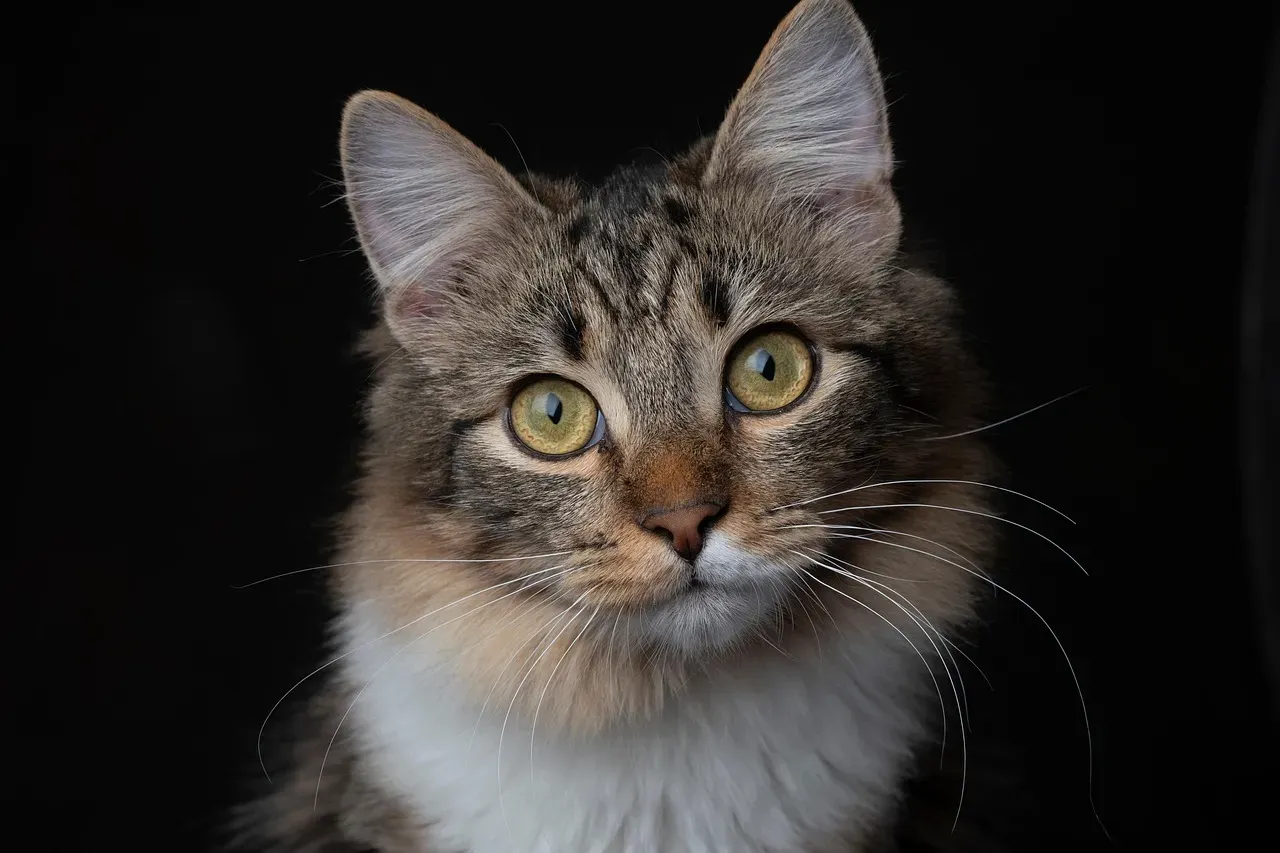
Domestic cats retain strong predatory instincts shaped by thousands of years of survival in varied environments. Staring into dark spaces mirrors the behavior of wild felines scanning for hidden threats or opportunities. This trait persists even in well fed house cats with no need to hunt.
The posture often includes a lowered head and dilated pupils, signs of intense concentration rather than fear. Such moments connect modern pets to their evolutionary past in tangible ways. Watching them reminds owners that cats still operate with an ancient sensory toolkit.
Sensitivity to Environmental Changes
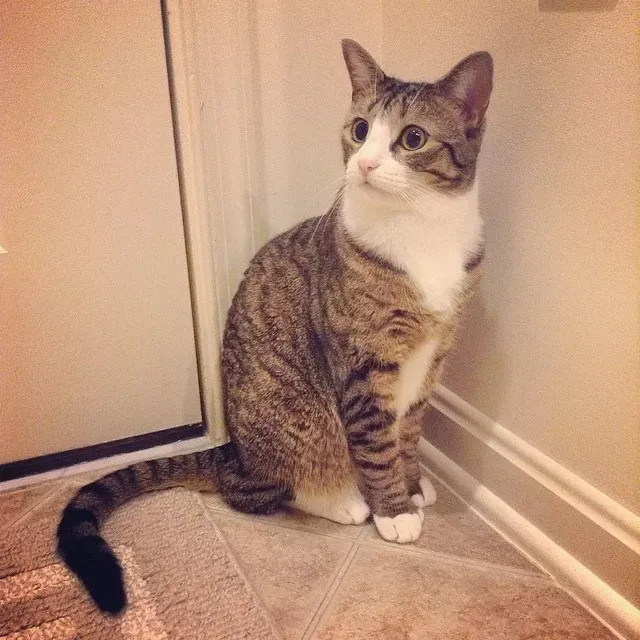
Cats notice subtle shifts in air currents, temperature, or even static electricity that escape human awareness. A draft slipping under a door or the faint vibration from distant appliances can register as noteworthy. These cues sometimes concentrate in corners where air moves differently.
Changes in household routines, new furniture placement, or seasonal humidity can amplify these perceptions. The cat may investigate the altered space repeatedly until the novelty fades. Their reactions serve as quiet indicators of environmental details people overlook.
When It Might Signal Something More

Occasional staring usually reflects normal sensory processing. Persistent fixation paired with other signs such as vocalizing or restlessness can point to discomfort or medical issues worth checking. Ear infections, vision changes, or anxiety sometimes manifest through altered focus.
Veterinarians often recommend a full exam when the behavior appears suddenly or intensifies. Ruling out physical causes helps confirm that the cat is simply engaging with its surroundings in typical fashion. Early attention keeps both pet and owner at ease.
Embracing the Mystery in Everyday Moments
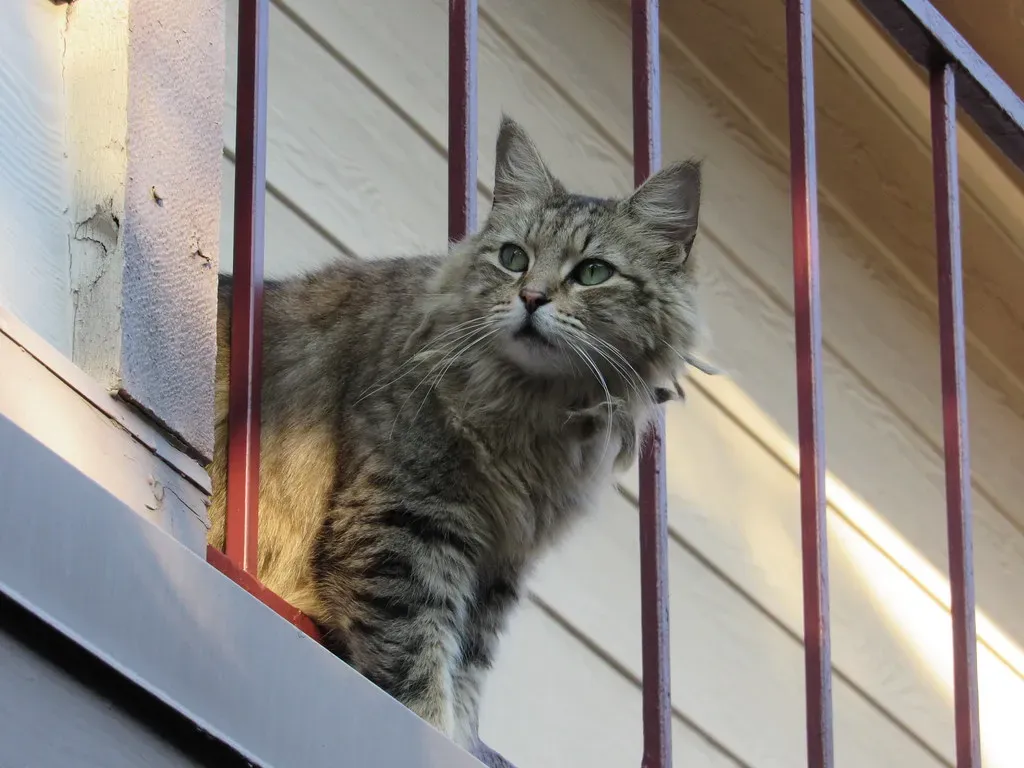
Understanding these reasons transforms the spooky stare into a window on feline perception. It highlights how cats experience the home as a layered environment full of signals we miss. The behavior adds quiet depth to daily life with a pet.
Owners who observe without alarm often find new appreciation for their cat’s capabilities. Accepting that some details stay hidden fosters a more relaxed and curious relationship. In the end the dark corner holds ordinary wonders rather than anything supernatural.

- 10 Remarkable Facts About the African Cheetah: The Lightning of the Grasslands - July 29, 2026
- 10 Most Heroic Horses in History - July 29, 2026
- Why You Should Never Play Dead When Attacked by a Black Bear - July 29, 2026