
Picture the vast blue expanse of the ocean, where sound travels farther and faster than light. Beneath the surface, whales produce intricate sequences of calls that have puzzled observers for decades. These vocalizations hint at a sophisticated system of communication that scientists are only beginning to unravel.
Marine biologists have long suspected that these sounds carry meaning beyond simple signals for food or danger. Recent advances in recording equipment and data analysis are bringing new clarity to what was once an impenetrable mystery. The effort reveals not just how whales interact, but also how their world connects to our own.
The Symphony Beneath the Waves
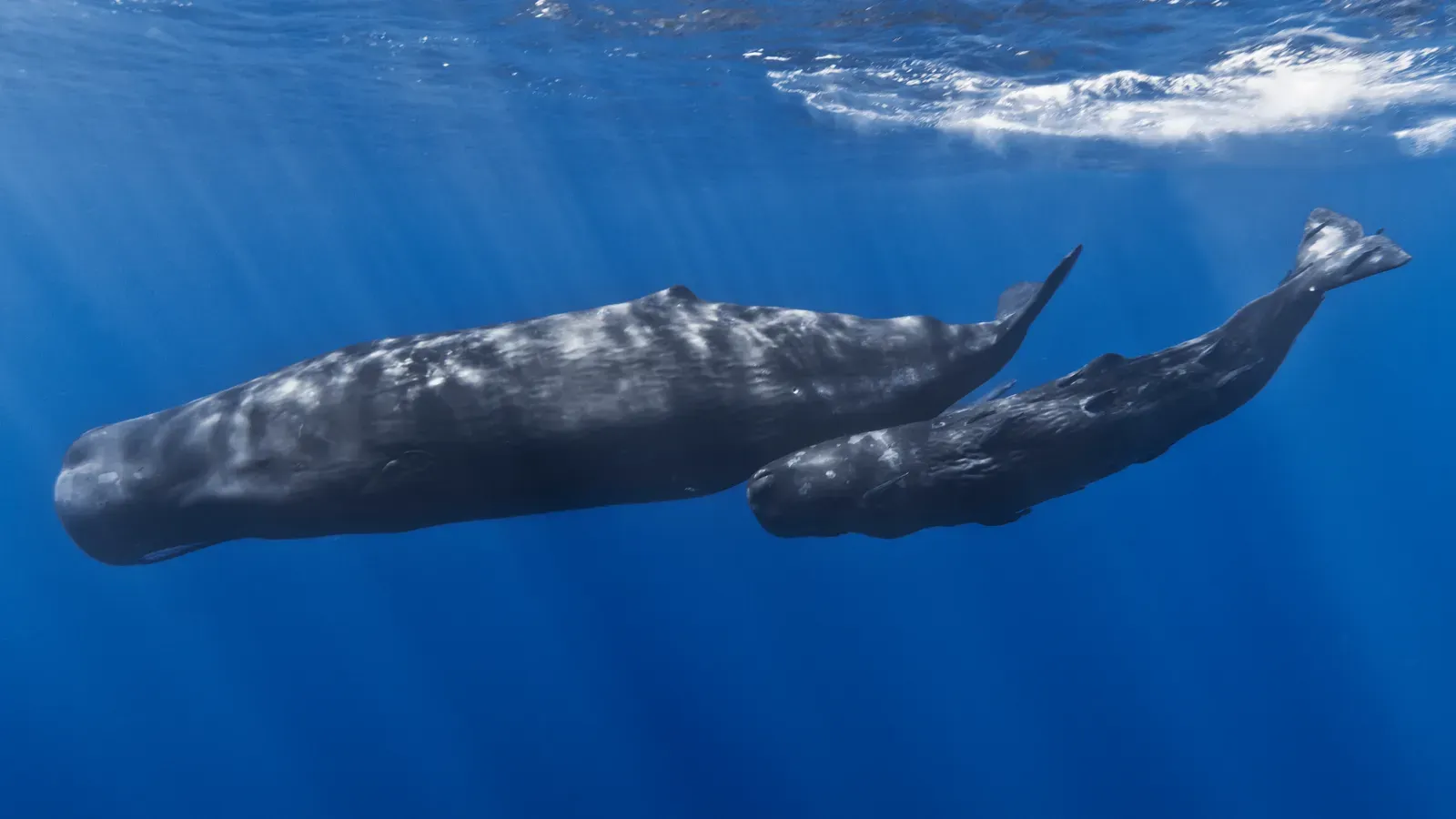
Whales rely on sound as their primary way to navigate and connect across enormous distances. Low frequency calls from large species can carry for hundreds of miles through the water column. This acoustic reach allows individuals to stay in touch even when they cannot see one another.
Researchers record these sounds using hydrophones deployed from ships or fixed to the seafloor. The resulting libraries of audio capture everything from simple grunts to elaborate sequences that repeat over time. Patterns in timing and pitch suggest structure rather than random noise.
Humpback Songs That Span Oceans
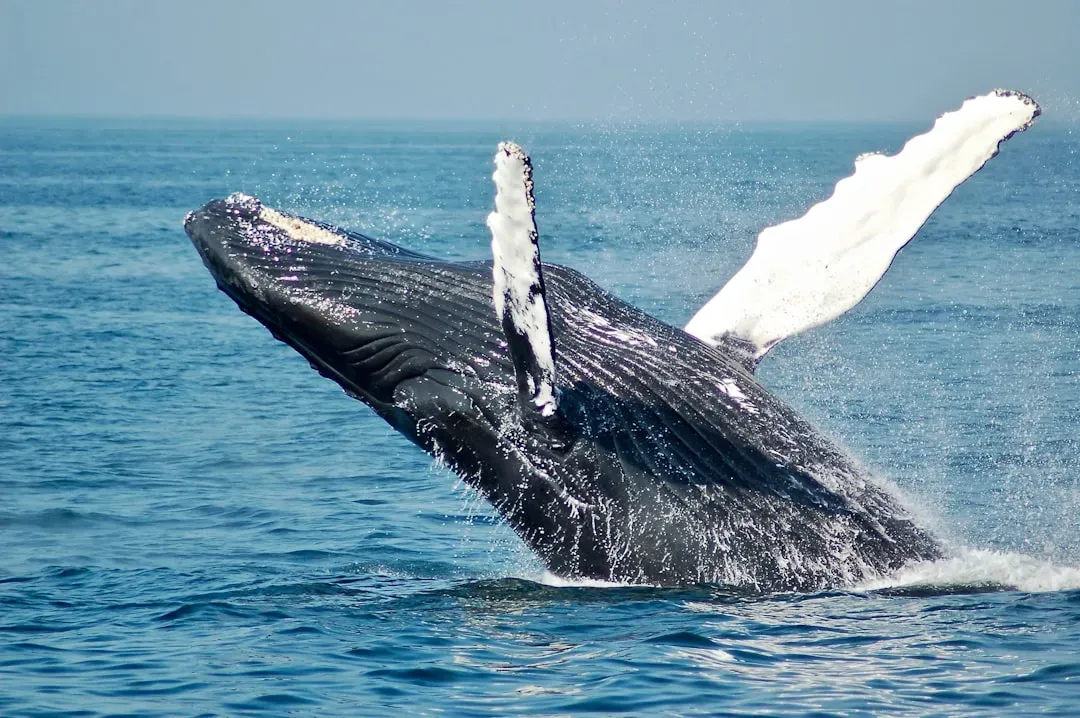
Male humpback whales produce long, repeating songs during breeding season that can last for hours. These performances evolve gradually, with new phrases introduced and old ones dropped in a process that resembles cultural transmission. Populations in different ocean basins develop distinct versions that persist across years.
Observers have tracked how a song originating in one region spreads to others through migrating individuals. The complexity of these songs, with their themes and variations, points to a level of learning that goes beyond instinct alone. Such sharing hints at social bonds that extend beyond immediate family groups.
Clicks and Codas of the Deep Divers
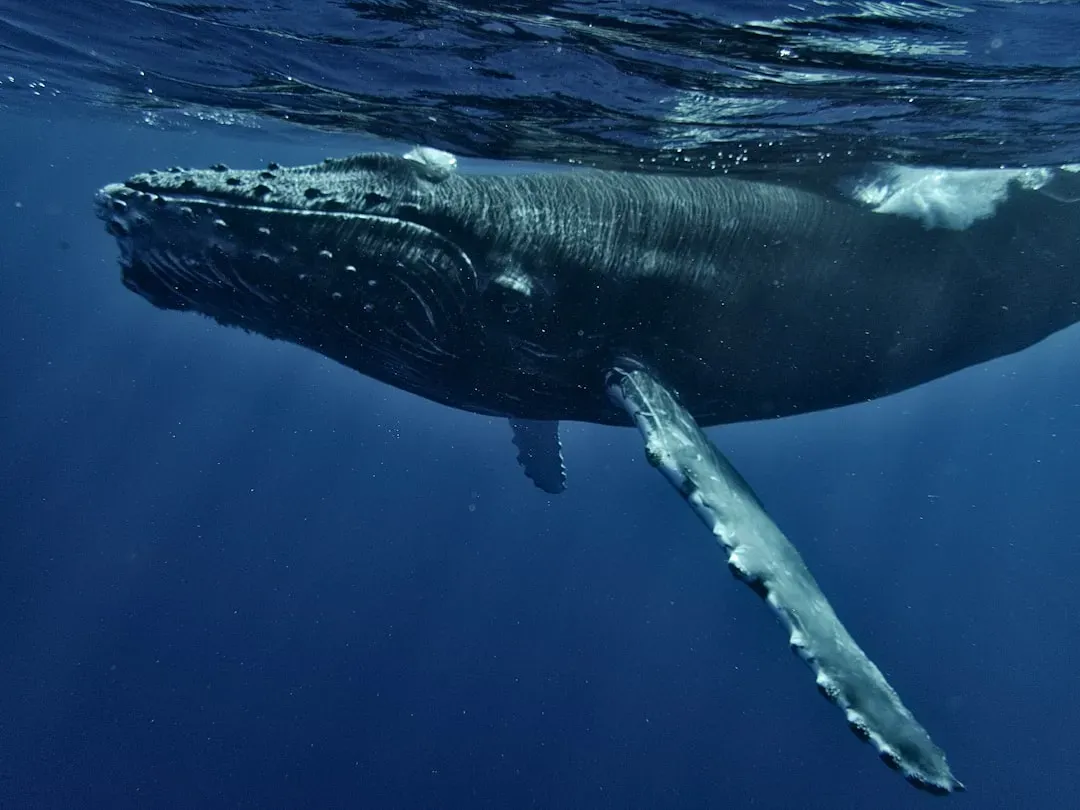
Sperm whales use rapid sequences of clicks called codas for social exchanges rather than just hunting. Different groups favor particular coda patterns that function like family signatures. These stable dialects help members recognize one another across wide ranges.
Young whales appear to acquire these patterns through listening and imitation, much like human children learn language. Recordings from tagged animals show how codas occur during resting periods or when groups reunite. The consistency within clans and differences between them add weight to the idea of learned traditions.
Listening with Advanced Tools
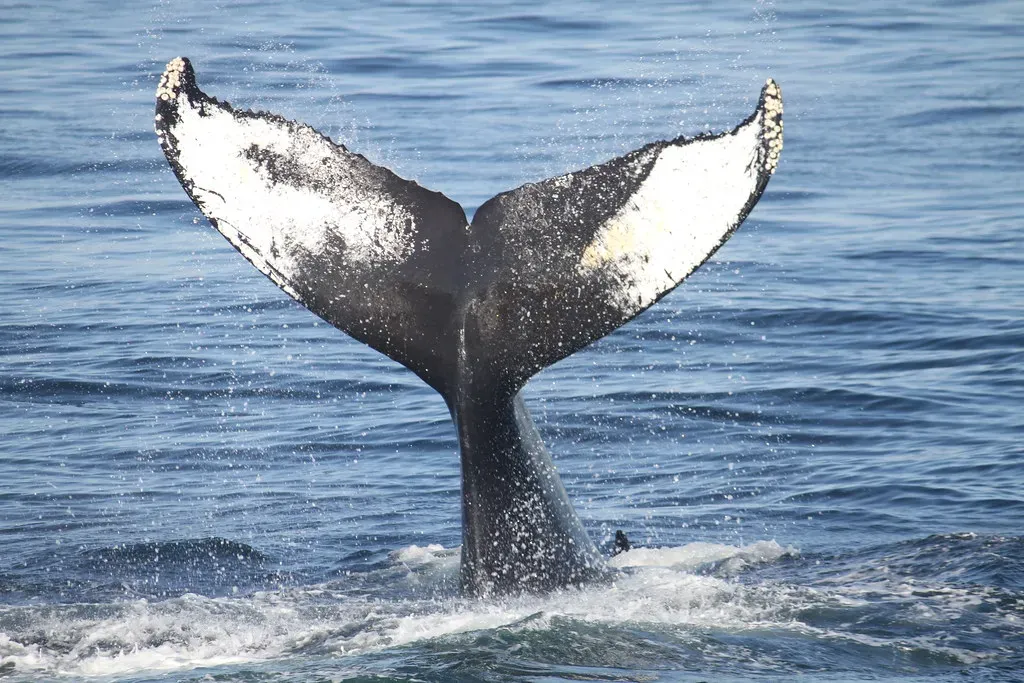
Modern hydrophone arrays and autonomous underwater vehicles gather continuous streams of data from remote locations. Machine learning algorithms then sift through terabytes of recordings to identify recurring motifs that human ears might miss. This scale of analysis was impossible just a generation ago.
Tags attached to individual whales provide context by linking sounds to behavior such as diving depth or group interactions. The combination of audio and movement data helps researchers match specific calls to activities like foraging or socializing. Such integration turns isolated recordings into meaningful narratives.
Patterns Emerging from the Noise
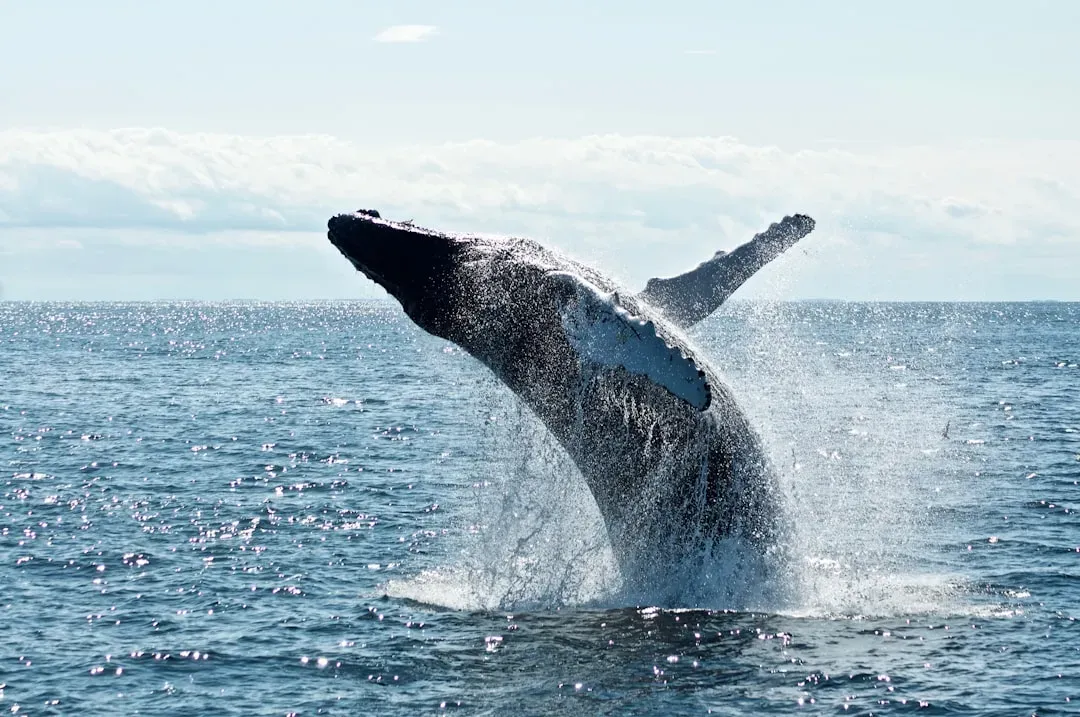
Analysis reveals that certain call types occur more often in specific situations, such as when mothers and calves separate briefly. Repetition rates and combinations change with the presence of other whales or environmental conditions. These correlations suggest functional differences among sounds.
Some sequences appear to coordinate group movements during migration or feeding. While direct translation remains elusive, the structured nature of the vocalizations supports the view that whales exchange information about location, identity, or intent. Continued refinement of analytical methods promises clearer mappings over time.
Bridging Human and Whale Worlds

Understanding whale communication offers a window into the cognitive abilities of these large brained mammals. It also underscores how human generated noise from shipping and sonar can mask important signals. Reduced acoustic space affects the ability of whales to maintain contact and coordinate activities.
Efforts to quiet vessel engines and establish protected acoustic zones draw directly from insights gained through listening studies. These practical steps aim to preserve the conditions under which natural exchanges can continue. The work connects scientific curiosity with real world conservation needs.
Protecting the Voices of the Sea
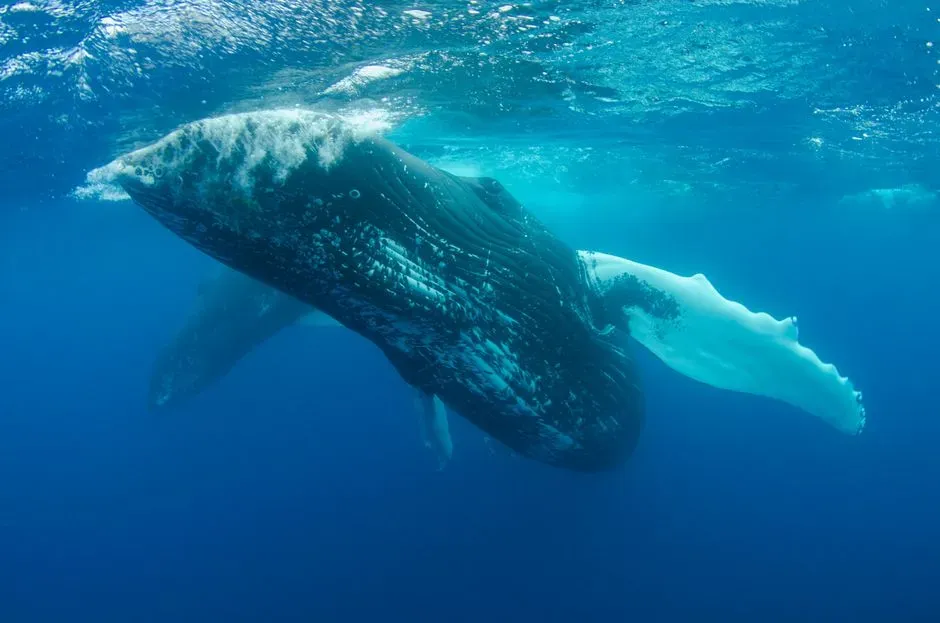
Long term monitoring programs track changes in vocal activity that may signal shifts in population health or ocean conditions. Declines in song complexity or call frequency can serve as early indicators of stress from pollution or prey scarcity. Such metrics complement traditional counts of animals sighted at the surface.
International agreements now incorporate acoustic data when setting shipping lanes or seismic survey schedules. The goal is to minimize overlap between critical habitats and noisy human activities. Success depends on sustained investment in both technology and fieldwork across multiple ocean regions.
Whale communication research reminds us that the ocean holds layers of life we are still learning to perceive. Each new pattern uncovered adds depth to our picture of these animals as social beings with rich inner lives. The ongoing effort to listen more carefully carries the quiet promise of greater respect for the seas we all share.

- 12 Dog Breeds That Stay Healthy Well Into Old Age - July 29, 2026
- 11 Incredible Adaptations That Allow Animals to Survive Extreme Cold - July 29, 2026
- 8 Striking Facts About the Oryx: The Desert’s Living Spear - July 29, 2026