
The Science Behind Genetic Rescue

Genetic rescue combines several laboratory methods to either strengthen existing endangered populations or recreate lost ones. Scientists extract DNA from preserved tissues or fossils, then compare it against genomes of close living relatives. They use tools like CRISPR to introduce targeted changes that restore diversity or revive key traits such as cold tolerance or disease resistance.
Cloning through somatic cell nuclear transfer offers another route, allowing researchers to produce animals from long frozen cells. These techniques build on decades of agricultural and medical research yet adapt them specifically for conservation goals. The result is a growing toolkit that moves beyond traditional habitat protection alone.
Reviving the Black Footed Ferret
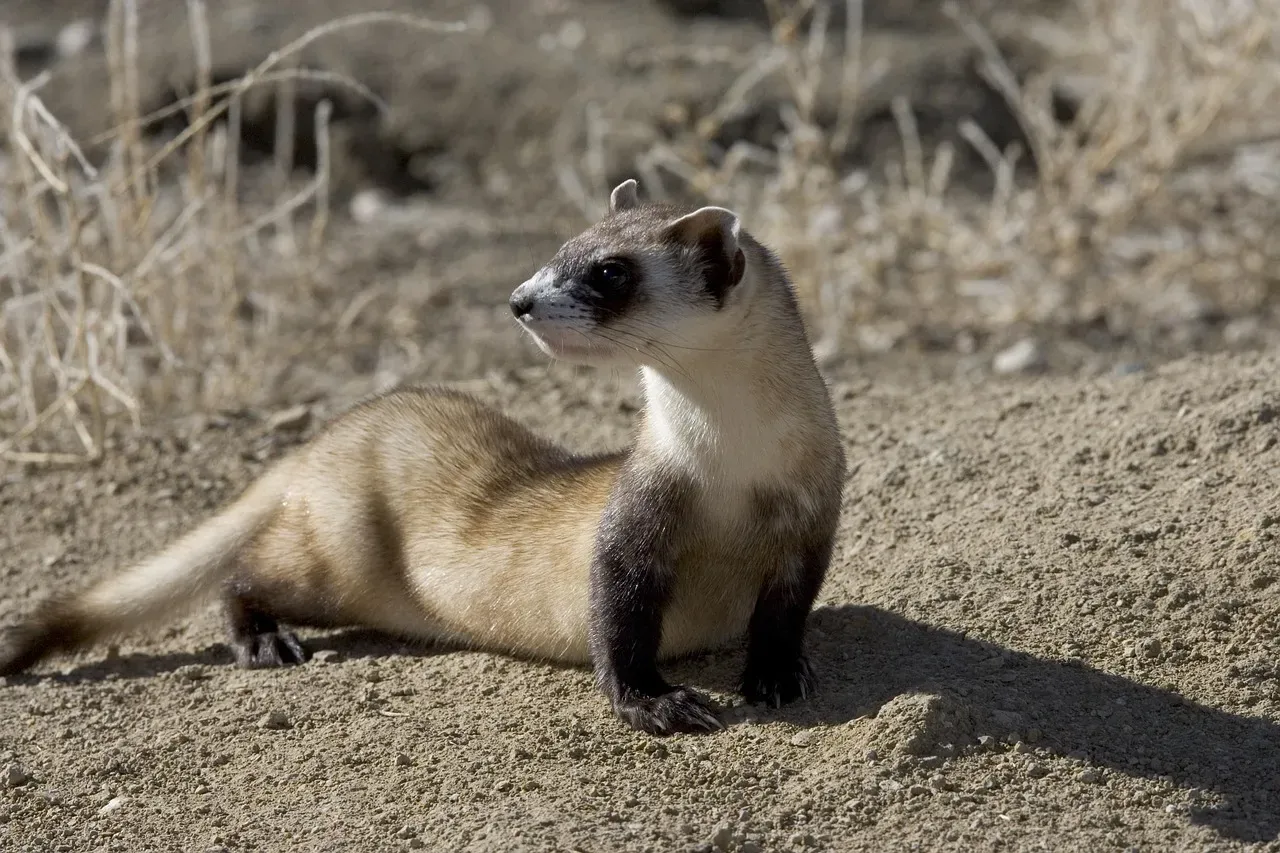
Black footed ferrets represent one of the clearest early successes in this field. A female named Elizabeth Ann was cloned in 2020 from cells taken from a ferret that died in 1988. That clone carried genetic material absent from the narrow surviving population, which had suffered severe bottlenecks.
Further clones followed, and by 2024 one of them produced healthy offspring that carried the restored variation forward. These births marked the first time cloned endangered animals contributed directly to species recovery. The effort shows how genetic rescue can expand the gene pool without relying solely on wild captures.
The Dire Wolf Breakthrough
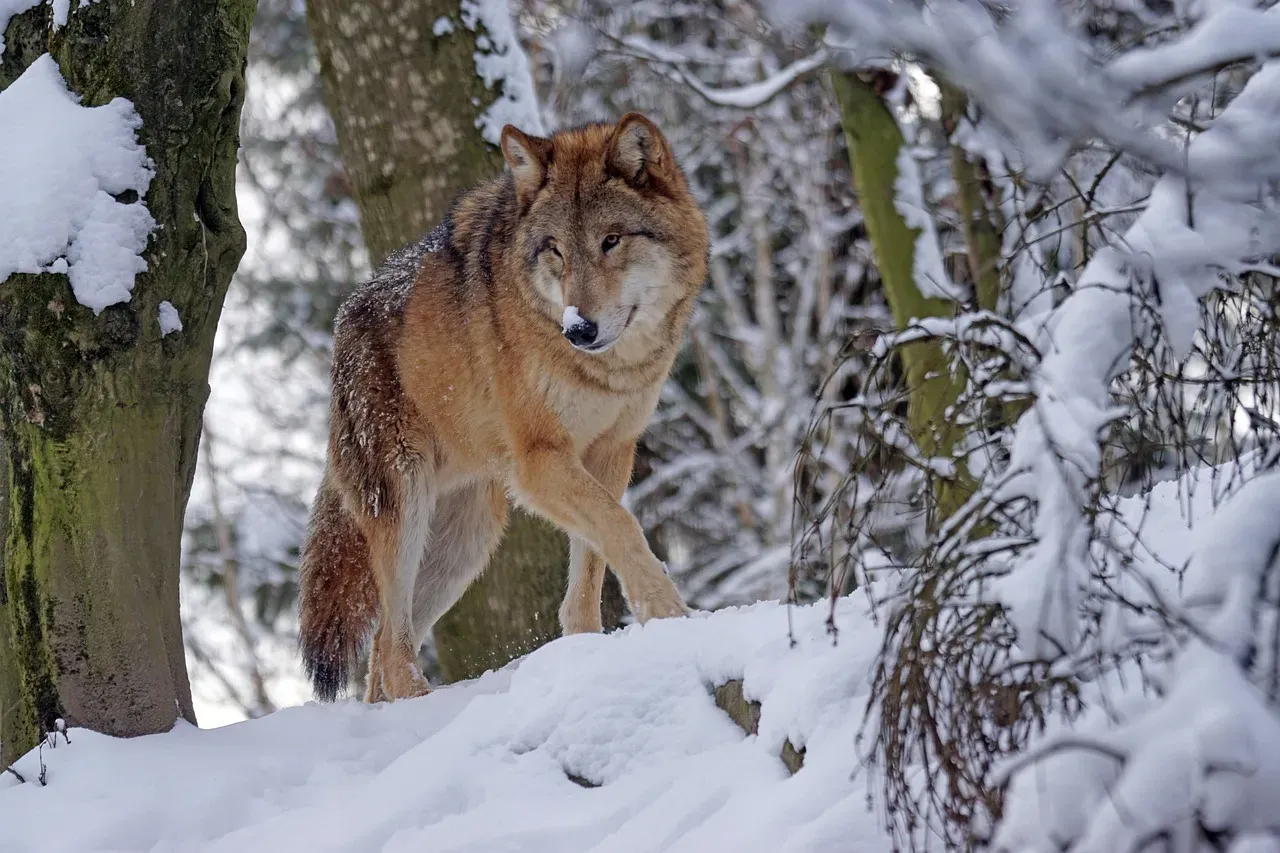
In 2025 researchers announced the birth of three pups engineered to resemble the long extinct dire wolf. They started with gray wolf cells and applied dozens of precise CRISPR edits to recreate traits such as larger size and different coat characteristics. The animals represent the first deliberate de extinction through genetic engineering rather than simple cloning.
This project demonstrated that multiple coordinated edits across thousands of genes are now feasible in mammals. It also highlighted how closely related living species can serve as starting points for recreating extinct forms. The work opened doors for similar efforts on other vanished predators and prey.
Chasing the Woolly Mammoth
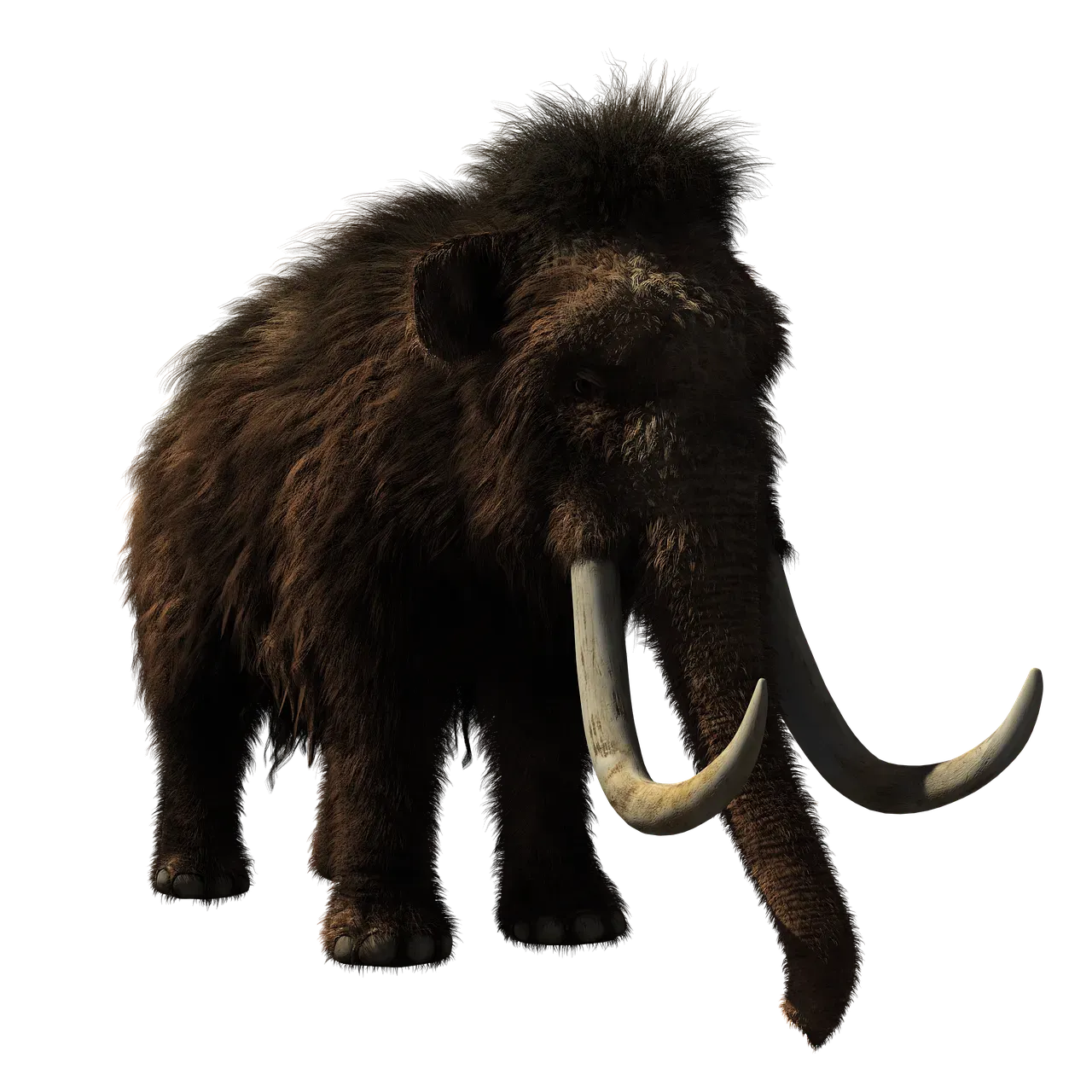
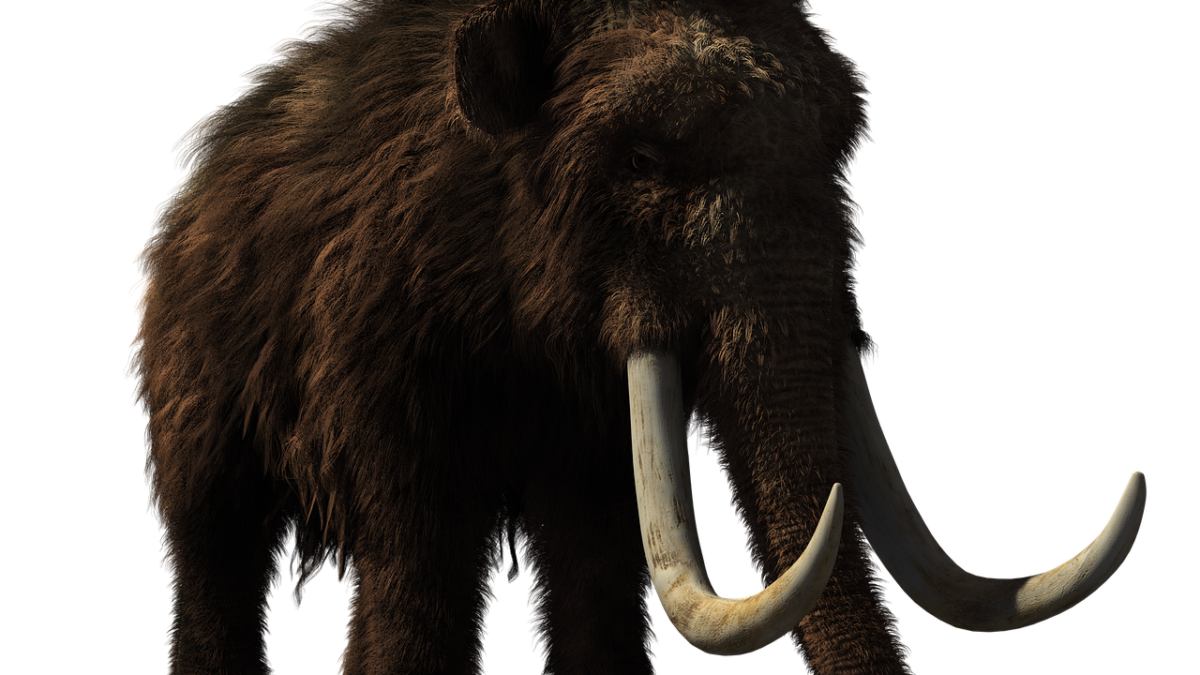
The woolly mammoth project remains one of the most ambitious efforts underway. Teams focus on editing Asian elephant genomes to introduce mammoth traits suited to cold environments, such as thicker fat layers and altered hair growth. Progress includes creating stem cells from elephants that can be further modified in the lab.
Funding has grown substantially, supporting continued refinement of the edits needed for viable embryos. The goal centers on producing animals that could help restore tundra ecosystems through grazing and soil disturbance. While full mammoths are not yet walking the earth, incremental milestones keep the timeline advancing toward the late 2020s.
Bringing Back the Thylacine and Dodo
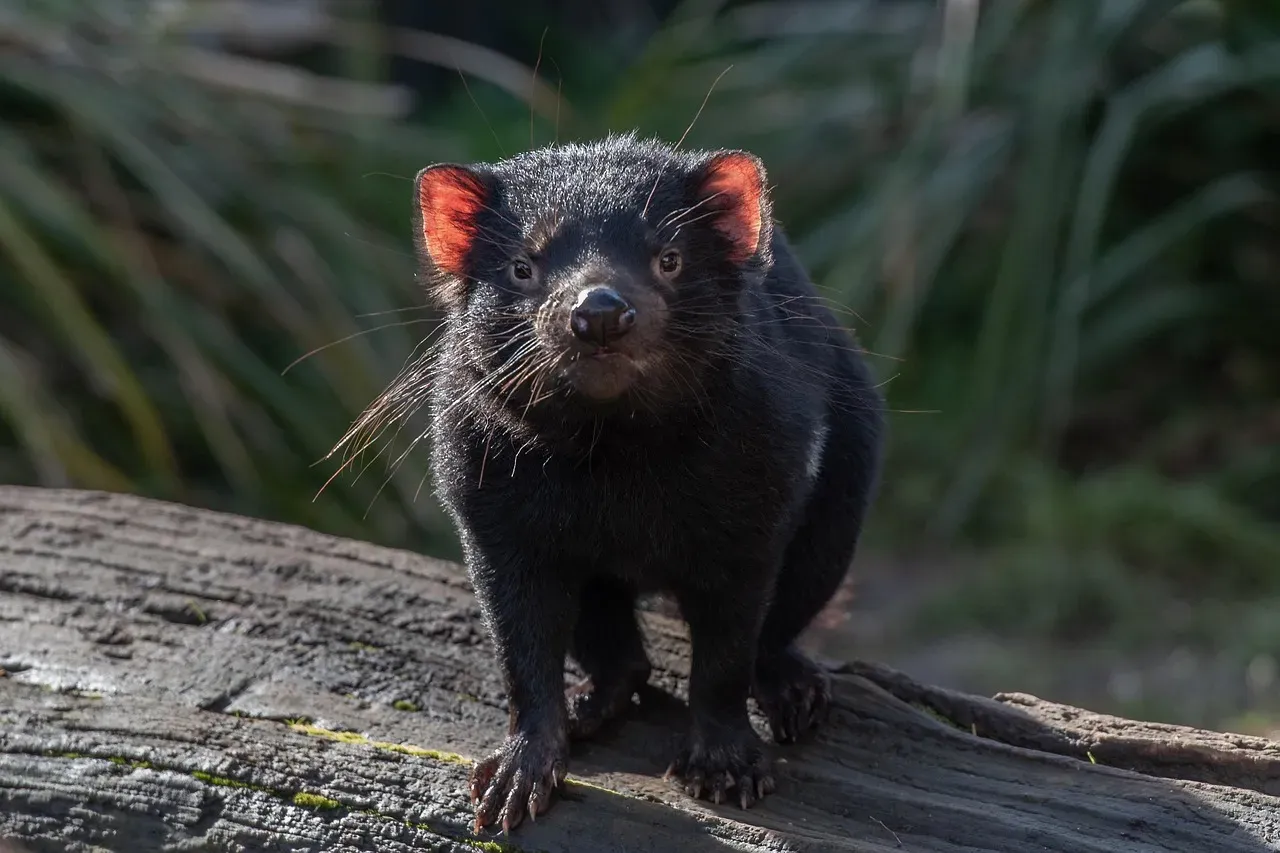
Parallel projects target the thylacine, or Tasmanian tiger, and the dodo bird. For the thylacine, researchers work with marsupial relatives to recreate the extinct marsupial wolf through genome editing. The dodo effort faces added complexity because birds require different cellular approaches than mammals.
Both initiatives benefit from the same CRISPR advancements that enabled the dire wolf pups. They also draw on extensive ancient DNA sequencing to identify the precise genetic differences that defined each species. Success here would expand the range of taxa that genetic rescue can address beyond large mammals.
Hurdles in the Path Forward
Technical challenges persist around embryo viability, surrogate compatibility, and long term animal health. Ethical questions arise about resource allocation when many living species still face immediate threats from habitat loss. Regulatory frameworks for releasing engineered animals into the wild remain underdeveloped in most regions.
Public perception varies, with some viewing these efforts as inspiring innovation and others as distractions from core conservation needs. Cost remains high, though declining rapidly as techniques improve. Balancing these factors will determine how widely genetic rescue spreads in coming years.
A New Era for Conservation
Genetic rescue shifts the conversation from pure preservation to active restoration, offering tools that complement protected areas and anti poaching work. The early results with ferrets and the dire wolf pups suggest these methods can deliver tangible genetic gains. Yet they also remind us that technology alone cannot replace the ecosystems that sustain species over time.
Looking ahead, the real measure of success will lie in whether these revived or strengthened populations integrate meaningfully into functioning habitats. That outcome depends as much on policy and land management as on laboratory breakthroughs. In the end, genetic rescue expands what is possible, but it still requires the same commitment to biodiversity that has always defined meaningful conservation.

- 15 Things That Will Make You The Center of Your Cat’s World - July 29, 2026
- 5 Unexpected Places Where Wildlife Is Flourishing in Your Own State - July 29, 2026
- 12 Birds With Unbelievable Beaks - July 29, 2026