
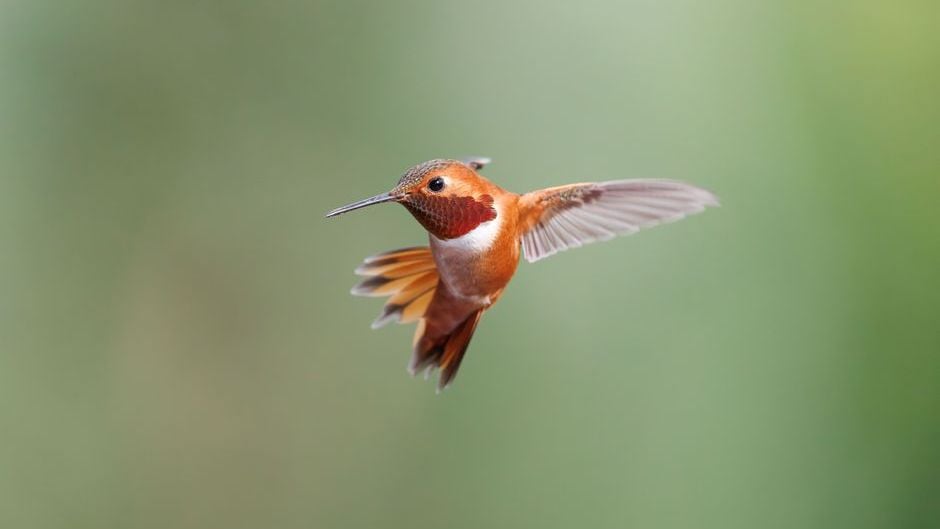
Most people assume hummingbirds are delicate, peaceful garden visitors that flit in, sip a little nectar, and disappear. Sweet little jewels of the backyard, nothing more. That assumption is almost completely wrong. These birds are running one of the most extreme survival operations in the animal kingdom, and nearly every “bizarre” thing you see them do is a high-stakes response to energy demands, territorial warfare, or reproduction pressure that most gardeners never suspect.
What looks like aggression is often courtship. What looks like death is actually a metabolic superpower. What looks like clumsiness is a young bird in training. Fourteen of the strangest hummingbird behaviours you’ve probably witnessed in your own garden are hiding entirely different meanings, and once you see them clearly, you’ll never watch your feeder the same way again.
#14 – That Motionless Bird at Dusk Isn’t Dying. It’s Doing Something Extraordinary.
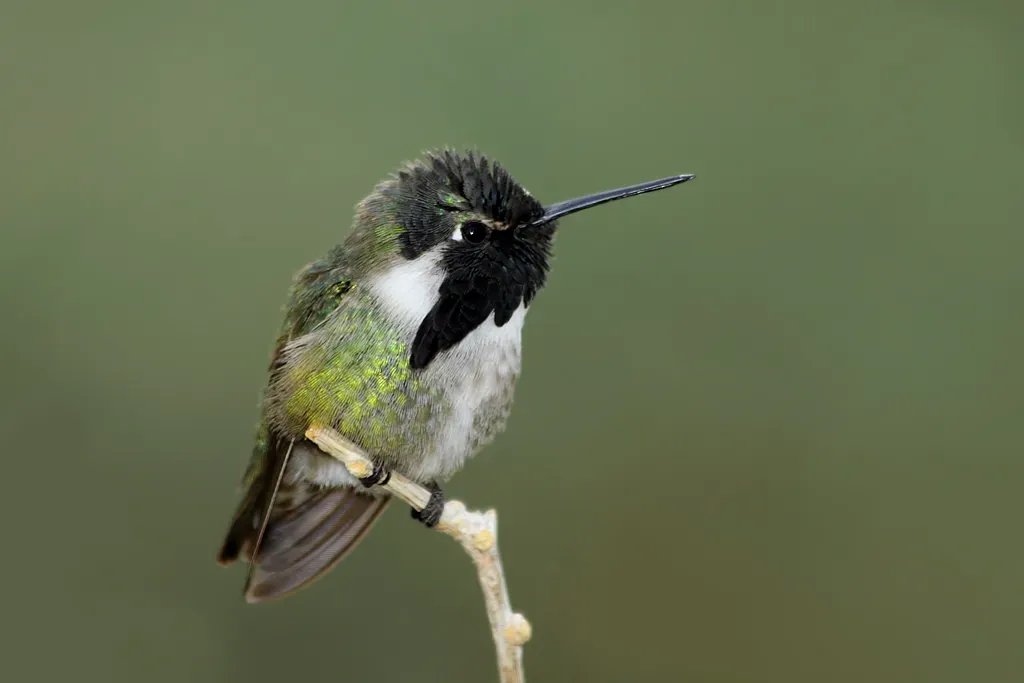
If you’ve ever spotted a hummingbird frozen on a branch or feeder as the light fades and genuinely thought it was sick or dead, you’re not alone. Hundreds of well-meaning gardeners attempt to “rescue” these birds every year. But that stillness is one of the most sophisticated survival tricks in the bird world: torpor, a deep physiological shutdown that can drop the bird’s metabolism by up to 95 percent and send its body temperature plummeting close to the surrounding air.
The numbers are staggering. A hummingbird’s heart can beat between 1,000 and 1,260 times per minute during active flight. In full torpor, that can crash to around 50 beats per minute. Their fuel-burning lifestyle makes this non-negotiable. Without it, a hummingbird would burn through every calorie it consumed during the day and starve before morning. Disturbing a torpid bird forces it to burn enormous energy reserves waking up prematurely, which can actually harm it. If you find one, leave it completely alone.
Fast Facts: Hummingbird Torpor
- Heart rate plunges from up to 1,260 bpm in flight to as low as 50 bpm in torpor
- Metabolism slows by as much as 95%, burning a fraction of normal calories
- Body temperature can fall nearly 50°F from its active level of around 105°F
- Breathing rate can drop from ~245 breaths per minute to just 6 – some birds briefly stop breathing entirely
- Most hummingbirds begin waking 1–2 hours before sunrise, triggered by tiny internal muscle vibrations
#13 – Hanging Upside Down From a Feeder Looks Like a Crisis. It’s Actually Physics.
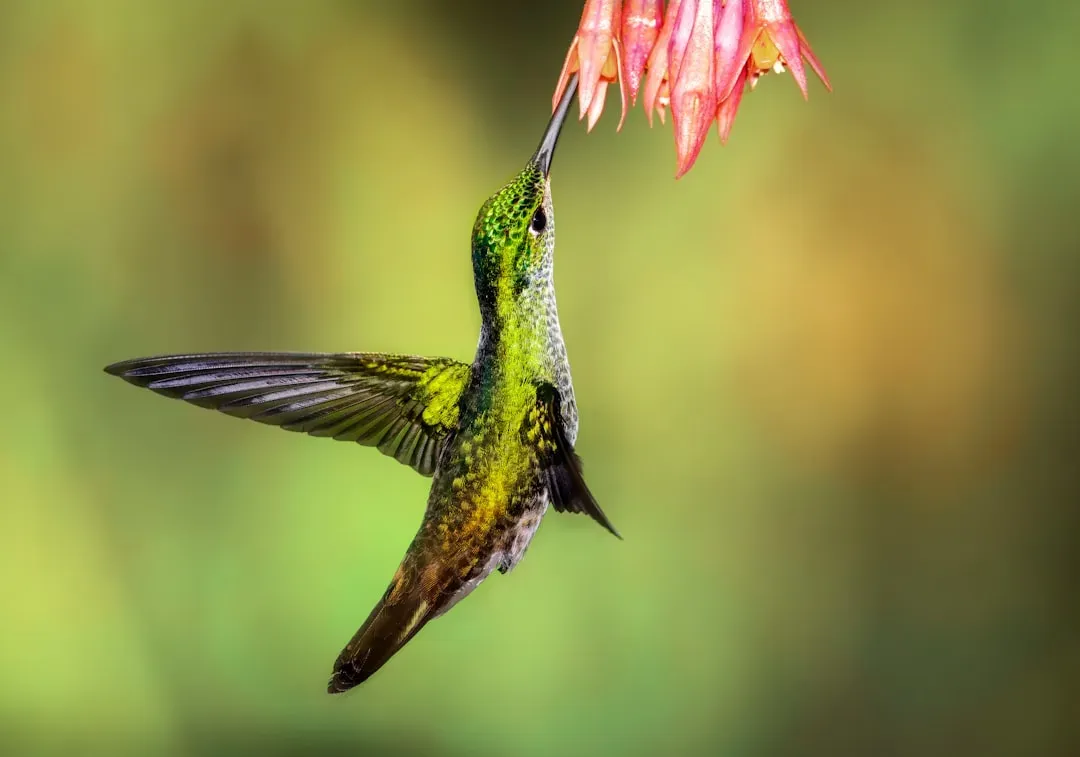
A hummingbird dangling from a feeder port or branch upside down, completely still, wings slack, looks like the bird equivalent of a medical emergency. It is not. Hummingbirds have remarkably weak feet compared to most birds, built more for brief gripping than sustained perching. When they enter torpor while holding onto a smooth surface, they can lose their grip angle and slip into a suspended, inverted position without waking up.
It happens most on cool evenings, particularly on feeders with smooth plastic ports that offer less traction. The bird isn’t trapped, injured, or in distress. It’s essentially asleep in an awkward position, and once its metabolism ramps back up with the morning warmth, it simply reorients itself and flies off. The instinct to grab it and set it upright is understandable but almost always unnecessary. Watch from a distance and give it time.
#12 – The Relentless Chasing Isn’t Bullying. It’s a Calorie War.
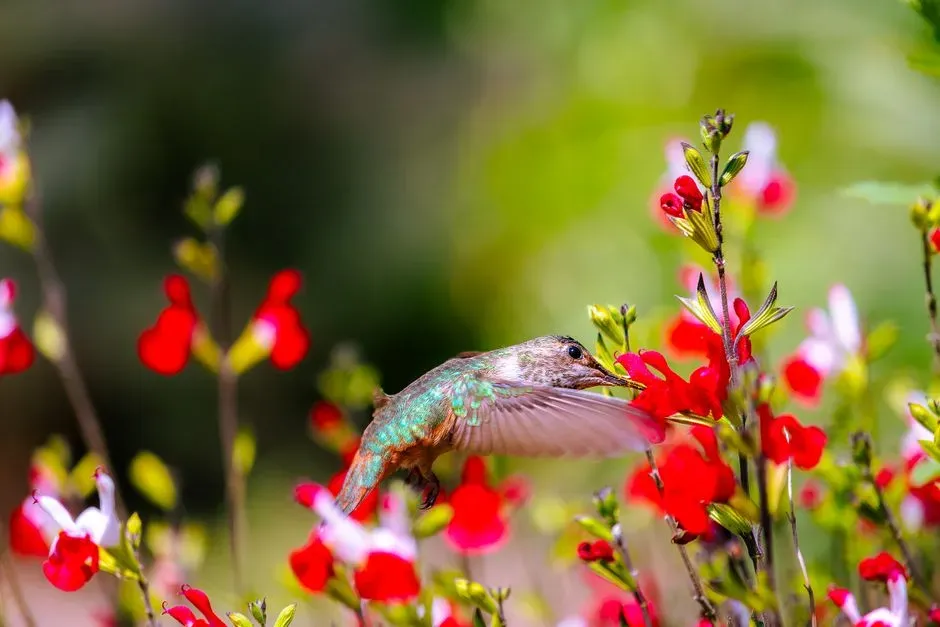
Watch a backyard feeder long enough and you’ll see what looks like one genuinely nasty hummingbird spend its entire day harassing every other bird that comes close. It’s tempting to call it a bully. What it actually is is a bird doing rational energy math. A single dominant hummingbird can defend a nectar territory and consume far more calories per day than it would by sharing. Every rival it drives away is more fuel it keeps for itself.
The striking part is how rarely these skirmishes end in actual physical contact. The chases, dive-bombs, and aerial feints are mostly display and intimidation. Both birds are calculating whether the fight is worth the calories it costs, and usually one retreats before it escalates. Some birders argue that installing multiple feeders spaced widely apart reduces the fighting because it becomes harder for one bird to defend them all. Whether you find the chasing fascinating or exhausting probably depends on which side of the fence you’re watching from.
#11 – When a Male Dive-Bombs You, He’s Not Angry. He’s Performing.
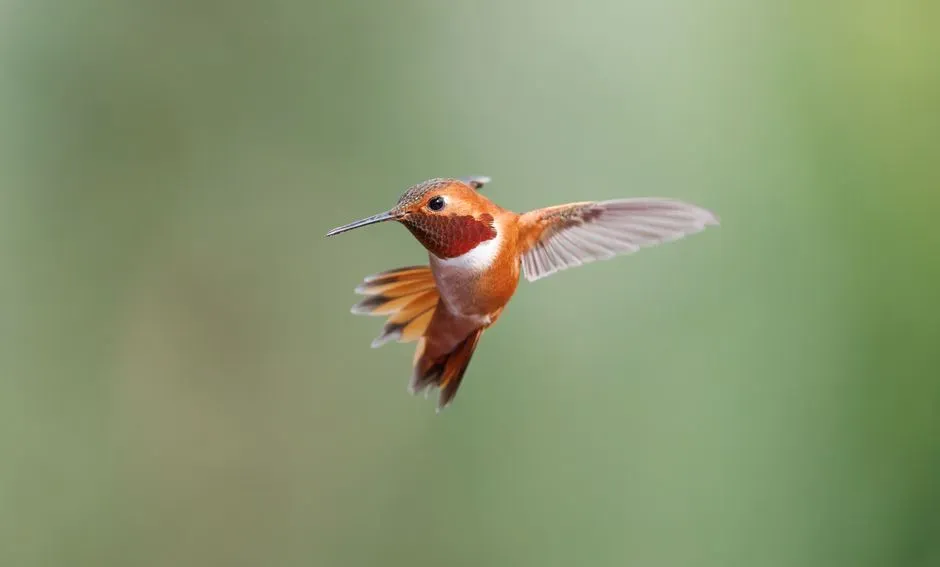
The heart-stopping moment when a hummingbird climbs high into the air and then plunges toward you at full speed can feel like an attack. It isn’t aimed at you. Male hummingbirds perform dramatic U-shaped courtship dives to impress females, who are typically watching from concealed perches nearby. The male ascends to height – often 20 to 35 meters – then drops fast enough that his outer tail feathers vibrate in the airstream and produce a sharp, loud chirping sound unique to the species.
The iridescent gorget, that blazing throat patch, catches maximum light at the lowest point of the dive, flashing like a signal flare directly into the watching female’s line of sight. You happened to be standing near the performance space. The display looks like aggression to human observers because the diving and speed register as threatening. It’s actually one of the most refined mating rituals in your garden. The female decides based on the quality of the display, and she may watch several males perform before making any choice at all.
At a Glance: The Courtship Dive
- Males climb 20–35 meters before folding wings and dropping in a powered U-shaped dive
- Anna’s hummingbird reaches 385 body lengths per second – the highest length-specific velocity of any vertebrate
- At the dive’s bottom, speed, sound, and iridescent color flash are synchronized within 300 milliseconds
- Tail feathers produce a distinctive chirp or buzz audible to the female watching nearby
- The male pulls out of the dive against forces nearly 9 times the pull of gravity
#10 – When One Hovers Inches From Your Face, It’s Not Challenging You.
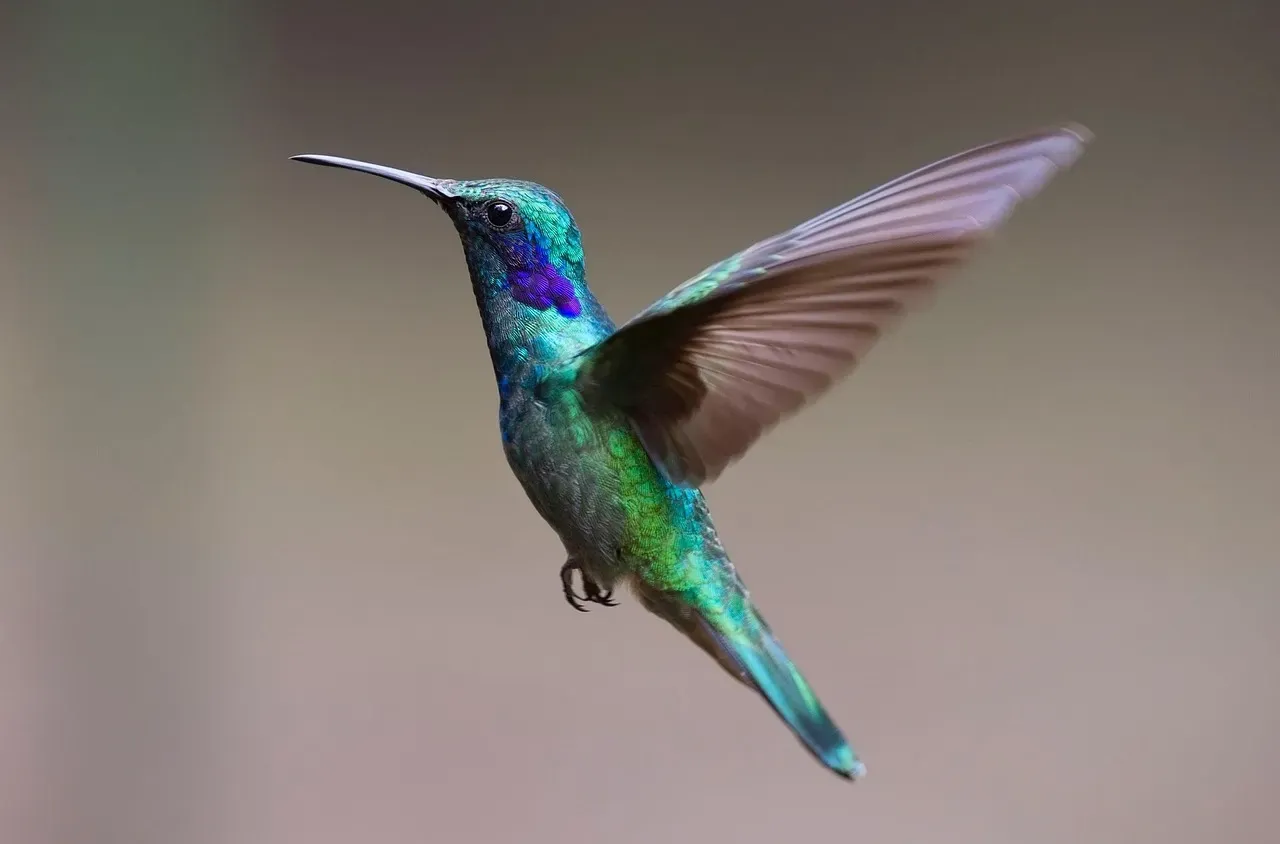
A hummingbird hanging in the air directly in front of your face, making steady eye contact at close range, is an experience that ranges from magical to unsettling depending on your comfort level. What it almost certainly is not is aggressive curiosity about whether you’re a threat. Hummingbirds associate red and bright colors with food, and many humans standing near feeders or flower beds are wearing exactly those colors. The bird is checking you as a potential resource, not as a rival.
What makes this behaviour genuinely remarkable is the research suggesting hummingbirds can recognize individual humans. They appear to learn which people refill feeders, which ones remain still, and which ones make sudden movements that disrupt feeding. Birds that have been caught and banded for research often return to scold the specific researcher who handled them, sometimes for years. The bird hovering at your face may actually know who you are in a meaningful sense, which changes the interaction entirely.
#9 – A Hummingbird Sitting Still Isn’t Sick. It’s Strategizing.
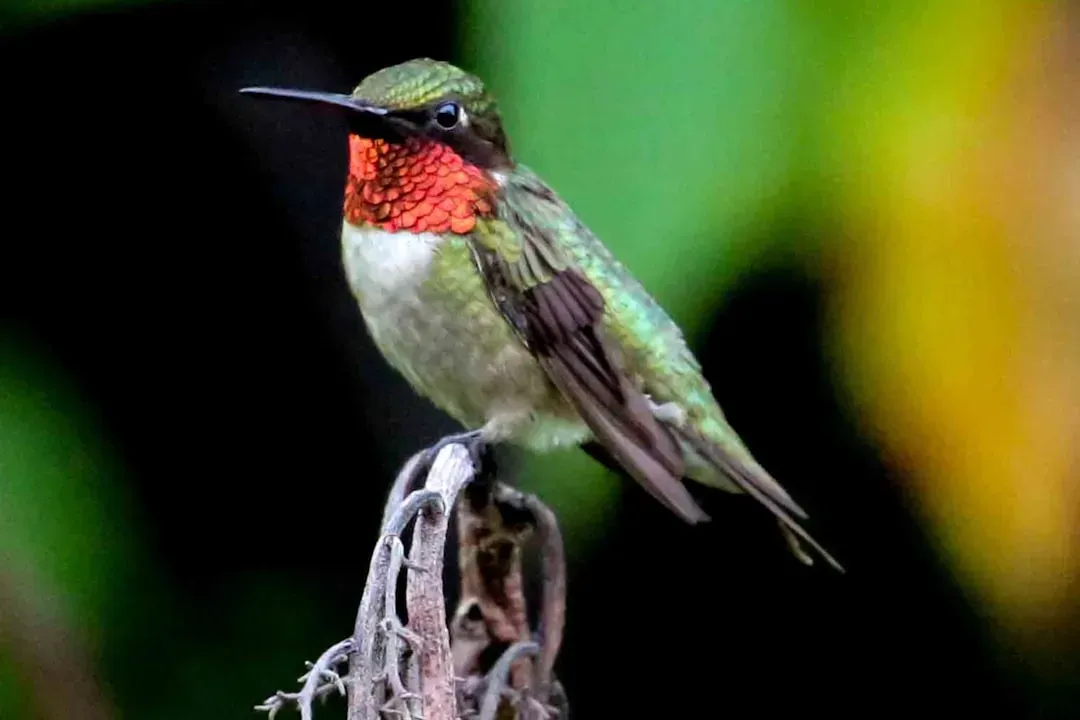
Hummingbirds have such a reputation for constant motion that seeing one perched quietly for several minutes triggers immediate concern in most gardeners. Something must be wrong. In reality, sitting still is one of the most important things a hummingbird does. The metabolic cost of hovering is extraordinary, and a bird that burns energy flying when it doesn’t have to is a bird that may not make it to the next day.
Males use prominent perches specifically to guard territory without wasting fuel on patrol flights. From a high branch, a territorial male can spot an intruder, launch an interception, and return to his post faster than he could by patrolling constantly. Females perch more when raising young, balancing nest incubation with feeding runs and timing their energy expenditure carefully. A still hummingbird is almost always a hummingbird thinking ahead.
#8 – They’re Hunting Insects in Your Garden Right Now and Most People Never Notice.
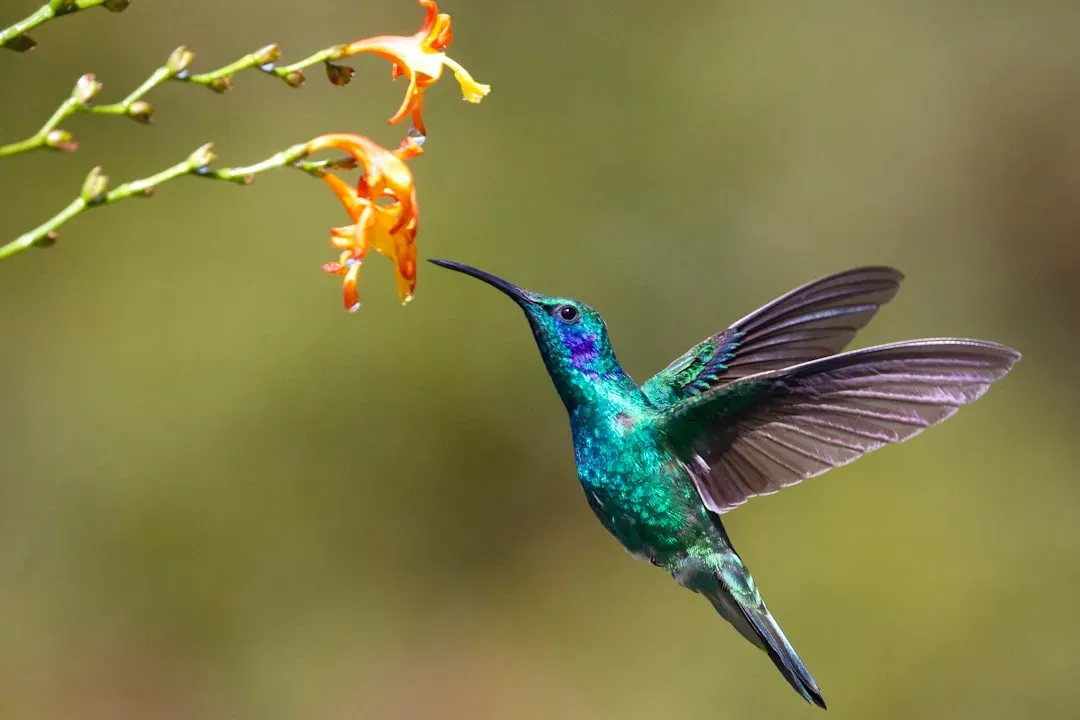
The feeder-focused view of hummingbirds makes it easy to assume sugar water is essentially their entire diet. It isn’t. Hummingbirds are active hunters of small insects and spiders, catching them mid-air in a technique called “hawking” or pulling them directly from bark and leaves. The protein and fat from arthropods are things nectar simply cannot provide, and without them, hummingbirds could not build muscle, produce eggs, or raise chicks successfully.
During breeding season especially, females dramatically increase their insect intake. Nestlings cannot survive on nectar alone and are fed a diet of regurgitated insects during their first weeks. Estimates suggest insects and spiders can account for somewhere between 10 and 15 percent of the total diet, though the proportion shifts seasonally and by individual. If you want to genuinely support hummingbirds in your garden, reducing pesticide use matters as much as keeping your feeder clean.
Worth Knowing: Supporting Hummingbirds Beyond the Feeder
- Insects and spiders supply protein and fat that nectar cannot – critical during breeding season
- Nestlings are fed regurgitated insects for their first weeks of life
- Reducing or eliminating pesticide use protects the insect prey hummingbirds depend on
- Native flowering plants provide both nectar and insect habitat in one garden feature
- Moving water (misters, drippers) often attracts more hummingbirds than a feeder alone
#7 – The Nest She Built Alone Is One of the Most Engineered Objects in Your Garden.
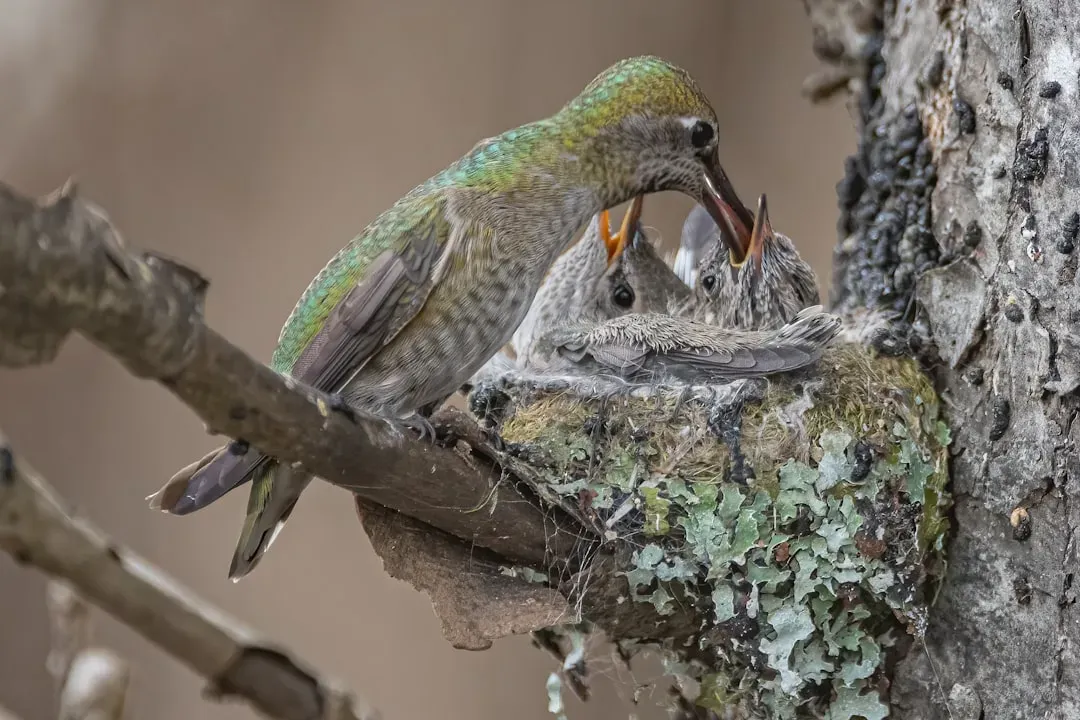
Hummingbird nests get overlooked because they are almost impossible to find. A female constructs hers entirely alone, without any involvement from the male, weaving together plant down, spider silk, and fragments of lichen and bark. The spider silk is the critical material. It allows the nest to stretch as the chicks grow rather than cracking or constraining them, and it anchors the structure to the branch with a grip that can hold through wind and rain.
The finished nest is typically no larger than a walnut shell – around 1.5 to 2 inches in diameter – camouflaged so precisely with lichen and plant material that it looks like a natural swelling on the branch. Construction takes 5 to 10 days and hundreds of material-gathering trips. She incubates the eggs alone, feeds the nestlings alone, and defends the site alone. The male who put on that elaborate dive display has no role in any of it after mating. The nests are so well disguised that many birders who have watched hummingbirds for years have never found one.
Quick Compare: Hummingbird Nest vs. What You’d Expect
- Size: ~1.5 inches across – roughly the diameter of a walnut, walls only as thick as a coin
- Builder: Female only – the male contributes nothing after mating
- Key material: Spider silk, which is lightweight, elastic, and stronger than steel by weight
- Camouflage: Outer layer of lichen makes it look like a natural branch knot from just feet away
- Capacity: Holds 2 eggs, each roughly the size of a pea – nest stretches as chicks grow
#6 – That Awkward Young Bird Missing the Feeder Port Isn’t Sick. It’s a Beginner.
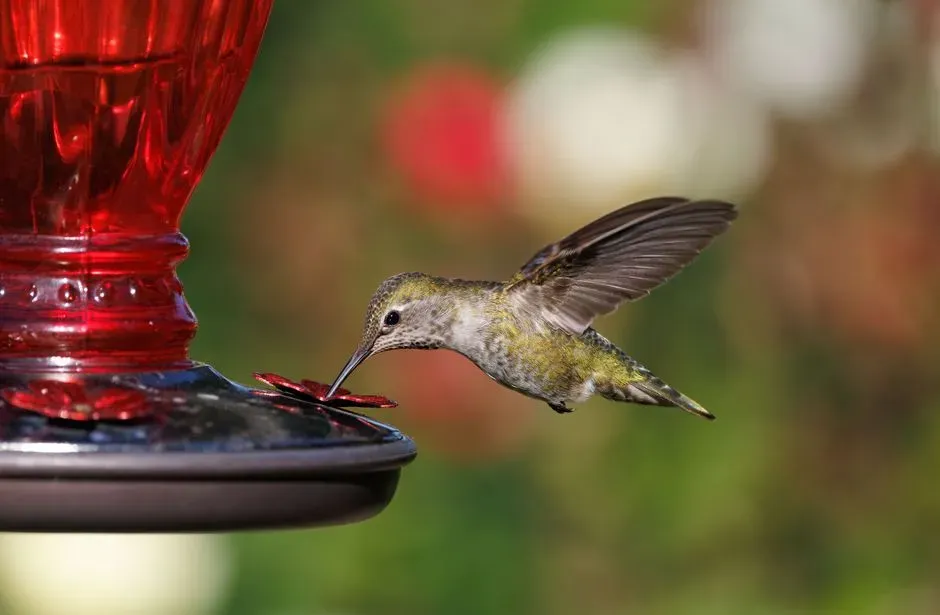
When a hummingbird hovers clumsily near a feeder, overshoots the port, bumps the side, or repeatedly attempts and fails to make contact, most observers assume something is wrong with it. The real explanation is simpler and considerably more charming. Juvenile hummingbirds leave the nest capable of flight but not yet capable of precision feeding. The hovering control required to hold position at a feeder port while inserting a bill is a learned skill that takes time and repeated practice.
Adult birds make it look effortless, which sets an unrealistic baseline for comparison. A fledgling seen fumbling at feeders in mid to late summer is almost certainly just a few weeks out of the nest, working through the same learning curve that every hummingbird before it has navigated. The awkward phase typically resolves within a few weeks as flight muscles and neurological coordination develop. Leave it to practice in peace.
#5 – The Splashing in Your Sprinkler Isn’t Random. They’re Actually Bathing.
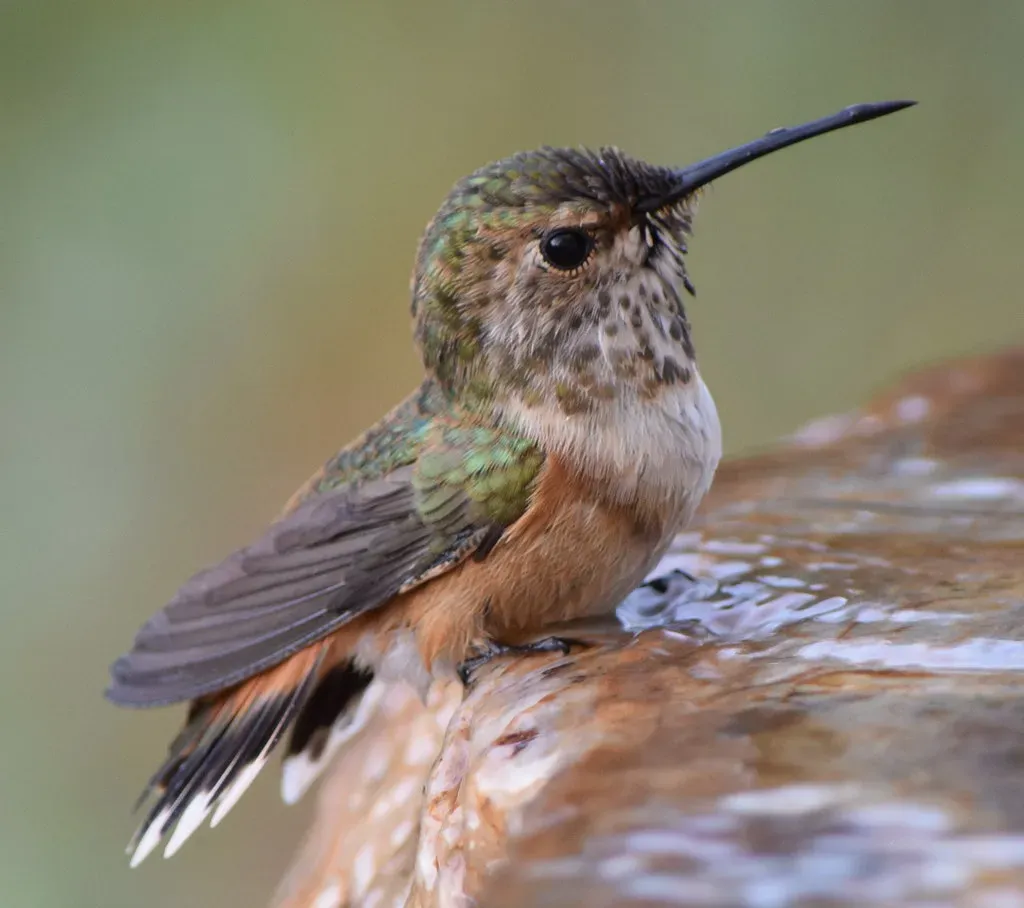
A hummingbird flying repeatedly through a garden sprinkler spray, hovering in the mist, or rolling in wet leaves might look like erratic behavior with no clear purpose. It has a very clear purpose. Hummingbirds bathe regularly to maintain feather condition, and given their size and the environments they navigate, feather maintenance directly affects flight efficiency and survival. Dirty or matted feathers reduce aerodynamic performance in a bird whose life depends on precise hovering control.
In hot gardens during summer, water also functions as a cooling mechanism. Unlike larger birds that seek out birdbaths, hummingbirds often prefer moving water, mist, or wet vegetation over standing pools. Many experienced gardeners specifically install misters or small dripper systems to attract them, and the results are reliable. If you want more hummingbird activity in your garden with minimal effort, a simple misting attachment on a garden hose will often outperform an elaborate feeder setup.
#4 – The Feeder Isn’t Creating Peace in Your Garden. One Bird Has Claimed It as Territory.
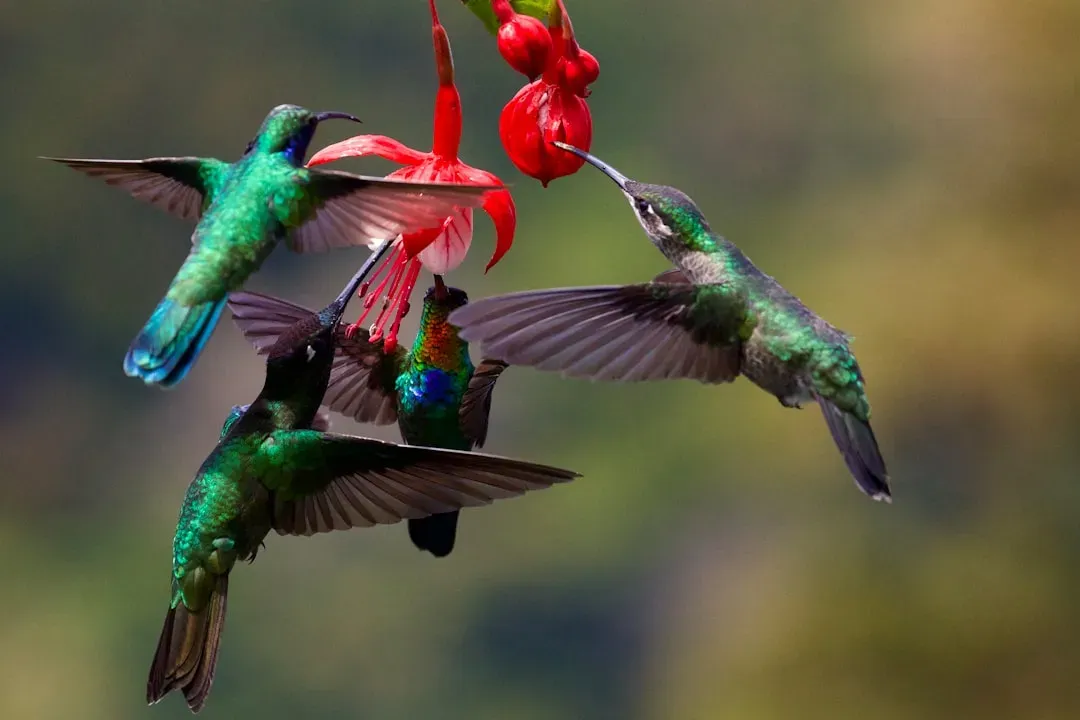
There’s a persistent and appealing idea that putting up a hummingbird feeder creates a little peaceable kingdom where birds share cheerfully. What actually tends to happen is that the most dominant bird in the area claims the feeder as a territory and spends a significant portion of its day intercepting every other hummingbird that approaches. The resource is too concentrated and too valuable. Defense is rational.
The practical fix that birders have tested across decades is spreading multiple feeders around the yard, ideally out of sightlines from each other, so no single bird can monitor them all simultaneously. Natural flower planting works even better at dispersing feeding activity because the nectar sources are distributed rather than concentrated at one point. The debate over whether feeders ultimately help or stress hummingbird populations remains active, but most evidence suggests the birds adapt to them quickly and use them as one resource among many rather than becoming dependent.
#3 – Torpor Isn’t Just a Cold-Night Trick. They Can Use It Any Time Calories Run Short.
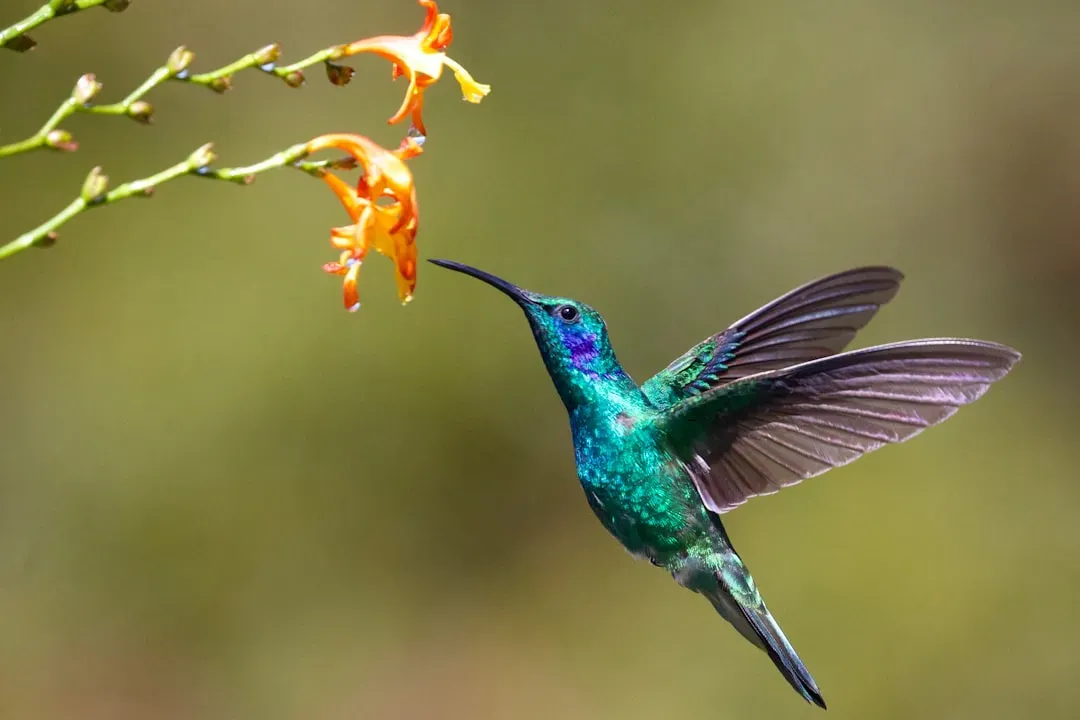
Most people who learn about hummingbird torpor assume it’s a cold-weather survival tool, something the bird uses on frosty nights to avoid freezing. That’s true but incomplete. Hummingbirds can enter torpor-like states during the day when food availability drops unexpectedly, when weather disrupts feeding, or when a bird simply hasn’t been able to consume enough calories during its active hours. It functions as an emergency power-saving mode that can activate in conditions far milder than a cold night.
This flexibility is part of what makes hummingbirds so resilient in variable environments. A bird that enters a brief midday torpor during a cloudy period with reduced insect and flower activity is not ill. It’s making a precise energy calculation, spending the minimum necessary to survive a low-calorie window and wait for conditions to improve. The ability to dial metabolism down rapidly and bring it back up again is a physiological capability that has no real equivalent among similarly sized warm-blooded animals.
#2 – Leaving Your Feeder Up in Fall Won’t Trap a Hummingbird. That’s Just a Myth.
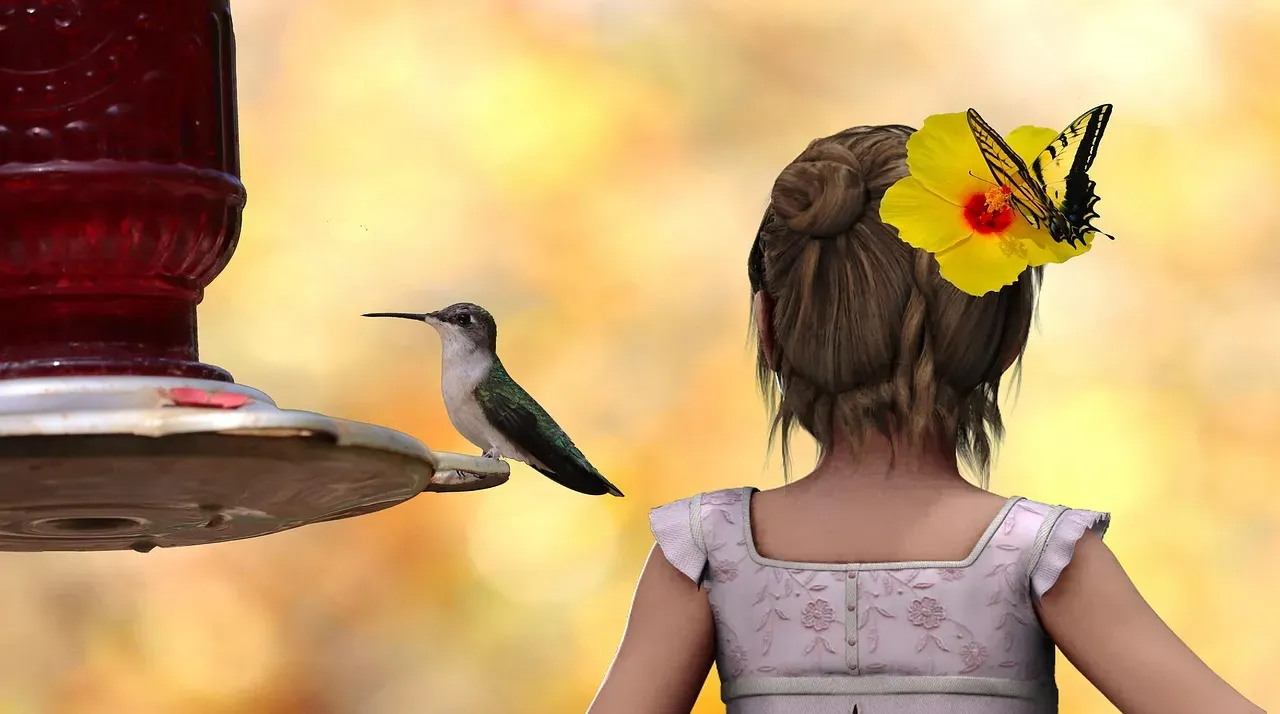
One of the most stubbornly persistent pieces of backyard birding folklore is that leaving a hummingbird feeder up past late summer will confuse or delay migrating birds, tricking them into staying too long and missing their window. The version that circulates most widely is that the birds will see the feeder and simply forget to leave. Research on hummingbird migration has not supported this. Migration is driven by internal circadian and hormonal cues tied to day length and fat reserves, not by the presence or absence of a feeder.
What leaving feeders up actually does is provide critical refuelling support to late migrants, injured birds, or stragglers that are already behind schedule for biological reasons unrelated to your feeder. Ruby-throated hummingbirds and others have documented travel routes, and the last birds through a given area in fall are often juveniles making the journey for the first time. Keeping nectar fresh through late September and into October in most North American regions does measurable good for those birds and no documented harm to any.
Worth Knowing: Fall Feeders & Migration Facts
- Migration is triggered by shortening daylight hours and hormonal changes – not feeder availability
- No scientific evidence links feeders left up in fall to delayed or prevented migration
- Late fall visitors are most often juvenile birds making the journey for the first time
- Ornithologists recommend keeping feeders up through late fall to support stragglers and late migrants
- Some species, like Anna’s hummingbirds in the Pacific Northwest, remain year-round even in cold weather
#1 – The Frantic Side-to-Side Zooming With a Flared Throat Isn’t a Fight. It’s a Love Display.
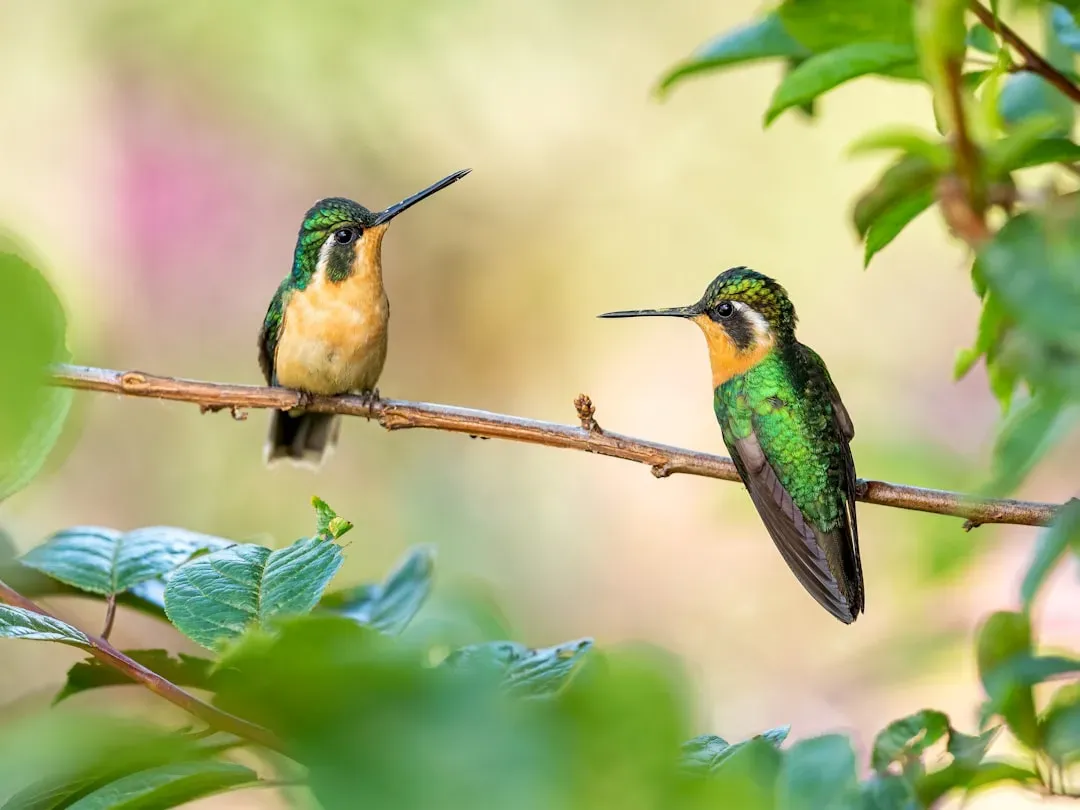
The shuttle display is one of the most dramatic things a hummingbird does and one of the most commonly misread. A male flying rapidly back and forth in a tight arc in front of another bird, throat blazing, wings producing an audible whirring, looks for all the world like an aggressive confrontation. It is specifically a courtship performance directed at a female. The wing noise, the colour display, and the precise movement pattern are all evolved signals aimed at demonstrating fitness.
The confusion arises because the female often stays concealed. To a garden observer watching the male’s frenzied display with no visible audience, it can seem like pointless aggression or territorial posturing aimed at nothing. The female is almost certainly present, positioned where she can assess the display without being easily spotted by rivals or predators. She is watching and evaluating. The male is performing one of the most energy-costly courtship rituals of any bird in North America, and whether it succeeds or fails comes down entirely to her judgment.
Nearly everything strange about hummingbirds in your garden traces back to three pressures operating simultaneously: a metabolism so extreme it demands constant management, territorial competition over the calories that keep that metabolism running, and reproductive urgency compressed into a short seasonal window. The bird that looks aggressive is usually conserving food. The bird that looks dead is usually conserving energy. The bird putting on a dazzling aerial show is trying to pass on its genes. Strip away the assumption that these behaviours are random or emotional, and what’s left is one of the most precisely engineered survival systems you’ll ever have the privilege of watching from your own backyard.

- 10 Remarkable Facts About the African Cheetah: The Lightning of the Grasslands - July 29, 2026
- 10 Most Heroic Horses in History - July 29, 2026
- Why You Should Never Play Dead When Attacked by a Black Bear - July 29, 2026