
Every so often an artifact turns up that makes the timeline of human progress feel off kilter. These objects sit in museums or under excavation tarps, yet they carry details that belong in a different century or even a different kind of story.
The following seven examples come from widely accepted archaeological records. Each one forces a second look at what ancient people could actually achieve with the tools they supposedly had.
The Antikythera Mechanism
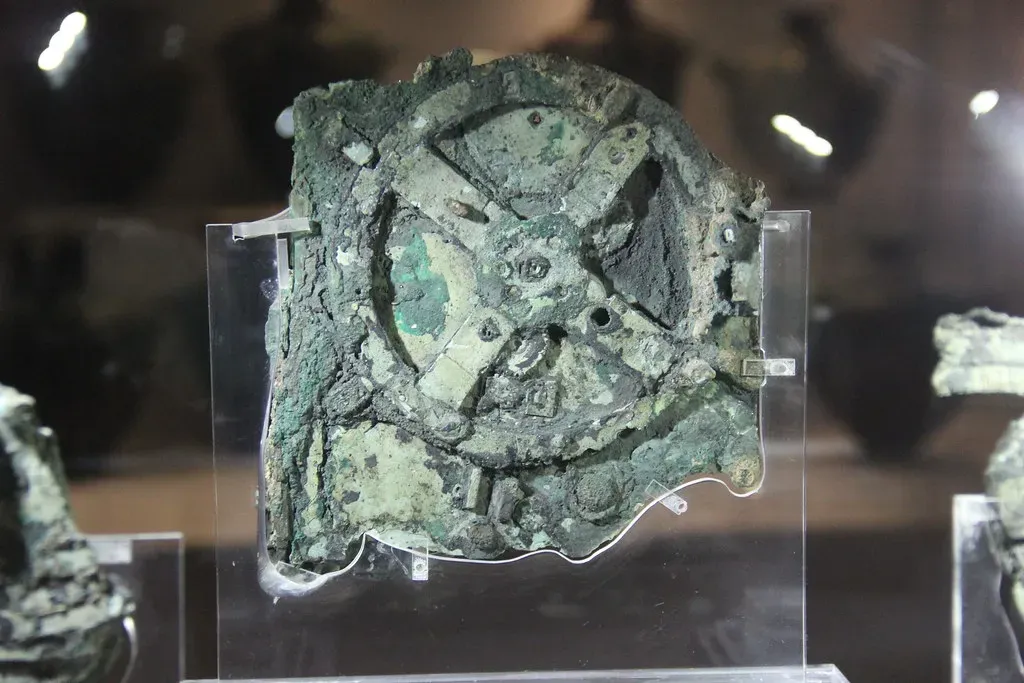
Divers pulled this bronze device from a shipwreck near the Greek island of Antikythera in 1901. At first glance it looked like a lump of corroded gears, nothing special. Decades of study revealed a hand-cranked machine that tracked the movements of the sun, moon, and five planets with surprising accuracy. It even predicted eclipses and marked the timing of athletic games.
Nothing else like it appears in the historical record for another thousand years. The complexity of its more than thirty interlocking wheels suggests a level of mechanical thinking that textbooks usually reserve for the Renaissance. Scholars still debate exactly who built it and where the knowledge came from. Its existence quietly rewrites assumptions about how early Mediterranean societies understood the sky.
The Baghdad Battery
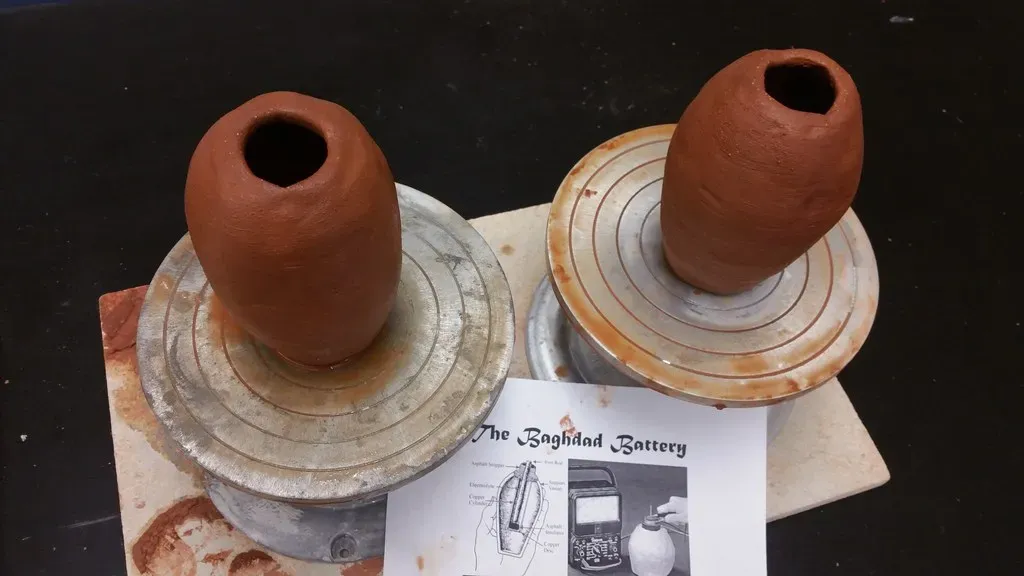
Workers found a set of clay jars in Iraq during the 1930s that contained copper cylinders and iron rods. When filled with an acidic liquid such as vinegar or grape juice, the jars produce a small electric current. The design dates back to the Parthian or Sassanid period, roughly two thousand years ago.
Experiments with replicas show the jars could have been used for electroplating gold onto silver objects or perhaps for some early medical treatment. No written records explain their purpose, which leaves room for speculation. The simple fact that people assembled working electrochemical cells that long ago still surprises anyone who pictures ancient technology as strictly mechanical or agricultural.
Göbekli Tepe
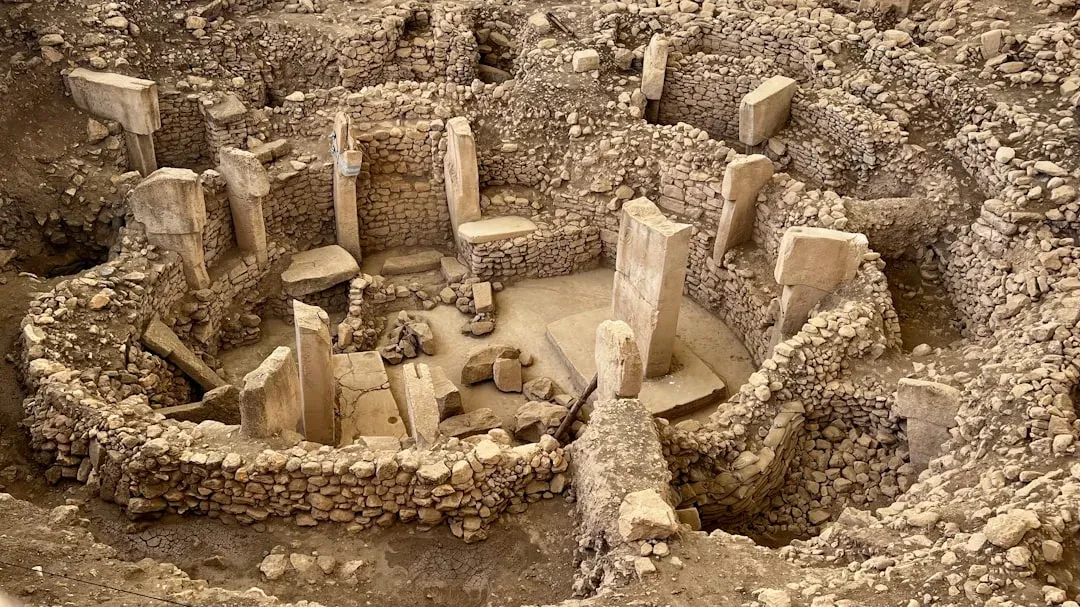
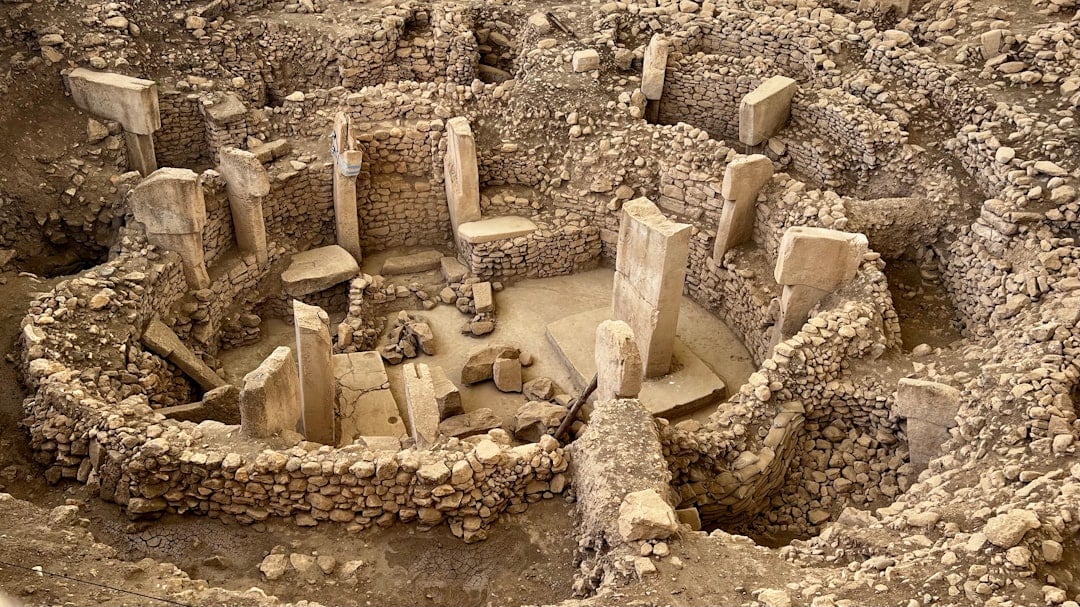
Excavations in southeastern Turkey uncovered rings of massive carved pillars arranged in circles, some weighing more than ten tons. The site dates to around 9600 BCE, thousands of years before agriculture or permanent villages were thought to exist in the region. The pillars carry detailed reliefs of animals and abstract symbols that required coordinated labor and planning.
Yet the people who built it appear to have been hunter-gatherers with no evidence of draft animals or metal tools. The sheer scale and artistic sophistication challenge the usual sequence in which complex societies were expected to develop. Ongoing work at the site continues to push the date of monumental architecture earlier than most models predicted.
The Nazca Lines
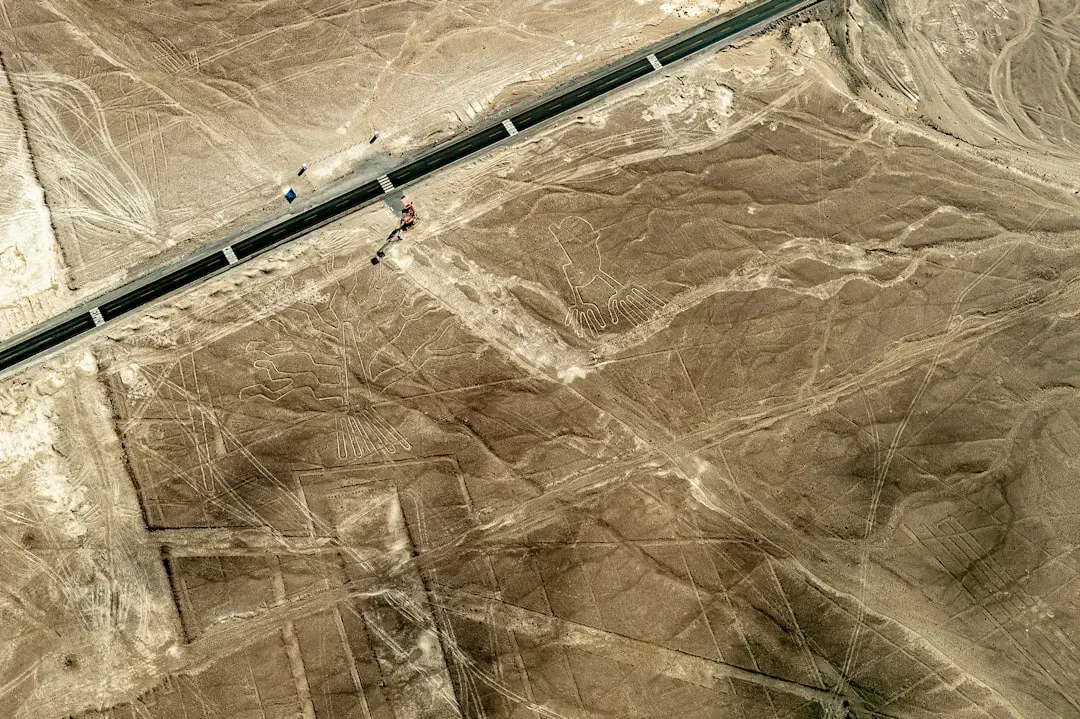
From the air, the desert plateau in southern Peru reveals enormous straight lines, geometric shapes, and figures of animals and birds that stretch for hundreds of meters. Created by removing dark surface pebbles to expose lighter soil beneath, the designs remain visible after more than two thousand years. Some lines run perfectly straight for miles across uneven ground.
Archaeologists have documented hundreds of these geoglyphs, many aligned with astronomical events or water sources. How the Nazca people achieved such precision without aerial views or modern surveying equipment remains an open question. The lines survived because the dry climate preserved them, offering a rare window into a culture that invested enormous effort in markings best appreciated from above.
The Piri Reis Map
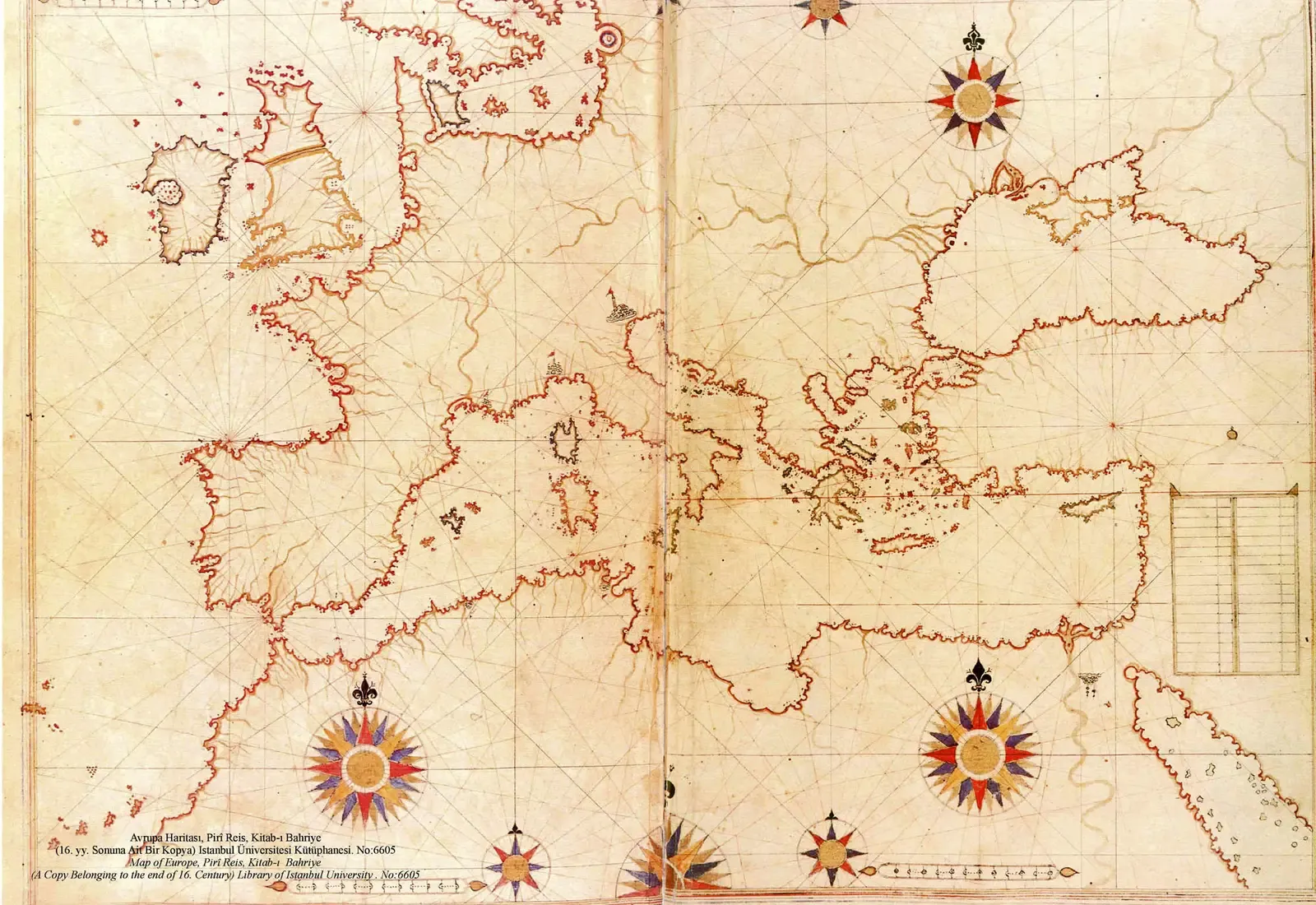
In 1513 an Ottoman admiral compiled a world map that includes the western coast of Africa, the eastern coast of South America, and a southern landmass that some interpret as Antarctica. The map draws on earlier sources, including charts from the time of Christopher Columbus. Its level of detail for coastlines that Europeans had only recently encountered raises questions about the accuracy of those source materials.
Portions of the southern continent appear with mountain ranges and river systems that match modern surveys of Antarctica’s coast, which remained hidden under ice for centuries afterward. While scholars debate the exact identification of every feature, the map demonstrates that sixteenth-century cartographers had access to surprisingly detailed geographic information gathered from multiple traditions.
The Voynich Manuscript

This small book surfaced in the early twentieth century and contains about 240 pages of handwritten text in an unknown script accompanied by illustrations of plants, astronomical diagrams, and human figures. Carbon dating places the parchment in the early fifteenth century, yet no one has succeeded in translating the language or even confirming whether it represents a real tongue or an elaborate code.
The drawings suggest botanical and medical knowledge, but the plants do not match any known species exactly. Multiple teams of cryptographers and linguists have tried and failed to crack it over the decades. Its continued resistance to translation keeps it among the most intriguing unsolved documents from medieval Europe.
The Lycurgus Cup
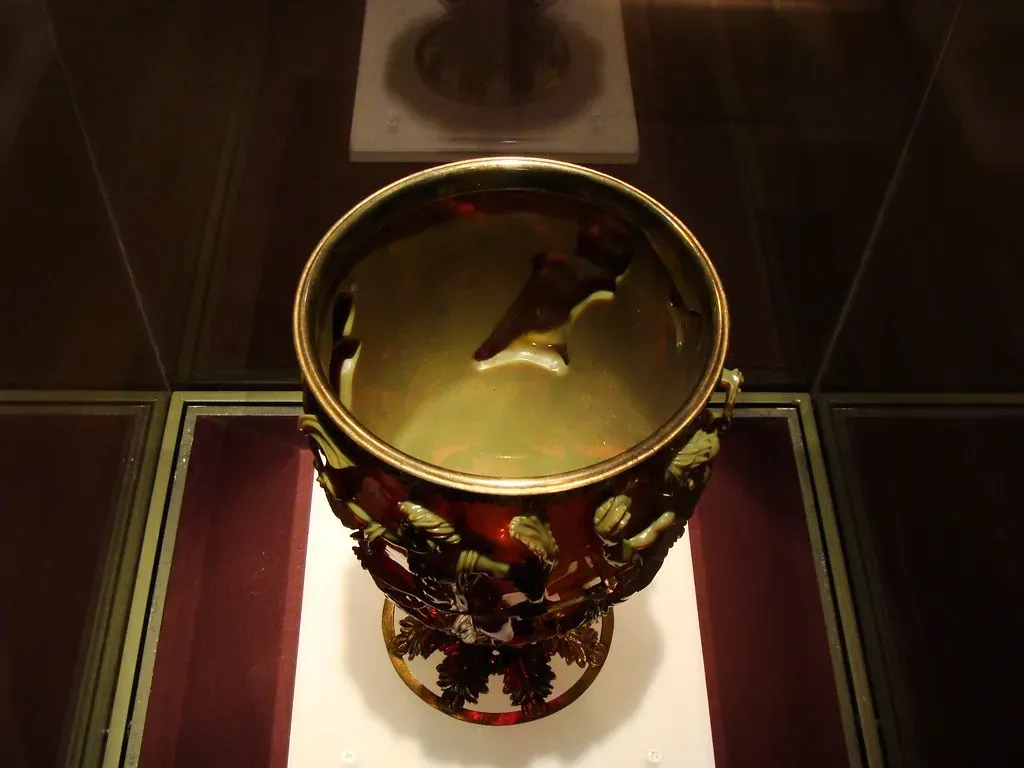
A fourth-century Roman glass vessel changes color depending on the light source. When lit from the front it appears green, yet when light passes through it turns a deep red. Modern analysis shows the effect comes from tiny particles of gold and silver suspended in the glass at a scale measured in nanometers.
Reproducing the same optical properties today requires precise control over particle size and distribution. No other surviving Roman glass matches this level of sophistication. The cup demonstrates that ancient artisans achieved results that align with principles only recently understood through electron microscopy and materials science.
These objects do not prove lost civilizations or visitors from elsewhere. They do show that human ingenuity has taken unexpected forms at many points in the past. Each discovery narrows the gap between what we assume was possible and what actually happened.
Keeping an open mind about the record we already possess may prove more useful than waiting for dramatic new revelations. The past keeps offering reminders that progress rarely follows a straight line.
