

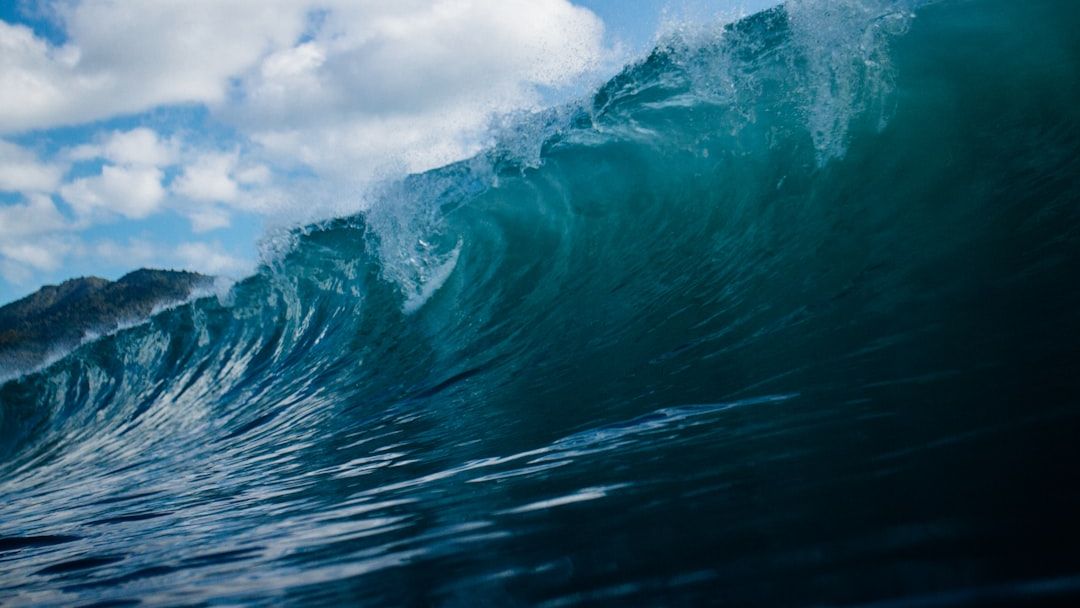
People often picture the deepest parts of the ocean as completely still and quiet, a place where nothing disturbs the darkness. In reality, instruments placed at the bottom of the Mariana Trench pick up a steady mix of noises that travel enormous distances through the water.
These recordings show that even the most remote seafloor remains connected to events happening far away on the surface and across entire ocean basins. The result is a constant background of activity rather than perfect silence.
The Discovery of Persistent Sound in the Challenger Deep
Scientists lowered sensitive hydrophones to the floor of the Challenger Deep and left them running for weeks at a time. The data that came back surprised many researchers because it contained clear signals from sources hundreds or even thousands of miles distant.
Instead of the expected quiet, the recordings captured overlapping layers of sound that arrived at different times and from different directions. This showed that the trench acts more like a receiver than an isolated pocket.
How Sound Moves Through Deep Ocean Layers
Water transmits sound much farther than air does because pressure increases with depth and creates channels where sound waves bend and travel with less loss. One well known feature called the SOFAR channel sits at mid depths and funnels low frequency sounds across basins.
At the very bottom of the trench the conditions change again, yet enough energy still reaches the seafloor to register on instruments. Temperature gradients and salinity also play roles in bending paths so that signals from distant events remain detectable.
Seismic Waves from Earthquakes Arriving from Afar
Earthquakes generate powerful low frequency waves that move through both the seafloor and the water column above it. Some of these waves travel thousands of miles before they reach the Mariana Trench and register as distinct rumbles on the hydrophones.
The trench sits near active tectonic zones, yet many of the recorded quakes originate from distant ridges and subduction zones. The long travel time and the way the waves arrive help scientists map how energy moves through the planet crust and ocean together.
Ship Engines and Industrial Noise Crossing Ocean Basins
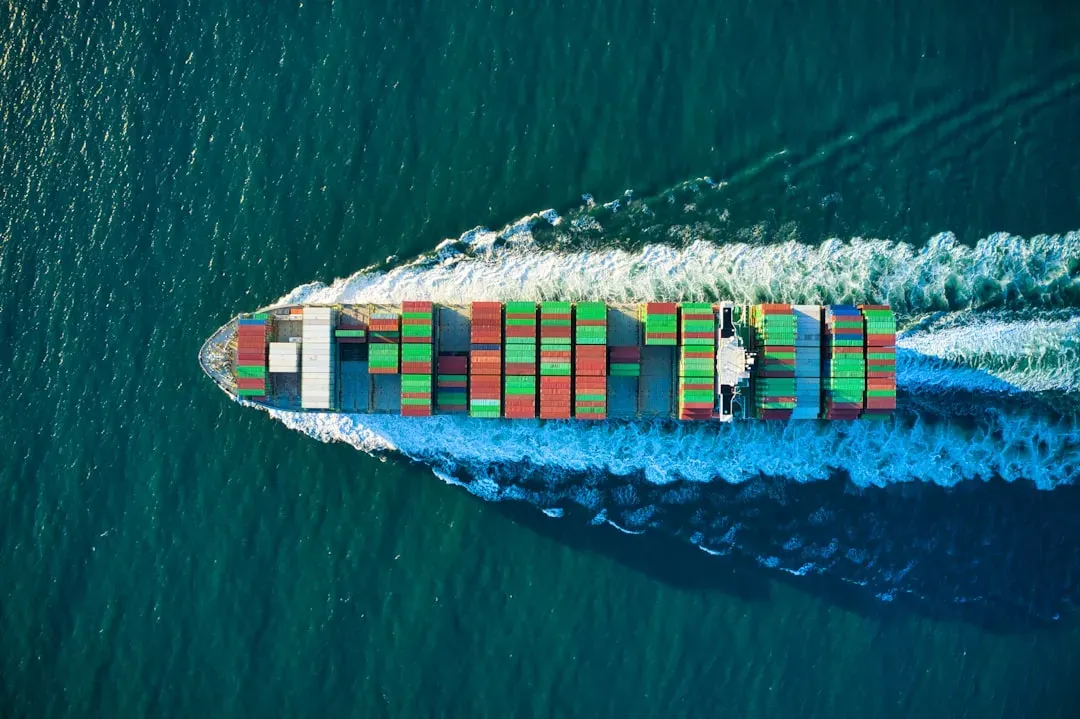
Commercial shipping routes generate continuous low frequency noise that propagates efficiently through the deep sound channel. Even vessels operating in the North Pacific or near Southeast Asia can contribute to the sound field recorded at the trench bottom.
These mechanical sounds arrive as steady hums rather than sharp events, creating a persistent layer beneath the natural signals. Oceanographers note that the level of this background noise has risen over decades as global trade expanded.
Whale Songs and Marine Mammal Calls from Great Distances
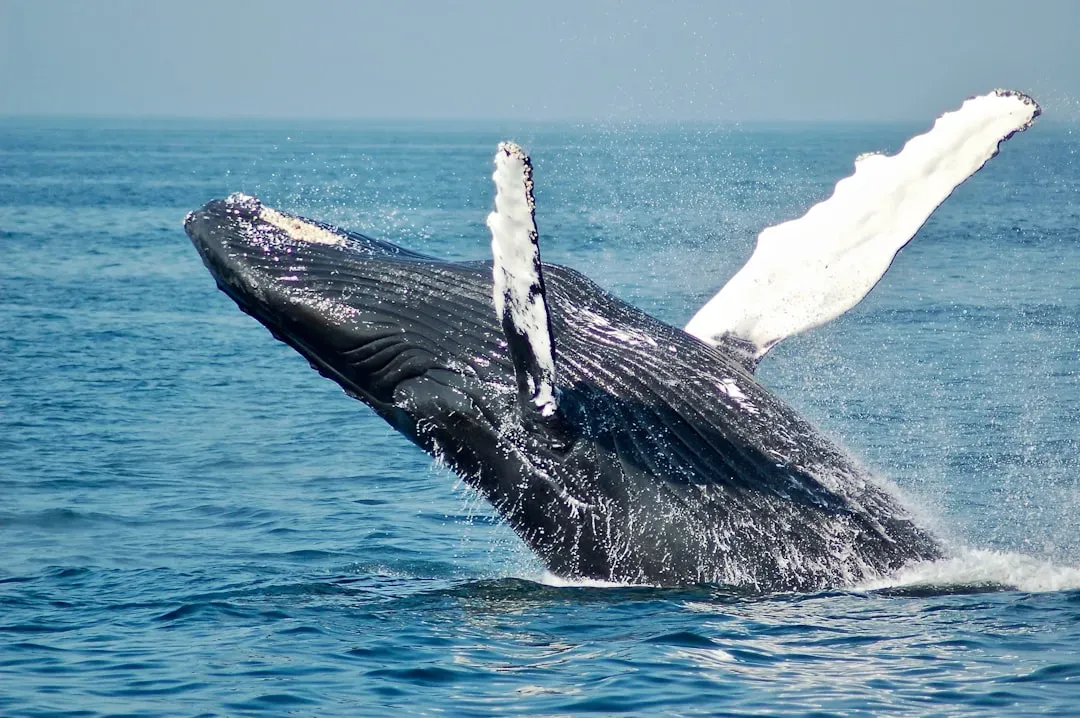
Large whales produce powerful low frequency calls that can travel hundreds of miles through the SOFAR channel. Recordings from the trench floor include recognizable patterns from species whose normal ranges lie far outside the immediate area.
These calls sometimes overlap with other sounds, showing that the trench receives acoustic information from multiple ocean regions at once. Researchers use the timing and frequency content to estimate how far individual animals might be when they vocalize.
Equipment Challenges and What the Data Reveal
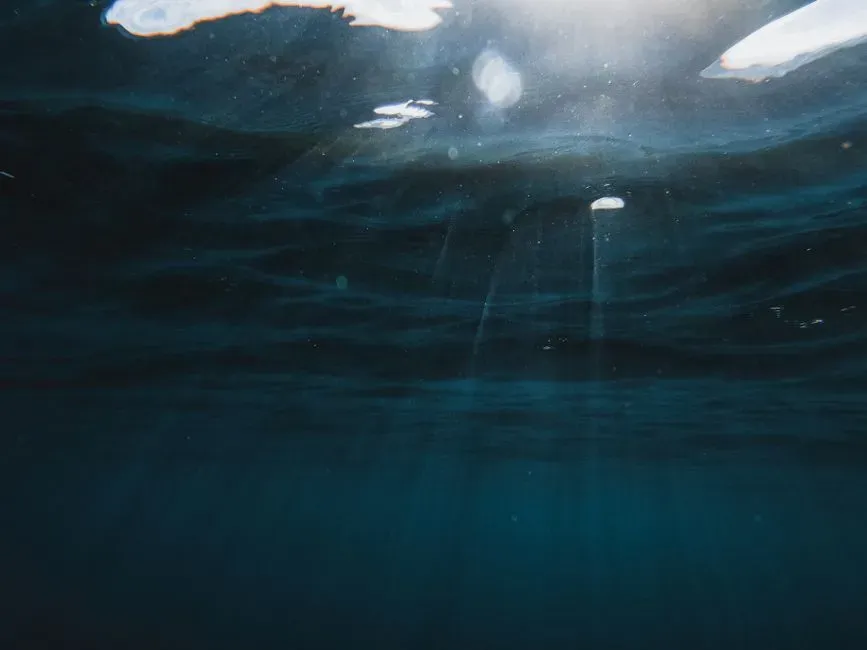
Placing and recovering instruments at nearly eleven kilometers depth requires specialized pressure housings and careful timing. Once the data return, analysts separate overlapping signals by frequency and arrival time to identify their origins.
The combined recordings demonstrate that the deep ocean functions as part of a single acoustic system rather than a series of isolated pockets. This connectivity helps explain how distant events can influence conditions even in the most remote locations.
An Ocean That Remains Linked No Matter How Deep
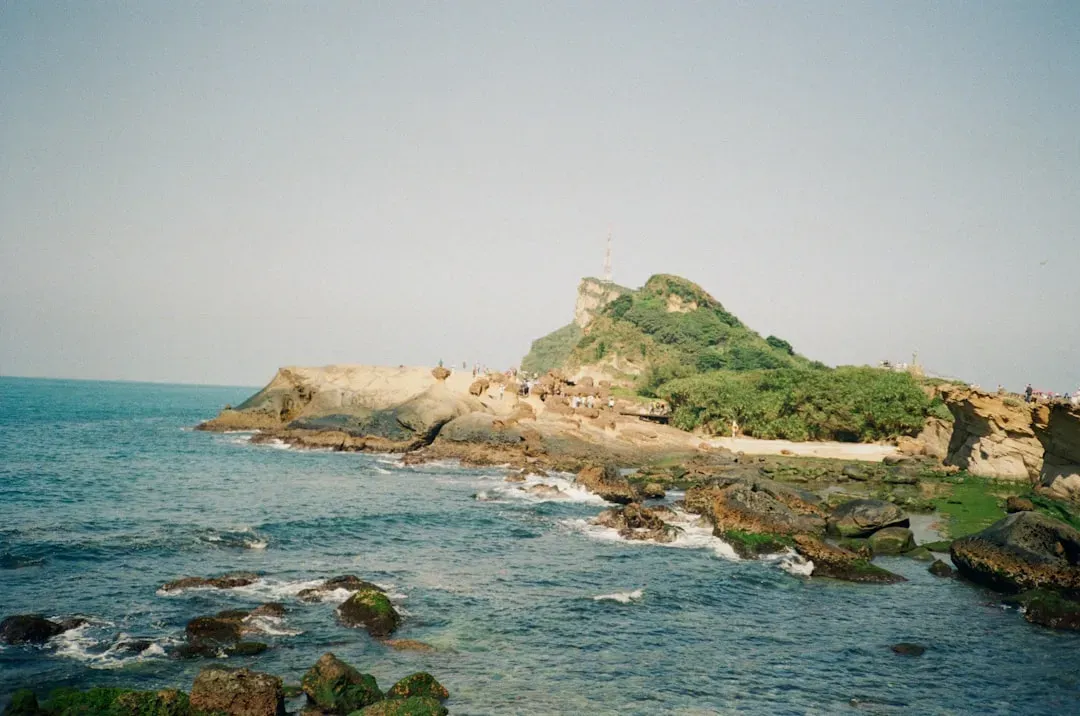
The constant presence of distant sounds at the trench floor underscores how thoroughly the ocean connects distant places and events. Human activities on the surface therefore reach environments once assumed to be untouched.
Continued monitoring will likely show even more detail about these pathways and how they change with time. In the end the recordings remind us that the sea has no true quiet corners left.

As a little kid, I fell in love with nature, wildlife, and animals. Living in the USA, South Africa, Italy, China and Germany gave me the opportunity to discover the world's Wildlife. My favorite animals are Mountain Gorillas, Siberian Tigers, and Great White Sharks.
I'm a certified PADI Open Water Diver, went to Everest Base Camp and Trekked Gorillas in Uganda. I hold a Master of Science in Economics and Finance.
Please send any feedback to feedback@animalsaroundtheglobe.com
- Top 10 Plants to Attract Pollinators to Your Garden - July 30, 2026
- 11 Sharks That Lurk in Rivers Not Oceans - July 30, 2026
- 11 Spiders That Dance to Attract a Mate - July 30, 2026