
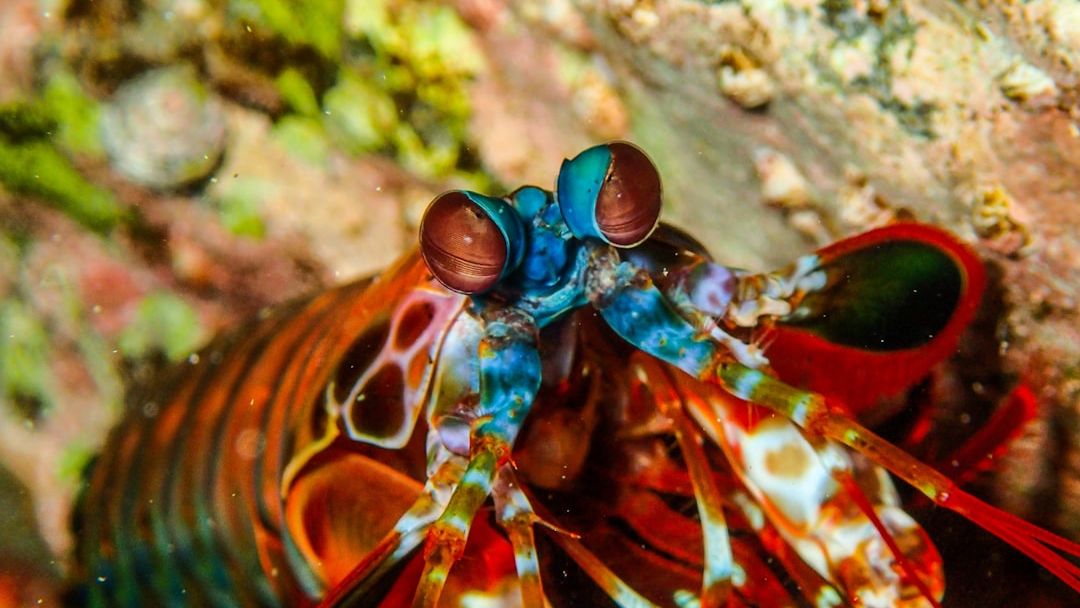
The ocean hides creatures whose senses operate on a scale that feels almost alien to us. One small crustacean in particular has drawn steady attention from researchers because its eyes handle light in ways that leave standard human vision looking limited by comparison.
Stories of its abilities circulate in labs and documentaries alike, yet the full picture of what it actually experiences remains elusive. That gap between measurement and lived perception keeps drawing fresh questions from marine biologists.
Anatomy of the Mantis Shrimp’s Eyes
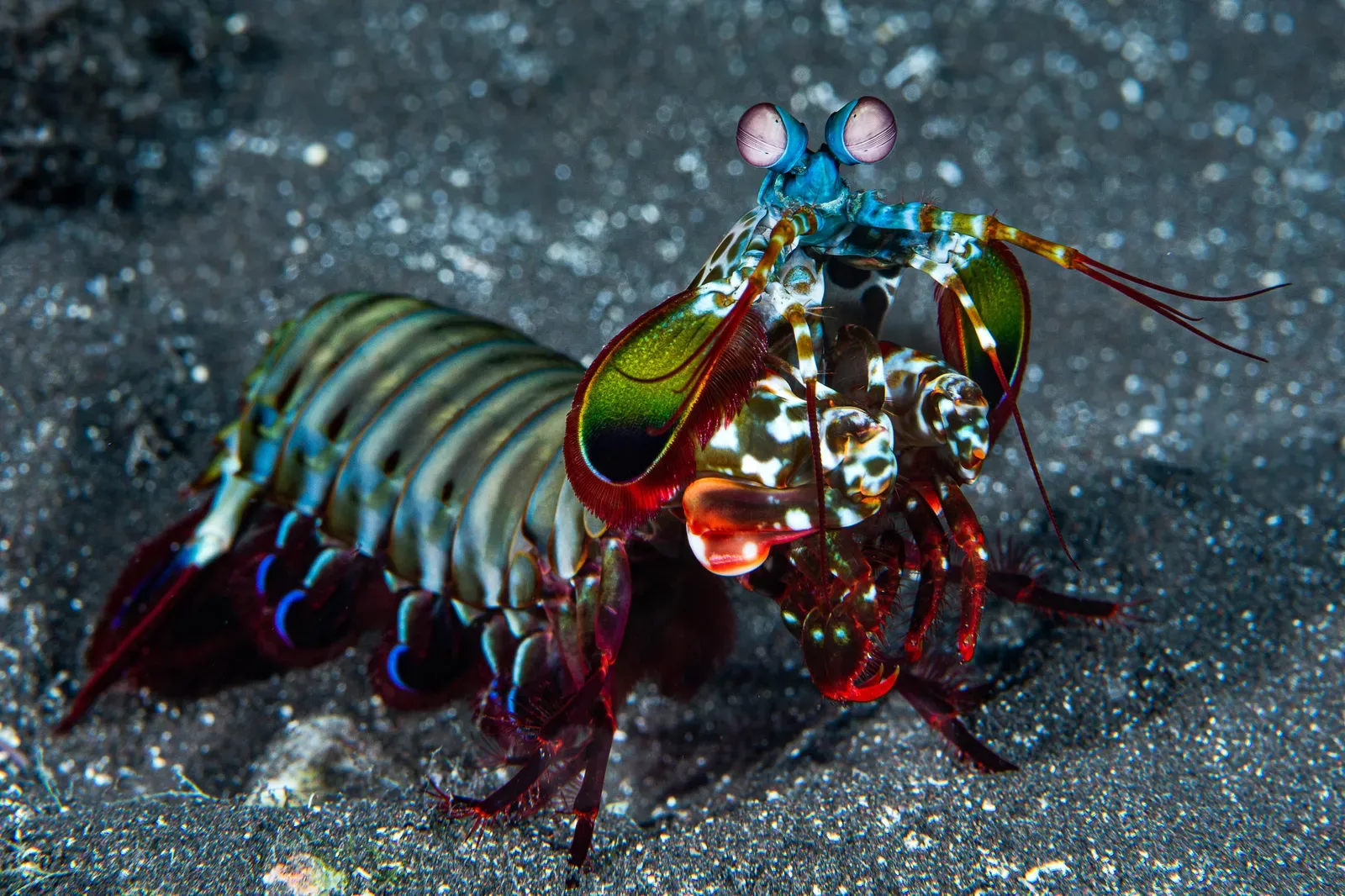
The mantis shrimp carries a pair of stalked eyes that move independently and scan their surroundings with rapid precision. Each eye contains multiple bands of photoreceptors arranged in rows that allow simultaneous sampling of different light properties. This layout supports detection across a wide range of wavelengths without the need for sequential filtering.
Inside those bands sit specialized cells tuned to narrow slices of the spectrum. The arrangement lets the animal gather data on color, brightness, and polarization in one glance. Such a compact system packs more sensory channels than most vertebrates possess in their entire visual apparatus.
The Role of Multiple Photoreceptors
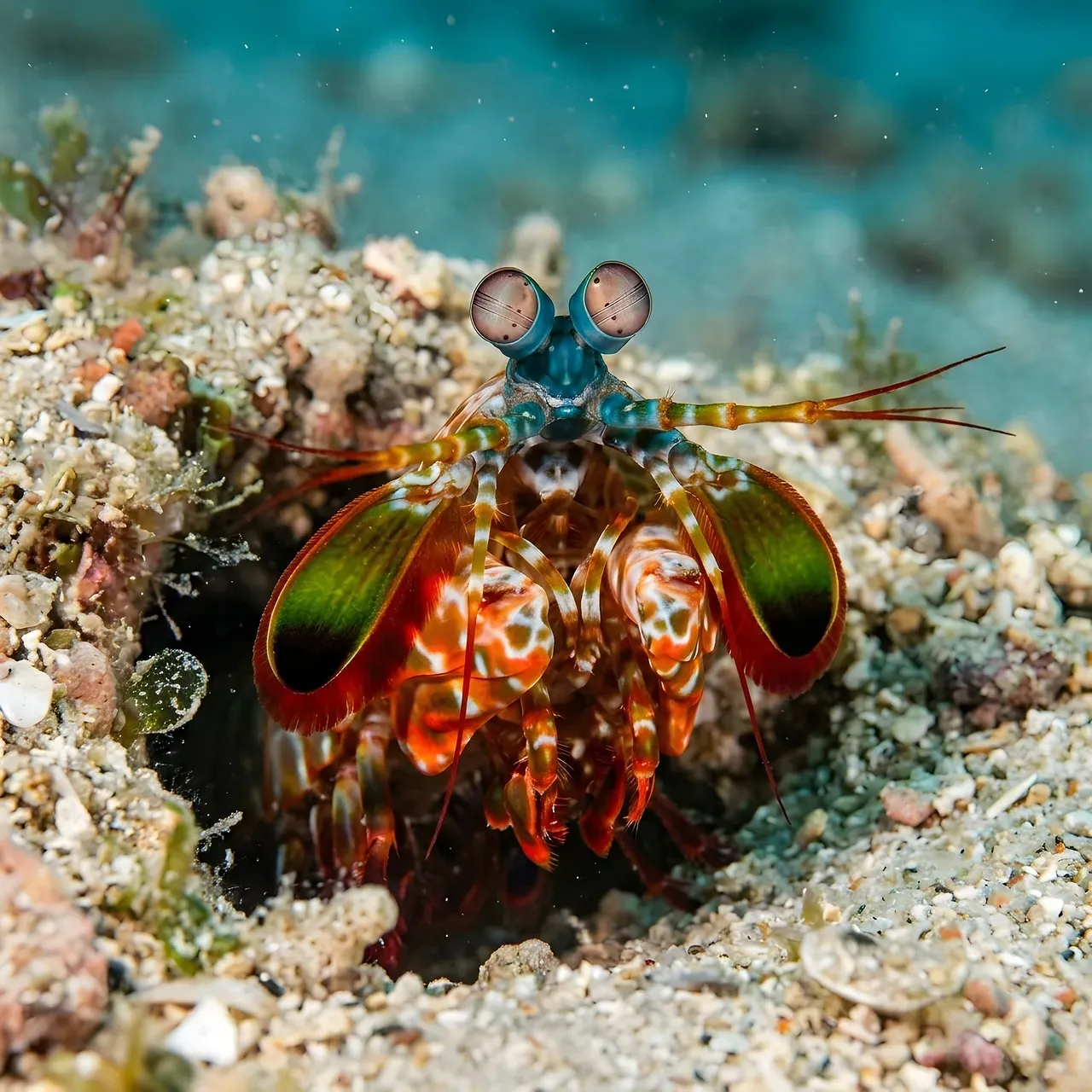
Marine biologists have identified sixteen distinct receptor types in the mantis shrimp eye, each responding to its own portion of the light spectrum. These receptors operate in parallel rather than feeding into a single combined signal the way human cones do. The result is a form of hyperspectral sampling that captures fine distinctions across ultraviolet through visible ranges.
Researchers note that this setup differs sharply from the three cone types found in typical human retinas. Instead of mixing signals to create perceived hues, the shrimp appears to register each channel more independently. That independence changes how color information reaches the brain and shapes the animal’s behavioral responses to its environment.
Detecting Polarized Light in the Ocean
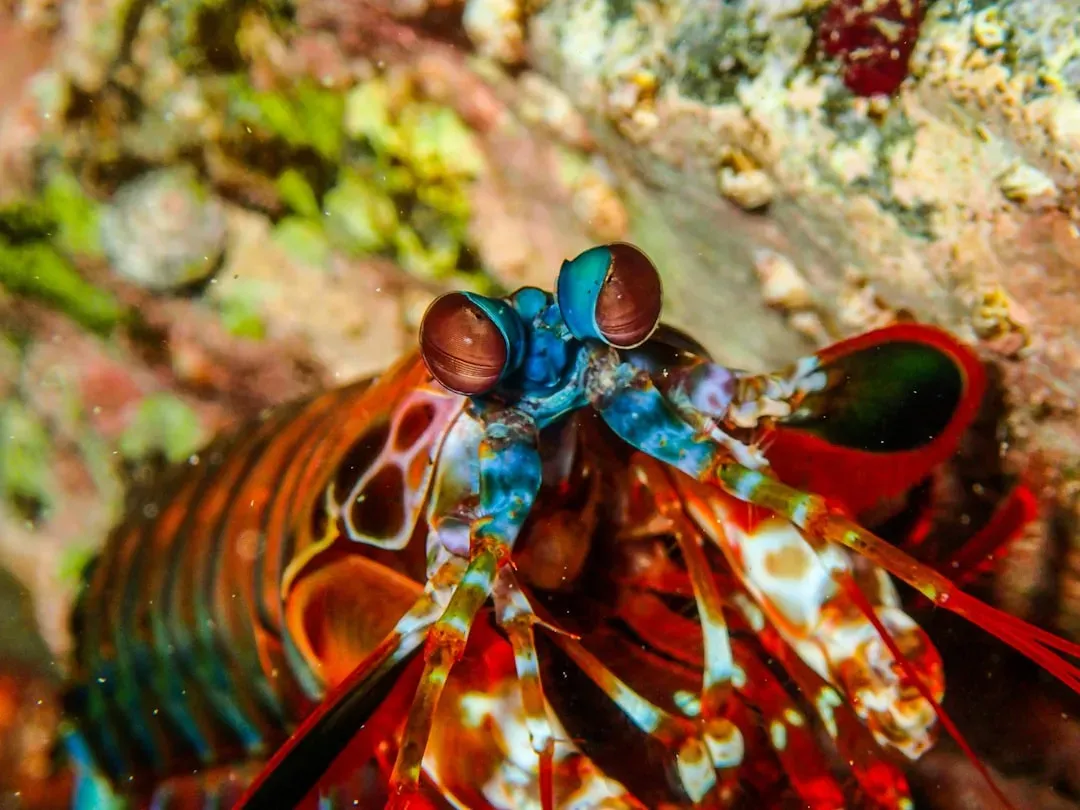
Many mantis shrimp species also respond to polarized light, including circular polarization that passes through water in patterns invisible to human observers. Their receptors can distinguish these subtle orientations, which helps in navigation, prey detection, and communication with other shrimp. The ocean’s light field carries these signals naturally, giving the animal an extra layer of visual detail.
Experiments in controlled tanks show that individuals react differently when polarization cues are altered. This sensitivity extends beyond simple brightness or color and points to a sensory world shaped by physical properties of light that remain hidden from us without specialized filters. The ability appears tied to survival tasks rather than abstract color appreciation.
Limitations of Human Color Perception
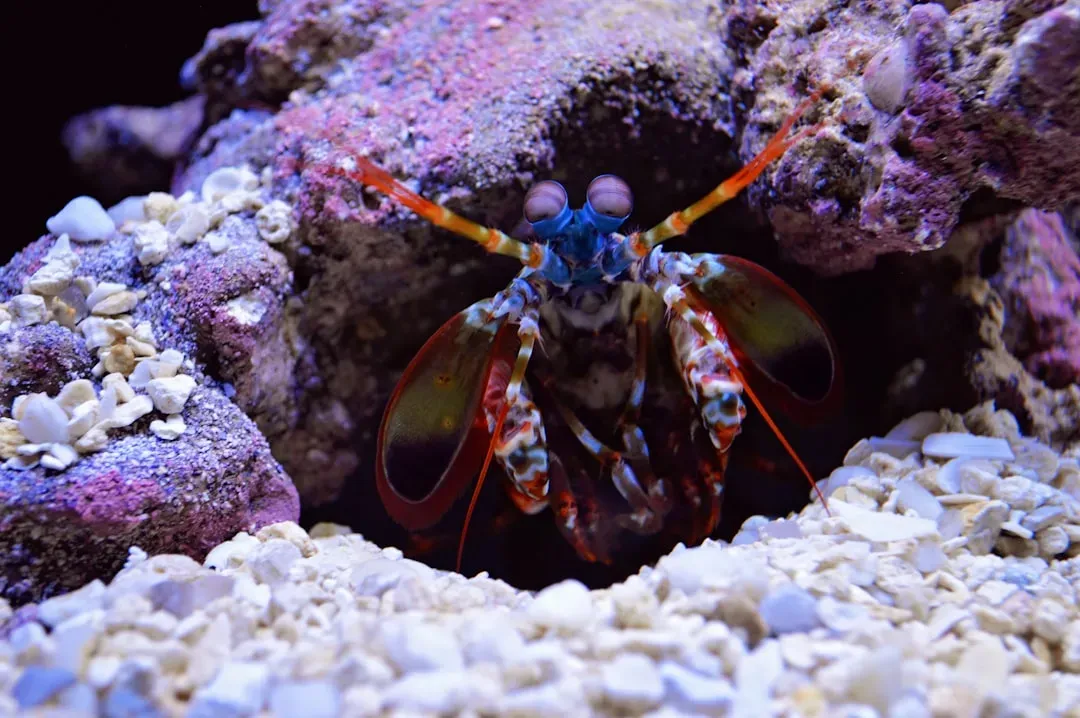
Human vision relies on three receptor classes that combine to produce the familiar spectrum of hues we recognize. This trichromatic system works well for everyday tasks yet leaves large portions of the light environment unexamined. We require external devices such as spectrometers or polarizers to access information the mantis shrimp gathers directly.
Even with those instruments, the data arrives as numbers or false-color images rather than an integrated sensory experience. The gap highlights how our biology filters reality in ways that feel complete until compared with other species. Everyday scenes contain signals we simply lack the hardware to register.
Challenges in Measuring Shrimp Vision
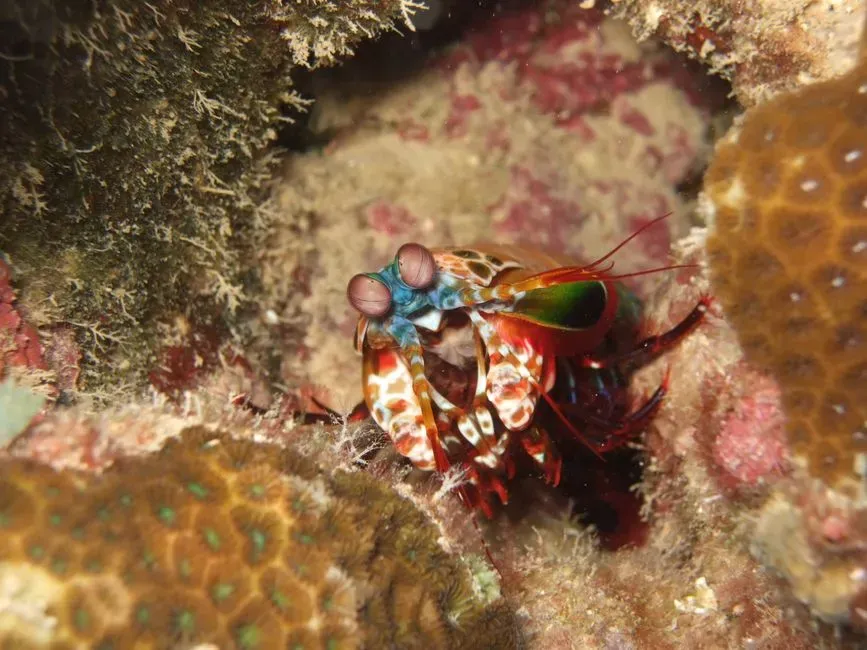
Scientists face practical hurdles when trying to map exactly what the mantis shrimp perceives. Behavioral tests reveal preferences and discriminations, yet they cannot convey the subjective quality of the experience itself. Electrophysiological recordings provide receptor responses but stop short of describing the resulting mental image.
Attempts to build machines that mimic the full system run into the same barrier. Detectors can record the same wavelengths and polarizations, yet no output device translates those readings into a form that matches the animal’s internal processing. The translation problem remains fundamental rather than technical.
Potential Applications in Science and Engineering
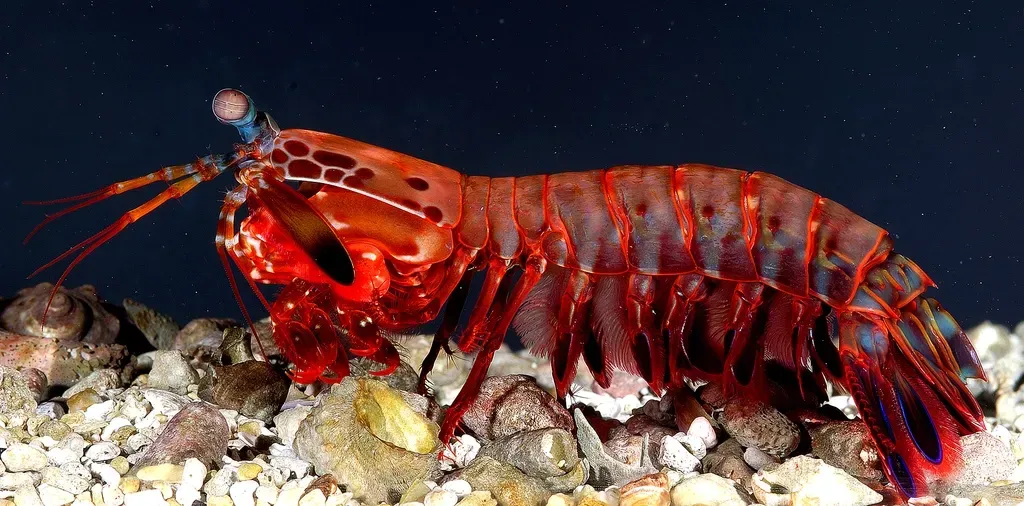
Engineers have explored copying elements of the mantis shrimp eye for improved cameras and sensors. Polarization detection already appears in some underwater imaging systems, and hyperspectral approaches show promise in medical diagnostics and environmental monitoring. These efforts draw inspiration from the biological design without claiming to duplicate the original perception.
Still, the projects remain focused on measurable outputs rather than replicating the animal’s lived experience. Advances in materials and optics continue to narrow certain performance gaps, yet the core question of subjective translation stays open. The shrimp serves as a reminder that biological solutions often exceed current artificial ones in integration and efficiency.
Reflecting on Nature’s Visual Wonders
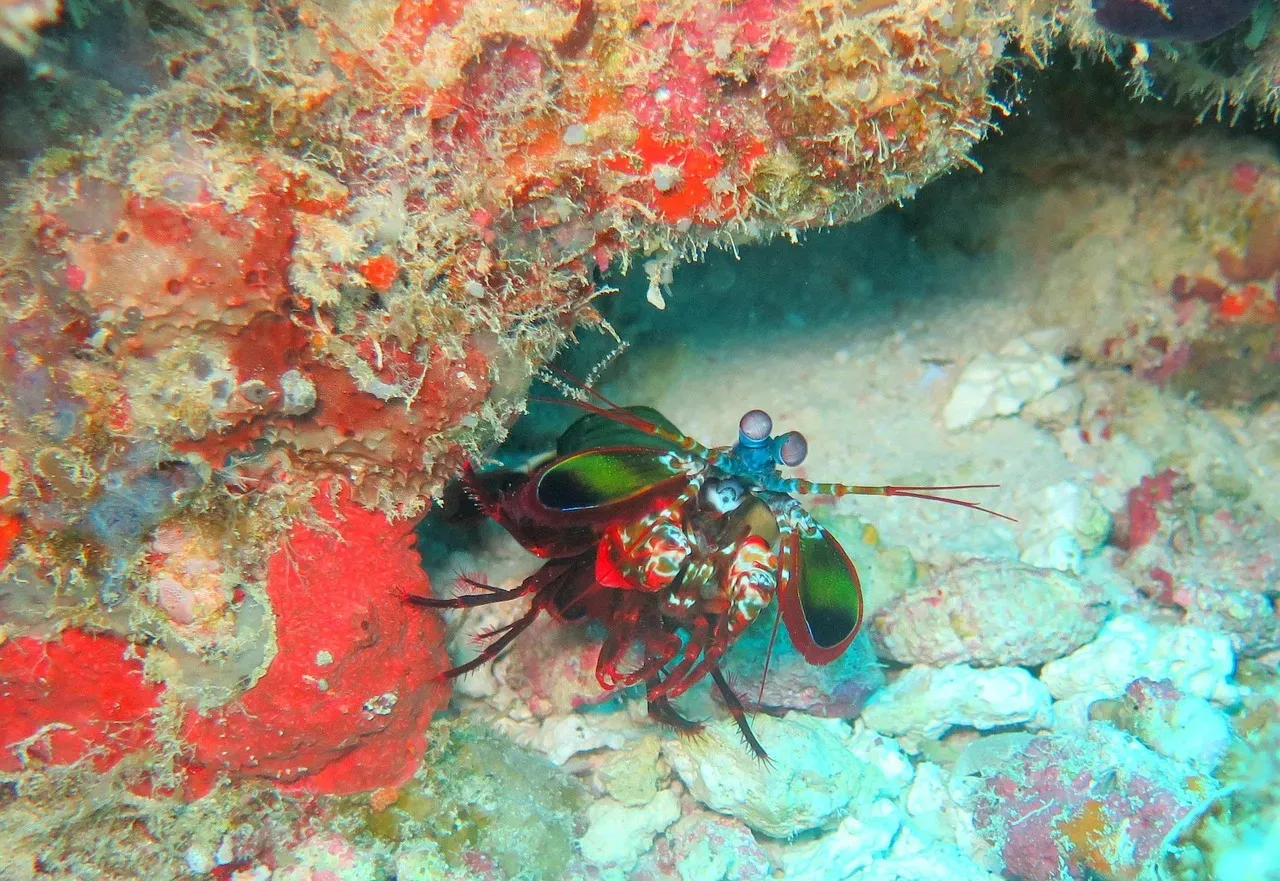
Studying the mantis shrimp expands our sense of what vision can accomplish across different bodies and environments. It underscores that human perception represents one workable solution among many rather than a universal standard. The sixteen receptor types illustrate how evolution can arrive at arrangements that feel extravagant until their functional advantages become clear.
Opinionated as it may sound, this comparison invites humility about the completeness of our own sensory world. Instruments extend our reach, yet they cannot substitute for the direct, embodied processing that occurs inside the shrimp. In the end, the ocean continues to hold examples of perception that resist full human translation, and that resistance itself becomes part of the fascination.

- 10 Remarkable Facts About the African Cheetah: The Lightning of the Grasslands - July 29, 2026
- 10 Most Heroic Horses in History - July 29, 2026
- Why You Should Never Play Dead When Attacked by a Black Bear - July 29, 2026