

Stray cats often keep their distance from people, sticking to shadows and quick escapes. Yet sometimes one starts behaving differently around a particular person, lingering a little longer or showing up at odd hours. That shift can feel puzzling at first, almost as if the cat is testing the waters before making a quiet decision.
Recognizing the signs early helps both the cat and the person involved. These behaviors rarely appear overnight, and they tend to build gradually over days or weeks. Paying attention to the details reveals whether a stray has begun to see one home as safer than the streets.
The Cat Begins Following You on Your Daily Routes

One morning the stray appears at the end of the block as you head to work. By the third day it trails a few steps behind, pausing whenever you glance back. This steady shadowing shows the cat has mapped your movements and chosen to stay close rather than vanish into alleys.
Over time the distance shrinks until the cat waits near your gate each morning. It does not demand attention yet, simply matching your pace. Such consistent presence signals trust building in a way random encounters never do.
It Rubs Against Your Legs or Furniture When You Appear
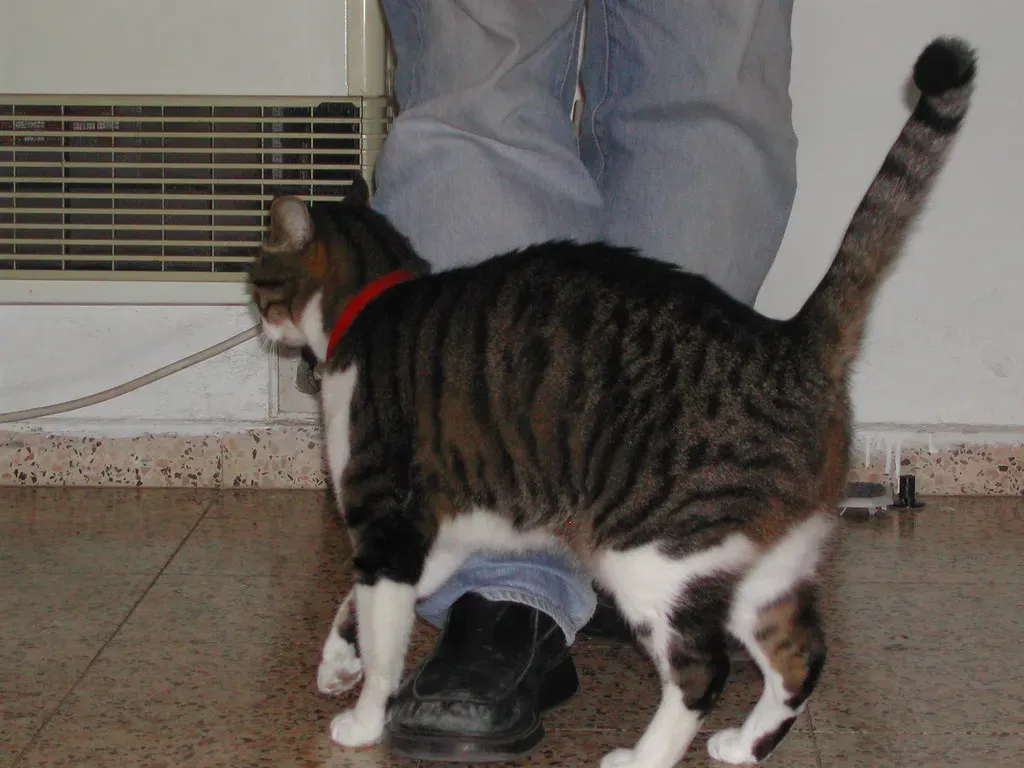
The first gentle head bump against your shin can feel surprising from a cat that once bolted at the sight of shoes. Rubbing transfers scent and marks you as familiar territory. When the behavior repeats each visit, the cat is claiming a connection rather than exploring out of curiosity.
Watch for the same motion directed at your doorstep or garden chair. These spots become extensions of the cat’s chosen space. The repetition turns a fleeting touch into a daily ritual that strengthens the bond.
Gifts Appear on Your Doorstep or Porch

A small mouse or bird left neatly near the mat marks a clear change in routine. Strays rarely waste energy on offerings unless they view the recipient as part of their circle. The placement right at your threshold shows deliberate effort rather than accidental discovery.
Some cats bring the same type of item several times, almost testing whether the gift is accepted. Others vary the prize, yet the location stays consistent. Either pattern points to the cat treating your home as its own base.
The Stray Settles Near Your Door or Windows at Night

Instead of disappearing after dark, the cat curls up on the welcome mat or under a nearby bush. It chooses spots with a clear view of your lights and movements. This overnight vigil replaces the usual search for hidden shelter elsewhere.
Over successive evenings the chosen resting place inches closer to the entrance. The cat may even stretch out in plain sight rather than tucked away. Such relaxed positioning indicates the animal now feels secure enough to rest in your immediate area.
Meowing Becomes Directed and Persistent Toward You

General street meows give way to shorter, repeated calls aimed straight at your face or feet. The tone often softens compared with the louder yowls used for territory disputes. When the cat falls silent the moment you respond, it has learned your voice carries meaning.
The timing matters too. Calls coincide with your arrival or departure rather than random hours. This targeted communication replaces the cautious silence most strays maintain around humans.
The Cat Shows Its Belly or Rolls Over in Your Presence
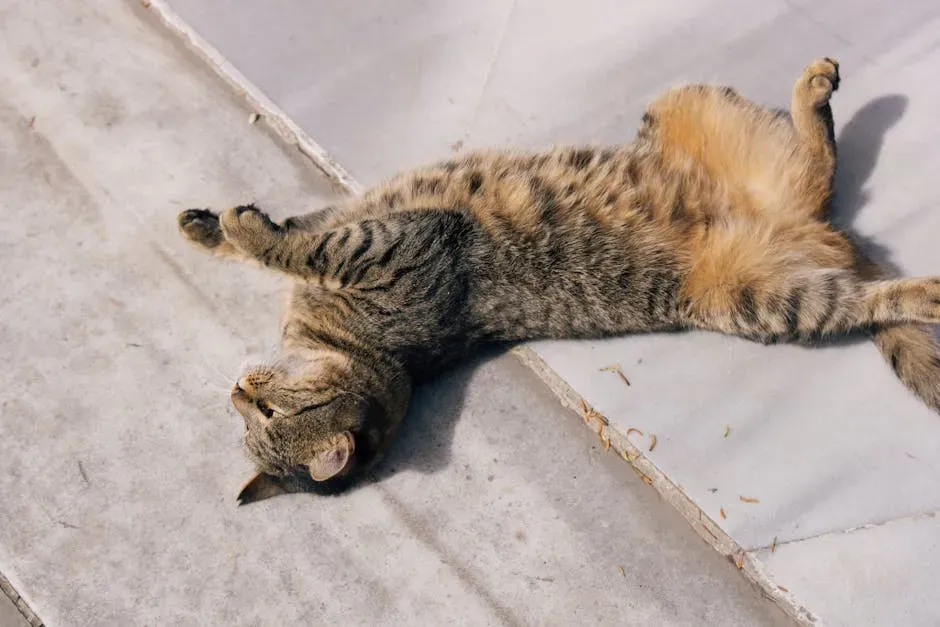
Exposing the soft underside requires real vulnerability for any cat, especially one that has lived without protection. A slow roll followed by relaxed paws signals the animal no longer expects danger from you. The posture lasts longer each time it occurs.
Some cats combine the roll with slow blinks or a gentle stretch. These added gestures reinforce the message of comfort. Once the belly display becomes regular, the stray has crossed an important threshold of acceptance.
Kneading or Purring Starts During Close Contact
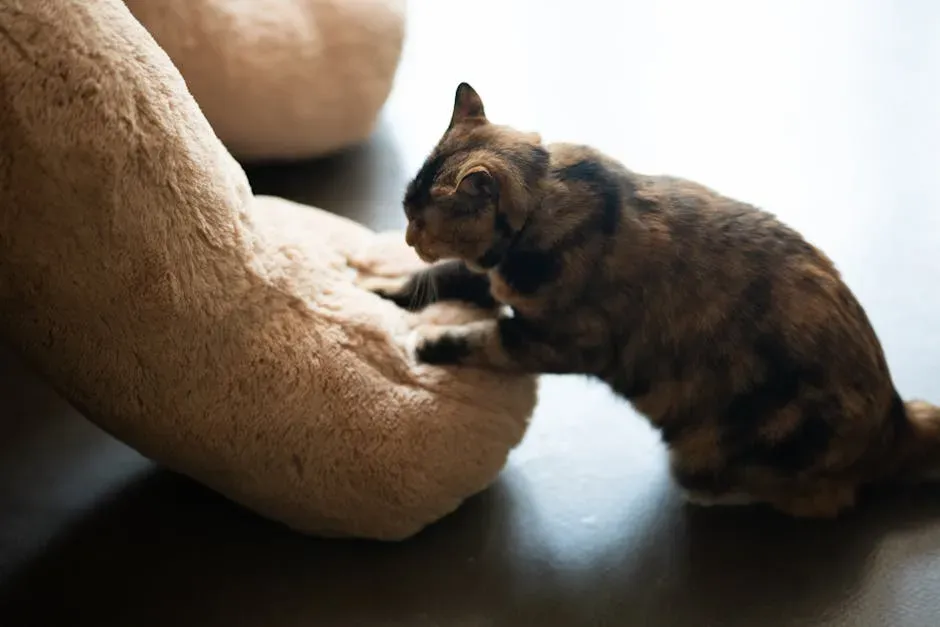
The rhythmic push of paws against fabric or skin appears only after several calm interactions. Kneading mimics kitten behavior and surfaces when the cat feels safe enough to regress into that comfort. The accompanying purr stays steady rather than stopping at sudden noises.
Both actions often happen on your lap or beside your chair during quiet moments. They rarely occur if other people or loud sounds interrupt. The combination marks a deepening preference for your specific company.
The Cat Defends the Area Around Your Home

Chasing away other strays or birds from the yard becomes noticeable once the original cat claims the space. It positions itself between intruders and your door rather than fleeing. This protective stance extends the cat’s territory to include your property.
Over weeks the defense grows more consistent, especially during feeding times or evening hours. The cat may even return to the same lookout spot daily. Such territorial behavior ties the animal’s survival strategy directly to your location.
It Responds to Your Voice or Routine Sounds

A simple call from the porch brings the cat out of hiding within seconds. The response improves with repetition, showing the animal has linked your tone to safety or food. Even the sound of a door opening can draw it closer without visual confirmation.
Other household noises, like a car pulling into the drive, may also trigger an appearance. The cat distinguishes these cues from general street sounds. This selective attention demonstrates the stray has tuned its senses to your daily patterns.
The Stray Allows Gentle Touch Without Immediate Escape
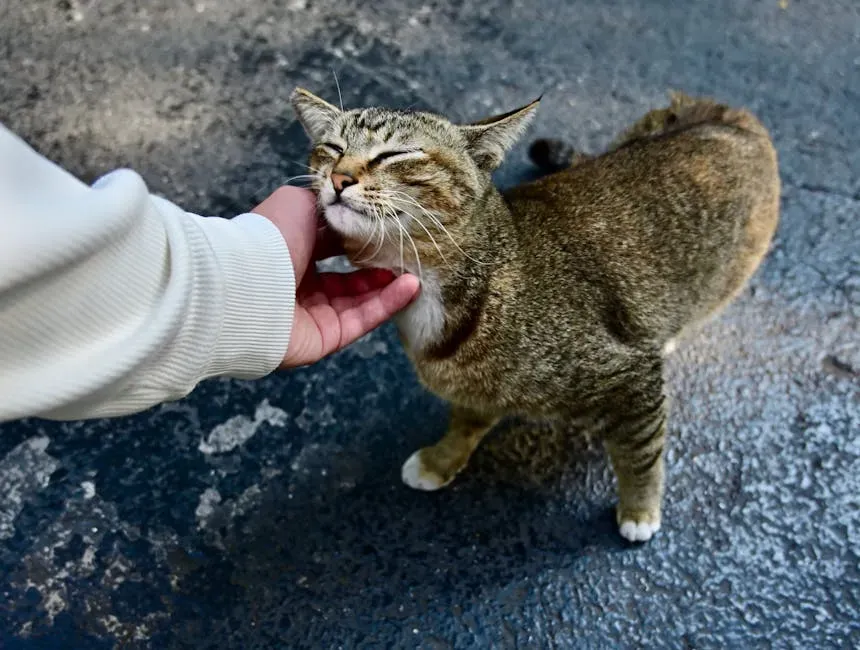
Initial contact might last only a second before the cat steps away. With continued calm approaches the pause lengthens into actual petting sessions. The tail stays relaxed and the ears remain forward rather than flattened.
Eventually the cat may lean into the hand or shift position for better access. These adjustments happen only with one specific person at first. The growing tolerance for touch confirms the cat now views you as a safe source of contact rather than a threat.
Adopting a stray that has already made its choice often feels less like rescue and more like mutual agreement. The cat arrives with its own habits and boundaries already formed, yet it has decided your routines fit its needs. Over time that decision can turn a cautious visitor into a steady companion who watches the same sunsets from the same windowsill.
Still, the real reward comes from noticing how both lives adjust around each other without force. A cat that chooses its person tends to settle into the role with quiet certainty, offering small daily proofs that the streets no longer hold the same pull. In the end the signs add up to something simple: one animal has decided this place, and this person, are worth staying for.

- 10 Remarkable Facts About the African Cheetah: The Lightning of the Grasslands - July 29, 2026
- 10 Most Heroic Horses in History - July 29, 2026
- Why You Should Never Play Dead When Attacked by a Black Bear - July 29, 2026