
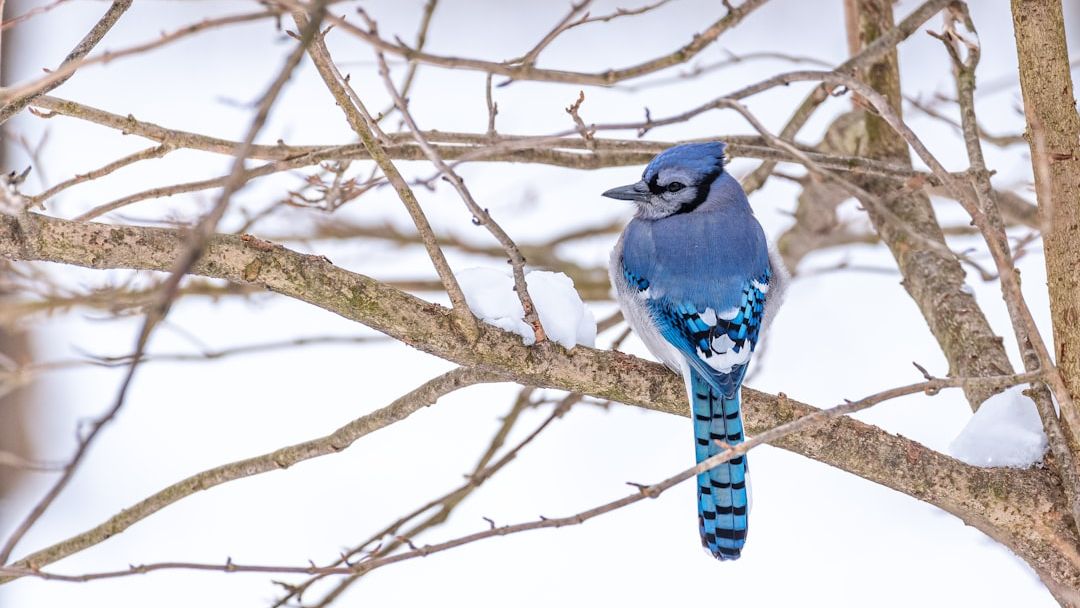
One day your backyard feels alive with the bold calls and bright flashes of blue jays. The next, they seem to have packed up and left without warning. That sudden quiet often leaves people wondering what changed and whether the birds will return at all.
The truth involves a mix of natural rhythms rather than any single dramatic event. Late summer brings several overlapping shifts in the birds lives that pull them away from familiar feeding spots. Understanding those patterns helps explain both the disappearance and the places they head next.
The Demands of a Full Molt
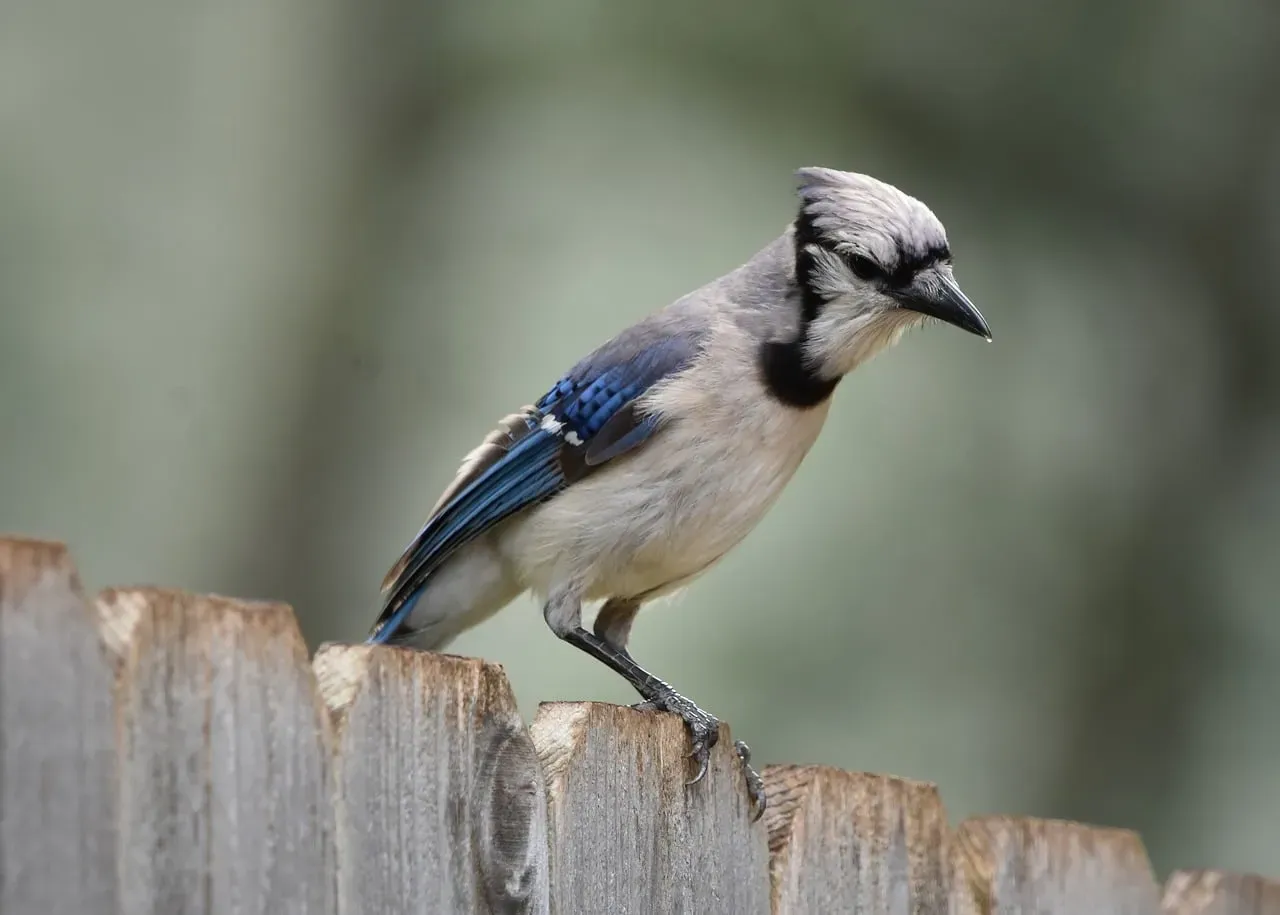
Blue jays replace nearly every feather once a year, and that process peaks in late summer for many adults. New feathers grow in slowly, which leaves the birds temporarily less agile and more exposed to predators. They respond by staying quiet and sticking close to dense cover instead of visiting open yards.
Young birds from the spring nests also finish their first major feather change around the same time. The combined effect means fewer jays show up at feeders or birdbaths during daylight hours. The molt itself lasts several weeks, so the reduced activity can stretch well into early fall before normal routines resume.
Shifting Focus to Seasonal Foods
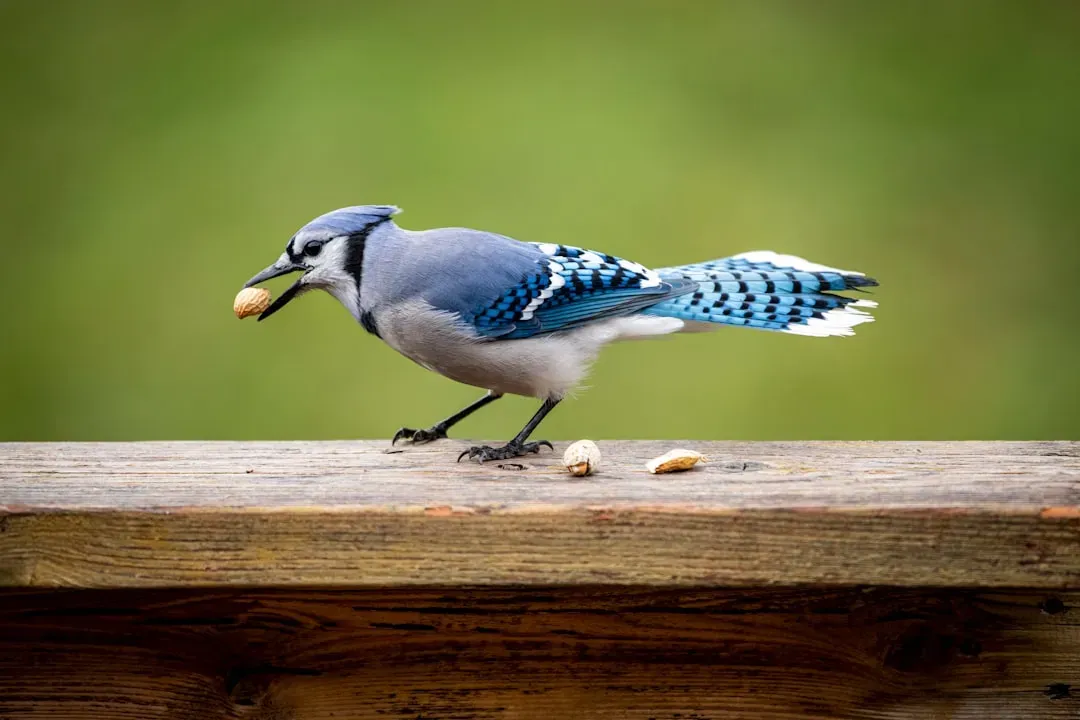
As summer fruits and insects decline, blue jays turn their attention to nuts and seeds that ripen later in the year. Acorns from oak trees become a primary target, and those trees often grow in larger stands away from suburban lawns. The birds spend more time caching food in wooded areas where the supply lasts through winter.
This change in diet does not mean the jays have left the region entirely. They simply travel farther each day to reach reliable sources. Yards that once offered easy sunflower seeds now compete with richer natural options deeper in the forest or along tree lines.
Forming Flocks Changes Daily Patterns
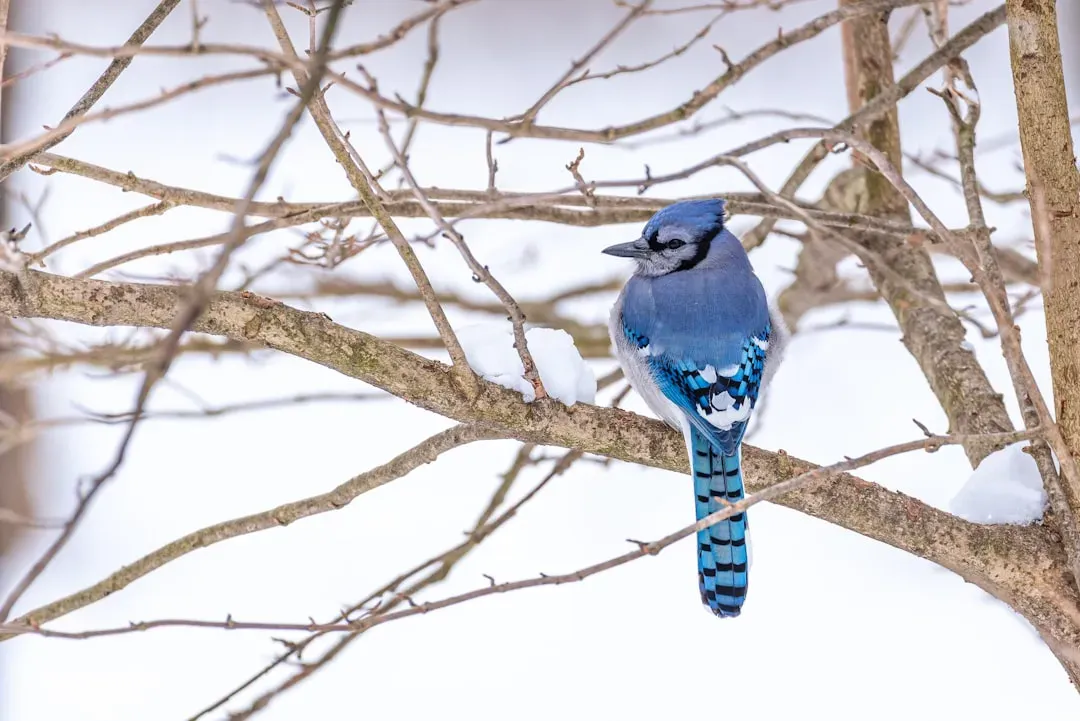
Blue jays that spent spring and early summer in pairs or small family groups begin gathering into larger flocks. These groups move together between feeding sites and roosting areas, which reduces the chance any single yard sees regular visitors. The social shift helps them locate food more efficiently across a wider territory.
Flock members also become more cautious around human activity. They may pass through a neighborhood at dawn or dusk without lingering. The result feels like an abrupt absence even though the birds remain active nearby in different numbers and at different times.
Regional Movements Add Another Layer
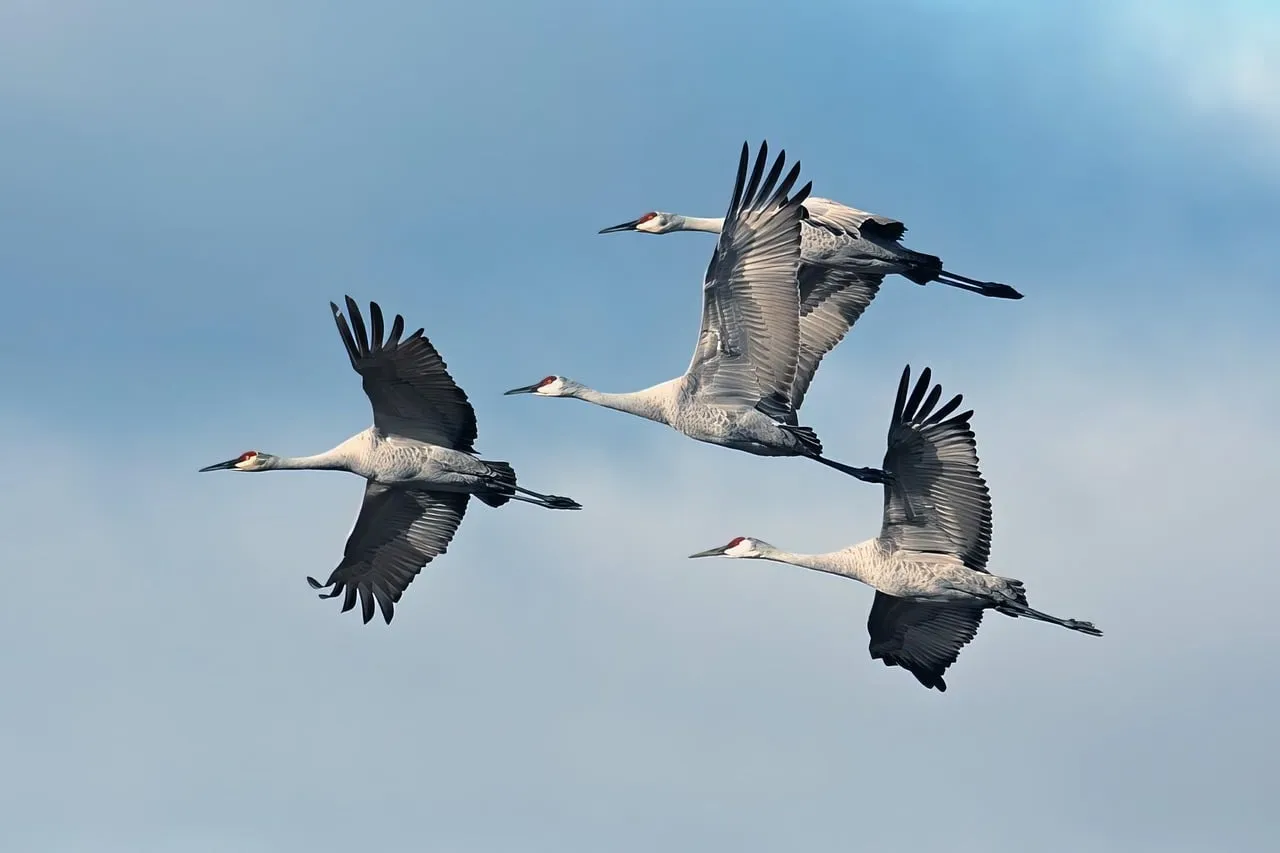
Northern populations of blue jays show more noticeable migration than those farther south. Some individuals travel hundreds of miles when food supplies or weather patterns shift. These movements usually begin gradually in late summer rather than all at once.
Even resident birds in milder climates may wander short distances to better habitat. The combination of true migrants and local wanderers creates the impression that an entire local population has vanished. In reality, the birds follow long established routes that take them out of sight from most backyards.
Yard Conditions Play a Supporting Role
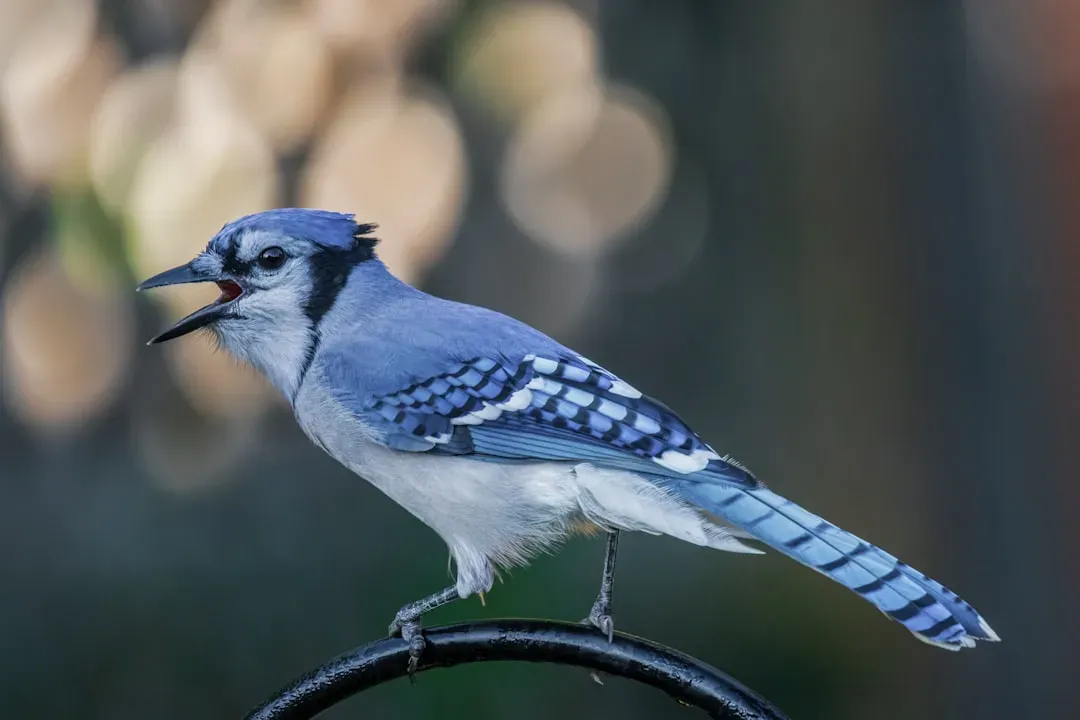
By late summer many yards lose the dense cover and varied plantings that attracted jays earlier in the season. Lawns dry out, flowers fade, and supplemental food sources become less consistent. The birds respond by seeking spots that still offer water, shade, and protection.
Human activity can also influence the change. Increased outdoor time, lawn care, or pets may make once quiet spaces feel less safe. The jays simply adjust their routes to avoid those pressures while they complete their molt and prepare for cooler months.
Quiet Survival Strategies at Work
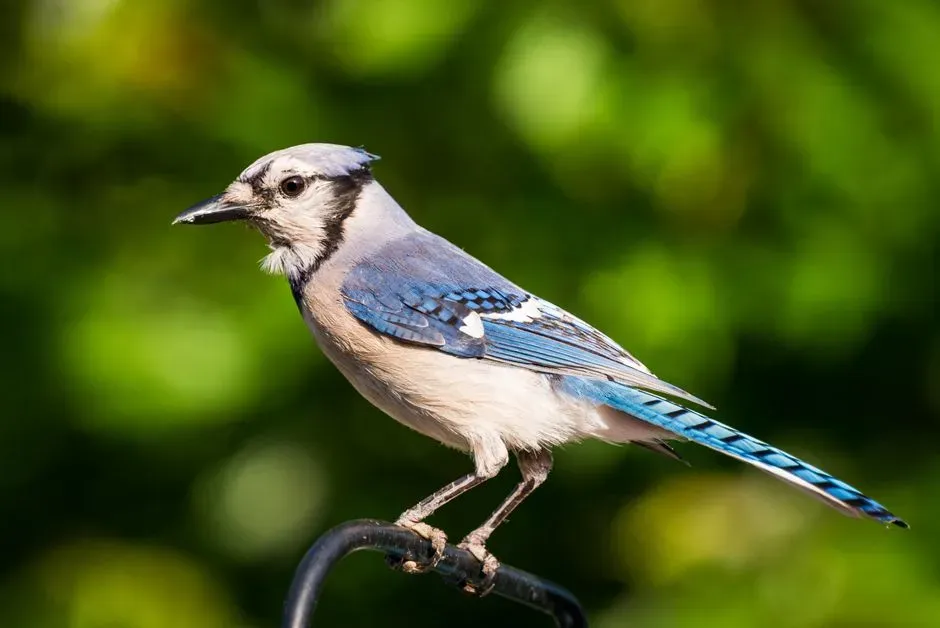
Blue jays balance visibility with caution throughout the year, yet late summer tips that balance toward discretion. They rely on memory of cached food and knowledge of safe travel corridors rather than constant display. This low profile period helps both adults and juveniles reach the next season in better condition.
The behavior is not unique to blue jays, though their size and color make the absence more obvious than with smaller species. Observers who watch the same locations over multiple years notice the pattern repeats reliably. It reflects adaptation rather than any sudden problem with the local environment.
Anticipating Their Return and Supporting Future Visits
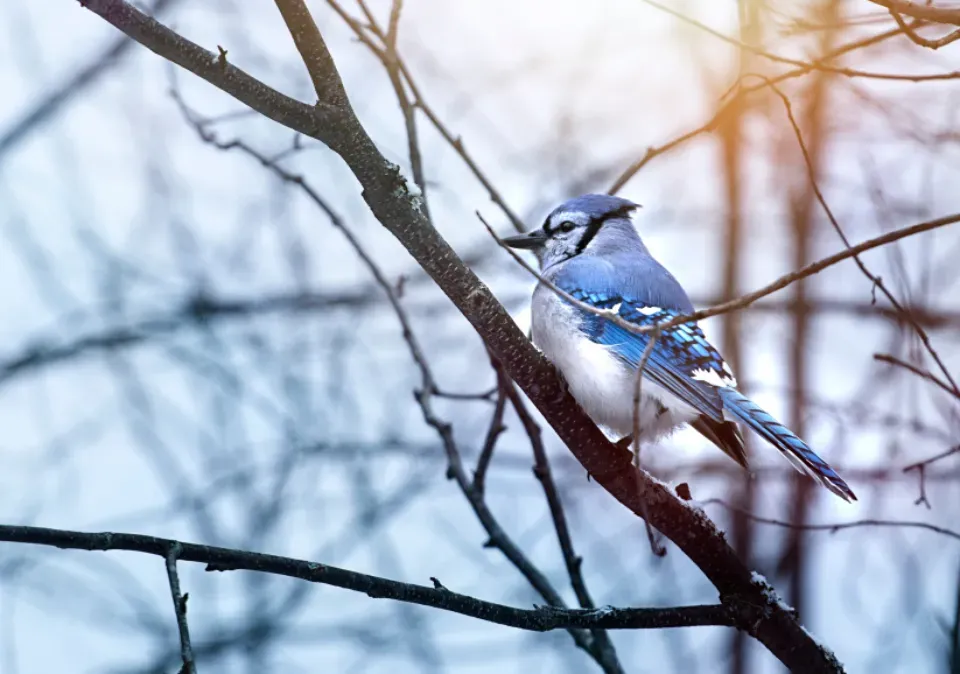
Blue jays often reappear in noticeable numbers once the molt finishes and cooler weather arrives. They return to yards that still provide reliable water and a mix of natural foods alongside any feeders. Consistent, low disturbance spaces tend to draw them back sooner than heavily managed ones.
Planting native oaks or leaving leaf litter in corners can encourage longer stays when the birds do come around again. The cycle repeats each year, shaped by weather, food availability, and the simple need to stay safe while feathers regrow. Paying attention to these rhythms turns the quiet months into a chance to prepare rather than a reason for concern. Over time the pattern becomes another familiar part of watching the seasons change in your own backyard.

- 10 Remarkable Facts About the African Cheetah: The Lightning of the Grasslands - July 29, 2026
- 10 Most Heroic Horses in History - July 29, 2026
- Why You Should Never Play Dead When Attacked by a Black Bear - July 29, 2026