

Most people assume their dog is just being clingy or weird when it starts acting differently. But dogs don’t have off days the way humans do – they have information. Their noses can detect hormonal shifts, metabolic changes, approaching weather systems, and even early illness markers that no human in the room would ever catch. By the time you notice something is off, your dog has probably known for days. Maybe weeks.
What follows isn’t a list of cute quirks. It’s 14 documented behaviors that reveal just how far ahead your dog is operating – and a few of them will completely change how you read your dog’s body language from here on out. The one at #1 is the hardest to shake once you’ve seen it.
#14 – Sudden Clinginess That Arrives Before a Positive Pregnancy Test
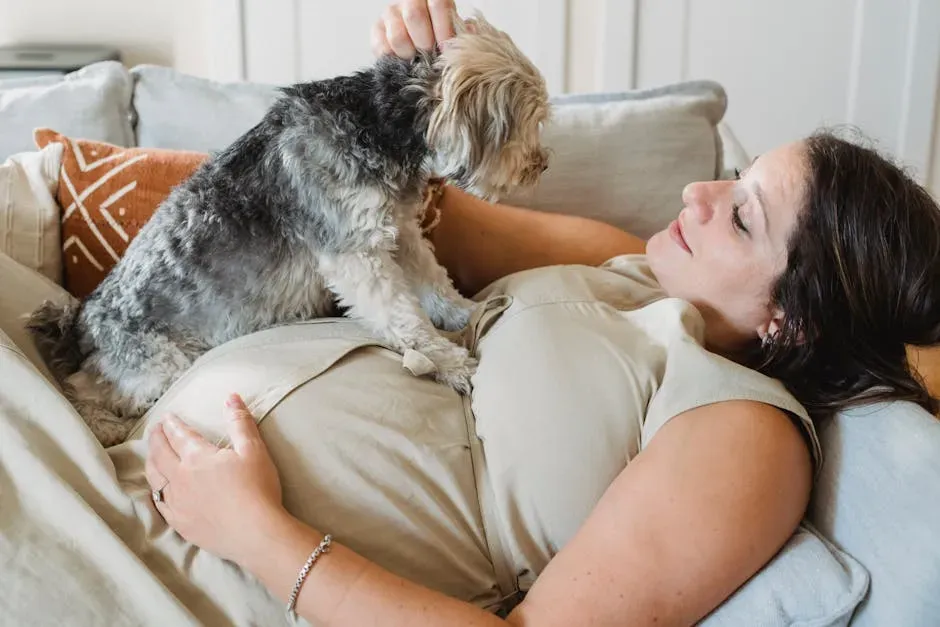
Most owners chalk up the extra velcro behavior to separation anxiety or a phase. But when a dog becomes genuinely glued to one specific person in the household – following them room to room, pressing against them at night, refusing to let anyone else get too close – it’s worth paying attention. Dogs have been documented changing their behavior toward a pregnant owner before she even suspects anything herself, because they’re not reading her mood. They’re reading her chemistry. Rising progesterone and other early pregnancy hormones create a scent profile shift that a dog’s nose registers immediately.
This isn’t gentle interest. Owners describe it as a kind of quiet urgency – the dog positioning itself against the owner’s body like it’s taken on a job. The hovering can feel almost inconvenient before anyone understands what’s driving it. Reports consistently show this behavior emerging in the first few weeks after conception, sometimes within days. The dog doesn’t know what a baby is. It just knows something changed, and it matters.
Fast Facts
- Dogs have approximately 300 million olfactory receptors – compared to just 6 million in humans.
- Hormones like progesterone, estrogen, and hCG rise significantly in early pregnancy, altering a person’s scent profile.
- A dog’s brain dedicates roughly 40 times more processing power to smell than a human brain does.
- A dog’s sense of smell is estimated to be 10,000 to 100,000 times more sensitive than ours.
- Signs a dog may be picking up on early pregnancy: increased clinginess, protective circling, and shadowing one specific person.
#13 – Guarding That Starts Weeks Before Any Visible Bump

Early protective guarding is easy to dismiss as normal territorial behavior – until you realize it’s specifically targeted at one person and it started out of nowhere. Dogs pick up on the combination of hormonal scent changes and the subtle physical fatigue that follows conception. The result is a dog that begins inserting itself between the pregnant person and everyone else, including people it’s known and trusted for years. It’s not aggression. It’s assessment, and the dog has already made its call.
Owners frequently describe the dog softly growling at family members who lean in for a hug, or physically blocking doorways when strangers approach. This behavior often begins before any home pregnancy test has been taken. What looks like a dog having a bad week is actually a dog that has quietly elevated one person’s status in the household to “protected.” It’s one of the earliest and most consistent signals reported, and families who look back on it are usually stunned by the timing.
#12 – Intense, Targeted Belly Sniffing in the Final Hours Before Labor
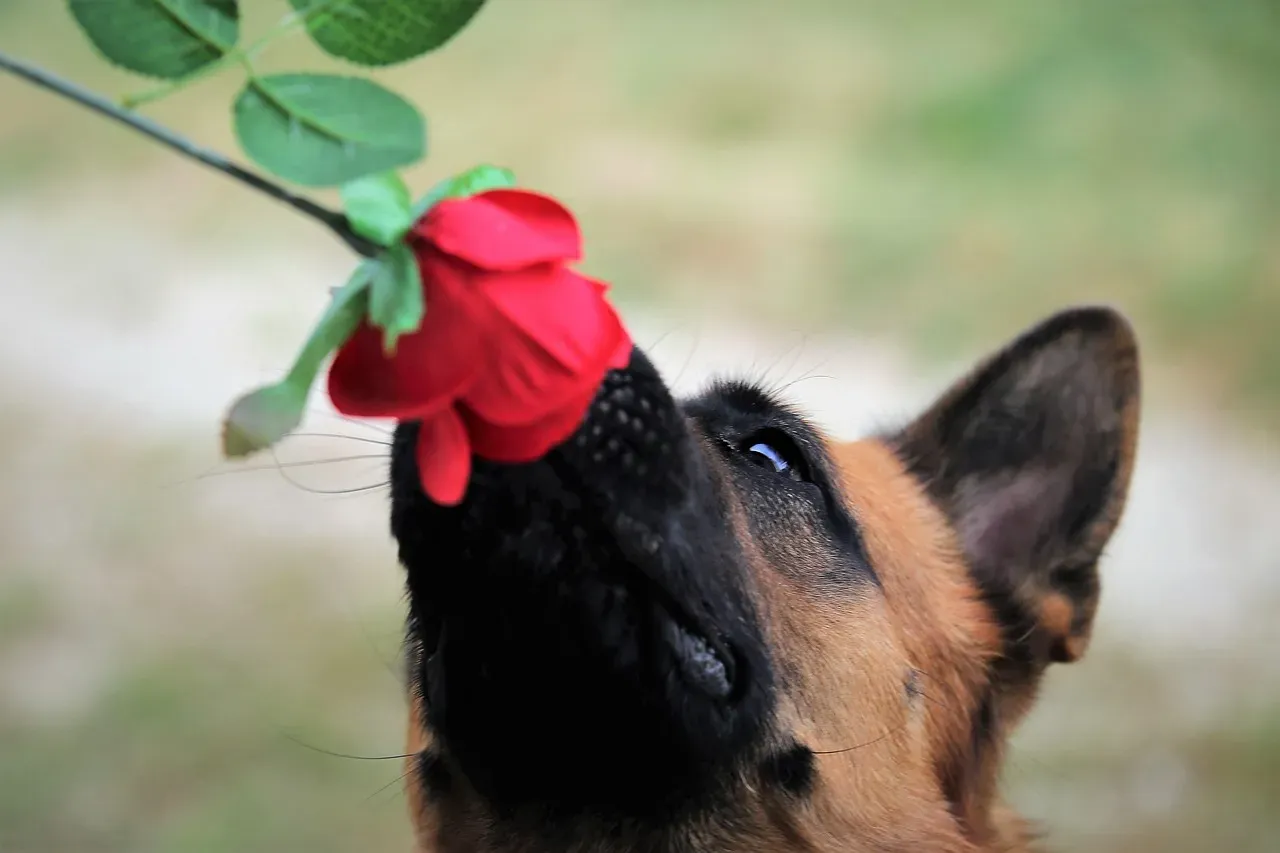
There’s casual sniffing, and then there’s what dogs do in the hours before labor begins. Owners who’ve been through it describe the dog becoming almost surgical about it – returning to the same spot on the belly repeatedly, pressing its nose in, holding still in a way it normally never does. This behavior is tied to the chemical cascade that happens as the body prepares for birth. The scent changes are real, measurable, and apparently unmistakable to a dog even when the mother herself feels nothing unusual yet.
Paired with the sniffing is a kind of restless vigilance – the dog pacing, whining softly, or refusing to settle even in its usual sleep spot. It’s not anxiety for the dog’s own sake. Owners who recognized the pattern the second time around say they started timing contractions when the dog started its rounds. That’s the thing about this behavior: once you’ve seen it once, you never ignore it again.
At a Glance: What the Body Releases Before Labor
- Prostaglandins – trigger cervical dilation and carry a distinct scent shift.
- Oxytocin – initiates contractions; rises sharply in the hours before labor.
- Relaxin – promotes pelvic ligament relaxation in preparation for delivery.
- Prolactin – peaks as labor begins and signals the start of lactation.
- Adrenaline – the “fight or flight” hormone spikes as emotional intensity builds.
#11 – Waiting at the Door Long Before the Car Pulls In
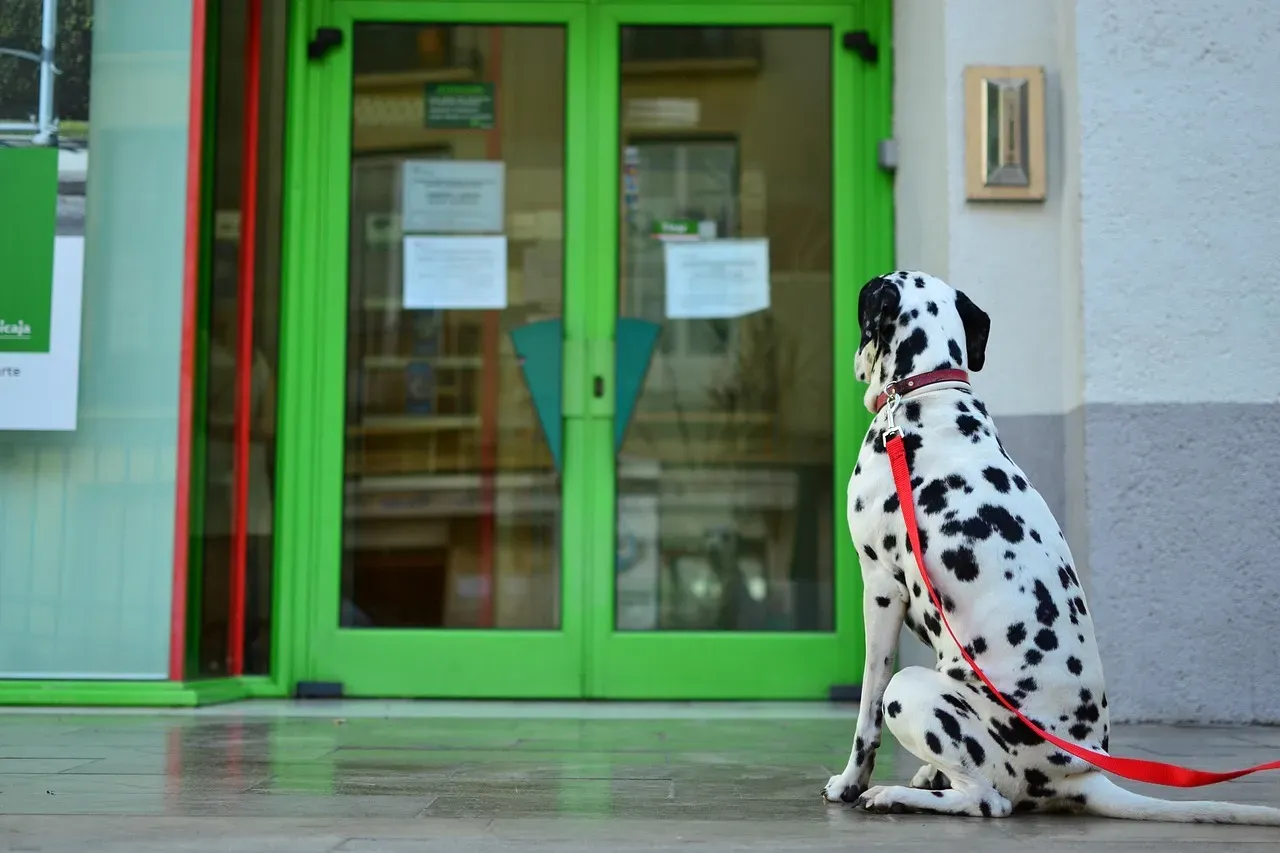
The easy explanation is that dogs have sharp hearing and catch the sound of a familiar engine from a distance. But researchers have found something stranger and more impressive at work. A person’s unique scent lingers in the home, and it fades at a predictable rate throughout the day. Dogs appear to track that decay like a timer – when the scent level drops below a certain threshold, the dog’s body understands that the person is due back soon. They start waiting not because they heard something, but because the invisible clock ran out.
This anticipation shows up as circling, whining, or stationing at the door or window 20 to 30 minutes before arrival on consistent-schedule days. It’s one of those behaviors families laugh about and film without fully grasping what they’re watching. The dog isn’t guessing. It’s reading a scent gradient the way you’d read a countdown timer – and it’s usually right.
#10 – Hiding or Seeking Comfort Hours Before a Storm Arrives

When a normally calm dog starts pacing, panting, or pressing itself into the corner of the closet on a clear afternoon, the instinct is to wonder what’s wrong with the dog. The better question is what the dog already knows about the weather. Dogs sense drops in barometric pressure and the buildup of static electricity in the atmosphere – both of which precede storms by hours. While the family is checking a sunny sky, the dog’s nervous system has already registered the shift and responded accordingly.
The behaviors that follow – trembling, ear twitching, staring at the ceiling or sky, refusing to go outside – aren’t irrational fear. They’re rational responses to information the dog is receiving that humans simply can’t access. Many owners have learned to treat a suddenly anxious dog as a more reliable storm warning than their phone’s weather app. That’s not an exaggeration. It’s pattern recognition built over years of watching the dog be right.
Worth Knowing: How Dogs Read an Incoming Storm
- Barometric pressure drops before a storm – dogs feel this change internally, sometimes as discomfort in their ears or joints.
- Static electricity builds up in a dog’s fur ahead of storms, causing genuine physical discomfort.
- Low-frequency thunder travels far ahead of any storm – dogs can hear it well before any human does.
- Ozone and rain scent carried on shifting winds are detectable to a dog’s nose miles before the first drop falls.
- Studies show between 15% and 30% of dogs show fear responses to approaching storms – often before skies even turn gray.
#9 – Locked-On Sniffing at One Specific Spot on a Person’s Body
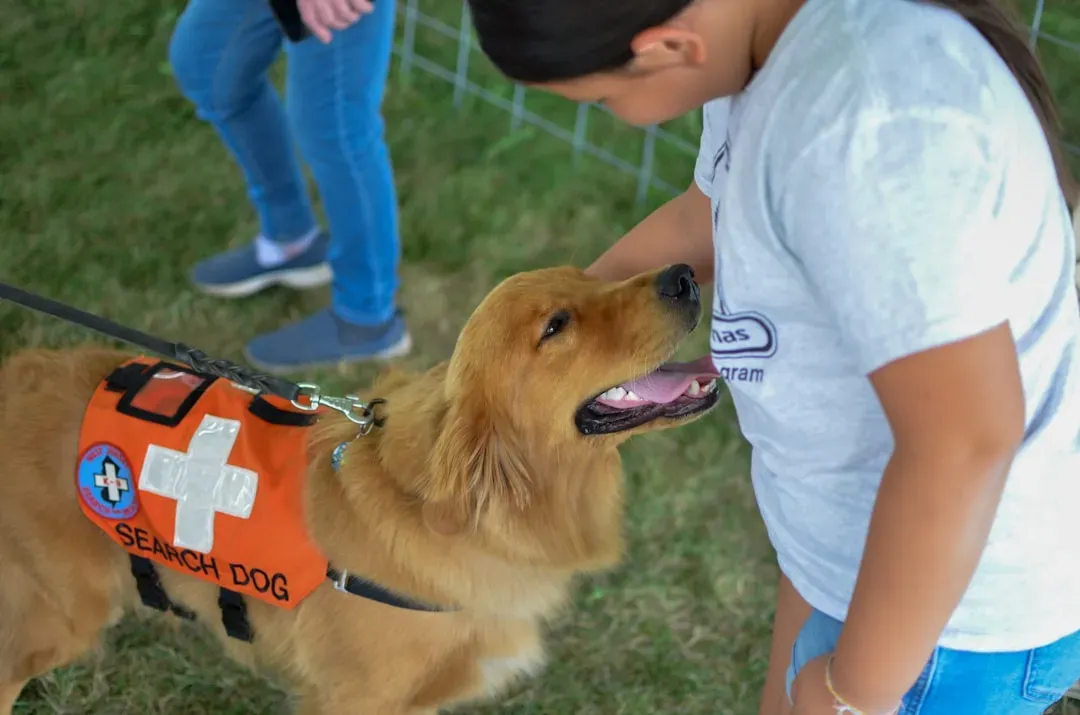
A dog that keeps returning to the same patch of skin – a forearm, a knee, the left side of the neck – and stays there with unusual focus is doing something different from normal greeting sniffs. Developing illnesses, including certain cancers and metabolic disorders, alter the body’s chemical output before symptoms become visible or felt. Dogs can detect those faint odor changes, and when they find one, they don’t let it go. The behavior is persistent, specific, and completely different in character from affectionate nuzzling.
There are multiple documented cases of this behavior leading owners to schedule medical appointments that later confirmed something real. The dog might paw gently at the spot, whine, or simply refuse to move its nose away. It can feel annoying before it feels significant. But owners who trusted what they were seeing – and got checked out – are the ones who caught something early. That’s not a small thing.
Quick Compare: What Dogs Have Been Studied Detecting by Scent
- Melanoma – dogs have persistently sniffed and nipped at skin lesions through clothing, prompting owners to seek care.
- Bladder & prostate cancer – trained dogs identified cancer in urine samples at rates far above chance in published studies.
- Colorectal cancer – detected via exhaled breath and stool samples, even in early-stage cases.
- Lung cancer – dogs distinguished between the breath of affected and unaffected individuals with high accuracy.
- Low blood sugar – dogs detect metabolic shifts in people with diabetes before the person feels symptoms.
#8 – Agitation and Nudging in the Minutes Before a Seizure

For families living with epilepsy, a dog that suddenly becomes agitated, starts nudging insistently, or tries to get a person to sit down is not misbehaving. It’s alerting. Dogs can detect the pre-seizure changes in the body – shifts in scent, subtle changes in behavior, or physiological markers that precede the event by minutes. This is why seizure-alert dogs exist as a formal category of service animal. But plenty of untrained pet dogs exhibit the same behavior, often without anyone initially understanding why.
The nudging is deliberate and directed. The dog isn’t reacting to a sound or a movement – it’s reacting to something it’s reading from the person’s body in real time. Families who’ve learned to recognize the alert describe it as one of the most profound things they’ve witnessed their dog do. The dog isn’t scared. It’s working. And in many cases, its timing is precise enough to give the person a chance to get somewhere safe before the seizure begins.
#7 – Unusual Closeness That Arrives Before the Tears Do
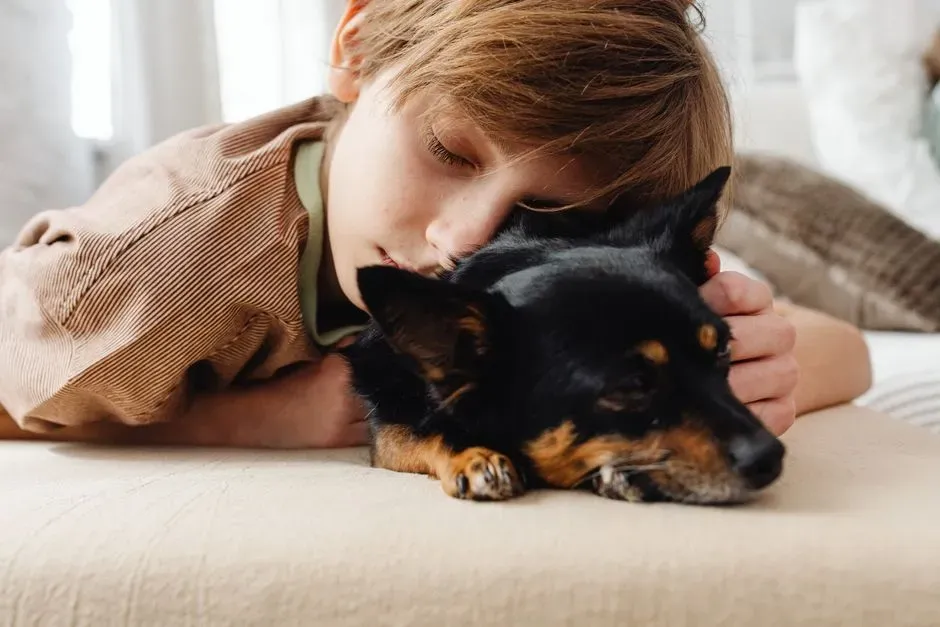
Dogs pick up on emotional shifts before the person experiencing them has fully processed what they’re feeling. The body releases stress hormones and changes its scent profile during periods of grief, anxiety, or emotional overload – and the dog catches it before the first tear falls or the first raised voice fills the room. This is why a dog sometimes appears at your side for no obvious reason on a day when you haven’t cried yet but you’re about to. It’s not telepathy. It’s chemistry.
The response looks like extreme gentleness – the dog pressing close, resting its chin on a knee, following without demanding attention. Owners in the middle of a hard stretch often describe their dog as the first one to “know” before friends, partners, or family had any idea something was wrong. That early read on the household emotional climate is one of the things that makes the bond feel so different from any other relationship. The dog isn’t waiting for you to explain. It already understood.
Dogs have a way of finding the people who need them and filling an emptiness we didn’t even know we had.
Thom Jones
#6 – Skipping Food and Walks When the Owner Is Running on Empty

A dog that suddenly loses interest in its food bowl or turns down a walk invitation is alarming to most owners. But in households where someone is exhausted, sick, or emotionally depleted, this behavior often has a clear source: the dog has already adjusted its rhythm to match the energy it’s reading in the home. A food-driven dog that walks away from its dinner isn’t broken. It’s calibrated. The household signal it’s receiving says “stillness,” and it’s responding accordingly.
The dog may also stop bringing toys to be thrown, move its sleeping spot closer to the affected person, or reduce its overall activity without being asked. These aren’t random changes. They’re the dog recalibrating its entire daily pattern around a shift it detected before anyone named it. It can look like stubbornness or illness when it’s actually the opposite – a dog paying close enough attention to slow itself down for someone who needs the room.
#5 – Gravitating to the Nursery Months Before the Baby Arrives

Before the crib is assembled, before the paint is dry, some dogs start spending time in the room that will eventually become the baby’s space. They’ll claim a spot near the door or against the wall and return to it consistently. This isn’t them responding to new furniture smell or a newly painted room – it often begins when the room is still empty and unchanged, driven purely by the scent trail the pregnant owner has been laying down during her own visits to the space.
The behavior looks like nesting instinct, even though the dog has no concept of what’s coming. Owners report this starting months before the due date, sometimes before the pregnancy is publicly known. The dog isn’t preparing a welcome. It’s following a scent-based map that leads to the person whose chemistry it’s already tracking closely. But the result is a dog that seems, uncannily, to already know which room will matter most.
#4 – Daily Vocalizations That Are Timed Too Precisely to Be a Coincidence

A dog that barks or howls at the same time every afternoon isn’t reacting to a sound it hears from outside. On days when a family member follows a consistent schedule, the dog has learned the exact rate at which that person’s scent fades from the environment. When the concentration drops to a critical level, the dog vocalizes. It’s not anticipation in the emotional sense – it’s a scent-based alarm going off. The dog is reading a biological clock it didn’t choose to have but can’t ignore.
On irregular days – when the person comes home at a different time – the pattern breaks, and the dog’s timing is off. That detail alone is enough to rule out external sound cues as the explanation. The accuracy on consistent days can be within a few minutes. Families who track it are often genuinely unsettled by how reliable it is. It reframes what you think of as a quirky dog habit into something that’s actually a form of precision timekeeping.
#3 – A Specific Head-Press Gesture That Arrives Just Before Labor
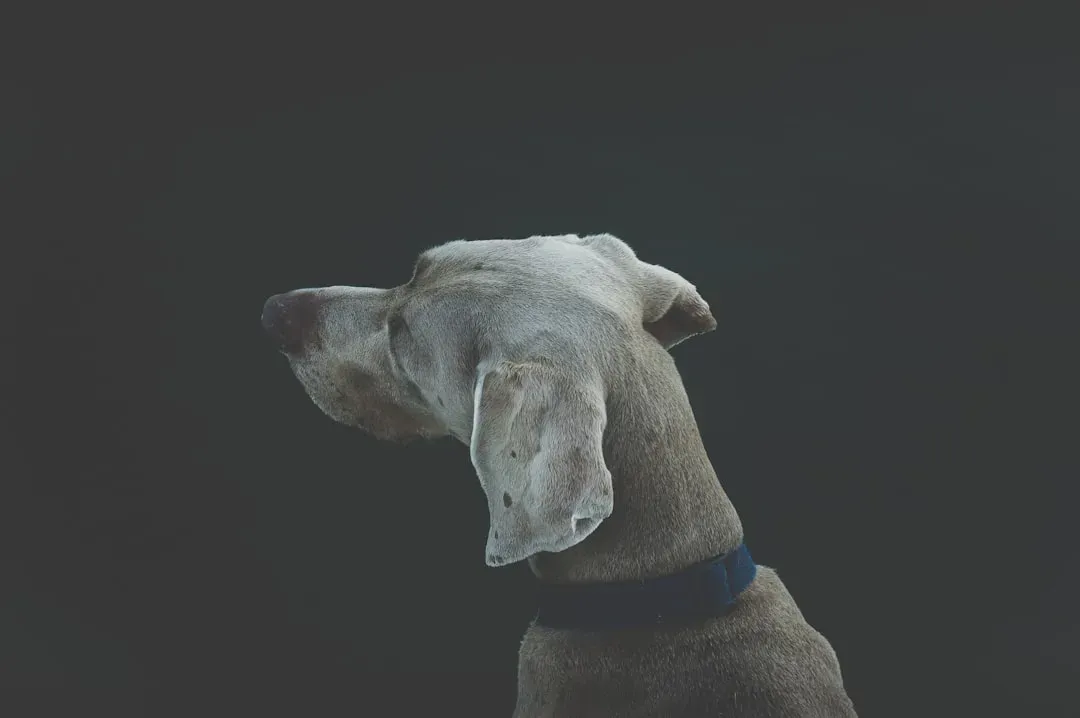
This one is different from normal affection, and owners who’ve experienced it say they knew immediately that something was different about it. In the final hours before labor begins, some dogs press their head deliberately against the owner’s belly or chest and hold it there – not nuzzling, not seeking attention, but pressing. Still. Focused. It’s linked to the final hormonal drop and the physical tension changes the body goes through as it prepares, and the dog’s response to those signals is oddly ceremonial in its stillness.
What makes this behavior especially striking is the dog’s own calm during it. Animals that are typically restless or excitable become quiet. They repeat the gesture without demanding anything in return. Owners who recognized it the second time around say they started preparing for the hospital within the hour. The gesture is brief, quiet, and easy to miss if you don’t know what you’re looking at. But for the dogs doing it, it appears to be a deliberate act – a signal offered to the one person who needs to receive it.
#2 – Stationing at the Door Before Anyone Has Knocked
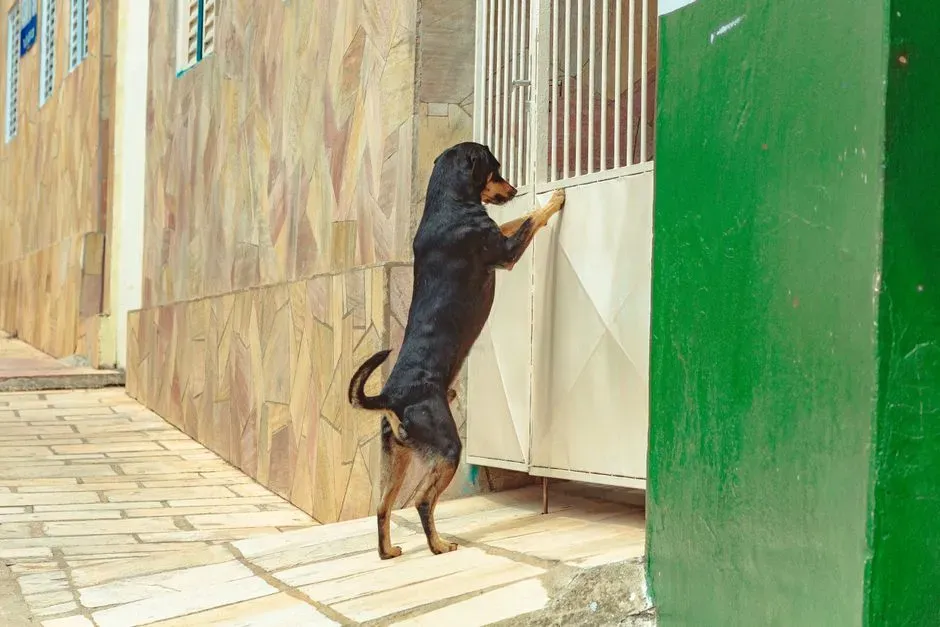
A dog that suddenly walks to the front door and stations itself there – alert, focused, offering a low sound that isn’t quite a bark – is not being random. It has detected something: a footstep pattern on the driveway, a familiar scent carried on the air, a change in the outdoor sound landscape that doesn’t register to human hearing. This happens most noticeably with unexpected arrivals, where there’s no routine for the dog to follow. The detection is happening in real time, and it’s happening before the doorbell, the knock, or the voice.
Families who’ve learned to trust this behavior describe it as one of the most useful things about owning a dog – not as a security system, but as a social early-warning network. The dog communicates through body position and subtle sound, and over time, the family learns the difference between the alert for a delivery driver and the alert for a friend. The dog is already making that distinction. Most households just haven’t learned the vocabulary yet.
Why It Stands Out: The Sensory Gap Between Dogs and Humans
- Dogs hear frequencies from 40 Hz to 60,000 Hz – compared to a human range of just 20 Hz to 20,000 Hz.
- A dog’s hearing is considered nearly four times more powerful than ours at detecting distant sounds.
- Dogs can detect and remember a specific person’s scent long after exposure to the original odor has ended.
- A dog processes scent with a brain region proportionally 40 times larger than the equivalent area in humans.
- These combined abilities allow dogs to register an arrival through sound, scent, or both – well before any visual confirmation.
#1 – A Complete Daily Overhaul When Someone in the House Is Seriously Ill
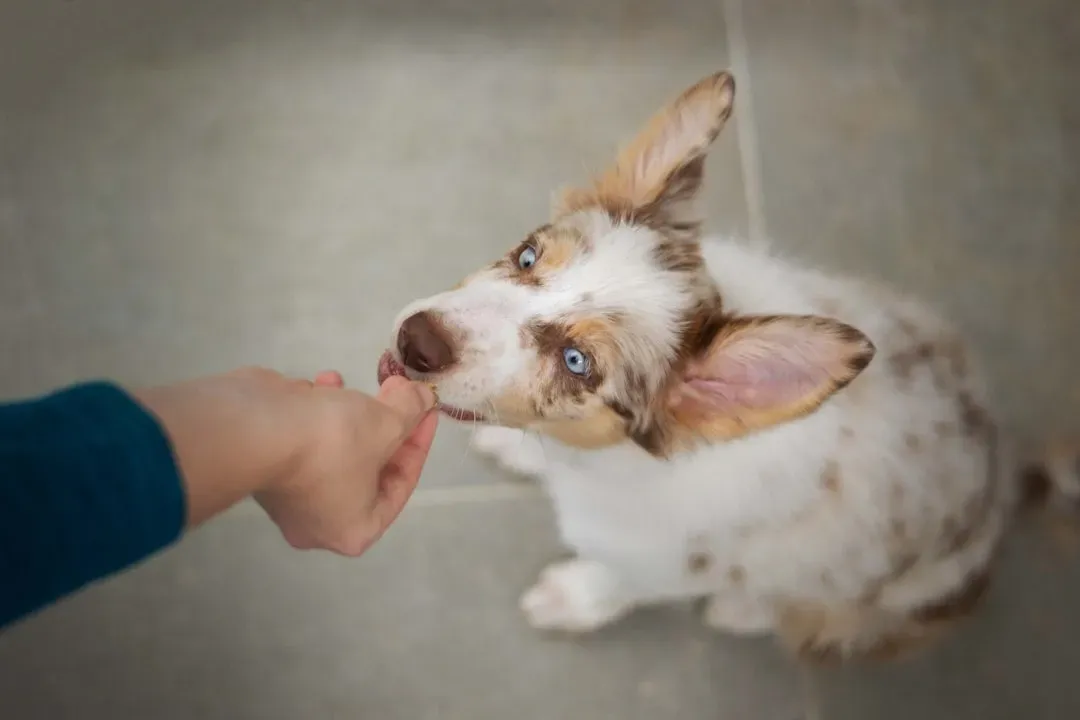
This is the one that stays with people. When a family member develops a serious illness – one that hasn’t been diagnosed yet, sometimes one the person themselves doesn’t fully feel – some dogs rewrite their entire daily existence around it. They stop sleeping in their usual spot and move to the door of the person’s room. They reduce play. They follow without being called. They become, in the language owners reach for when they describe it, a shadow with a heartbeat. And this shift happens before the doctor’s appointment, before the test results, before anyone in the household has named what’s wrong.
There’s something almost unbearable about this one when you sit with it. The dog has already assessed the situation, made a decision, and reorganized its life accordingly. It doesn’t alert the family with barking or dramatic behavior. It just quietly becomes present in a way it wasn’t before. Owners who look back on this period – especially those who later learned how early the illness was when the dog’s behavior changed – describe a particular kind of gratitude that’s hard to put into words. The dog knew. It couldn’t say so. So it stayed.
What Your Dog Is Actually Trying to Tell You

Dogs don’t overthink. They don’t project, catastrophize, or second-guess what they’re sensing. When their behavior shifts, it’s because something in their environment has already shifted – and they’re simply responding to information they received before anyone else in the room had access to it. The family sees a dog acting strange. The dog sees a situation that already changed and is doing its best to respond honestly.
The harder truth is that we spend a lot of time explaining away these behaviors instead of reading them. The clinginess, the pacing, the guarding, the strange stillness – these aren’t mood swings or attention-seeking. They’re a reporting system we haven’t learned to fully decode yet. Every dog in this list was ahead of the humans around it. Not because dogs are magical, but because they’re paying a kind of attention most of us stopped paying somewhere along the way. Maybe the better move is to start paying it back.
At a Glance: Signals Worth Taking Seriously
- Sudden, targeted clinginess to one person – especially if it starts without any obvious trigger.
- Persistent nose-to-skin contact focused on a single spot that the dog keeps returning to.
- Behavioral overhaul – changed sleep spot, reduced play, constant proximity to one family member.
- Pre-storm agitation on clear days – pacing, panting, or hiding before weather apps show anything.
- Pre-door stationing with focused stillness and a low vocalization directed outward.
- When in doubt: watch the pattern, not just the moment. A dog’s signal rarely happens once.

- 17 Quiet Signals a Horse Sends the Person It Has Claimed That Most Owners Never Learn to Read - August 1, 2026
- 18 Plants Lifelong Gardeners Say They Regret Ignoring for Far Longer Than They Ever Should Have - August 1, 2026
- The 18 Signs Your Aging Cat Has Chosen You to Be Beside It When the Time Finally Comes - August 1, 2026