
Devils Tower in Wyoming
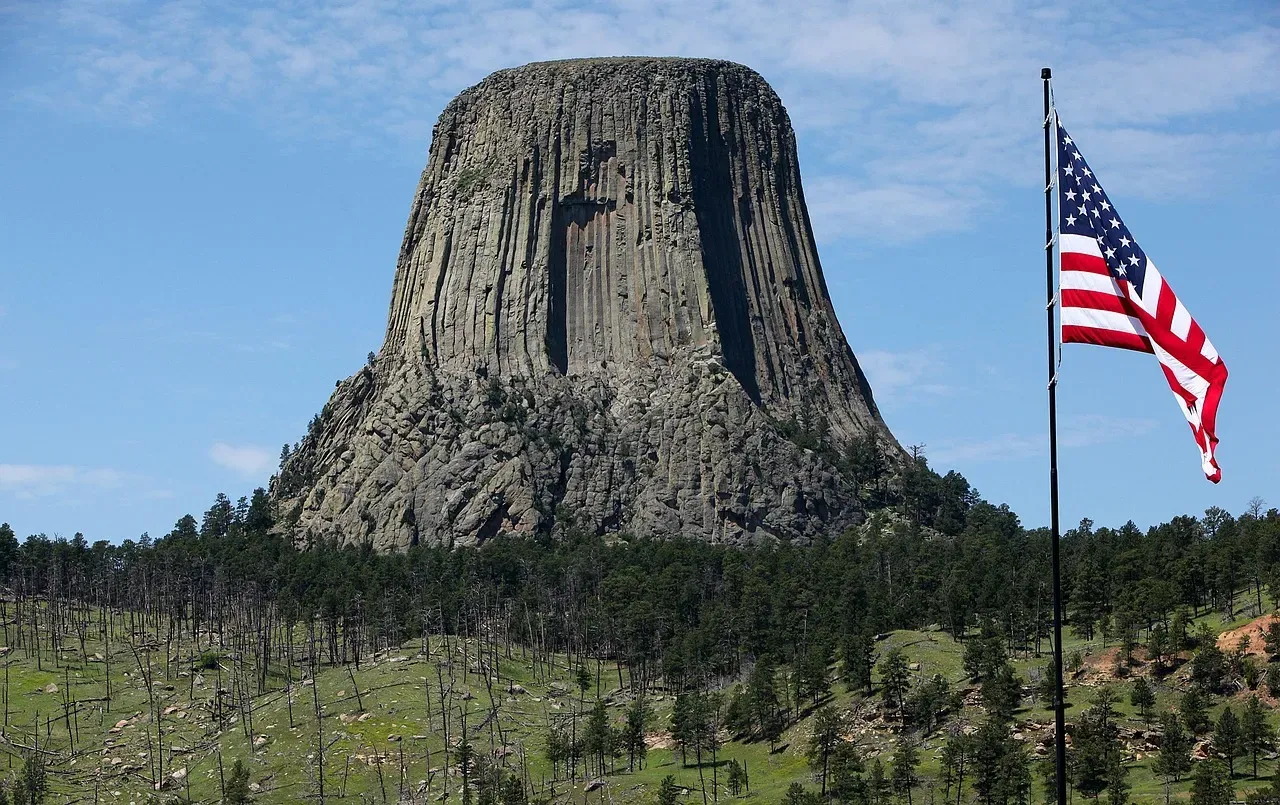
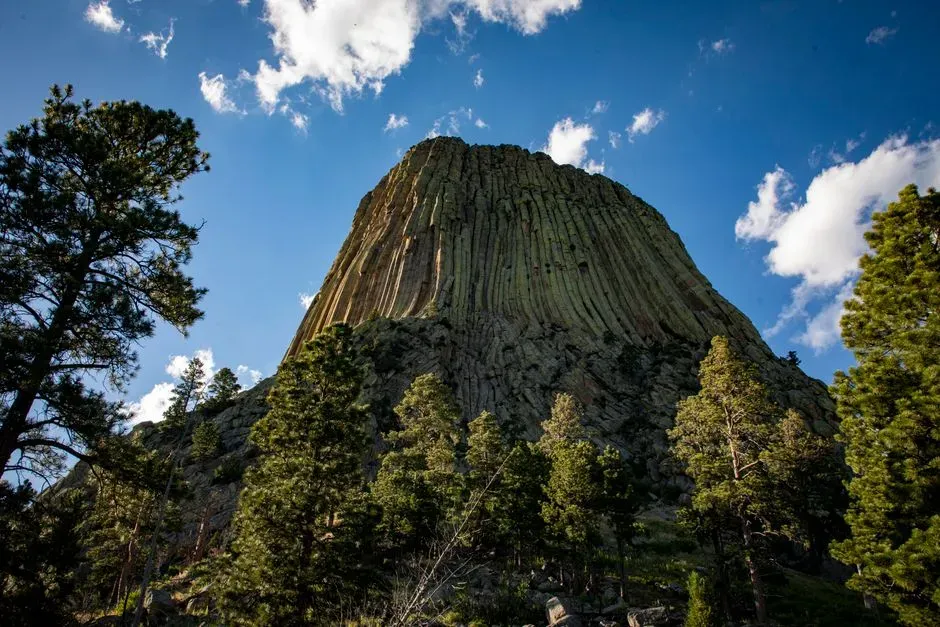
Devils Tower stands as a massive column of rock rising abruptly from the plains of northeastern Wyoming. Its sides feature dozens of vertical, hexagonal columns that fit together with remarkable regularity, giving the impression of a giant stone pipe organ or an unfinished skyscraper. Geologists explain the shape through the slow cooling of ancient magma that contracted into these polygonal forms.
Visitors often circle the base on a trail that highlights how the structure dominates the surrounding flat terrain. Native American tribes have long held the site sacred, adding layers of cultural meaning to its stark appearance. The tower remains one of the most visited geological oddities in the country precisely because its symmetry feels so deliberate.
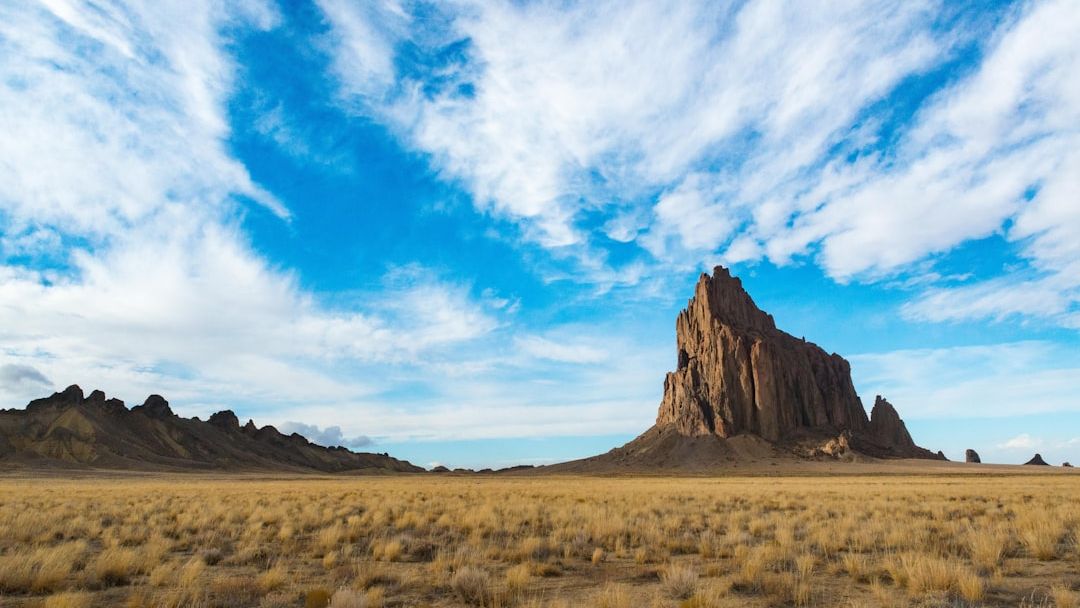
Shiprock in New Mexico
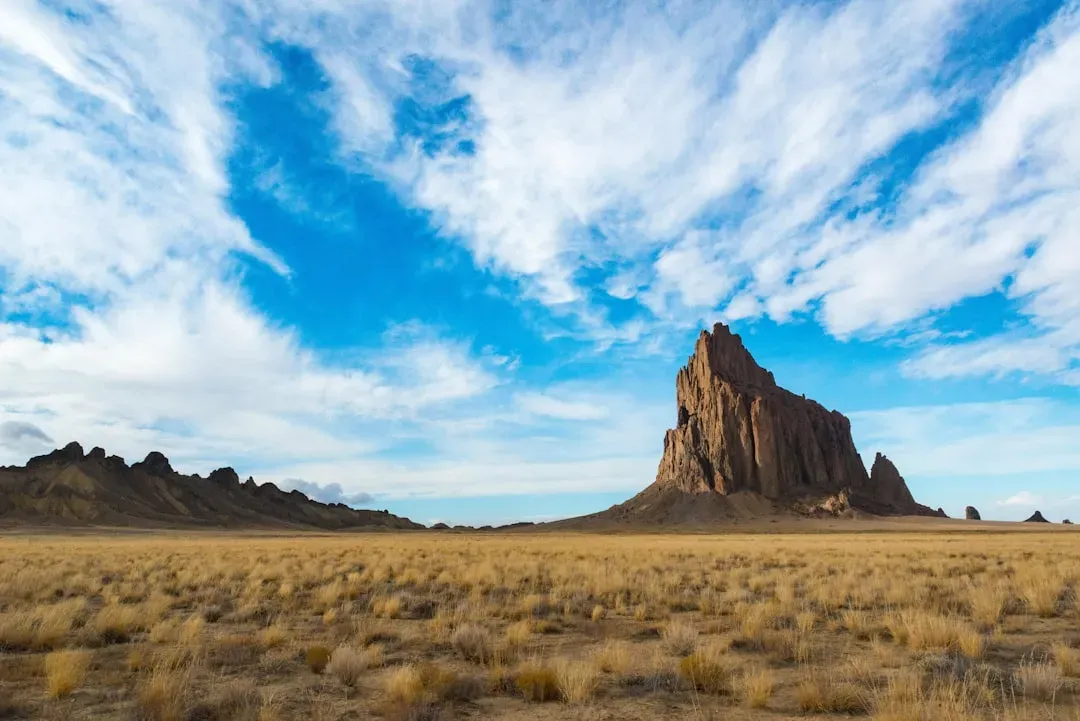
Shiprock pierces the high desert of northwestern New Mexico like the prow of a massive vessel stranded far from any sea. This volcanic neck formed when magma hardened inside an ancient volcano, and erosion later stripped away the softer surrounding rock to leave the dramatic central plug. From certain angles the formation includes radiating dikes that resemble broken masts or wings.
The sheer vertical faces and isolated position make it look like a fortress or monument placed by design. Local Navajo stories connect the peak to their history, yet the visual impact stands on its own. Few other American landmarks combine such isolation with such architectural lines.
The Wave in Arizona
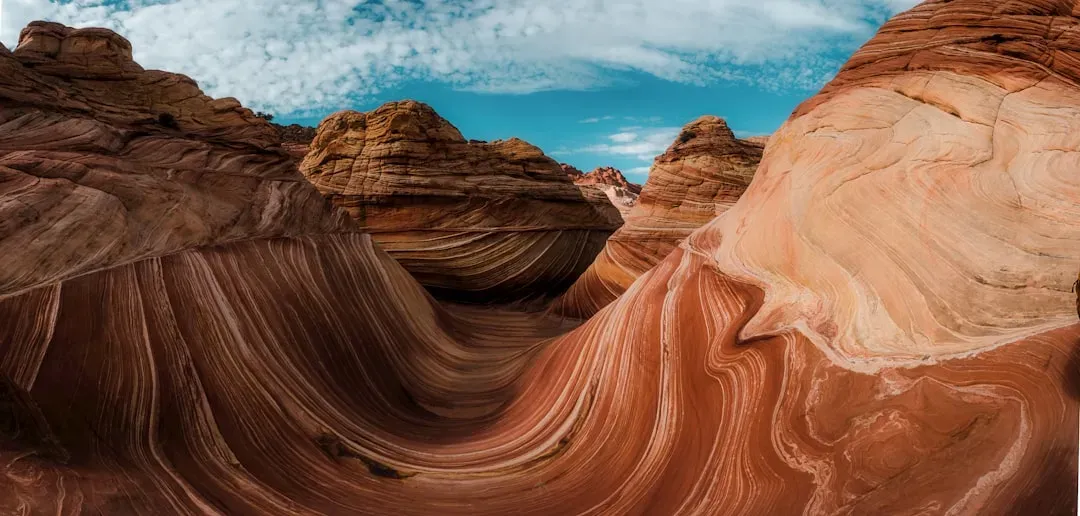
The Wave consists of smooth, undulating sandstone ridges in the Coyote Buttes area near the Arizona Utah border. Erosion has carved the rock into flowing curves and troughs that mimic frozen ocean swells or the work of a sculptor with an eye for modern art. The patterns result from ancient dunes that hardened and then weathered in precise ways over time.
Access requires a permit and a hike across open desert, which adds to the sense of discovering something hidden and intentional. The colors shift with the light, emphasizing the artificial looking contours. Photographers prize the site for its almost graphic quality that seems at odds with its remote setting.
Devils Postpile in California
Devils Postpile sits in the eastern Sierra Nevada as a cluster of tall basalt columns arranged in near perfect vertical alignment. These columns formed when lava cooled rapidly and fractured into hexagonal shapes, much like those at Devils Tower but on a smaller scale. The tops of many columns have been polished smooth by glacial action, creating flat surfaces that resemble paving stones.
The formation lies within a national monument that also features a waterfall, yet the columns themselves draw the most attention for their orderly appearance. Hiking trails allow close inspection of the joints between the pillars. The site demonstrates how volcanic processes can produce results that rival any masonry project.
Bryce Canyon Hoodoos in Utah
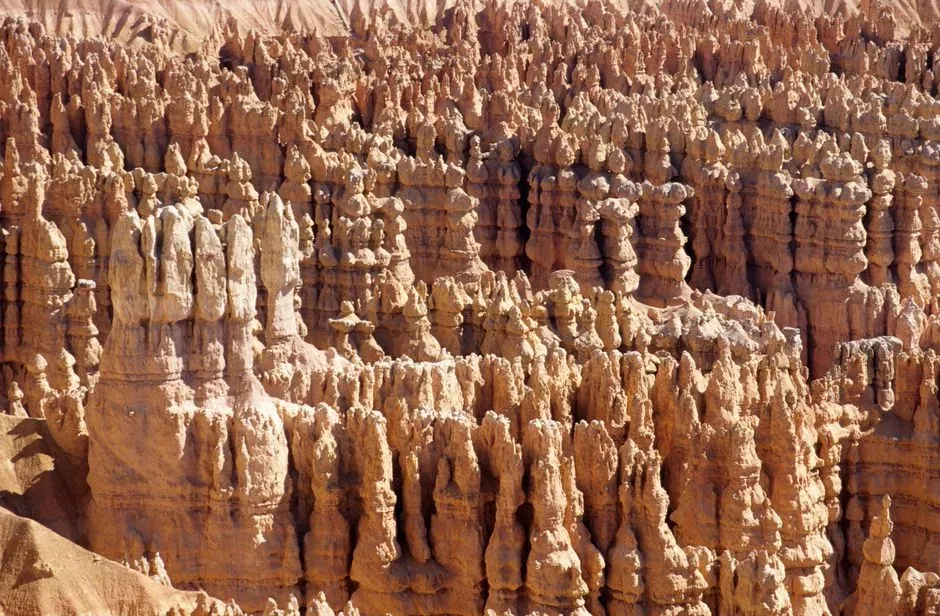
Bryce Canyon contains thousands of hoodoos, tall limestone spires that stand in dense clusters across amphitheaters. Differential erosion leaves harder caps atop softer rock, resulting in shapes that range from slender needles to broader forms resembling statues or ruined towers. One standout example, Thor’s Hammer, features a wide top balanced on a narrow stem.
The warm colors of the rock and the maze like arrangement create an otherworldly scene that feels staged rather than random. Trails wind among the formations, offering changing perspectives that reinforce the sense of walking through an ancient city. The concentration of these spires makes Bryce Canyon unique among American parks.
Skull Rock in California
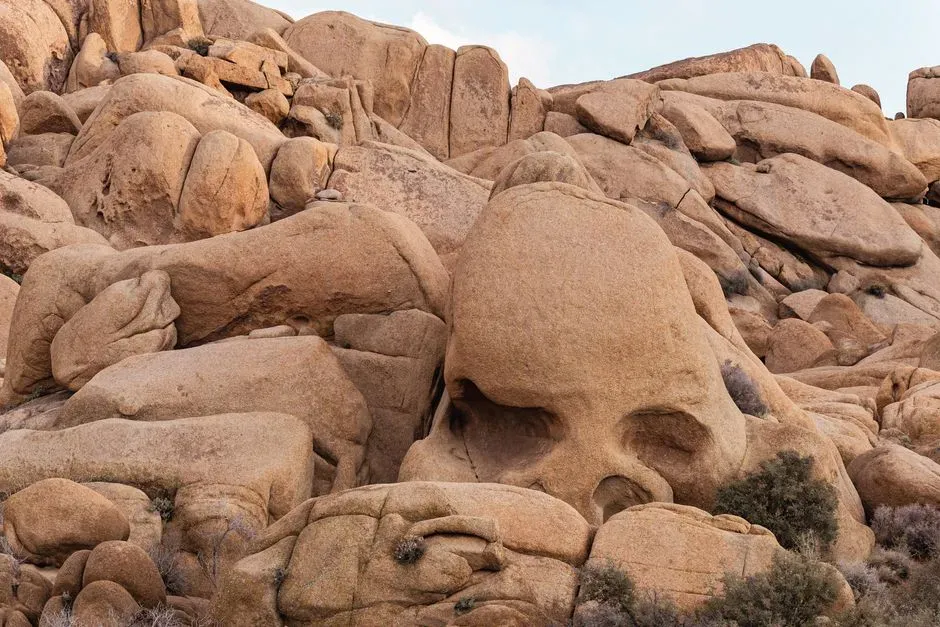
Skull Rock sits in Joshua Tree National Park as a large granite boulder marked by two deep depressions that resemble eye sockets. Weathering and erosion have sculpted the surface over time, leaving a formation that looks remarkably like a giant skull resting on the desert floor. The surrounding boulders add to the surreal quality of the area.
Easy access from a parking area makes it a popular stop for families and casual visitors. The rock’s features stand out especially in certain lighting conditions that deepen the shadows. It serves as a simple yet striking example of how erosion can mimic familiar objects without any human intervention.
Bisti De Na Zin Formations in New Mexico
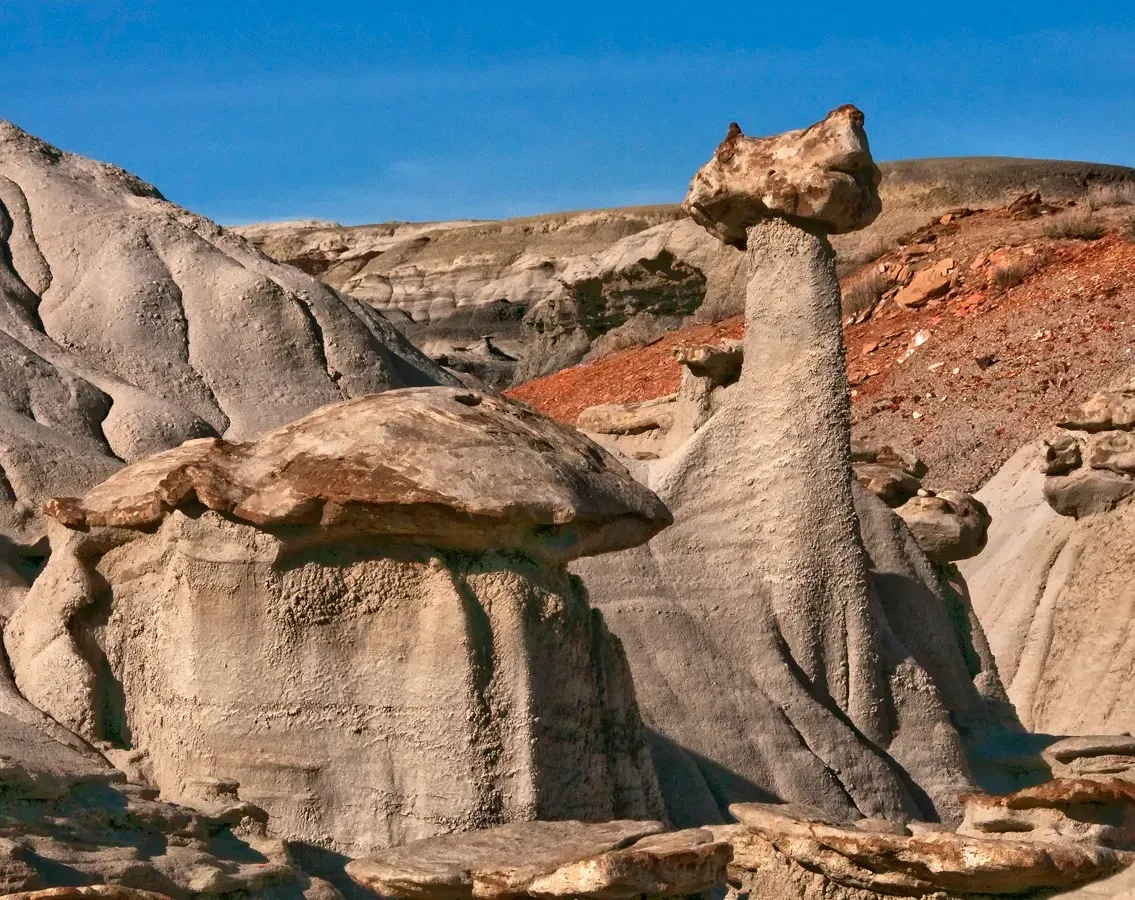
The Bisti De Na Zin Wilderness holds an expanse of badlands where erosion has created hoodoos, arches, and odd shapes that include egg like forms and spires resembling abstract sculptures. The area features cracked earth, petrified wood remnants, and clusters that some observers compare to clusters of mushrooms or even spacecraft. Soft sedimentary rock erodes at different rates, producing the varied textures and outlines.
Without marked trails, exploration feels like wandering through a natural sculpture garden. The muted colors and vast scale enhance the impression of an artificial landscape left to weather. This remote spot rewards those willing to hike with views that challenge expectations of what untouched geology can produce.
Rock City in Kansas
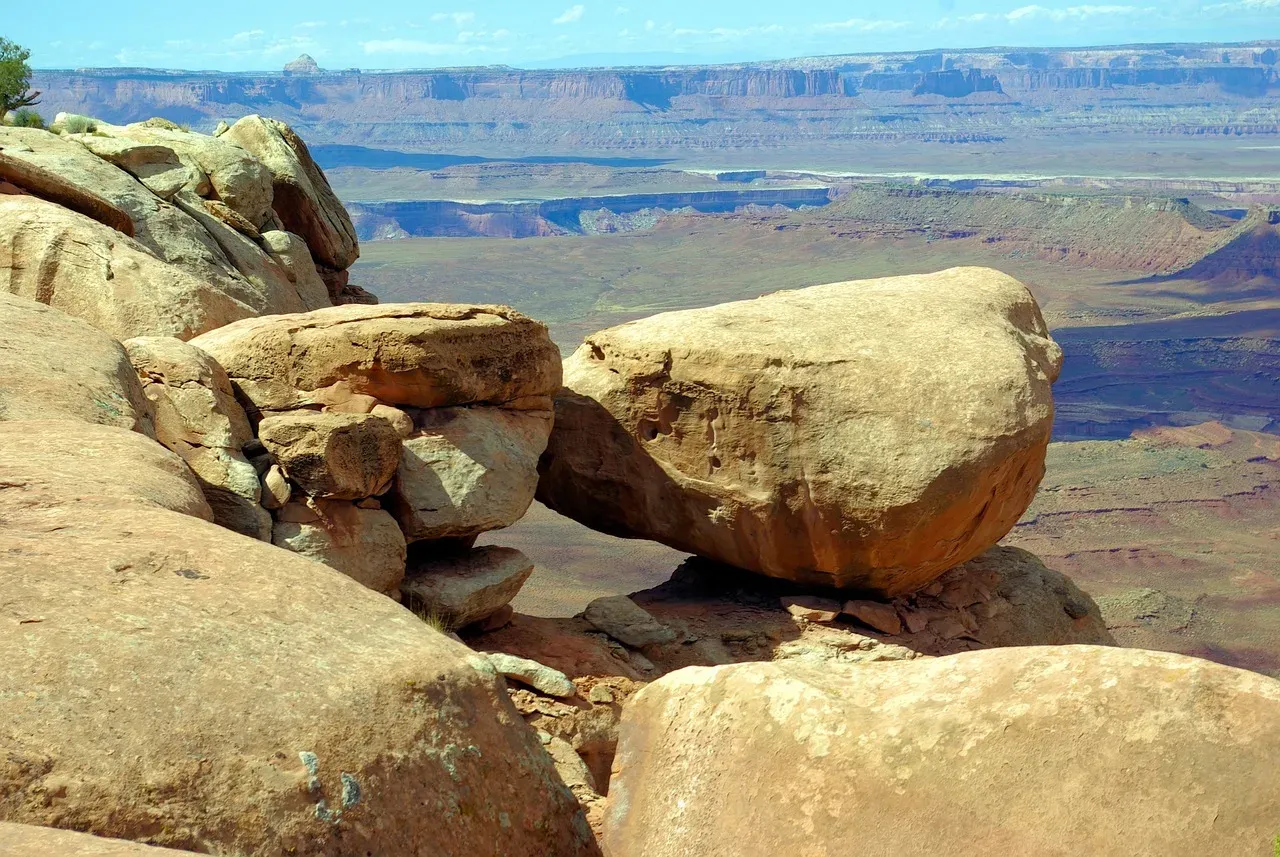
Rock City near Minneapolis, Kansas, features dozens of large sandstone concretions scattered across a small area like oversized marbles dropped in a field. These spherical boulders formed when minerals cemented sand grains together underground before erosion exposed them. Their rounded shapes and clustered arrangement give the impression of a planned installation rather than a random deposit.
Visitors can walk among the rocks on paths that highlight their uniform size and spacing. The site covers roughly two acres yet packs enough visual interest to feel like a curated exhibit. Local preservation efforts keep the area accessible while protecting the formations from damage.
The appeal of these sites lies in how they quietly remind us that nature often outpaces human imagination when it comes to design. Standing before them encourages a closer look at the processes that built the world around us, one patient layer at a time.
- 10 Heartwarming Signs Your Rescue Pet Truly Feels Safe and Loved with You - August 2, 2026
- What Happens to Animals During Droughts? - August 2, 2026
- 9 Reasons Why Some Animals Exhibit Altruistic Behavior in the Wild - August 2, 2026