
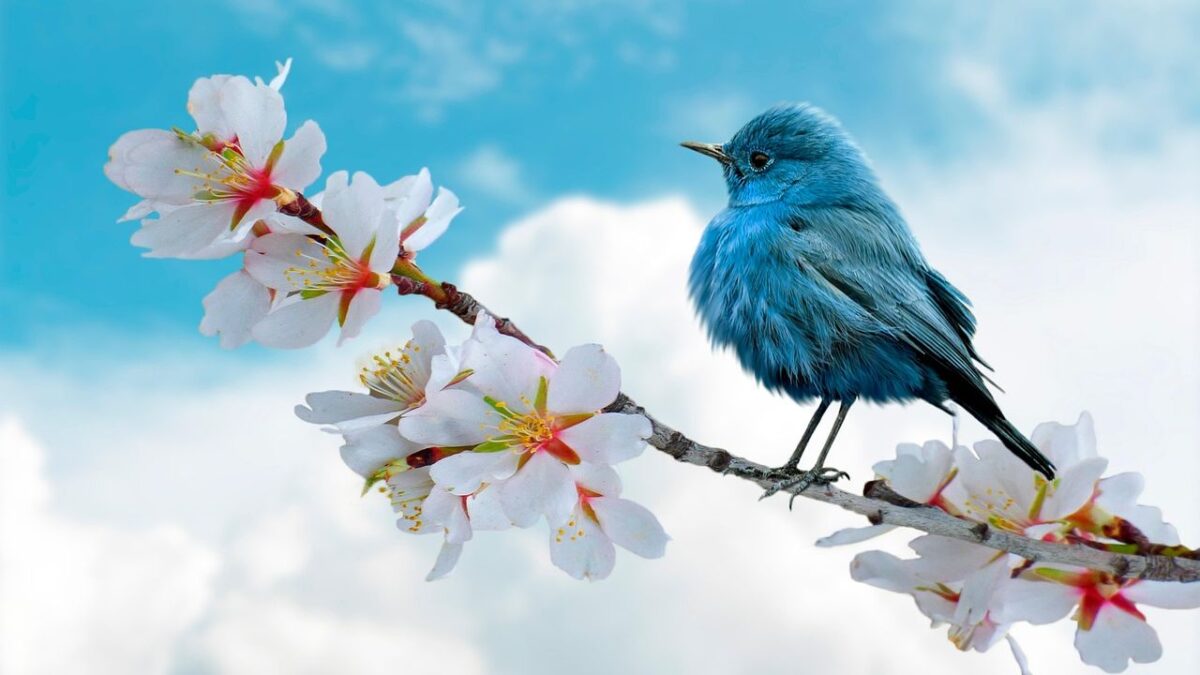
Bluebirds have a way of catching the eye with their bright feathers against the green of a garden. In the hills and hollows of Appalachia, their repeated visits have long carried a quiet weight in local stories and traditions passed down through families.
People notice when the same bird or pair keeps coming back, and those observations often tie into deeper ideas about home, seasons, and unseen connections. The meanings vary a bit from one ridge to the next, yet they share a common thread of paying attention to the natural world around you.
Bluebirds as Harbingers of Seasonal Change
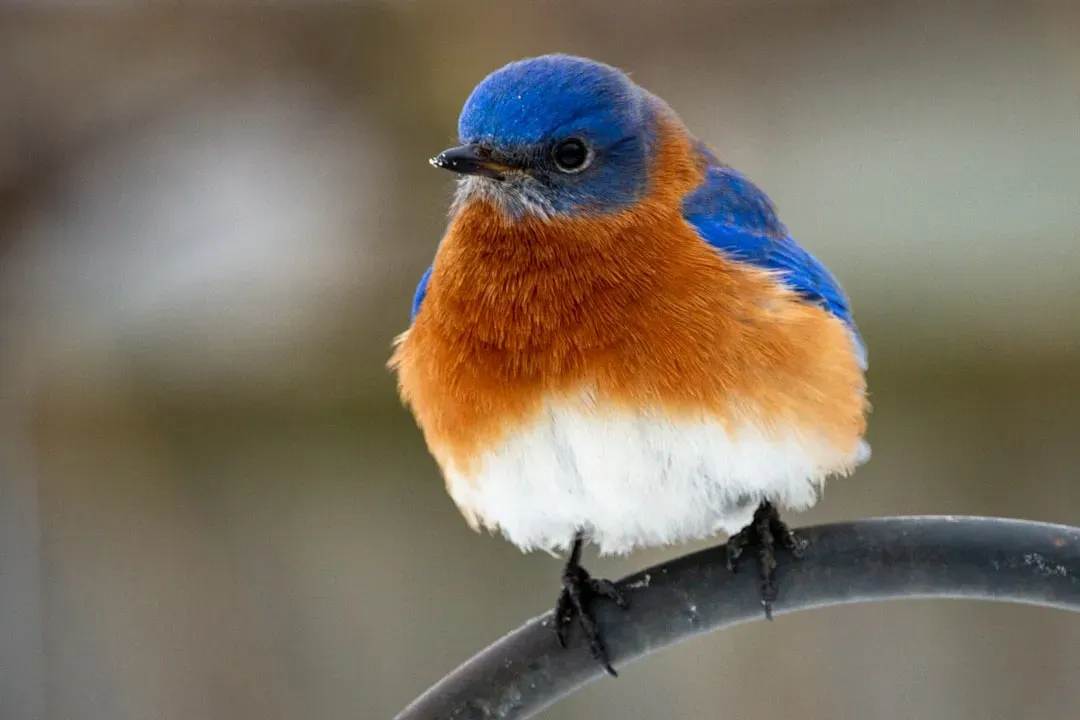
Appalachian families often watched bluebirds closely as the days lengthened in early spring. Their return from winter grounds signaled warmer weather ahead and the start of planting season for many mountain gardens. Gardeners took note when a bluebird lingered near the same spot day after day, seeing it as confirmation that frost risks were fading.
This pattern of repeated visits reinforced the idea that nature offered reliable cues for daily life. Elders might point out how the bird’s presence aligned with the blooming of certain wildflowers or the swelling of buds on fruit trees. Such observations helped shape practical decisions about when to sow seeds or move livestock to higher pastures.
Symbols of Happiness and Household Harmony
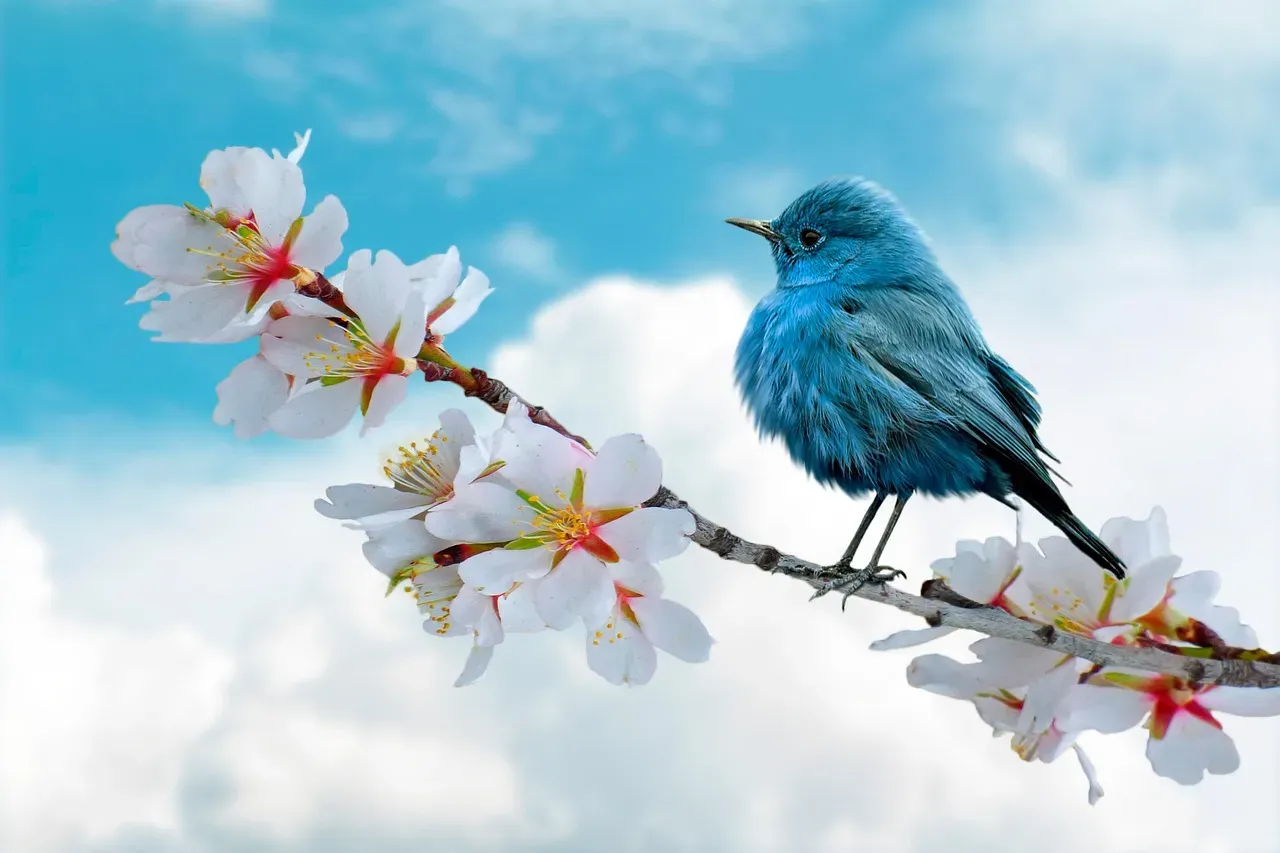
In many Appalachian tales, a bluebird that returns regularly points to contentment settling over a home. The bird’s cheerful song and bright color stood in contrast to harsher mountain winters, suggesting that good spirits had taken root in the garden and beyond. Families sometimes interpreted steady visits as a gentle reminder to appreciate small daily joys amid hard work.
Stories handed down describe how children learned to associate these birds with laughter and light moments shared outdoors. A persistent bluebird could encourage folks to tend their spaces with extra care, fostering a sense of peace that extended from the garden into the house itself. This connection felt especially meaningful in tight knit communities where home life revolved around the land.
Links to Prosperity and Garden Abundance
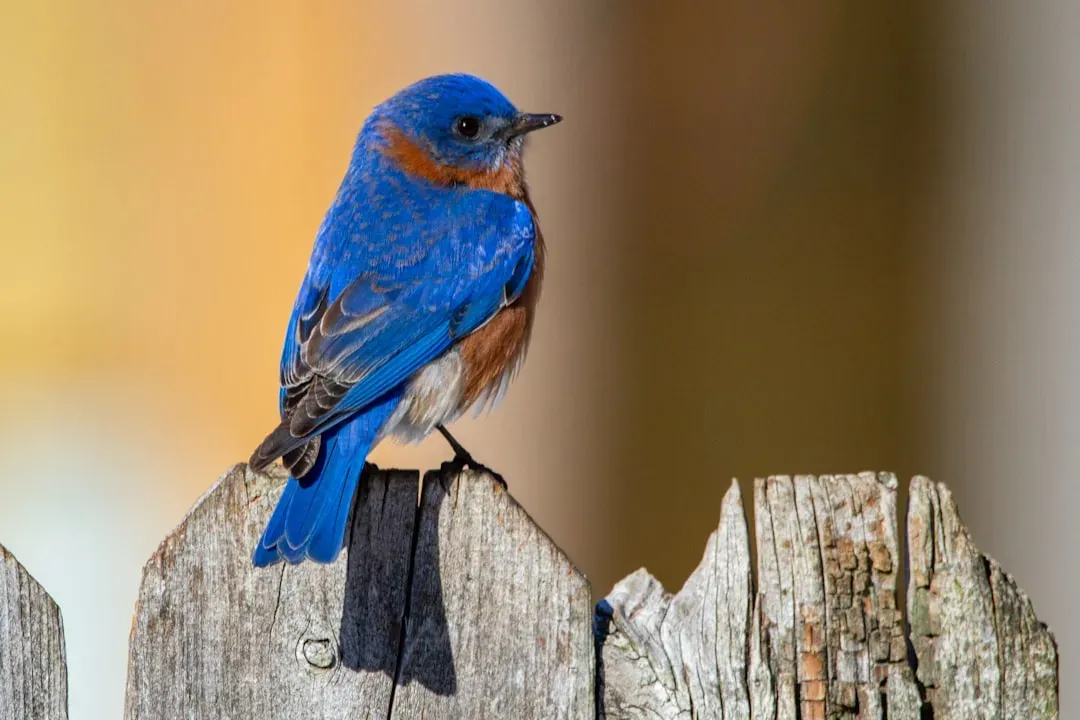
Repeated bluebird appearances sometimes carried hints of upcoming abundance in local lore. People viewed the bird as a quiet ally that brought luck to growing things, whether vegetables, flowers, or even the wild berries gathered nearby. A bluebird that kept circling back might prompt extra attention to soil and watering, as if the visits themselves invited growth.
Older accounts tie these patterns to broader ideas of reward for patient labor in the mountains. When the same bird showed up season after season, it reinforced beliefs that steady effort would yield steady results. Gardeners passed along tips about creating welcoming spots, like simple nesting boxes, to encourage the visits and the good fortune they seemed to represent.
Messengers Tied to Family and Memory
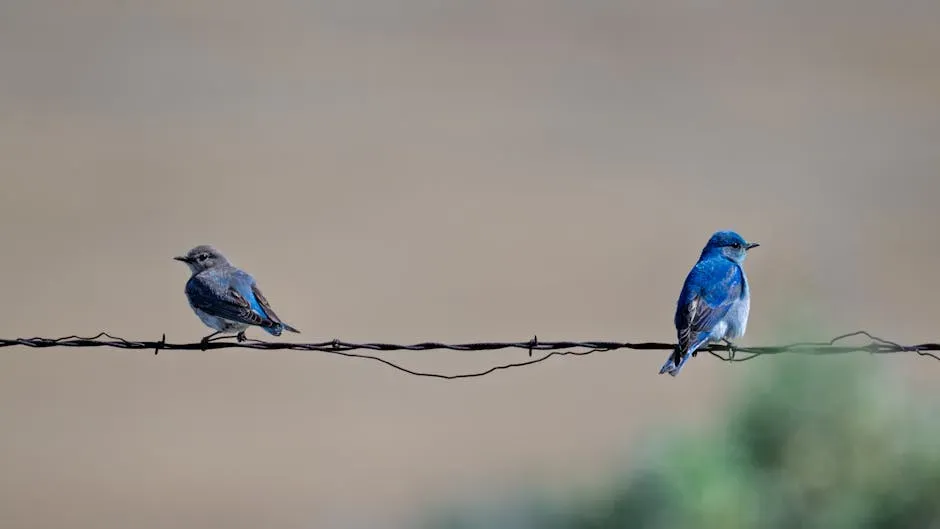
Some Appalachian traditions see returning bluebirds as gentle links to those who came before. The bird’s loyalty to one garden spot could evoke thoughts of ancestors who once worked the same soil or told stories under similar skies. Repeated sightings might stir quiet reflections on continuity across generations.
Families shared how noticing these patterns helped keep memories alive without grand gestures. A bluebird lingering near an old fence or favorite sitting spot often felt like a soft nod from the past. This perspective encouraged younger members to slow down and observe the world their elders had known so well.
Indicators of Personal Well Being and Balance
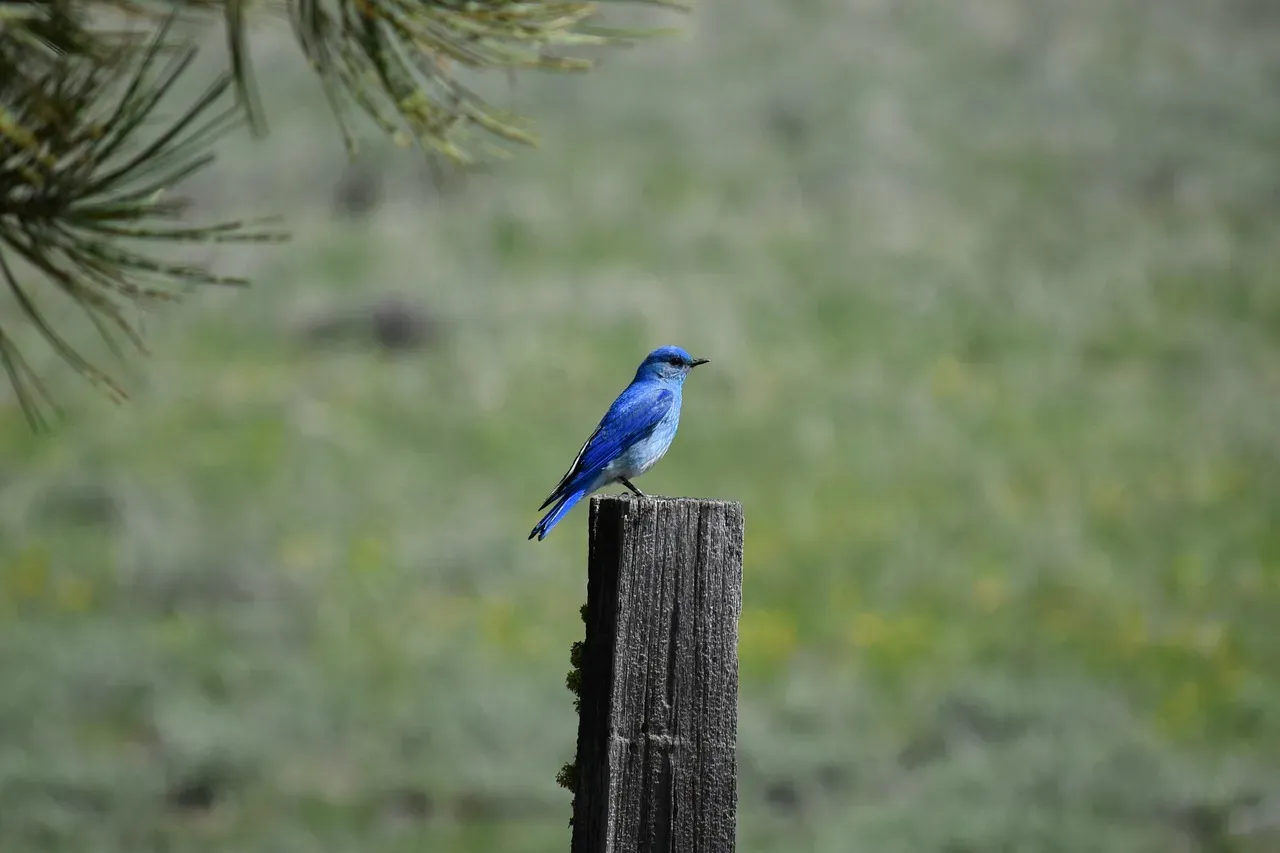
Bluebirds that return again and again sometimes signaled a need to check in with one’s own state of mind. In mountain storytelling, their calm presence contrasted with inner turmoil, suggesting a time to seek steadiness through simple outdoor routines. People might respond by spending more time in the garden, letting the bird’s routine inspire their own.
This interpretation grew from the practical rhythm of Appalachian life, where nature provided both work and solace. Steady bluebird visits reminded folks that balance often came from noticing small consistencies rather than chasing dramatic shifts. Over time, such observations wove into everyday wisdom about caring for body and spirit alike.
Expressions of Loyalty and Belonging
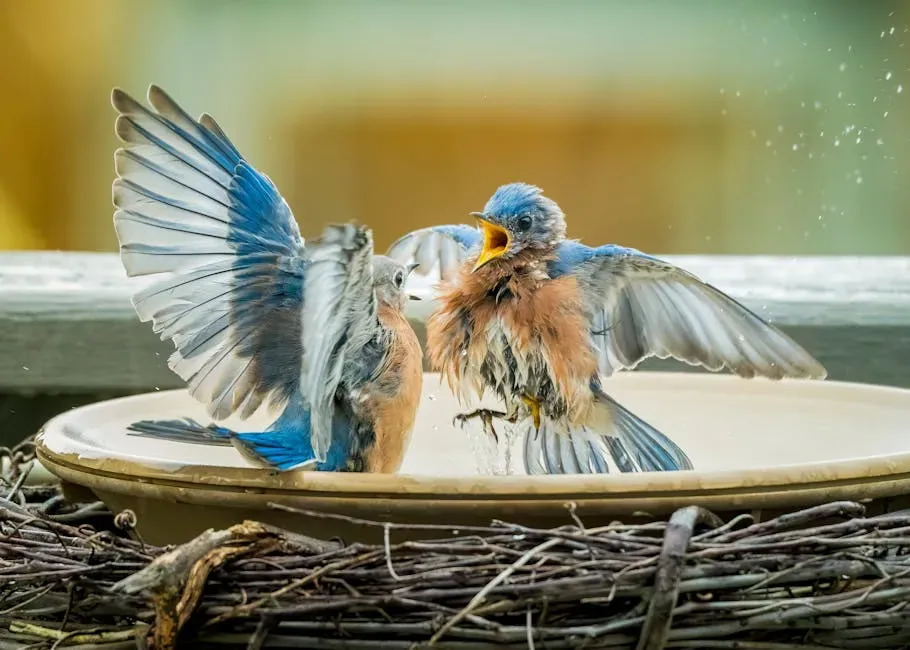
The act of a bluebird choosing the same garden repeatedly spoke to themes of loyalty in local folklore. Birds that came back year after year mirrored the deep roots many families held in their mountain homes despite hardships. This repetition highlighted a sense of place that felt earned through presence and care.
Stories often contrasted the bluebird’s steady returns with more fleeting visitors, underscoring the value placed on commitment. Gardeners who welcomed these patterns sometimes felt a stronger pull to stay connected to their land and routines. The bird became a living example of finding comfort in familiar surroundings.
Nuanced Views on Change and Adaptation
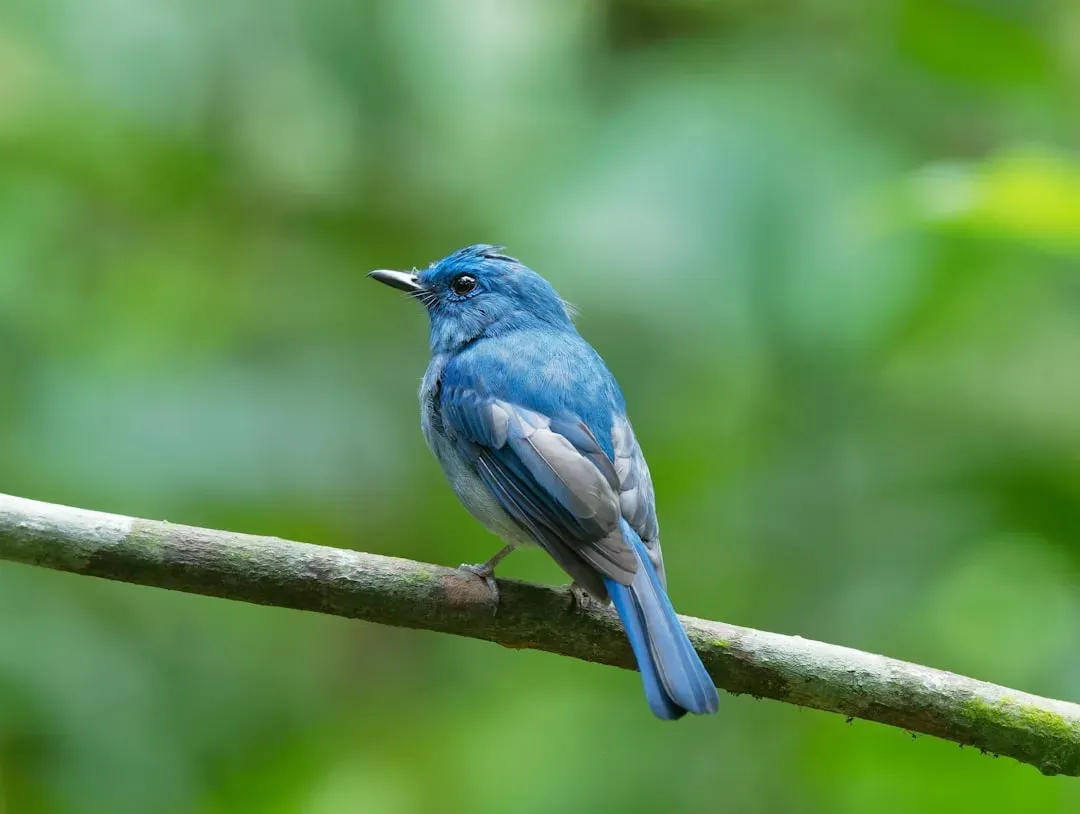
Not every repeated visit carried only positive weight in Appalachian accounts. Some traditions noted that a bluebird lingering unusually long could hint at shifts ahead, whether in weather patterns or personal circumstances. Observers learned to read these signs alongside other natural cues rather than in isolation.
This balanced approach reflected the resilient spirit of mountain communities that faced unpredictable seasons. Paying attention to the bird helped folks prepare mentally and practically without alarm. Over generations, these layered meanings kept folklore alive by adapting to new realities while honoring old ways of watching the world.
In the end, a bluebird that keeps returning invites a slower kind of attention to the places we call home. Whether the visits speak of spring, memory, or simple steadiness, they remind us that small, consistent presences can shape how we move through our days. Paying heed to them costs little yet offers a quiet thread back to older ways of seeing the land.

- 10 Facts About Belted Kingfishers and Their Headfirst Hunting Style - August 9, 2026
- 10 US Animals That Are Actually Immortal! - August 9, 2026
- 5 Simple Tips to Create a Wildlife-Friendly Backyard Habitat - August 9, 2026