
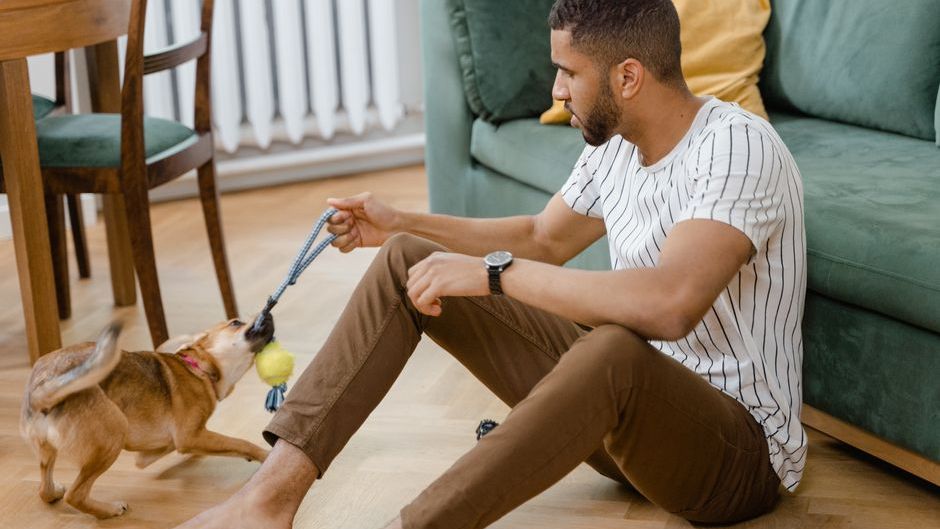
Dogs have an uncanny way of showing up with a slobbery toy just when tears start to flow or tension fills the room. It feels almost too deliberate to be random, yet the reasons behind it run deeper than simple playfulness.
Owners often describe the same scene across households, where a favorite ball or stuffed animal appears at their feet during moments of sadness. This small act opens a window into how dogs read us and respond in their own language.
The Subtle Signals Dogs Pick Up From Our Moods

Dogs notice changes in our voice, posture, and even breathing patterns long before we realize we are broadcasting distress. They tune into these cues through years of living alongside humans and learning what certain tones or slumped shoulders usually mean. Over time this awareness becomes second nature, almost like an internal radar for emotional shifts in their favorite people.
When those signals register as negative, many dogs spring into action rather than simply watching from across the room. Their response often involves grabbing something familiar and bringing it over as if testing whether it might shift the atmosphere. This pattern repeats in countless homes, suggesting it stems from genuine observation rather than coincidence.
Toys Represent Comfort and Happiness in a Dog’s World
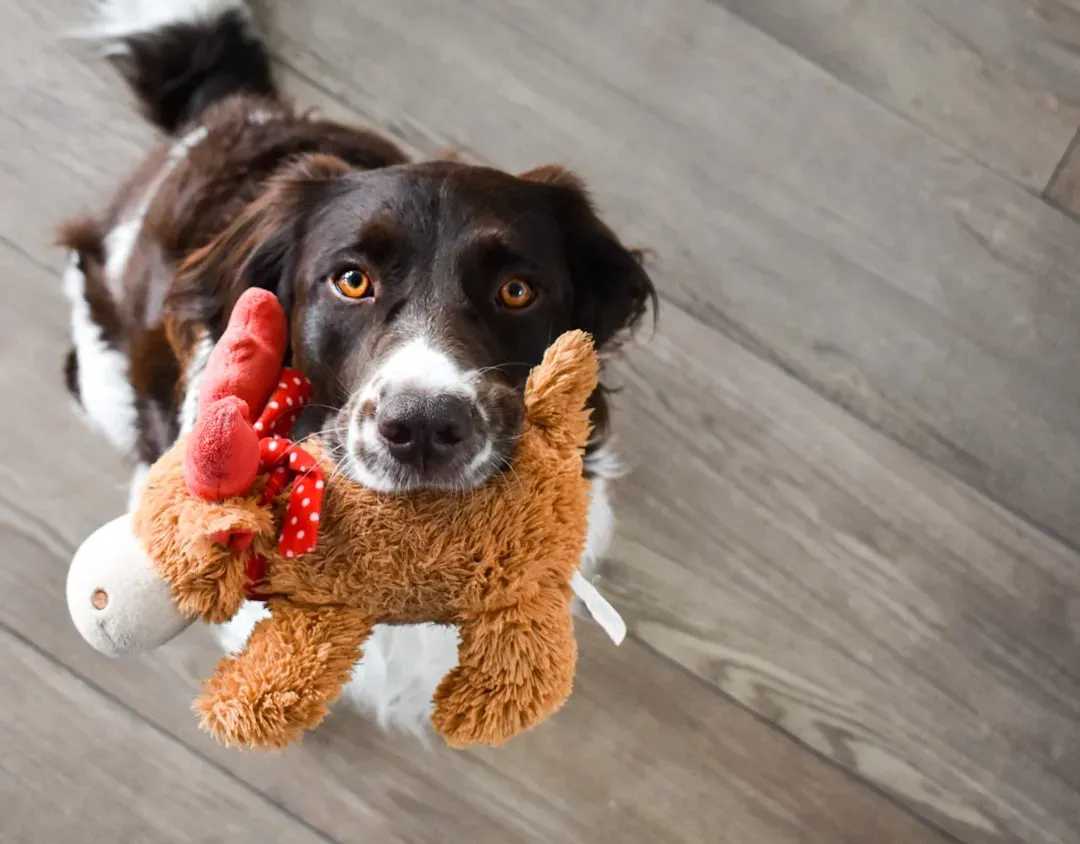
For most dogs a beloved toy carries strong positive associations built through play, chewing, and shared moments with their humans. They experience genuine joy when interacting with these objects, which makes the items feel like reliable sources of good feelings. Offering one during a tough time reflects their attempt to share that reliable source of pleasure.
The choice of toy often matters too, with dogs selecting favorites rather than random items from the floor. This selectivity hints at an understanding that certain objects hold more emotional weight. What looks like a simple gesture actually carries layers of learned meaning from their daily routines.
Empathy or Projection at Work

Many behavior observers note that dogs seem to project their own sources of happiness onto us when we appear down. Since toys reliably lift their spirits, they assume the same effect will apply to their person. This kind of projection reveals a basic form of emotional reasoning that goes beyond basic instinct.
At the same time, the behavior overlaps with clear signs of empathy, such as staying close or offering gentle nudges alongside the toy. Dogs do not need to understand sadness in human terms to recognize distress and attempt to ease it. Their actions create a bridge between species that feels surprisingly thoughtful.
Roots in Pack Dynamics and Social Bonding
Wild canids share resources and engage in social rituals that strengthen group ties, and domestic dogs carry echoes of those instincts into our homes. Bringing an object during stress may echo ancient patterns of offering something valuable to calm or connect with others. The modern version simply swaps bones or prey for squeaky toys.
These moments also reinforce the unique bond between dog and owner through repeated positive exchanges. Each time the toy arrives and receives attention, the connection deepens in small but meaningful ways. Over months and years the habit becomes part of the relationship’s quiet language.
Breed Tendencies and Individual Personalities
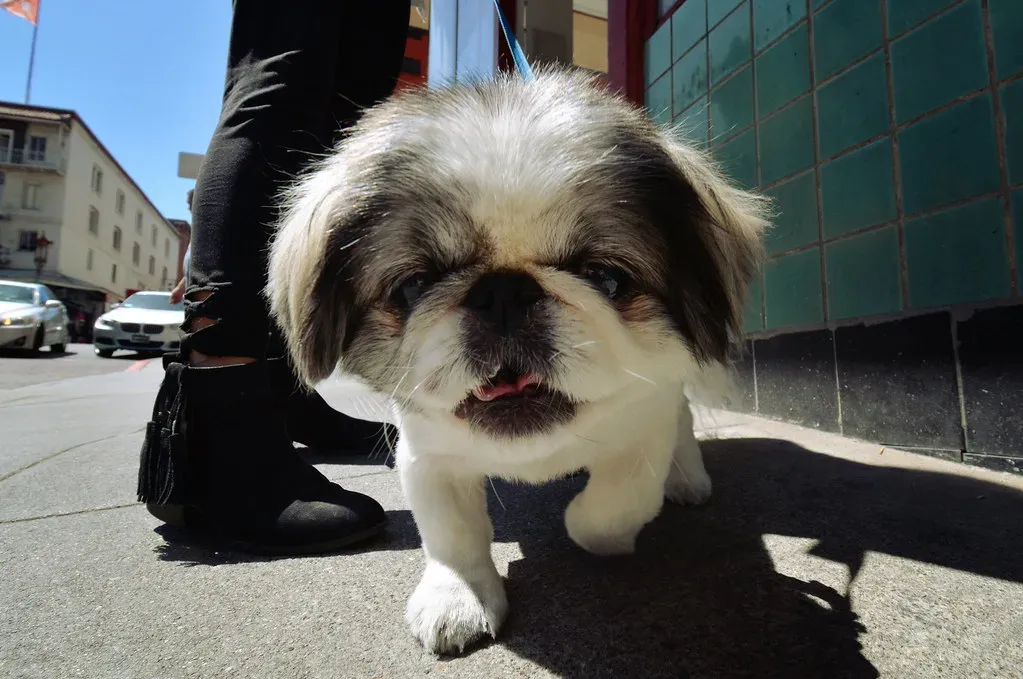
Some breeds with strong retrieving instincts or high people pleasing tendencies show this behavior more consistently than others. Herding dogs or retrievers often appear especially quick to grab items when emotions run high around them. Yet plenty of mixed breeds and lap dogs display the same impulse, proving personality plays a larger role than lineage alone.
Individual history matters just as much, with dogs raised in attentive homes learning faster how to read and respond to human cues. Early socialization and consistent interaction shape whether a dog develops this particular comforting habit. No two dogs approach the situation in exactly the same style.
What Ongoing Observations Reveal Over Time
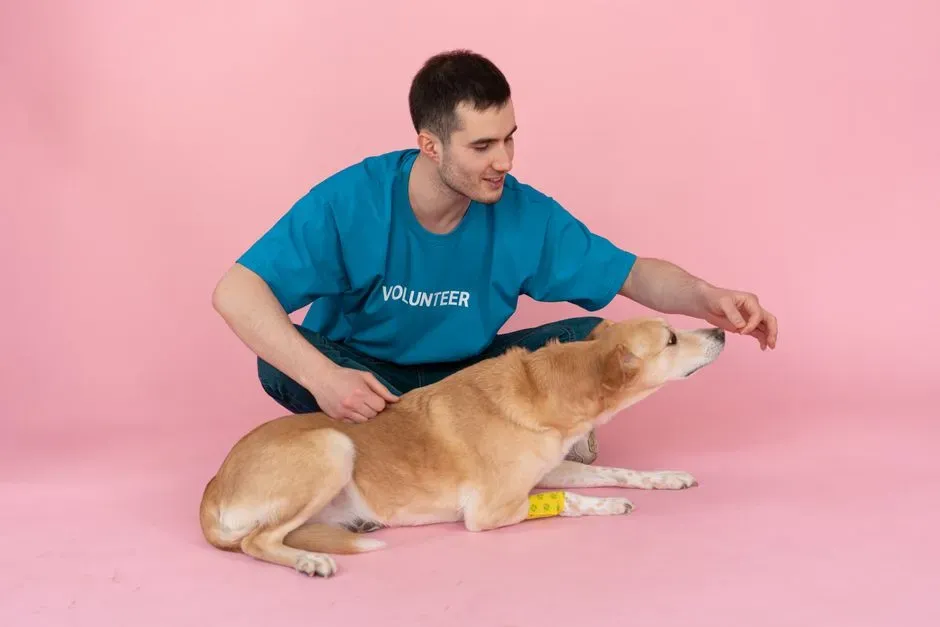
Long term owners frequently report that the toy bringing increases during periods of household stress or personal difficulty. The consistency across different situations points to a reliable coping strategy rather than occasional coincidence. Watching these patterns unfold provides ongoing insight into canine social intelligence.
Video recordings and shared stories from families around the world continue to highlight how widespread the behavior remains. Each new account adds detail without changing the core observation that dogs actively try to help. This accumulation of everyday evidence keeps the fascination alive for anyone paying attention.
Appreciating the Quiet Intelligence Behind the Gesture
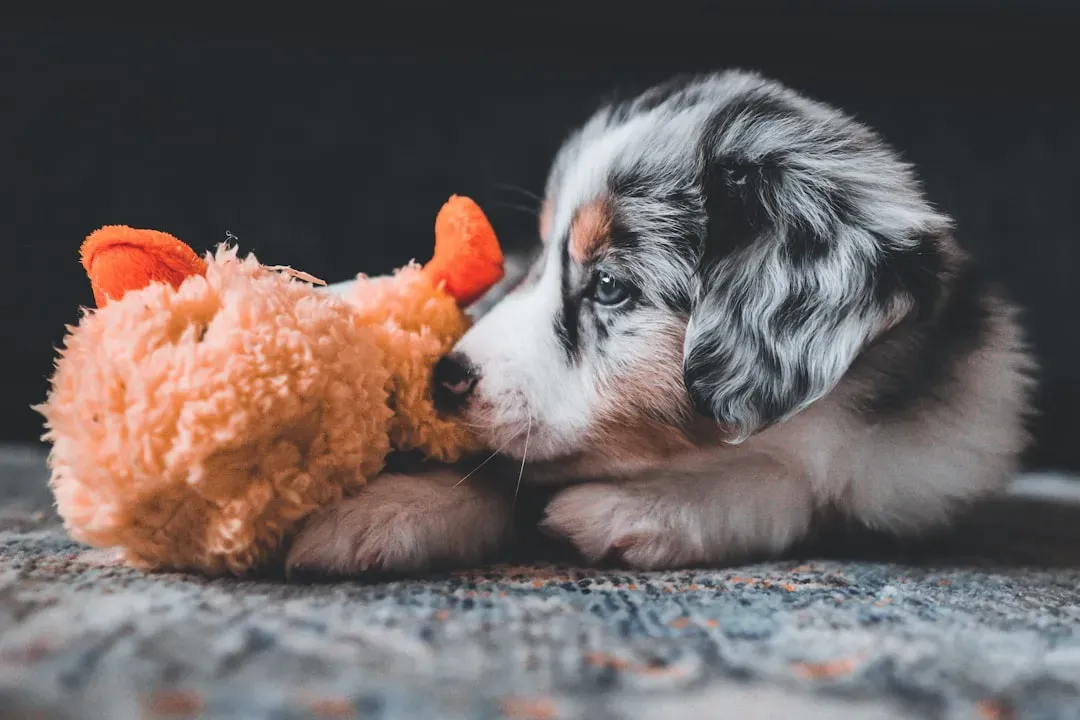
Recognizing this behavior for what it is allows us to respond with the same care dogs extend to us. A gentle thank you or quiet play session acknowledges their effort without dismissing it as mere silliness. Over time these exchanges build mutual understanding that enriches daily life.
In the end the simple act of a dog offering a toy during hard moments reminds us how deeply they invest in our well being. Their version of comfort may look different from ours, yet it carries real intention and heart. That alone makes the habit worth noticing and cherishing for years to come.

- What Guardian Dog Breed Are You According to Your Zodiac Sign - August 9, 2026
- Animal Science Says Chimpanzee Grooming Builds Alliances as Much as It Removes Dirt - August 9, 2026
- The Real Animals That Inspired Disney Sidekicks - August 9, 2026