
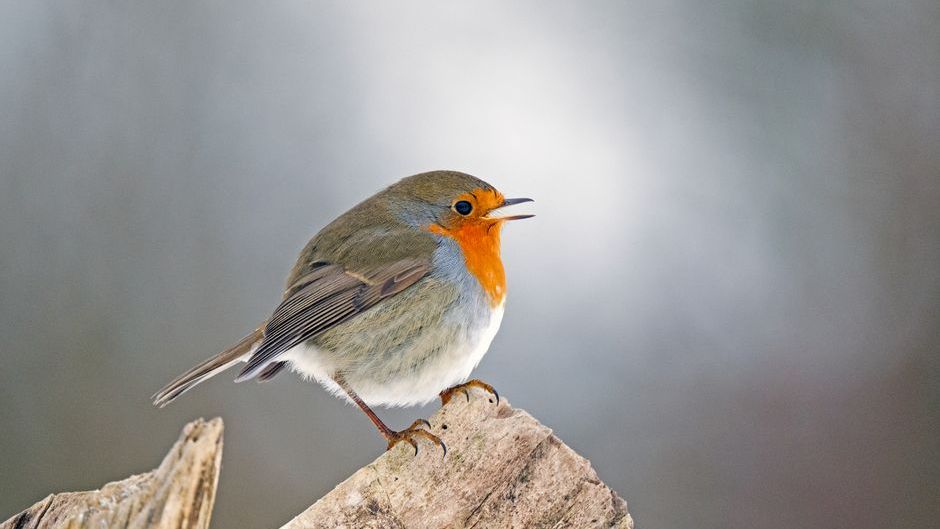
There is something quietly arresting about spotting a robin perched right on your doorstep just as the first light breaks. The bird’s bright breast stands out against the pale morning, and for a moment the world feels paused. Old stories suggest these encounters carried weight that went beyond simple chance.
Farmers in earlier generations paid close attention to such visits. They wove them into a larger sense of how the land and its creatures spoke to those willing to listen. That quiet tradition still lingers for many people today.
Robins as Harbingers of Change
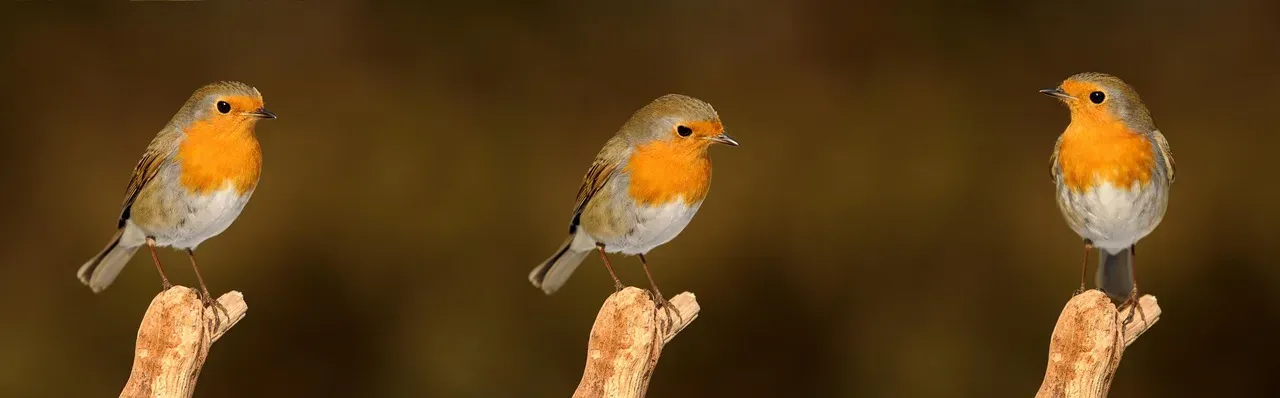
Across many rural traditions the robin has long stood for renewal and fresh starts. Its appearance near a home often signaled that something in the season or in a person’s life was shifting. People noticed how the bird’s bold color seemed to cut through the gray of early morning, almost like a small flag raised against the lingering dark.
Those who kept close watch on their surroundings learned to read these signs as gentle prompts rather than dramatic warnings. A robin on the step might simply mark the true arrival of milder days after a hard winter. Over time the bird became a familiar companion in stories about turning points both large and small.
The Significance of the Dawn Hour
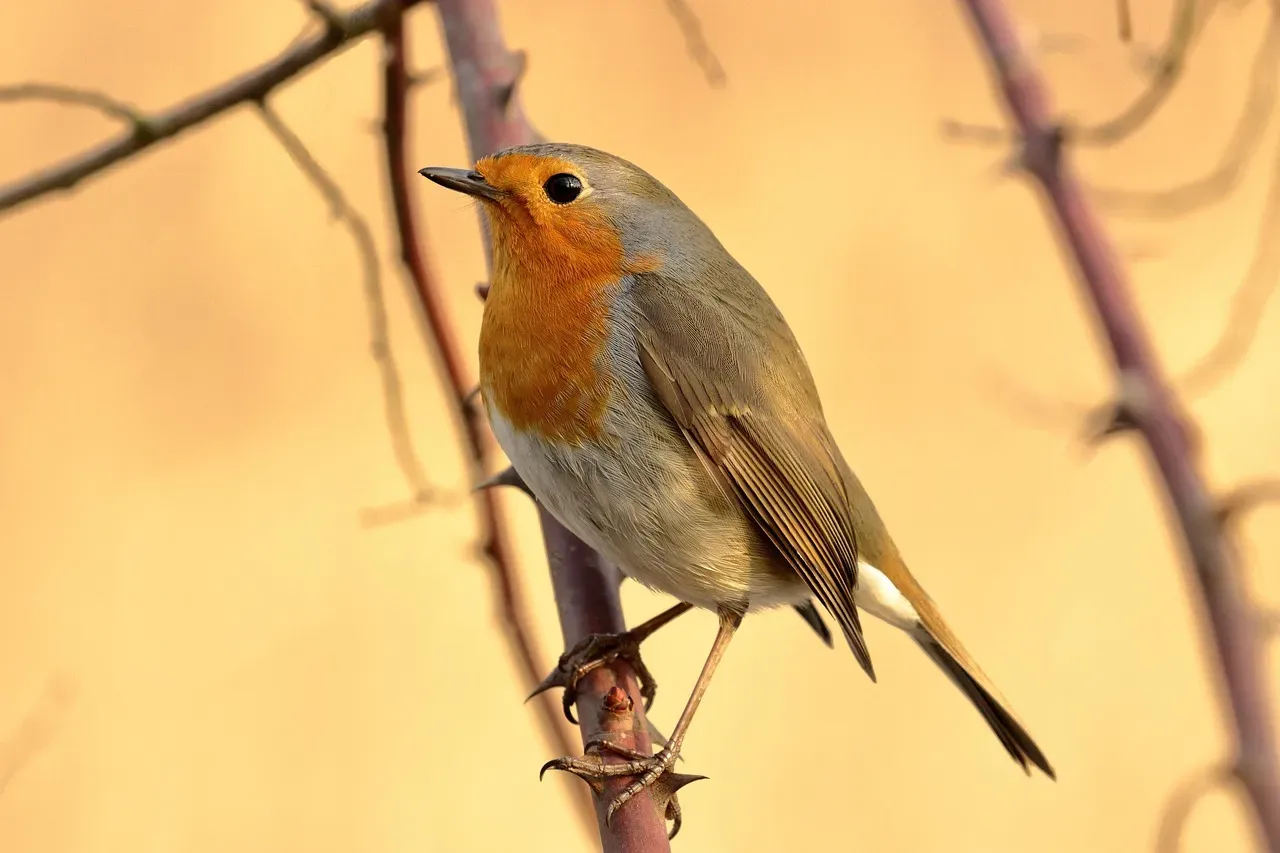
Dawn carries its own quiet authority in older ways of seeing the world. Light returning after night often felt like a threshold moment when messages could pass more easily between the ordinary and the unseen. A robin choosing that exact time to appear added weight to the sighting for those attuned to such patterns.
Farmers rose early by habit, so they caught these visits more often than most. The combination of the hour and the bird created a sense that the day itself was being marked in some way. It invited a moment of pause before the rush of chores began.
Old Farmer Wisdom on Bird Signs
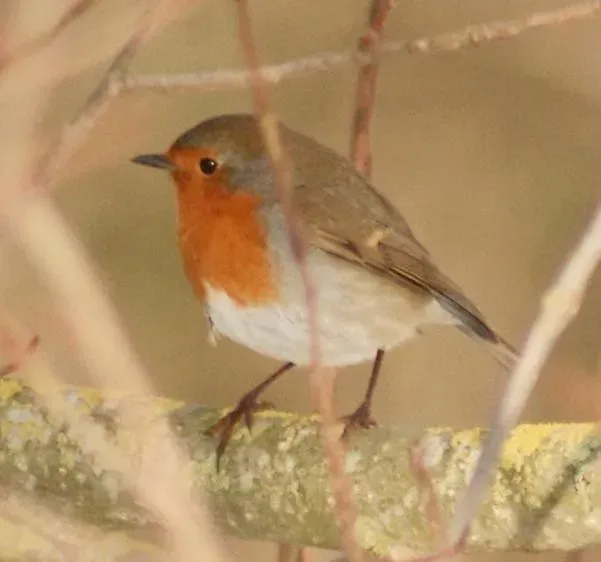
People who worked the land developed an entire language of bird behavior that helped them gauge the weather and the mood of the season. Robins coming close to buildings sometimes hinted at approaching cold or a shift in conditions that would affect planting or harvesting. These observations were practical rather than mystical, born from years of watching the same fields and skies.
Still, the emotional layer remained. A bird that ventured right onto the doorstep felt personal, as if the natural world had singled out the household for a brief greeting. Farmers passed these small lessons to the next generation along with more obvious advice about soil and seed.
Connections to Loved Ones Passed
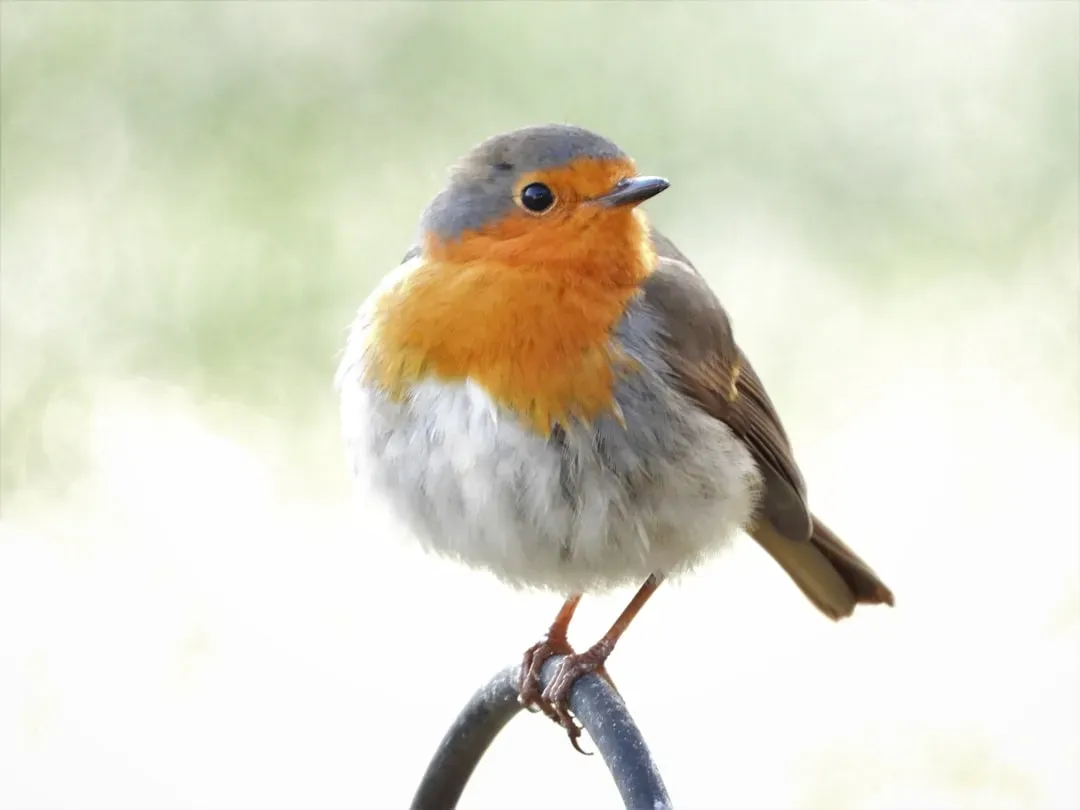
Many families have carried forward the idea that a robin can act as a gentle reminder of someone no longer present. The bird’s steady gaze and bright presence seem to offer a kind of quiet companionship during ordinary mornings. This belief appears in scattered stories from different regions, each one shaped by personal loss and memory.
The doorstep location makes the moment feel especially intimate. It is as though the visitor has come directly to the threshold rather than staying at a distance in the garden. For some the sighting brings comfort without needing any further explanation.
Weather Predictions Tied to Robin Sightings
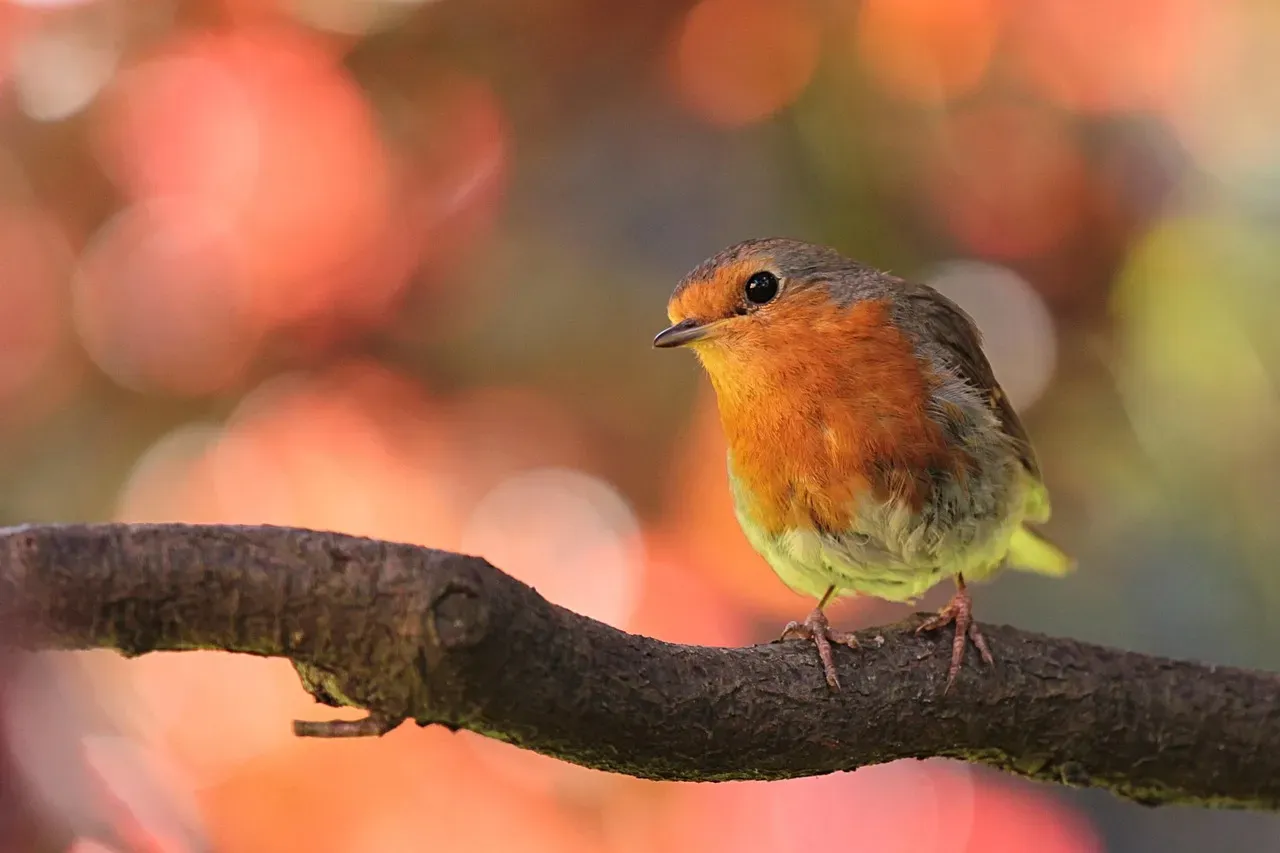
Closer approaches by robins were sometimes read as early hints of changing weather. When the birds grew bolder and moved nearer to houses, older observers took it as a cue to prepare for cooler temperatures or even a late frost. These patterns were noted quietly and tested against actual conditions over many seasons.
The dawn timing added another layer of attention. A bird that appeared with the first light might be signaling that the day would bring noticeable shifts in temperature or sky. Farmers valued any small advantage these observations could provide when planning outdoor work.
Cultural Variations in Robin Interpretations
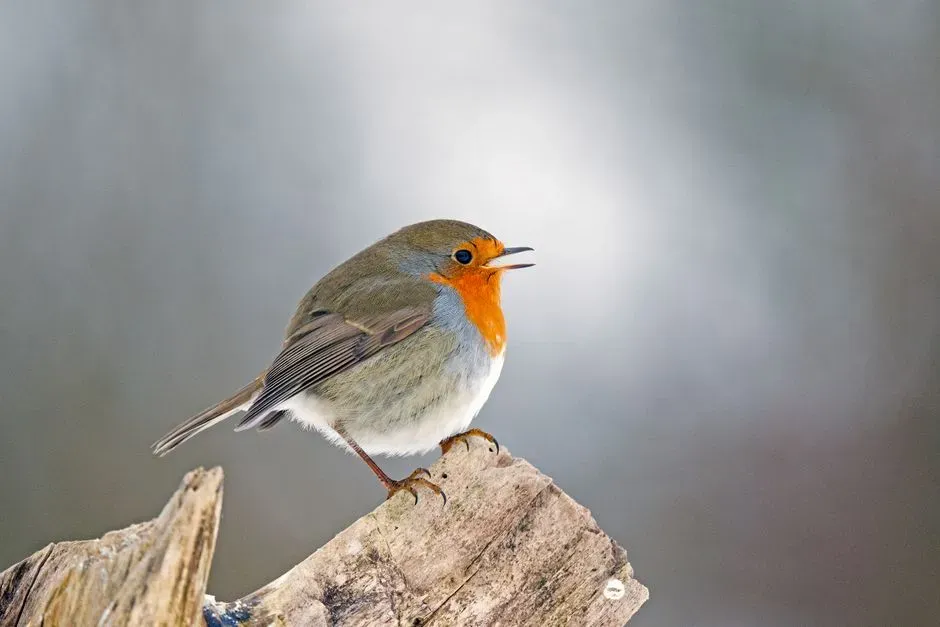
Different communities shaped their own versions of what a robin visit meant. In some places the emphasis stayed on good fortune and new growth, while others focused more on remembrance and protection. The core feeling of the bird as a positive presence remained consistent even when the details changed.
Doorstep sightings tended to stand out everywhere because they crossed the usual boundary between wild and domestic space. That simple act of coming close invited people to consider their own place within the larger rhythm of the year. The stories adapted as families moved or traditions blended, yet the robin kept its role as a small but meaningful marker.
Embracing These Moments in Daily Life
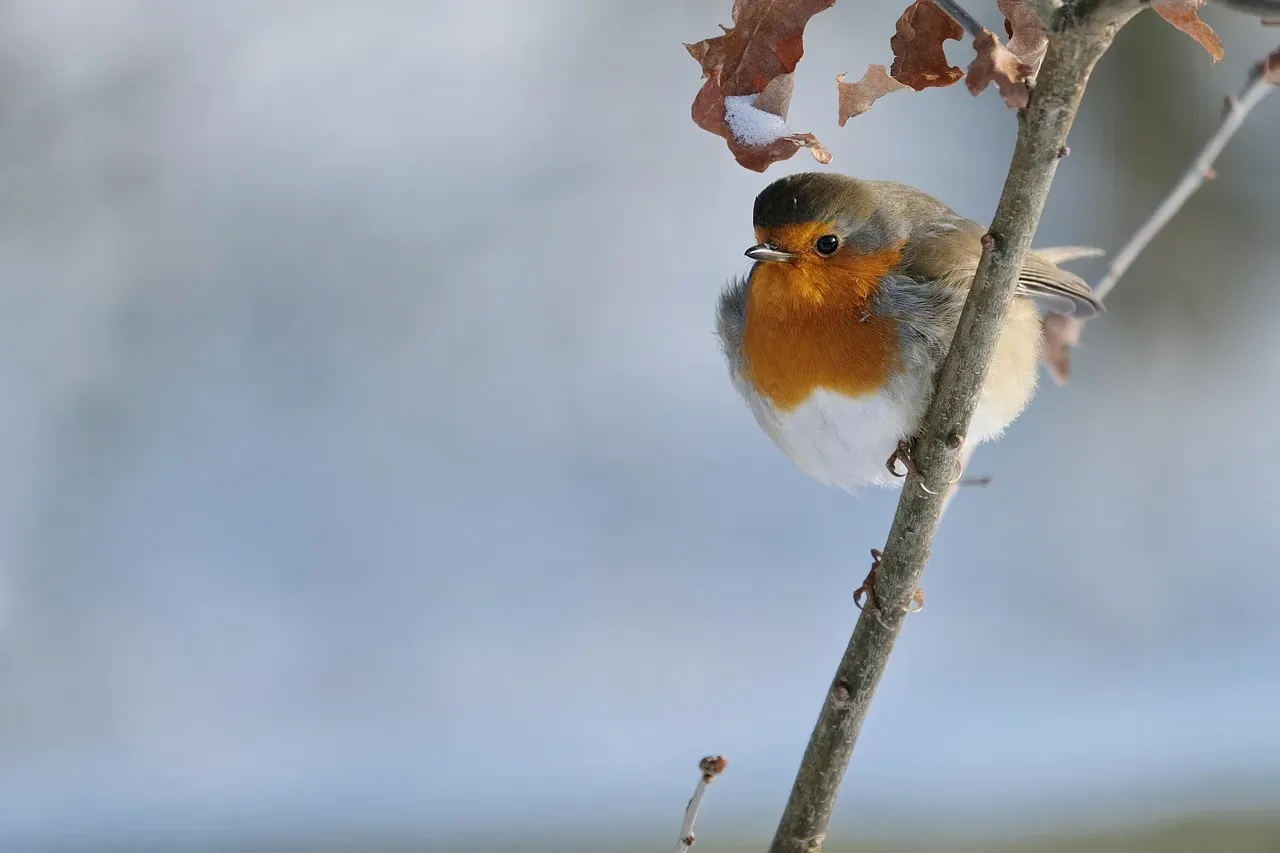
Today many people still pause when a robin appears in an unexpected spot. Taking a moment to notice the bird can serve as a brief reset before the day gathers speed. It costs nothing and requires no special tools, only a willingness to look up from routine.
Whether the sighting carries deeper meaning or simply offers a flash of color against the morning, the effect is often the same. It pulls attention back to the immediate surroundings and the small wonders that appear without announcement. Old farmers may have treated these visits with particular seriousness, yet the impulse to mark them feels familiar even now.
In the end, noticing a robin on the doorstep at dawn invites a quiet respect for the ordinary patterns that once guided entire households. These small encounters remind us that the natural world continues to offer its own understated signals if we choose to register them. Paying attention costs little and can return a surprising sense of connection to the day ahead.

- 8 Ways Bobcats Move Through Suburbs Without Being Seen - August 9, 2026
- 7 Reasons Black Bears Return to the Same Food Source - August 9, 2026
- Animal Cognition Says Horses Remember People Who Treated Them Well and Those Who Did Not - August 9, 2026