
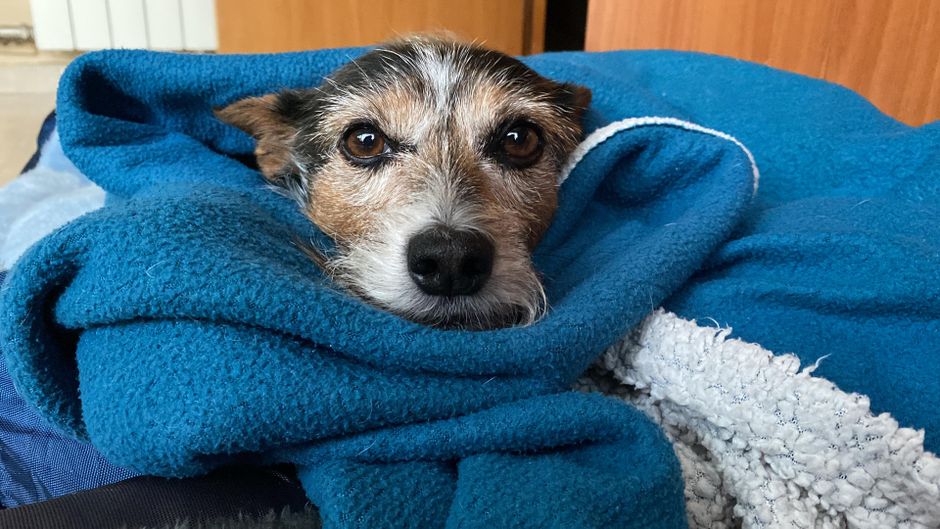
They Seek Out a Quiet, Secluded Spot
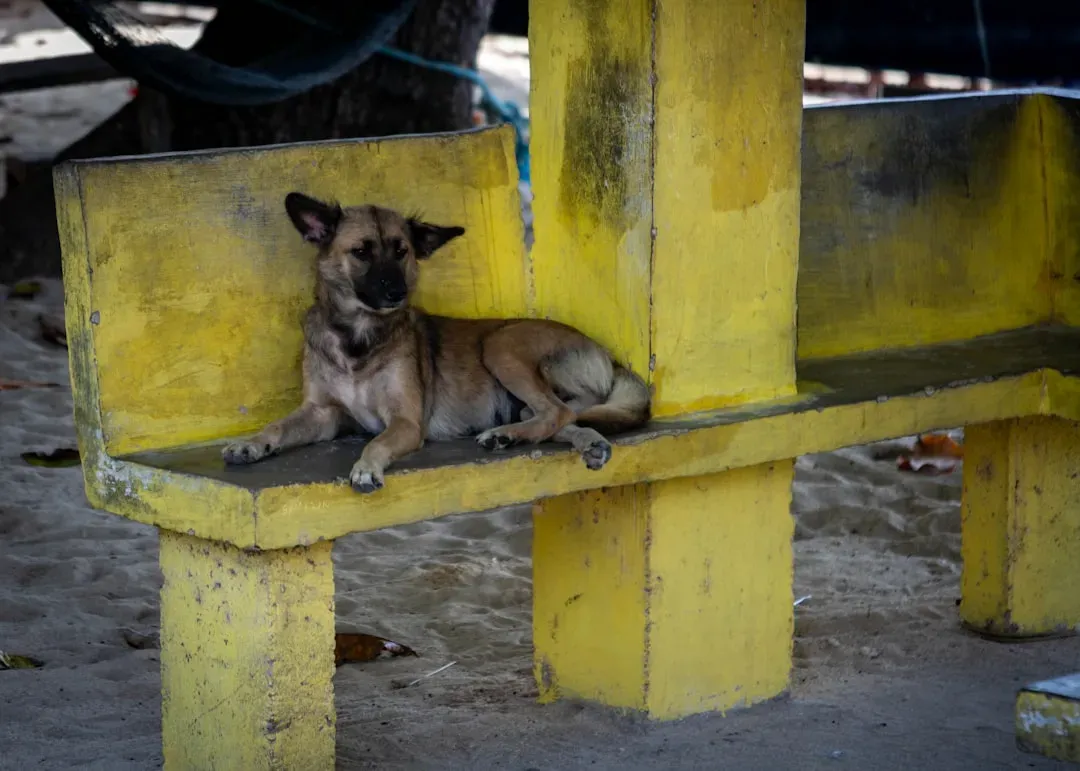
Dogs nearing the end often pull away from the usual bustle of the household. They may wander to a corner, under furniture, or another low traffic area where they can rest undisturbed. This instinct appears tied to a need for calm as their energy fades and senses dull.
Veterinarians note that this withdrawal differs from simple tiredness because it happens even when familiar people are nearby. The dog chooses solitude over company in those final stretches. Offering a soft blanket in their chosen spot can ease any lingering discomfort without forcing interaction.
They Lose Interest in Food and Water

Appetite drops sharply in the hours leading up to passing. A dog that once perked up at the sound of a treat bag may turn away from even favorite meals or water bowls. Organ systems slow, reducing the drive to eat or drink as the body conserves what little strength remains.
Owners sometimes try coaxing with hand feeding or special broths, yet the refusal usually persists. This change signals the body prioritizing rest over nourishment. Keeping fresh water nearby still matters for comfort, though forcing intake often adds stress rather than relief.
They Become Deeply Lethargic and Weak
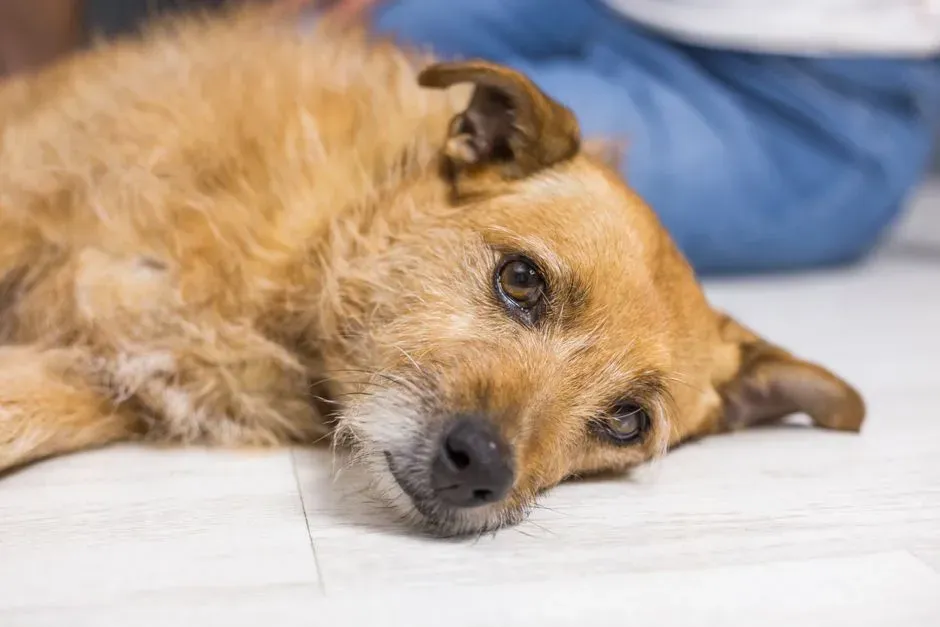
Extreme fatigue sets in as muscles and circulation weaken. Your dog may struggle to stand or walk short distances that once came easily. Sleep dominates their time, and even gentle calls or touches elicit minimal response beyond a brief glance.
This level of lethargy goes beyond a long nap after play. It reflects the heart and other organs working harder with less efficiency. Creating a supportive bed with easy access helps them conserve energy while staying close enough for quiet reassurance.
Their Breathing Turns Labored or Irregular
Respiratory patterns shift noticeably in the final hours. Breaths may grow shallow, rapid, or spaced out with occasional deeper gasps. Some dogs exhibit agonal breathing, which looks startling but stems from the brainstem rather than conscious distress.
Veterinarians emphasize that these changes rarely cause the dog pain, though they can worry owners. Monitoring from a calm distance allows you to stay supportive without adding anxiety. A quiet room with good airflow often brings more ease than constant checking.
They Experience Incontinence or Accidents
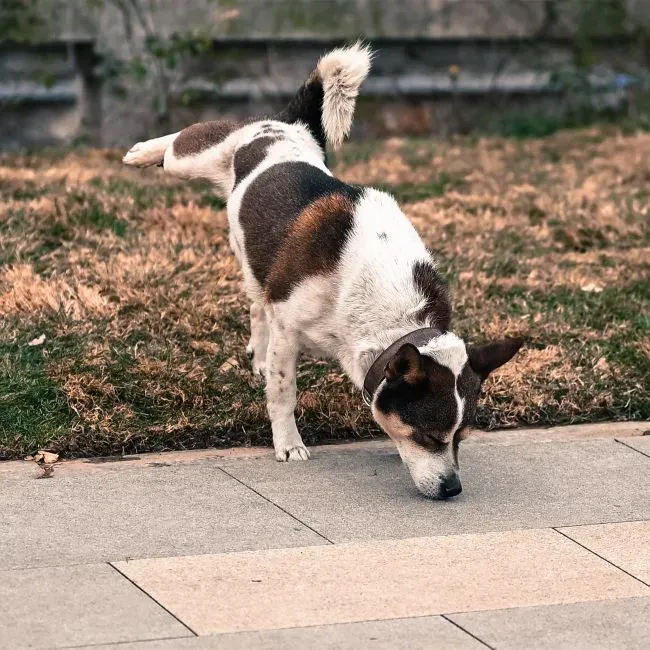
Bladder and bowel control fade as muscles relax completely. Accidents happen without warning, sometimes while the dog sleeps or rests in place. This loss of function arises from overall weakness rather than any behavioral issue.
Preparing waterproof pads or frequent gentle cleanings keeps the area comfortable. The dog may not even notice the episodes, so focus stays on maintaining dignity through quick, kind care. Many owners find this stage one of the more practical signals that the end draws near.
They Show Signs of Confusion or Disorientation
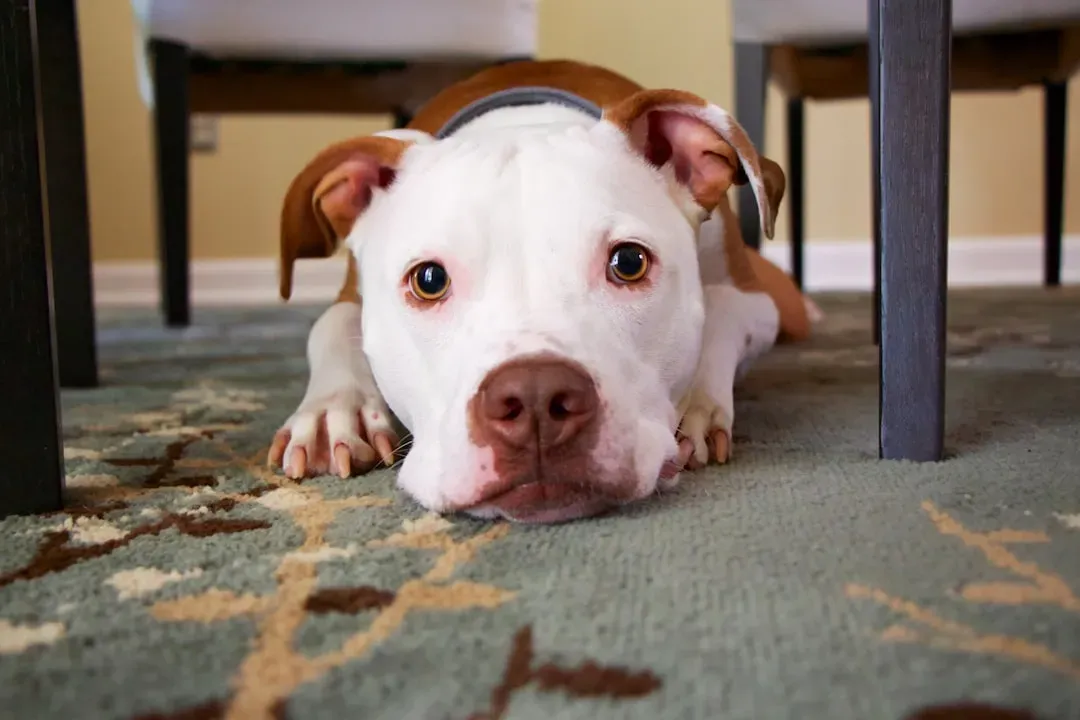
Mental clarity can waver in those last stretches. A dog might stare into space, fail to recognize familiar voices, or pace in small circles before settling again. These moments reflect reduced blood flow and oxygen to the brain.
The confusion tends to come and go rather than stay constant. Speaking in a soft, steady tone helps anchor them even if recognition fades. Keeping routines minimal reduces extra stress during these episodes.
Their Body Temperature Drops
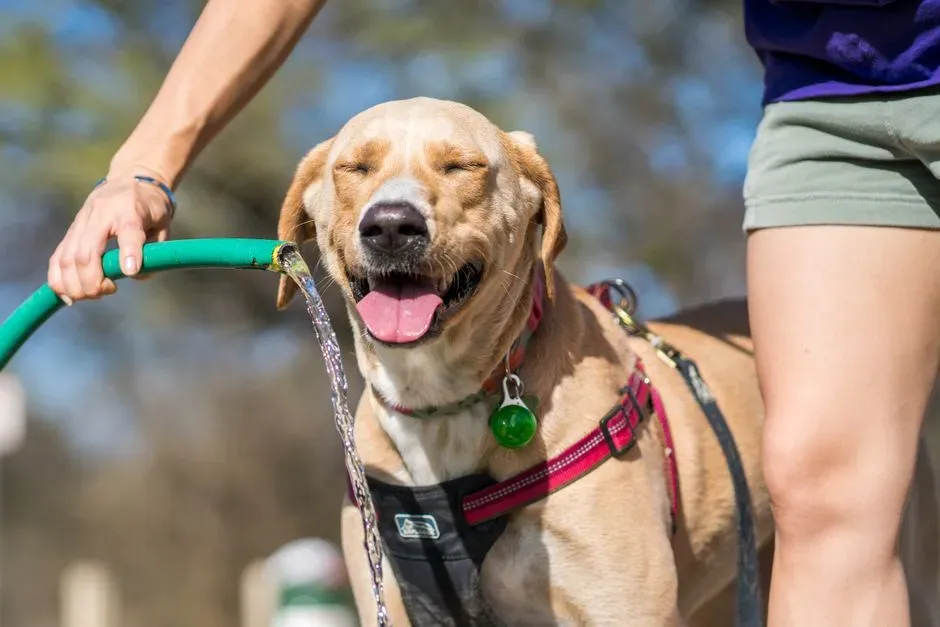
Extremities often feel cooler to the touch as circulation slows. Ears, paws, and the nose may lose warmth while the core stays closer to normal for a while longer. This cooling marks a clear physical shift in the dying process.
Owners who check regularly notice the change more readily than those who do not. Providing a warm blanket without overheating supports comfort. The drop itself does not hurt the dog, yet it serves as another quiet indicator alongside other signs.
They Alternate Between Clinginess and Distance

Some dogs seek extra closeness in their final hours while others prefer space. A normally independent pet might press against your leg or rest a head on your lap. Conversely, a social dog may simply tolerate brief pets before turning away.
This push and pull reflects individual personality more than a single rule. Following their lead, whether that means sitting nearby or giving gentle space, respects their comfort. Many veterinarians encourage owners to trust these instincts rather than impose a preferred goodbye style.
The final hours with a dog bring a mix of sorrow and quiet intimacy that stays with owners long after. Paying attention to these signals lets you meet your companion where they are instead of chasing what used to be. In the end, presence and gentle care matter more than perfect timing or dramatic gestures.
- 8 US States With the Most White-Tailed Deer - August 2, 2026
- 10 Fascinating Things About Japan That Will Amaze You - August 2, 2026
- 10 Cool Facts About The Okapi, The Most Mysterious Mammal On Earth - August 2, 2026