
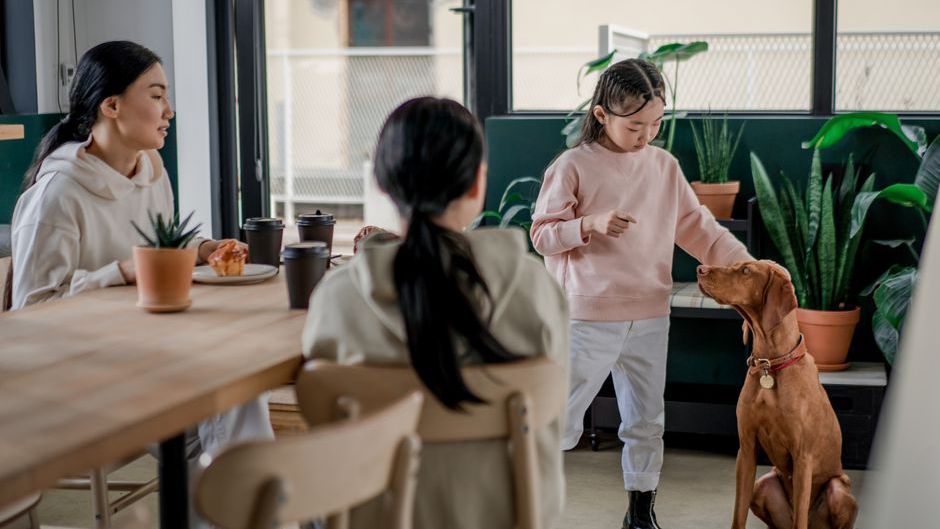
Dogs have a quiet way of communicating that often slips past us until later. In those final weeks, some of their everyday habits take on a deeper meaning, though they still register as ordinary moments at the time.
Owners frequently look back and notice patterns that felt routine while they were happening. These small shifts can feel like understated goodbyes once you connect the dots.
Sticking Close During Daily Routines
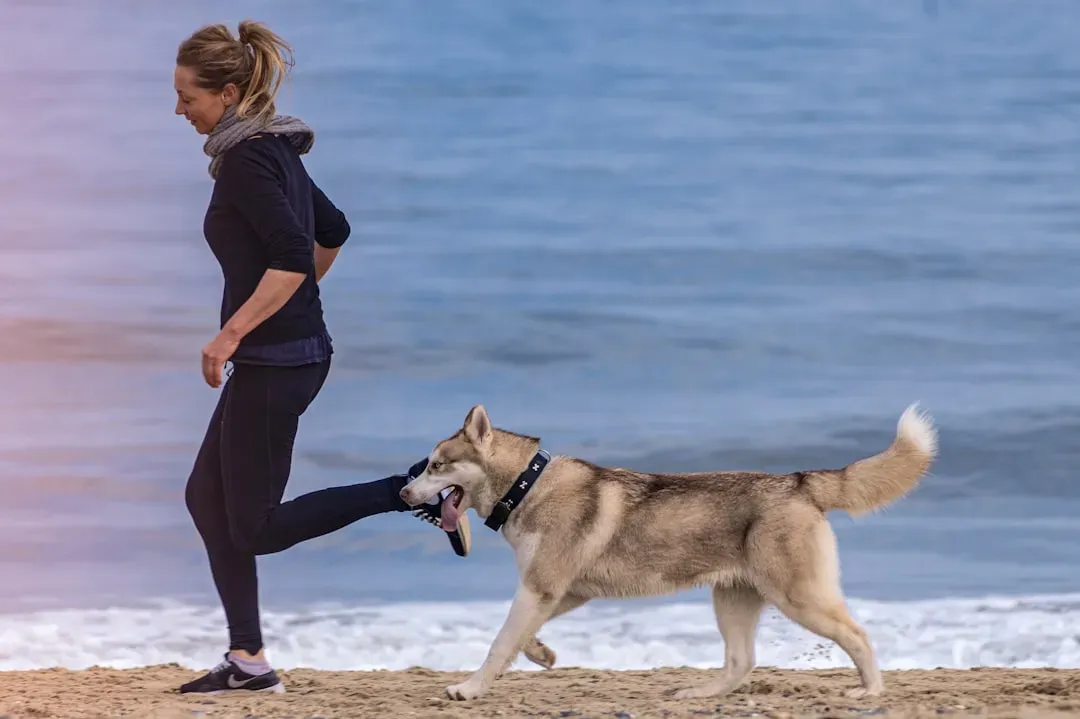
Many dogs begin to shadow their people through ordinary tasks like folding laundry or preparing meals. They settle nearby instead of wandering off to another room, keeping a steady presence without demanding attention.
This quiet companionship often blends into the background of a busy day. Yet it creates a thread of connection that lingers in memory afterward.
Choosing Familiar Spots for Rest
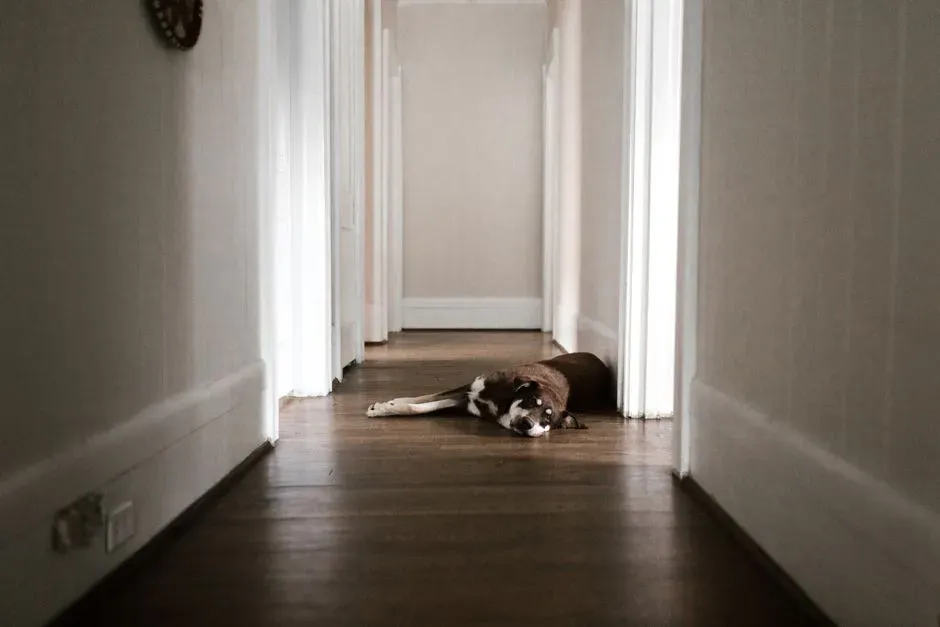
A dog might start napping in the hallway or near the front door more often than usual. These locations allow them to stay within earshot of household movement without disrupting normal flow.
The choice feels practical at first, almost like finding a cooler or quieter corner. Over time it reads as a preference for remaining part of the daily rhythm.
Responding to Voices with Subtle Shifts
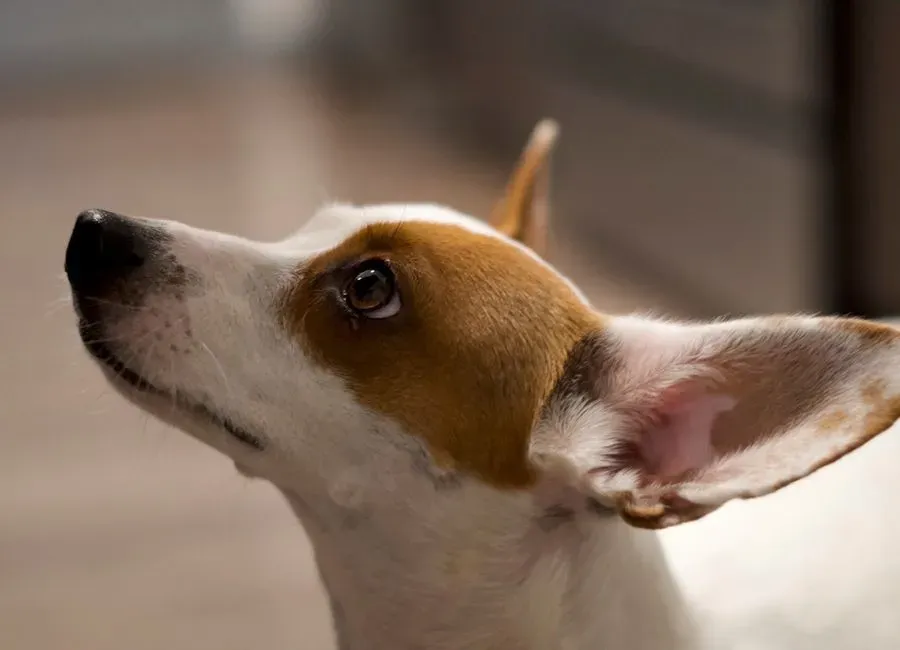
Small ear flicks or a gentle head turn when someone speaks can become more consistent. The dog still appears relaxed, perhaps dozing on a mat, yet the reaction shows they are tuned in.
Such responses fit easily into conversations happening around them. They register as normal attentiveness rather than anything out of the ordinary.
Accepting Shorter Walks Without Complaint
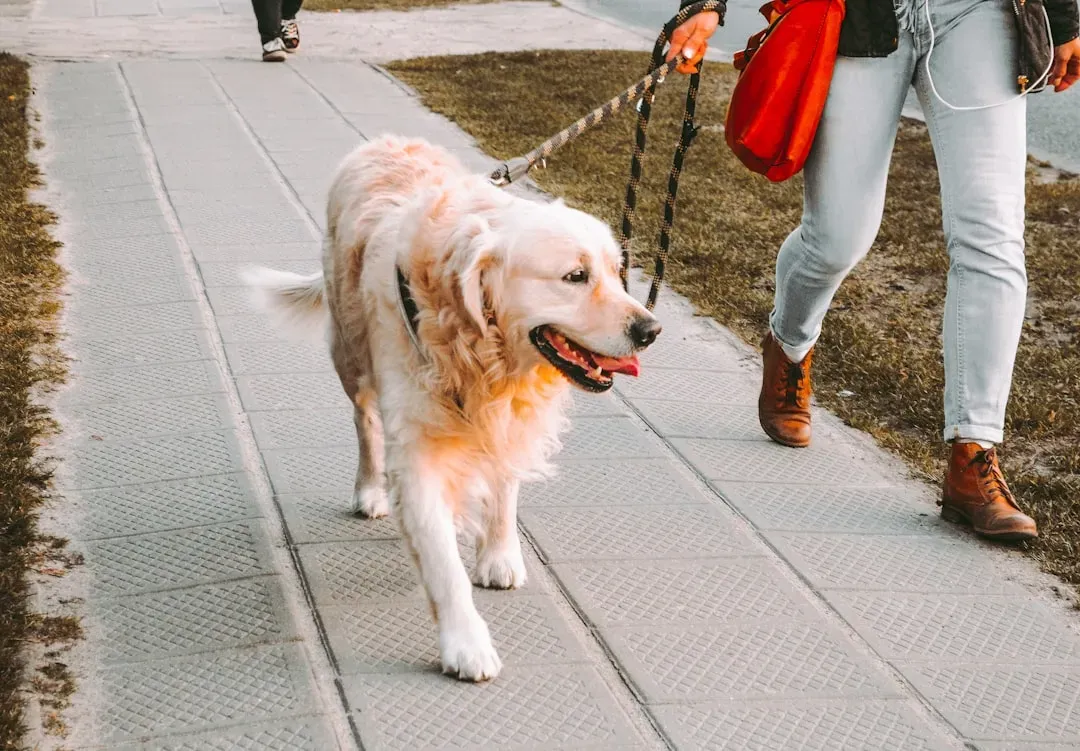
Some dogs slow their pace on familiar routes but still show interest in heading out. They sniff the usual spots and return home content, even if the distance shortens naturally.
This adjustment often passes as simple aging or a preference for comfort. It keeps the ritual intact while reducing strain.
Seeking Light Contact During Evenings
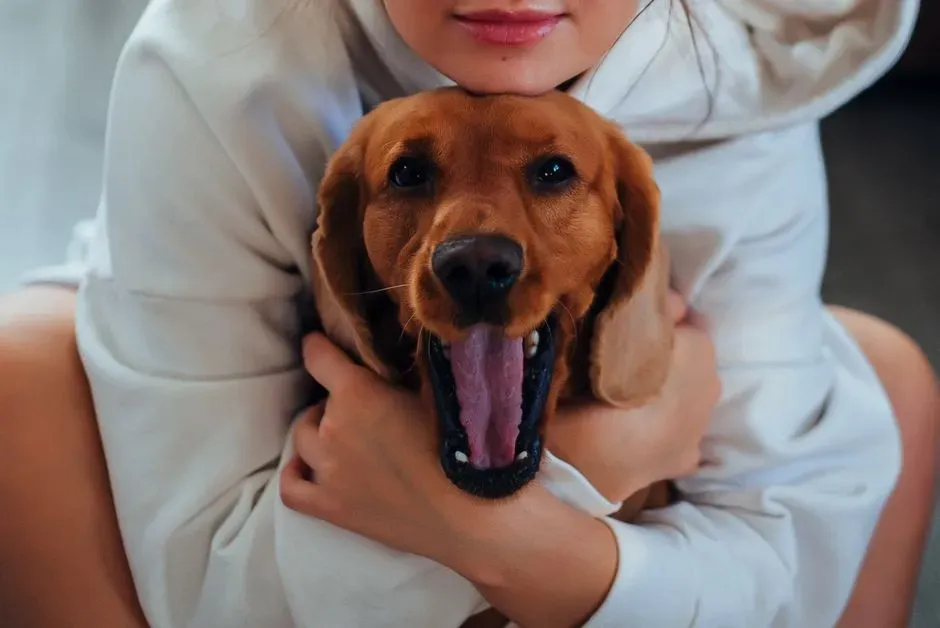
A paw resting against a foot or a head leaning on a knee can appear during television time or reading. The touch stays brief and undemanding, fitting the calm of the hour.
Owners may interpret it as the dog getting comfortable. The gesture blends into the evening without drawing extra notice.
Maintaining Interest in Household Sounds
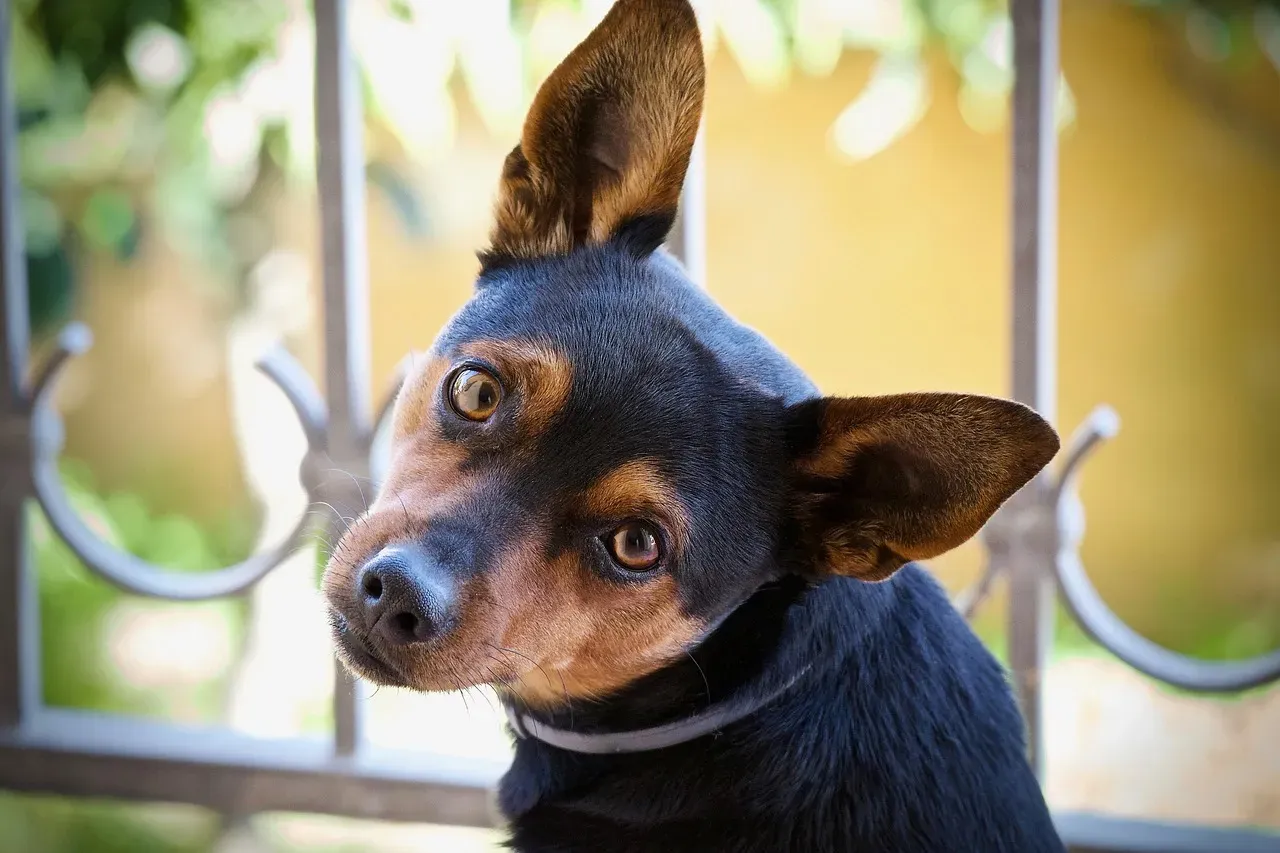
Alertness to the sound of keys or a car pulling up can persist even as energy levels drop. The dog lifts its head briefly then settles again, preserving a sense of involvement.
These moments feel like everyday curiosity about comings and goings. They maintain a thread to the life of the home.
Sharing Meals in the Same Space
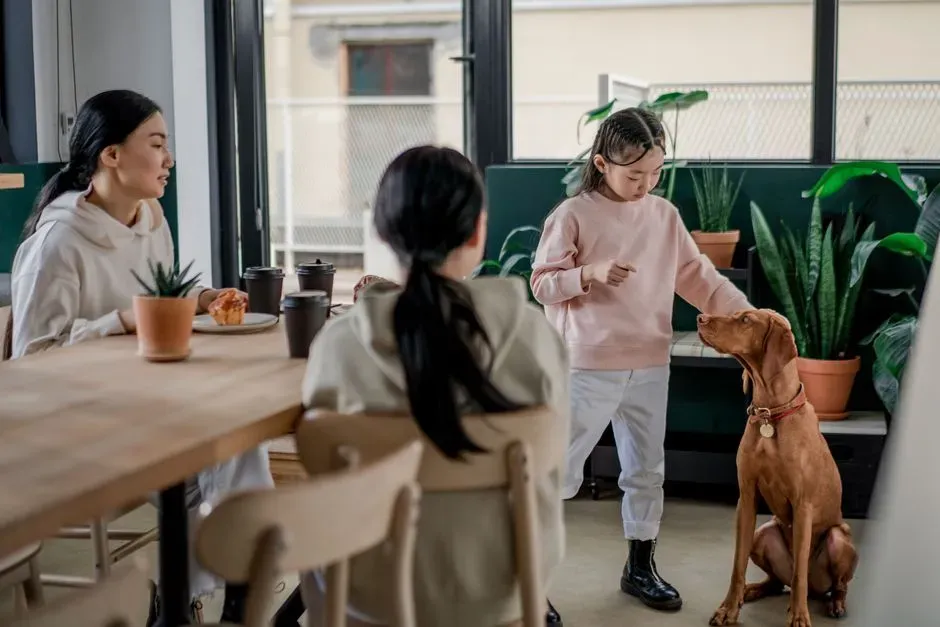
Eating near family members rather than in a separate area becomes more common. The dog finishes its portion at a relaxed pace and stays nearby afterward.
The change registers as a simple preference for company during a routine activity. It avoids any sense of urgency or drama.
Offering Gentle Nudges for Reassurance
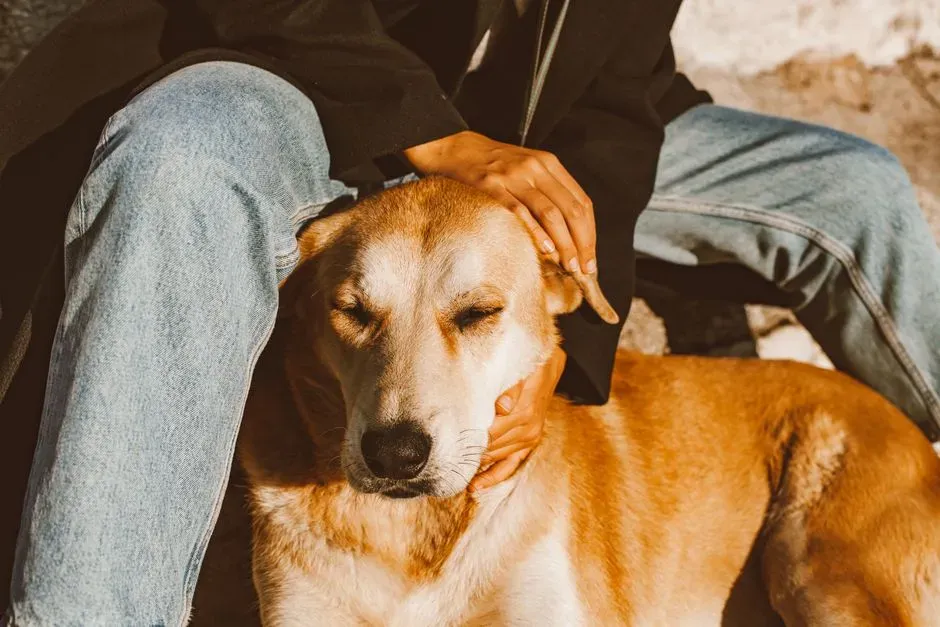
A soft bump against a leg while passing through a room can happen more frequently. The contact lasts only a second or two before the dog continues on its way.
Such interactions fit the pattern of casual movement around the house. They provide quiet reassurance without interrupting the flow of the day.
Keeping Watch from a Distance
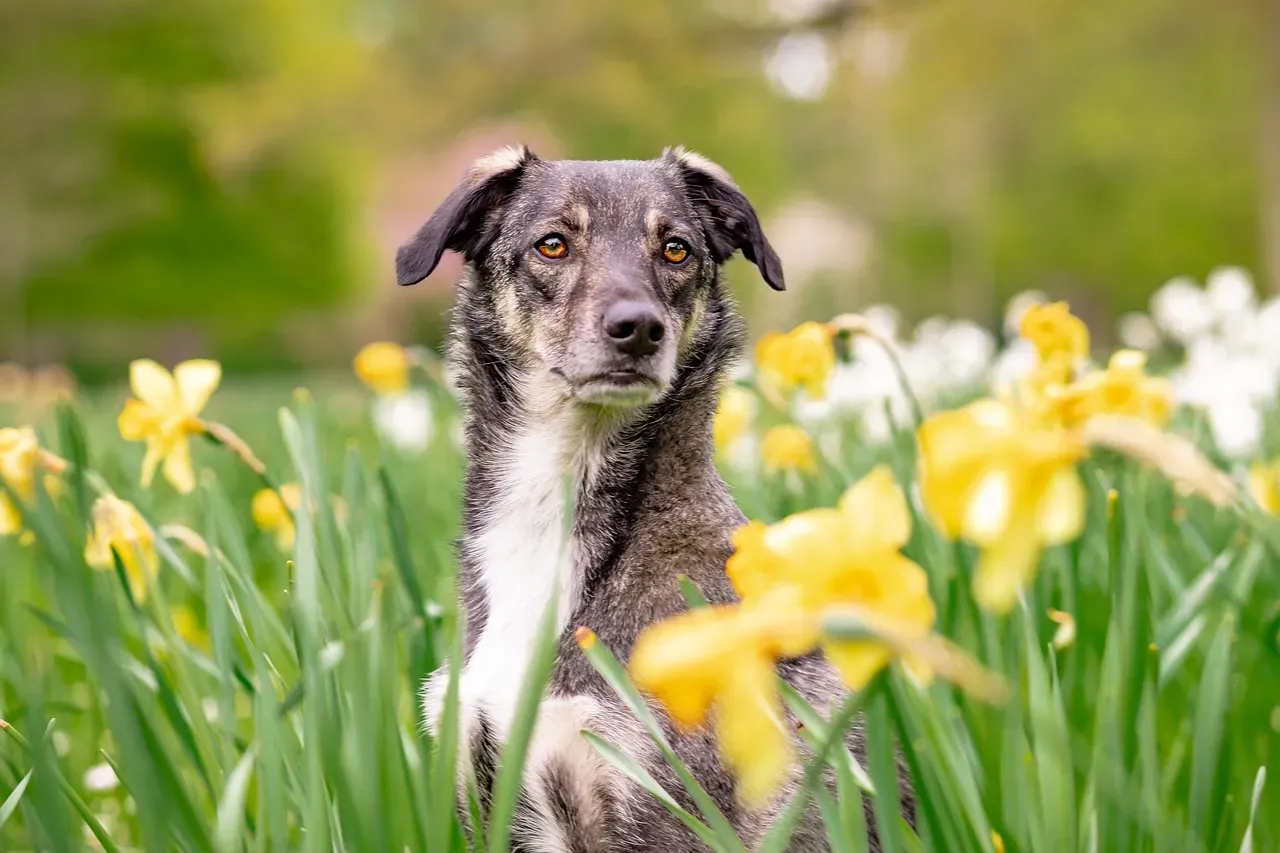
Positioning themselves where they can see activity in the main living area becomes noticeable. The spot allows observation without requiring active participation.
This behavior often looks like choosing a comfortable vantage point. It keeps the dog connected to the household rhythm in a low-key manner.
Showing Patience with Routine Changes

Adjustments to feeding times or medication schedules are met with calm acceptance. The dog waits without restlessness, treating the variation as part of the usual sequence.
Owners may view this as good training or an easygoing nature. It supports the continuation of daily care without added stress.
Engaging in Familiar Play at a Slower Pace
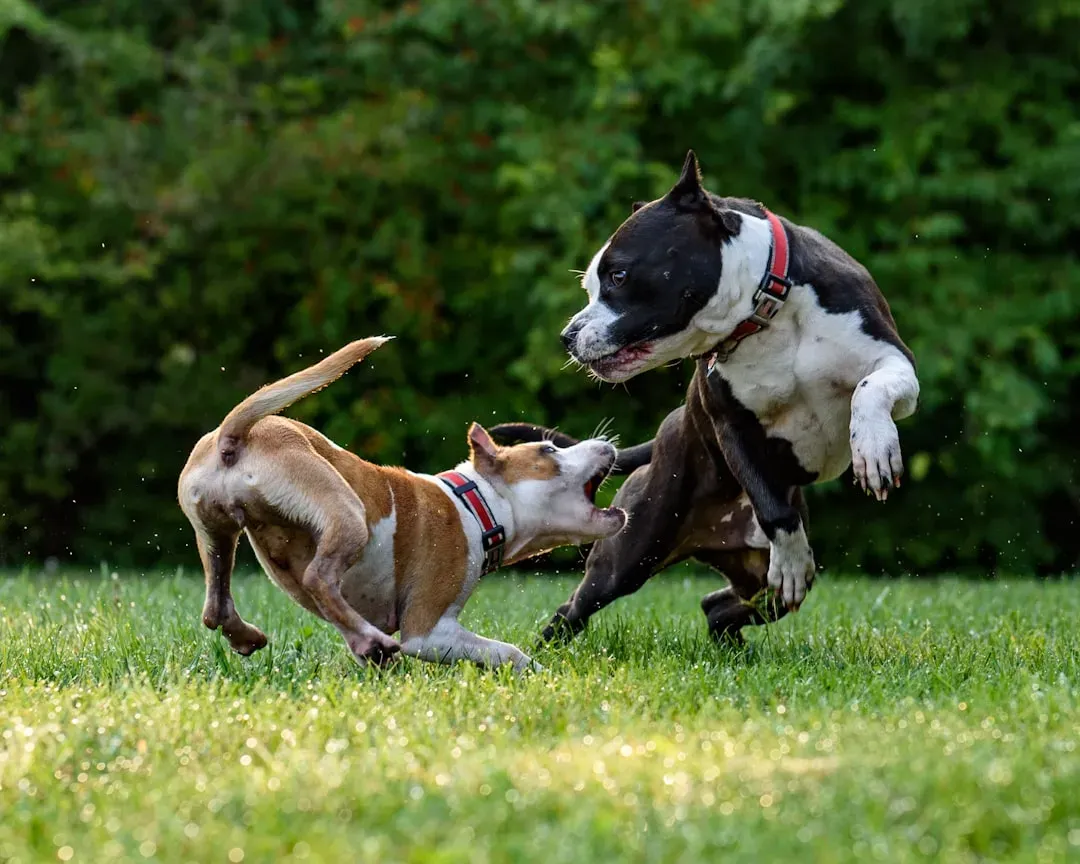
A favorite toy might still prompt a brief interaction, though the game stays short and gentle. The dog initiates or responds in ways that feel consistent with past habits.
The reduced intensity blends into expectations around age or energy. It preserves a sense of shared enjoyment in small doses.
Settling Near Personal Items
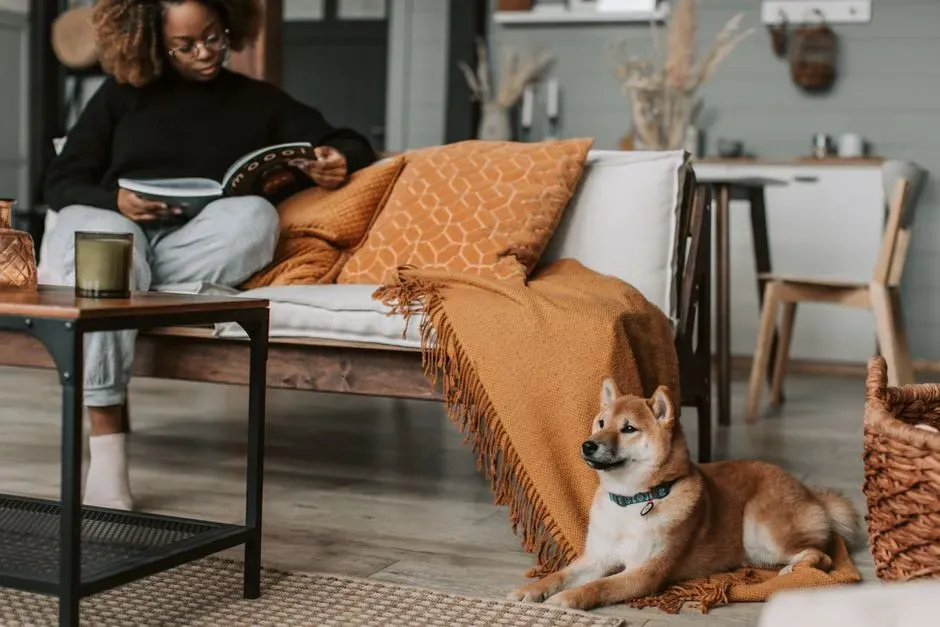
Choosing to rest beside a worn sweater or a frequently used chair can occur more often. The location carries familiar scents without requiring direct interaction.
This choice appears practical, offering comfort through proximity. It integrates smoothly into the layout of the home.
Ending the Day with Quiet Presence
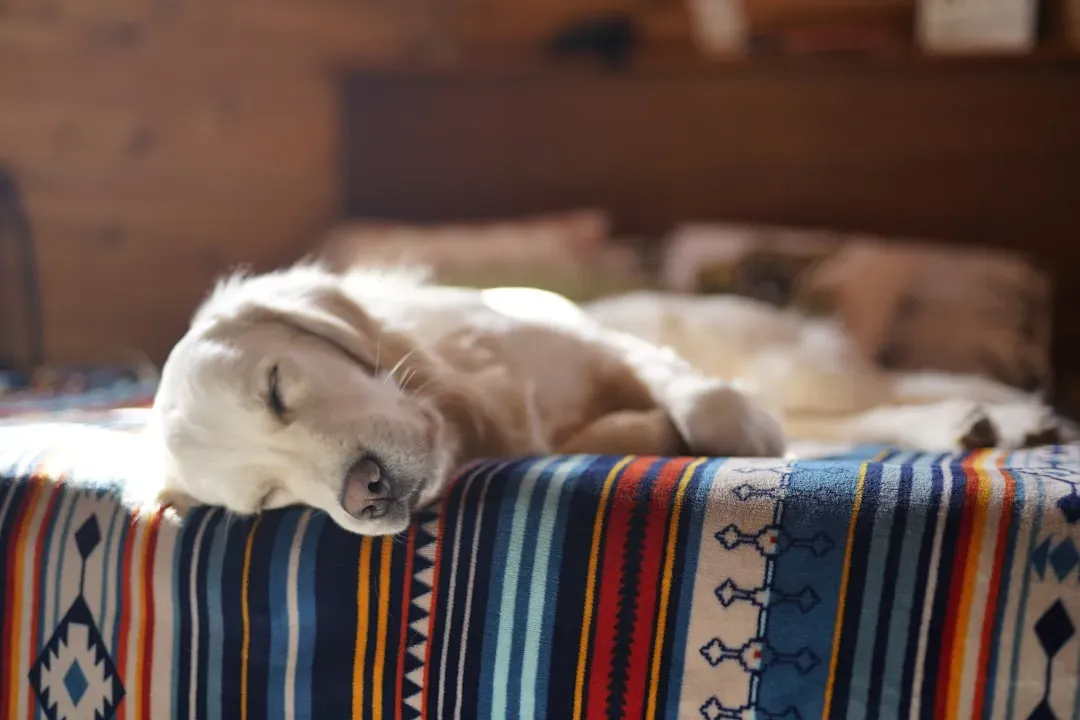
Remaining in the bedroom or just outside the door at night becomes a steady pattern. The dog stays settled through the hours, offering a sense of continuity.
The habit feels like a preference for familiar surroundings. It closes each day in a way that later feels especially meaningful.
These understated gestures remind us how much dogs communicate through presence rather than grand displays. Paying attention to the ordinary can deepen the bond while there is still time to notice.

- The Profound Impact Your Voice Has on Your Dog’s Emotional Well-being - August 4, 2026
- 12 Amazing Ways Dogs Sense Human Emotions Before We Do - August 4, 2026
- What It Means When Blue Jays Gather Without Making Any Calls - August 4, 2026