
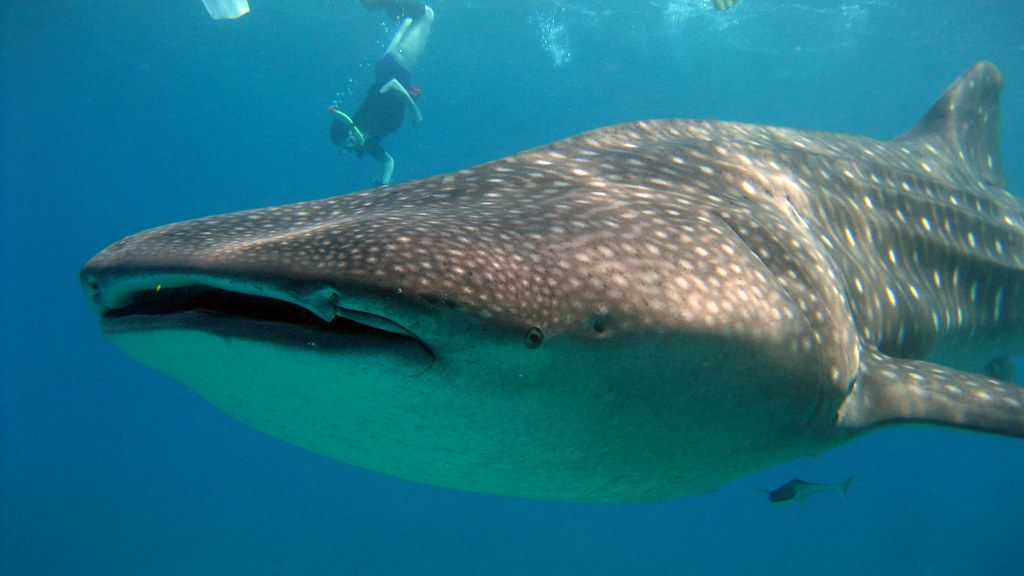
Most people assume the Great Barrier Reef tops every snorkeling list, full stop. But spend five minutes talking to anyone who has actually fin-kicked their way through the Coral Triangle or drifted past a stingless jellyfish swarm in Palau, and that assumption falls apart fast. The reefs getting the loudest marketing budgets are not always the ones delivering the most life, the most color, or the most unforgettable encounters.
What actually separates the best marine snorkeling spots on Earth is a combination of biodiversity, protection, and that electric feeling of surfacing and not being able to form a complete sentence. Some of the spots on this list are famous for the wrong reasons. A few will genuinely surprise you. And at least one destination near the bottom of this list deserves to be talked about far more than it is.
#10 – Exumas, Bahamas: The Blue Holes Nobody Warns You About
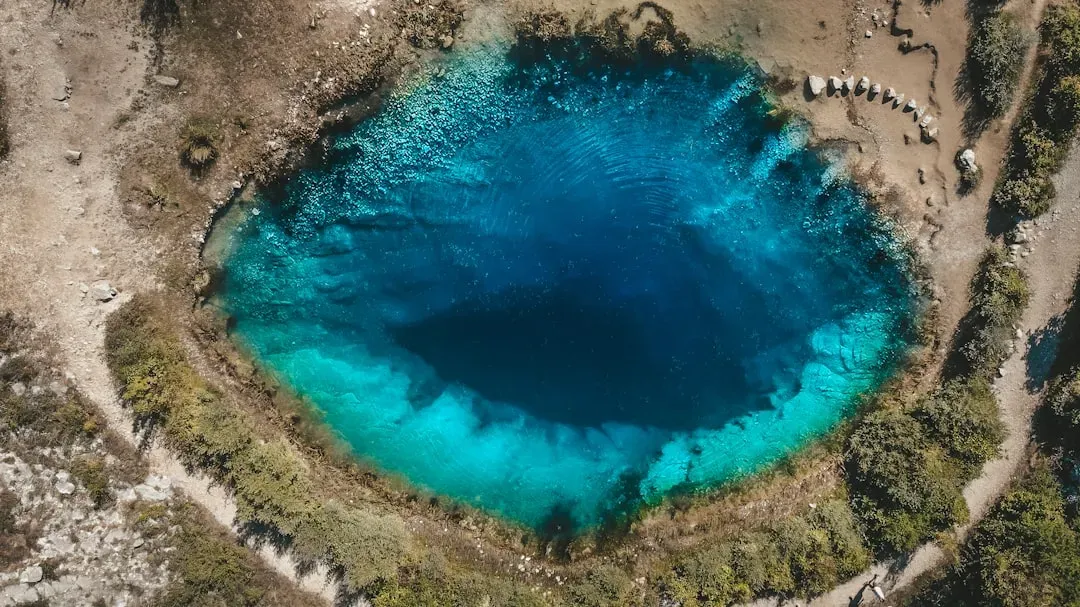
Most travelers picture the Bahamas as postcard-shallow, all white sand and calm turquoise water where nothing particularly wild happens. The Exumas quietly disagree. This stretch of the island chain holds the world’s highest concentration of blue holes – ancient sinkholes that plunge into darkness and push cold, nutrient-rich water upward into the surrounding reef. That upwelling draws sharks, rays, and massive schools of fish that simply don’t show up on the standard resort reef tour. The third-deepest blue hole on the planet sits here, and its edges are alive year-round in a way that feels almost unfair.
What makes the Exumas especially compelling is that much of it stays genuinely accessible to beginners. You don’t need a dive cert or an expensive liveaboard. Shore entry gets you close, and local operators who actually know the area – not the ones pushing group snorkel packages – will take you right to the edge of something extraordinary. Most visitors fly into Nassau, pick up a scuba brochure, and never hear about any of this. That’s the Exumas’ best-kept secret, and it’s one worth chasing.
Fast Facts
- The Exumas span roughly 365 cays and islands stretching over 150 miles of the Bahamas chain
- Blue holes form when ancient limestone caves flood – the Exumas hold more of them per square mile than anywhere else on Earth
- Nutrient upwelling from deep blue holes creates localized cold zones that attract pelagic species rarely seen on tropical shallow reefs
- Shore snorkeling is possible at multiple sites – no boat charter or dive certification required
- Best visited October through June when visibility peaks and water temperatures stay comfortable
#9 – Mamanuca Islands, Fiji: Soft Coral Capital With a Shark Twist
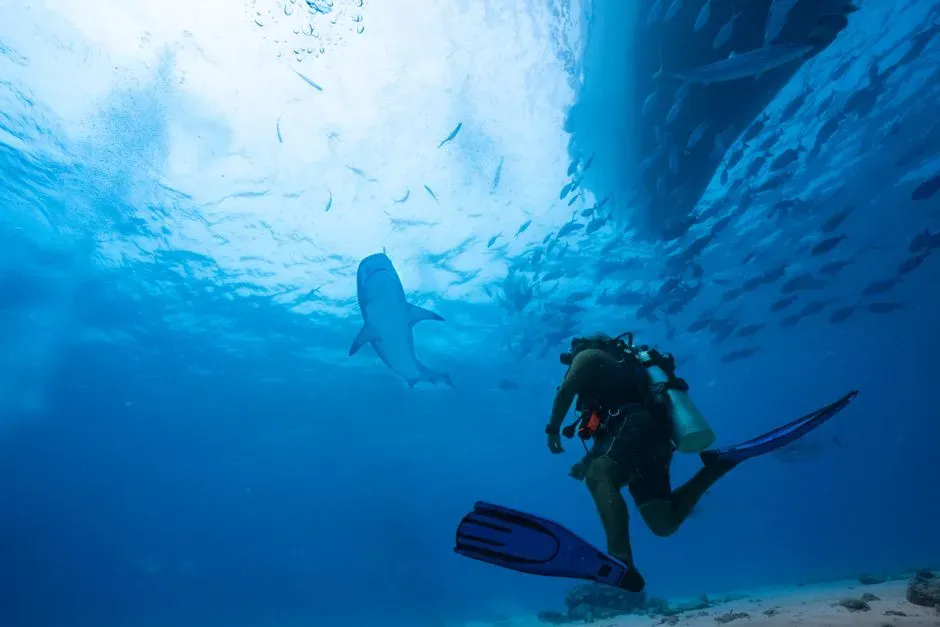
Fiji’s Mamanuca Islands have a reputation problem. The word “honeymoon” gets attached to them so often that serious marine enthusiasts tend to skip right past them on the map. That’s a costly mistake. The Mamanucas host over 390 coral species, and the nutrient-rich currents that push through the lagoons don’t just feed soft corals – they draw bull sharks, tiger sharks, and manta rays into the same water where couples are sipping cocktails on floating docks. The combination sounds surreal until you’re in it.
Reef sharks here show up with a consistency that puts many dedicated shark-diving destinations to shame. Snorkelers regularly surface wide-eyed not because something dangerous happened, but because nothing in any travel brochure prepared them for how alive the water actually is. The lagoons stay calm enough for nervous first-timers while still delivering the kind of megafauna encounters that experienced ocean swimmers travel across hemispheres to find. Peak season leaves plenty of uncrowded reef. Come for the romance if you must – stay for the sharks.
#8 – Ningaloo Reef, Western Australia: Whale Sharks From the Shore
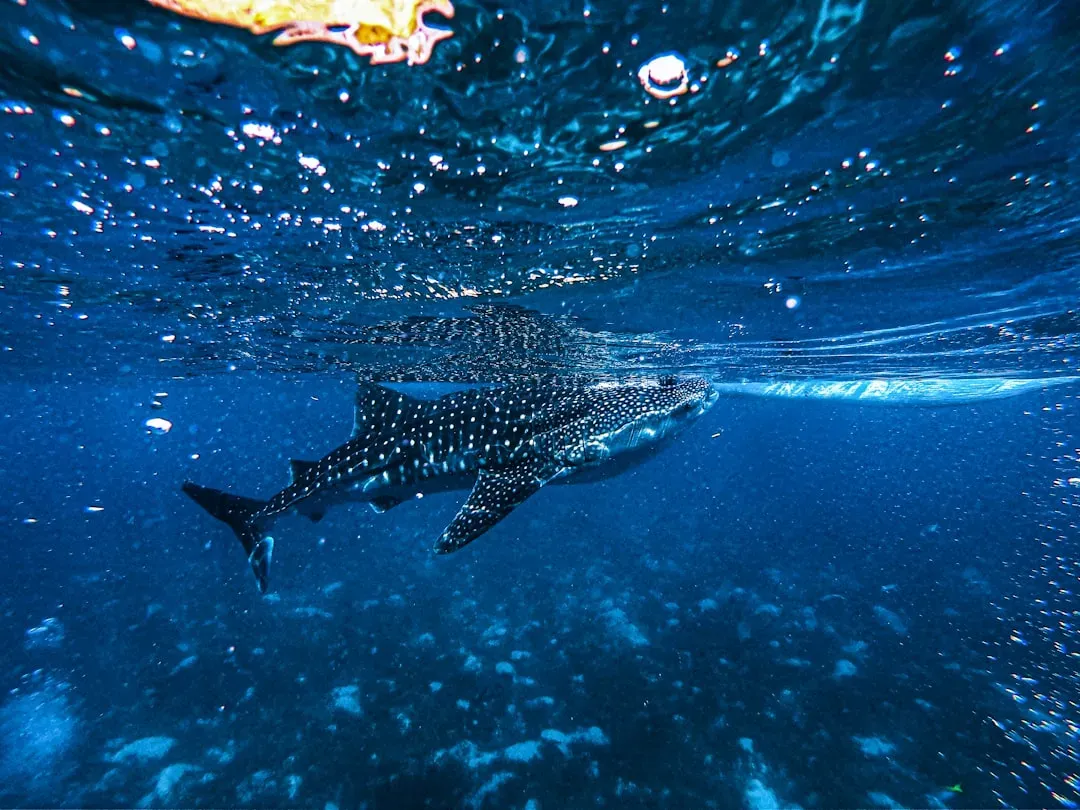
Ningaloo holds a title that almost no other reef on Earth can claim: it is the world’s largest fringing reef close enough to shore that you can literally walk into the water and meet a whale shark. No boat charter required, no long transfer, no waiting on a deck while your seasickness builds. From April through July, the giants arrive with enough regularity that local operators have built entire seasonal schedules around them. The reef itself spans roughly 300 kilometers and shelters 460 fish species alongside year-round manta ray cleaning stations that most visitor lists don’t even mention.
Its UNESCO World Heritage status isn’t just a plaque on a wall – it has kept Ningaloo healthier and less crowded than the Great Barrier Reef’s busiest northern sections. Visitor numbers stay manageable, the water stays clear, and the encounters stay intimate. If you’ve ever wanted to hover beside a creature the length of a school bus while standing in water you could theoretically wade out of, Ningaloo is the only place on Earth where that sentence makes logistical sense.
At a Glance: Ningaloo Reef by Season
- March – July: Peak whale shark season – sightings nearly daily at peak; April and May are prime
- May – November: Manta rays most active; resident population present year-round at Coral Bay
- June – October: Humpback whale migration – an estimated 30,000–40,000 whales pass through annually
- Nov – March: Three sea turtle species nest on Ningaloo beaches (Green, Loggerhead, Hawksbill)
- Reef stretches over 300 km; snorkeling depth at guided sites typically 1–12 m; visibility averages 10–15 m
#7 – Galápagos Islands, Ecuador: Darwin’s Underwater Legacy
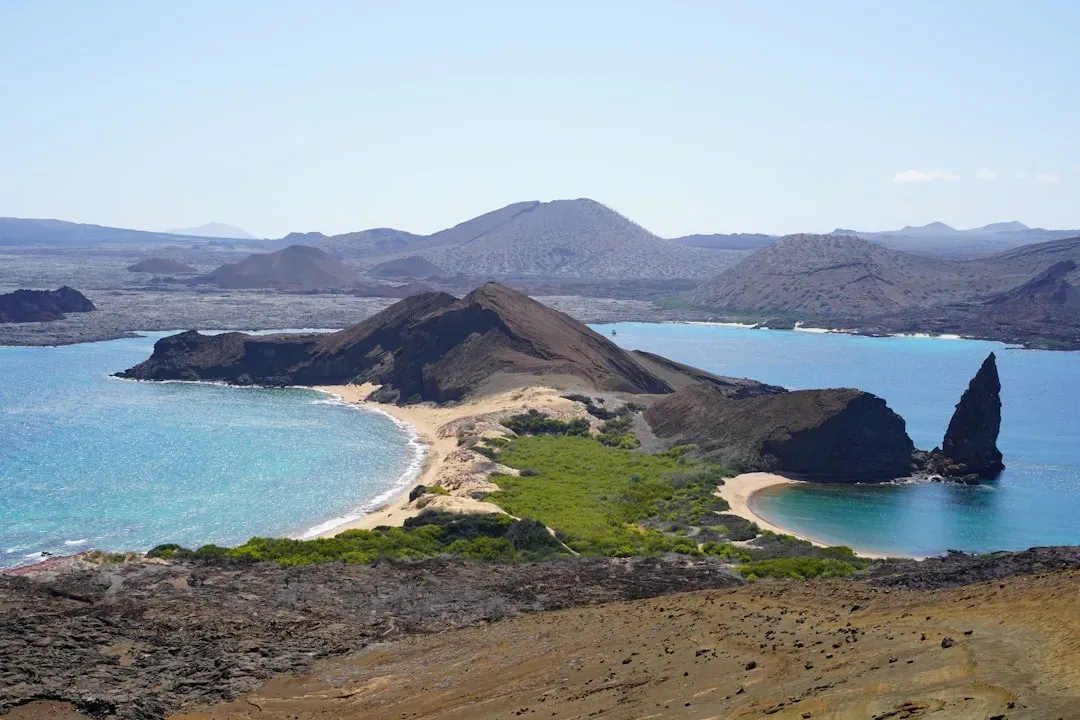
Most people think of the Galápagos as a land destination – blue-footed boobies, giant tortoises, iguanas that look prehistoric because they basically are. Then they put on a mask. The marine reserve surrounding these islands is one of the few places on Earth where cold Antarctic upwellings and warm Pacific currents converge, creating conditions that push biodiversity into genuinely strange territory. Snorkelers regularly share a single session with sea lions, Galápagos penguins – the only penguin species found north of the equator – and hammerhead sharks circling lazily below them.
Devil’s Crown, a partially submerged volcanic crater off Floreana Island, packages this weirdness into one tight location: moray eels in the crevices, white-tipped reef sharks on the sandy bottom, colorful reef fish everywhere else. Endemic species densities here exceed most tropical reefs because the cold upwellings discourage casual tourism while supercharging marine food chains. Strict protections and limited permits have kept the ecosystem from being loved to death. Few visitors realize how much of the real action stays within arm’s reach of the surface.
#6 – Palau’s Rock Islands: Jellyfish Lake and Beyond
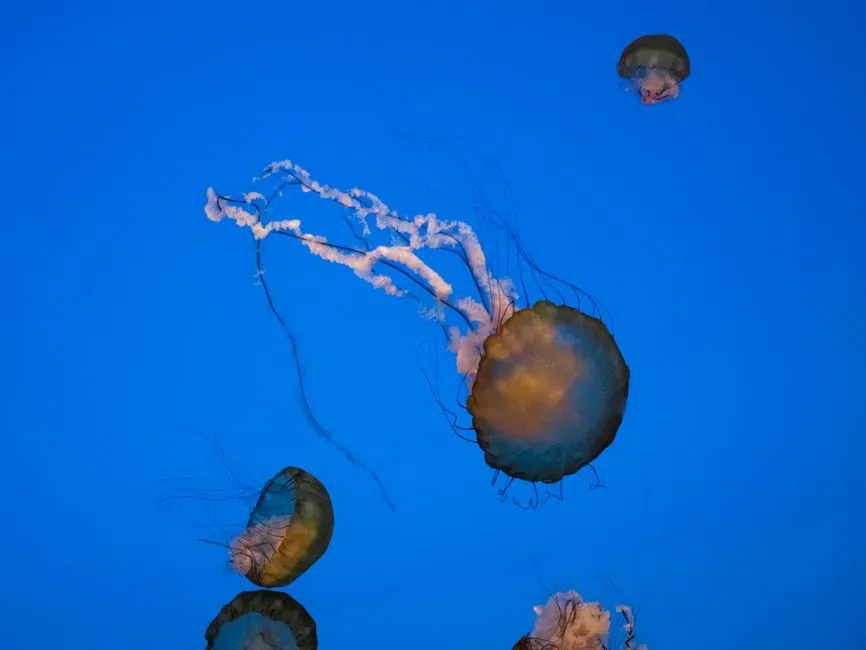
Palau sits in the western Pacific in a way that makes it easy to overlook on a map, surrounded by bigger destinations with bigger marketing budgets. But marine biologists have been quietly calling it one of the most important reef ecosystems in the world for decades. The Rock Islands – a cluster of limestone mushroom-shaped formations draped in jungle – shelter a marine lake that contains a population of golden jellyfish so large and so surreal that swimming through them feels less like snorkeling and more like stepping into a nature documentary you accidentally fell into.
These jellyfish are almost entirely harmless to humans – they evolved that way in a predator-free, isolated lake environment, so their stinging ability became essentially vestigial. So you are free to float among them while they pulse gently around you in golden columns of living light. That experience alone would justify the trip. The surrounding reefs add Napoleon wrasse, reef sharks, and some of the best visibility in the Pacific. Palau’s Rock Islands Southern Lagoon is a UNESCO World Heritage Site, and the lake carries a mandatory visitor permit – which means you should book early and go before conditions or permit rules change.
Worth Knowing: Jellyfish Lake, Palau
- The golden jellyfish (Mastigias papua etpisoni) is an endemic subspecies found nowhere else on Earth
- At peak population the lake held over 30 million jellyfish; populations fluctuate dramatically with El Niño cycles and have rebounded after past crashes
- A non-citizen visitor permit is required – currently around $100 USD, valid for 10 days
- Scuba tanks and diving equipment are banned inside the lake to protect its delicate water stratification
- Only reef-safe sunscreen may be applied, and it must be applied at least 30 minutes before entering the water
- Palau became the first nation to ratify the High Seas Treaty in 2024 – conservation is institutional here, not just a marketing line
#5 – Belize Barrier Reef: The Blue Hole’s Overlooked Neighbors
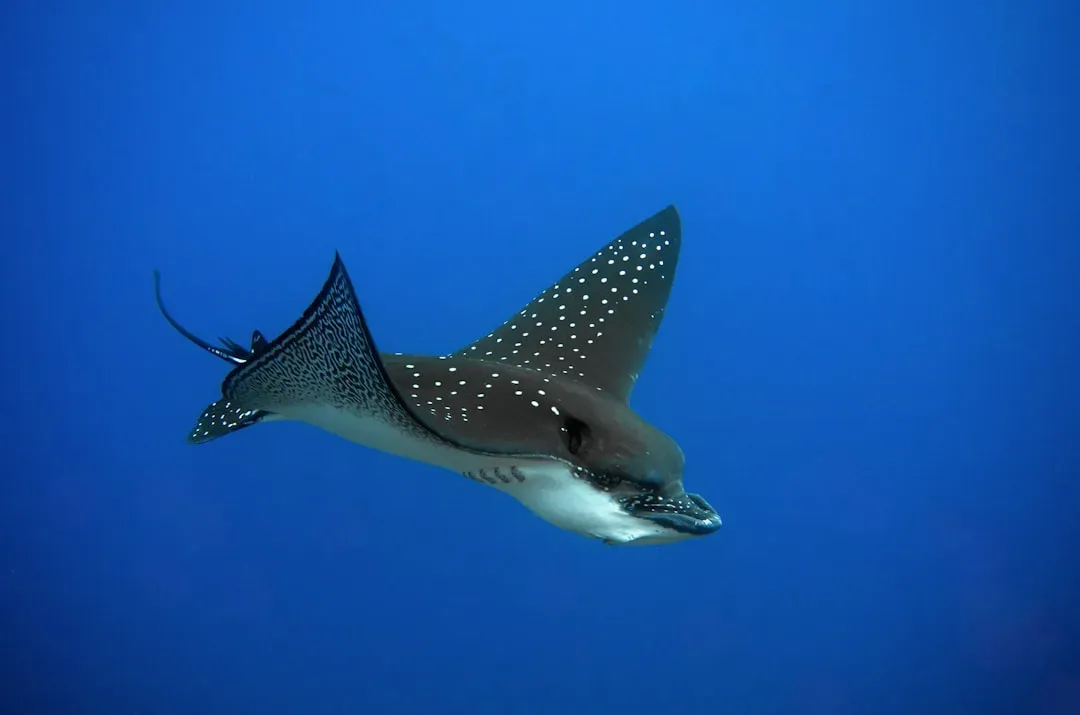
Everyone who visits Belize wants a photo of the Blue Hole – the perfectly circular deep-water sinkhole that looks from the air like a dark eye staring back at you. That’s understandable. It’s one of the most visually iconic formations in the ocean. But the snorkeling at the Blue Hole itself is famously anticlimactic. The real action is next door, in the atolls and protected zones that most day-trippers never reach. Hol Chan Marine Reserve delivers nurse sharks in numbers that would be alarming if they weren’t so relentlessly calm, eagle rays gliding overhead, and – if you know where to look – manatees drifting through seagrass beds at the edge of visibility.
Belize’s government has enforced strict “no-take” zones across significant portions of the reef, and the results are visible in the water. Fish populations in the protected areas are measurably denser and larger than in neighboring countries where enforcement is looser. Many marine experts now argue that the Belizean atolls – Turneffe, Lighthouse, and Glover’s Reef – offer better snorkeling value than the Blue Hole has ever delivered. The Hole made Belize famous. The atolls will make you want to come back.
#4 – Maldives: Manta and Whale Shark Cleaning Stations
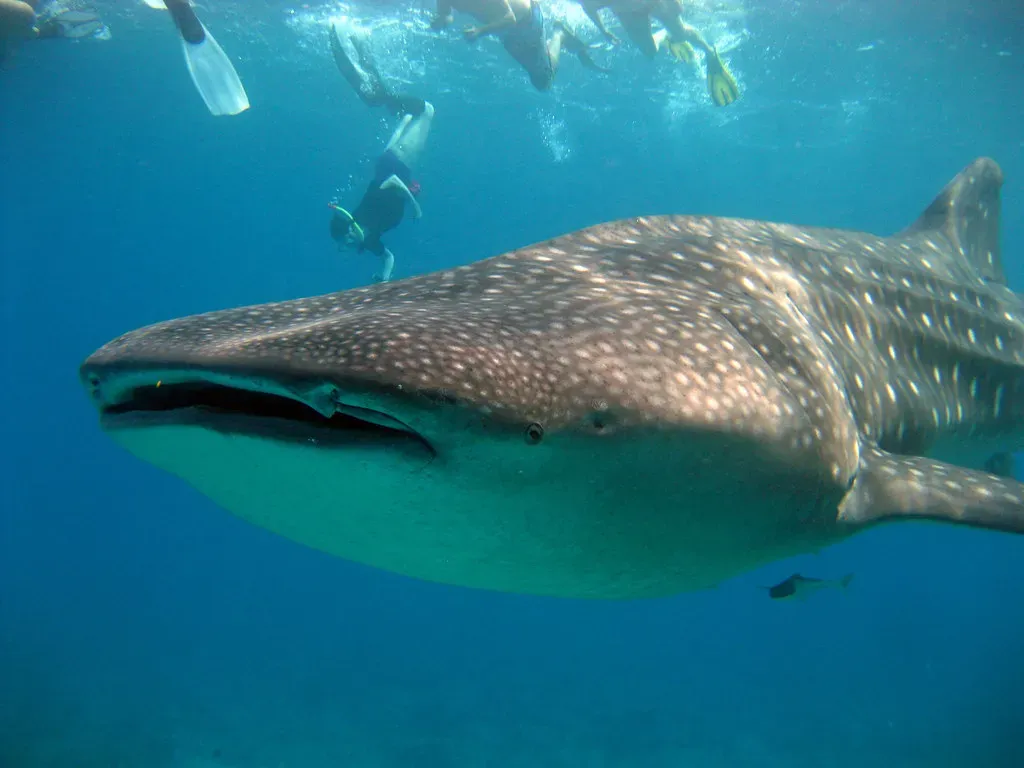
The Maldives sells overwater villas and sunsets so effectively that its actual marine environment gets treated like a footnote. That is a staggering misrepresentation of what lives in those channels. The atolls host some of the most reliable manta ray cleaning stations on Earth – specific coral formations where mantas arrive on a schedule tight enough that experienced guides can predict them almost to the hour. Whale sharks move through seasonally, following plankton blooms with their prehistoric, open-mouthed patience. Over 1,000 fish species have been documented in the waters between the islands.
Drift snorkeling in the Maldives deserves its own conversation. The tidal channels between atolls push so much water that you cover distance effortlessly, with reef sharks below you and reef fish detonating in every direction as the current sweeps you through. Resorts across the archipelago have shifted toward conservation practices over the past decade, and the reefs are healthier for it compared to where they were in the early 2010s. Come for the villa if the budget allows – but be honest with yourself about what’s actually going to make the trip unforgettable.
Quick Compare: The Maldives vs. a Standard Beach Resort
- Maldives channel drift: Effortless current-assisted snorkeling past reef sharks, rays, and reef fish explosions – no swimming effort required
- Standard resort reef: Calm, guided, shallow – good for beginners but light on megafauna density
- Manta cleaning stations: Predictable, schedule-driven encounters – guides time visits to the hour
- Whale shark access: Seasonal in the Maldives; South Ari Atoll is the most reliable year-round spot in the archipelago
- Verdict: For snorkelers, the channel sites and cleaning stations are the reason to go – the villa is the bonus, not the point
#3 – Komodo National Park, Indonesia: Dragons and Dragonets
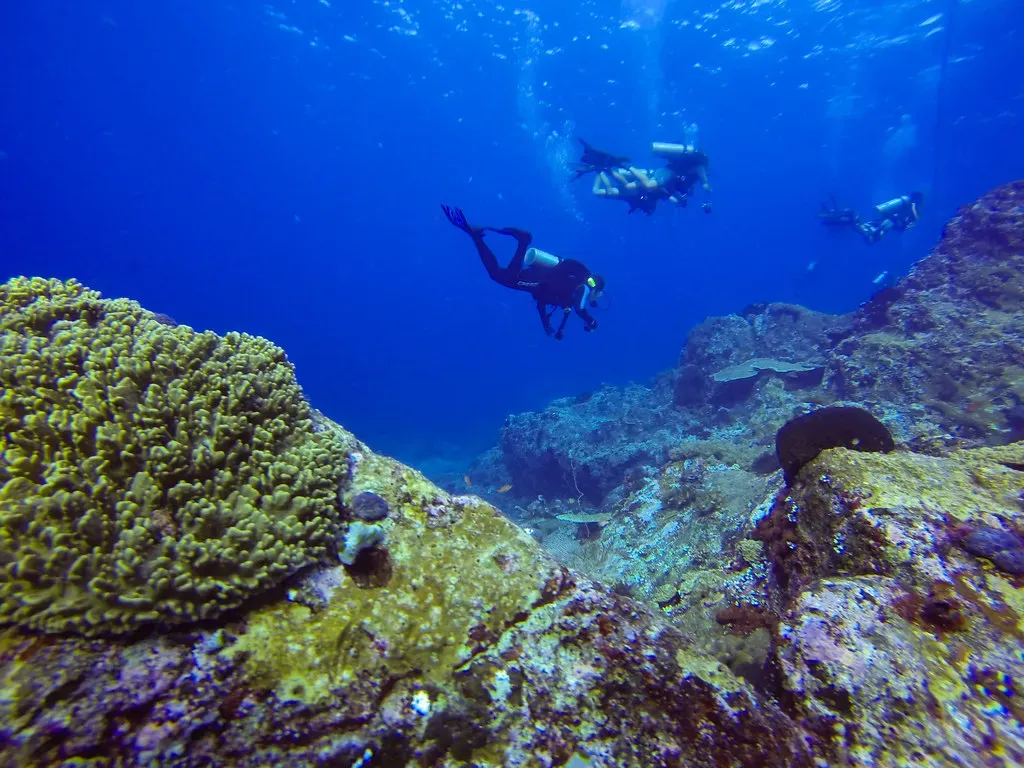
Most visitors come to Komodo to stand on a hillside and watch a Komodo dragon lumber past with the casual menace of an apex predator that has never had to rush for anything. What they don’t expect is that the water surrounding those same islands might be some of the most biodiverse snorkeling terrain on Earth. Strong currents driven by deep-water upwellings feed the reef in a way that produces coral gardens of extraordinary density and color – gardens that have survived recent bleaching events better than reefs in calmer, warmer water nearby.
Pink Beach, named for the blush of its sand – a color created by microscopic red-pigmented organisms called Foraminifera mixing with white coral fragments, one of only seven pink-sand beaches in the world – sits in front of a reef wall thick with groupers, rays, and tiny ornate dragonets that flash iridescent blue as they dart across the rubble. The reef starts just meters from the shoreline and the park protects over 1,000 fish species and 260 coral species across its snorkeling sites. Snorkelers who drift the stronger current sites often report the highest fish counts of their lives – hundreds of species in a single session. The dragons are worth seeing. But the underwater world at Komodo might be the more enduring memory.
Why It Stands Out: Komodo National Park Underwater
- Over 1,000 fish species and 260 coral species documented across the park’s snorkeling sites
- Pink Beach reef starts just 3–5 m from shore; dry season visibility reaches 20–30 m (peak: June–September)
- Manta Point (Makassar Reef) hosts oceanic manta rays with wingspans commonly exceeding 4–7 m at a dedicated surface cleaning station
- “Turtle City” (Siaba Besar) regularly delivers 5–10 green and hawksbill turtles per snorkel session
- Best access: fly into Labuan Bajo; liveaboards cover the full park; day boats reach key sites in 30–45 minutes
- Dry season: April–November for best conditions; wet season still viable on calm days
#2 – Great Barrier Reef Outposts: Lady Elliot Island’s Secret
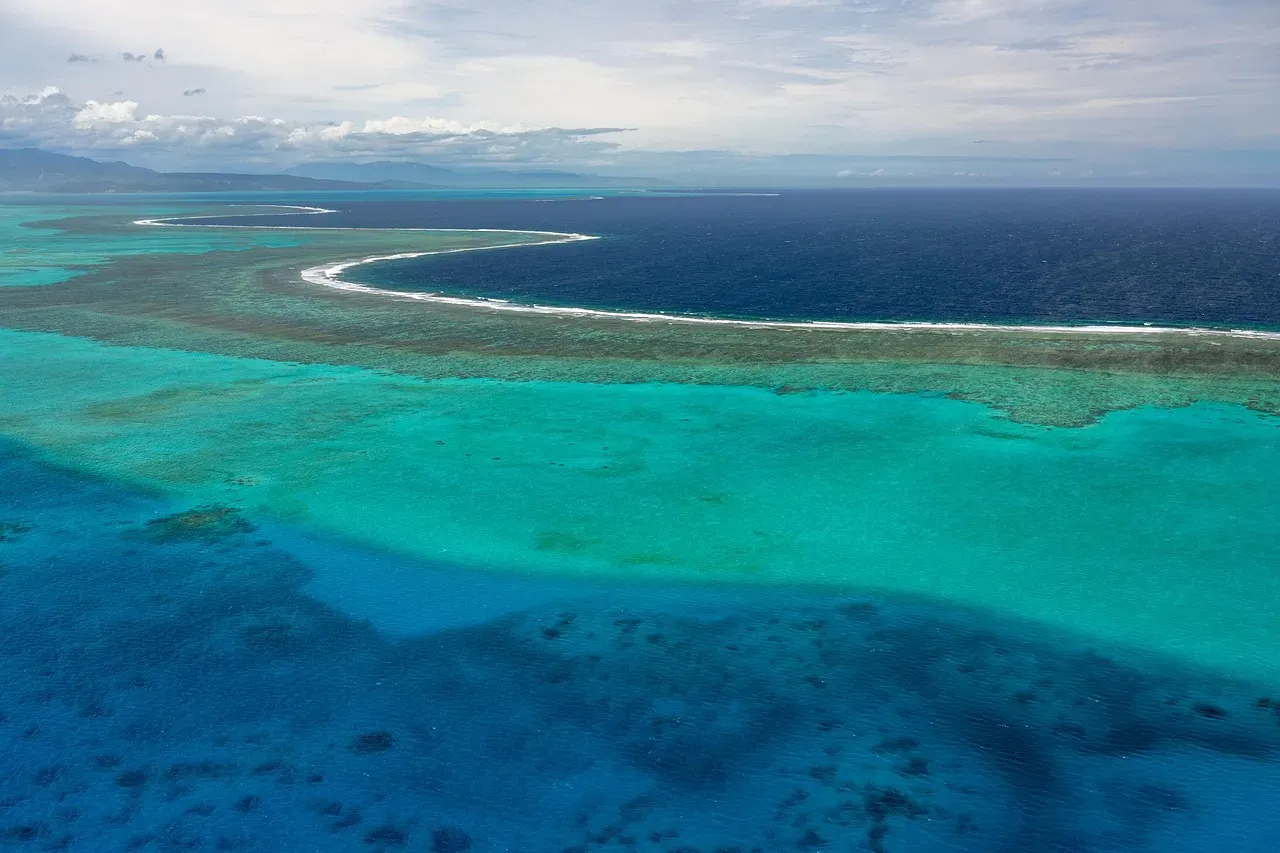
The Great Barrier Reef’s reputation has taken real damage in recent years, and much of it is deserved. Warming water, mass bleaching events, and runoff from agriculture have stressed large sections of the northern reef in ways that are visible and documented. But writing off the entire system based on headlines misses something important happening quietly at its southern tip. Lady Elliot Island, the southernmost coral cay of the GBR, sits far enough south that its water temperatures have stayed cooler and more stable, and its coral has stayed correspondingly healthier.
Access by helicopter or small plane keeps visitor numbers genuinely low – not “low for a major reef destination” low, but actually low. The water around Lady Elliot hosts consistent turtle encounters, manta ray cleaning stations that rival the Maldives, and reef fish densities that reflect strict local protections rather than tourist pressure. Insiders who know the GBR well increasingly skip the Cairns tour boats entirely and fly straight to the southern outposts. The reef is not dead. You just might be looking in the wrong place.
#1 – Raja Ampat, Indonesia: The Undisputed Biodiversity King
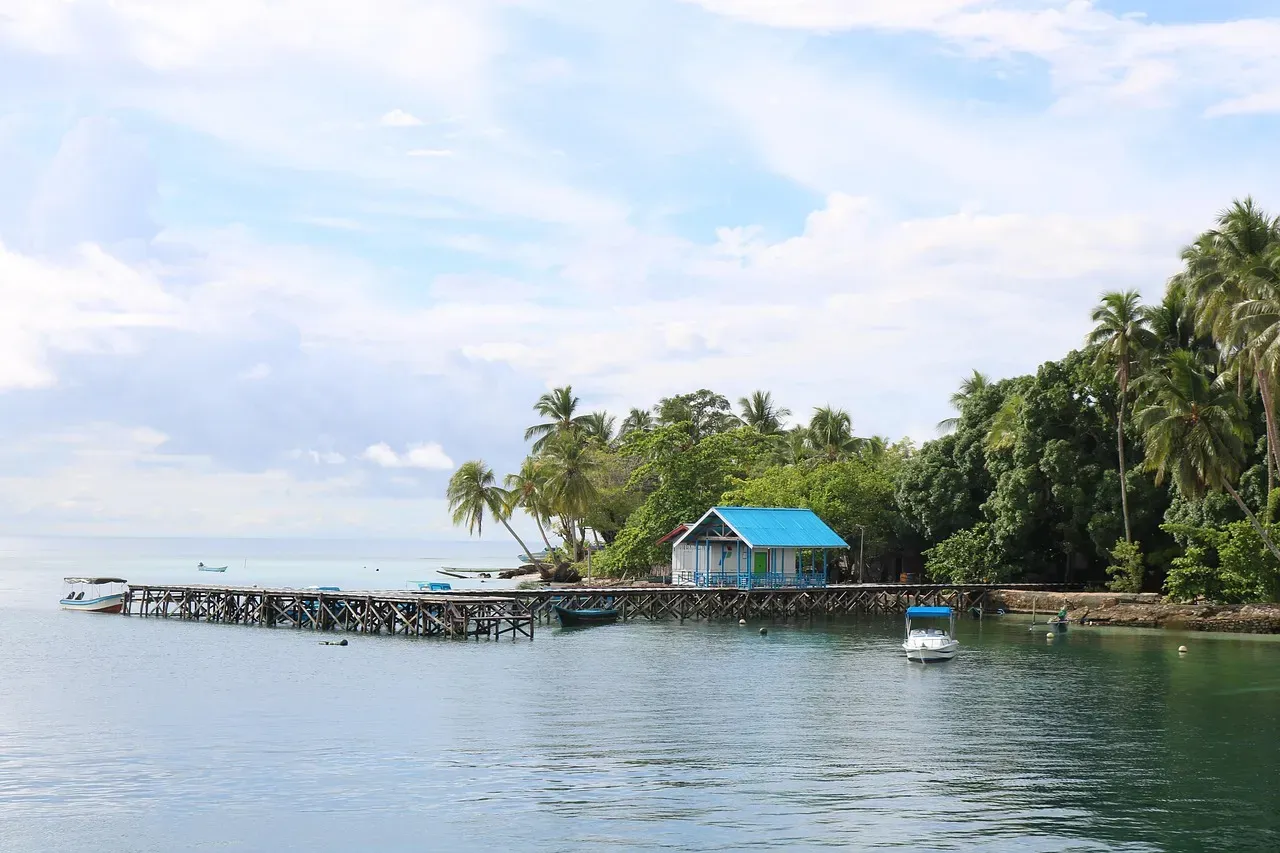
There is no honest argument against Raja Ampat sitting at the top of this list. It is not the most famous snorkeling destination. It is not the easiest to reach. But it is, by every measurable biodiversity metric, the richest marine environment on Earth accessible to snorkelers. Sitting at the heart of the Coral Triangle – the global center of marine biodiversity – Raja Ampat’s 1,500-plus islands shelter approximately 75 percent of the world’s known coral species, more fish species than the entire Caribbean Sea, endemic sharks found nowhere else, and at least 45 marine lakes containing unique stingless jellyfish or sponge species. That last part, remarkably, is almost a footnote.
Raja Ampat is the most species-rich marine environment ever recorded. There is nowhere else like it.
Dr. Mark Erdmann, marine biologist, Conservation International
Visibility regularly exceeds 30 meters at prime sites. Marine protected areas enforced by local communities – not just government agencies – have kept fishing pressure low and reef recovery strong. Liveaboard trips let you reach the remote sites where the full density of life becomes almost disorienting. While travelers continue to chase the Great Barrier Reef out of habit and brand recognition, anyone who has spent time in Raja Ampat’s water understands why comparison feels slightly absurd. This is not the best snorkeling spot in Indonesia. It is the best snorkeling spot on Earth. The data, and everyone who has been there, agrees.
Fast Facts: Raja Ampat by the Numbers
- 550+ coral species – approximately 75% of all known coral species on Earth
- 1,600–1,800+ reef fish species recorded – more than the entire Caribbean Sea combined
- 700+ mollusc species and 5 species of sea turtles documented in the region
- 35+ endemic fish species found nowhere else, including the Raja epaulette (walking) shark
- 45+ marine lakes across the archipelago, at least 5 containing jellyfish populations
- Best conditions: March–April and August–September for optimal visibility and calm seas; diveable year-round
- Individual survey sites have recorded over 300 fish species in a single dive
The Honest Conclusion
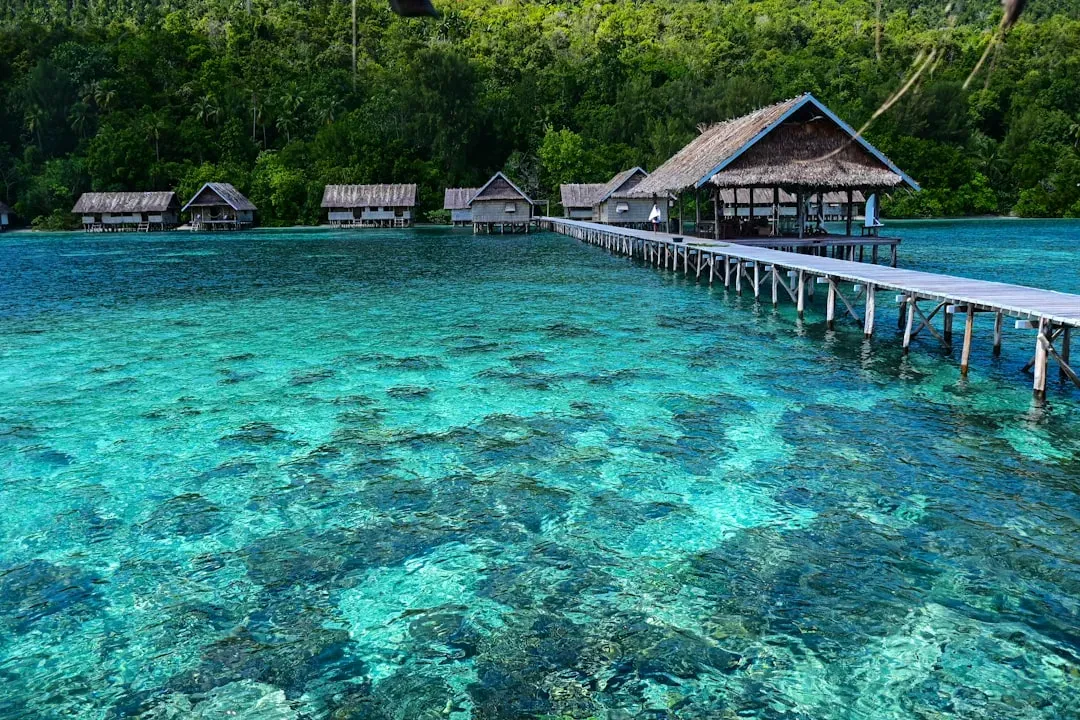
Here’s an opinion worth standing behind: the ocean rewards the curious and penalizes the lazy planner. Half the destinations on this list are under-visited precisely because they require more research, more logistics, or more willingness to look past whatever reef name gets repeated in every travel magazine. Raja Ampat is remote on purpose. Lady Elliot Island requires a small plane. The Exumas’ best blue holes require a local guide who isn’t on TripAdvisor. That friction is the filter that keeps these places extraordinary.
The Great Barrier Reef will survive as a brand long after significant portions of it have degraded – because marketing is more durable than coral. But the snorkelers who will look back on genuinely transformative experiences are the ones who followed biodiversity instead of billboard recognition. The list above is a starting point. The ocean has more surprises than any ranked article can hold. Go find one of them before the crowds figure it out.

- The Ancient Secrets of Yellowstone’s Wild Animals Revealed - August 6, 2026
- Are Some Common Pet Behaviors Actually Signs of Undiagnosed Stress? - August 6, 2026
- 8 US States With the Most Horseshoe Crab Spawning Beaches - August 6, 2026