
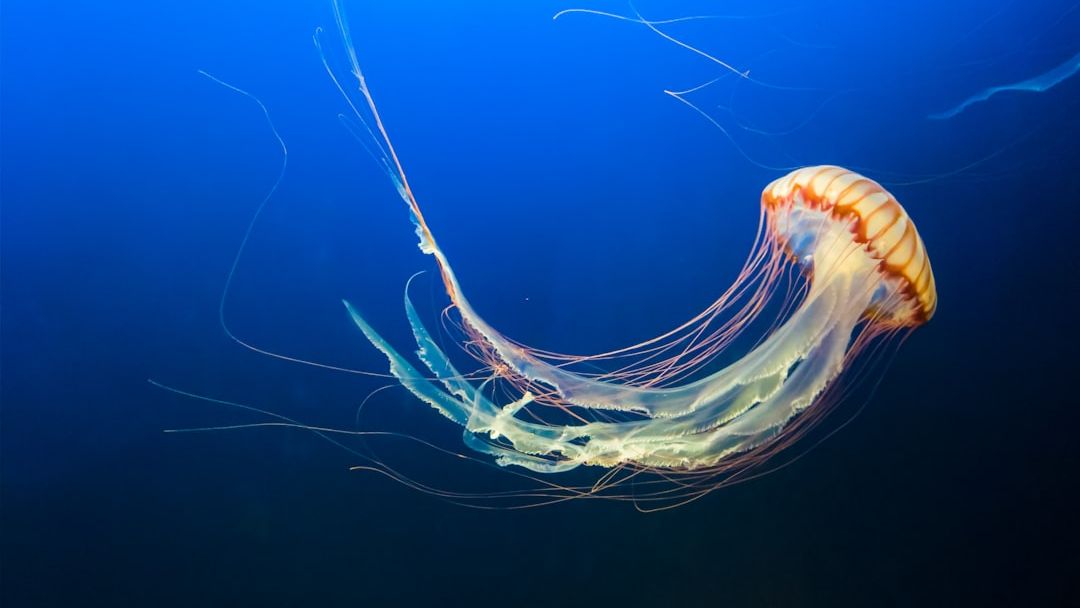
A Body Plan So Old It Predates Trees
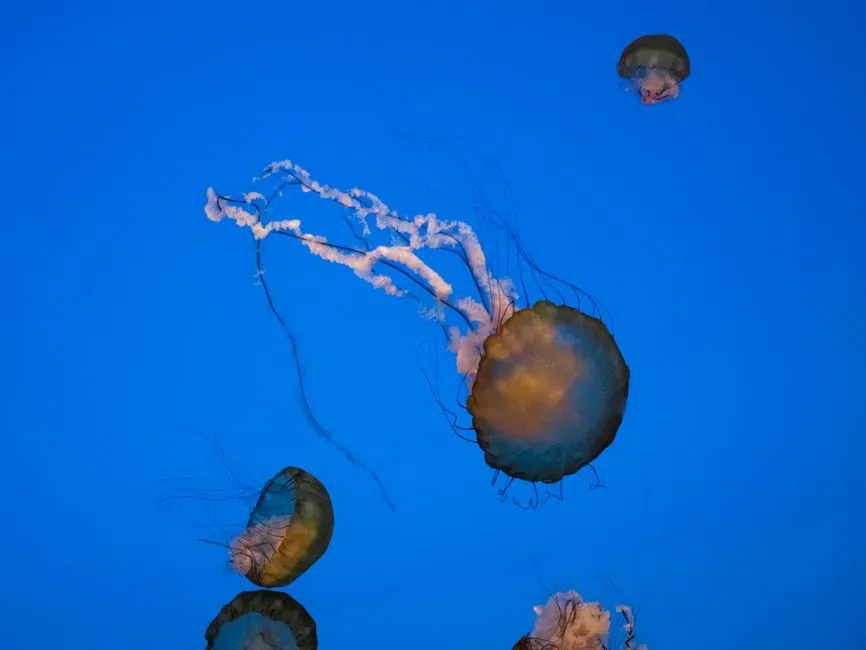
Jellyfish belong to the phylum Cnidaria, a diverse group of aquatic invertebrates that also includes corals and sea anemones, and fossil evidence suggests cnidarians are among the oldest animal groups, with records dating back over 700 million years, possibly even to the Ediacaran period. That timeframe places their origins in an era when the most complex life on Earth was still figuring out what a body even was.
One notable fossil finding is Burgessomedusa phasmiformis, identified from Canada’s Burgess Shale, dating back approximately 505 million years to the Middle Cambrian period, and these fossils show clear characteristics of modern jellyfish, including a bell shape and tentacles. The fact that this ancient specimen looks so familiar is precisely the point. Their survival through Earth’s turbulent history is a testament to a design so effective it has required little evolutionary change, and in fact, modern jellyfish closely resemble their ancient ancestors, showing that their basic biology was perfected early.
Five Mass Extinctions and Still Counting
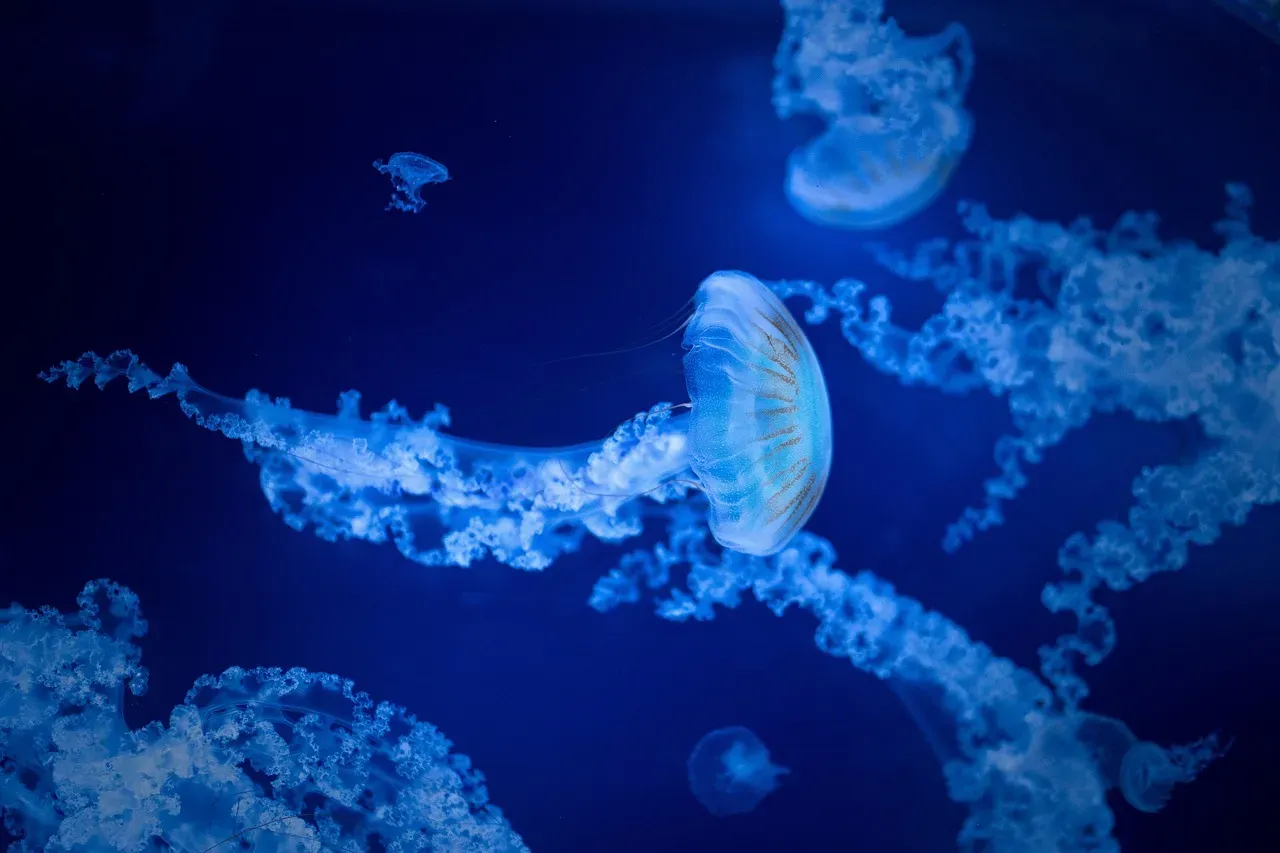
Before the dinosaurs, trees, or even fungi, there were jellyfish – the oldest multi-organ animal, surviving all five of Earth’s mass extinction events, including the Great Dying, also known as the Permian-Triassic extinction event, which wiped out 70% of life on our planet. The sheer scale of what they have outlasted is staggering.
Approximately 201 million years ago, the Triassic-Jurassic extinction eliminated about 80% of all species on Earth, coinciding with massive volcanic eruptions during the breakup of the supercontinent Pangaea, which released enormous amounts of carbon dioxide and sulfur dioxide into the atmosphere, and the resulting climate change, ocean acidification, and periods of intense global warming created hostile conditions for most marine organisms. Fossil evidence suggests that jellyfish and jellyfish-like organisms were among the first animals to rebound following the Permian extinction, flourishing in the stressed marine ecosystems where few competitors remained.
No Brain, No Heart, No Problem
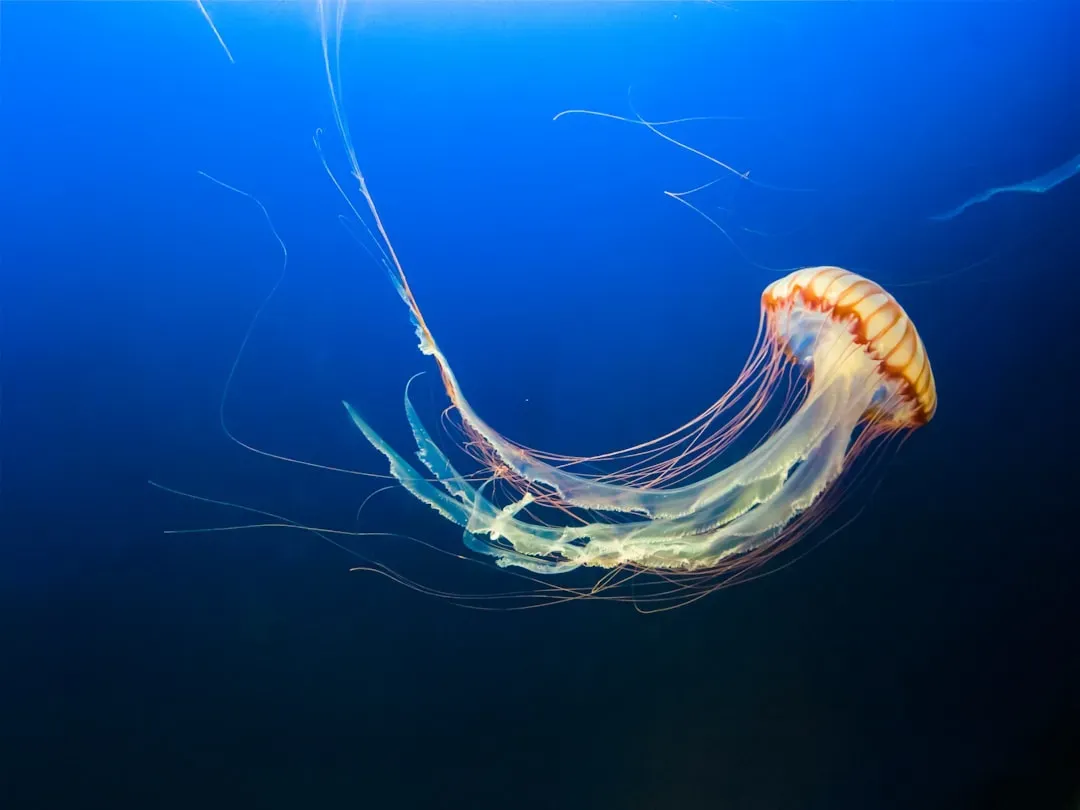
Jellyfish have no brain, no heart, no blood, no lungs, no bones, and no centralized nervous system, are roughly 95% water, and have been thriving in the ocean for over 500 million years, making them one of the oldest animal groups on Earth. That list of absences reads almost like a riddle. How does something missing so much still manage to function at all?
Jellyfish have no heart at all, no arteries, no veins, no capillaries, and no pump of any kind, and the cardiovascular hardware most animals rely on simply isn’t part of cnidarian anatomy. What jellyfish do have is a single muscular bell, and the subumbrellar musculature running along the underside contracts in coordinated pulses, squeezing water out and propelling the animal forward through a kind of biological jet propulsion. It’s minimal, elegant, and apparently all you need when your blueprint has been refined across half a billion years.
The Nerve Net: A Distributed Intelligence
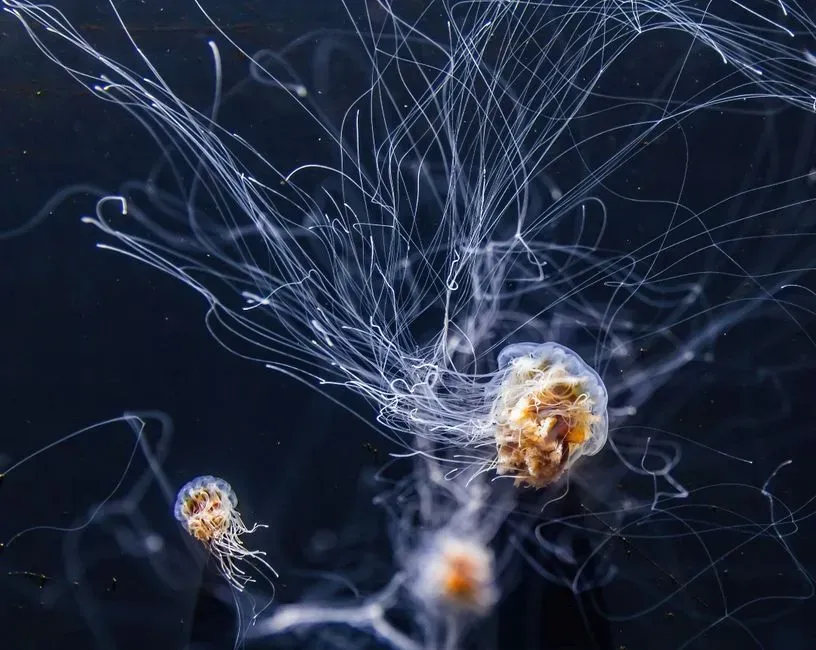
Instead of a brain, jellyfish have what scientists call a nerve net, a web of interconnected nerve cells spread throughout the animal’s entire body, and when part of the nerve net picks up a signal – a change in temperature, a touch, a shift in light – it transmits that information to the rest of the body, triggering a reflexive response. No central command. No waiting for orders from above. The whole body thinks, if you can call it that.
Jellyfish possess structures called rhopalia, otherwise described as finger-like sensory projections that take on a role similar to our cerebellum, located along the lower edge of the bell, and these rhopalia act as pacemakers that aid jellyfish movement and balance, while also allowing jellyfish to detect light via photosensitive structures called ocelli and containing crystals that allow them to know if they are upside down or not. Not a brain by any stretch. Yet navigational enough to have survived every catastrophe Earth has thrown at the oceans.
The Secret Weapon: Reproductive Flexibility
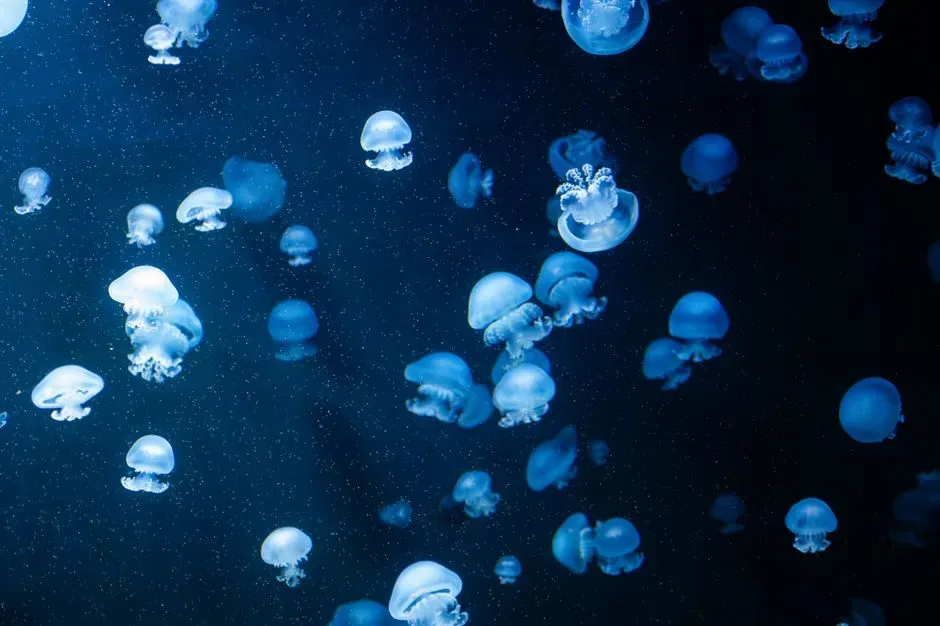
Most jellyfish species can reproduce both sexually and asexually, allowing for rapid population growth when conditions are favorable. That dual capacity matters enormously when resources are scarce and environments become unstable. It’s the biological equivalent of having two completely different backup plans running simultaneously.
Jellyfish undergo an amazing metamorphosis, from tiny polyps growing on the seafloor to swimming medusae with stinging tentacles, and this shape-shifting has served them well, shepherding jellyfish through more than 500 million years of mass extinctions on Earth. At the beginning of their cycle, jellyfish are called polyps and reproduce asexually by dividing themselves in two, and both polyps then develop into adults called medusae, which as adults release their sperm or eggs directly into the water, usually at dawn or dusk, with fertilized eggs developing into free-swimming larvae called planulae. Two completely different life stages, two completely different ecological roles. It’s an extraordinary hedge against extinction.
The Immortal Jellyfish: Bending the Rules of Death
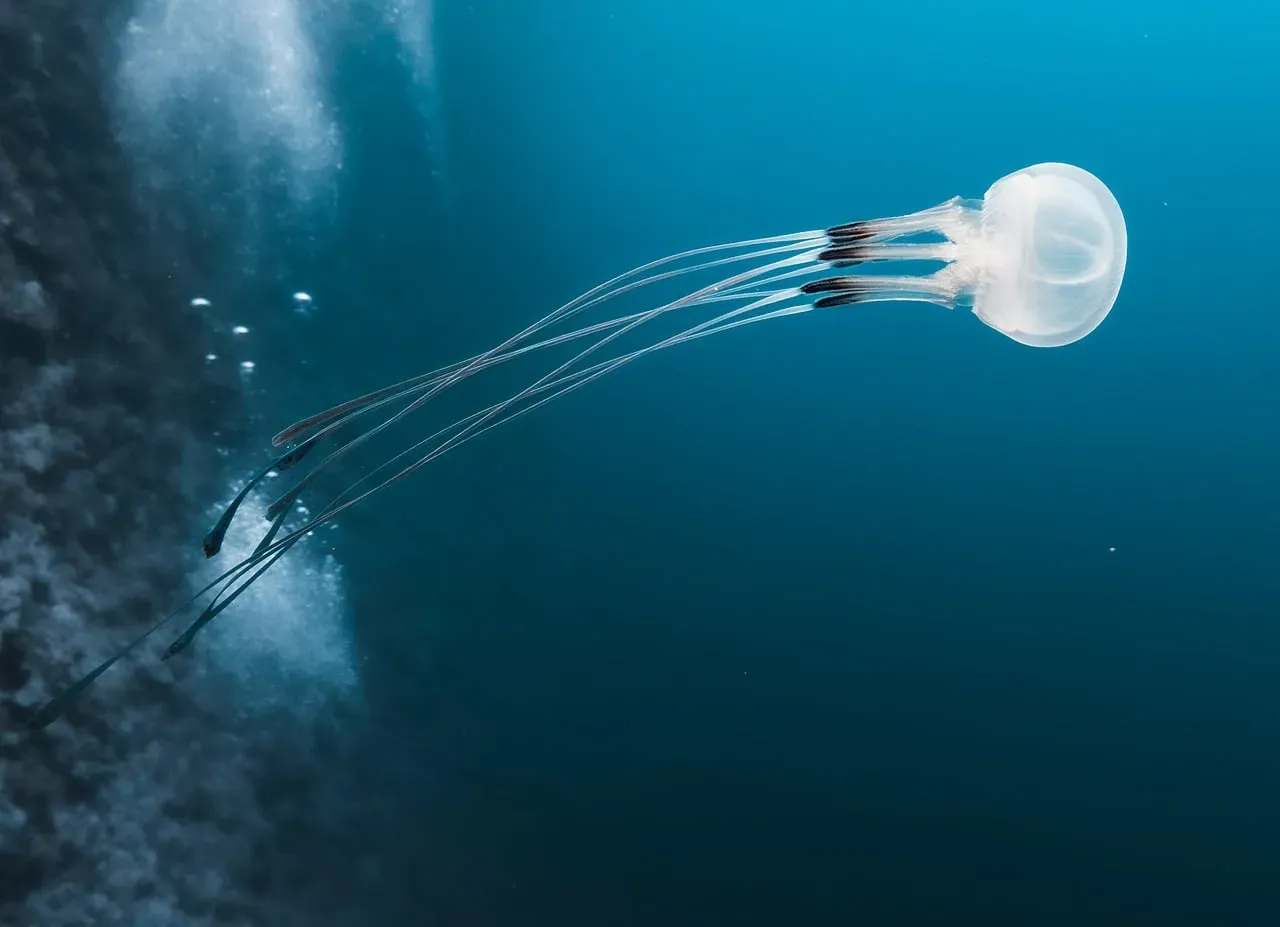
As far as scientists can tell, the Turritopsis dohrnii jellyfish might be able to cheat death. Found in the Mediterranean Sea and in the waters of Japan, this species can undergo cellular transdifferentiation. When threatened, sick, or old, it begins a process that reverts its cells to a polyp or adolescent stage and then forms a new polyp colony – basically creating younger versions of itself that will become identical to its mature adult form when grown.
This doesn’t mean the immortal jellyfish can’t die, since predation, disease, and environmental changes can still kill it, but the biological ability to reverse aging at the cellular level is unique in the animal kingdom and has made it one of the most studied organisms in aging research. Most jellyfish, it should be said, live for only a matter of months. Most jellyfish only live for about a year, with some only living for a couple of days. The immortal jellyfish stands apart as an outlier even among its own extraordinary kind.
Thriving Where Others Cannot
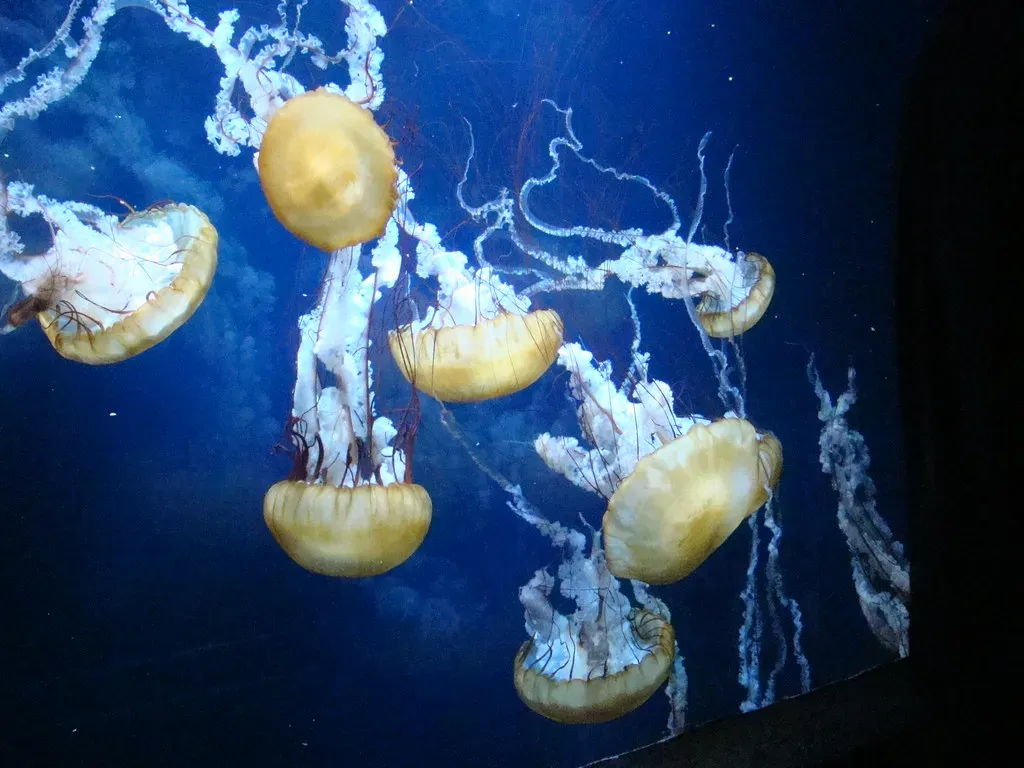
Unlike fish and many other marine organisms that require constant oxygen exchange through specialized gills or lungs, jellyfish can tolerate extremely low oxygen levels, their low metabolic rates mean they require minimal oxygen and they can absorb what little is available directly through their body surface, and some jellyfish species can even survive in completely anoxic conditions for short periods. That tolerance is not a minor footnote. It’s a superpower.
Their simple structure may be one reason for this resilience, since without complex organs to fail, they can tolerate conditions that would kill more delicate animals. Their dietary flexibility is a significant advantage, as most jellyfish are opportunistic predators capable of consuming a wide range of prey, from tiny zooplankton to small fish, and this adaptability allows them to shift their diet as food webs change during environmental disruptions, while they can also adjust their metabolic rates and feeding behaviors based on food availability.
Their Role in the Ocean Ecosystem
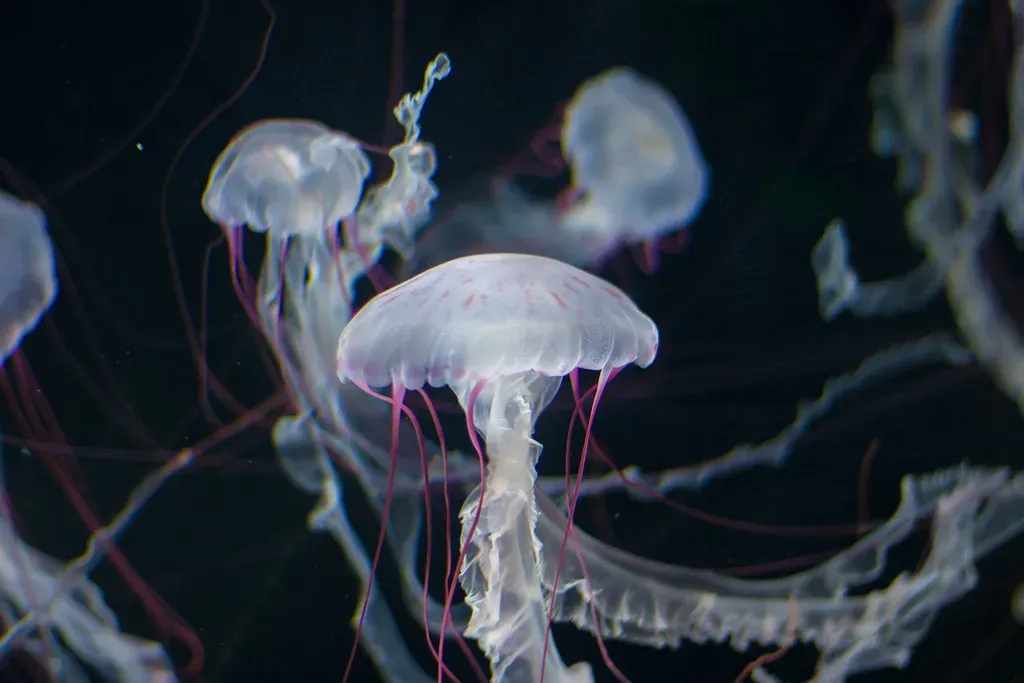
Jellyfish play a critical role in the marine ecosystem as both predator and prey, they help control the population of smaller marine organisms and serve as food for larger species such as sea turtles, and their presence in the ocean is an indicator of the water’s fertility and health. They’re far from passive bystanders in the seas they’ve inhabited for eons.
Although jellyfish are mostly water, they accumulate carbon too, and since jellyfish usually only live for about a year and grow quite fast, every year there are huge amounts of jellyfish being born in the spring, and when they die, they sink quickly, taking their carbon away from the surface and into the deep ocean to be sequestered. An important protein from the crystal jellyfish called green fluorescent protein, when used by scientists as a biomarker, literally sheds light on the inner workings of the body, tracking processes from insulin production to HIV infection to muscle structure, and the researchers who developed this technology won the Nobel Prize for Chemistry in 2008.
Jellyfish and a Warming Planet
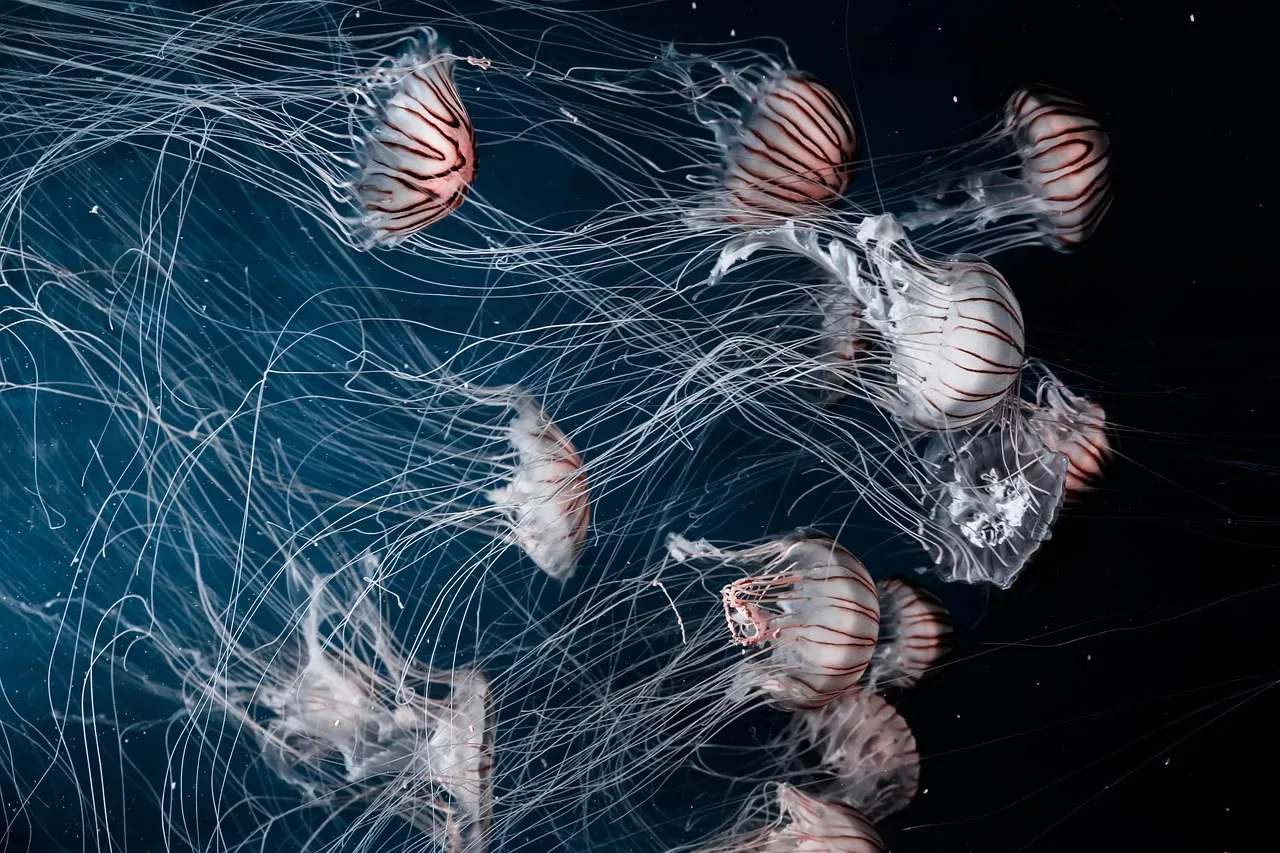
The jellyfish is thriving in fertilizer-rich, deoxygenated warm ocean waters, and while putting a number on jellyfish populations is difficult due to a lack of quantitative records, a study showed that jellyfish populations have increased in at least 68 ecosystems around the world since 1950 and they are one of the few groups of organisms that may benefit from the continued anthropogenic impacts on the world’s biosphere.
Jellyfish can survive, and often rapidly multiply, in warmer, more acidic and less oxygenated seas, meaning that they’ll likely thrive as climate change makes the oceans uninhabitable for other marine animals. Whilst other fish may suffocate and die, jellyfish are able to tolerate low concentrations of oxygen, allowing them to survive and multiply. The pattern is consistent: the more hostile the environment becomes for complex life, the better jellyfish tend to do.
What Half a Billion Years of Survival Actually Means
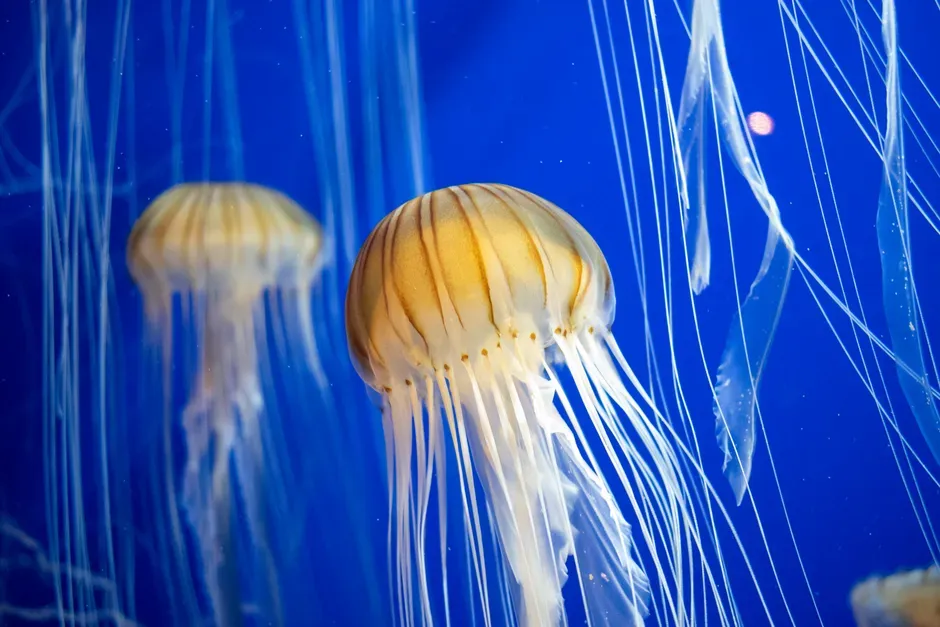
While 99% of all species that have ever existed are now extinct, jellyfish have remained largely unchanged for hundreds of millions of years. That statistic reframes everything. We tend to measure biological success by complexity, by intelligence, by size. Jellyfish quietly dismantle that assumption every day they exist.
In some ways, jellyfish highlight that survival does not require intelligence or consciousness – it requires compatibility with the environment. Jellyfish are not trying to survive; they simply do. Yet jellyfish continue to adapt, just as they have for hundreds of millions of years, and jellyfish seem to excel in areas where other animals cannot, including poorly oxygenated water or areas heavily affected by human activity.
Conclusion: The Oldest Lesson in the Ocean
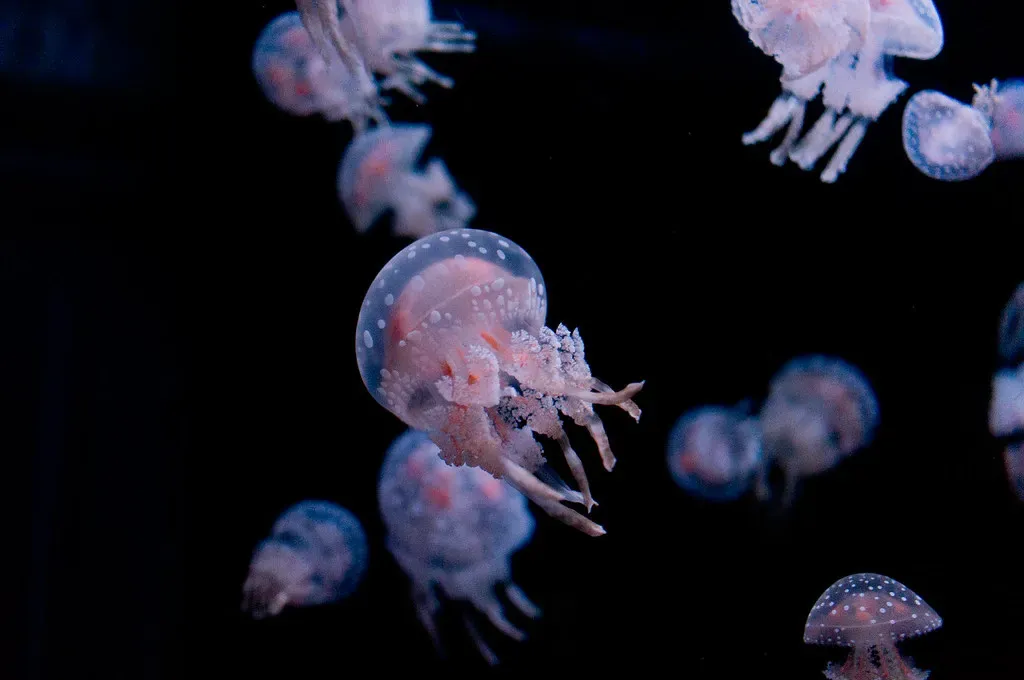
There is something genuinely humbling about the jellyfish. Every civilization humanity has ever built, every empire, every extinction-level catastrophe in our own brief history, all of it fits inside a timeline that these creatures have already exceeded by an unimaginable margin. They didn’t survive by being the strongest or the smartest. They survived by being fundamentally uncomplicated in a world that keeps punishing complexity.
If marine biology teaches us anything through the jellyfish, it’s that elegance and resilience are not always the same thing as sophistication. The ocean has seen supervolcanoes, asteroid impacts, runaway glaciation, and oxygen crises that would have choked most modern life out of existence. Through all of it, something translucent and brainless kept pulsing. In a world now reshaping its oceans faster than at almost any point in recorded geological history, the jellyfish is, once again, doing just fine. Whether that should inspire us or give us pause is worth thinking about carefully.

- The Ancient Secrets of Yellowstone’s Wild Animals Revealed - August 6, 2026
- Are Some Common Pet Behaviors Actually Signs of Undiagnosed Stress? - August 6, 2026
- 8 US States With the Most Horseshoe Crab Spawning Beaches - August 6, 2026