
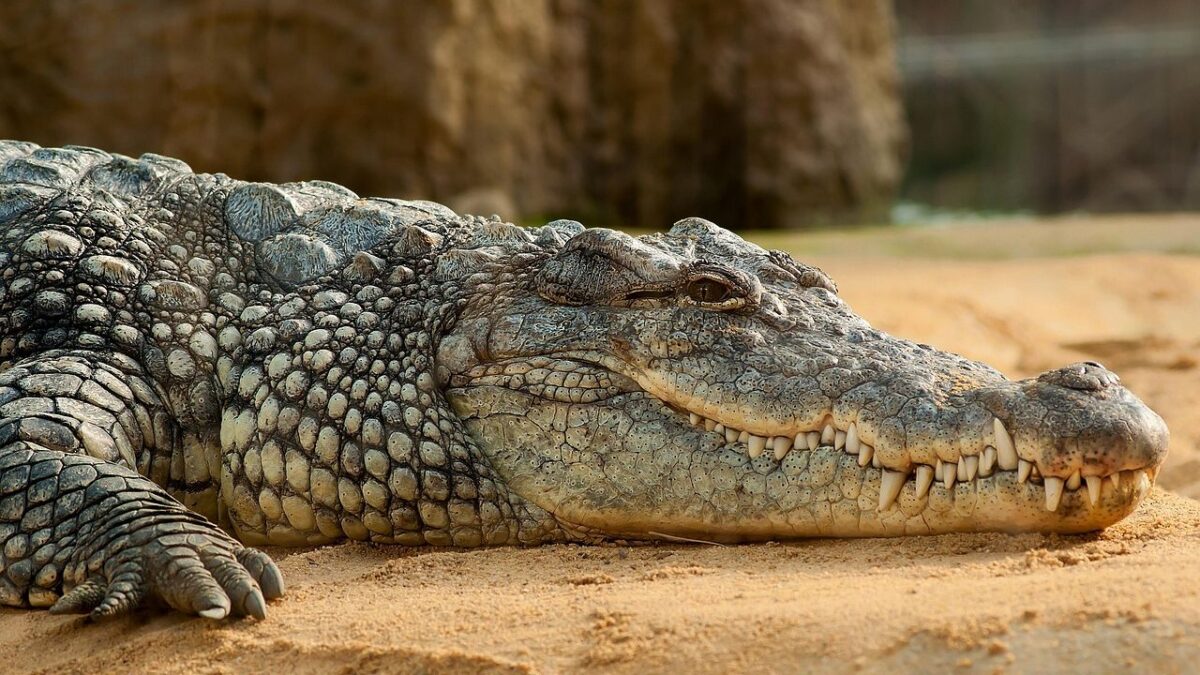
Picture a creature that has watched continents drift, dinosaurs rise and fall, and ice ages come and go, yet looks much the same as it did in the distant past. Crocodiles carry that kind of history in their armored bodies. Their persistence raises a simple question about what really allows a species to endure across vast stretches of time.
The answer lies less in dramatic reinvention and more in a set of traits that have proven remarkably effective. Scientists continue to study these animals because they offer a living window into deep evolutionary patterns. Their story shows how stability, rather than constant change, can sometimes be the winning strategy.
The Fossil Record Shows Remarkable Consistency
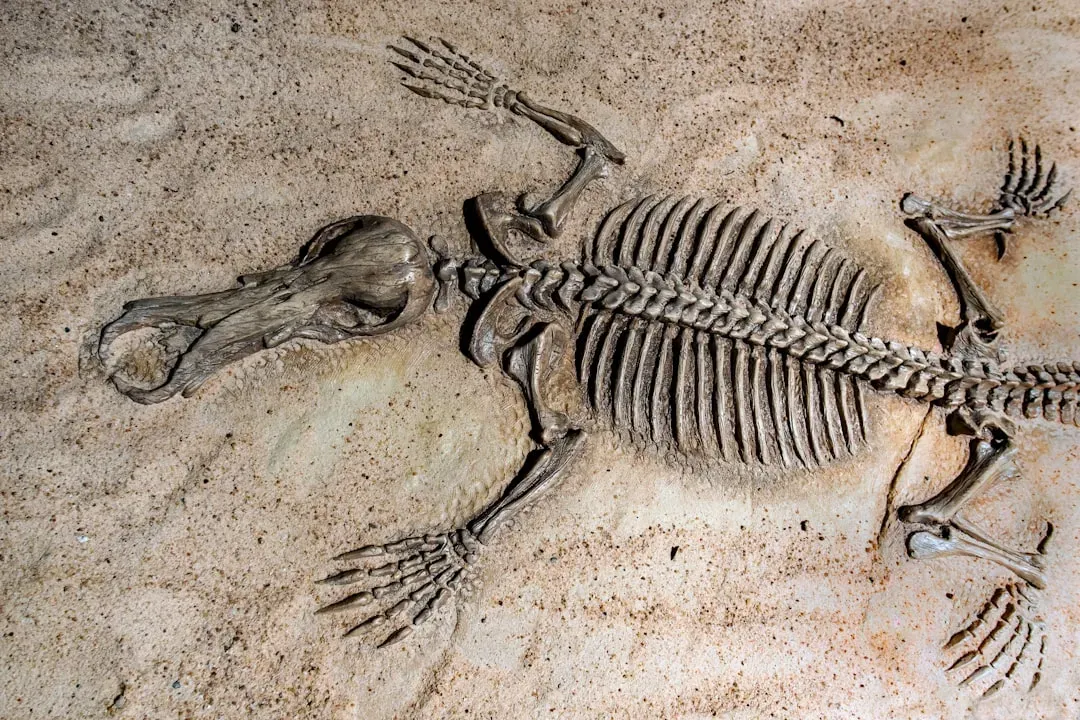
Fossils from the late Triassic period, roughly two hundred million years ago, already display the basic body plan seen in modern crocodiles. Skulls, teeth, and limb structures from those ancient specimens line up closely with species alive today. This continuity stands out because most other reptile groups underwent far more visible shifts over the same span.
Researchers note that while some early relatives experimented with different sizes and diets, the core crocodile lineage settled into a successful form early. Later fossils from the Jurassic and Cretaceous periods reinforce the pattern. The animals that survived mass extinctions kept the same essential features that work well in ambush hunting and aquatic life.
Powerful Jaws and Armored Bodies Provide Built In Advantages
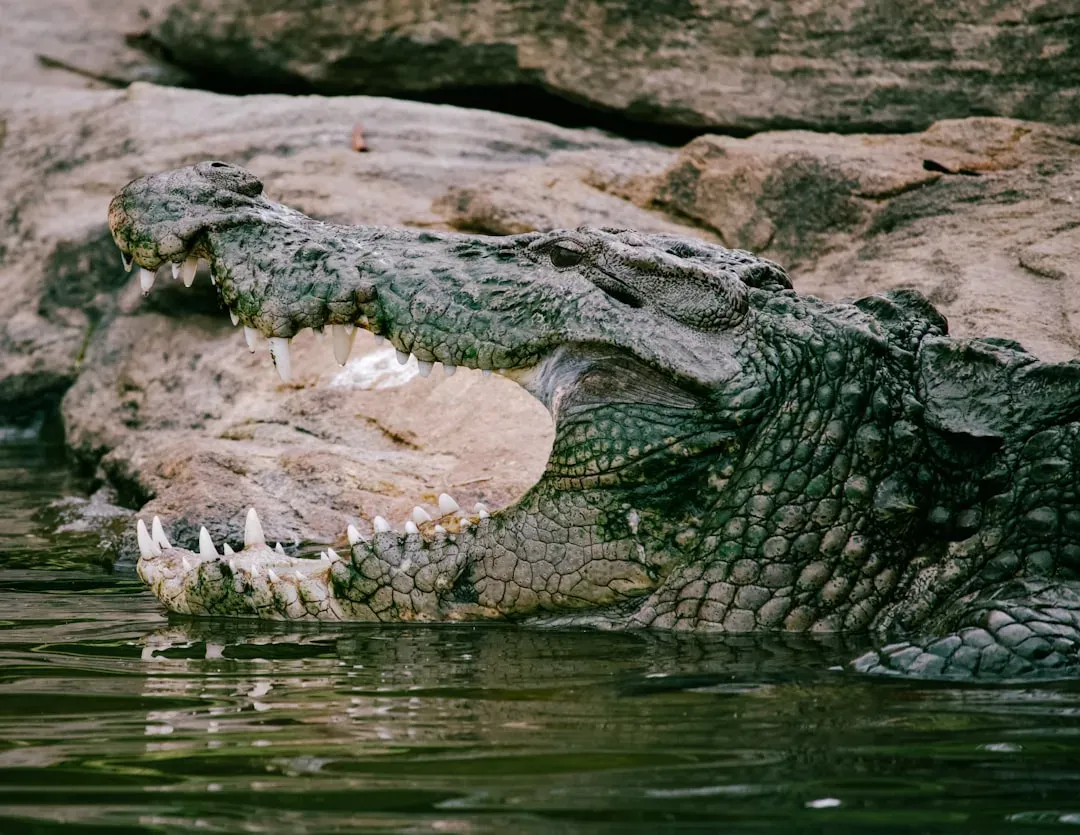
A crocodile’s bite force ranks among the strongest in the animal kingdom, allowing it to seize prey that other predators might struggle to hold. The skull design distributes pressure evenly, so the animal can clamp down without risking injury to itself. Thick bony plates along the back and tail add protection against attacks from above or behind.
These physical traits reduce the need for speed or agility in many situations. Instead, the animal relies on stealth and sudden power. Over millions of years, this combination has required little adjustment because it continues to deliver reliable results in varied settings.
Efficient Metabolism Supports Long Periods Without Food
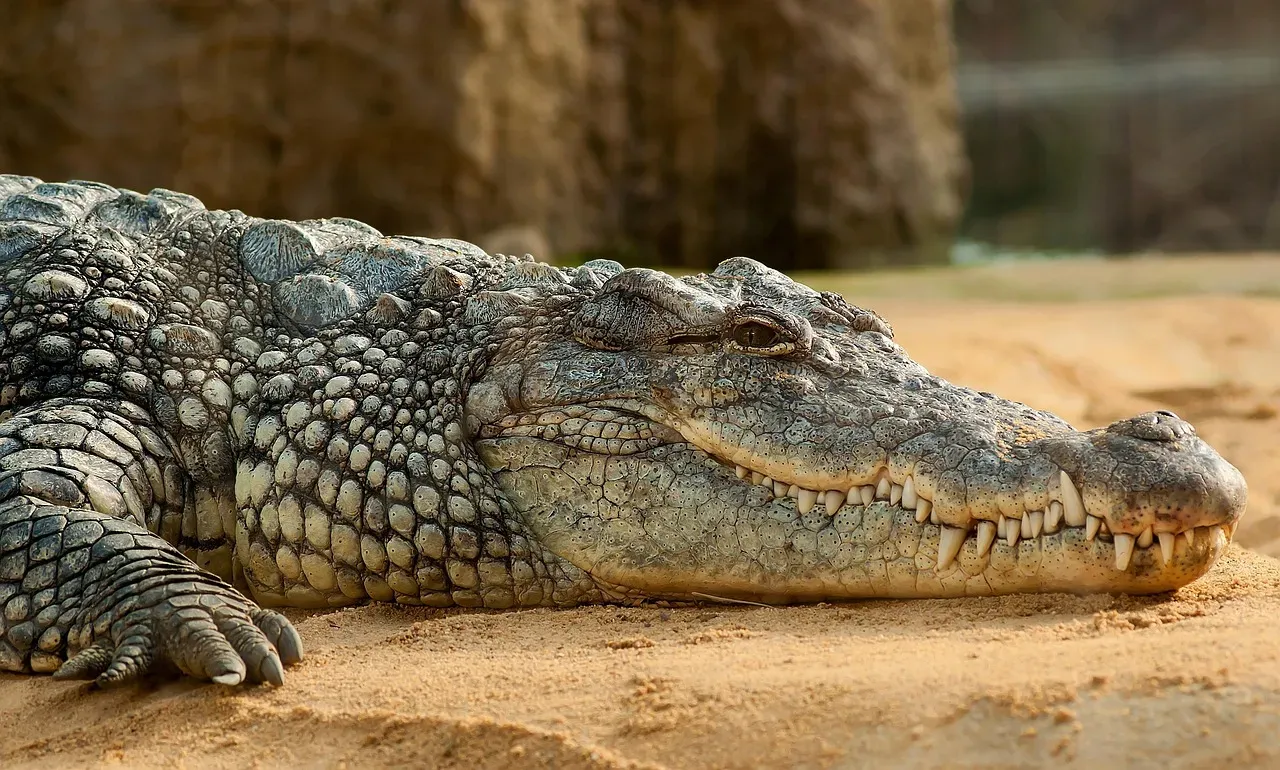
Crocodiles can survive months between substantial meals thanks to a low resting metabolic rate. Their bodies conserve energy effectively during times when prey is scarce. This trait becomes especially useful in seasonal environments where water levels and food availability fluctuate.
Unlike warm blooded animals that must eat regularly to maintain body temperature, crocodiles operate on a more flexible system. They can remain inactive for extended stretches without losing condition. Such efficiency helps explain how populations persist through droughts or other resource shortages that would challenge less adaptable species.
Habitat Flexibility Allows Survival Across Changing Landscapes
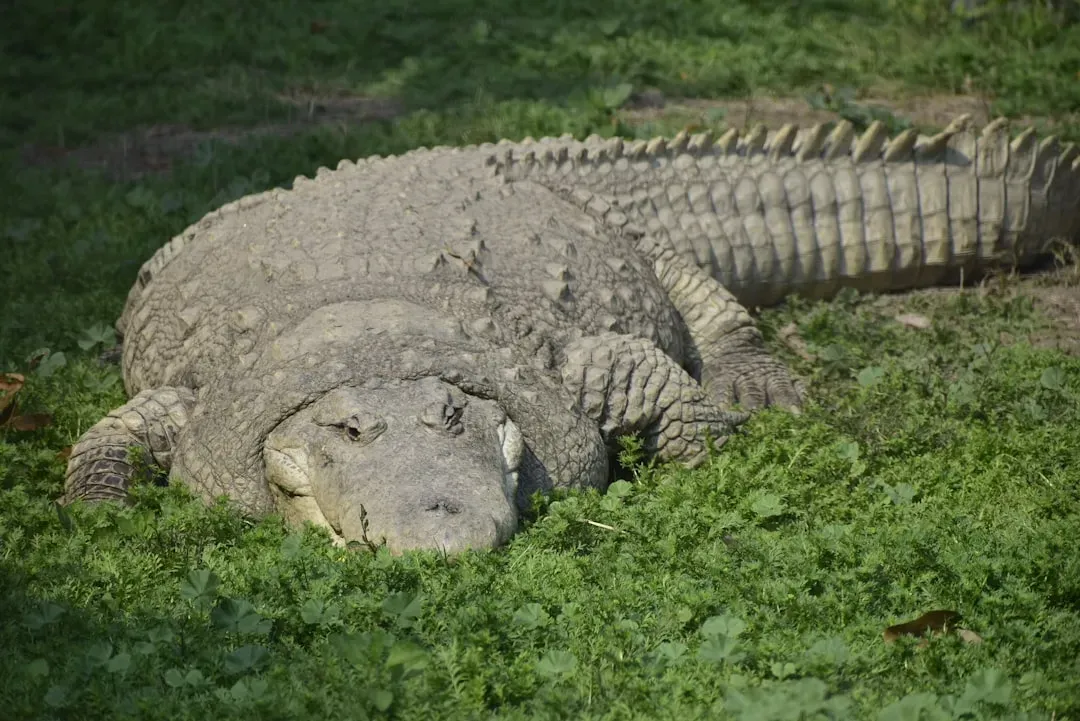
Modern crocodiles occupy rivers, lakes, estuaries, and even some coastal marine areas. This range of environments gives them options when conditions shift in one location. Ancient relatives already showed similar tolerance for both freshwater and brackish settings.
The ability to move between different water bodies or endure temporary dry spells adds another layer of resilience. Populations can relocate or wait out unfavorable periods rather than facing immediate extinction pressure. This geographic versatility has helped the group weather major climate swings over geological time.
Reproductive Strategies Favor Population Stability
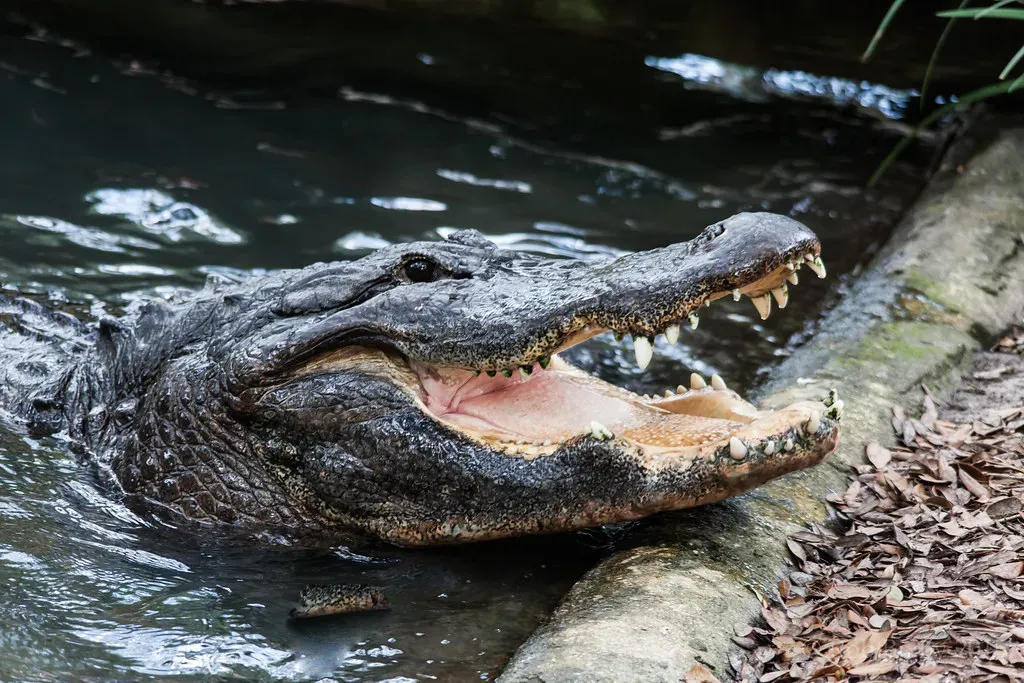
Female crocodiles build nests in carefully chosen spots and guard them against predators. They produce clutches of eggs that can number in the dozens, increasing the chance that at least some offspring survive. Temperature during incubation determines the sex of the young, which introduces a natural balance in population ratios.
Parental care extends for a time after hatching, giving the young a better start than many reptiles provide. These behaviors have remained consistent across fossil and living species. The combination supports steady recruitment even when adult survival rates vary from year to year.
Comparisons With Extinct Relatives Highlight What Worked
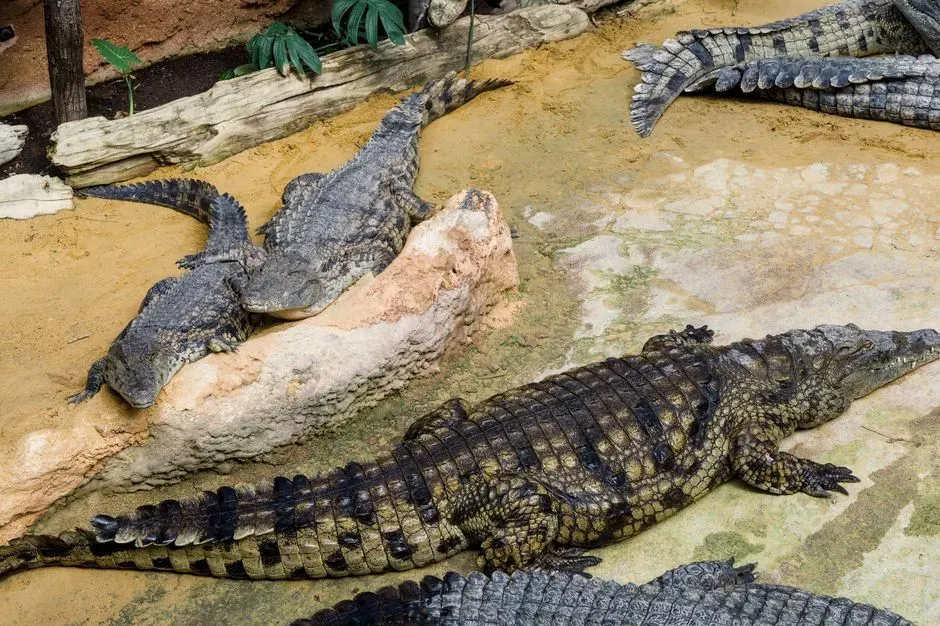
Many ancient crocodile relatives grew larger or adopted more terrestrial lifestyles, yet those branches disappeared during past extinction events. The surviving lineage stayed closer to the water and retained a generalist approach to hunting. This narrower path apparently matched environmental pressures better over the long term.
Other groups that once shared similar starting points evolved into very different forms or vanished entirely. Crocodiles kept a set of traits that continued to function without requiring major redesigns. The contrast underscores how certain conservative strategies can outlast more experimental ones.
Current Pressures Test an Ancient Blueprint
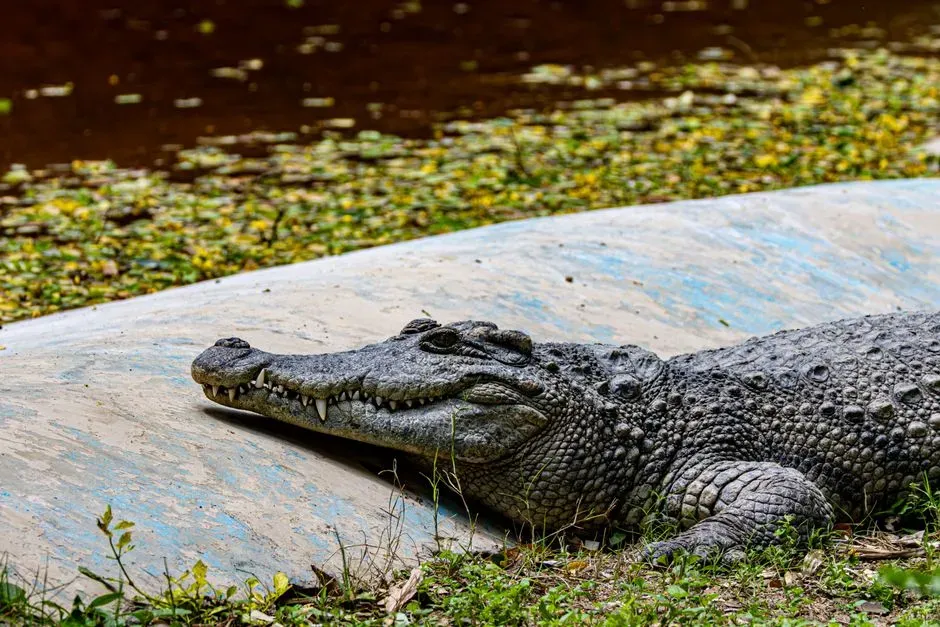
Habitat loss, pollution, and illegal hunting now affect crocodile populations in many regions. Some species have recovered through protection programs, while others remain vulnerable. These modern challenges differ from the natural shifts the animals faced in earlier eras.
Conservation efforts focus on preserving wetlands and regulating trade in skins and meat. Success in these areas shows that the same traits that aided survival in the past can still support recovery when human interference is reduced. The animals demonstrate that long term endurance does not guarantee immunity to rapid, human driven change.
Crocodiles stand as a quiet reminder that evolutionary success often comes from getting a few things right and holding onto them. Their unchanged form across immense stretches of time invites us to reconsider what counts as progress in nature. In a world of constant flux, their steady presence offers a grounded perspective on what truly lasts.

- Best Flowers to Attract Hummingbirds to Your Backyard - August 7, 2026
- Top 10 Animals and Wildlife in Chile - August 7, 2026
- The World’s Oldest Living Animals Hold Secrets to Longevity - August 7, 2026