
Most people assume dogs pick up on our words only after deliberate lessons with treats and repetition. Yet many owners notice their pets reacting in ways that suggest a deeper grasp of everyday language, even when no one has sat down to teach them anything specific. These moments often slip by unnoticed because they feel so ordinary.
Still, they point to something more instinctive about how dogs tune into human speech. Paying closer attention reveals patterns that go beyond basic commands or body language alone.
They Tilt Their Head When You Mention a Specific Person
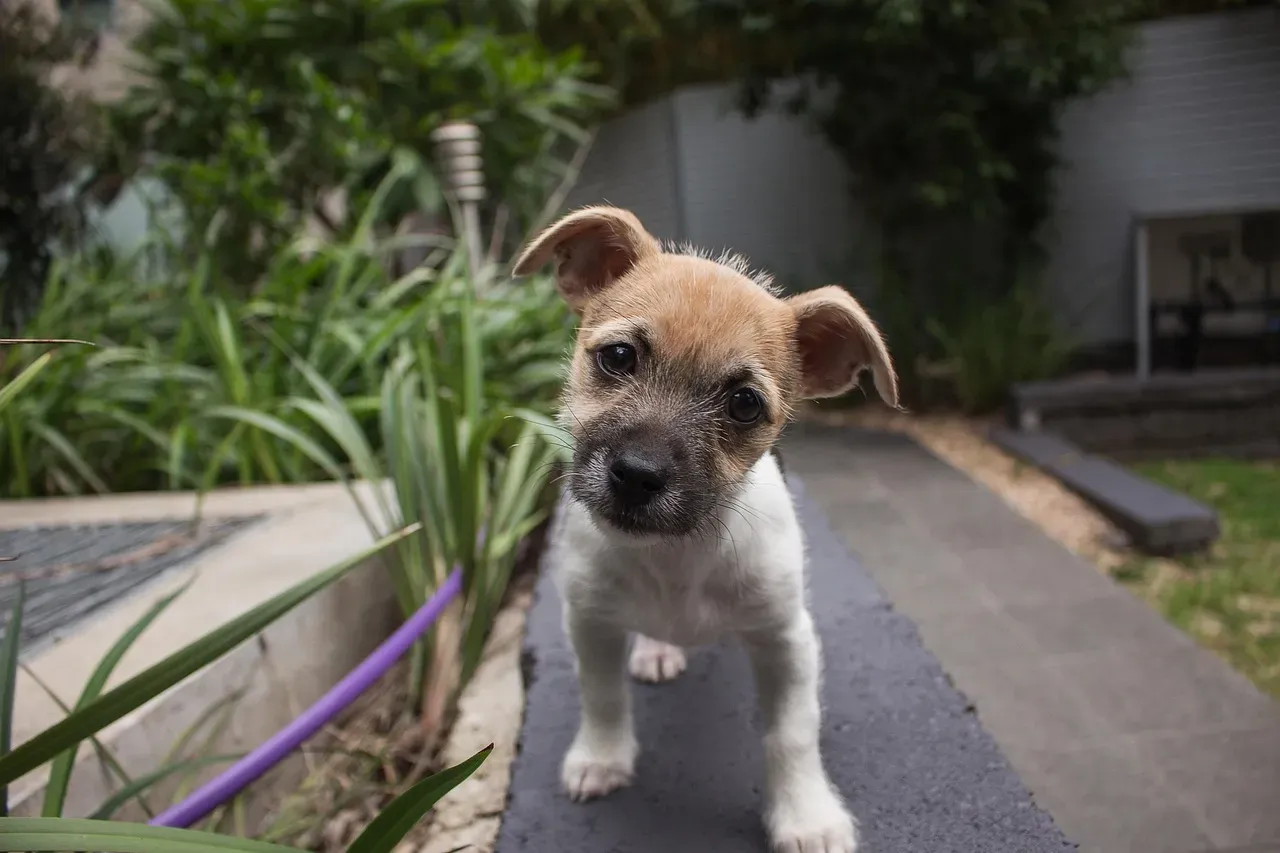
Dogs often show this small movement during casual chats at home. When a family member’s name comes up in passing, the tilt happens without any obvious cue like a raised voice or gesture. It suggests they connect the word to that individual through repeated exposure in daily life.
Over time the reaction becomes consistent even if the conversation stays light. Owners report the head tilt appearing during phone calls or talks with visitors too. This quiet acknowledgment builds from hearing the name in context rather than from any structured lesson.
Their Tail Gives a Quick Flick at Routine Phrases
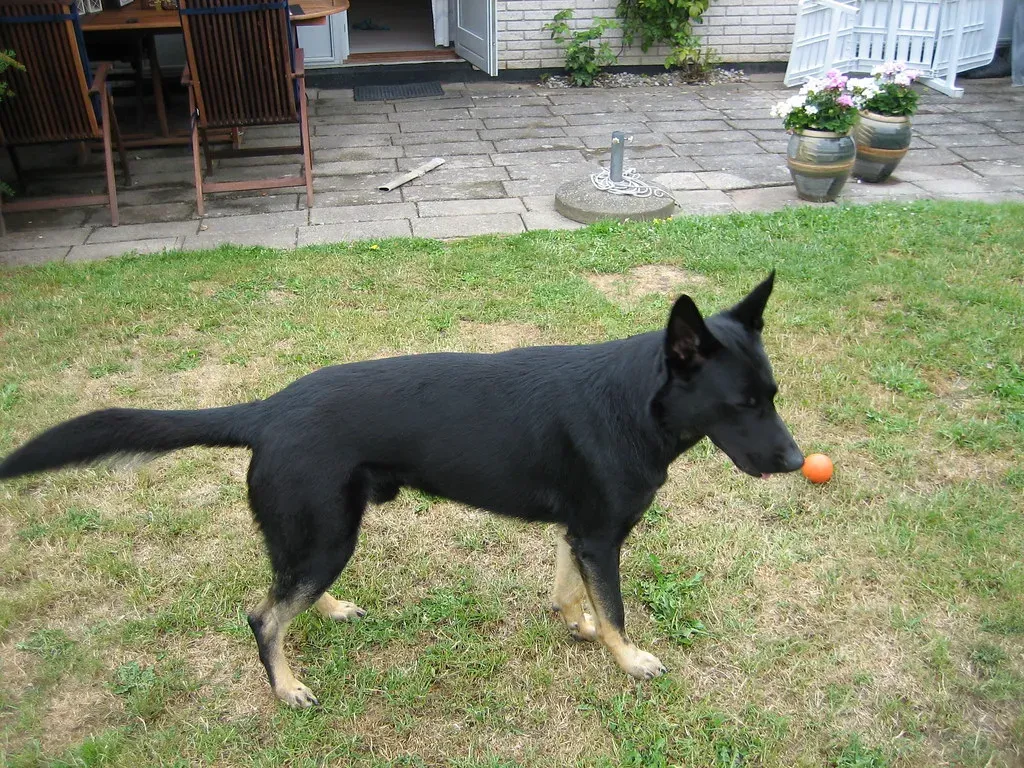
A brief tail movement can appear when phrases like “time to go” or “almost ready” enter the conversation. The response stays subtle and does not always lead to full excitement right away. It shows the dog tracks the flow of familiar sequences without needing direct address.
These flicks occur across different rooms or situations where the words repeat naturally. The pattern holds even when the speaker uses a neutral tone. Such reactions accumulate from everyday patterns rather than targeted training sessions.
They Shift Position When You Discuss Leaving the House
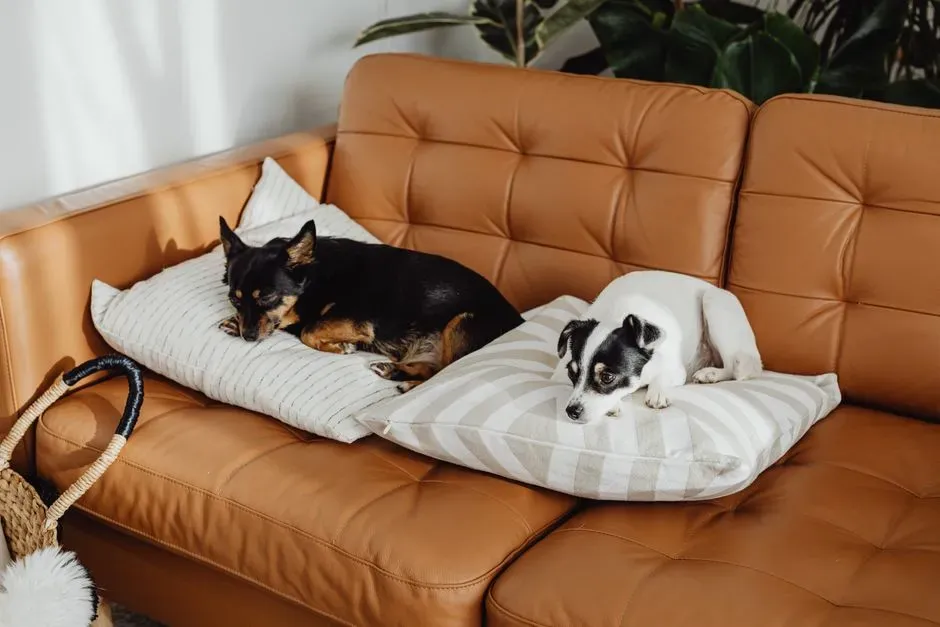
Mentioning plans to head out often prompts a dog to adjust their spot on the floor or couch. The change happens before any keys jingle or shoes appear. It reflects an awareness of upcoming changes based on spoken details alone.
The movement stays low key and does not always involve standing up fully. Owners notice it during morning talks or evening plans discussed with others. This sensitivity develops through consistent household rhythms over months or years.
Ears Move Forward at the Sound of Certain Objects Named
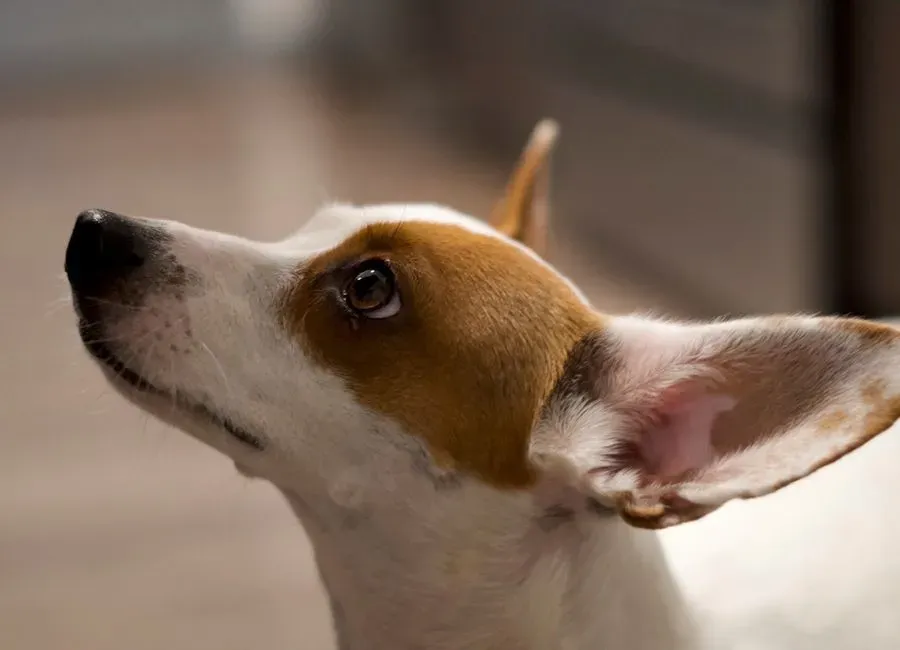
Naming items like a ball or leash in ordinary sentences draws a forward ear position. The dog does not need to see the object first. The response ties the word directly to past associations formed without lessons.
This ear adjustment shows up even when the item stays out of sight. It persists across different speakers in the home. The behavior emerges from repeated pairings in normal routines rather than deliberate practice.
They Settle Down After Hearing Soothing Descriptions
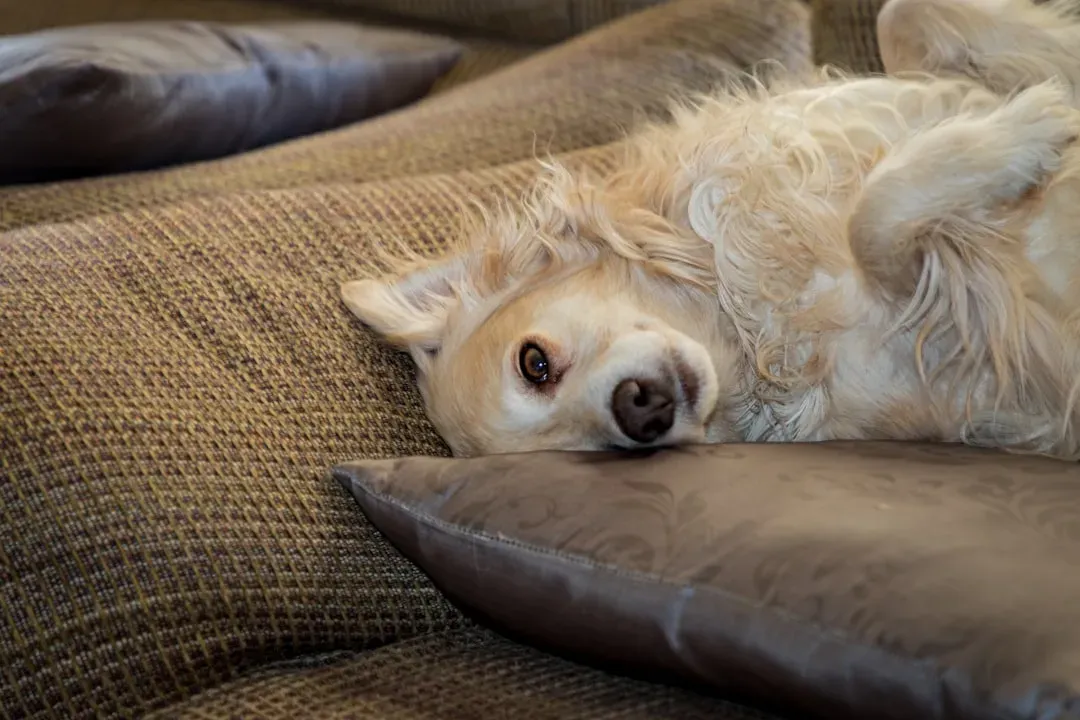
Calm talk about the day winding down can lead a dog to relax their posture noticeably. The shift occurs without physical contact or special commands. It indicates they register the overall tone and content of the words.
The settling happens during longer conversations where the topic stays peaceful. Owners observe it in the evening when plans for rest come up naturally. Such responses build from ongoing exposure to varied speech patterns.
A Glance Toward the Door Follows Mentions of Visitors
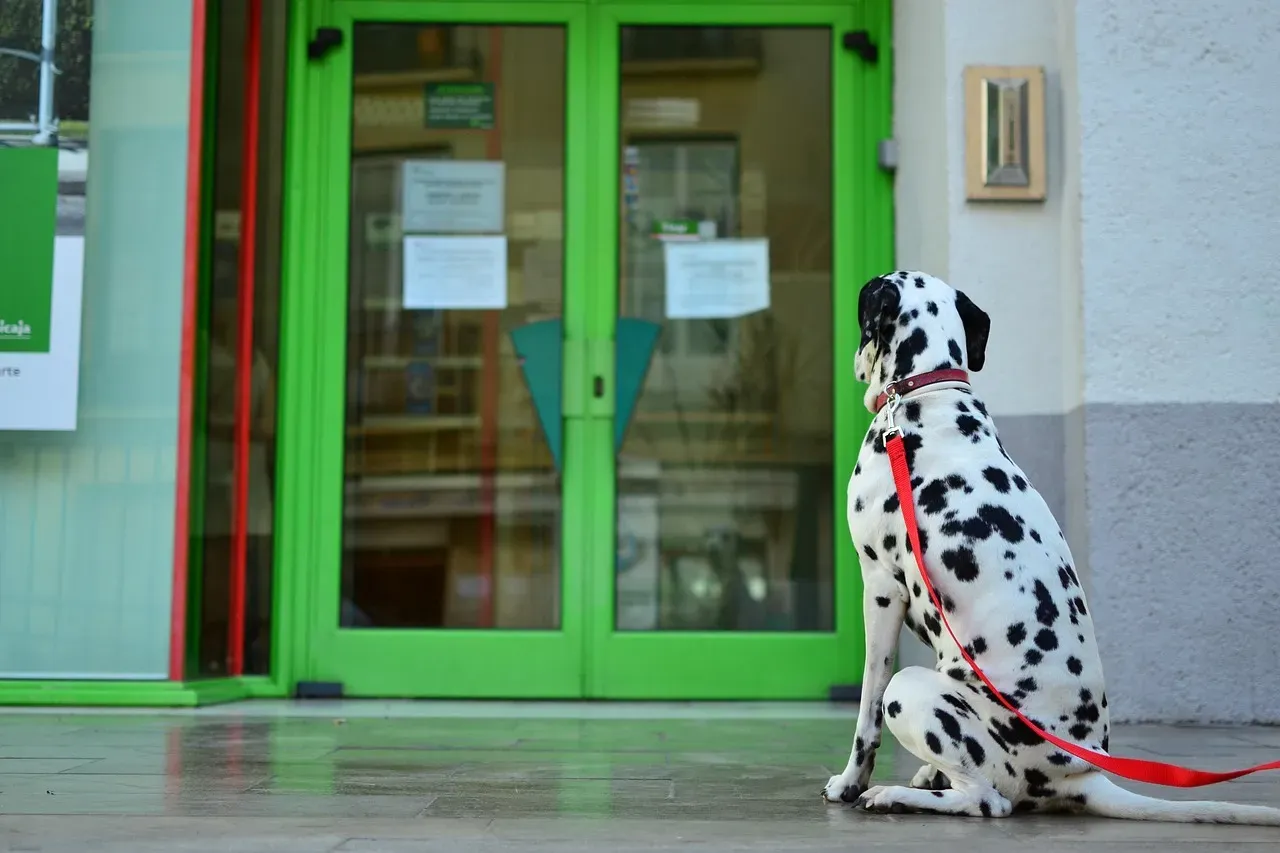
Bringing up expected company often sends a dog’s eyes toward the entryway. The look arrives before any doorbell or knock. It reveals an understanding of upcoming events described in speech.
The glance remains brief and does not always lead to barking or movement. It appears in talks between household members too. This cue reading stems from regular social patterns in the home environment.
They Pause Activity When You Reference Their Name Indirectly
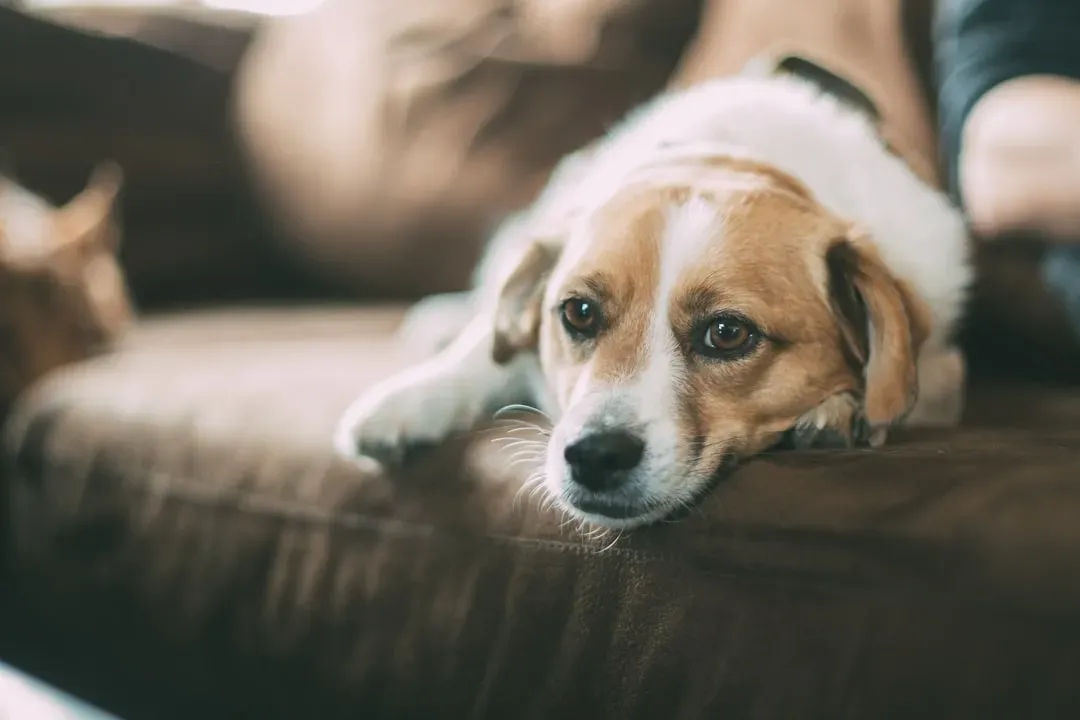
Hearing their name woven into a sentence about something else can cause a momentary pause. The dog stops mid action without being called directly. It points to recognition of the word amid surrounding language.
The pause lasts just long enough to show attention before resuming. It occurs during chats that do not involve the dog at all. Such listening develops through constant presence during family discussions.
Tail Wags Increase Slightly at Positive Outcome Words
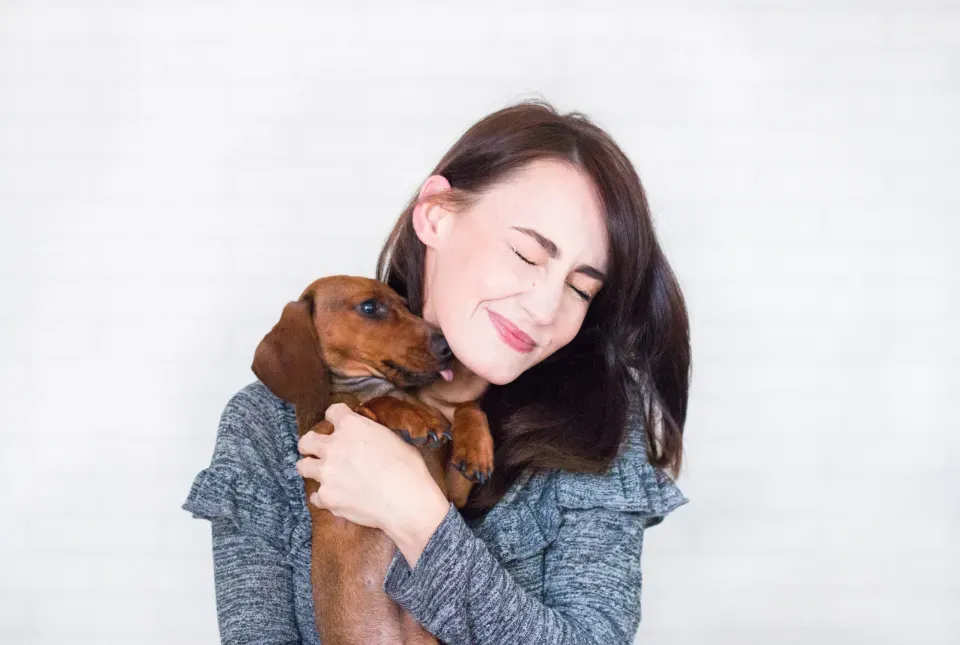
Words suggesting good results like “soon” or “later” in context can prompt a gentle increase in tail movement. The change stays modest and does not escalate immediately. It tracks the positive framing within the sentence.
These wags appear even when the full plan stays vague. Owners see them during planning talks that include the dog indirectly. The pattern forms from repeated positive associations in daily speech.
They Approach When You Describe Shared Activities
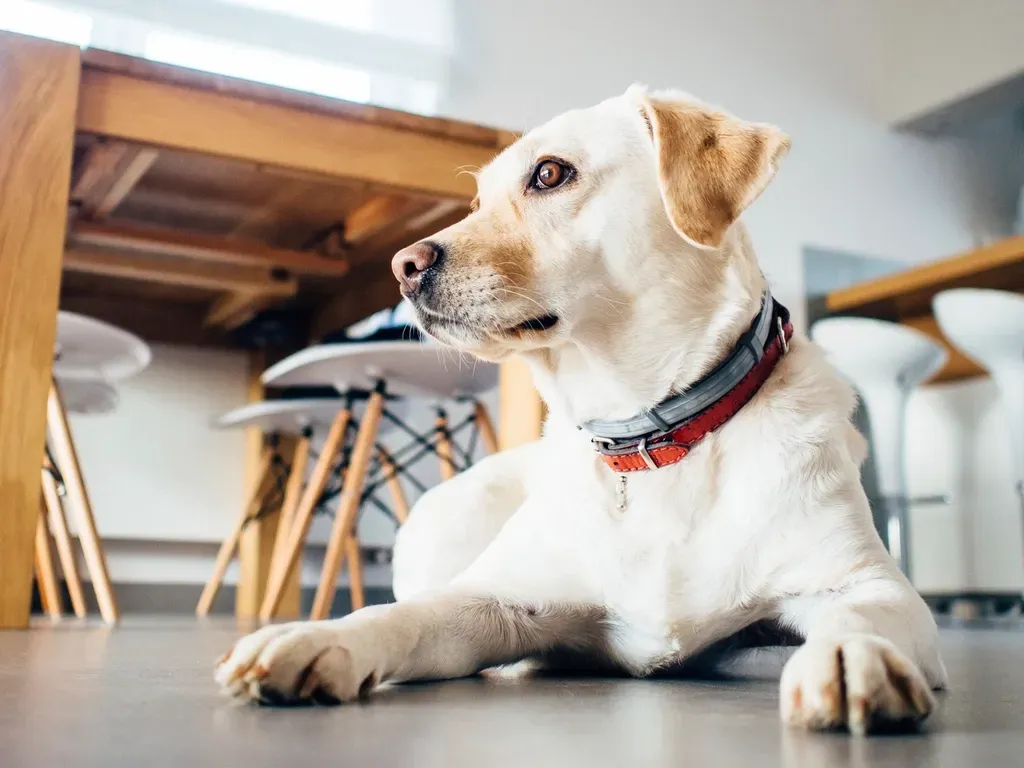
Describing walks or play in passing often brings a dog closer without any invitation. The approach feels natural and unprompted. It shows they link the description to their own involvement.
The movement happens across different times of day and settings. It does not require eye contact or gestures to trigger. This connection grows from ongoing inclusion in household plans.
Posture Changes Follow References to Past Events
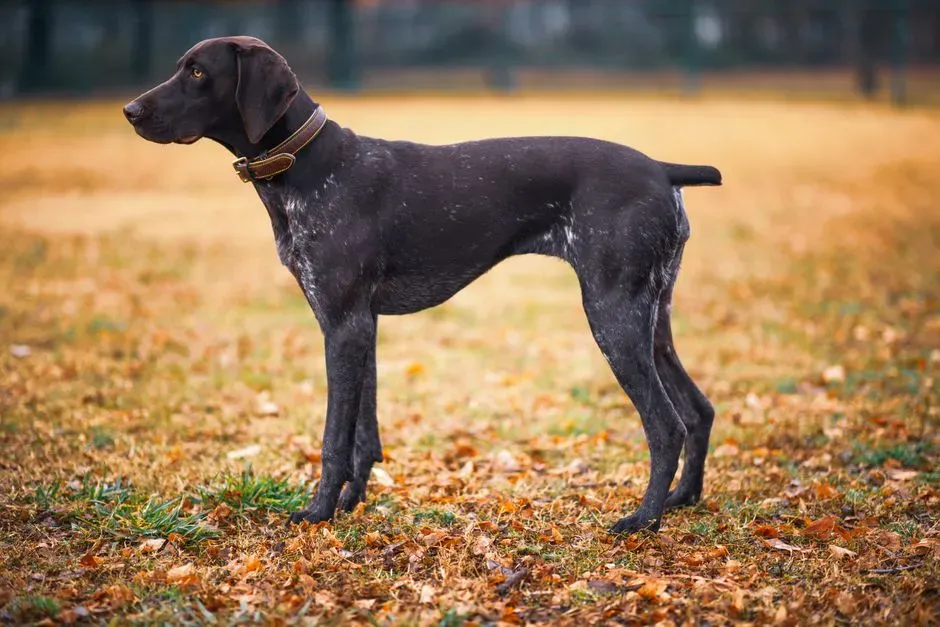
Mentioning something that happened earlier can lead to a subtle shift in how the dog holds their body. The change aligns with the memory tied to those words. It occurs without visual reminders or actions.
The adjustment stays small and fits the flow of the conversation. Owners notice it during reminiscing that includes the dog. Such responses reflect accumulated understanding from repeated storytelling.
They Watch Your Face During Mentions of Their Preferences
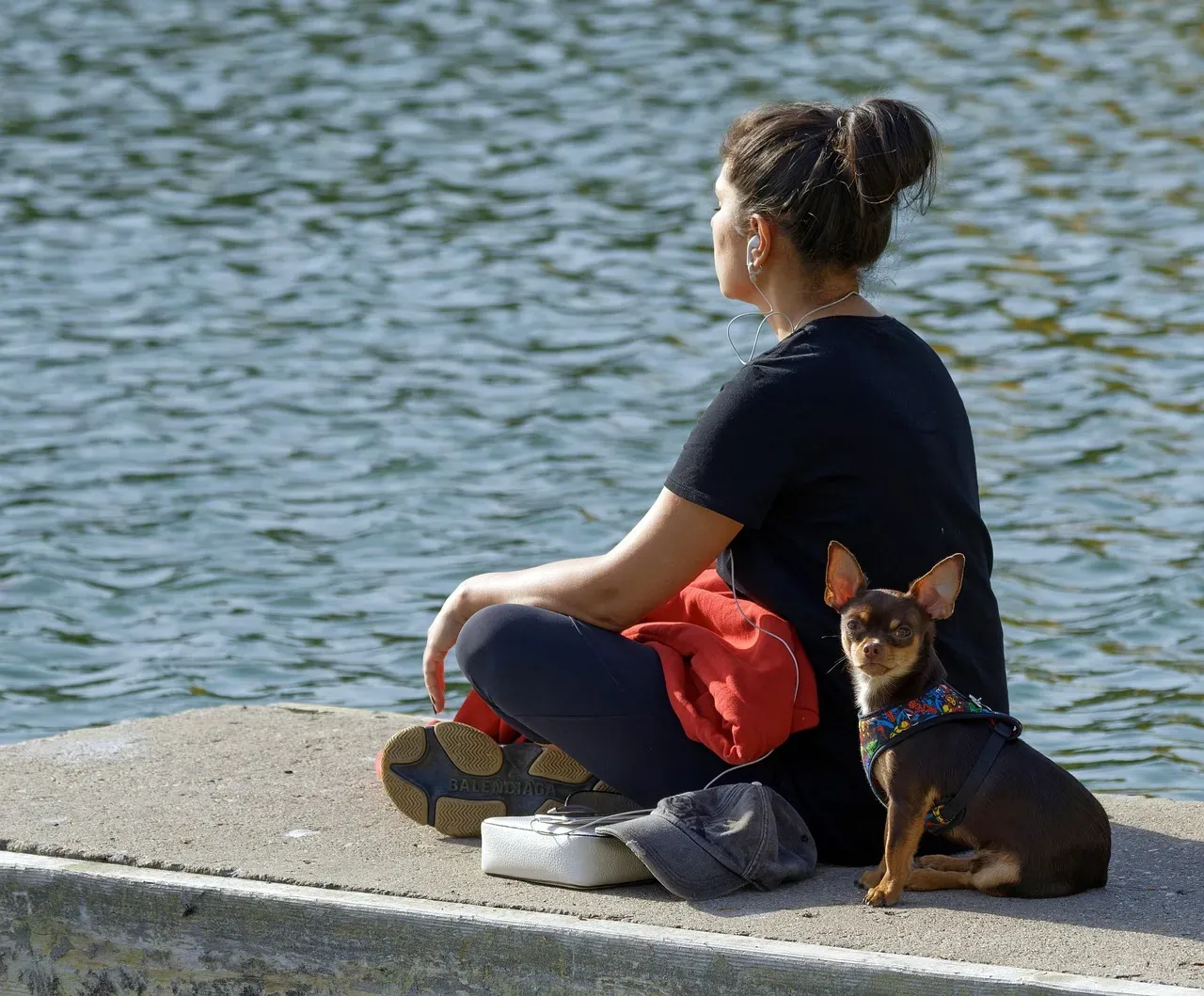
Talking about what the dog likes often draws steady eye contact with the speaker. The gaze holds without any direct question aimed at them. It indicates they follow the topic as it relates to themselves.
The attention persists through longer exchanges where preferences come up casually. It appears with different family members equally. This focus builds from daily inclusion in spoken routines.
These quiet signals add up to a picture of dogs as attentive listeners who absorb language through ordinary life rather than formal lessons. They remind us that communication between species runs deeper than commands alone. Paying attention to these moments can strengthen the bond in small but meaningful ways.
Ultimately the real value lies in recognizing how much our dogs already understand and responding with the same quiet awareness they show us every day.

- 8 Ways Bobcats Move Through Suburbs Without Being Seen - August 9, 2026
- 7 Reasons Black Bears Return to the Same Food Source - August 9, 2026
- Animal Cognition Says Horses Remember People Who Treated Them Well and Those Who Did Not - August 9, 2026