

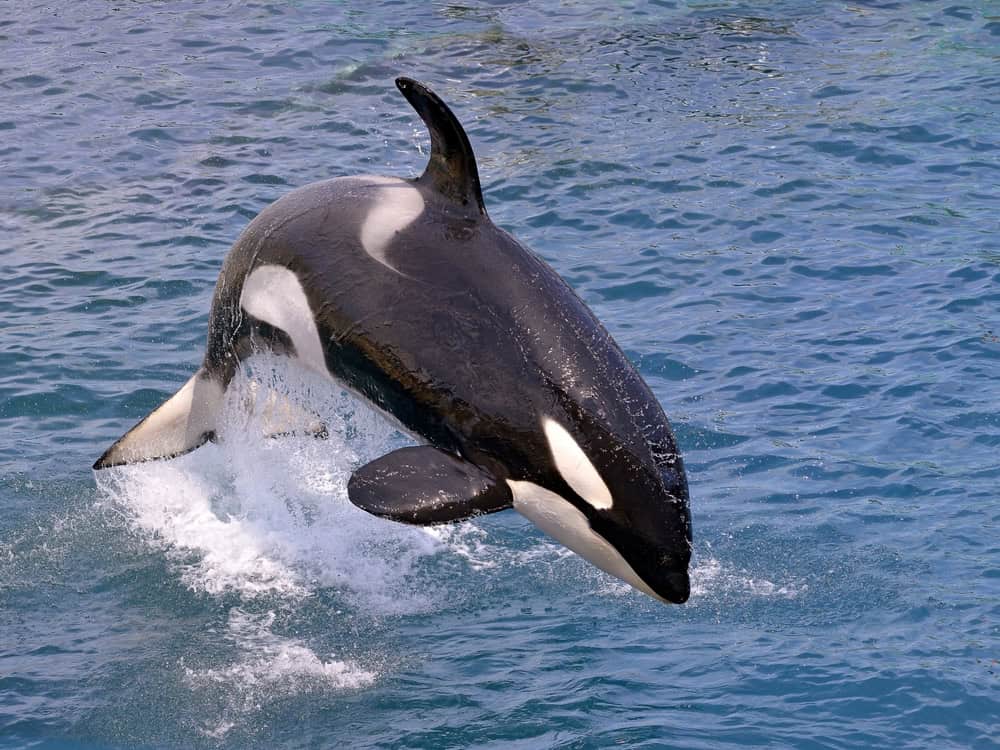
When a pod of orcas in the Salish Sea was caught on camera twirling kelp around their bodies, scientists thought they were just playing. But one whale in particular—nicknamed K33—took it a step further. With deliberate movements and repetition, K33 seemed to be using the kelp in a new, possibly tool-like way, and it has researchers rethinking what we know about killer whale intelligence.
An Unexpected Observation Underwater
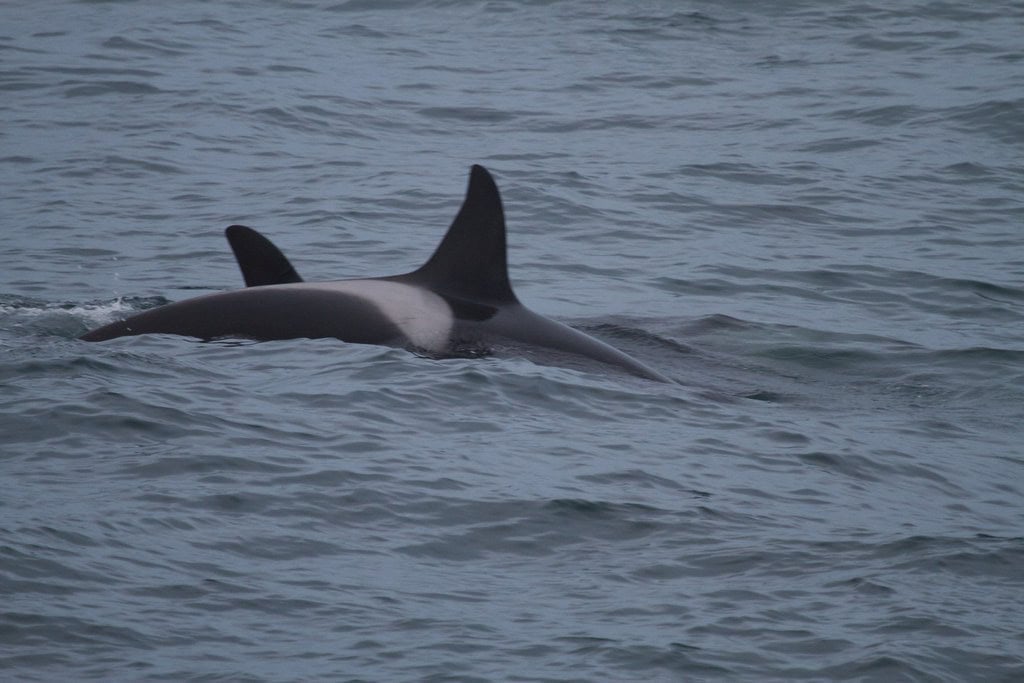
The story began when a research team tracking southern resident killer whales noticed something odd. K33 wasn’t just tossing kelp around—he was carefully wrapping it around his pectoral fins, draping it over his back, and even adjusting it with clear intention. It looked less like a game and more like a demonstration of awareness and precision.
More Than Just Play?
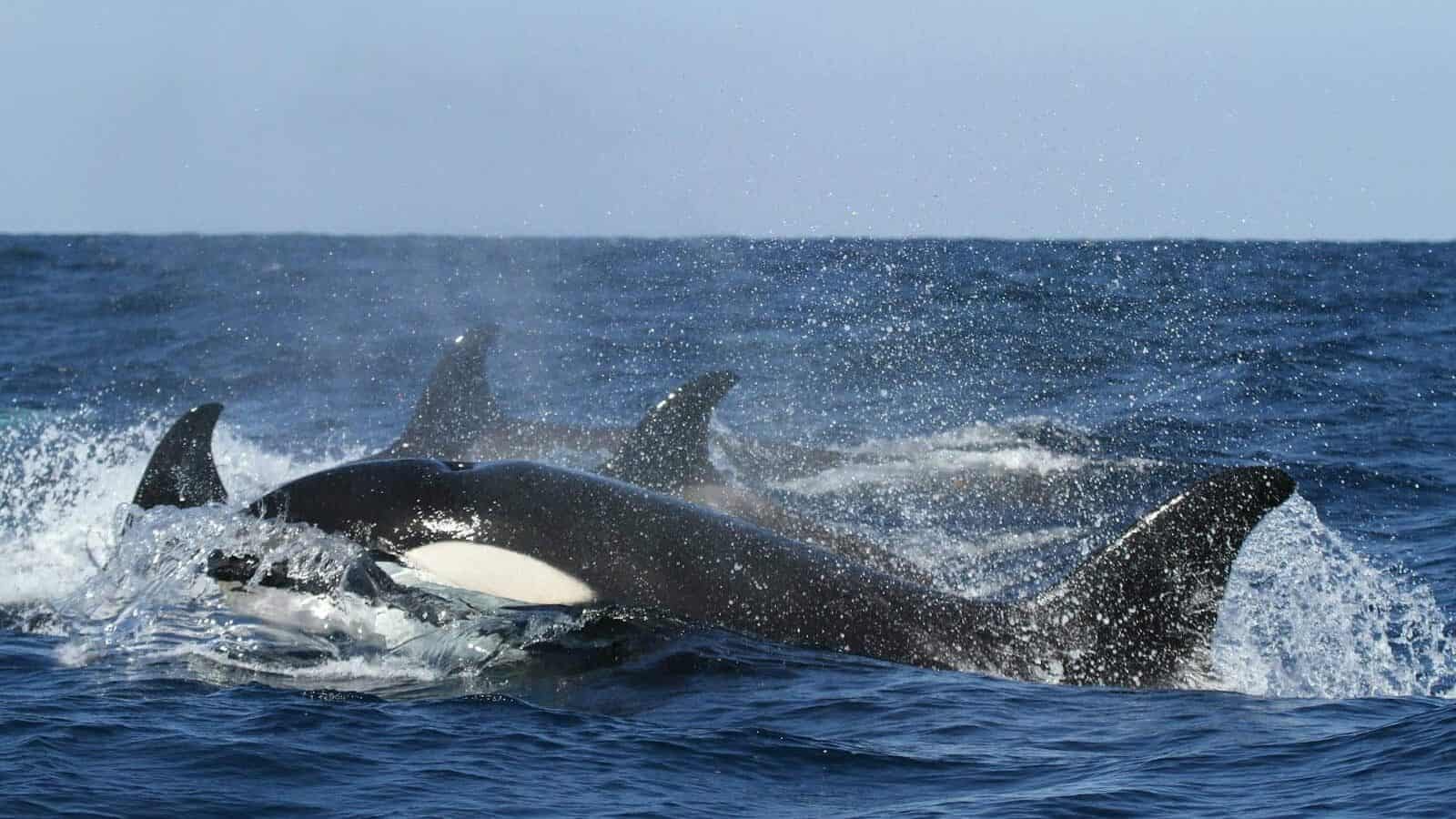
Orcas are known for their intelligence, but tool use has rarely been part of their behavioral profile. What K33 was doing challenged that. His kelp-wrapping wasn’t random—it was methodical. While other orcas nearby swam or socialized, K33 focused solely on this interaction with the kelp, hinting at a deeper purpose or experiment.
Meet the Whale With a Curious Mind
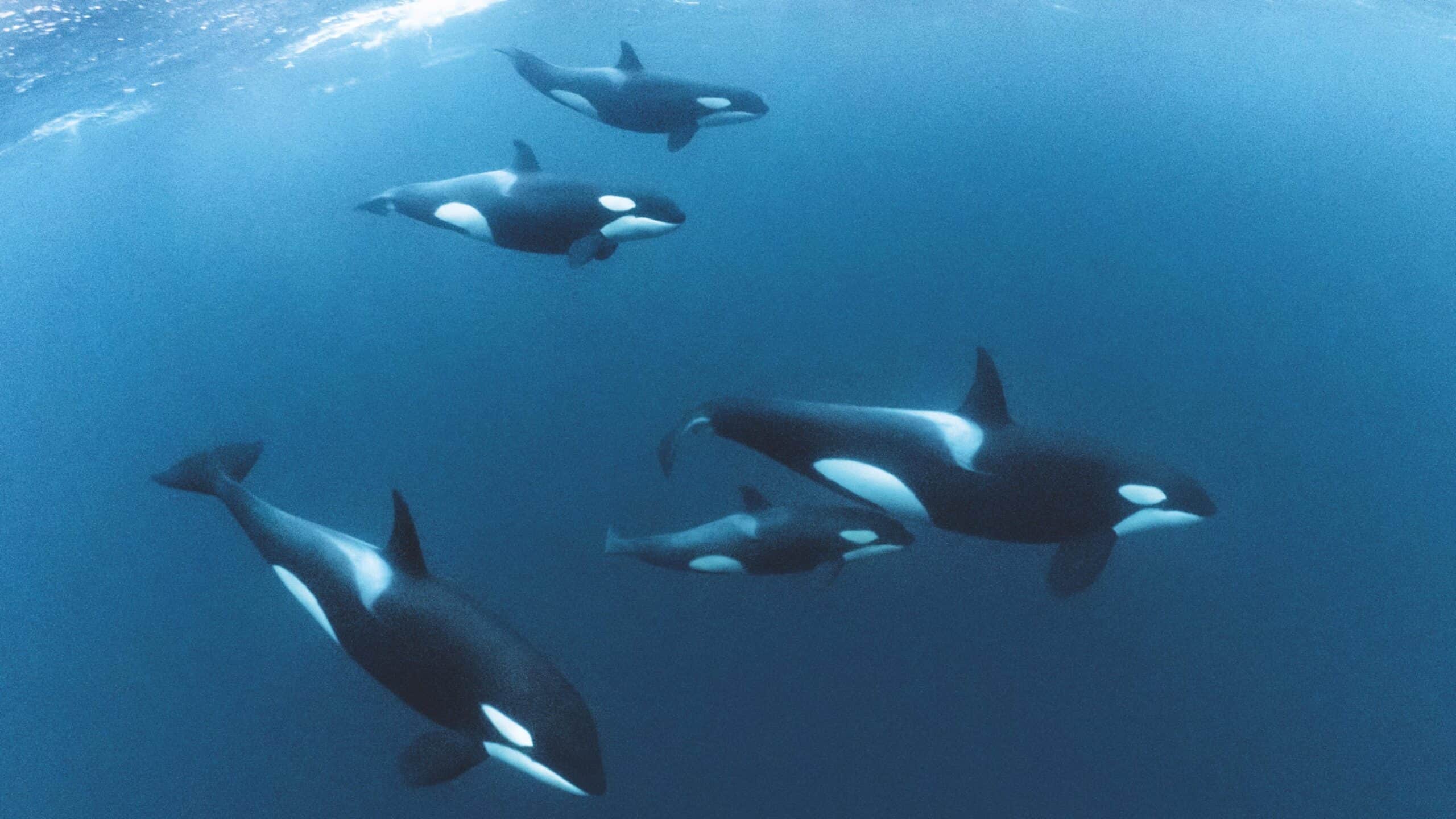
K33 isn’t just any orca—he’s a member of a critically endangered population of southern residents. Scientists have been tracking him since he was a calf. His kelp interactions weren’t just entertaining; they were also a glimpse into the personality and problem-solving potential of individual whales. He seemed aware, playful, and oddly focused—traits that are usually associated with tool-using species like primates or dolphins.
Could This Be Tool Use?

While the definition of “tool use” is debated, many experts agree it involves using an external object to achieve a goal. If K33 was using kelp for sensory stimulation, grooming, or even social signaling, that could count. Similar behaviors have been seen in sea otters and elephants, but in orcas, it’s almost unheard of. This behavior could be the first of its kind documented so clearly in the wild.
Why This Moment Matters

This isn’t just about one whale playing with seaweed. It’s about what that behavior represents. For a species already considered highly intelligent, the potential for tool use adds another layer to how we understand orcas. It also raises questions about learning and cultural transmission in whale communities—could others mimic K33’s actions and build on them?
One Orca’s Curiosity Sparks a Wave of Discovery
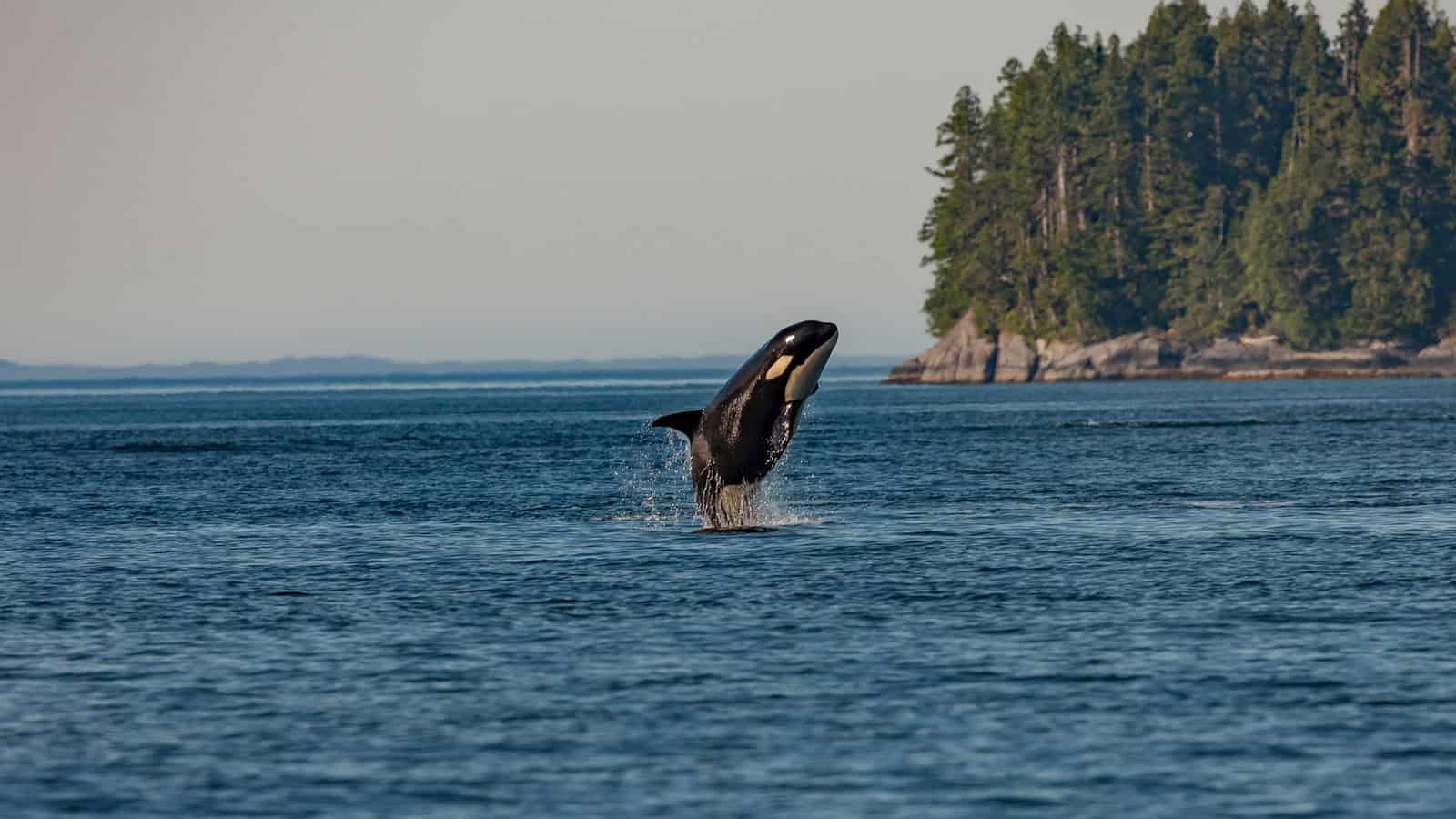
While K33’s kelp moment might seem small, it could have big implications. If this behavior is passed along or becomes more widespread, it may change how we classify whale intelligence and behavior. For now, K33 continues to swim with his pod, occasionally stopping to explore a strand of kelp—perhaps just for fun, or perhaps for something more. In the vast ocean, a single curious orca might be showing us just how clever his kind really is.

adventuring, photography and videography. I am currently working towards a BSc in Biodiversity and Ecology at Stellenbosch University to go on to specialise in Marine Sciences one day.
Please send any feedback to Feedback@animalsaroundtheglobe.com
- Top 17 Fluffiest Animals In The US - August 7, 2026
- The 10 Least Obedient Dog Breeds - August 7, 2026
- A Farm’s Silent Battle for Rain - August 6, 2026