
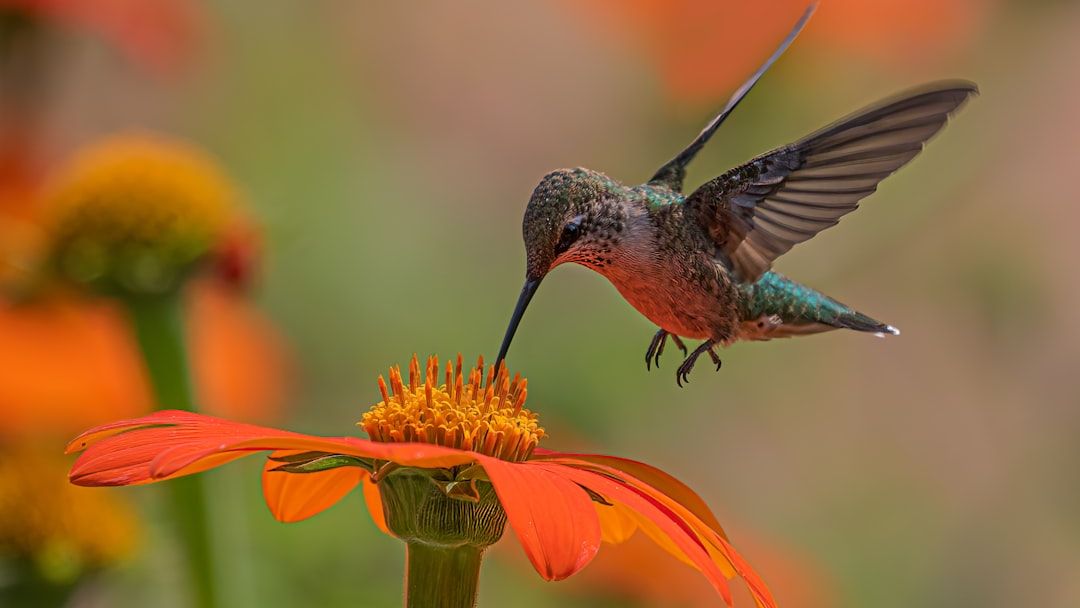
Picture a tiny bird hovering at your feeder one summer, then vanishing with the seasons. Years pass, and the same creature returns, pausing just a moment longer as if sizing you up before diving in for nectar. That pause raises a quiet question about what lingers in such a small skull across seasons and migrations.
People who keep feeders often notice patterns like this. The birds seem to single out certain faces or routines. Science offers clues without full answers, pointing to memory systems that punch far above their weight.
Hummingbirds and Their Exceptional Recall Abilities
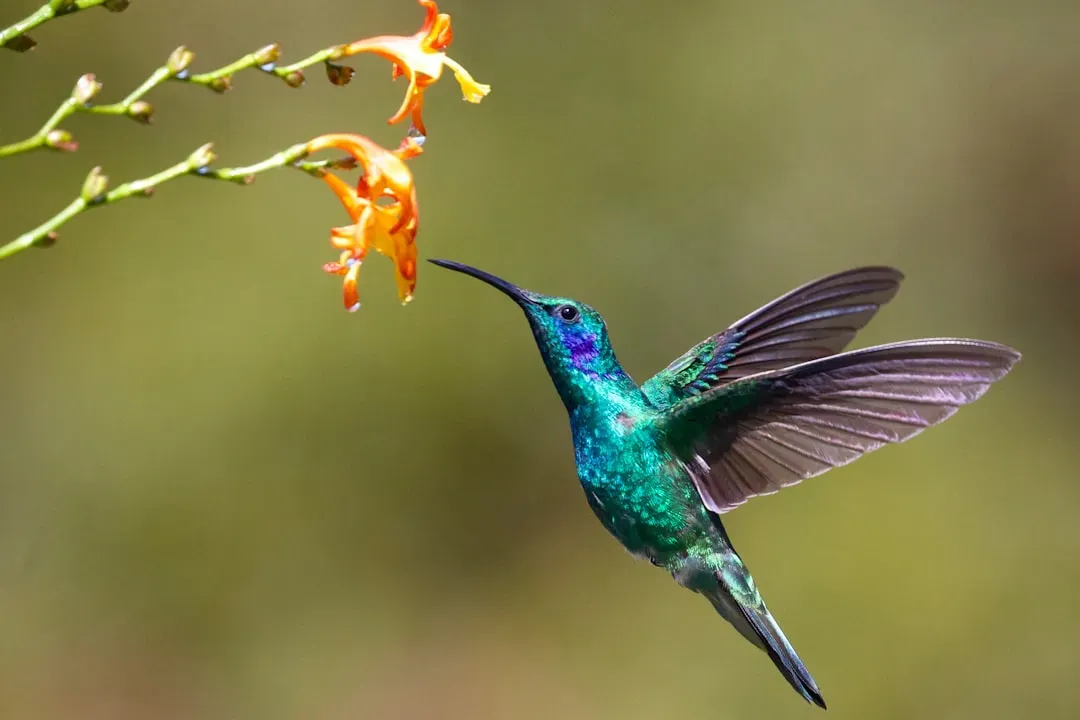
Hummingbirds track dozens of flower locations with precision that would impress any navigator. They time their visits to match bloom cycles and avoid revisiting emptied sources. This skill keeps them fueled during demanding flights and helps them survive in competitive environments.
Observers report similar consistency with backyard feeders. A bird might ignore one person while approaching another who regularly refills the station. Such selectivity hints at learned associations rather than random chance.
The Hippocampus: Center of Spatial Wonders
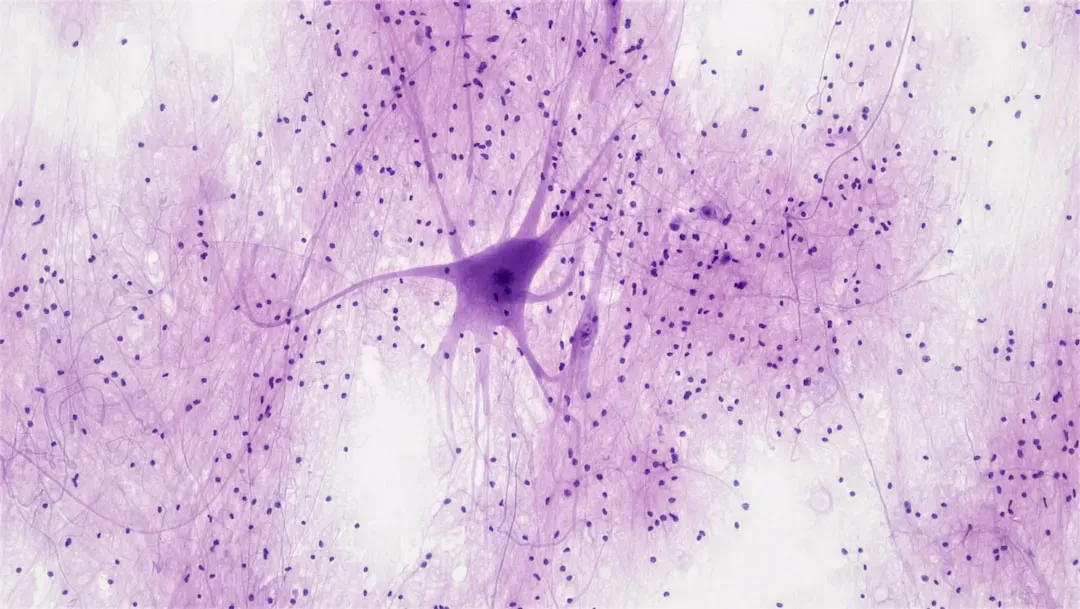
The hippocampus stands out in hummingbird brains as a proportionally large region dedicated to mapping and memory. It supports the detailed mental maps these birds build of their territories. Researchers note this structure expands in species that rely heavily on spatial tasks.
During migration or daily foraging, the hippocampus helps store and retrieve routes with remarkable accuracy. When a familiar human appears near a reliable food source, this area likely contributes to linking the face with positive outcomes. The connection forms through repeated exposure rather than instant recognition.
Visual Cues and Human Association
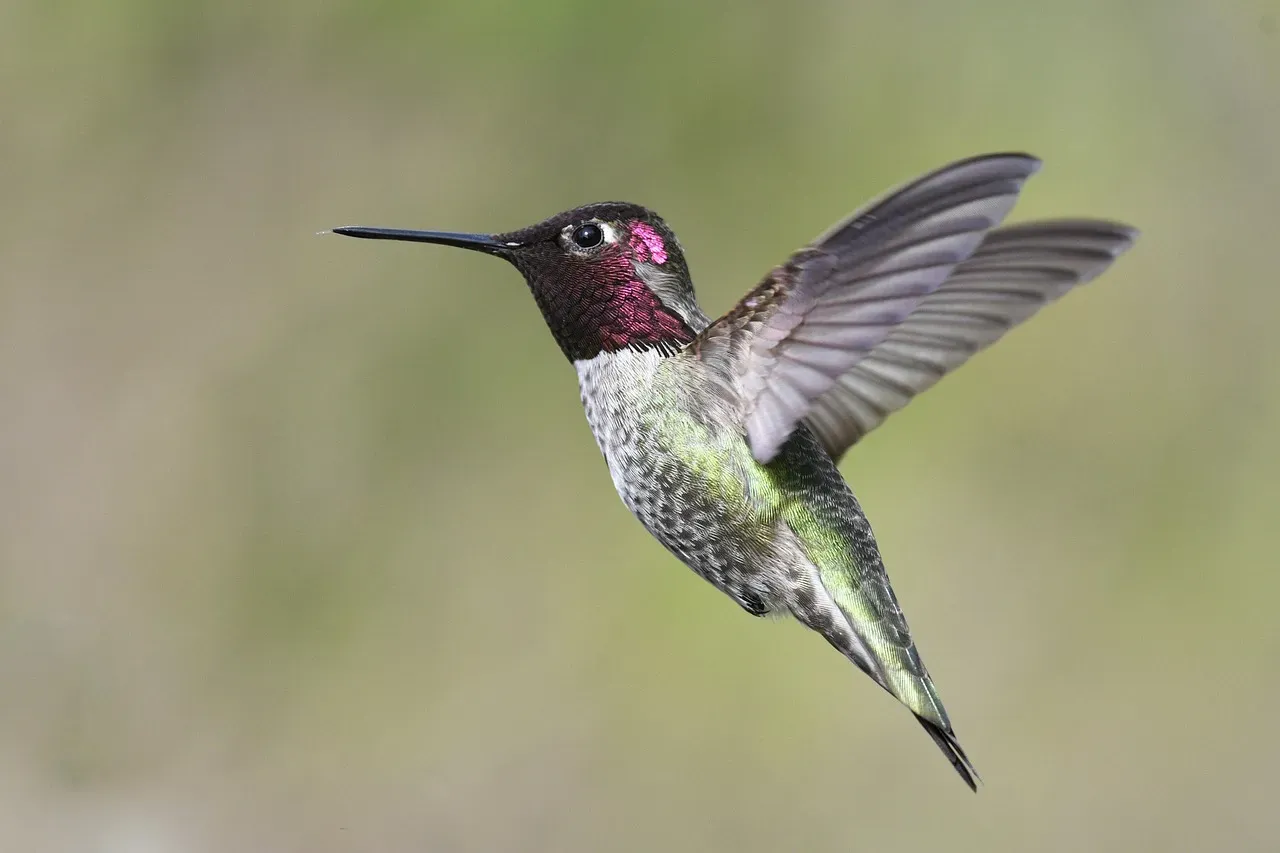
Birds process visual information through pathways that emphasize shape, movement, and color. Hummingbirds excel at distinguishing subtle differences in their surroundings. A person’s posture or clothing pattern could serve as a reliable marker alongside facial features.
Over time, these cues become tied to expectations of food or safety. The bird learns to approach certain individuals while remaining cautious around others. This selective behavior reflects efficient use of limited brain resources for survival priorities.
How Memory Forms in a Tiny Brain
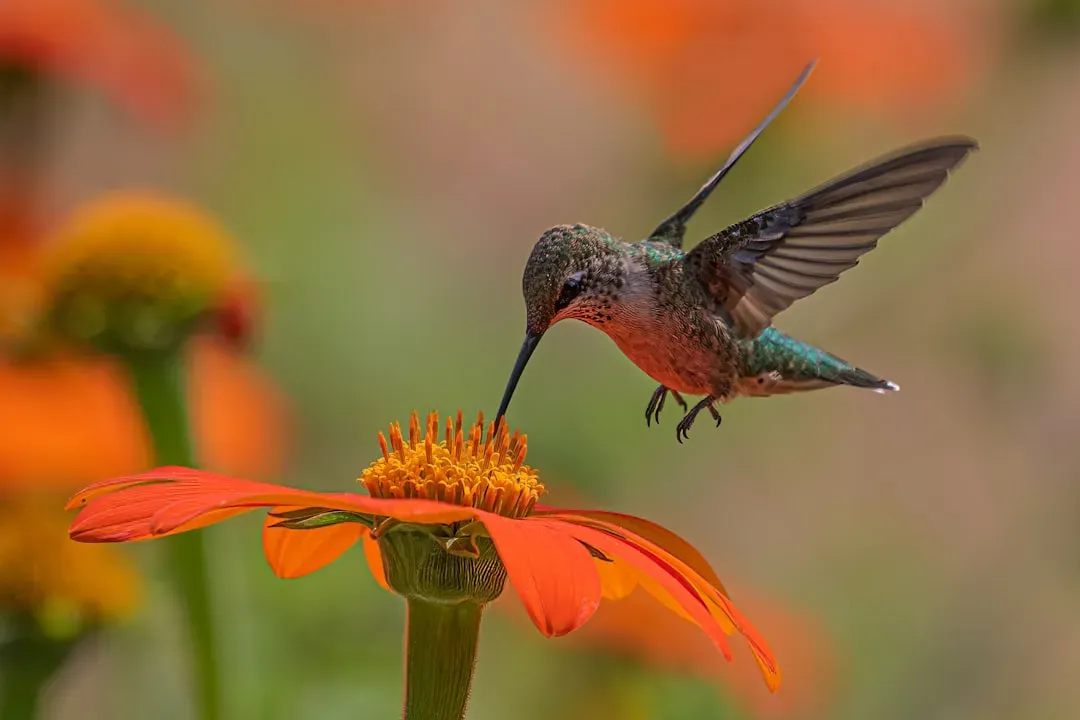
Even compact avian brains handle complex learning through specialized neural circuits. Repeated encounters strengthen connections between visual input and reward centers. The process resembles basic conditioning seen across many species.
Once established, these links allow quick retrieval when the same stimulus returns. A hummingbird does not need a large cortex to maintain useful memories. Instead, targeted regions handle the essentials of foraging and threat avoidance with high efficiency.
Longevity of These Recollections
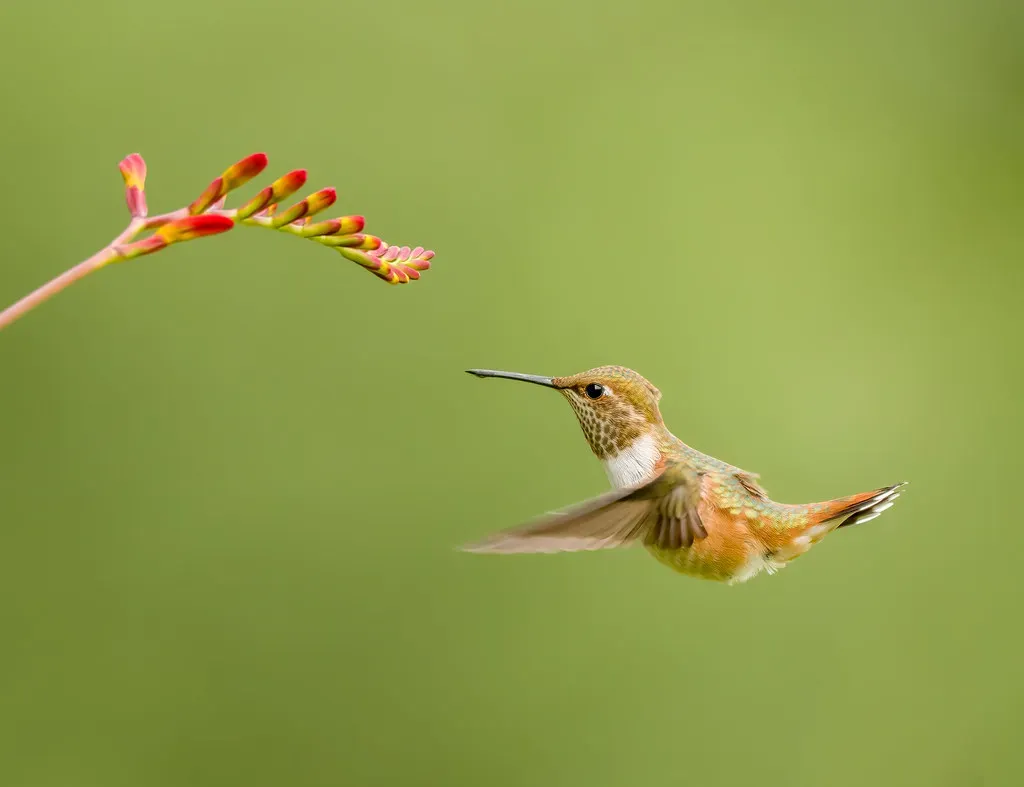
Memories in hummingbirds appear durable enough to span multiple seasons. Birds return to the same gardens after long absences and resume familiar patterns. This persistence supports their nomadic lifestyle across changing landscapes.
Exact mechanisms for such long term storage remain under study. The hippocampus and associated areas likely consolidate experiences into stable representations. Environmental stability, like a consistent feeder, reinforces the memory each year.
Insights from Related Bird Studies
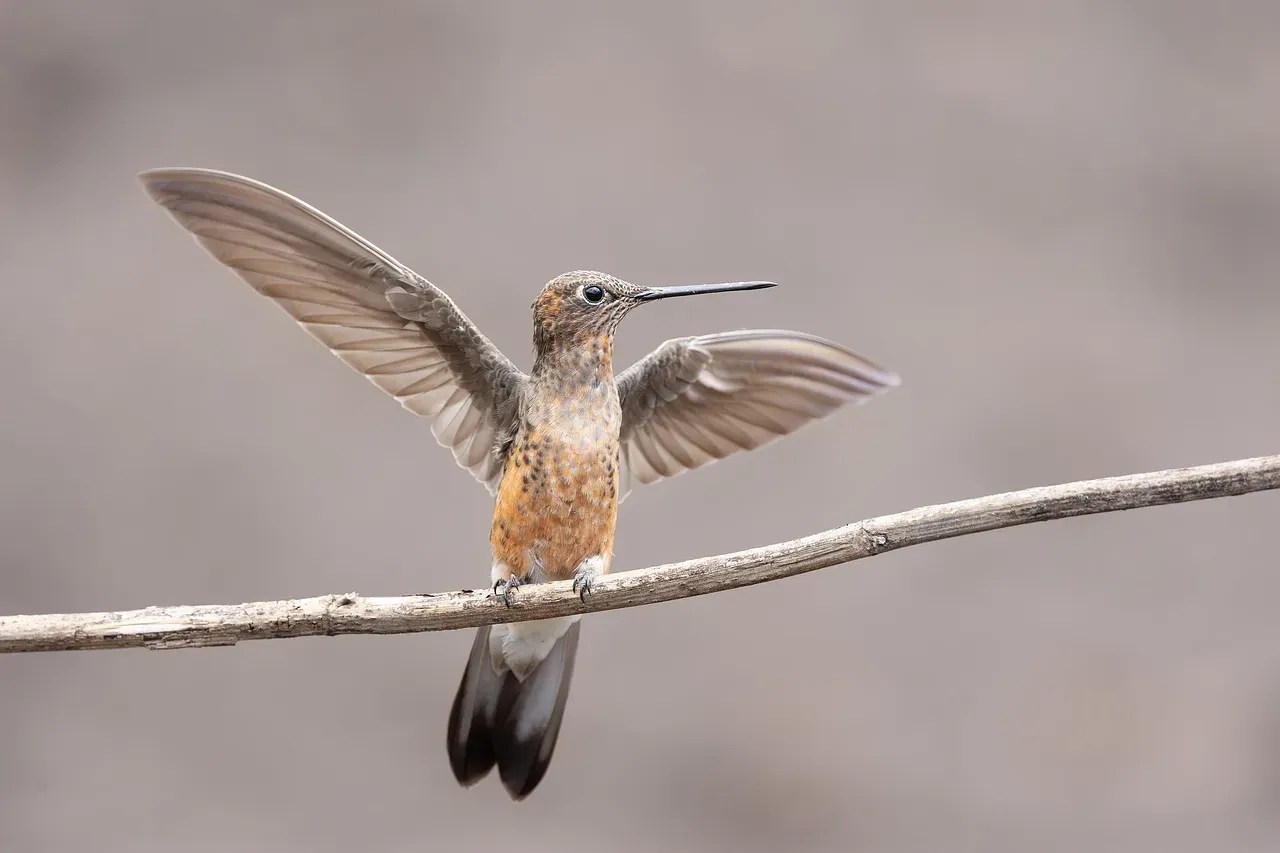
Other birds demonstrate sophisticated face recognition tied to emotional context. Crows, for instance, distinguish threatening from neutral humans over years. Their brain activity during these encounters involves regions that integrate vision with learned associations.
Hummingbirds share some of these cognitive traits despite different lifestyles. Their memory for spatial details and timing suggests parallel capabilities. Direct comparisons remain limited, yet the pattern points to flexible intelligence in small packages.
Reflections on Nature’s Ingenious Designs
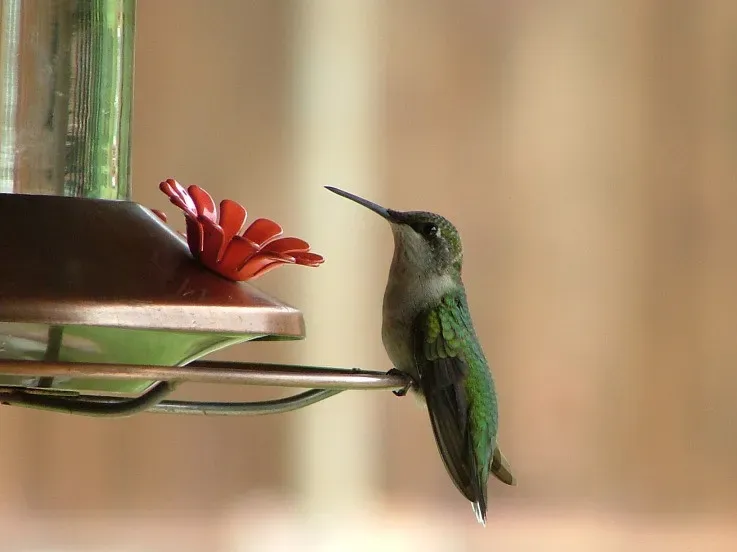
Watching a hummingbird return after years invites a sense of quiet respect for evolutionary solutions. These creatures manage sophisticated recall without the bulk of larger brains. Their approach prioritizes what matters most for daily survival and seasonal journeys.
Such abilities remind us that intelligence takes many forms across the animal world. Appreciating these details encourages gentler interactions with the wildlife around us. In the end, the hummingbird’s steady return speaks to the quiet power of consistent, useful memory.

- What Fox Breed Are You According to Your Zodiac Sign - August 10, 2026
- The Surprising Benefits of Petting Your Animal for Your Own Health - August 10, 2026
- How to Attract Predatory Insects to Fight Pests - August 10, 2026