
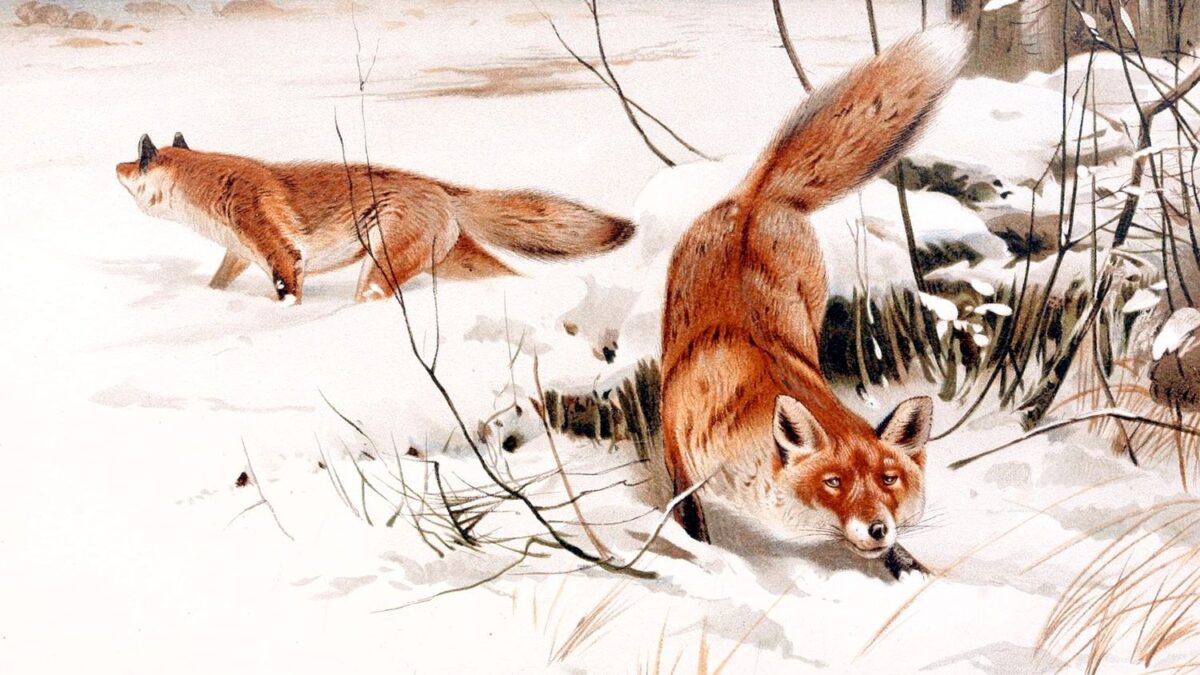
Coyotes Adapting to Chicago Suburbs
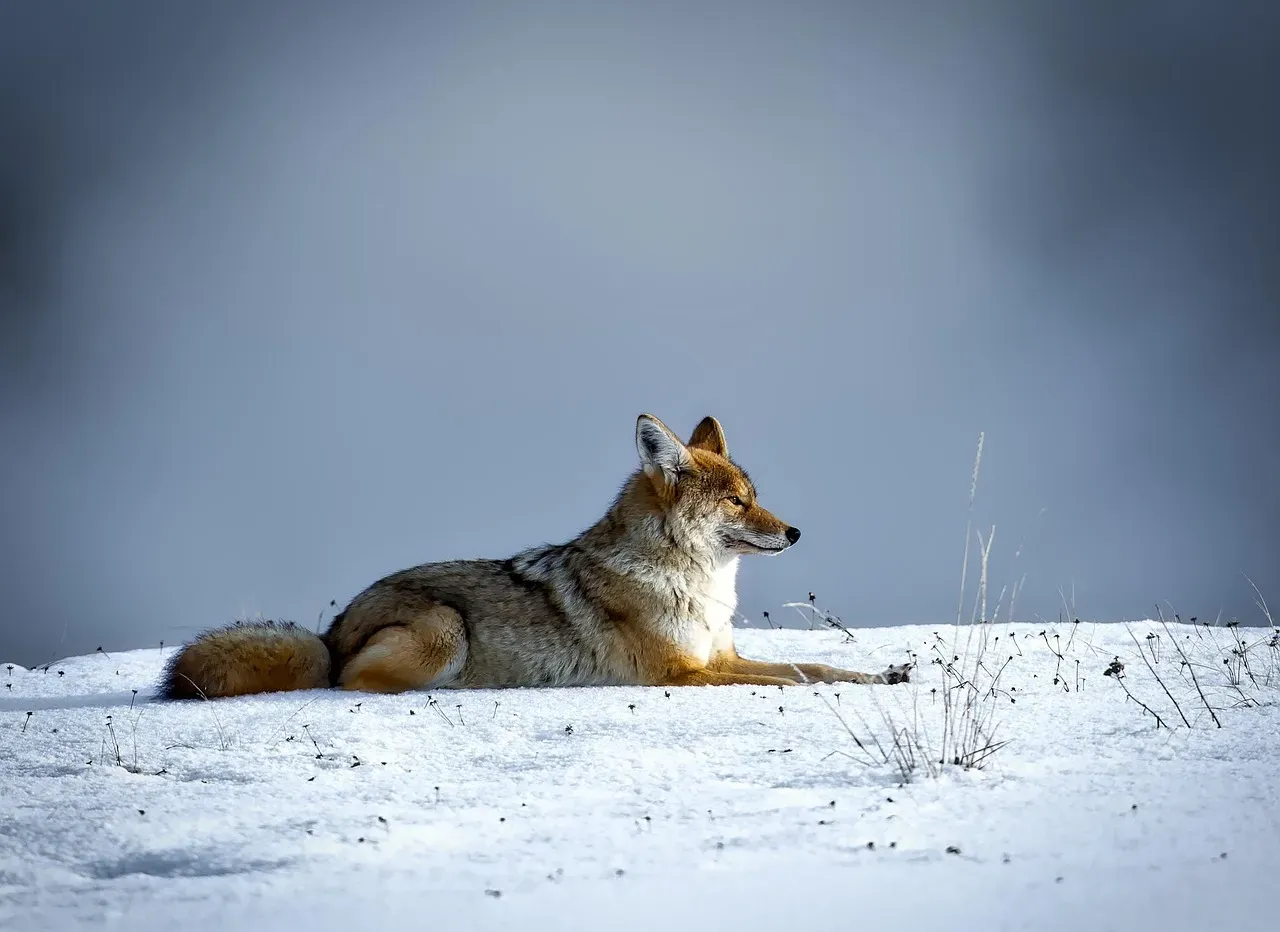
Coyotes have expanded their presence in the greater Chicago region over the last ten years. They navigate parks, backyards, and even industrial edges with surprising ease. Their diet includes small rodents and occasional pet food left outdoors, which helps them thrive near human homes.
Neighborhoods in the western and northern suburbs see the most activity. These animals tend to stay active at dawn and dusk, reducing direct conflicts. Local wildlife groups note steady reports of sightings without major population explosions.
Wild Turkeys Spreading Through Illinois and Wisconsin Communities
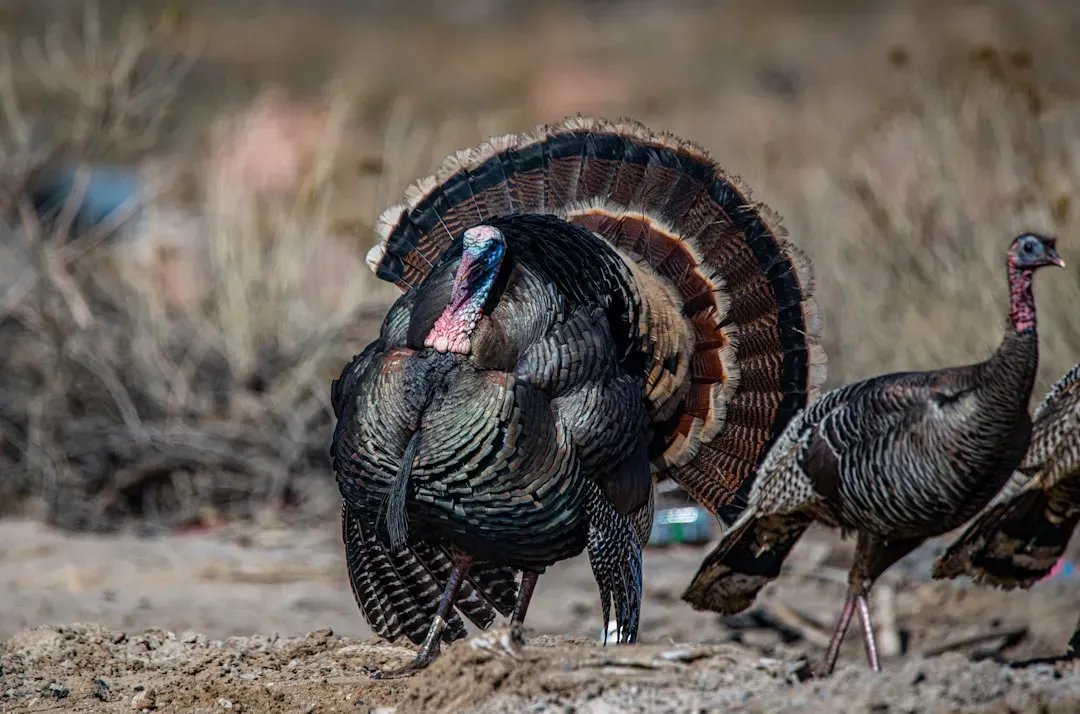
Wild turkeys have moved into suburban zones around Chicago and southern Wisconsin in growing numbers. Flocks sometimes block roads or wander through residential yards near wooded patches. Their return follows successful reintroduction efforts decades ago that allowed populations to build outward from rural strongholds.
Suburban trees and nearby fields provide good roosting and foraging spots. Sightings have increased steadily since the mid 2010s in areas like South Holland and Janesville. These birds often draw attention during spring breeding season when they become more visible.
White Tailed Deer Navigating Minneapolis and Detroit Edges
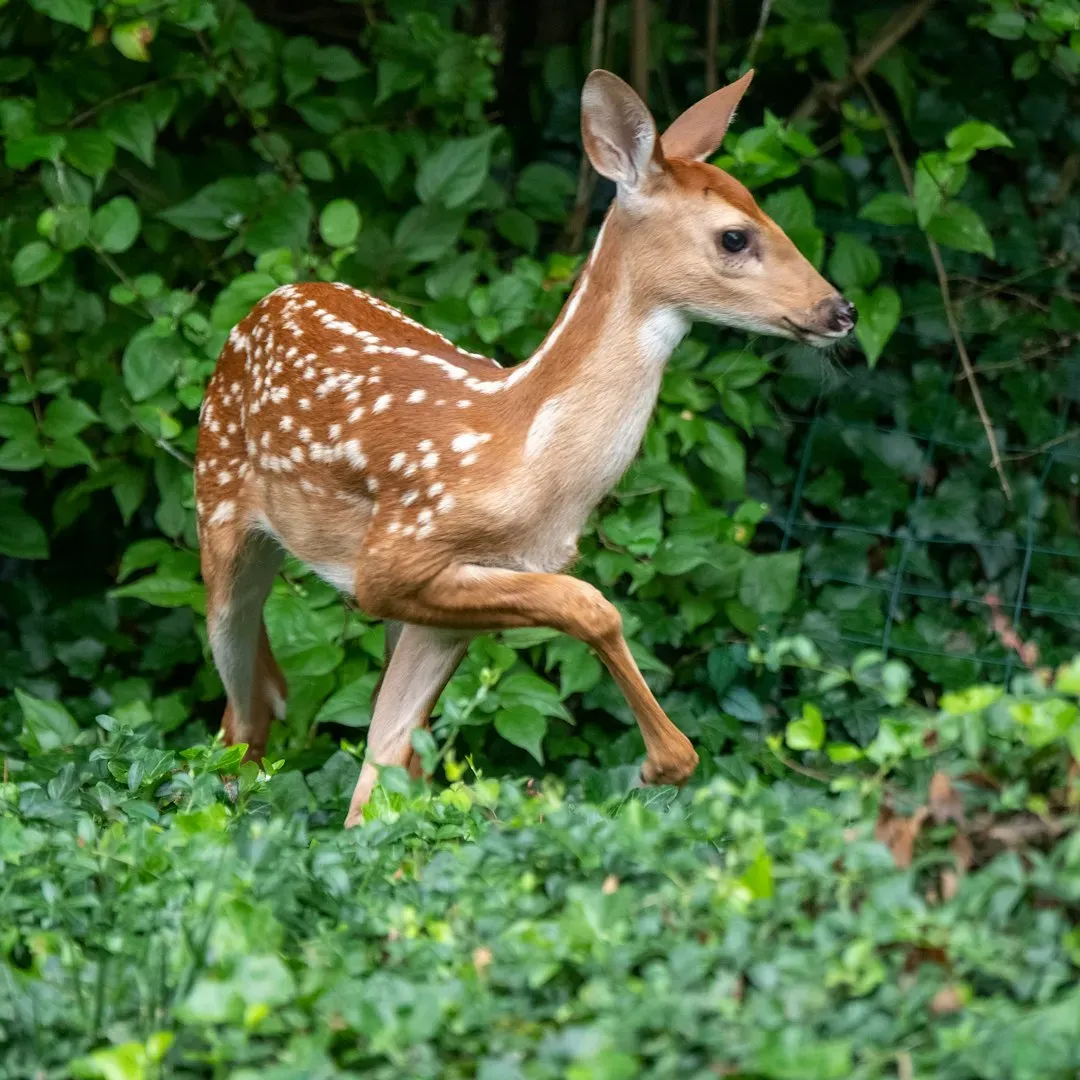
White tailed deer continue to find suburban lawns and green corridors appealing across the Midwest. Cities such as Minneapolis and Detroit report regular visits to backyards and parks. The animals benefit from reduced hunting pressure in developed zones and abundant garden plants.
Collisions with vehicles remain a concern on the outskirts of these metro areas. Deer populations have stabilized at higher levels in many suburban pockets compared to earlier periods. Residents often notice small groups moving between fragmented habitats at night.
Raccoons Thriving in Detroit Neighborhoods
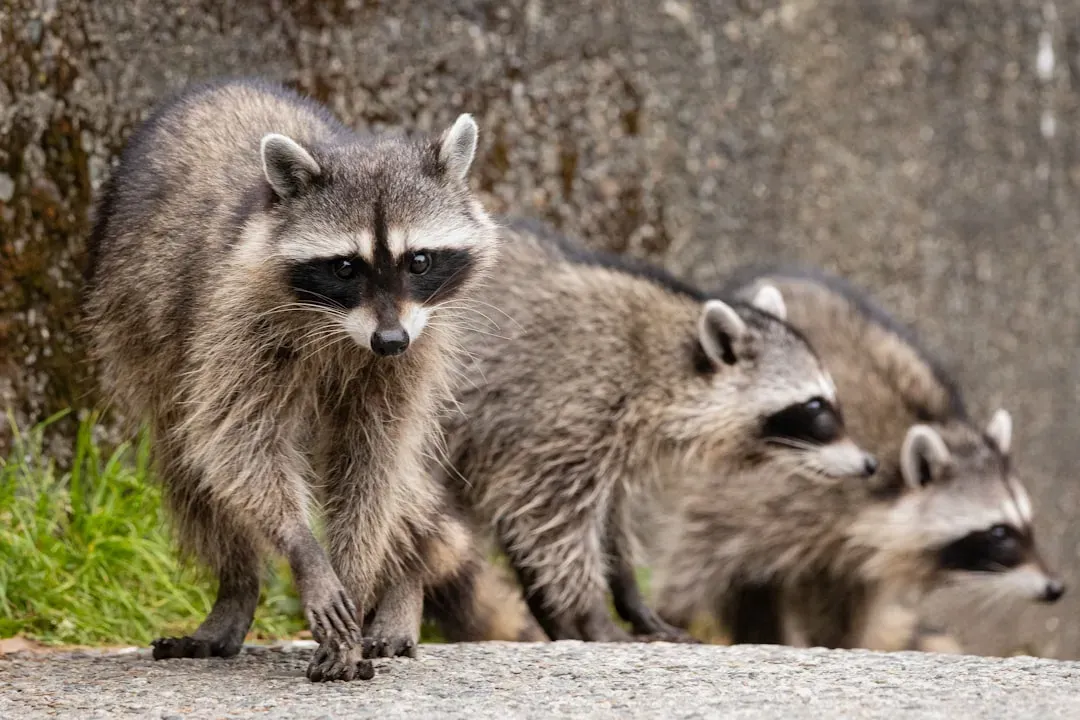
Raccoons have taken advantage of vacant lots and older housing stock in Detroit. They raid trash bins and explore attics or sheds for shelter. Their adaptability to urban clutter has supported steady numbers in the city and surrounding suburbs over the past decade.
These masked visitors appear most active after dark in residential blocks. Local observations link their presence to available food waste and water sources. Coexistence efforts focus on securing garbage and sealing entry points to homes.
Red Foxes Exploring Suburbs Near Indianapolis and St Louis
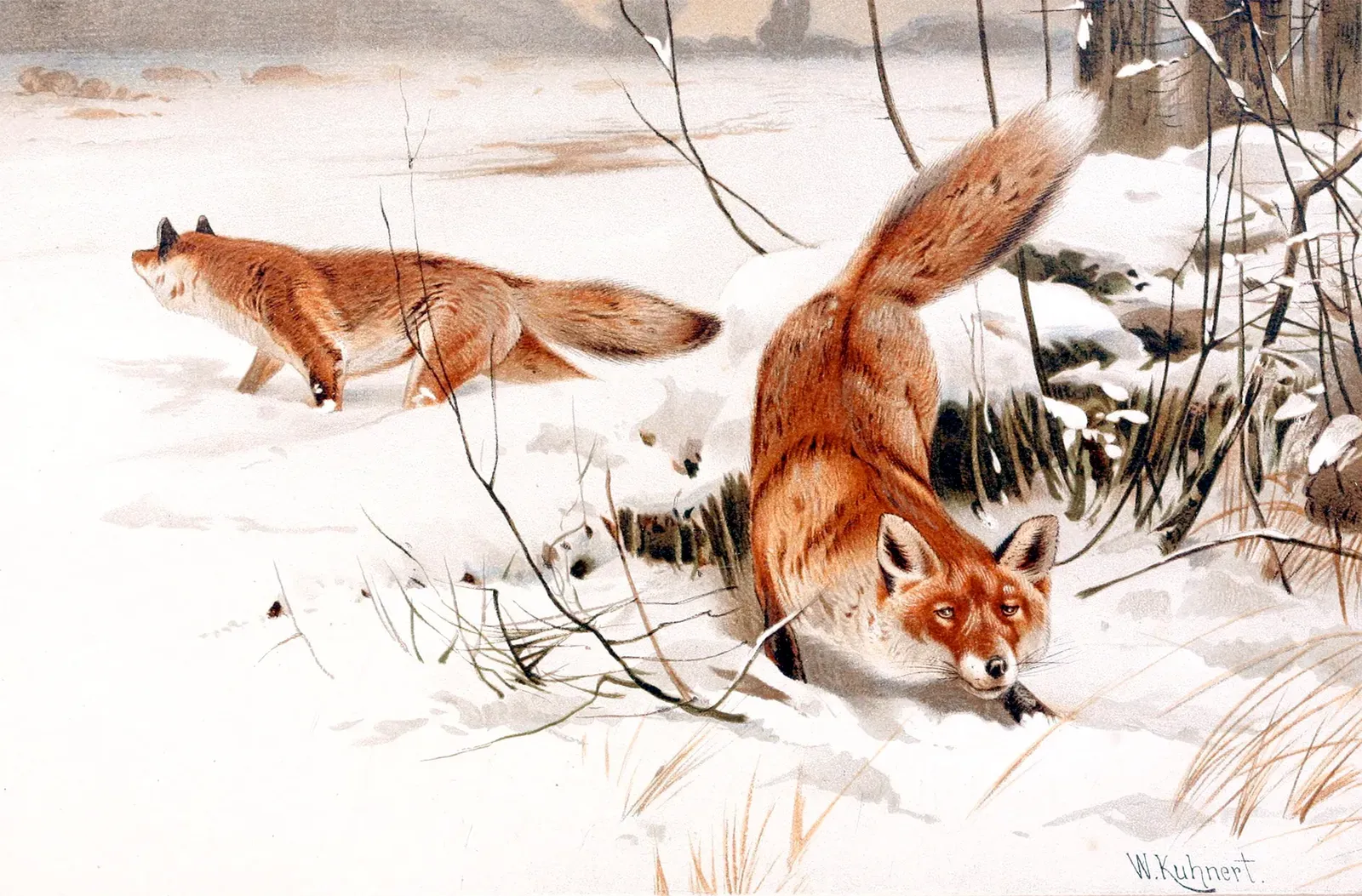
Red foxes have shown up more often in suburban fringes around Indianapolis and St Louis. They hunt rodents in open fields and sometimes den under decks or in brush piles. Their smaller size allows them to slip through areas larger predators avoid.
Sightings tend to cluster near parks and undeveloped parcels that connect to rural land. These foxes maintain cautious habits that limit daytime encounters. Their presence adds a layer of natural rodent control in many neighborhoods.
Virginia Opossums Moving Into Midwest Backyards
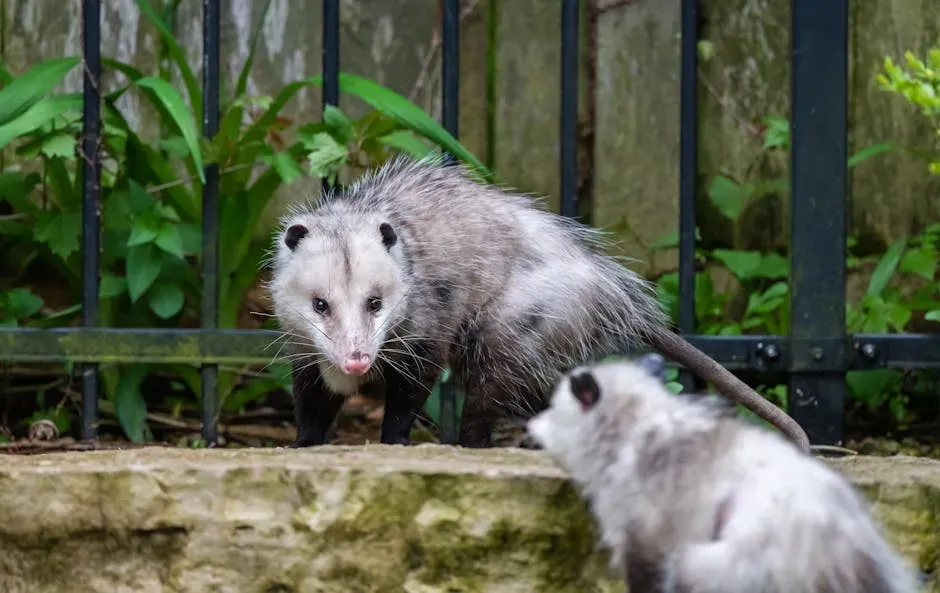
Virginia opossums have quietly increased in suburban settings throughout the Midwest. They forage on insects, fallen fruit, and pet food in places like Milwaukee and Columbus outskirts. Their slow pace and nocturnal schedule keep most interactions minimal.
These marsupials use drainage pipes and woodpiles for daytime cover. Populations appear stable or slightly higher in areas with mixed housing and greenery. They play a role in cleaning up garden pests without much fanfare.
Striped Skunks Returning to Detroit Area Homes
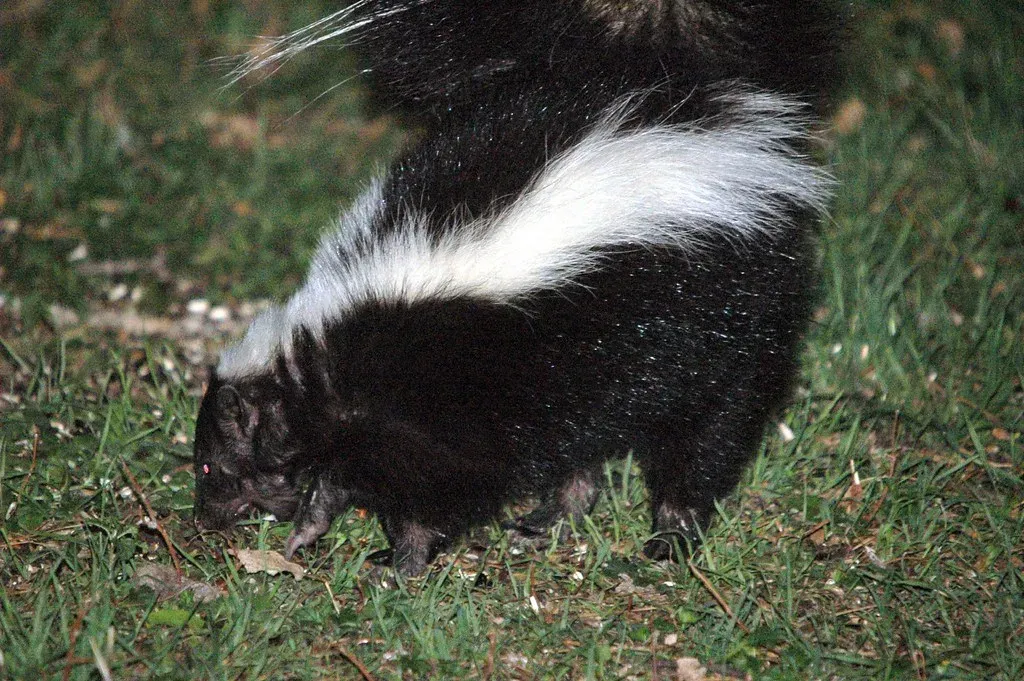
Striped skunks have reclaimed space in Detroit and nearby suburbs as green areas recover. They dig for grubs in lawns and seek shelter in crawl spaces or under porches. Their distinctive markings make them easy to identify during evening strolls.
Food sources from insects and occasional garbage keep them in residential zones. Reports of encounters have risen gradually without dramatic spikes. Simple prevention like covering trash helps reduce unwanted visits.
The quiet return of these animals reflects broader shifts in how Midwest suburbs balance growth with leftover natural spaces. People who pay attention to their surroundings often notice the changes first in their own yards. Coexistence will likely depend on small daily choices rather than grand plans.
- 8 Ways Glaciers Carved New York's Finger Lakes - August 10, 2026
- 8 Ways Bobcats Move Through Suburbs Without Being Seen - August 9, 2026
- 7 Reasons Black Bears Return to the Same Food Source - August 9, 2026