
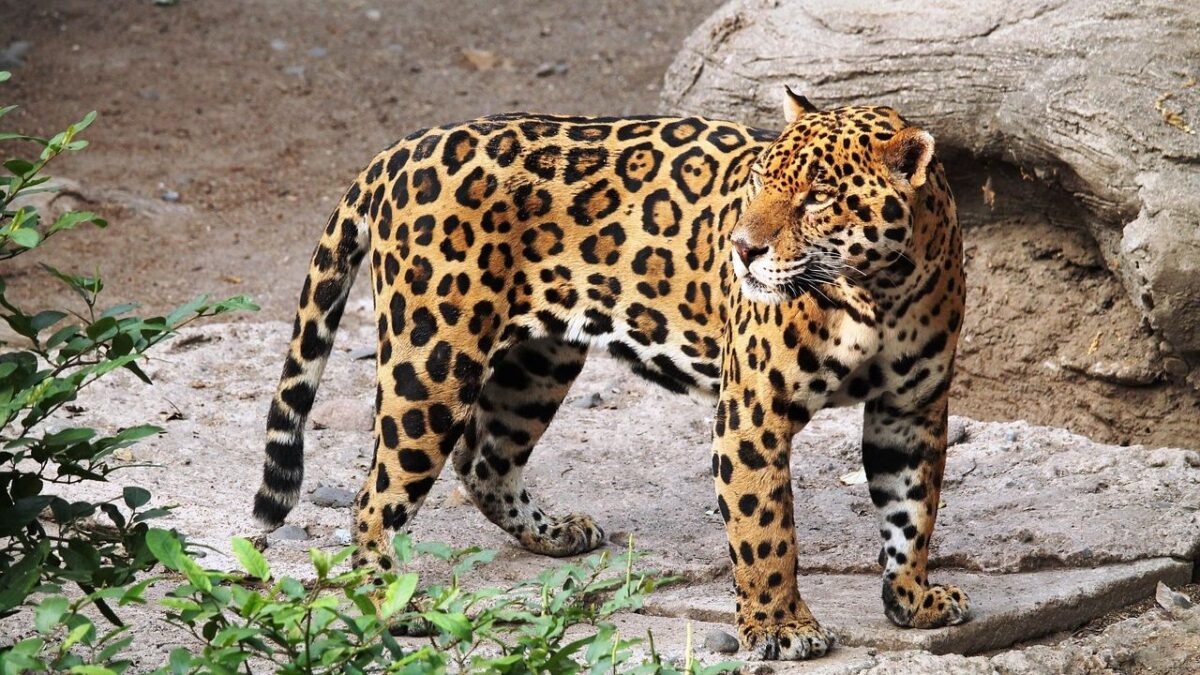
Picture a quiet stretch of pavement cutting through dense, wild country where one of North America’s rarest big cats still roams. The chance to glimpse a jaguar without stepping out of your car sounds almost too straightforward, yet it exists in just one narrow corridor. Most people never even learn the spot is there, let alone plan a visit.
The Remote Corridor That Allows This Rare View
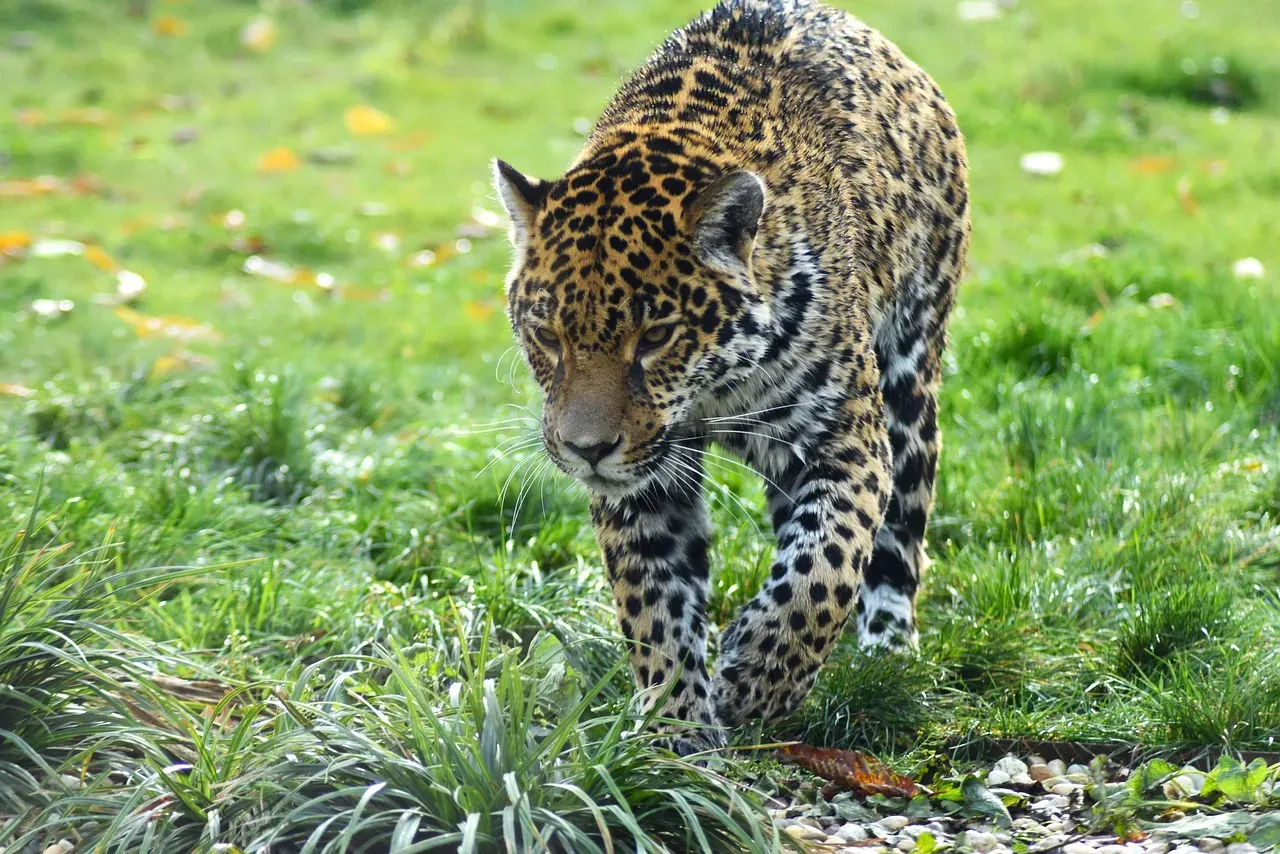
Deep in the northern reaches of Mexico’s Sierra Madre Occidental, a single road passes through habitat where jaguars still cross open ground near the pavement. The terrain here stays rugged enough that development has stayed minimal, leaving patches of forest and scrub right up against the shoulder. Travelers who slow down and scan the edges sometimes catch the distinctive spotted coat moving between cover.
That combination of legal access and actual animal presence makes the stretch unique on the continent. Elsewhere, protected areas either ban roadside stops or simply lack resident jaguars close enough to the pavement. The road itself functions almost like a natural blind, letting observers stay inside their vehicle while the cats move naturally through their territory.
How Jaguars Still Survive This Far North
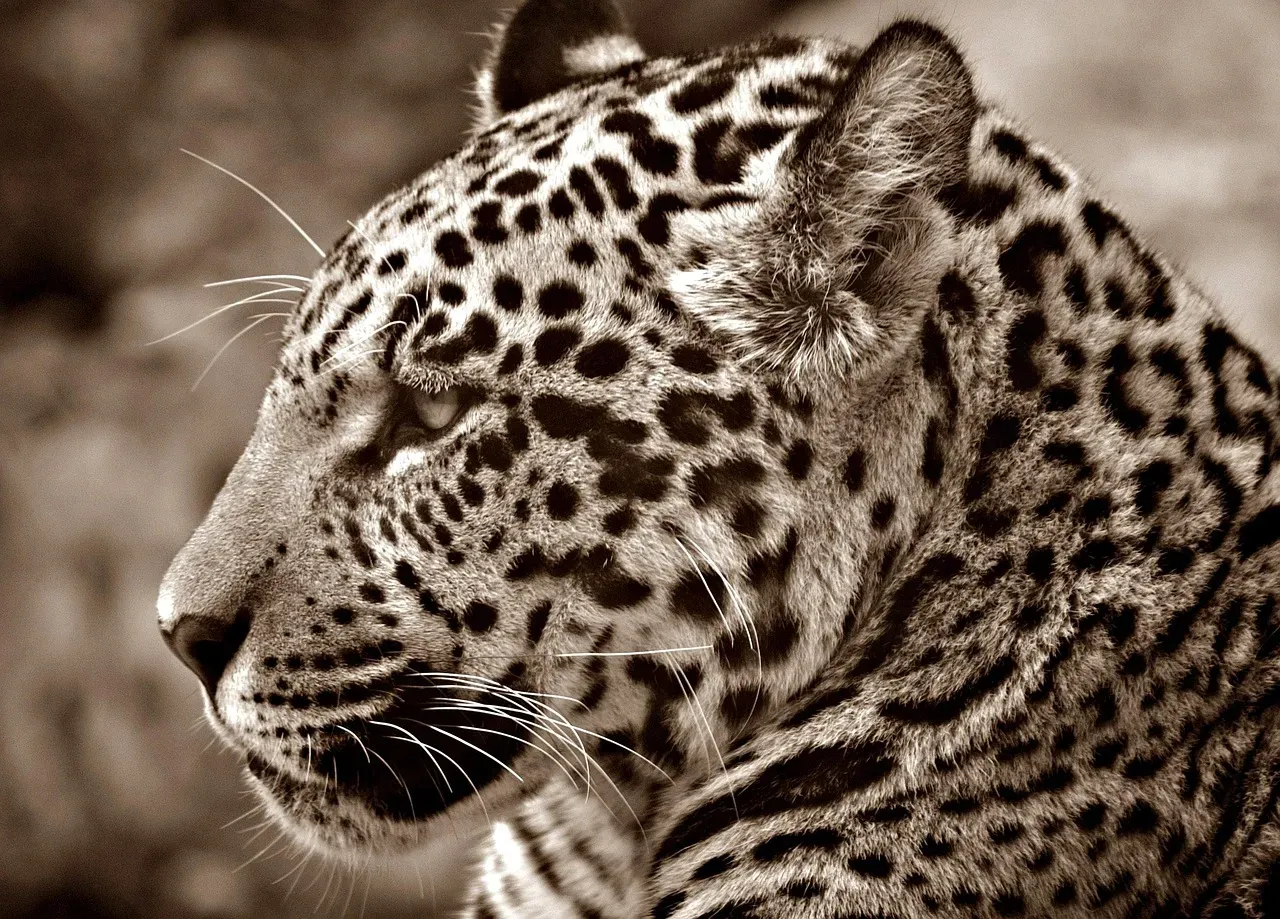
Jaguars once ranged across the southern United States, but today their northernmost breeding populations sit just south of the border. A handful of individuals occasionally wander into Arizona and New Mexico, yet stable groups remain concentrated in Mexico’s mountain chains. The corridor in question supports enough prey and cover to keep a small population going year after year.
Seasonal water sources and livestock trails bring the cats closer to the road at certain times. Researchers tracking collars have documented crossings within a few dozen meters of pavement, confirming the animals treat the area as normal home range rather than a barrier. This overlap creates the only reliable roadside viewing opportunity on the continent.
Why the Law Permits Roadside Observation Here
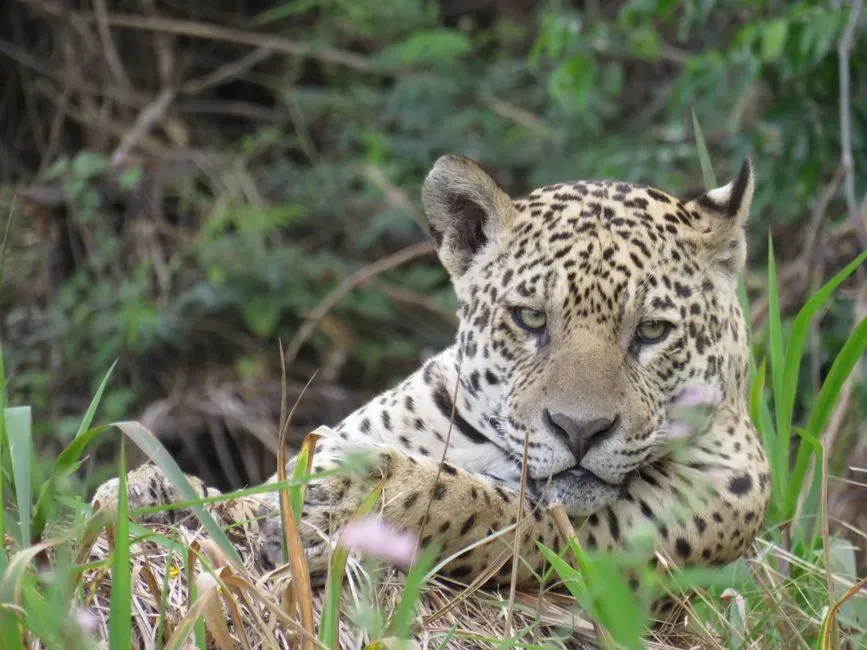
Mexican wildlife regulations allow public roads to remain open through protected zones as long as drivers stay on the pavement and do not harass animals. The specific stretch falls under a management plan that balances local travel needs with conservation goals. No special permit is required for simple observation from a vehicle.
In contrast, most U.S. recovery zones for jaguars restrict public access or require guided tours inside fenced reserves. Those rules exist to reduce disturbance, yet they also eliminate casual roadside chances. The Mexican corridor therefore stands out as the single place where ordinary travelers can legally watch a wild jaguar without leaving the road.
The Long Drive and Limited Infrastructure
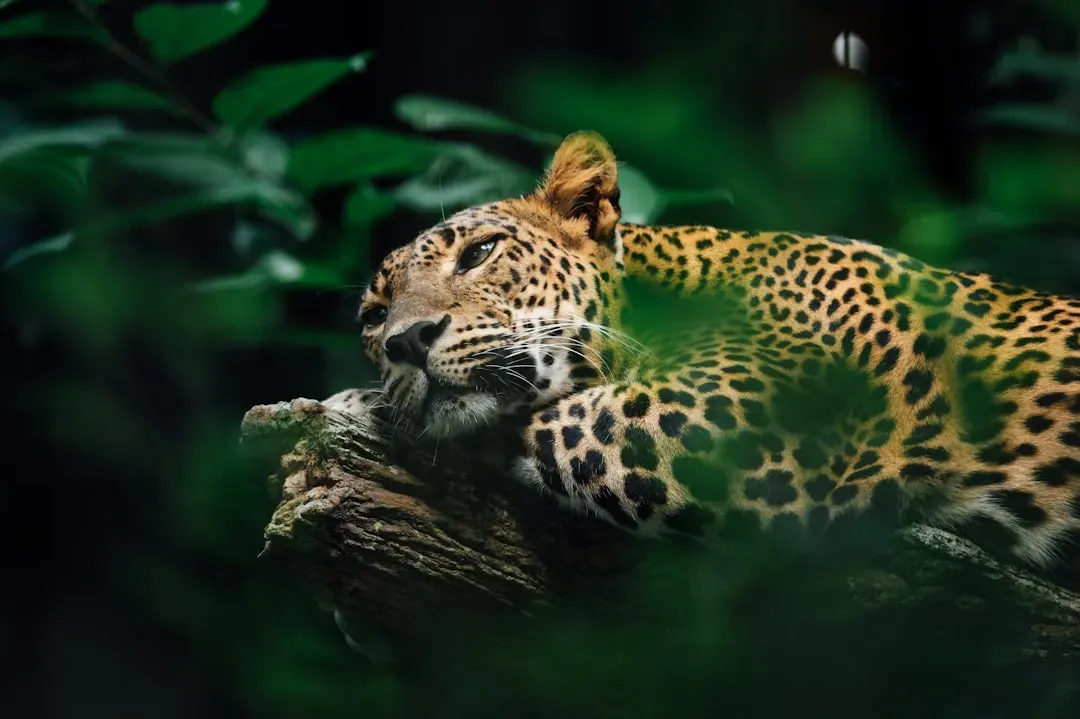
Reaching the corridor demands hours on winding mountain roads that see little maintenance. Gas stations and lodging thin out quickly once drivers leave the nearest sizable town, forcing careful planning for fuel and supplies. Cell service drops for long stretches, leaving visitors reliant on paper maps or downloaded offline navigation.
Local communities along the route remain small and spread out, so roadside services stay basic. Travelers often carry extra water and spare tires because breakdowns can strand them for hours. These practical hurdles already filter out casual tourists before they even reach the viewing area.
Weather and Seasonal Timing That Shape Success
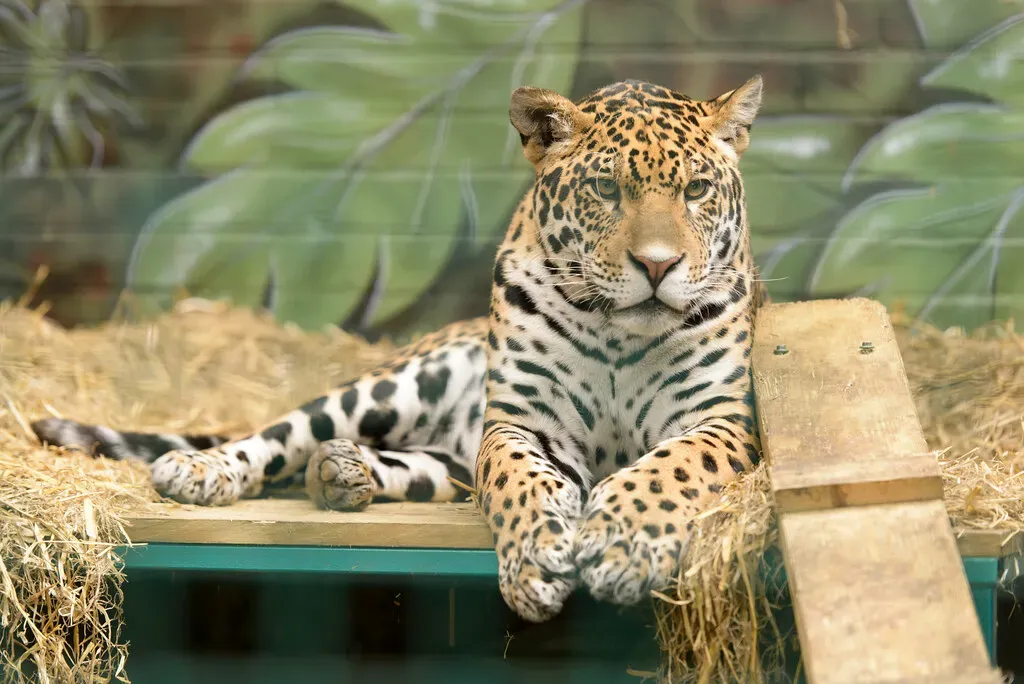
The best months for sightings tend to fall during the drier season when cats move more predictably between water points. Heavy rains turn side tracks to mud and can wash out sections of the main road itself. Visitors who arrive during peak wet months often find the pavement slick and visibility reduced by fog in the higher passes.
Temperature swings also matter. Cool mornings bring cats closer to open ground to warm up, while midday heat pushes them deeper into shade. People who time their slow drives for early or late hours improve their odds without ever leaving the car. Still, even perfect timing offers no guarantee of a sighting.
Respecting the Animals While Staying on the Road
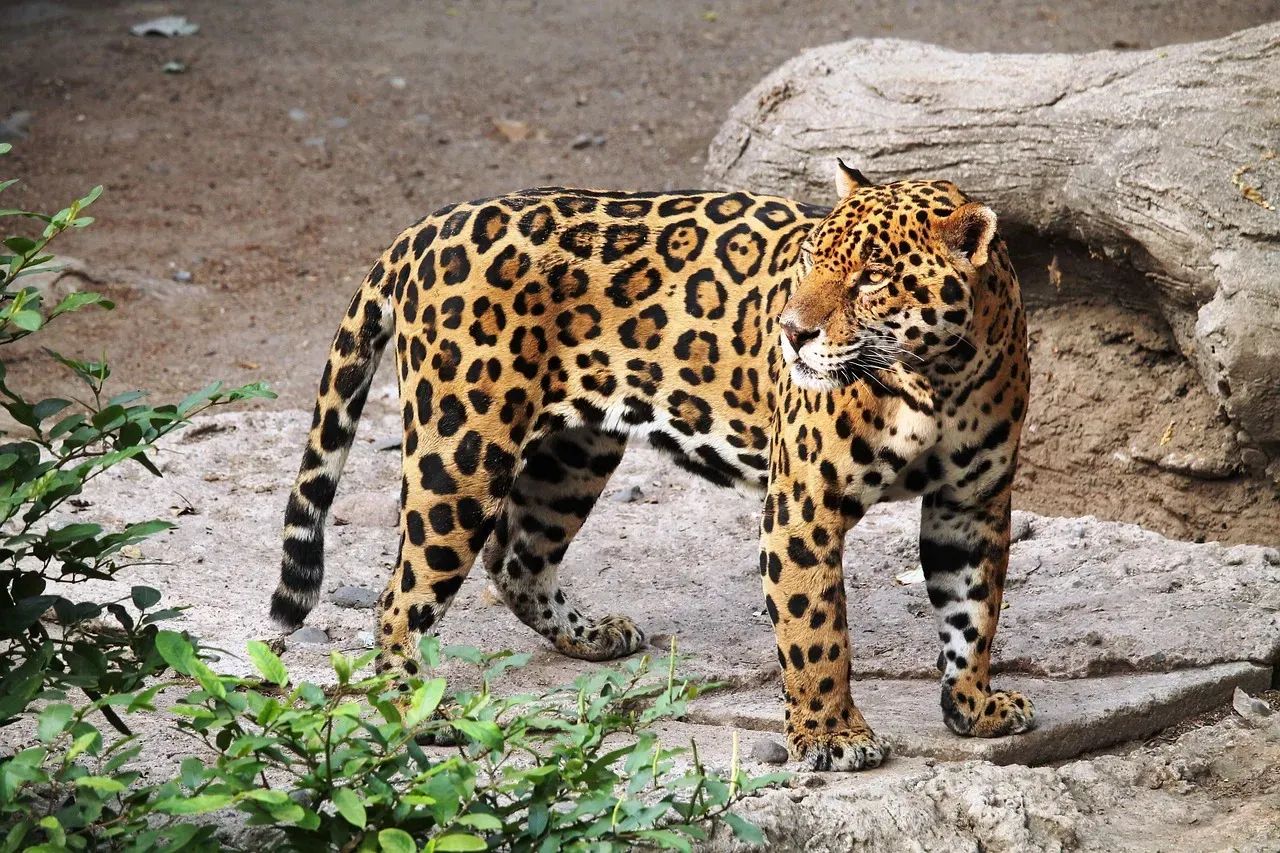
Observers are expected to keep engines off when stopped and avoid sudden movements that might startle a cat. Flash photography is discouraged because it can disrupt natural behavior at close range. Most locals who use the road regularly already follow these quiet habits without needing formal signs.
Because the animals remain fully wild, any encounter lasts only seconds or minutes before the jaguar slips back into cover. That brevity actually helps protect the cats from habituation. Drivers who linger too long or attempt to follow on foot risk fines under existing wildlife statutes.
Why So Few People Ever Attempt the Journey
The combination of distance, uncertain sightings, and basic facilities keeps visitor numbers low. Travel blogs and wildlife forums rarely mention the corridor, so awareness stays limited to researchers and a handful of dedicated naturalists. Those who do go often return without a confirmed glimpse, which further discourages repeat trips.
Yet the very emptiness of the road preserves the experience for those willing to invest the time. In a world where popular wildlife destinations feel crowded, this stretch offers something closer to genuine solitude. The scarcity of visitors may be the single factor that keeps the opportunity intact for years to come.
A Quiet Privilege Worth Protecting
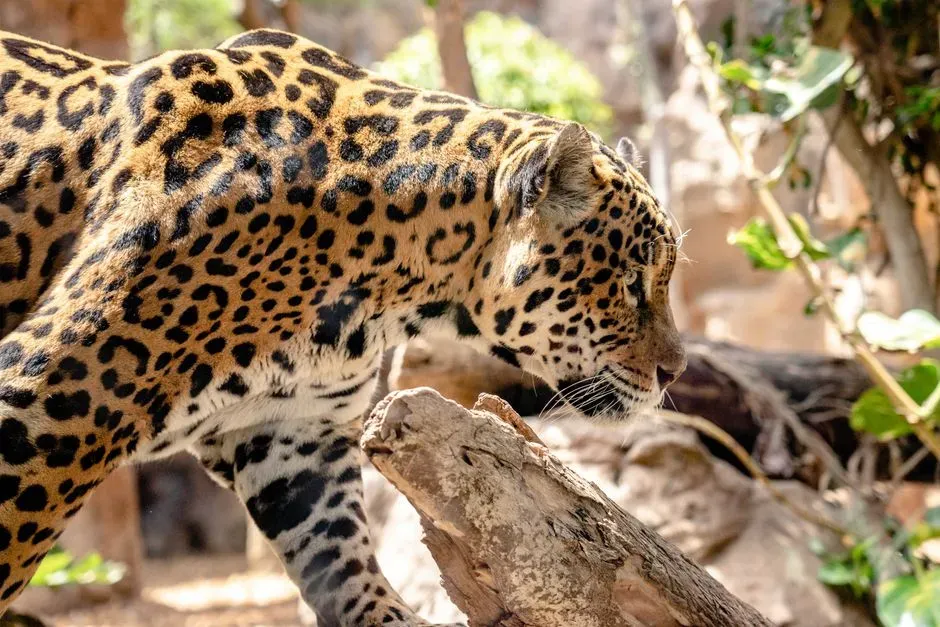
Seeing a wild jaguar from the roadside remains an exception rather than a rule, and that rarity carries its own weight. The corridor shows how careful management can allow limited public access without erasing the animals’ wild character. At the same time, the low visitor count underscores how fragile such opportunities can be.
Anyone considering the drive should weigh the real demands of the trip against the chance of an empty return. The reward, when it arrives, feels earned precisely because so few others make the effort. In the end, the place reminds us that some of the continent’s wildest moments still belong to those willing to travel far and wait quietly.

- 15 Little-Known Facts About DNA That Control More Than You Think - August 10, 2026
- 10 Things Cats Never Forget About Their Owners - August 10, 2026
- 8 Ways Cats Show They're Worried About You - August 10, 2026