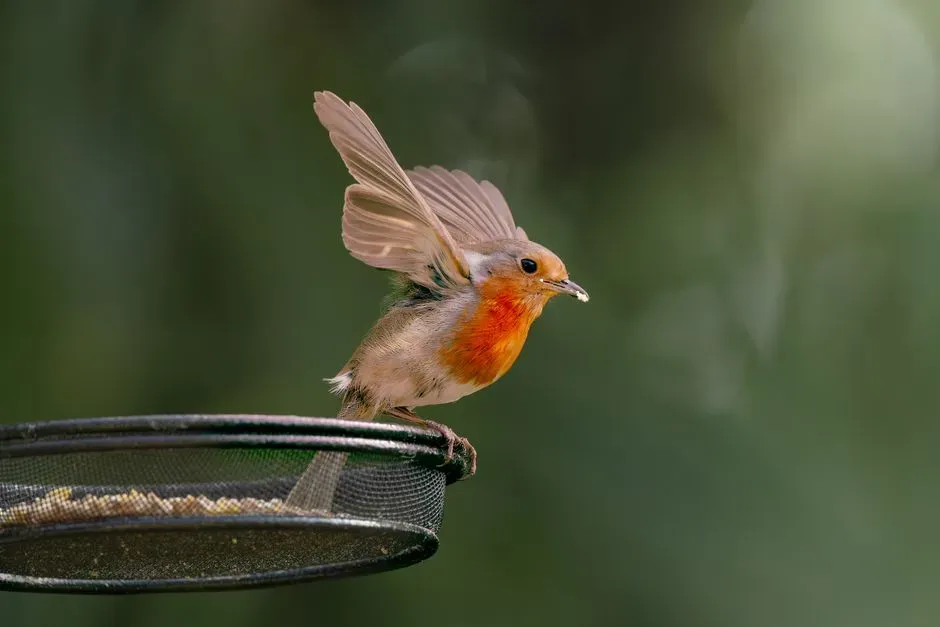
12 Things Robins Do Before Heavy Rain That Birdwatchers Have Noticed for Generations-feature image/Unsplash
Robins, those familiar harbingers of spring with their bright red breasts and cheerful songs, have long been observed by birdwatchers as natural barometers of impending weather changes. Their behaviors before a heavy rain are not just fascinating; they offer insights into the intricate ways these birds interact with their environment. Here are 12 behaviors that robins exhibit before a downpour, as noted by keen observers over generations.
Increased Foraging Activity
Increased Foraging Activity (Image Credits: Pexels)
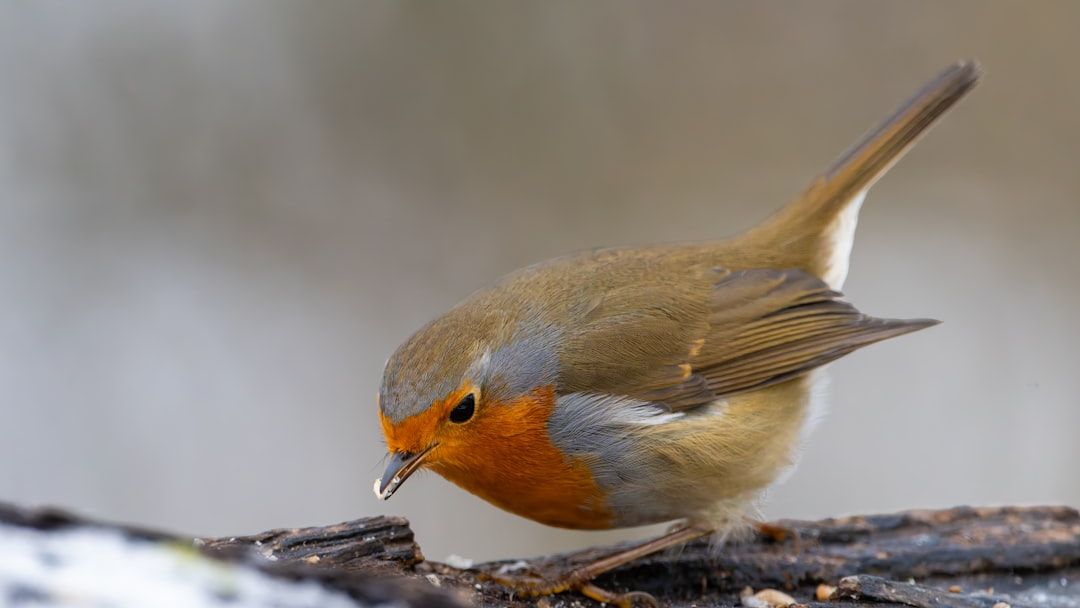
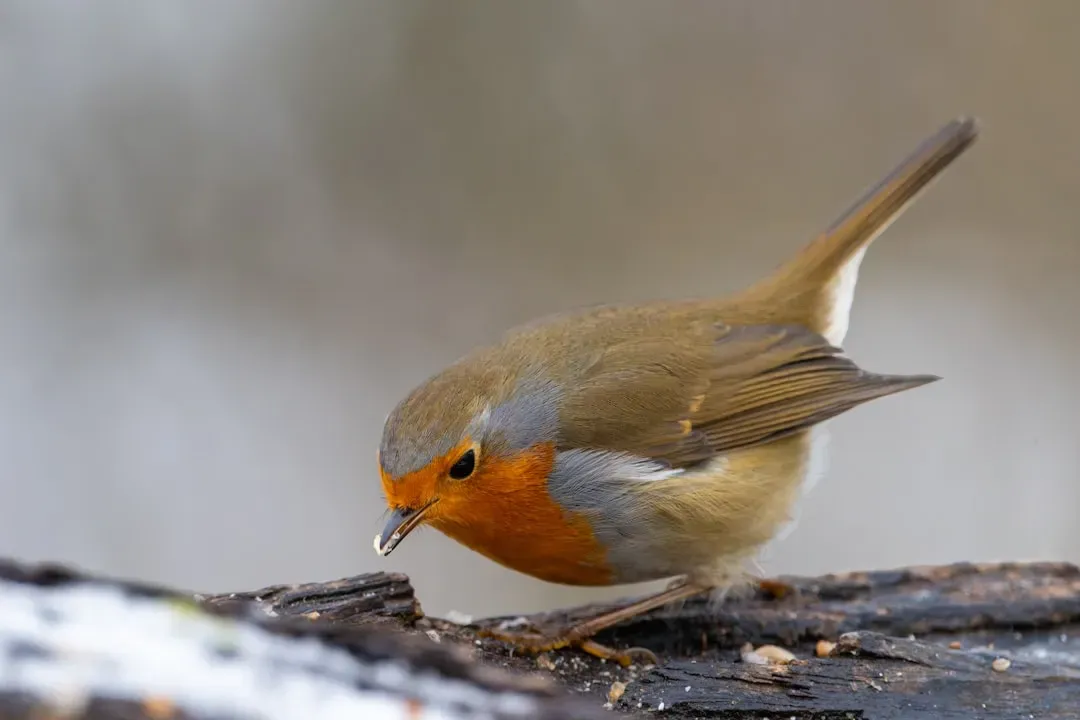
As a storm approaches, robins often intensify their search for food. This behavior is driven by the need to stock up on energy reserves, knowing that the impending rain will limit their foraging opportunities. They can be seen hopping energetically across lawns, pulling up earthworms and insects with remarkable efficiency.
This pre-rain feeding frenzy is not just about hunger; it’s a survival strategy. By consuming more food before the weather turns, robins ensure they have enough energy to sustain them through the period when rain makes foraging difficult. It’s nature’s way of preparing them for the challenges ahead.
Seeking Shelter in Dense Foliage
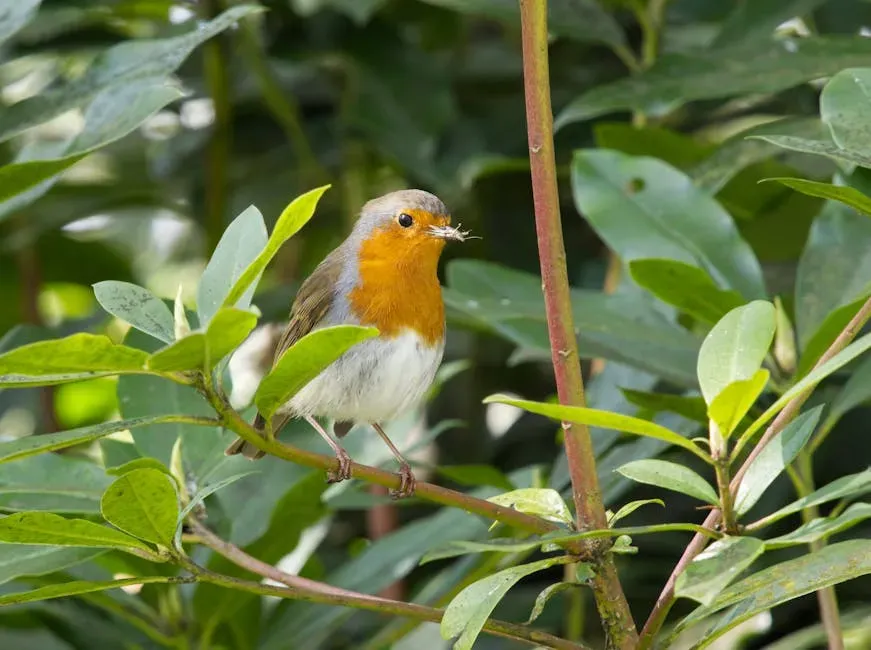
Seeking Shelter in Dense Foliage (Image Credits: Unsplash)
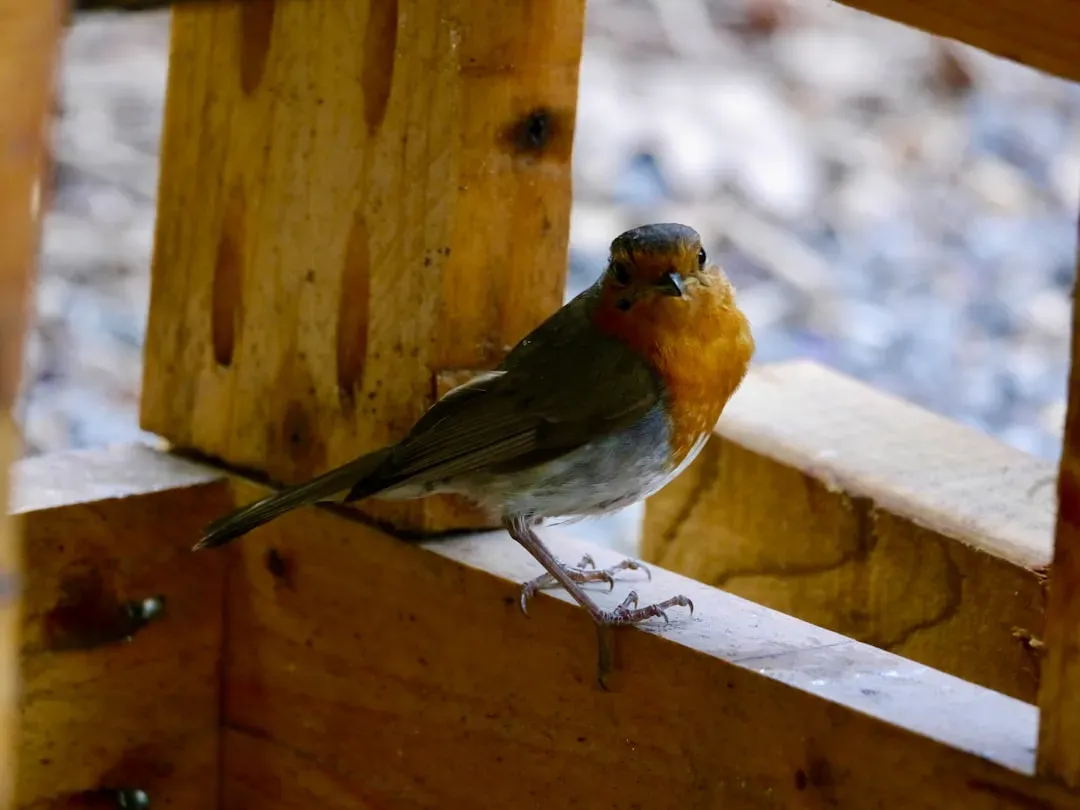
Before the first raindrop falls, robins often retreat to the safety of dense shrubs and thickets. These natural shelters provide protection from the elements, allowing the birds to stay dry and conserve body heat. The thick foliage acts as a buffer against wind and rain, creating a microenvironment that’s more hospitable during storms.
This behavior underscores the robin’s instinctual drive to seek safety. By positioning themselves in these sheltered spots, they minimize exposure to harsh weather, reducing the risk of hypothermia and energy depletion. It’s a testament to their adaptability and survival instincts.
Decreased Singing Activity
Decreased Singing Activity (Image Credits: Pexels)
Robins are known for their melodious songs that fill the air during clear days. However, as rain approaches, their vocalizations often diminish. This reduction in singing serves multiple purposes: conserving energy, avoiding drawing attention to themselves, and signaling to other birds that inclement weather is imminent.
The silence before the storm is a natural cue for birdwatchers. When the usual chorus of robin songs fades, it’s often a sign that rain is on the horizon. This behavioral change highlights the robin’s sensitivity to environmental cues and their ability to adapt accordingly.
Lower Flight Patterns
Lower Flight Patterns (Image Credits: Pexels)
As atmospheric pressure drops ahead of a storm, robins adjust their flight patterns, often flying lower to the ground. This behavior is believed to be a response to changes in air pressure and wind currents, making it easier for them to navigate and conserve energy. Lower flight also allows them to stay closer to potential food sources and shelter.
Observing robins flying unusually low can serve as a natural indicator of approaching rain. It’s a subtle yet telling sign of their acute awareness of environmental changes and their proactive measures to cope with them.
Gathering in Communal Roosts
Gathering in Communal Roosts (Image Credits: Pexels)
Before heavy rain, robins may congregate in larger groups, forming communal roosts in sheltered areas. This behavior provides safety in numbers and shared warmth, which is especially beneficial during inclement weather. These roosts are often located in dense trees or shrubs that offer protection from the elements.
The formation of these communal roosts is a social adaptation that enhances survival. By huddling together, robins can better withstand the challenges posed by heavy rain, showcasing the importance of community in the animal kingdom.
Preening and Feather Maintenance
Preening and Feather Maintenance (Image Credits: Pexels)
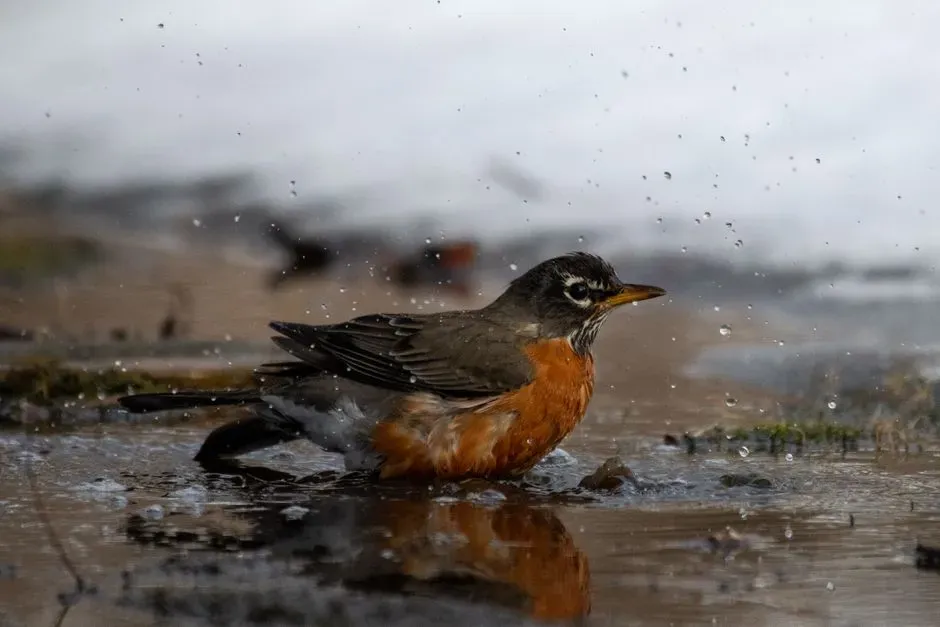
In anticipation of rain, robins engage in meticulous preening, spreading oil from their uropygial gland across their feathers. This oiling process enhances the waterproofing of their plumage, helping to keep them dry during the downpour. Well-maintained feathers are crucial for insulation and buoyancy, especially when wet conditions prevail.
This proactive grooming behavior highlights the robin’s foresight in preparing for adverse weather. By ensuring their feathers are in optimal condition, they increase their chances of staying warm and dry, which is vital for their survival.
Reduced Territorial Aggression
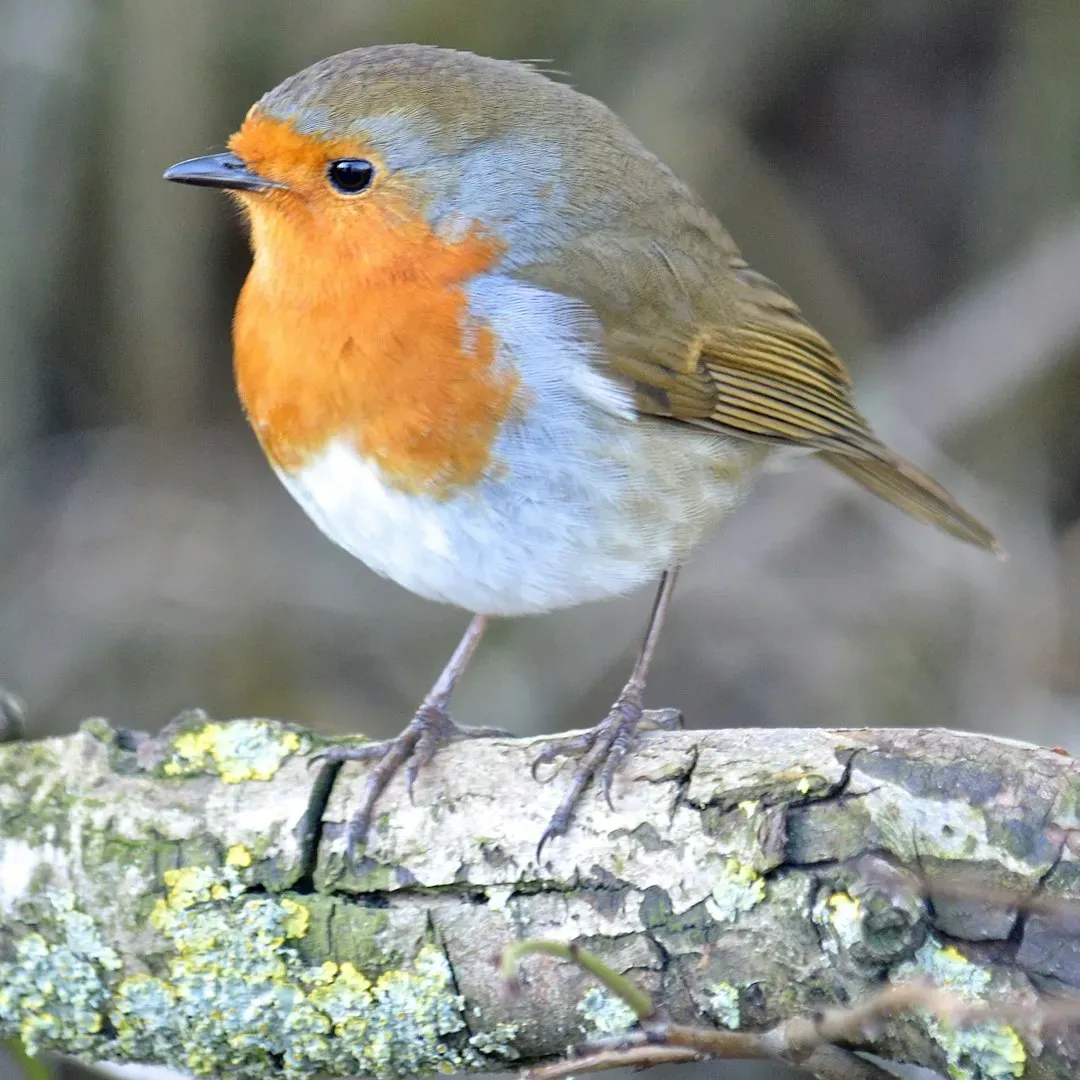
Reduced Territorial Aggression (Image Credits: Unsplash)
Robins are typically territorial birds, often seen defending their space with vigor. However, as rain approaches, there’s a noticeable decrease in aggressive behaviors. This shift allows them to conserve energy and focus on seeking shelter and food, rather than engaging in potentially exhausting confrontations.
This temporary truce among robins is a strategic adaptation. By prioritizing survival over territorial disputes, they demonstrate a flexible approach to changing environmental conditions, ensuring they remain resilient in the face of challenges.
Increased Ground Foraging
Increased Ground Foraging (Image Credits: Unsplash)
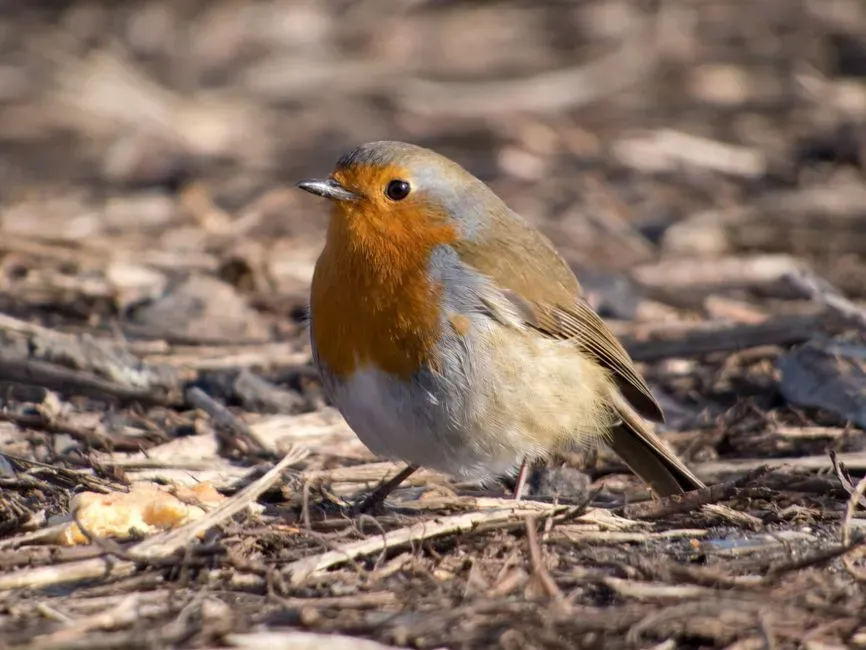
Before a storm, robins often increase their ground foraging activities, taking advantage of earthworms and insects that become more accessible as the soil becomes moist. This behavior allows them to maximize their food intake before the rain limits their foraging opportunities. The damp soil makes it easier for robins to extract worms, providing a rich food source.
This opportunistic feeding strategy showcases the robin’s adaptability. By capitalizing on the pre-rain conditions, they ensure they have sufficient energy reserves to weather the storm, highlighting their resourcefulness.
Fluffing Feathers for Insulation
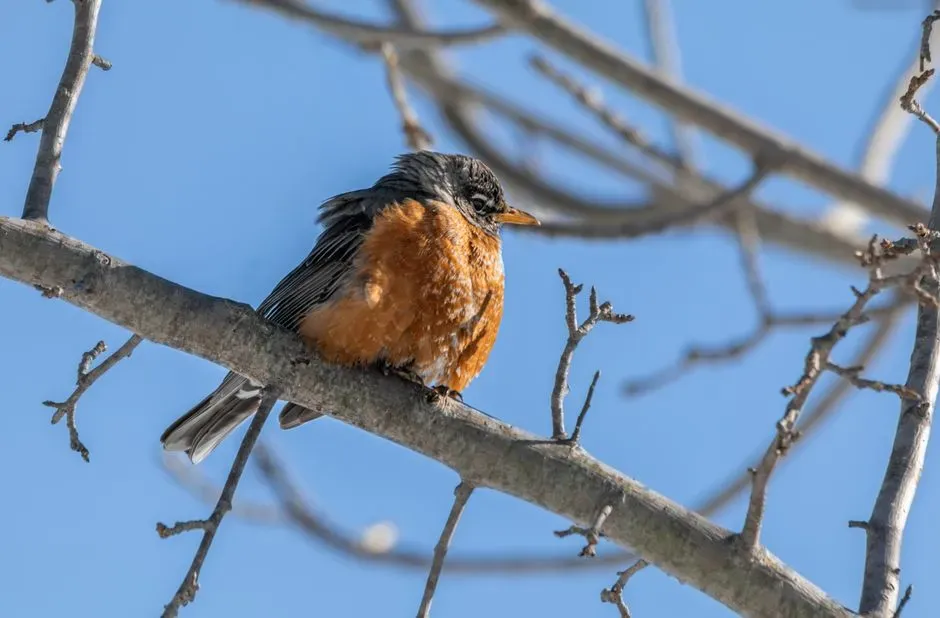
Fluffing Feathers for Insulation (Image Credits: Unsplash)
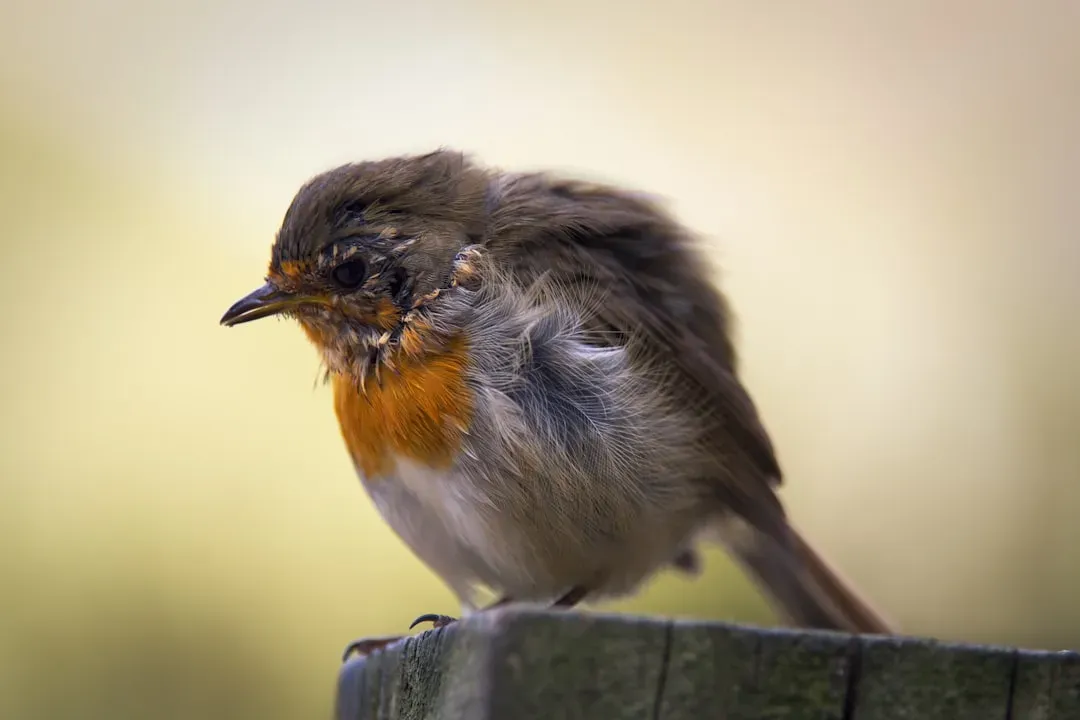
As temperatures drop before a rainstorm, robins may fluff up their feathers to trap air and create an insulating layer. This behavior helps them maintain body heat and stay warm during the cooler, damp conditions that accompany rain. Fluffed feathers increase the bird’s apparent size, but the primary purpose is thermoregulation.
This simple yet effective behavior underscores the robin’s ability to adapt to changing temperatures. By adjusting their feather positioning, they can better regulate their body heat, ensuring they remain comfortable despite the impending rain.�
Did you find this helpful? Share it with a friend who’d love it too!
Gargi is an MA in History and a B.Ed graduate from India, with a deep passion for animals and wildlife awareness. As an article writer and editor at Animals Around The Globe, she combines her love for storytelling with her dedication to educating readers about animals, conservation, and responsible pet care. A devoted dog lover, Gargi enjoys creating engaging and informative content that inspires compassion and awareness toward the natural world.